What Oregon Nurseries Are Selling Right Now For Early Spring
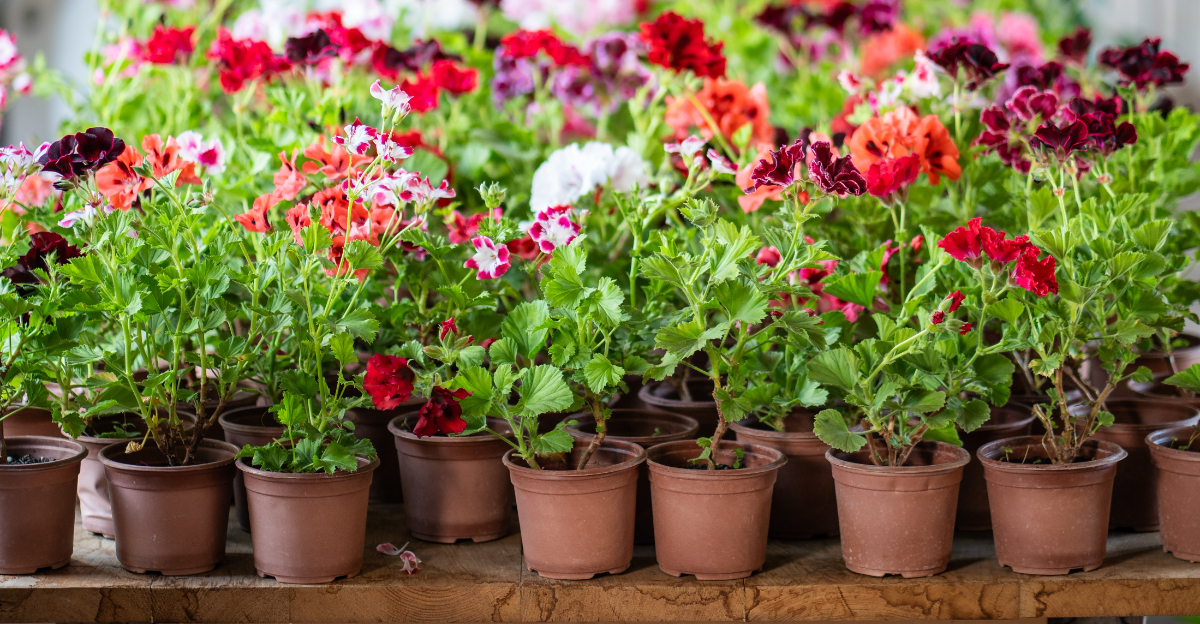
Step into an Oregon nursery in late winter and the energy is unmistakable. Trays of fresh greens line the benches, early blooms add cheerful splashes of color, and gardeners move with that ready-to-grow excitement.
Outside it may still be cool and drizzly, but inside the air hums with the promise of spring. This is when the season quietly begins, long before summer flowers take center stage.
Knowing what’s available in nurseries right now gives you a head start and helps you plant with confidence.
Hardy vegetables, cold-tolerant herbs, early perennials, and young shrubs are just waiting for a home in your garden.
Make smart choices and you set the stage for months of healthy growth and vibrant color, giving your landscape a strong, thriving foundation before the warmer weather arrives.
Grab a cart, breathe in that earthy scent, and feel the excitement of new possibilities. This is the moment your Oregon garden adventure kicks off, seedlings, shrubs, and early blooms all ready to grow under your care.
Spring is whispering, and your garden is listening.
1. Cold-Tolerant Spring Vegetables
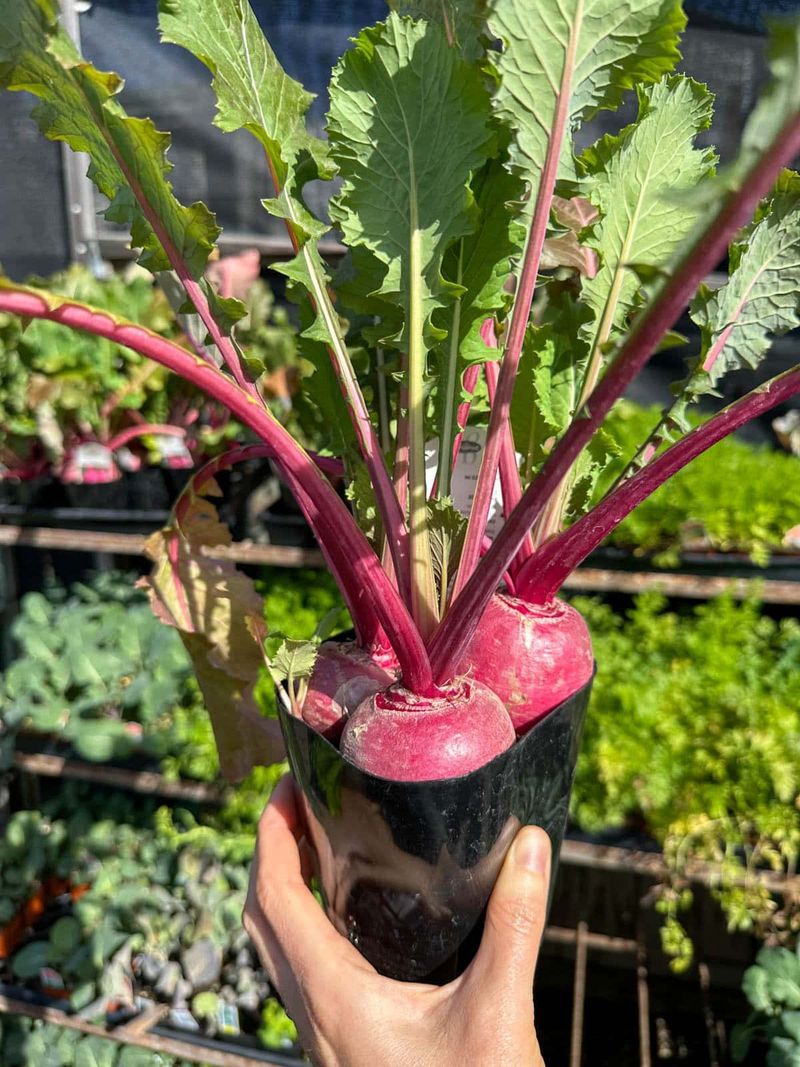
Right near the entrance, you’ll spot tables loaded with vegetable starts in four-inch pots and six-packs. Lettuce, kale, spinach, peas, and broccoli crowd the shelves because these plants don’t mind Oregon’s cool spring soil.
Gardeners know this window is perfect for getting these crops in the ground before summer heat arrives.
Nurseries time these arrivals carefully. Most of these vegetables prefer temperatures between 40 and 65 degrees, which describes Oregon’s typical March and April weather perfectly.
You can plant them weeks before tomatoes or peppers would survive outside.
Look for sturdy seedlings with dark green leaves and no yellowing. Leggy or pale plants struggled in their nursery trays and might not establish as quickly in your beds.
Many gardeners grab multiple six-packs of lettuce to plant in succession, ensuring fresh salads for months.
These vegetables also handle our spring rain beautifully. Unlike tender summer crops, they actually appreciate consistent moisture and cloudy days.
Plant them in beds you’ve amended with compost, and they’ll reward you with harvests while your neighbors are still planning their tomato spots. This is Oregon gardening at its most forgiving and productive.
2. Bare-Root Fruit Trees And Berries
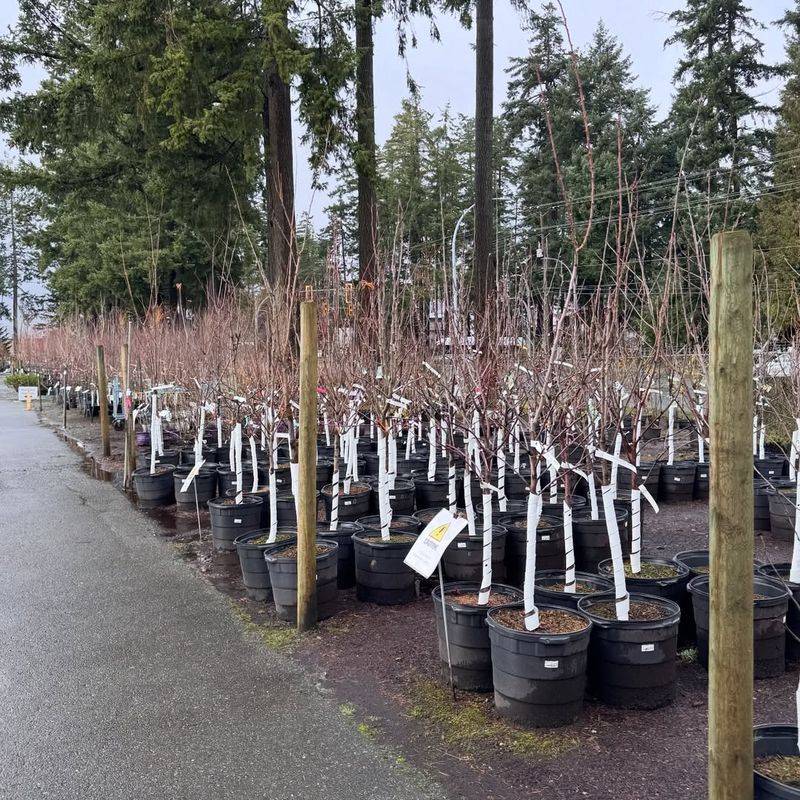
Over in the corner, you’ll notice bins of what look like sticks with roots attached. These bare-root fruit trees and berry canes arrive at nurseries during dormancy, when plants can safely be dug up and shipped without leaves.
January through early March marks bare-root season in Oregon, with apples, pears, blueberries, raspberries, and more ready for eager gardeners.
Bare-root plants usually cost less than potted versions and often establish more successfully, since their roots spread naturally into your soil. Many gardeners who’ve tried both swear by bare-root for giving plants the strongest start.
Think of it as getting in on the ground floor—the plant’s foundation is ready to grow.
Before you buy, inspect the roots. They should feel firm and slightly moist, never dry or mushy.
Nurseries keep them in damp sawdust or wood shavings to protect them during storage. Once home, plant within a few days or heel them into a temporary spot if weather delays your plans.
Oregon’s wet spring soil makes this the perfect window. The roots creep slowly into the cool ground before the leaves emerge, giving trees and berries a head start.
By summer, they’re established and ready to thrive through the warmer months, well-prepared for a long, productive season.
3. Early Spring Flowering Bulbs
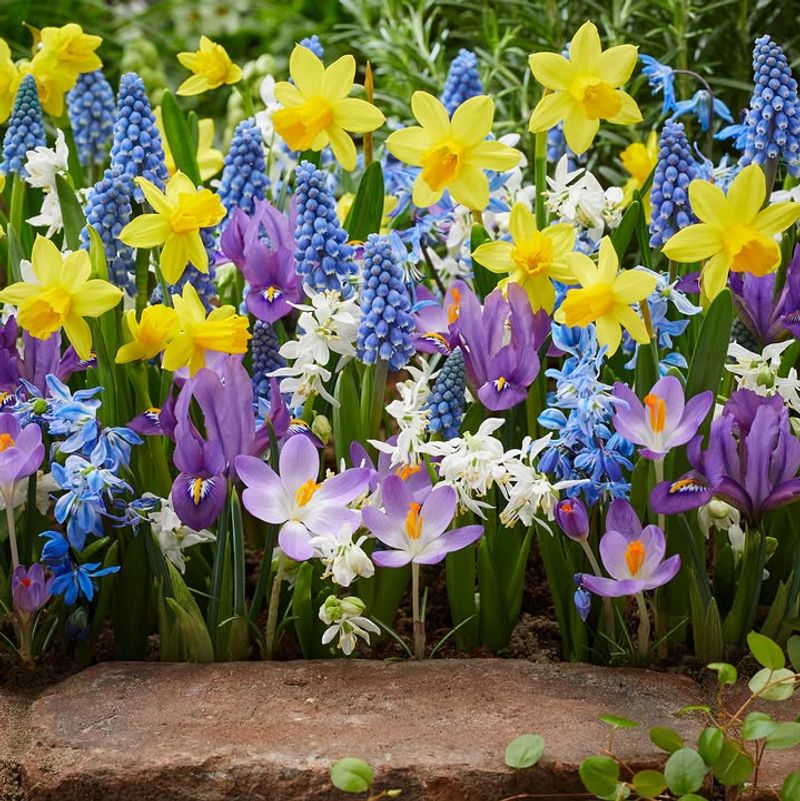
Nothing says spring like the bright pots of blooming bulbs stacked near the nursery checkout. Tulips, daffodils, hyacinths, and crocuses arrive already flowering or just about to burst open.
Nurseries know these cheerful pots fly off the shelves, after Oregon’s long gray winters, gardeners crave instant color.
These bulbs are often greenhouse-forced to bloom early, giving you instant gratification. Keep them in decorative pots on your porch, or plant them directly in garden beds once flowering is done.
Either way, they breathe life into spaces that still look dormant and bare.
If you move them outdoors, trim spent flowers but leave the foliage. Those leaves feed the bulb for next year’s display, so resist the urge to cut everything back immediately.
Many gardeners tuck transplanted bulbs among perennials, letting summer plants hide the fading foliage until it naturally dies back.
Some treat these bulbs as short-term decoration and compost them after blooming, which is perfectly fine. Others enjoy coaxing them back for another season.
Both approaches work. The main goal?
Enjoy those bright, cheerful petals exactly when you need them most, during those last chilly weeks before Oregon’s true spring warmth settles in.
4. Pansies And Cool-Season Annuals
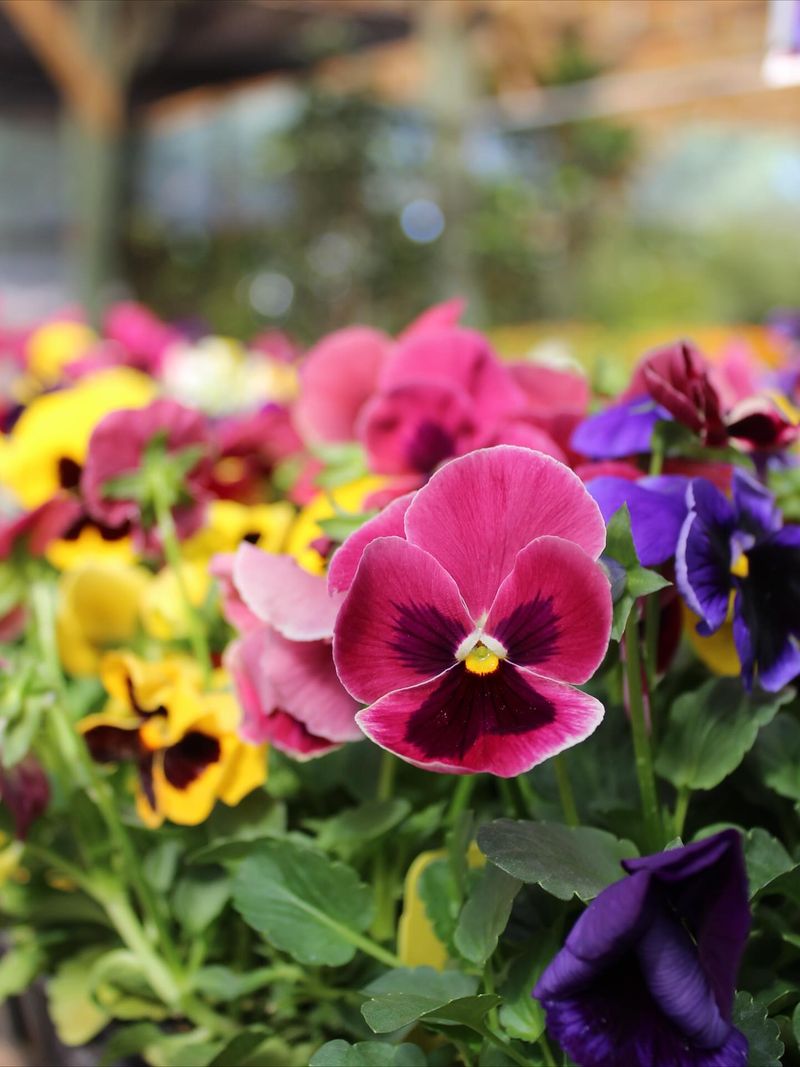
Flats of pansies dominate the annual section right now, their cheerful faces practically begging you to take them home. Alongside them, primroses, snapdragons, sweet alyssum, and violas add layers of color and texture.
These hardy annuals thrive in Oregon’s cool spring temperatures and shrug off light frosts like seasoned pros.
Pansies really steal the show this season. They bloom reliably through spring, slow down a bit during summer heat, and often revive again in fall.
Gardeners plant them in containers, window boxes, and along garden edges to provide immediate, vibrant color.
When selecting plants, look for compact specimens with plenty of unopened buds. Flats overflowing with open blooms have already spent much of their energy in the greenhouse.
Choosing younger plants with buds ensures longer, more resilient flowering once they’re in your garden.
These annuals also complement spring bulbs beautifully. Position them around daffodils or tulips to mask fading foliage, keeping beds looking lush and intentional instead of patchy.
For many Oregon gardeners, pansies are essential spring staples, bright, forgiving, and perfectly suited to the state’s unpredictable weather. They add color, curb appeal, and a reliable early-season pop to every garden.
5. Perennials Just Waking Up
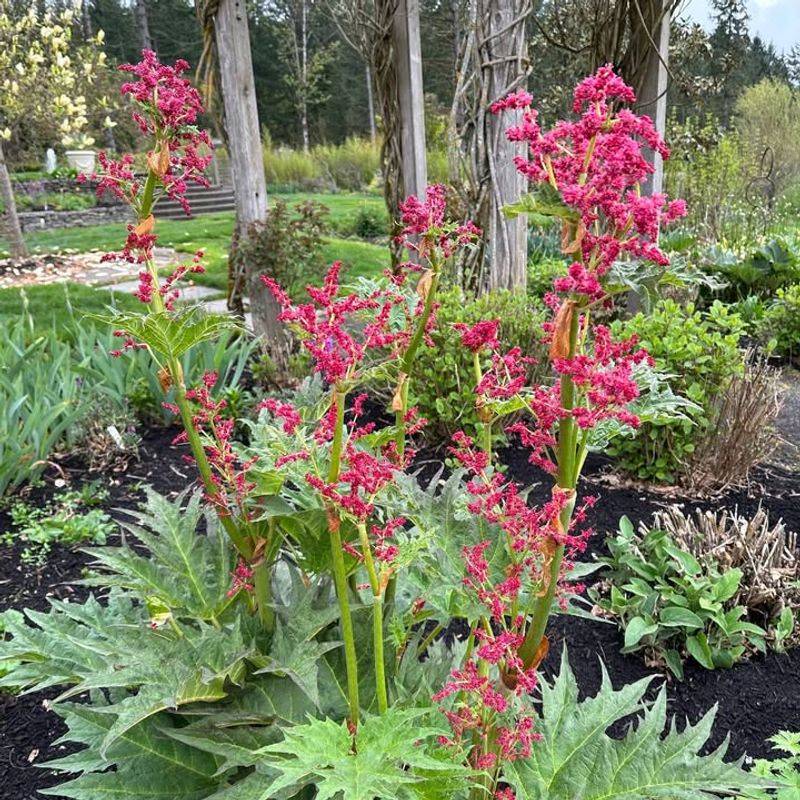
Wander through the perennial section and you’ll spot pots that seem almost empty, with just tiny green shoots poking through the soil. Hostas, daylilies, astilbes, and coneflowers are waking from winter dormancy.
Nurseries stock them now because savvy gardeners know this is the prime planting window for perennials.
Planting while perennials are mostly dormant gives roots a head start. They establish in cool, moist soil before expending energy on flowers and foliage.
By summer, these plants are ready to handle heat, sun, and drier conditions without stress.
Sparse pots aren’t a problem, they’re actually ideal. Perennials sold later in spring, already lush and blooming, can suffer transplant shock.
These quiet, just-awakening plants catch up quickly once in the ground and develop stronger, more resilient root systems.
Check tags for sun and water needs, and match plants to the right spots in your garden. Oregon’s spring rains help tremendously with establishment, so supplemental watering is minimal.
This timing works with nature, not against it, giving your perennials the best chance for healthy growth, vibrant blooms, and years of success in your garden.
6. Native Plants Returning To Shelves
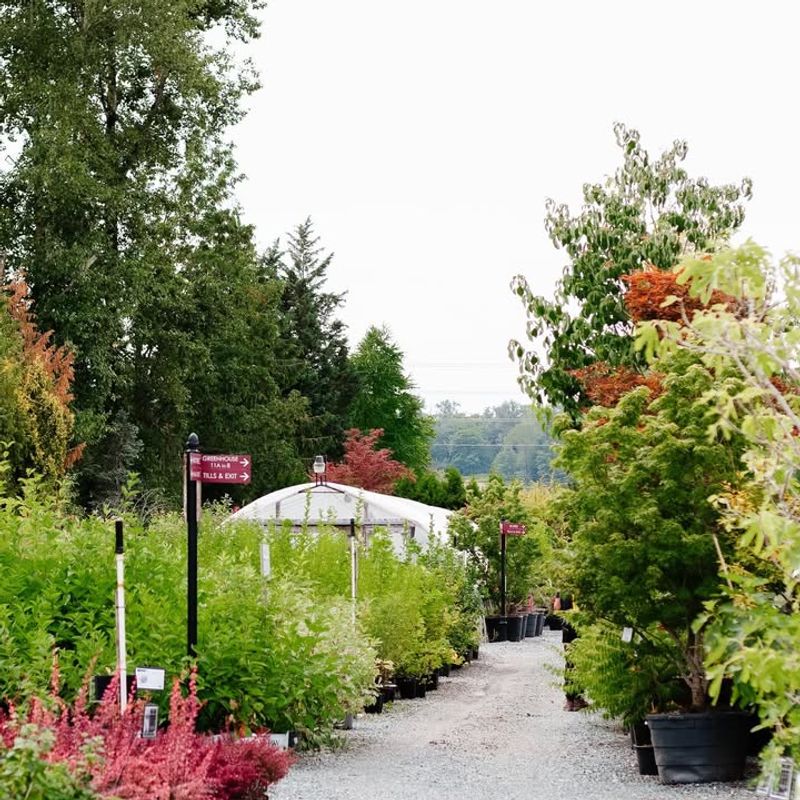
More nurseries now dedicate sections to Pacific Northwest native plants, and early spring brings a fresh lineup. Vine maples, red-flowering currants, Oregon grape, sword ferns, and kinnikinnick fill the benches.
These species evolved in Oregon’s climate, making them naturally suited to wet winters and dry summers.
Gardeners increasingly turn to natives for their low-maintenance charm and wildlife benefits. They attract local pollinators, birds, and beneficial insects far better than non-native ornamentals.
Once established, many require little to no supplemental watering through summer, appealing to gardeners aiming to save time and water.
Planting natives in early spring takes advantage of the natural rainfall. Wet months allow roots to establish deeply before the summer drought, mimicking how these plants grow in the wild and improving long-term survival and vigor.
Talk with nursery staff about each species’ specific needs. Some thrive in shade with steady moisture, while others prefer sunny, dry spots.
Matching plants to the right location ensures healthy growth. With Oregon’s rich native palette, you can craft landscapes that are beautiful, functional, and beneficial to the local ecosystem, a gardening approach that feels purposeful, sustainable, and rewarding.
7. Herbs For The Cool Season
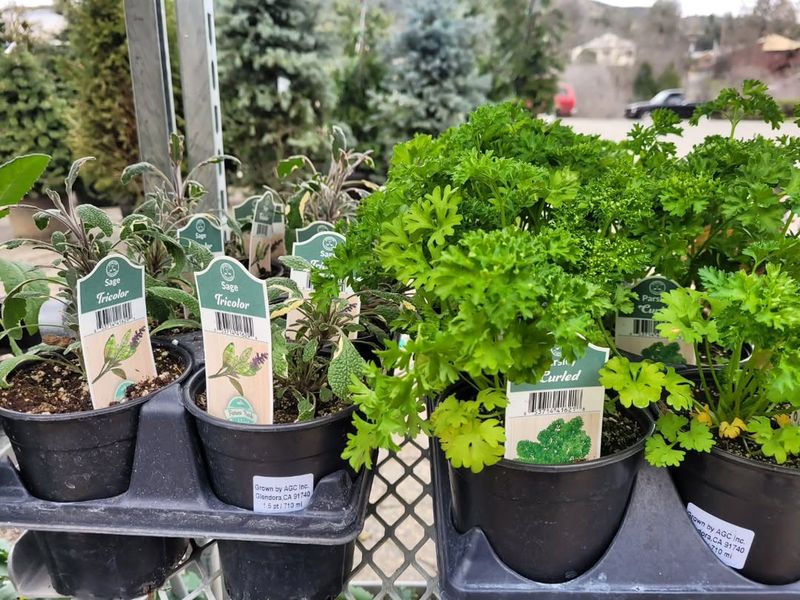
The herb section right now leans heavily toward cool-season varieties. Cilantro, parsley, chives, oregano, and thyme crowd the shelves because these herbs generally tolerate or prefer Oregon’s spring temperatures.
Basil and other heat-lovers usually don’t appear in quantity for several more weeks.
Cilantro especially benefits from early spring planting. It bolts quickly once temperatures climb much above 75 degrees, so getting it in the ground now can give you a longer harvest window.
Many gardeners plant cilantro every few weeks through spring to help ensure a continuous supply for salsas and salads.
Parsley, both flat-leaf and curly, grows well through cool weather and can tolerate light frost. Plant it in containers near your kitchen door for easy access, or tuck it into vegetable beds where it can grow alongside lettuce and peas.
It’s biennial, meaning it may return next year if it successfully overwinters.
Perennial herbs like oregano, thyme, and chives also appear now. These can establish well in spring’s moist soil and may provide harvests for years.
They’re relatively drought-tolerant once settled, making them good choices for many Oregon gardens. Plant them in well-draining spots with good sun exposure, and they can reward you with fragrant foliage and useful culinary additions season after season.
8. Roses And Flowering Shrubs
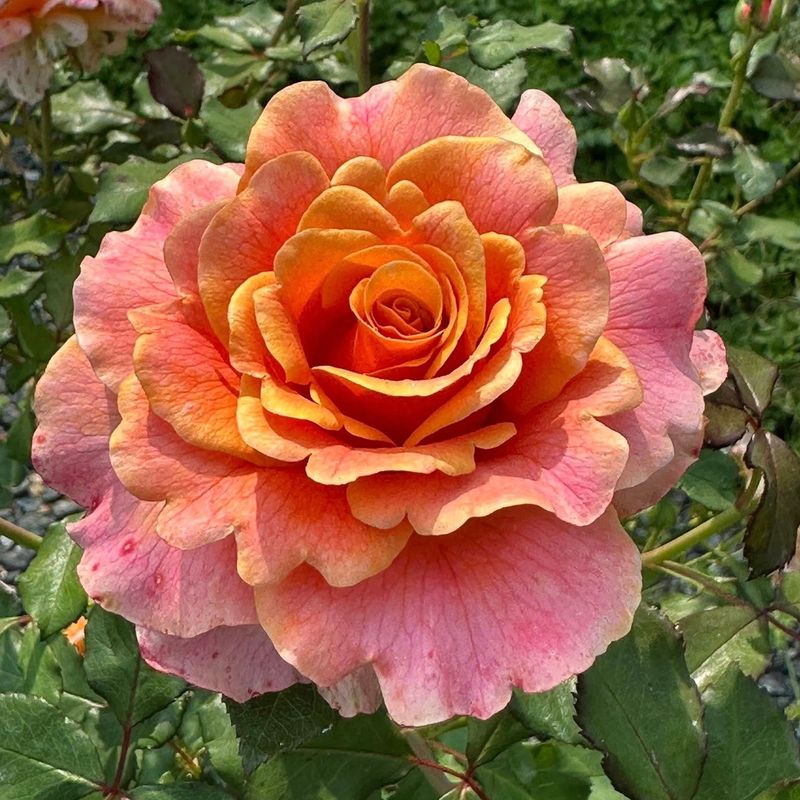
The shrub section holds both bare-root and potted roses, hydrangeas, lilacs, and other flowering shrubs. Early spring is generally a good time for planting these landscape anchors because they need time to establish before summer heat arrives.
Roses especially can benefit from early planting, often developing strong root systems before putting energy into blooms.
Bare-root roses usually cost less and can establish as quickly as potted versions, similar to fruit trees. Look for plants with at least three strong canes and healthy-looking roots.
Soak them in water for a few hours before planting to rehydrate the roots after their journey from the grower.
Hydrangeas arrive in various sizes, from small potted starts to larger established plants. Much of Oregon’s climate suits many hydrangea varieties well, and they often appreciate the region’s rainfall patterns, though some summer watering is still needed in drier areas.
Plant them where they’ll receive morning sun and afternoon shade for best results, especially in warmer inland areas.
Lilacs and other flowering shrubs also appear now. These deciduous plants may look bare and unimpressive in early spring, but that’s a suitable time to plant them.
They’ll leaf out gradually, adjust to your garden conditions, and may bloom either this year or next, depending on their size and maturity. Patience often pays off with landscape shrubs.
9. Soil, Compost, And Garden Starters
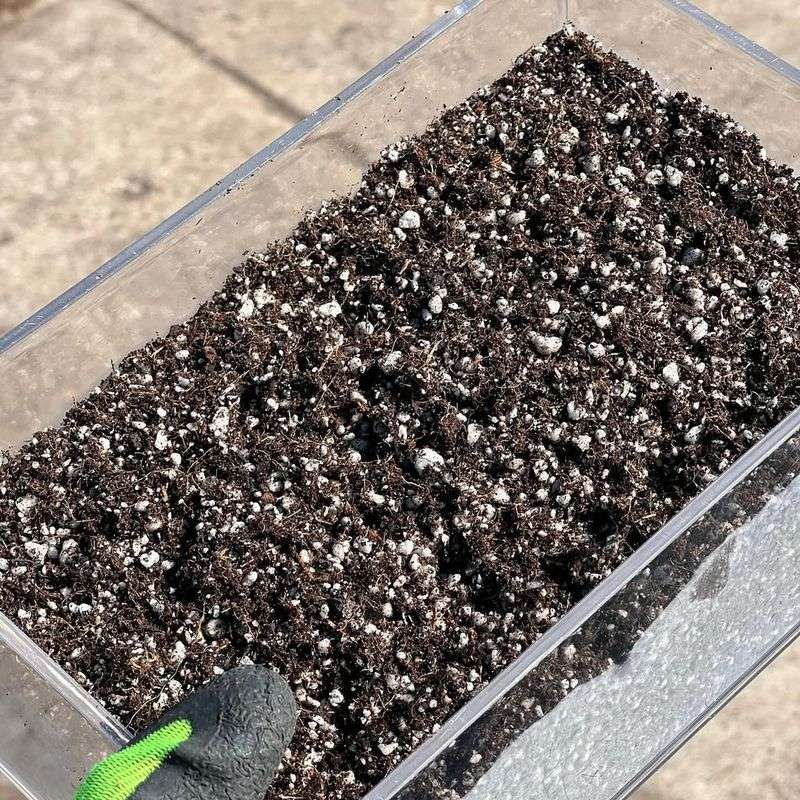
Before you even reach the plants, you’ll pass pallets stacked with bagged soil, compost, and amendments. Nurseries stock these heavily in early spring because gardeners often need to prep beds before planting.
Compost, potting soil, raised bed mixes, and organic fertilizers fill the aisles, along with tools, gloves, and row covers.
Oregon gardeners often value compost for improving native clay or sandy soils. Adding compost can increase drainage in heavy clay and improve water retention in sandy soil.
It also supports beneficial soil organisms that help plants access nutrients. Many nurseries sell both bagged compost and bulk options for larger projects.
Potting soil often sells quickly as gardeners refresh containers from last year or start new pots. Look for mixes labeled for vegetables if you’re growing edibles, or general-purpose blends for flowers and ornamentals.
Avoid garden soil for containers, as it’s usually too heavy and tends to compact in pots.
This is also when you’ll find seed starting supplies, row covers for frost protection, and organic fertilizers formulated for spring application. Nurseries recognize that successful gardening begins with good soil and proper supplies.
Investing in quality amendments now can help support healthy plant growth through the season, making this section just as important as the plants themselves.