What Panicle Hydrangeas Need In April In North Carolina And What To Avoid
April is a key month for panicle hydrangeas in North Carolina. New growth is getting started, the plant is waking up fast, and what you do now can shape how it looks for the rest of the season.
Good spring care can lead to stronger stems, fuller growth, and bigger flower heads when summer arrives. Bad timing or the wrong steps can do the opposite.
Too much fertilizer, poor pruning, or soggy soil can create problems before the plant even has a chance to shine. That is why April matters so much.
It is the point when panicle hydrangeas need support, but not too much. A few smart moves now can help them handle heat, grow with better form, and bloom with far less stress later on.
For North Carolina gardeners, knowing what to do in April is only half the battle. Knowing what to avoid matters just as much.
1. April Is Still A Safe Time To Prune
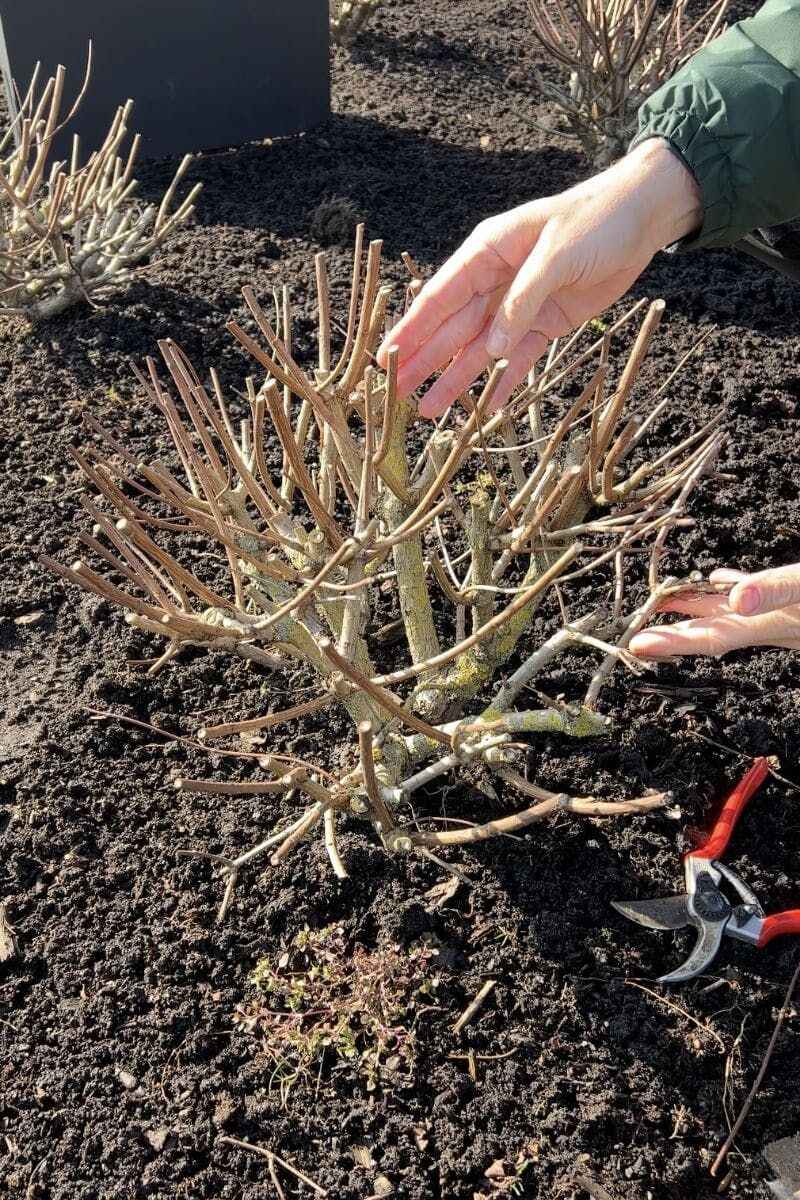
Grab your pruning shears because early April in North Carolina is still a perfectly good window for trimming panicle hydrangeas. Many gardeners miss the late-winter window, and that is completely fine.
Since panicle hydrangeas bloom on new wood, meaning the fresh growth they produce this season, cutting them back now will not cost you a single flower.
Aim to remove any weak, crossing, or damaged stems first. Then cut the remaining healthy stems back by about one-third to encourage strong, upright growth that can support those big cone-shaped flower clusters later in summer.
Clean cuts just above a healthy bud are the way to go, and sharp tools make the whole process much easier on the plant.
What you want to avoid is waiting until late May or into early summer when flower buds are already forming on the new growth. Pruning that late can remove developing blooms and set your plant back.
North Carolina springs warm up quickly, so the earlier you get this done in April, the more time your hydrangea has to push out vigorous new shoots.
A well-timed trim now means a fuller, showier plant by July and August, which is exactly what every North Carolina gardener is working toward.
2. Encourage Strong New Growth Early
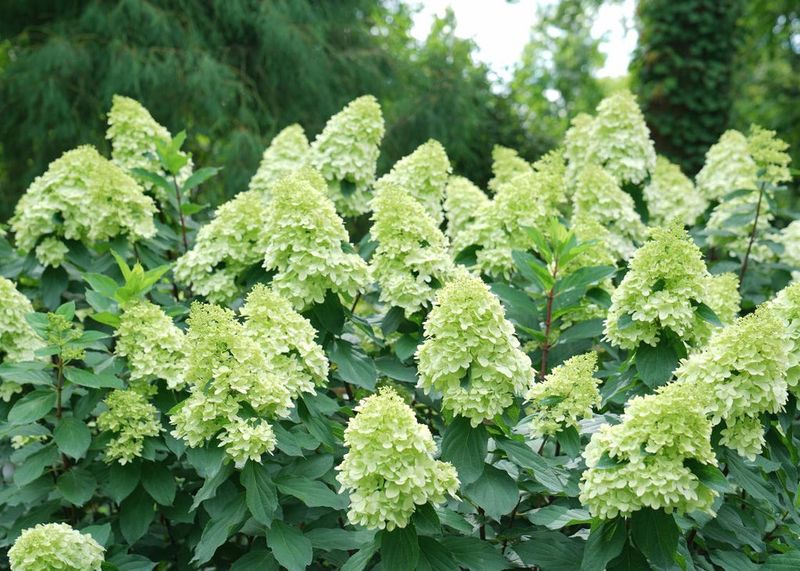
Something almost magical happens to panicle hydrangeas in April across North Carolina. The warming temperatures flip a switch inside the plant, and suddenly those bare woody stems start pushing out bright green shoots at a rapid pace.
This surge of new growth is exactly what produces the strong stems that hold up those large, show-stopping flower heads later in the season.
Supporting that growth early makes a real difference. Light pruning, consistent moisture, and a bit of fertilizer all work together to help the plant channel its energy into thick, healthy stems rather than thin, floppy ones.
Panicle hydrangeas that develop sturdy new growth in spring tend to hold their blooms upright through summer storms and heat, which is a genuine challenge in North Carolina’s humid climate.
One thing to steer clear of is heavy late pruning that forces the plant to restart its growth cycle too late in the season. If you cut back hard in mid to late May, the plant has to spend precious energy just catching up instead of building toward flowering.
Early April action gives your hydrangea a head start and sets the tone for everything that follows. Strong stems now equal a spectacular display when summer arrives in the Piedmont, the Mountains, or anywhere across the state.
3. Apply A Light, Balanced Fertilizer
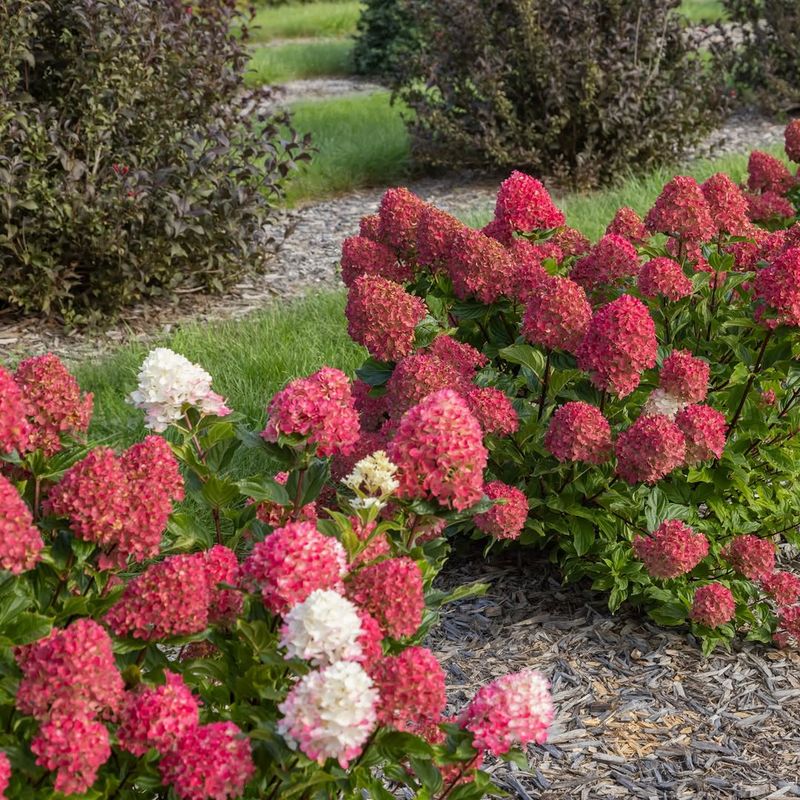
Feeding your panicle hydrangeas in early April gives them a steady, reliable source of nutrients right when they need it most. A slow-release, balanced fertilizer with equal parts nitrogen, phosphorus, and potassium works really well for this type of shrub.
Scatter it around the drip line of the plant, water it in gently, and let it do its job over the coming weeks.
North Carolina soils vary quite a bit from region to region, but in most cases, panicle hydrangeas do not need heavy or frequent feeding. A single early-spring application is usually all it takes to support healthy growth through the blooming season.
Over-fertilizing, especially with high-nitrogen products, pushes the plant to produce lots of leafy growth but weakens the stems and actually reduces the number of blooms you get. Stick with a measured, moderate approach and you will see far better results.
Products labeled for flowering shrubs or all-purpose garden fertilizers work fine for panicle hydrangeas in most parts of the state. Always follow the package directions because more is not better with these plants.
Feeding at the right rate in April sets up a healthy growth cycle and helps your hydrangea build the energy reserves it needs to produce those stunning white and pink flower clusters that make panicle hydrangeas so popular throughout North Carolina landscapes.
4. Maintain Consistent Soil Moisture
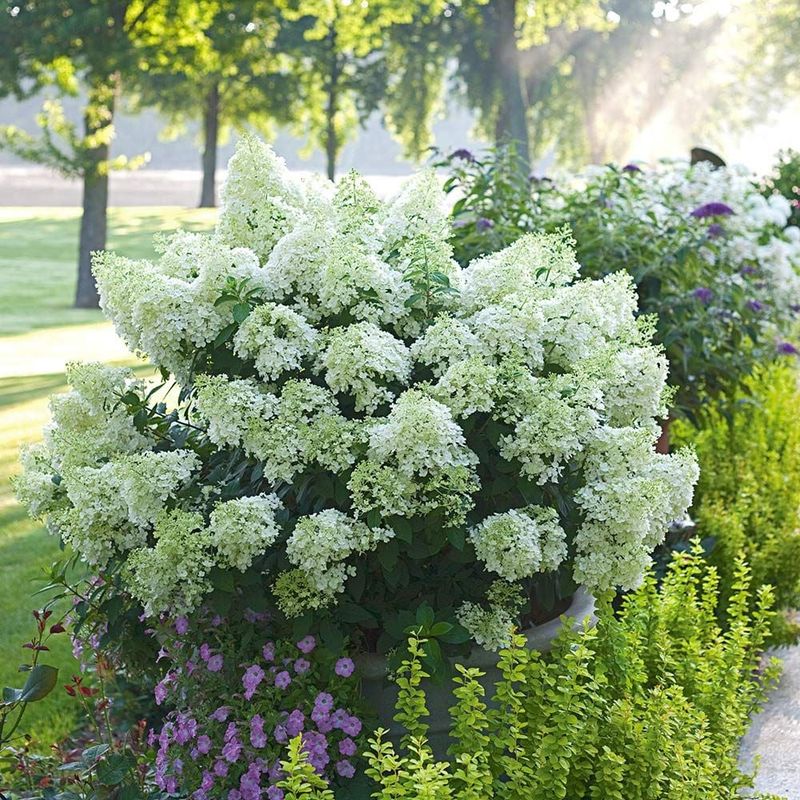
April weather in North Carolina can be unpredictable, swinging from rainy stretches to surprisingly dry spells within the same week.
Panicle hydrangeas are tougher than most people think, but they still appreciate consistent soil moisture during spring when new roots and shoots are actively developing.
Uneven watering during this growth phase can stress the plant and slow down what should be a very energetic time of year.
A good rule of thumb is to water deeply once or twice a week during dry stretches, allowing the top inch of soil to dry out slightly between sessions.
Deep, infrequent watering encourages roots to grow downward rather than staying near the surface, which makes the plant more drought-tolerant later in the hot North Carolina summer.
Shallow, frequent watering does the opposite and creates a weaker root system overall. What gardeners really need to watch for is waterlogged soil, particularly in areas with heavy clay, which is common across many parts of North Carolina.
Roots sitting in standing water can develop rot, and that kind of stress shows up as yellowing leaves and poor growth.
If your yard tends to stay soggy after rain, raised planting or soil amendment can help a lot. Getting moisture right in April builds the kind of root system that keeps your panicle hydrangea thriving all the way through the long, warm North Carolina summer.
5. Use Mulch To Regulate Soil Conditions
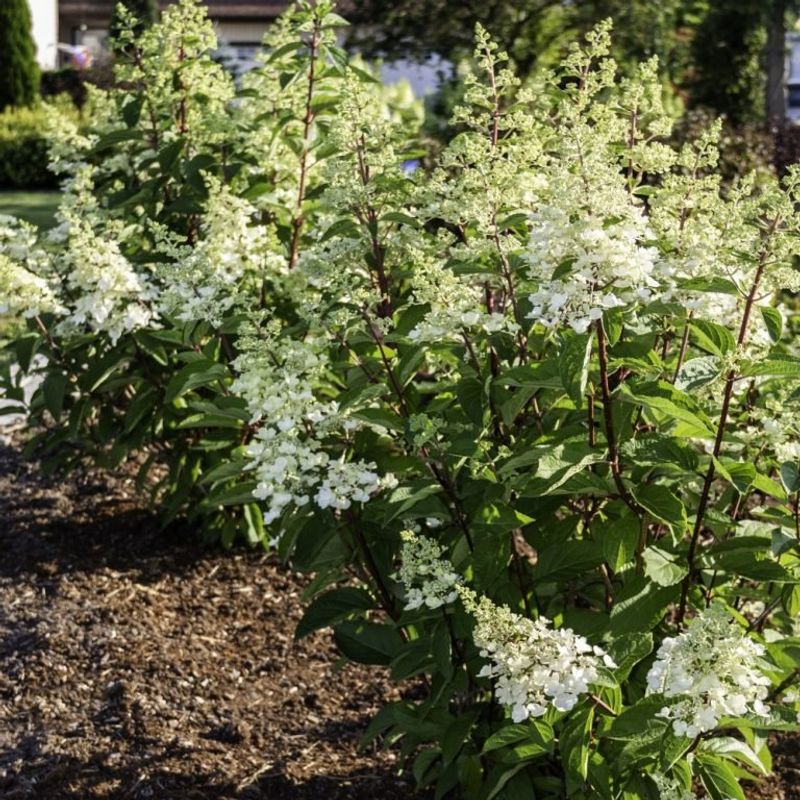
Mulch might be the most underrated tool in a North Carolina gardener’s toolkit, and panicle hydrangeas absolutely love it.
Spreading two to three inches of pine bark, shredded hardwood, or shredded leaves around the base of your plant does several helpful things at once.
It holds moisture in the soil, keeps the roots cooler as temperatures climb through spring and into summer, and gradually breaks down to improve soil quality over time.
Applying fresh mulch in April is especially smart because it locks in spring rainfall before the warmer, drier months arrive.
North Carolina can shift from cool and wet to hot and dry faster than most gardeners expect, and that transition is hard on plants that are still getting established or pushing out new growth.
A good mulch layer acts like a buffer that smooths out those swings and keeps the root zone more stable.
One mistake that is very easy to make is piling mulch right up against the base of the stem, sometimes called volcano mulching. That habit traps moisture directly against the wood and can create conditions that weaken the plant over time.
Always leave a small gap of a few inches between the mulch and the main stem. Spread it out wide rather than piling it deep, and your panicle hydrangeas across North Carolina will reward you with healthier roots and stronger seasonal growth.
6. Provide Full Sun To Part Sun Exposure
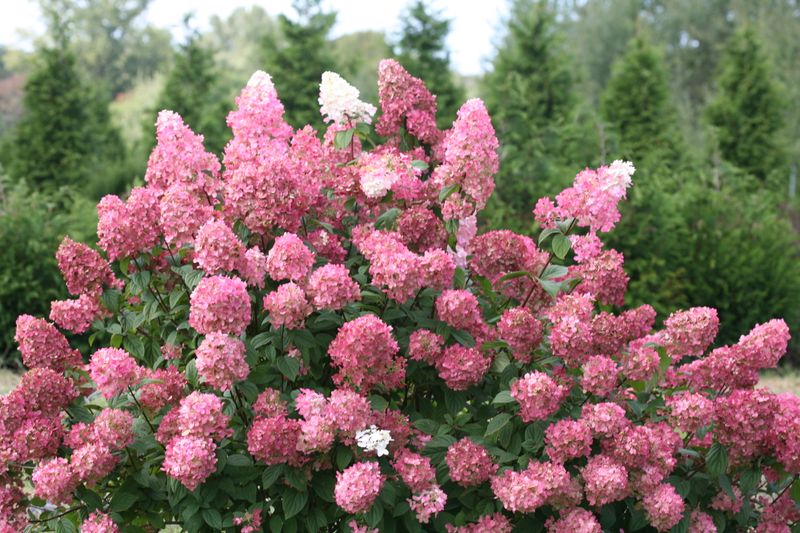
Panicle hydrangeas have a well-earned reputation for being the sun-lovers of the hydrangea world.
Unlike their mophead cousins that prefer shadier spots, panicle hydrangeas perform best when they receive at least four to six hours of direct sunlight each day.
In North Carolina, a location with full morning sun and some light afternoon shade tends to be the sweet spot, especially in the warmer regions of the Piedmont and Coastal Plain.
Morning sun dries the foliage quickly after overnight moisture, which helps reduce the chance of fungal issues during North Carolina’s humid spring season.
Afternoon shade in hotter spots prevents leaf scorch without sacrificing the plant’s ability to produce plenty of blooms.
If you are planting a new panicle hydrangea this April, take a few days to observe how sunlight moves through your yard before choosing the final spot.
Deep shade is the one condition these plants genuinely struggle with. A panicle hydrangea planted under a dense tree canopy or along a north-facing wall will grow, but it will produce far fewer flowers and tend to get leggy as it reaches toward available light.
North Carolina has no shortage of sunshine, and putting your panicle hydrangea in a spot that takes full advantage of that is one of the simplest and most effective things you can do for a spectacular summer bloom display.
7. Check Soil Drainage In Clay Areas
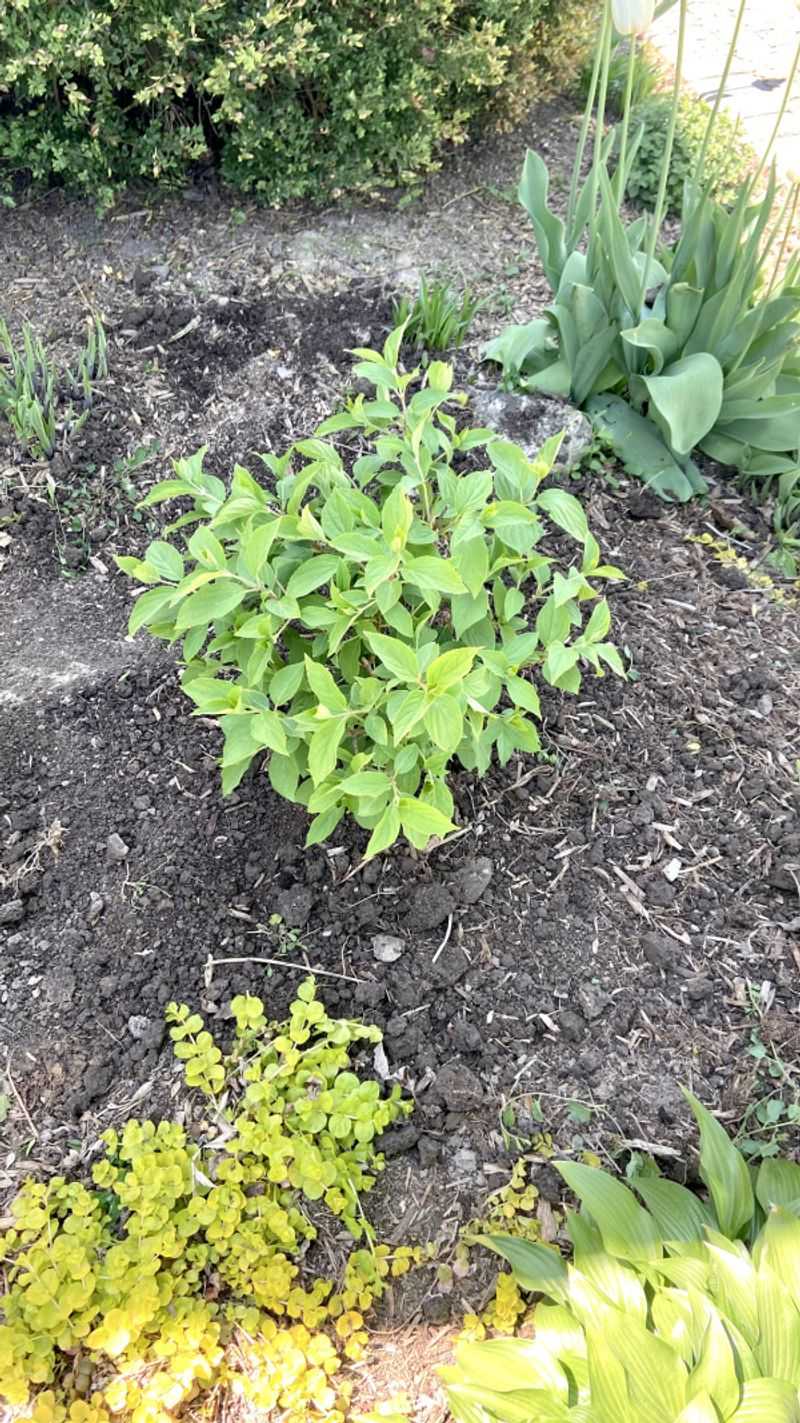
North Carolina is home to a lot of clay-heavy soil, especially across the Piedmont region, and clay presents a real challenge for panicle hydrangeas if drainage is not addressed.
Clay holds water longer than other soil types, which sounds helpful but can actually suffocate roots when water sits around them for extended periods.
Checking your drainage situation before or right at the start of the growing season in April is a smart move.
A simple way to test drainage is to dig a hole about a foot deep, fill it with water, and watch how quickly it disappears. If the water is still sitting there an hour later, you have a drainage issue worth fixing.
Working in generous amounts of compost or aged organic matter before planting, or around established plants, loosens the clay structure and creates pathways for excess water to move through more freely.
Raised beds or slightly mounded planting areas are another excellent option for North Carolina gardeners dealing with stubborn clay.
Planting in low spots where rainwater naturally collects is something to avoid entirely, because even the toughest panicle hydrangea will struggle in a spot that floods regularly.
Getting the soil right does take a little effort up front, but it pays off season after season with a plant that grows confidently and blooms abundantly from summer right through early fall across the state.
8. Do Not Worry About Flower Color Changes
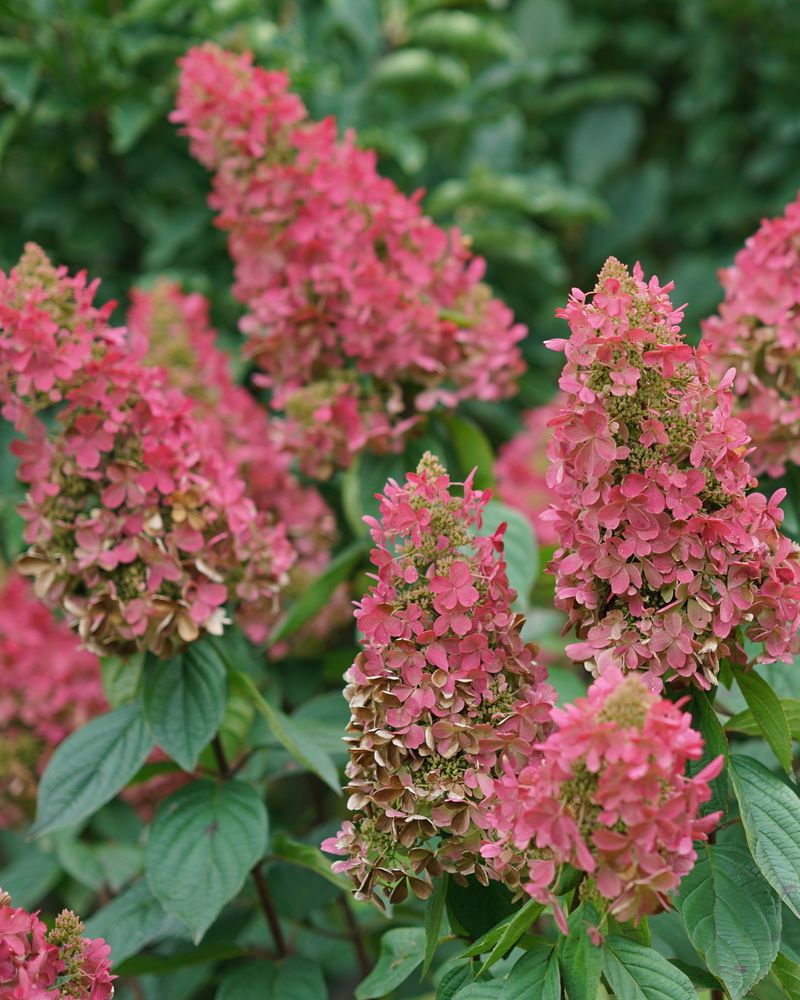
Here is a fun fact that surprises a lot of North Carolina gardeners who are used to growing mophead or bigleaf hydrangeas. Panicle hydrangeas do not change flower color based on soil pH.
You cannot turn them blue by acidifying the soil or shift them to pink by making the soil more alkaline. Their color journey is driven entirely by the natural aging process of the blooms themselves, not by what is happening underground.
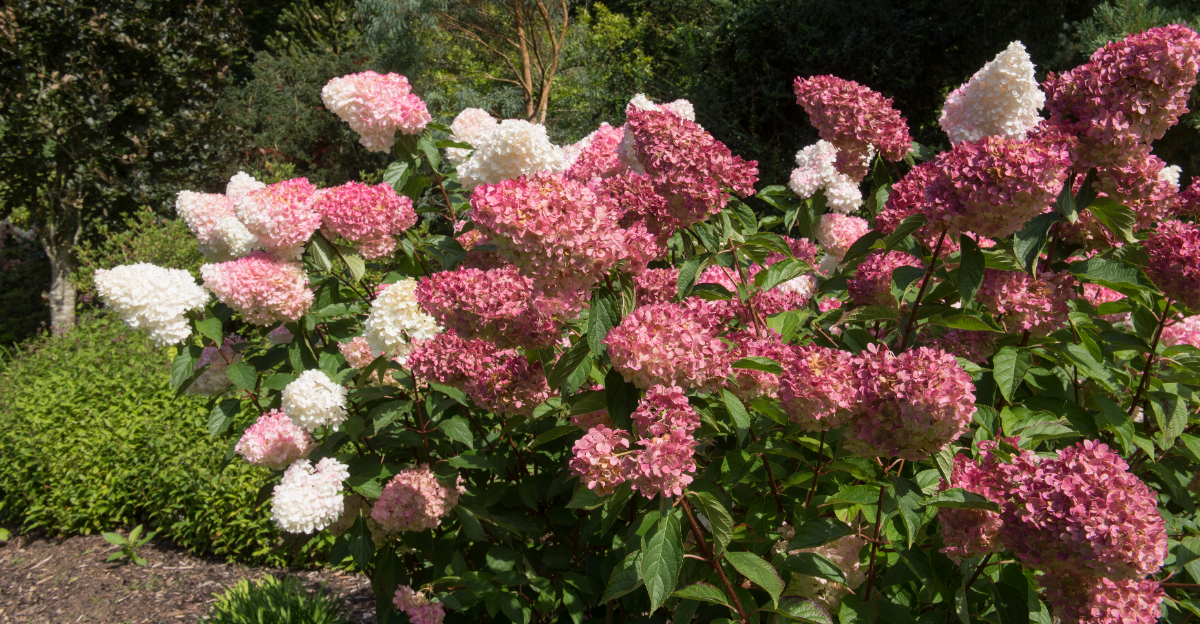
When panicle hydrangeas first bloom in midsummer, the large cone-shaped flower clusters open in creamy white or bright white tones.
As the weeks pass and the season moves into late summer and fall, those same blooms gradually blush into soft shades of pink, rose, or even a dusty antique pink depending on the variety.
Watching that color shift unfold is genuinely one of the most charming things about growing these plants in North Carolina.
Spending time and money trying to alter your soil pH to change the flower color on a panicle hydrangea is simply not going to work, and it might actually throw off the soil balance your plant needs to stay healthy.
Save that energy for the care practices that do make a real difference, like proper pruning, consistent moisture, and good sun exposure.
Trust the natural process and enjoy the beautiful color show that panicle hydrangeas put on all by themselves throughout the North Carolina growing season.