What Pennsylvania Gardeners Can Plant In April Before The Last Frost
April in Pennsylvania can feel a little sneaky. One day it seems like spring has fully arrived, and the next morning you are checking the forecast to see if frost is about to make a comeback.
That back-and-forth is exactly why planting this month can feel exciting and a little risky at the same time. The good news is that plenty of plants are perfectly happy to get started before the last frost has officially passed.
You just need to know which ones can handle the cooler conditions without falling apart at the first cold night.
That makes April a great time to get ahead in the garden. Instead of waiting around for perfectly warm weather, you can start filling beds, containers, and veggie patches with plants that actually prefer a cooler start.
It is a smart way to stretch the season and make the yard feel productive much sooner. For Pennsylvania gardeners eager to get growing, this is where patience meets good timing, and the payoff can be surprisingly satisfying.
1. Peas
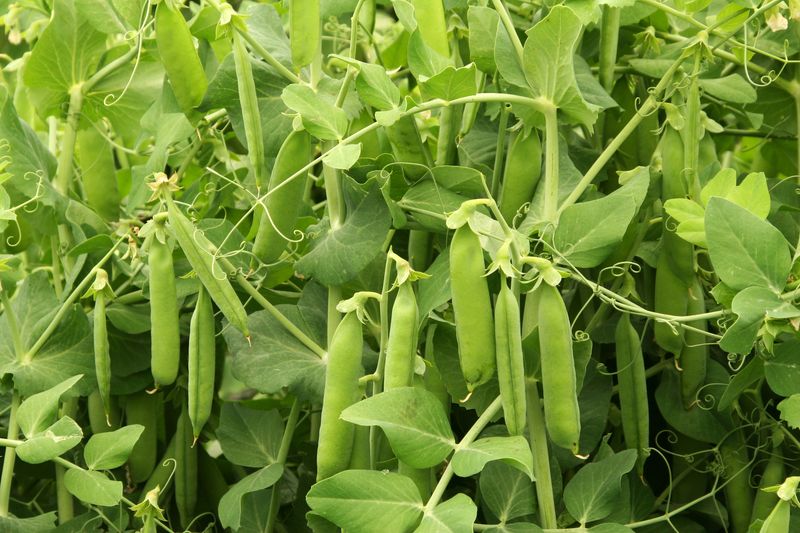
Ask any experienced Pennsylvania gardener what to plant first in spring, and most will say peas without missing a beat. Peas have been a garden staple for centuries, and for good reason.
They love cool soil, handle light frosts without any trouble, and reward you with a satisfying harvest before the summer heat even shows up.
In Pennsylvania, April is the sweet spot for getting peas into the ground. The soil temperature is usually between 45 and 60 degrees Fahrenheit, which is exactly what pea seeds need to sprout.
You do not need to wait for the last frost to pass. Peas can handle a light freeze, so planting early actually works in your favor.
Give your peas something to climb, like a simple trellis or some bamboo stakes pushed into the soil. Most varieties grow between two and six feet tall, so a little support goes a long way.
Space seeds about two inches apart and one inch deep in a sunny spot with well-drained soil.
Water them regularly but avoid soaking the roots. Peas do not like sitting in wet soil for too long. Once the plants start flowering, your harvest is just around the corner.
Snap peas, snow peas, and shelling peas all do well in Pennsylvania gardens during April. Pick a variety that fits how you like to eat them.
Fresh peas straight from the vine are one of the best treats early spring has to offer any home gardener.
2. Spinach
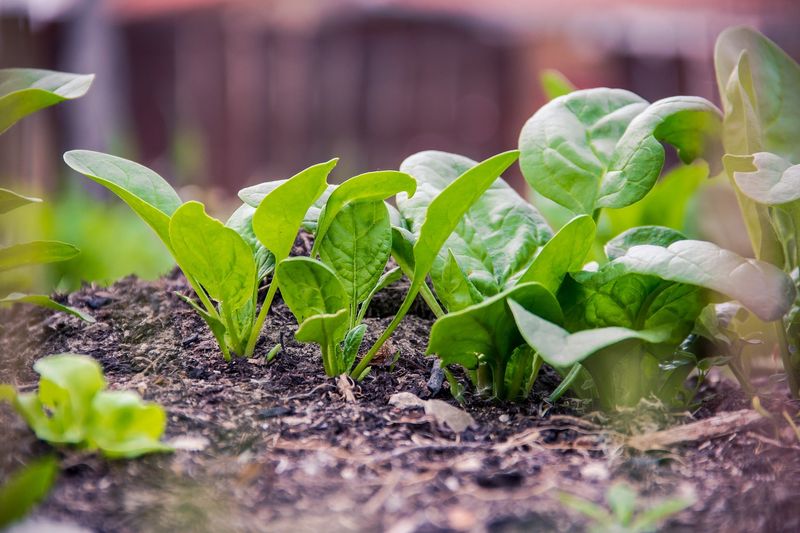
Spinach is one of those vegetables that actually tastes better when the weather is cold. Low temperatures cause the plant to convert starches into sugars, which gives the leaves a sweeter, more tender flavor.
That is a pretty good reason to plant it early in the season across Pennsylvania.
April mornings in Pennsylvania are crisp and cool, and spinach absolutely thrives in those conditions. It can handle frost down to about 20 degrees Fahrenheit without much damage, especially once the seedlings are established.
That cold hardiness makes it one of the most reliable crops you can grow before the last frost date arrives.
Sow spinach seeds directly into the garden bed about half an inch deep and two to three inches apart. Choose a spot that gets full sun or partial shade.
In April, the sun is not as intense as it will be in July, so spinach can handle more direct light during these early weeks.
Keep the soil evenly moist and you should see seedlings popping up within seven to fourteen days. Thin the plants once they reach a few inches tall so each one has room to spread out and grow full, healthy leaves.
Spinach grows quickly and can be harvested in as little as four to six weeks. In Pennsylvania, you can often get two harvests before summer heat pushes the plant to bolt.
Start a second round of seeds two weeks after your first planting to keep the fresh leaves coming all spring long.
3. Lettuce
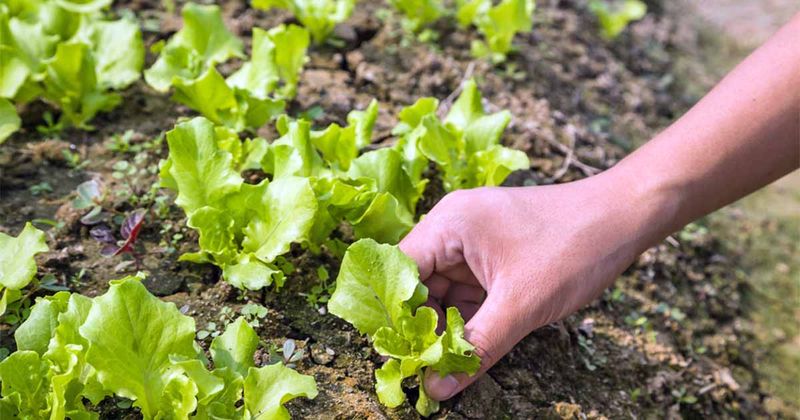
Few things feel more rewarding than snipping fresh lettuce leaves from your own garden for a salad. Lettuce is one of the easiest vegetables to grow in Pennsylvania during April, and it does not ask for much in return.
Cool temperatures, a little sunshine, and consistent moisture are really all it needs to thrive.
Loose-leaf varieties like Black Seeded Simpson, Red Sails, and Oak Leaf are especially well-suited to early spring planting. They grow faster than head lettuces and handle light frost better too.
You can start harvesting outer leaves when the plant reaches about four to six inches tall, which means you get food on your table sooner rather than later.
Sow lettuce seeds directly in the garden or start them in small containers indoors a few weeks before transplanting. Either way works well in Pennsylvania.
Seeds are tiny, so just scatter them lightly over the soil surface and press them down gently. They need light to germinate, so do not bury them too deep.
Lettuce prefers a spot with morning sun and some afternoon shade, especially as temperatures start climbing later in April. Consistent watering keeps the leaves crisp and prevents bitterness from setting in too early.
One clever trick many Pennsylvania gardeners use is planting lettuce in containers or raised beds. This makes it easier to move plants to a shadier spot as the season warms up.
A little planning goes a long way when it comes to getting the most out of your spring lettuce crop.
4. Radishes
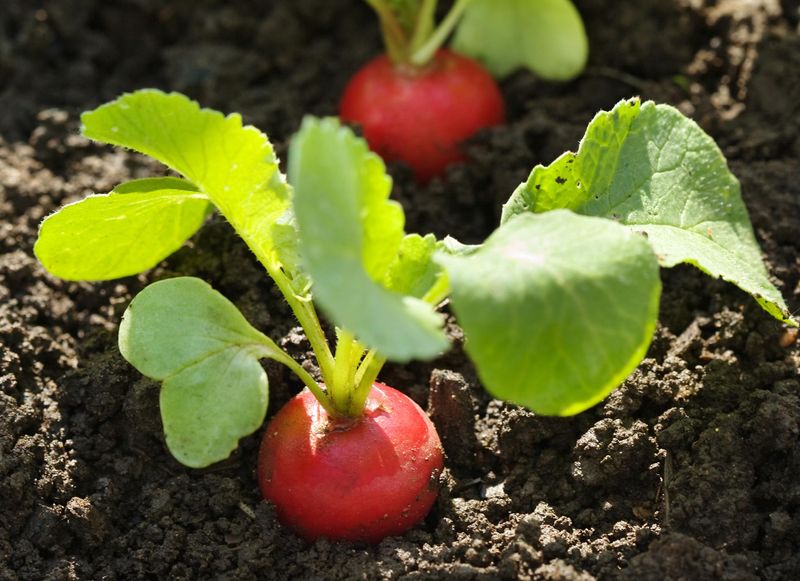
If you have never grown radishes before, April in Pennsylvania is the perfect time to start. These little root vegetables are fast, fun, and surprisingly satisfying to grow.
Some varieties go from seed to table in as little as three weeks, which makes them one of the quickest crops in any spring garden.
Radishes love cool soil and can handle frost without any fuss. They actually become spicy and tough when the weather gets too hot, so planting them in April gives you the best chance of harvesting mild, crisp, flavorful roots.
The cool spring conditions across Pennsylvania are practically made for them. Plant radish seeds about half an inch deep and one inch apart in rows. Choose a sunny spot with loose, well-draining soil.
Rocky or compacted soil can cause roots to grow in odd shapes, so loosen the ground a bit before sowing if needed. Thin seedlings to about two inches apart once they sprout so each plant has space to develop properly.
Water radishes evenly and consistently. Irregular watering can cause the roots to crack or become pithy inside.
A light mulch around the plants helps hold moisture in the soil between waterings, which is especially helpful during dry April spells in Pennsylvania.
Cherry Belle and Easter Egg are two popular varieties that do exceptionally well in Pennsylvania spring gardens. Radishes are also great for planting between slower-growing crops like carrots or broccoli.
They use space efficiently and are ready to harvest before the other vegetables need the room.
5. Carrots
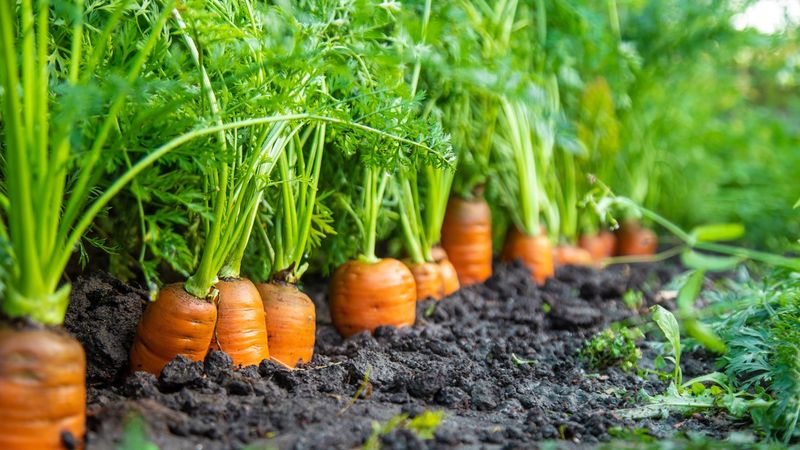
Carrots are one of those vegetables that reward patience. They take longer to mature than radishes or lettuce, but the payoff is absolutely worth it.
Planting them in April in Pennsylvania gives them the cool start they need to develop sweet, full-flavored roots before the heat of summer changes the growing conditions.
Carrot seeds germinate best when soil temperatures are between 50 and 85 degrees Fahrenheit, and April in Pennsylvania usually falls right in that range. Sow seeds directly into the garden about a quarter inch deep and one to two inches apart.
Loose, sandy, or well-tilled soil is ideal because compacted ground can cause the roots to fork or twist as they grow downward.
One thing many beginner gardeners do not know is that carrot seeds are very small and slow to germinate. It can take up to three weeks before you see sprouts, so do not give up too soon.
Keeping the soil surface moist during this period is important. A dry crust on top of the soil can prevent seeds from sprouting at all.
Once seedlings appear, thin them to about three inches apart so each carrot has enough room to grow to full size. Crowded carrots stay small and misshapen, which is a common frustration for first-time growers.
Nantes and Danvers are two carrot varieties that perform really well in Pennsylvania gardens. Both are sweet, easy to grow, and store well after harvest.
Getting seeds in the ground during April means you could be pulling beautiful homegrown carrots by late June or early July.
6. Broccoli (Transplants)
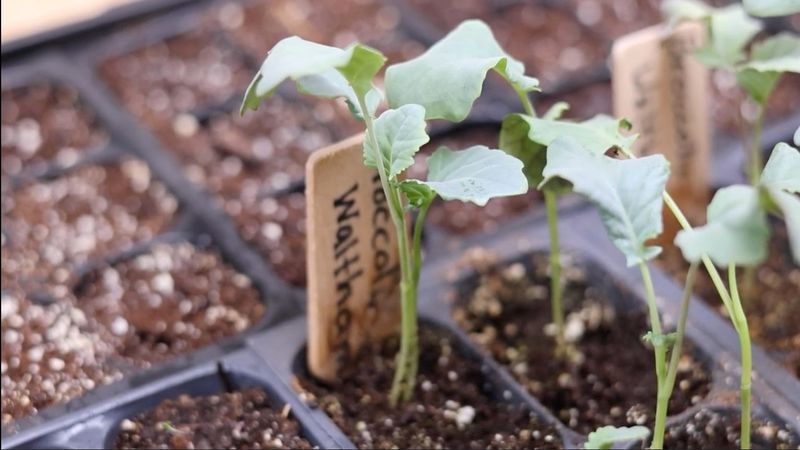
Broccoli has a reputation for being picky, but when you start with transplants instead of seeds, the whole process becomes a lot more manageable.
Transplants are young plants that have already been started indoors, usually six to eight weeks before you plan to put them outside.
In Pennsylvania, setting broccoli transplants into the garden in April is a smart move that gives you a real jump on the season.
Broccoli is one of the most cold-tolerant vegetables in the brassica family. Established transplants can handle temperatures down to the mid-20s Fahrenheit without serious damage.
That toughness makes April planting in Pennsylvania not just possible but genuinely recommended by most experienced growers in the region.
Choose a sunny spot in your garden with rich, well-draining soil. Broccoli is a heavy feeder, which means it benefits from compost or a balanced fertilizer worked into the soil before planting.
Space transplants about eighteen inches apart so each plant has plenty of room to develop a full, tight head.
Water transplants deeply right after planting to help them settle into their new home. Keep the soil consistently moist during the first two weeks while roots are establishing.
A layer of mulch around each plant helps retain moisture and keeps the soil cool, which broccoli genuinely appreciates.
Calabrese and Belstar are two varieties that thrive in Pennsylvania spring gardens. Harvest heads before the small buds start to open into yellow flowers.
Once you cut the main head, many broccoli plants will produce smaller side shoots that keep coming for several more weeks, extending your harvest nicely.
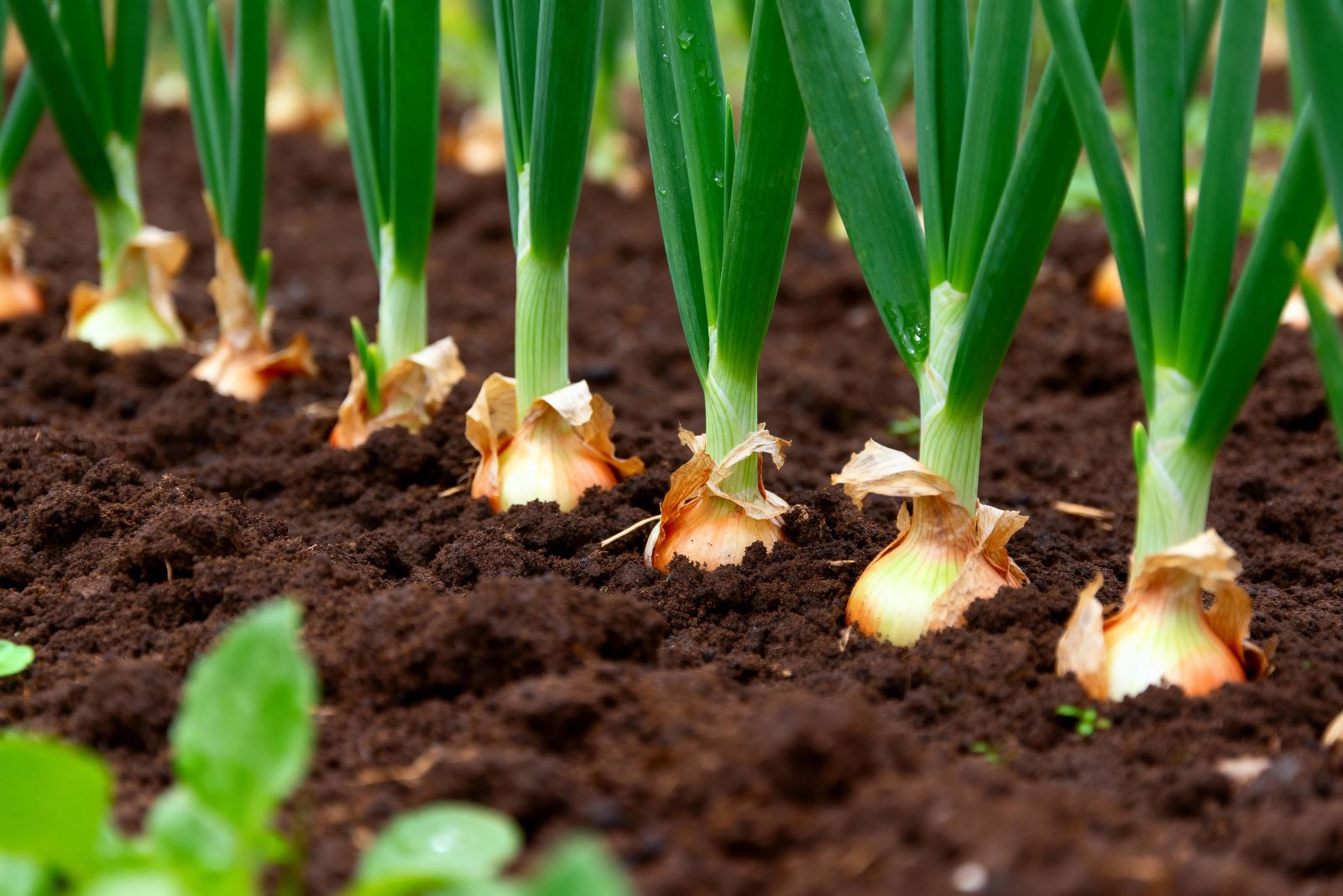
7. Onions (Sets Or Transplants)
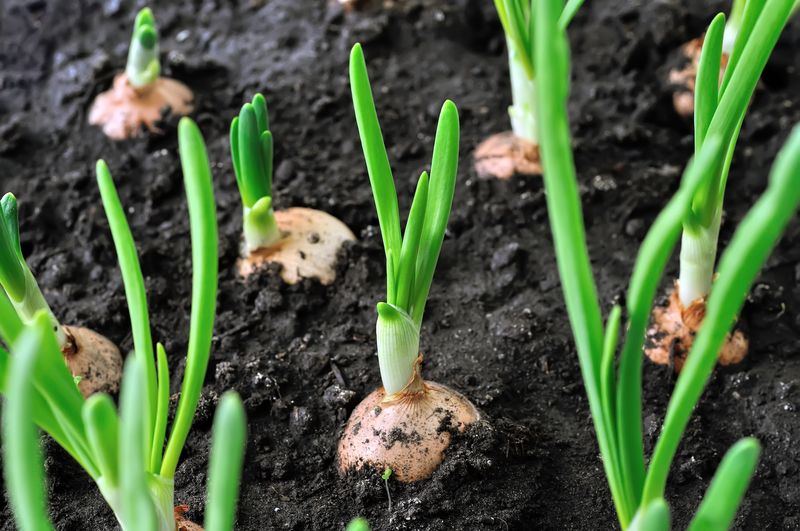
Onions might not be the flashiest vegetable in the garden, but they are one of the most useful. Almost every savory dish starts with an onion, which makes growing your own feel especially rewarding.
The good news for Pennsylvania gardeners is that onions are incredibly cold-hardy and can go into the ground well before the last frost date arrives.
Sets are small, dry onion bulbs that were grown the previous year and stored over winter. They are easy to plant, widely available at garden centers across Pennsylvania in early spring, and they establish quickly in cool April soil.
Transplants, which are young seedlings started from seed, are another solid option if you want more variety choices or a slightly earlier harvest.
Plant sets or transplants about one inch deep and four to six inches apart in rows. Choose a spot with full sun and well-drained soil.
Onions have shallow roots, so loose soil makes a big difference in how well they develop. Work some compost into the bed before planting to give them a nutritious foundation to grow from.
Keep weeds under control throughout the growing season because onions do not compete well with them. Consistent watering during dry spells helps bulbs size up properly.
Reduce watering as the tops start to fall over naturally, which signals that harvest time is getting close.
Yellow, white, and red onion varieties all perform well in Pennsylvania gardens. Candy and Patterson are popular choices among local growers.
Planting in April means you can look forward to pulling full, flavorful onions by mid to late summer, ready to use fresh or store for the months ahead.