What Pennsylvania Law Says About Leaves Falling From A Neighbor’s Maple Tree
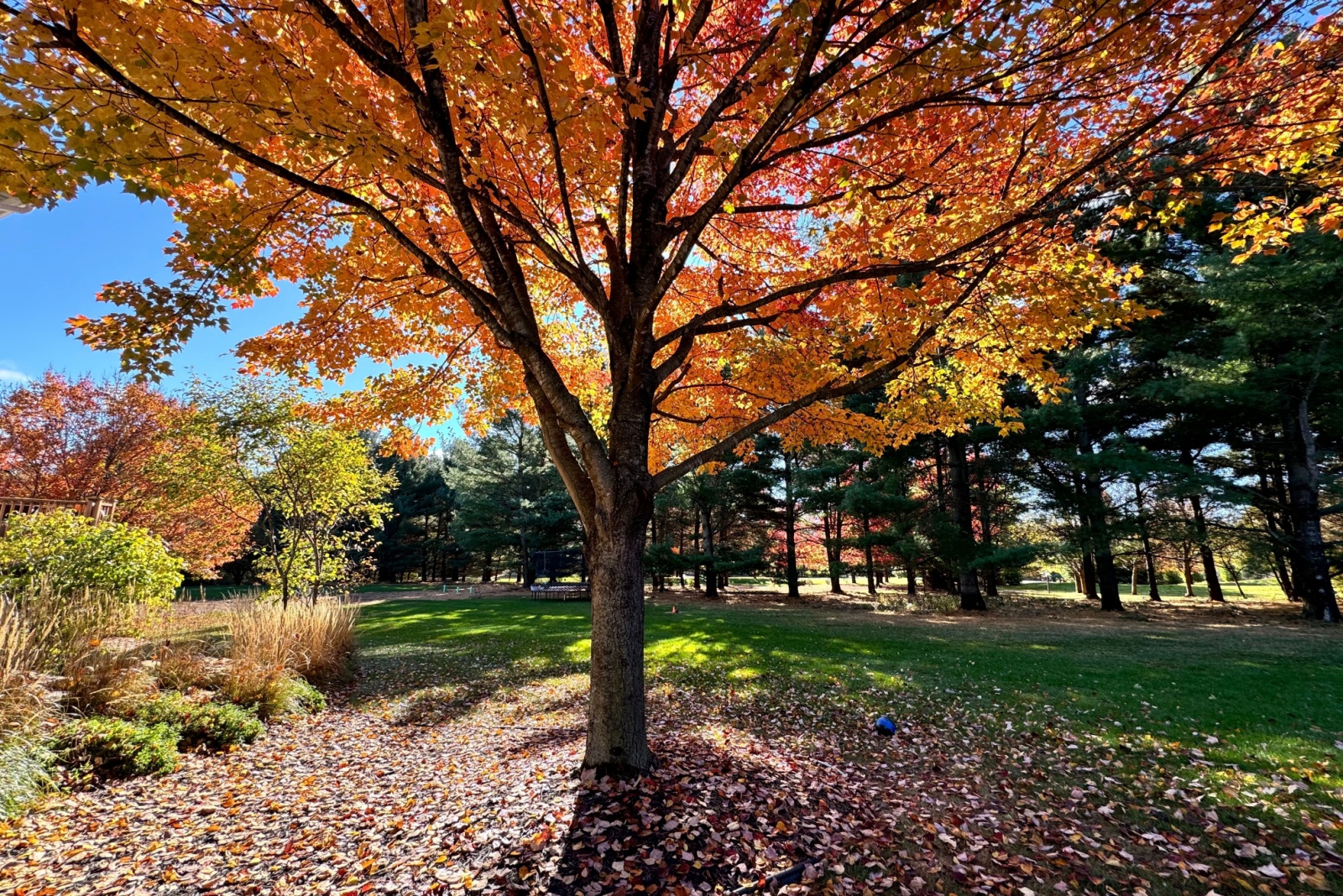
Every fall, Pennsylvania turns brilliant shades of red, gold, and orange—but for many homeowners, that beauty comes with a familiar frustration.
Your lawn disappears under a mountain of maple leaves, your gutters clog overnight, and no matter how often you rake, the leaves keep coming… from your neighbor’s tree.
It feels unfair, maybe even worth a call to the township—or a lawyer.
But before you start a leaf-blowing war across the property line, you may be surprised to learn what Pennsylvania law actually says about who’s responsible when a neighbor’s maple tree showers your yard with leaves.
Property Owners Generally Cannot Sue Over Natural Leaf Fall
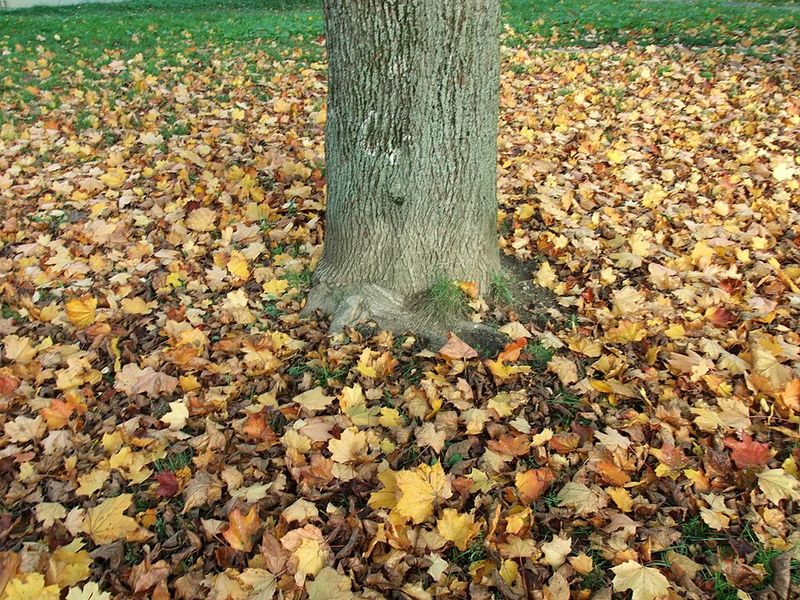
Pennsylvania courts have long recognized that leaves falling from trees are a natural occurrence, not a legal nuisance.
Your neighbor isn’t responsible for cleaning up leaves that drift from their maple tree onto your yard because nature causes this, not negligence.
The law treats falling leaves much like rain or snow—environmental factors that property owners must deal with themselves.
Even if the maple tree sits entirely on your neighbor’s land, you typically can’t force them to rake your side or pay for cleanup services.
This principle comes from centuries-old common law that Pennsylvania courts still follow today.
Judges understand that trees provide environmental benefits like shade, oxygen, and beauty that outweigh minor inconveniences.
Homeowners are expected to maintain their own yards, which includes managing leaves regardless of their source.
However, there are specific exceptions to this general rule that apply in certain situations.
If the tree itself poses a danger or if your neighbor intentionally causes harm, different legal standards may apply.
For routine autumn leaf drop from a healthy maple, though, Pennsylvania law sides with nature and expects neighbors to coexist peacefully.
You Can Trim Branches That Cross Your Property Line
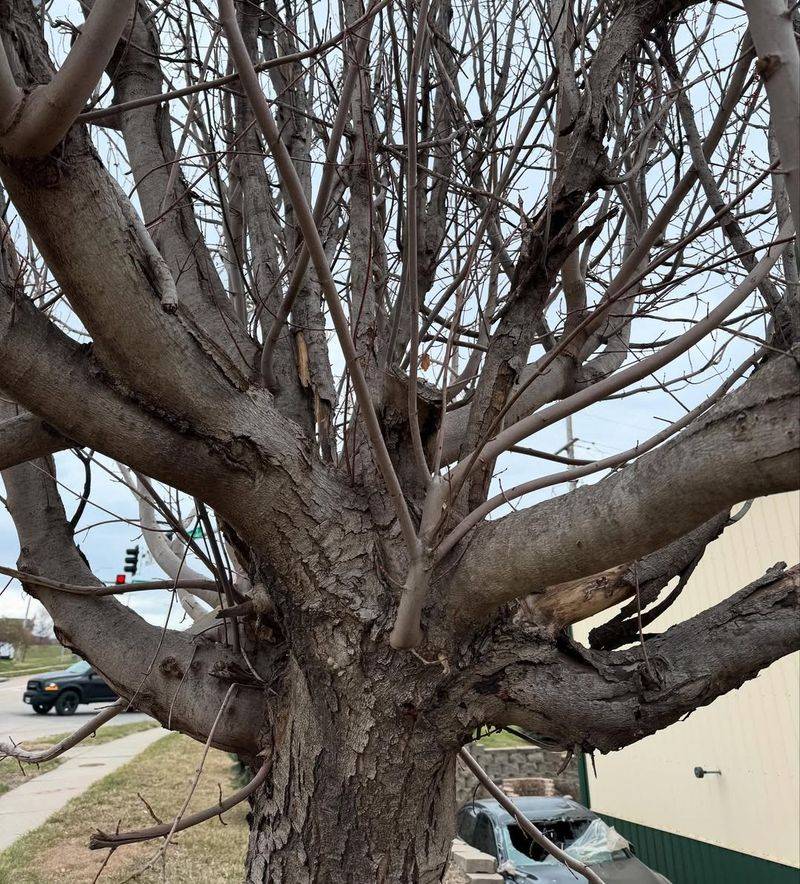
Pennsylvania law gives property owners the right to trim tree branches that extend over their boundary line, even if the trunk grows on a neighbor’s land.
This means if your neighbor’s maple has limbs hanging above your garage or garden, you can legally cut them back to the property line.
You must be careful not to damage the overall health of the tree when trimming, as causing harm could make you liable.
It’s wise to hire a professional arborist who understands proper pruning techniques and can avoid injuring the maple.
You cannot go onto your neighbor’s property to do the trimming without permission, even if it’s easier from that side.
All cutting must be done from your own land or with explicit consent to enter theirs.
Any branches you remove become your responsibility to dispose of properly according to local ordinances.
While you have this trimming right, Pennsylvania law doesn’t require your neighbor to trim their own tree just because it drops leaves on your property.
The choice to trim is yours alone, and you bear the cost.
Many neighbors discuss trimming plans together to maintain good relationships and ensure the tree stays healthy and attractive for everyone.
Municipal Ordinances May Require Leaf Removal From Sidewalks
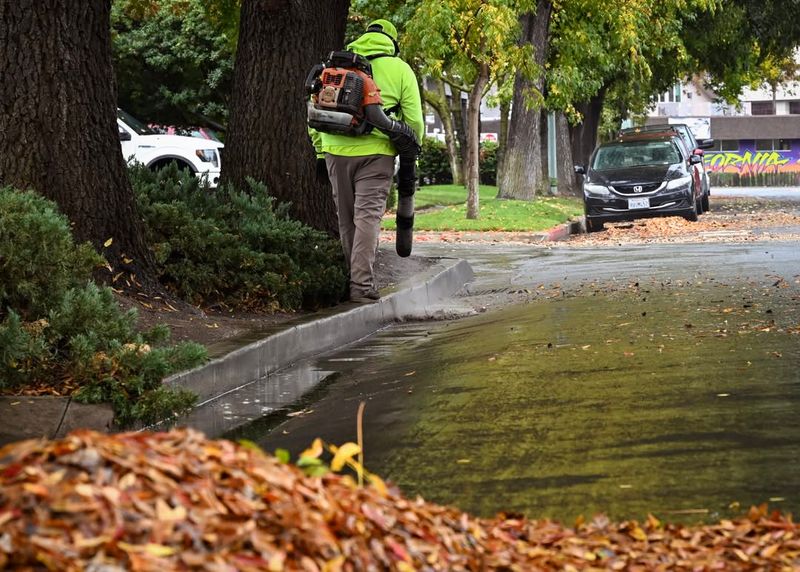
While Pennsylvania state law doesn’t hold neighbors responsible for natural leaf fall, local city and township ordinances often have different requirements.
Many Pennsylvania municipalities require property owners to keep public sidewalks clear of leaves, snow, and other debris.
If your neighbor’s maple drops leaves onto the sidewalk in front of their house, they must remove them according to local rules.
Failure to comply can result in fines or the municipality cleaning the sidewalk and billing the property owner.
These ordinances exist because leaf-covered sidewalks can become slippery and dangerous, especially when wet.
Someone who slips and gets injured on an unmaintained sidewalk might have grounds to sue the adjacent property owner.
Check your local borough, township, or city code to understand specific requirements in your area.
Some communities set deadlines for leaf removal or specify how often sidewalks must be cleared during fall.
Even if the leaves came from a neighbor’s tree, the property owner adjacent to the sidewalk typically bears the maintenance responsibility.
Understanding these local rules helps you know your obligations and can provide leverage if a neighbor’s maple is creating a genuine public safety issue.
Hazardous Trees May Create Liability For Property Owners
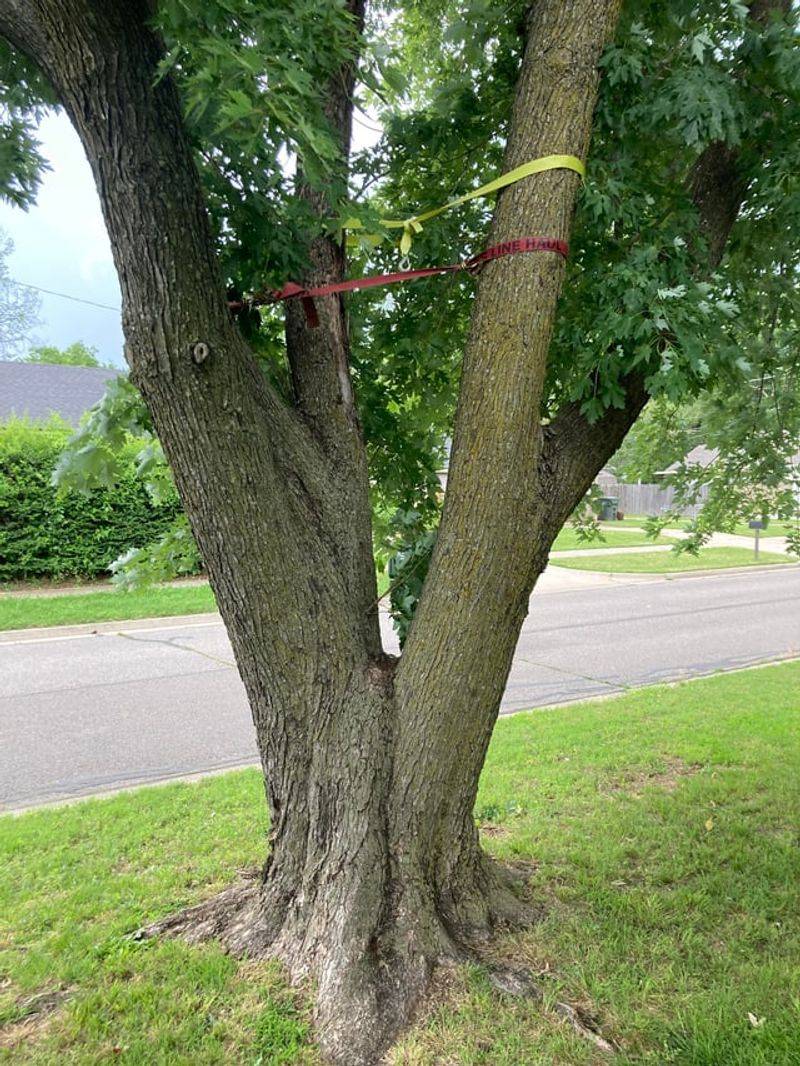
Pennsylvania recognizes an important exception when a tree becomes diseased, damaged, or structurally unsound.
If your neighbor’s maple tree shows signs of rot, has large damaged limbs, or leans dangerously, they may have a legal duty to address it.
Property owners must maintain their trees in reasonably safe condition and remove genuine hazards.
A neighbor who knows their maple is unhealthy but does nothing could be liable if it falls and causes damage or injury.
You can notify your neighbor in writing if you believe their tree poses a risk, which creates a documented record.
Include photographs and perhaps a professional arborist’s assessment to support your concerns.
Pennsylvania courts have ruled that once a property owner has notice of a dangerous tree condition, they must take reasonable action.
This doesn’t apply to healthy trees that simply drop leaves or the occasional small branch during storms.
The hazard must be significant and foreseeable, like a large cracked limb hanging over your home.
If your neighbor refuses to address a genuinely dangerous maple tree, you may need to consult an attorney about your options, which could include seeking a court order.
Homeowners Insurance Typically Covers Tree Damage But Not Cleanup
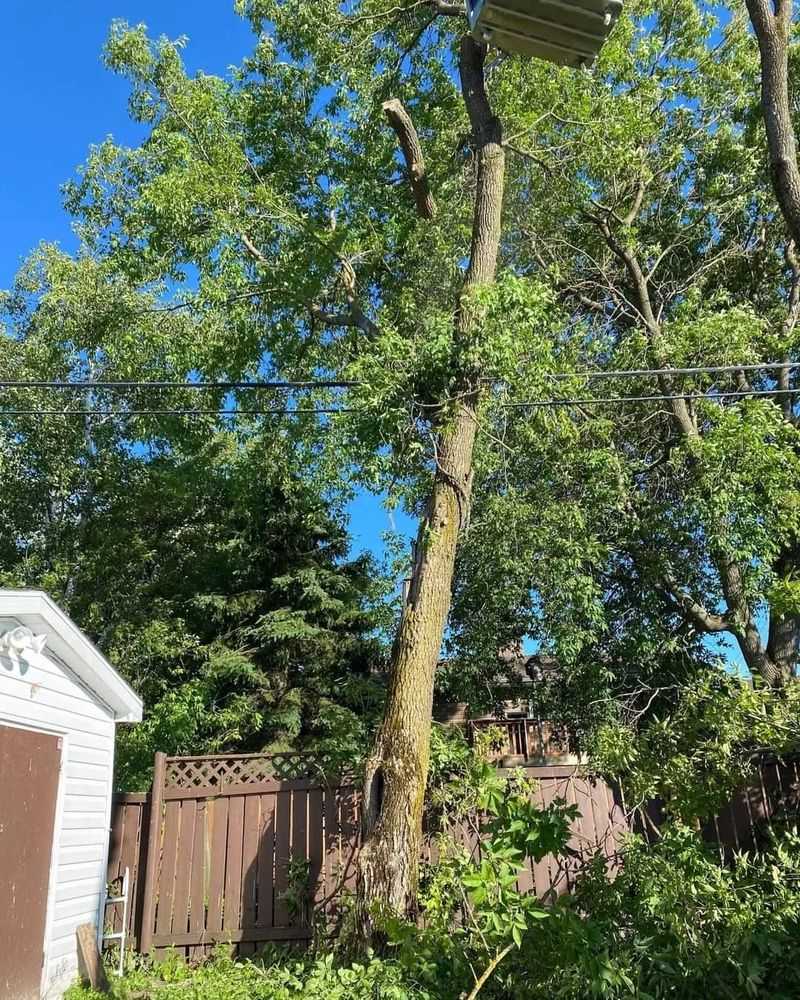
Most Pennsylvania homeowners insurance policies cover damage caused by falling trees or large branches, regardless of where the tree originates.
If your neighbor’s maple topples during a storm and crushes your fence or damages your roof, your own insurance usually pays for repairs.
Your insurance company might then seek reimbursement from your neighbor’s insurer if negligence was involved.
However, standard policies typically don’t cover the cost of removing leaves or cleaning gutters, even if the debris comes from a neighbor’s property.
These are considered routine maintenance expenses that homeowners must budget for themselves.
Some policies will pay to remove a fallen tree from your property, but only if it actually damaged a covered structure.
A tree that falls on your lawn without hitting anything usually isn’t covered for removal.
Review your specific policy or talk with your insurance agent to understand exactly what’s included.
Pennsylvania law doesn’t require your neighbor to carry insurance, but most mortgage lenders do.
Documenting any damage with photos and keeping records of communications with neighbors can help if you ever need to file a claim or prove negligence in court.
Mediation Can Resolve Disputes Without Going To Court
When conflicts arise over a neighbor’s maple tree and falling leaves, Pennsylvania offers mediation services as an alternative to expensive lawsuits.
Many counties have community mediation centers that help neighbors reach agreements with the help of a neutral third party.
Mediation is usually inexpensive or even free, and it allows both sides to explain their concerns in a calm setting.
A trained mediator doesn’t decide who’s right but helps you and your neighbor find a mutually acceptable solution.
You might agree on a leaf-sharing arrangement where you both split cleanup costs, or perhaps your neighbor will agree to more frequent trimming.
These agreements can be put in writing to prevent future misunderstandings.
Mediation preserves neighborhood relationships much better than courtroom battles, which can create lasting hard feelings.
Pennsylvania courts often encourage or even require mediation before allowing tree disputes to proceed to trial.
The process is confidential, so discussions during mediation can’t be used against you later if the case does go to court.
Approaching your neighbor calmly and suggesting mediation shows good faith and often leads to reasonable compromises that satisfy everyone involved.
Local Governments May Regulate Trees Through Zoning And Ordinances
Beyond state law, Pennsylvania townships, boroughs, and cities often have specific regulations about trees on private property.
Some communities have tree preservation ordinances that protect certain species or sizes, potentially including mature maples.
Your neighbor might not be allowed to simply remove their maple tree without obtaining a permit first, even if it’s on their own land.
Other municipalities have nuisance ordinances that could apply if leaves or branches create genuine problems beyond normal seasonal inconvenience.
Zoning codes sometimes specify setback requirements for planting trees near property lines to minimize future conflicts.
If your neighbor planted their maple too close to the boundary in violation of local rules, you might have grounds to request its removal.
Contact your local code enforcement office to learn what regulations apply in your specific Pennsylvania community.
Some areas have tree wardens or community foresters who can inspect situations and offer guidance.
These local officials can sometimes mediate disputes or clarify what’s legally required.
Understanding your municipality’s specific rules gives you a clearer picture of your rights and responsibilities regarding your neighbor’s maple tree and its falling leaves.