What Rabbit Damage Really Looks Like On Michigan Shrubs In Early Spring
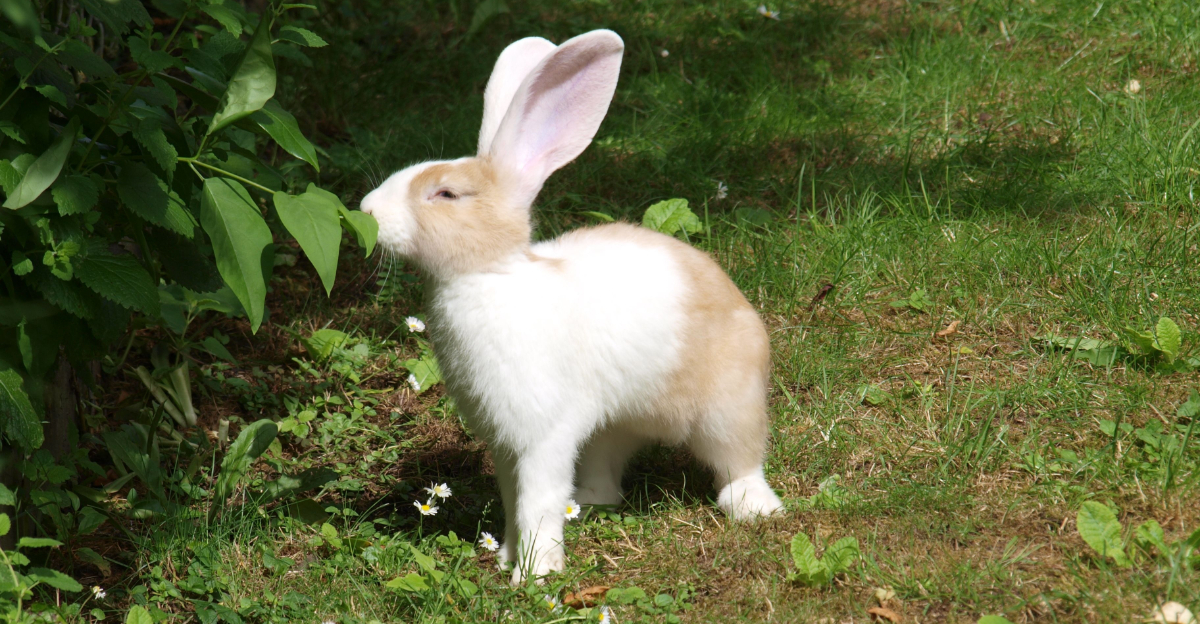
As the snow fades in Michigan, many shrubs begin to show signs of life, but not all of them look the way you expect. Fresh growth may be missing, stems can look uneven, and some branches seem oddly trimmed without any clear reason.
It is easy to overlook at first, especially when everything is just starting to wake up. These early signs are often caused by rabbits that have been feeding through late winter and into early spring.
With limited food available, they turn to shrubs, leaving behind clues that become more visible once the snow is gone. The damage can look clean and low to the ground, which helps set it apart from other issues.
What seems like a sudden problem is usually the result of steady feeding over time. Once you know what rabbit damage really looks like, you can spot it early and take steps to protect your shrubs moving forward.
1. Clean, Angled Cuts On Small Stems
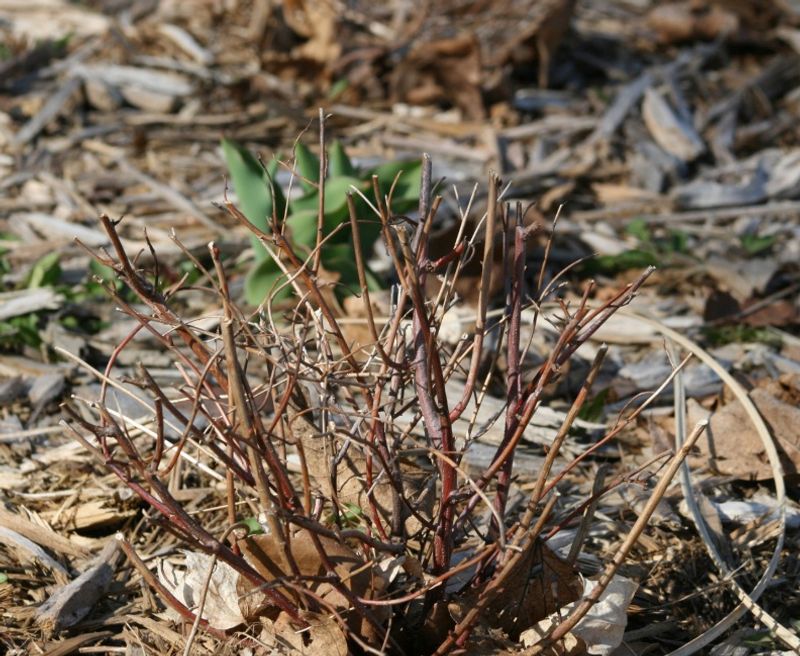
Picture snapping a twig cleanly with a sharp pair of scissors. That is almost exactly what rabbit damage looks like on small shrub stems.
Rabbits use their strong front incisors to clip stems at a precise 45-degree angle, leaving a cut so clean it almost looks intentional. This is one of the most reliable signs that cottontails have been visiting your Michigan yard.
What makes this clue so helpful is how different it looks from other types of damage. Deer tend to tear and rip stems, leaving ragged, shredded ends that are easy to spot.
Rabbit cuts, on the other hand, are smooth and sharp, almost like a small blade went through the branch. Once you know what to look for, you will never mistake it again.
Younger shrubs with thin, flexible stems are especially vulnerable because rabbits can clip them in a single bite. In Michigan landscapes, this damage often shows up on forsythia, dogwood, and young fruit shrubs right as spring begins.
Checking your plants early in the season gives you the best chance to respond before the feeding gets out of hand. A simple wire guard around the base of each shrub can go a long way toward keeping those clean little cuts from appearing again next year.
2. Damage Concentrated Close To The Ground
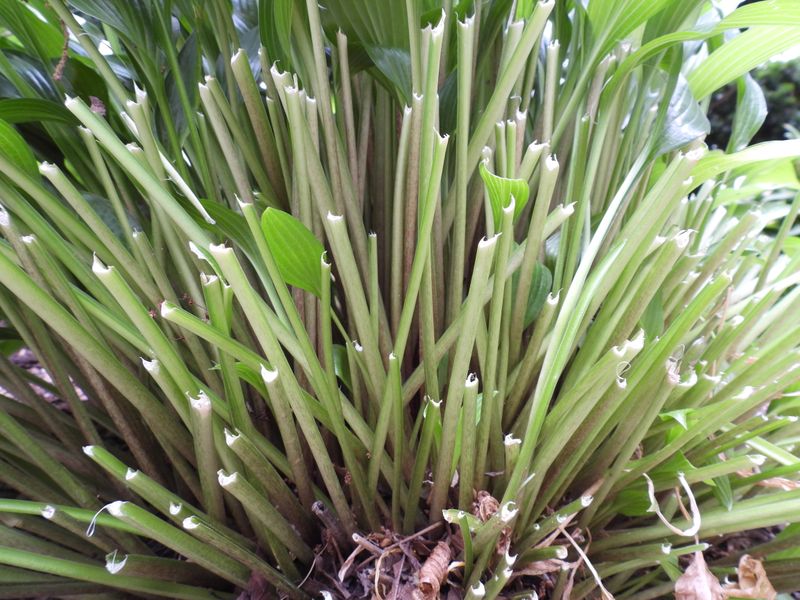
One of the most telling things about rabbit feeding is where it happens on the plant. Rabbits can only reach so high, and that natural limit leaves a very recognizable pattern on Michigan shrubs.
Most feeding happens within two to three feet of the ground, leaving the upper portions of the plant completely untouched and looking perfectly healthy.
This low zone of damage is actually a great diagnostic tool for gardeners. If you see a shrub where the bottom half looks chewed and stripped while the top half is full and leafy, rabbits are almost certainly the reason.
No storm or mechanical damage creates that kind of clean, low boundary line across a plant.
Something interesting happens in Michigan winters with heavy snowfall. When snow packs up high around a shrub, rabbits can stand on top of it and reach much higher than usual.
After the snow melts in early spring, you might find damage two or even three feet above where you would normally expect it. This can be confusing at first, but it all makes sense once you factor in snow depth.
Gardeners in northern Michigan and the Upper Peninsula see this pattern regularly after especially snowy seasons. Wrapping shrubs with wire mesh before winter sets in remains one of the easiest and most effective ways to stop this low-zone feeding before it starts.
3. Bark Gnawed Off Around Lower Stems
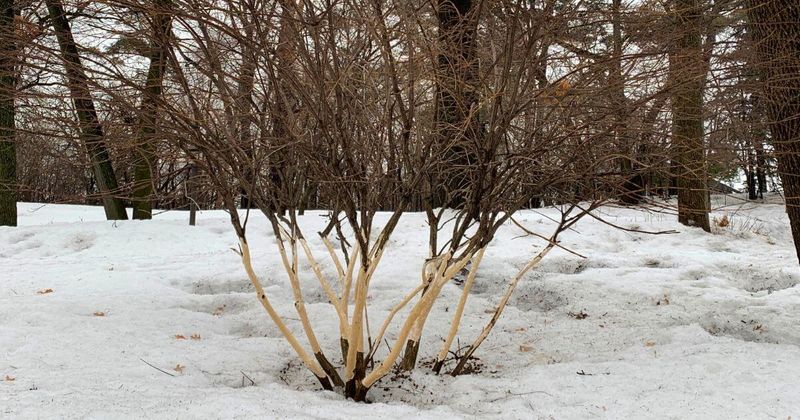
Bark gnawing is one of the more serious types of rabbit damage you can find on Michigan shrubs, and it deserves immediate attention when you spot it. Rabbits do not just clip stems.
They also chew the outer bark off the lower portions of woody shrubs, especially during late winter when softer food options are hard to find. The result is a patchy, rough-looking base where the smooth outer bark has been scraped or peeled away.
What makes this type of damage concerning is what happens beneath the surface. Bark carries nutrients and water between the roots and the rest of the plant, and when it gets removed in a ring around the stem, that flow gets interrupted.
If a rabbit chews all the way around a stem in a complete circle, the section above that point may struggle to leaf out once spring arrives. Gardeners in Michigan sometimes notice this only after waiting weeks for a shrub to wake up and show new growth.
Partial bark removal is far less serious and many shrubs can recover well with proper care. Keeping the exposed area clean and allowing it to callus naturally gives the plant the best shot at healing.
Applying a tree wrap or hardware cloth guard before winter is one of the smartest moves any Michigan gardener can make to protect shrubs from bark gnawing season after season.
4. Missing Flower Buds On Lower Branches
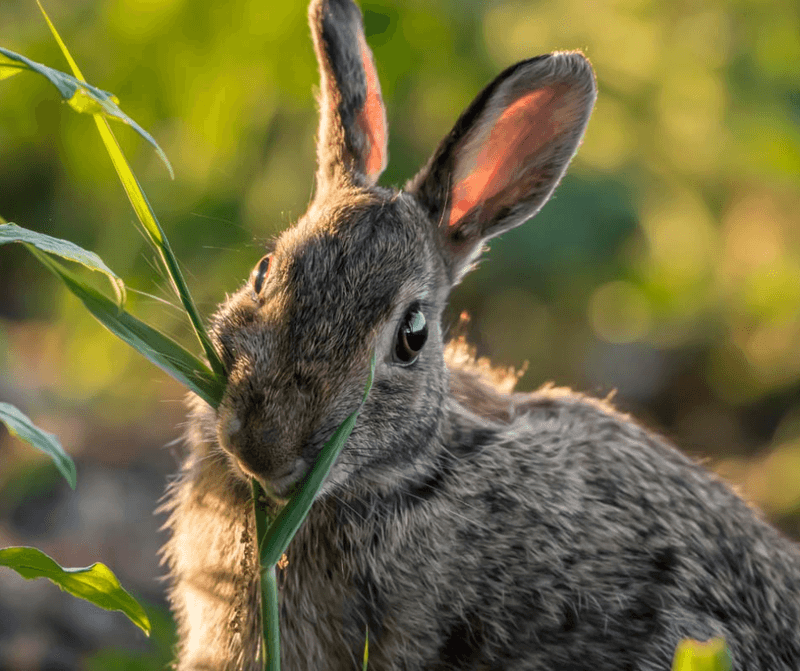
Waiting all winter for your favorite flowering shrub to bloom, only to find bare stems where the buds should be, is one of the more frustrating surprises spring can bring.
Rabbits have a strong preference for flower buds, especially during late winter when tender plant material is scarce across Michigan.
They nibble them right off the branch, leaving nothing behind except a small, blunt stub where the bud once sat.
The tricky part is that this damage can be easy to overlook until the shrub starts leafing out. You might not notice the missing buds until your forsythia blooms everywhere except the bottom two feet, or your lilac puts out flowers only on its upper branches.
That uneven blooming pattern is a classic sign that rabbits fed on the lower portion of the plant during winter or early spring.
Across Michigan, this is especially common on ornamental shrubs like roses, viburnum, and flowering quince. These plants produce buds that are sweet and nutrient-rich, making them a top target when food is limited.
The good news is that most healthy shrubs recover and will produce buds again the following season.
Protecting lower branches with a simple wire cage before the first hard frost each fall is an easy step that pays off beautifully when spring finally arrives and your shrubs bloom fully from top to bottom.
5. Repeated Damage On The Same Plants
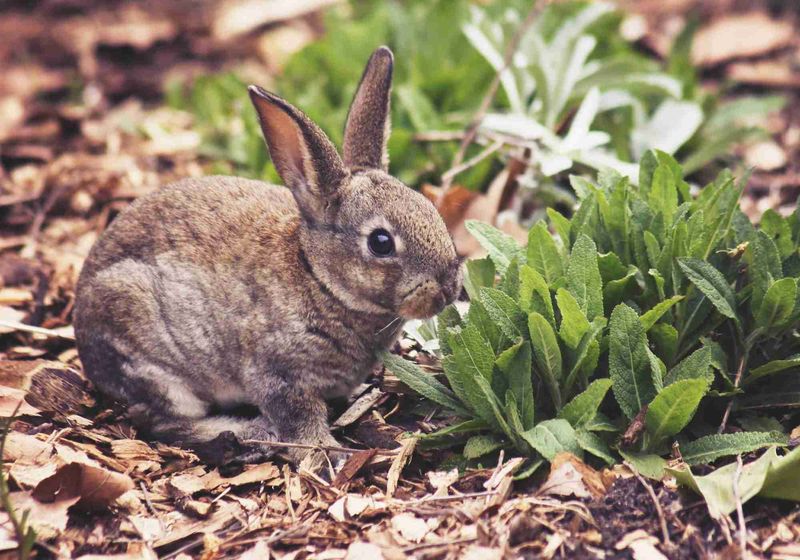
Rabbits are creatures of habit, and once they find a food source they like, they come back to it again and again. If you have noticed that the same shrub in your Michigan yard shows damage every single spring, that is not a coincidence.
Cottontails establish feeding routes and return to familiar spots, especially in neighborhoods where landscaping stays consistent and cover like brush piles or dense hedges remains nearby.
Year after year damage builds up on the same plants, and over time it starts to affect their overall shape and vigor. Stems that get clipped repeatedly may start to show unusual branching patterns or slow growth.
Some shrubs develop a stubby, compact look near the base from years of consistent nibbling. While many plants handle this kind of repeated stress surprisingly well, it does add up over time.
The real value in recognizing this pattern is that it tells you exactly where to focus your protection efforts. You do not need to wrap every shrub in your yard.
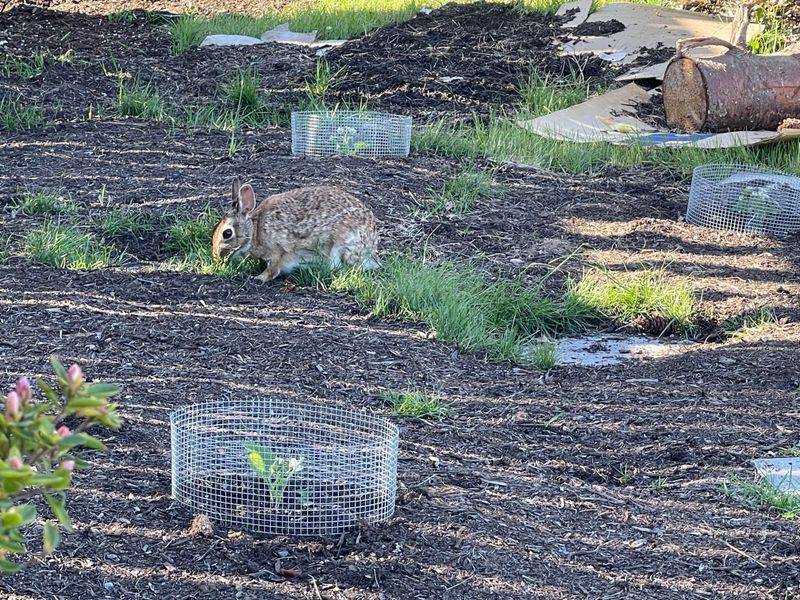
Just pay close attention to which plants get hit every year and start there. Hardware cloth cylinders placed around the base of those specific shrubs before late fall give rabbits no access to the stems or bark they keep returning to.
Across Michigan neighborhoods, this targeted approach saves gardeners a lot of time and keeps their most-loved shrubs looking healthy and full each spring.
6. Smooth Edges With No Shredding
Not all plant damage looks the same, and the texture of a wound can tell you a lot about what caused it. Rabbit feeding leaves behind cuts with smooth, clean edges that show no fraying, tearing, or shredding whatsoever.
Run your finger across a rabbit-clipped stem and it feels almost as neat as a fresh pruning cut. That smoothness is a direct result of how sharp and efficient rabbit incisors really are.
Compare that to storm damage or breakage from heavy snow and ice, which tends to crack and splinter wood in rough, unpredictable ways. Deer damage looks torn and ragged because deer lack upper front teeth and must twist and pull to remove plant material.
Each of these causes leaves a completely different texture, and learning to read those textures turns you into a much better plant detective when spring arrives in Michigan.
Smooth edges also help rule out insect damage, which typically involves tunneling, boring, or surface scraping rather than clean cuts through a stem.
Once you confirm that the edges are smooth and the cut is angled, you can feel confident pointing to rabbit activity as the cause.
This matters because the right diagnosis leads to the right response. Protecting shrubs with physical barriers makes far more sense than reaching for a spray or treatment when the real issue is a hungry cottontail making its rounds through your Michigan garden each morning before sunrise.
7. Damage Patterns Follow Snow Lines
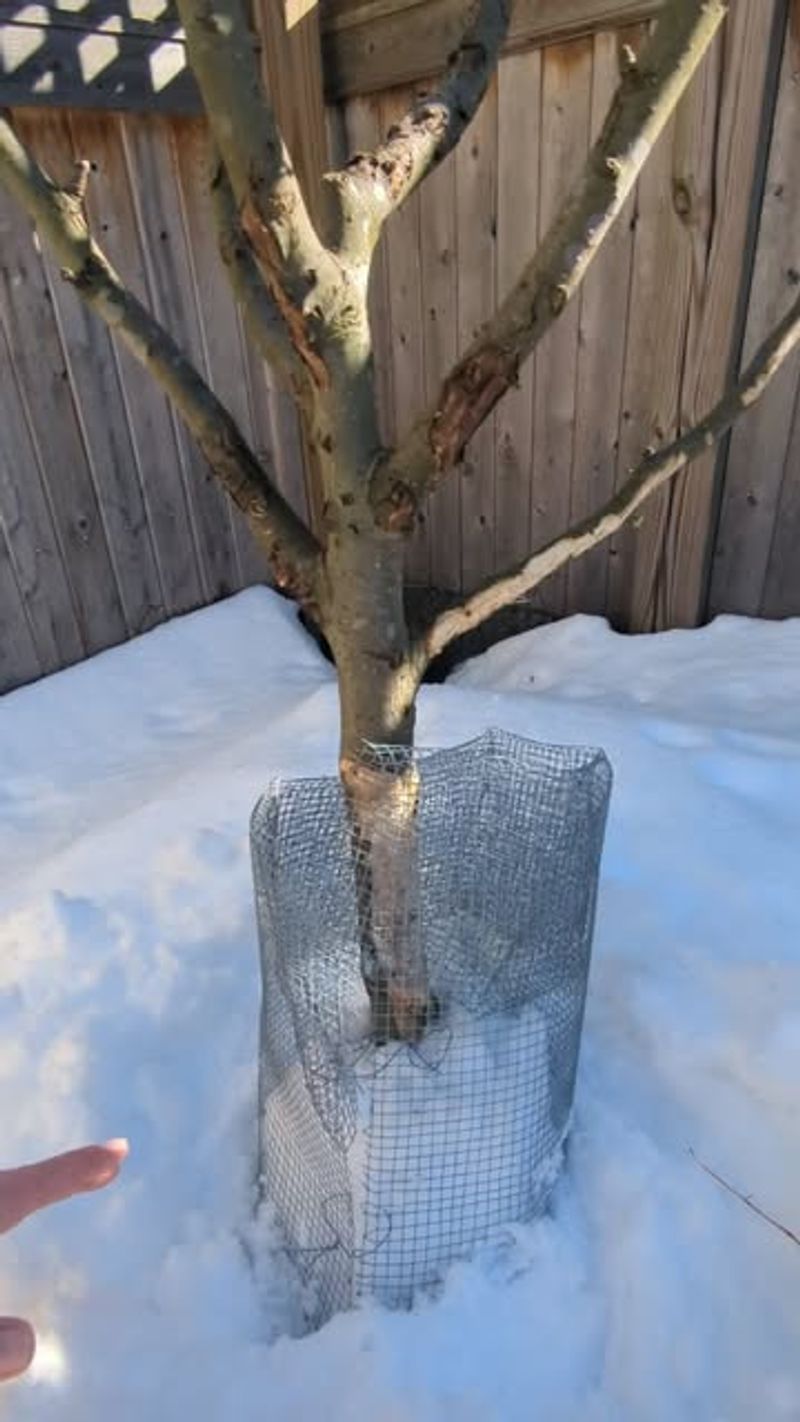
Here is something that surprises a lot of Michigan gardeners when they first encounter it. After a heavy winter with deep snow, rabbit damage can appear much higher on a shrub than expected.
Rabbits stand on top of packed snow to reach stems and buds that would normally be well above their reach. Once that snow melts away in spring, the damage line suddenly seems to float in mid-air, far above where typical rabbit feeding happens.
This snow-line pattern is particularly common in northern Michigan and the Upper Peninsula, where snowpack can stay deep for months at a time.
Gardeners who are used to seeing rabbit damage only near the base of their shrubs can be genuinely confused when they find clipped stems two or even three feet off the ground.
Knowing that snow depth changes the feeding zone completely changes how you interpret what you are seeing.
Understanding this pattern also changes how you protect your plants. A wire guard that only reaches eighteen inches high may be completely ineffective after a heavy Michigan winter.
Extending protection to at least three feet, or even a bit higher in areas that regularly see deep snow, gives shrubs a much better chance of making it through unscathed.
Adjusting guard height based on your region and typical snowfall levels is a simple but smart strategy that makes a real difference when late-winter rabbits start looking for a meal on your property.
8. Small Droppings Often Found Nearby
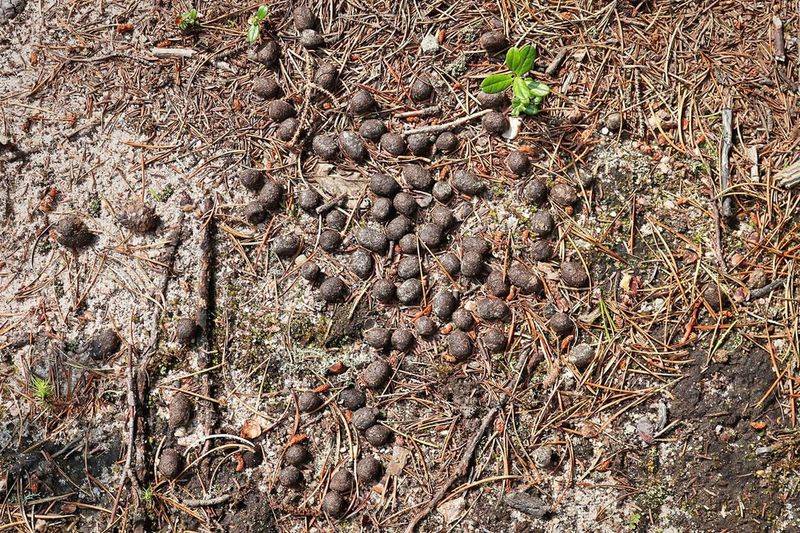
Sometimes the best clue is not on the plant at all but right there on the ground beneath it. Rabbit droppings are small, round, and look a bit like dark brown peas scattered loosely around a feeding area.
Finding them near the base of a damaged shrub in early spring is one of the most reliable ways to confirm that a rabbit is responsible for what you are seeing rather than some other cause.
After Michigan snowmelt, these droppings become much easier to spot because the ground is exposed and the contrast against the soil or dead leaf litter makes them stand out. Fresh droppings are darker and slightly moist, while older ones are lighter and dry.
Either way, a cluster of them near a clipped or bark-stripped shrub is a strong indicator of regular rabbit activity in that specific spot.
Finding droppings also tells you something useful about rabbit behavior. If you see them in the same location repeatedly over several weeks, it means a rabbit has established a regular route through your yard and is visiting that area often.
That information helps you prioritize which shrubs need protection most urgently. Installing a simple hardware cloth cylinder around those targeted plants right away gives you an immediate line of defense.
Across Michigan, cottontail rabbits are active even on cold early spring mornings, so the sooner you respond to these ground-level clues, the better your shrubs will look when the season fully arrives.