What Rabbits Are Eating In Michigan Gardens In April And How To Be Ready
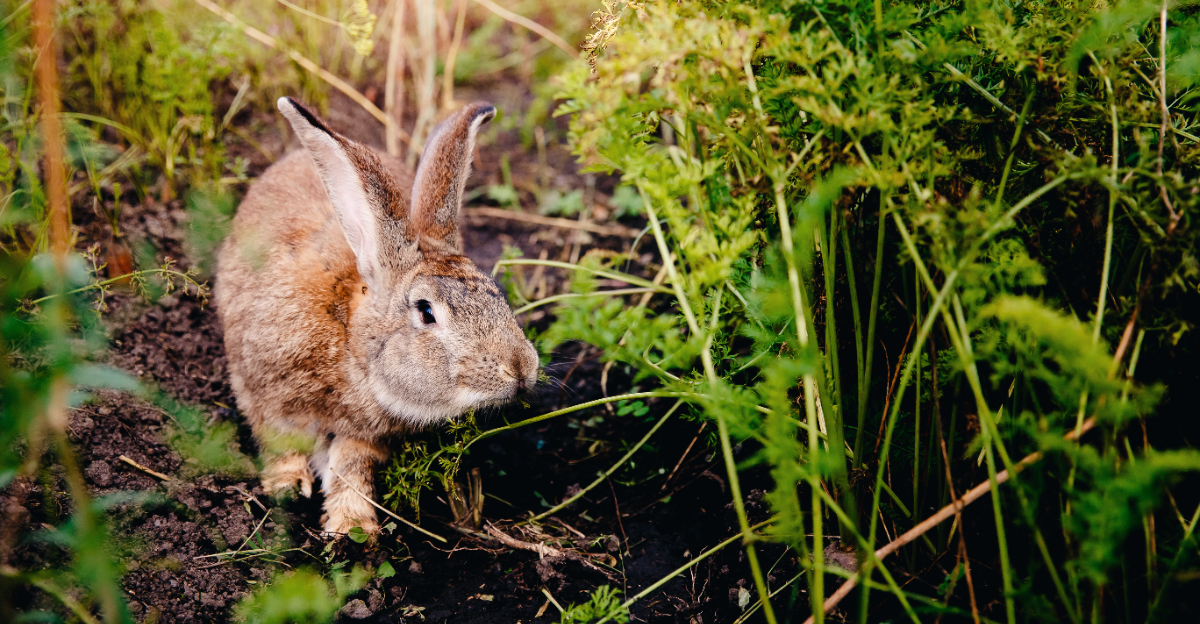
April can be a rough month for Michigan gardeners, and rabbits are often the reason why. Just when fresh growth starts showing up, these hungry visitors begin nibbling on tender leaves, new shoots, and young flowers before plants have a chance to fill in.
One morning the garden looks fine, and the next it seems like something came through for a midnight snack. Rabbits are especially drawn to soft, early growth because it is easy to eat and full of moisture after winter.
That makes spring planting season one of the easiest times for damage to happen fast. Some plants get hit again and again, while others are mostly left alone.
Knowing what rabbits go for in April can help you act before the trouble gets worse. A few smart steps now can protect your garden and save a lot of frustration later.
1. Tender New Spring Growth Is Their Favorite
Something almost magical happens in a Michigan garden every April. The soil warms up, tiny green shoots push through the ground, and rabbits notice immediately.
Fresh, tender growth is basically an open invitation, and cottontails waste no time taking advantage of it.
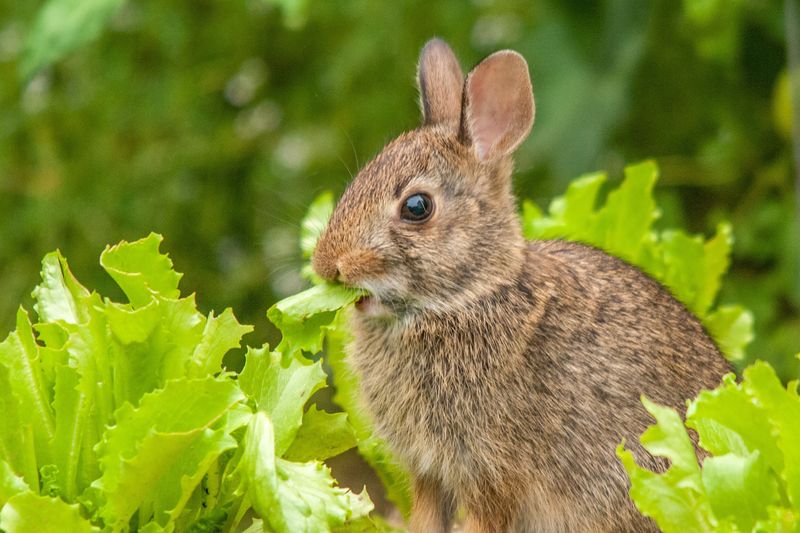
Young shoots of plants like Lactuca sativa, commonly known as lettuce, are especially attractive to rabbits. These new sprouts are soft, packed with moisture, and incredibly easy to chew.
Compared to tougher, older plant material, young growth requires almost no effort for a rabbit to eat and digest.
Early perennials pushing up through the soil are equally at risk. The first few inches of new growth contain the highest concentration of water and nutrients, which is exactly what a hungry rabbit craves after winter.
Established plants have tougher stems and can sometimes recover from light browsing, but newly sprouted seedlings are much more fragile.
One nibble from a rabbit can completely remove a seedling before it ever gets a real start. Michigan gardeners who plant early need to pay close attention during this window.
Acting fast to protect those tender first shoots gives every plant a much better chance of thriving through the rest of the growing season ahead.
2. Cool-Season Vegetables Are Prime Targets
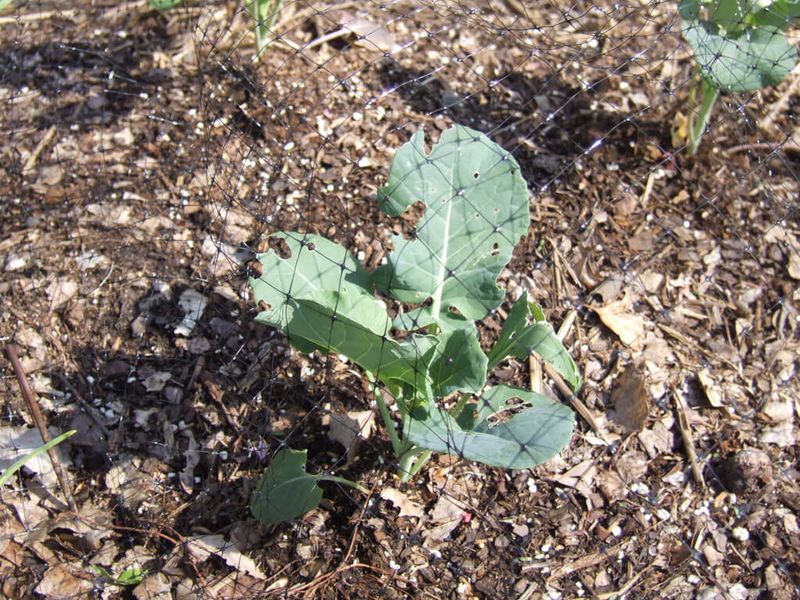
Peas, spinach, and broccoli are some of the first crops Michigan gardeners plant each spring, and unfortunately, rabbits know this too. Cool-season vegetables thrive in the chilly April temperatures that most warm-season crops cannot handle yet.
That early planting schedule puts them directly in the path of hungry cottontails searching for food.
Pisum sativum, or garden peas, are particularly appealing to rabbits because of their soft, sweet stems and leaves. Spinacia oleracea, better known as spinach, offers tender, flat leaves that are easy for rabbits to clip and carry off quickly.
Brassica oleracea varieties like broccoli and cabbage are also on the menu, especially when the plants are small and have not yet developed tougher outer leaves.
Because these crops are planted so early in Michigan, they often sit in the garden for weeks before warmer-season plants arrive. During that window, they represent some of the only fresh food available in the area, making them even more attractive to local rabbits.
A single rabbit can wipe out an entire row of seedlings in just one or two feeding sessions.
Gardeners who put time and effort into starting these crops early deserve to see them succeed. Protecting cool-season vegetables from the very beginning of the season is one of the smartest moves any Michigan gardener can make this spring.
3. Young Flower Shoots Get Nibbled Early

Walking out to your garden one April morning and finding your tulips clipped to the ground is a frustrating surprise. Rabbits have a habit of targeting emerging flower shoots early in the season, often before gardeners even realize the plants have come up.
Tulipa spp., the beloved tulip, is one of their favorite spring snacks in Michigan yards.
Trifolium spp., or clover, also gets heavy attention from cottontails. Clover is sweet, soft, and incredibly easy to find along garden edges and lawn borders.
Rabbits will graze on clover patches for extended periods, especially when other food sources are still limited in the early weeks of April.
One of the clearest signs of rabbit activity is the way they clip plants. Unlike insects or slugs that chew ragged edges, rabbits leave a sharp, clean, angled cut on stems, almost like someone used a pair of scissors.
Finding stems cut at roughly a 45-degree angle near the soil surface is a telltale clue that a rabbit visited overnight.
Flower gardeners in Michigan often feel the impact of rabbit browsing before vegetable gardeners do, simply because flowers emerge so early.
Recognizing that clean-cut damage quickly helps you respond before a rabbit turns your flower bed into a regular dinner spot throughout the rest of the spring season.
4. They Feed Heavily After Winter Food Shortage
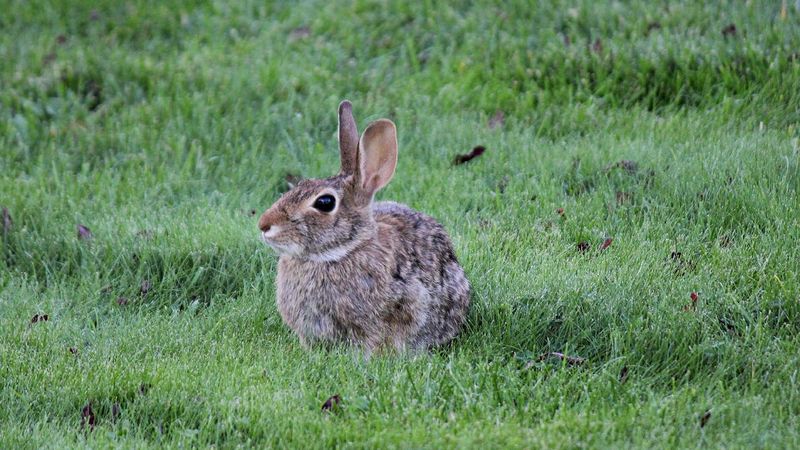
Winter in Michigan is tough on wildlife, and rabbits are no exception. Food sources shrink dramatically once snow covers the ground, forcing cottontails to survive on bark, dried stems, and whatever scraps remain.
By the time April arrives and snow begins melting, rabbits are genuinely hungry and ready to eat as much as possible.
This increased appetite in early spring is not random. Rabbits are responding to months of limited nutrition, and the sudden appearance of fresh green plants triggers intense feeding activity.
Michigan gardens become hotspots almost overnight as soon as the first new growth pushes through the soil.
The urgency rabbits feel in April means they cover more ground and feed more aggressively than they might later in the season. A rabbit that might casually browse in summer will actively seek out every available plant in early spring.
Gardens that were untouched all winter can suddenly show significant damage within just a few days of new growth appearing.
Understanding this seasonal hunger helps Michigan gardeners prepare with the right timing. Putting protective measures in place before plants fully emerge, rather than waiting until damage appears, gives your garden the best possible defense.
Rabbits that find food easily in one spot will keep returning, so blocking access from the very start of the season is the smartest strategy available.
5. Dawn And Dusk Are Peak Feeding Times
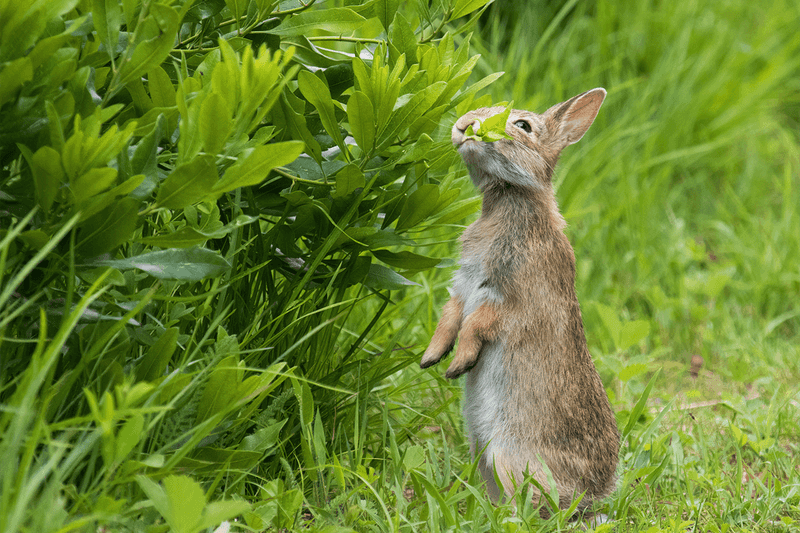
Most Michigan gardeners never actually see the rabbit that is eating their plants. Cottontails are crepuscular, meaning they are most active during the low-light hours of dawn and dusk.
By the time you step outside in the morning, the rabbit has already fed and retreated to a safe hiding spot somewhere nearby.
This feeding schedule is not accidental. Moving around during low-light conditions gives rabbits a natural advantage over predators like hawks and foxes that rely heavily on daylight for hunting.
In Michigan gardens, this means damage often appears seemingly out of nowhere, showing up overnight or in the earliest minutes of the morning before most people are awake.
Gardeners who notice fresh damage every morning should pay attention to the timing. Setting up a simple trail camera near vulnerable plants can confirm rabbit activity and show exactly when visits are happening.
Knowing that peak feeding happens around sunrise and sunset also helps you decide when to check your garden barriers and make sure everything is secure.
Rabbits can cover a surprising amount of ground during a single dawn or dusk feeding session in a Michigan neighborhood. A cottontail working through a garden at first light can sample many different plants before retreating.
Staying aware of this natural rhythm gives you a real edge in protecting your garden all through the April growing season.
6. Simple Barriers Work Best And Are Safe
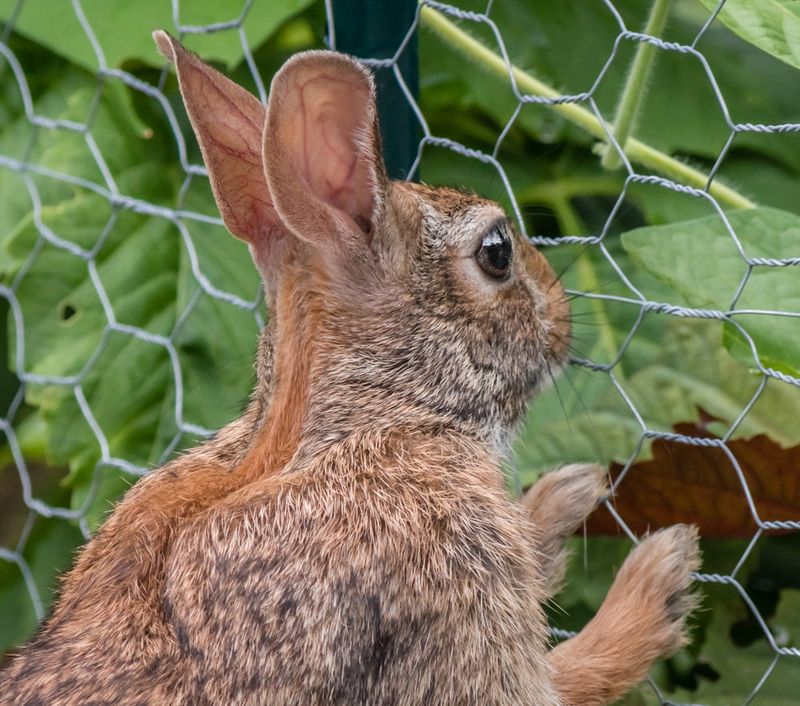
Chicken wire is one of the most reliable and affordable tools a Michigan gardener can use against rabbits. A fence that stands about two feet tall creates an effective barrier that most cottontails will not attempt to jump.
Keeping the mesh openings no larger than one inch ensures that young rabbits cannot squeeze through the gaps either.
Securing the bottom of the fence is just as important as the height. Rabbits are surprisingly good at finding gaps and will push under loose fencing without hesitation.
Bending the bottom few inches of wire outward at a right angle and pressing it flat against the soil prevents rabbits from digging or squeezing underneath the barrier.
Small garden cages work wonderfully for protecting individual plants or short rows of seedlings. Wire cages are easy to move around as your planting layout changes throughout the season.
They are especially useful for protecting newly transplanted seedlings during the vulnerable first weeks after they go into the ground in Michigan’s spring garden.
The best part about physical barriers is that they are completely safe for rabbits and require no chemicals or repellents. A well-installed fence lets you protect your plants while still coexisting peacefully with local wildlife.
Michigan gardeners who invest a little time in proper fencing at the start of April will spend far less time dealing with plant damage throughout the entire growing season.
7. Plant Placement Can Reduce Damage
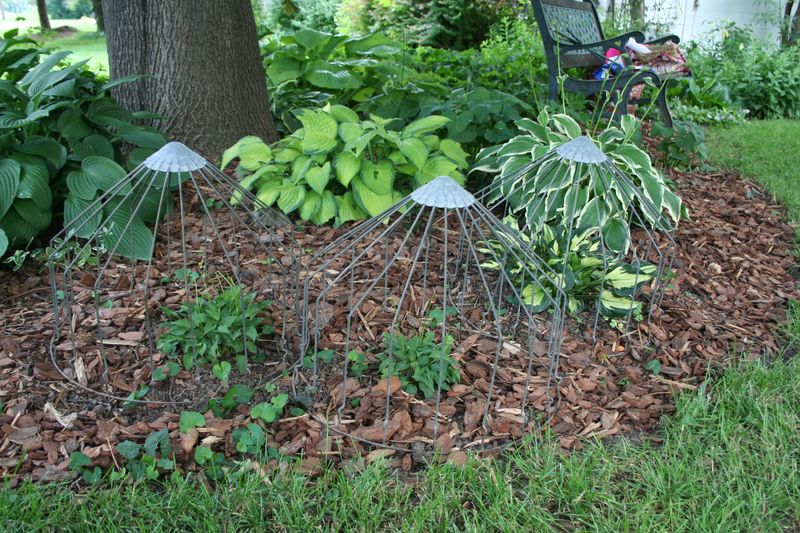
Where you put your plants matters just as much as what you plant. Rabbits prefer quiet, sheltered areas where they feel safe from predators.
Open spaces with lots of human activity make cottontails uncomfortable, so placing vulnerable plants closer to your house or near frequently used walkways can naturally discourage browsing.
Raised garden beds offer another layer of protection for Michigan gardeners. A bed raised 18 to 24 inches off the ground puts plants out of easy reach for most cottontails.
Raised beds also tend to be located in more open, visible areas of the yard, which adds to the natural deterrent effect that open spaces already provide.
Reducing hiding spots near your garden is another smart strategy. Brush piles, tall weeds, and dense shrubs close to garden beds give rabbits comfortable places to rest between feeding sessions.
Clearing these sheltered spots away from your planting areas makes the whole space feel less inviting and encourages rabbits to look for food elsewhere in the neighborhood.
Grouping your most vulnerable plants together in one protected, visible area makes it much easier to defend them with fencing or cages. Spreading tender plants all across a large Michigan yard creates too many spots to monitor and protect effectively.
Smart plant placement is one of the simplest and most overlooked tools for keeping your spring garden safe from rabbit browsing.
8. Early Protection Prevents Long-Term Damage
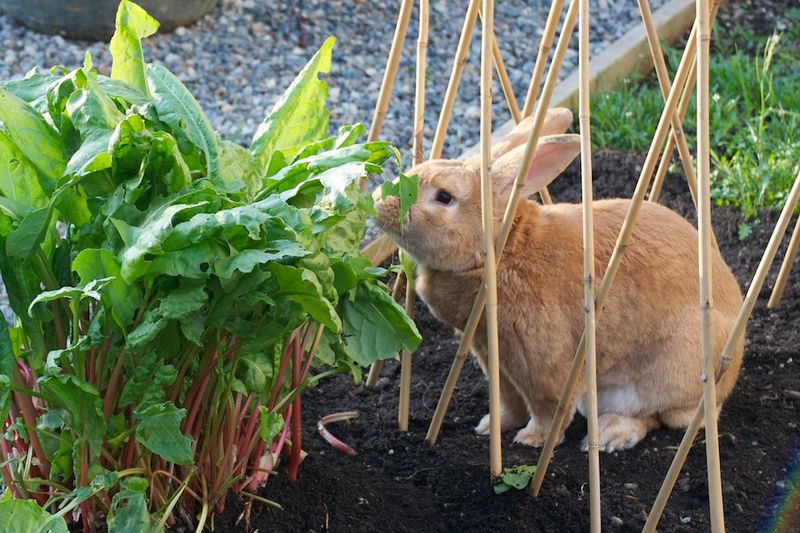
Timing is everything when it comes to protecting your Michigan garden from rabbits. Once a cottontail discovers a reliable food source, it will return to that exact spot again and again throughout the season.
Breaking that habit before it starts is far easier than trying to redirect a rabbit that has already claimed your garden as its regular feeding ground.
April is the most critical month for establishing your defenses. Plants are small and vulnerable, rabbits are actively searching for food after a long winter, and the feeding patterns that form now can stick around for months.
Getting barriers and deterrents in place before significant damage occurs keeps your plants healthier and saves you a lot of frustration down the road.
Early prevention is also the most wildlife-friendly approach available to Michigan gardeners. Physical barriers, smart plant placement, and habitat modification work together to redirect rabbits without causing them any harm.
You get a thriving garden, and the local cottontails simply find food sources elsewhere in the surrounding landscape.
Starting your rabbit protection plan on the first day you plant is the most effective move you can make. Do not wait until you spot damage to take action, because by then a feeding habit may already be forming.
Michigan gardeners who act early in April consistently enjoy healthier plants, stronger harvests, and far fewer headaches throughout the entire spring and summer growing season ahead.