What Really Happens To Your Lawn After A Long Michigan Winter
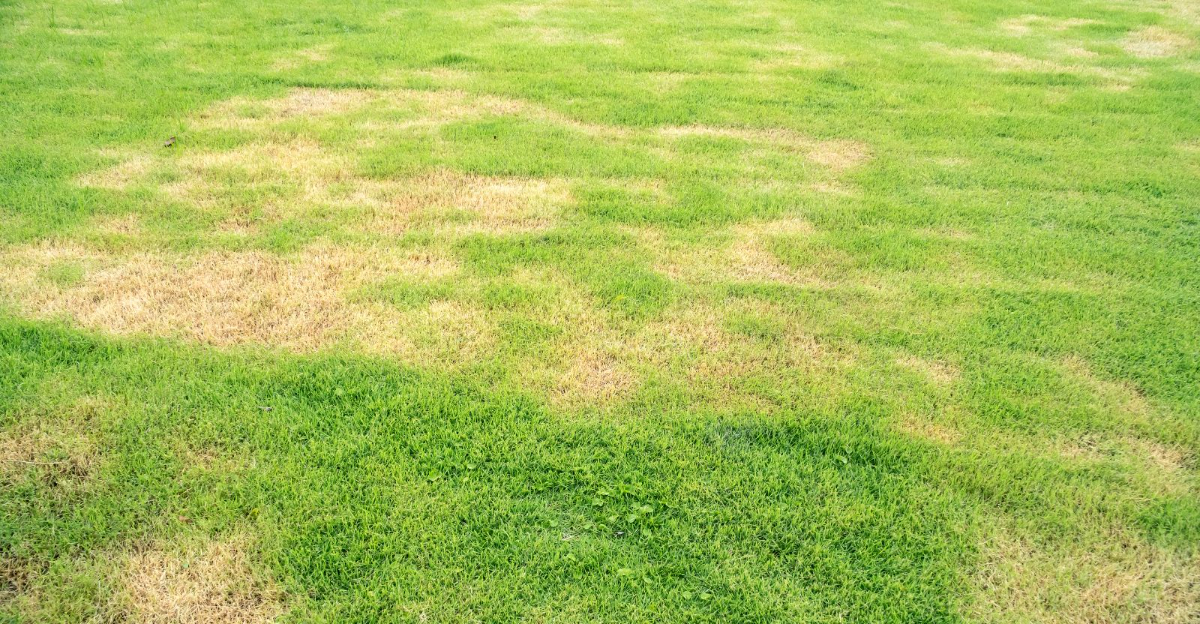
Michigan winters are tough on your lawn, and by the time spring arrives, your yard can look like it’s been through a battle. Between heavy snowfalls, freezing temperatures, and those biting cold snaps, your grass has endured some serious stress under all that white cover.
When the snow melts and your lawn emerges, it’s not uncommon to find it looking worn and weathered, leaving you wondering what went wrong. The good news is that most of the damage is temporary.
Understanding what your lawn experiences during the harsh Michigan winter is key to helping it bounce back stronger.
Knowing how to protect your grass from the cold and how to care for it once spring hits can make all the difference in having a healthy, green lawn by the time the weather warms up.
1. Snow Mold Can Form After Extended Snow Cover
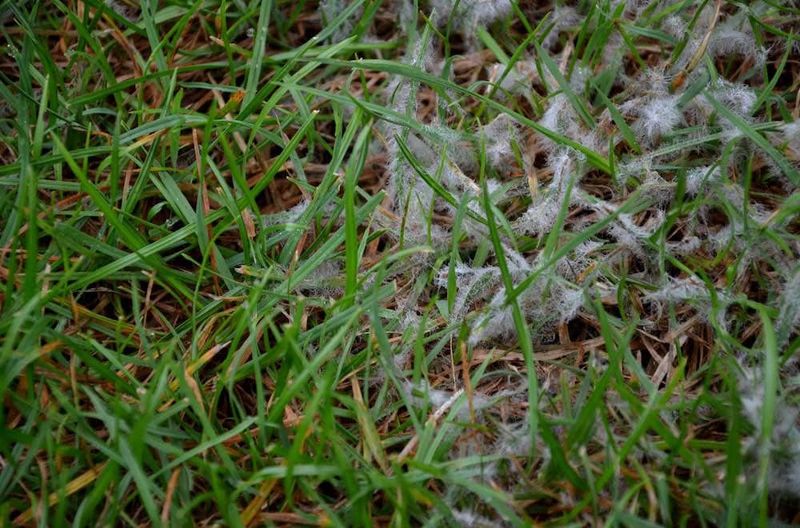
Peek outside right after a Michigan snowmelt and you might spot something strange on your grass. Circular, matted patches with a grayish or pinkish color could be staring back at you, and that is snow mold at work.
Snow mold is a fungal disease that thrives when snow covers the ground for long stretches of time, which is pretty common here in Michigan.
There are two main types: gray snow mold and pink snow mold. Gray snow mold, caused by the fungus Typhula, only affects the grass blades.
Pink snow mold, caused by Microdochium nivale, can reach down into the roots and cause more serious damage. Both love cold, wet conditions under a thick layer of snow.
The good news is that most lawns can bounce back from gray snow mold with some basic care. Gently raking the affected areas helps break up the matted grass and lets air flow through again.
Avoiding excess moisture in late fall and keeping your lawn mowed to the right height before the first snowfall can go a long way in preventing snow mold from forming next winter. Staying proactive each season makes a real difference for Michigan homeowners.
2. Grass Dormancy Results In Yellowing
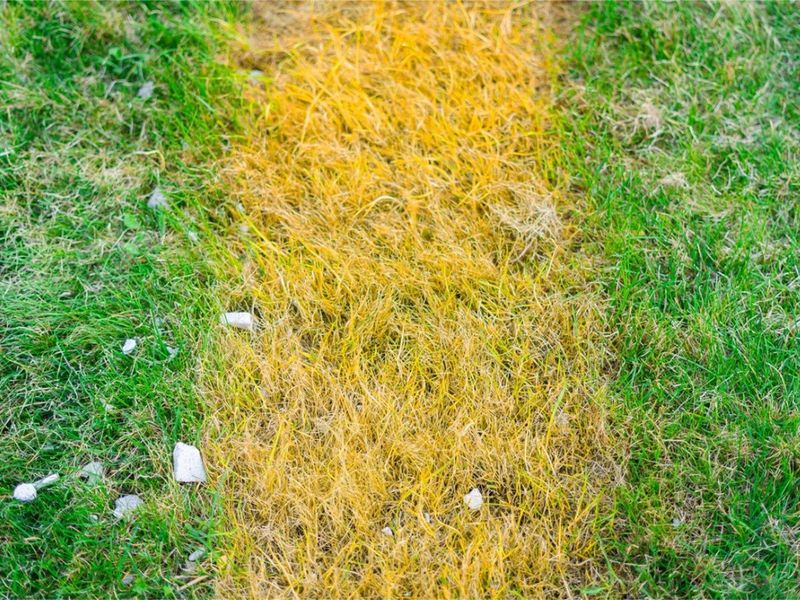
Walking out to your Michigan yard in early spring and seeing a sea of yellow grass can feel alarming at first. Before you panic, know that what you are looking at is most likely dormant grass, not permanently damaged turf.
Cool-season grasses like Kentucky bluegrass and tall fescue, which are popular choices in Michigan, naturally go dormant during the coldest months to protect themselves.
During dormancy, the grass redirects its energy away from the blades and focuses on keeping its roots alive through the freeze. The result is that yellowish, straw-like appearance that covers many Michigan lawns from late fall through early spring.
It is actually a smart survival strategy that these grasses have developed over time.
Once soil temperatures start climbing above 50 degrees Fahrenheit consistently, you will notice the green slowly creeping back in. Recovery can take a few weeks depending on how harsh the winter was and how well the lawn was cared for in the fall.
Watering lightly during dry spring spells and avoiding heavy foot traffic on the recovering turf speeds things up nicely. Patience really is key here, and most Michigan lawns reward that patience with a lush green comeback once the warmer weather settles in for good.
3. Freeze-Thaw Cycles Stress Grass Roots
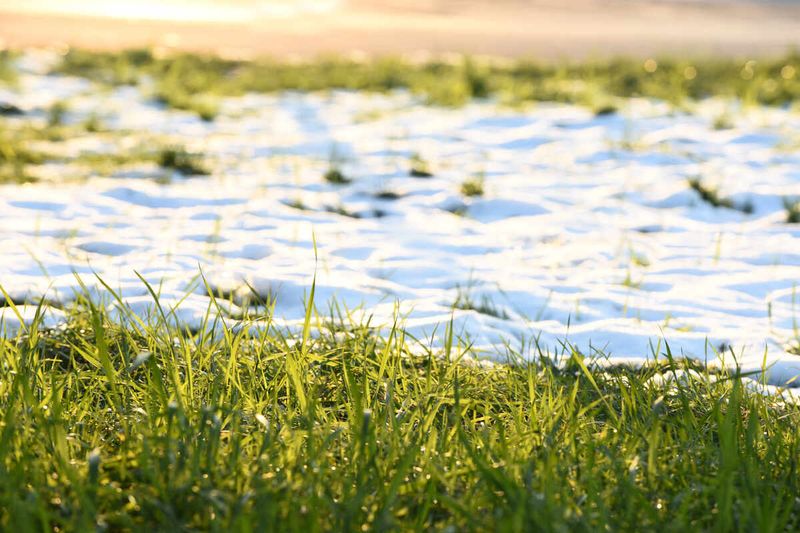
Michigan winters rarely stay at one steady temperature, and that constant back-and-forth between freezing and thawing puts your lawn under real stress. When the ground freezes, the water inside the soil expands.
When it thaws, that soil shifts back. This repeated movement is called frost heaving, and it can physically push grass roots upward and out of the soil.
Exposed roots are vulnerable to cold air and drying winds, which weakens the plants significantly. Over time, repeated freeze-thaw cycles can cause thinning across your lawn, especially in areas that get a lot of sun during the day and freeze hard again at night.
Low-lying spots and areas with poor drainage tend to suffer the most because water collects and freezes more intensely there.
One of the best ways to protect roots from this kind of stress is to apply a layer of winter mulch or keep grass at a proper height going into the cold season. Aerating your lawn in the fall also helps water drain properly so there is less ice expansion in the soil.
Come spring, lightly pressing down any heaved areas with a lawn roller can help reconnect roots with the soil. Michigan homeowners who take these fall prep steps tend to see much healthier and more resilient lawns when the warm weather finally arrives.
4. Thatch Builds Up During Winter
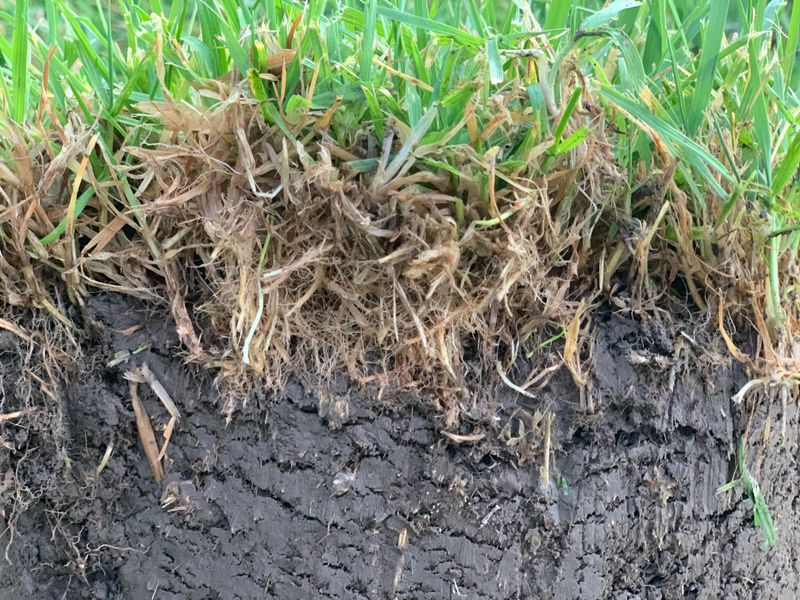
Most people do not realize that winter is actually prime time for thatch to build up in their Michigan lawn. Thatch is a layer of organic material, including stems, roots, and leaf debris, that sits between the soil surface and the living grass blades.
A little thatch is actually helpful because it insulates the soil. Too much of it, though, becomes a real problem.
During winter, fallen leaves that were not raked up, along with naturally shed grass material, compress under snow and form a thick, spongy mat. When that layer gets thicker than about half an inch, it starts blocking water, fertilizer, and oxygen from reaching the roots.
Roots may even start growing into the thatch layer instead of the soil, which makes them far less stable and harder to nourish properly.
Spotting thatch is easy once you know what to look for. If you press your finger into the lawn and feel a spongy layer before hitting firm soil, thatch has likely built up.
Dethatching with a rake or a power dethatcher in early spring removes that barrier and opens things up for a fresh growing season. Michigan lawns that get dethatched annually tend to stay thicker, greener, and more resistant to disease.
It is a simple step that pays off big when summer arrives and your neighbors are wondering how your yard looks so great.
5. Compaction From Snow and Ice Weighs Down Lawns
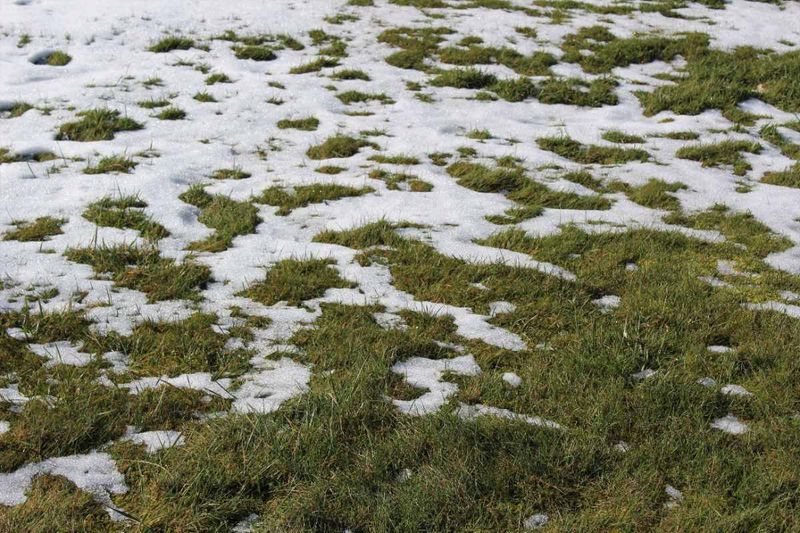
Heavy snow and ice do more than just cover your Michigan lawn for months at a time. All that weight actually pushes down on the soil, compressing it layer by layer throughout the winter season.
Compacted soil has less space between its particles, which means roots have a harder time spreading out and finding the air and water they need to grow strong.
Soil compaction also reduces drainage, so when all that snow finally melts in spring, the water has nowhere to go quickly. This leads to waterlogged areas that can stay soggy for weeks, creating the perfect environment for fungal issues and moss growth.
Foot traffic over snow-covered ground makes compaction even worse, so try to keep people and pets from walking the same paths across the lawn all winter long.
The best fix for compacted soil is core aeration, which involves pulling small plugs of soil out of the ground to open up space for air, water, and nutrients. Doing this in early spring, once the ground has thawed and dried slightly, gives your Michigan lawn a fresh start.
Pairing aeration with overseeding fills in thin areas and helps the grass establish deeper roots before summer heat arrives.
Lawns that get aerated regularly are noticeably more resilient and vibrant, and the difference really shows by mid-summer when the heat turns up.
6. Excessive Watering After Snowmelt Can Lead To Fungus
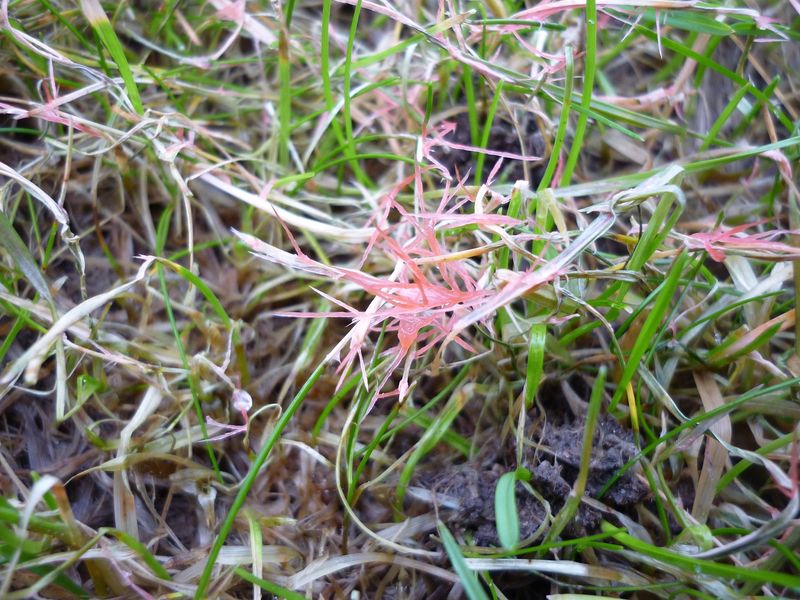
Snowmelt already delivers a significant amount of moisture to your Michigan lawn in spring, so adding more water on top of that can push things into problem territory fast.
Overwatering when the ground is still cold and saturated creates exactly the conditions that fungal diseases love.
Brown patch, pythium blight, and rust are all common fungal issues that can take hold when lawns stay too wet for too long.
Fungal spores are naturally present in most soils and grass, just waiting for the right conditions to spread. Warm, wet, and humid conditions in early spring give those spores exactly what they need to multiply.
You might notice discolored rings, slimy patches, or a reddish-orange powder on your grass blades, all signs that fungus has moved in and is actively spreading through your turf.
The smart move after snowmelt is to hold off on irrigation until your lawn actually shows signs of needing water. Press a screwdriver into the soil and if it slides in easily, there is still plenty of moisture present.
Michigan homeowners should also make sure their lawn has good drainage before the season starts. Avoid watering in the evening, since wet grass overnight is an open invitation for fungal growth.
Morning watering gives the blades time to dry out during the day, which keeps fungal pressure much lower throughout the spring recovery period.
7. Bare Spots May Appear From Winter Stress
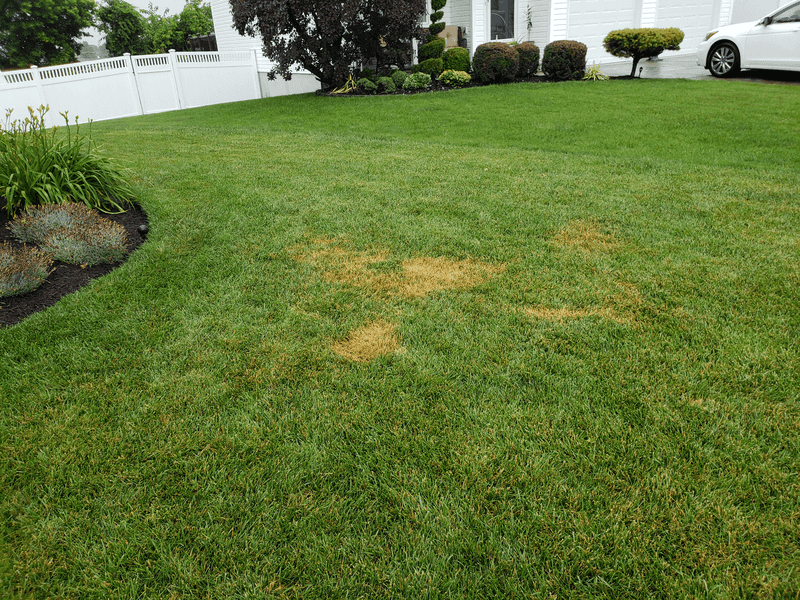
Spring reveals all the secrets your Michigan lawn has been hiding under the snow. Bare spots showing up across the yard are one of the most common and frustrating things homeowners deal with after a tough winter.
These thin or completely empty patches can come from several different winter stressors working together or independently throughout the cold months.
Salt damage is a big one in Michigan, where road salt and sidewalk de-icers get splashed or tracked onto lawns constantly. Salt pulls moisture out of the soil and grass, leaving behind scorched-looking strips, especially along driveways and walkways.
Frost heaving, snow mold, and extended ice cover can also create bare areas by damaging or weakening the grass in specific spots around the yard.
The great news is that bare spots are very fixable with a bit of spring effort. Start by loosening the soil in the bare area with a rake or garden fork to create a good seedbed.
Then apply a quality grass seed blend suited for Michigan conditions, like a mix of Kentucky bluegrass and perennial ryegrass, and keep it consistently moist until germination happens.
A light layer of straw mulch over the seeded area helps retain moisture and protects the seeds from birds.
Most bare spots fill in beautifully within three to four weeks when temperatures stay consistently above 50 degrees Fahrenheit.
8. Grass Often Needs A Light Raking In Early Spring
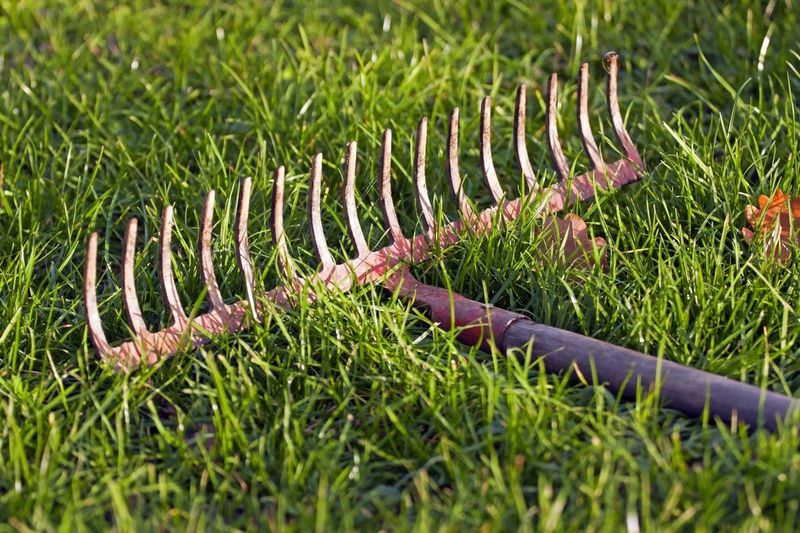
One of the simplest and most rewarding things you can do for your Michigan lawn in early spring is grab a rake and get to work.
After months under snow and ice, your grass is likely matted down with a combination of thatch, leftover leaves, and debris that settled in during the fall.
A light raking session clears all of that away and gives your lawn room to breathe again. The key word here is light. You are not trying to tear up the soil or pull out healthy grass.
A gentle pass with a leaf rake or a specialized lawn rake loosens the matted material without causing extra stress to the recovering turf.
This is especially helpful in areas where snow mold has caused the grass to clump together, since breaking up those clumps allows air and sunlight to reach the soil surface more effectively.
Raking also gives you a great chance to assess the overall condition of your Michigan lawn up close. You can spot bare patches, check for signs of fungal issues, and get a feel for how compacted the soil might be before starting any other spring lawn care steps.
Most lawn care experts recommend raking once the ground has fully thawed and is no longer soft or muddy. Timing it right protects the soil structure and sets your lawn up for a smooth, healthy start to the growing season.
9. Lawns Recover Gradually As The Weather Warms
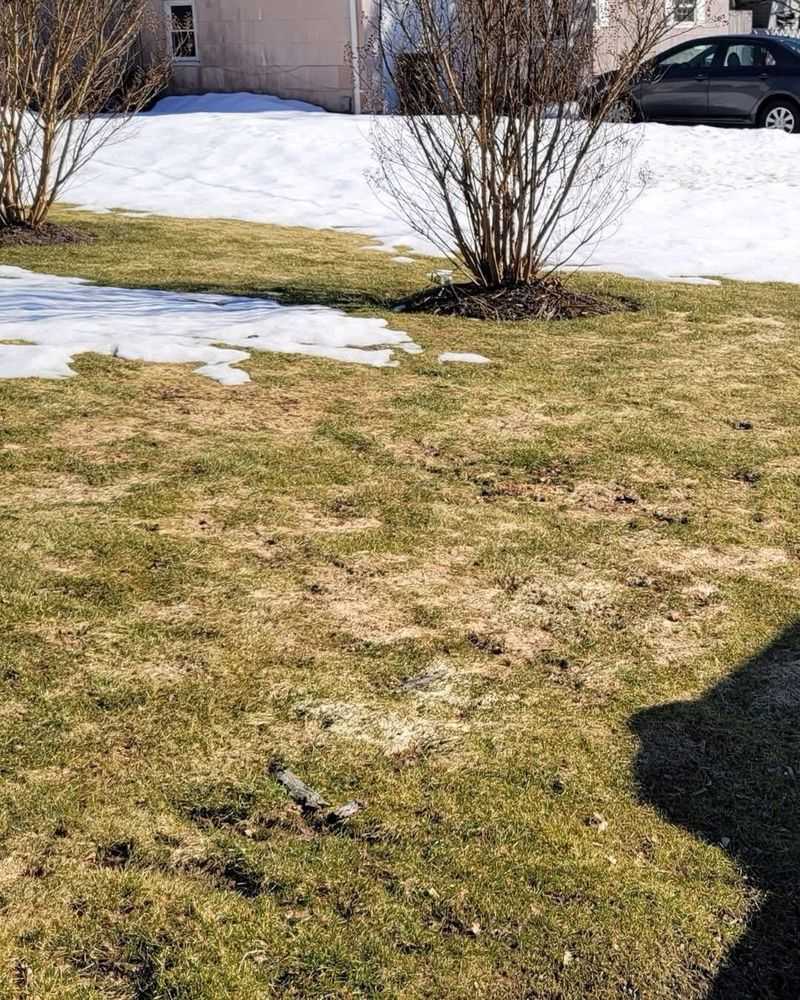
There is something genuinely satisfying about watching a Michigan lawn slowly wake up after a long winter. The recovery process does not happen overnight, and that is perfectly normal.
Grass responds to soil temperature, sunlight, and moisture levels, and when all three start aligning in spring, the green color begins creeping back in from the ground up.
Cool-season grasses, which dominate most Michigan lawns, begin actively growing again once soil temperatures consistently reach around 50 to 55 degrees Fahrenheit.
Depending on where you are in the state, this typically happens sometime between late March and early May.
Northern Michigan lawns often lag behind by a few weeks compared to lawns in the southern part of the state, simply because temperatures warm up more slowly up north.
During this gradual recovery phase, it is best to be patient and let the grass do its thing without too much interference. Avoid heavy foot traffic, hold off on mowing until the grass reaches about three inches tall, and resist the urge to apply heavy fertilizer too early.
Light watering during dry stretches supports the process without overwhelming the recovering roots.
Most Michigan homeowners are pleasantly surprised at how quickly their lawns transform from yellow and patchy to lush and full once the right conditions click into place. The comeback is real, and it is always worth the wait.
10. Early Spring Fertilizing Helps Kickstart Growth
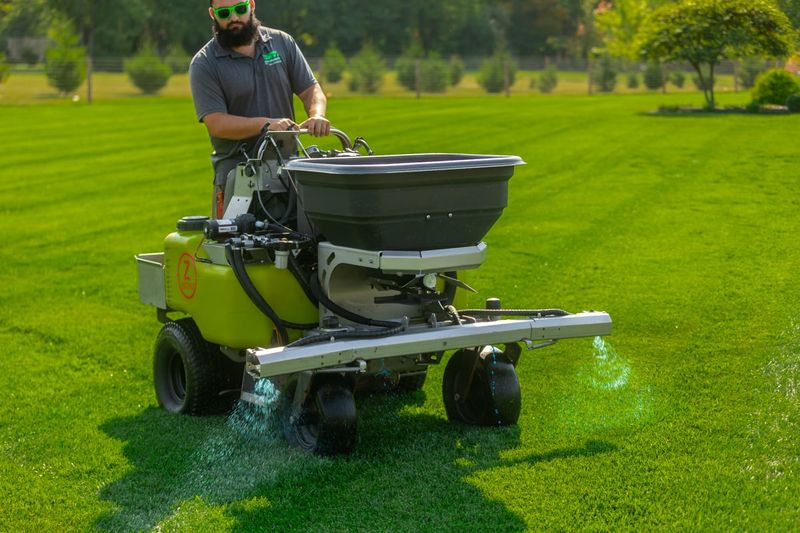
Your Michigan lawn burns through a lot of stored nutrients surviving a long, cold winter, and by the time spring arrives, the soil is often running on empty.
Applying a balanced, slow-release fertilizer in early spring gives the grass the nutritional boost it needs to shift from survival mode into active, healthy growth. Think of it as the first solid meal your lawn gets after months of barely getting by.
The timing of that first fertilizer application really matters. Applying it too early, when the ground is still frozen or the grass has not yet started actively growing, wastes product and can even contribute to runoff.
Waiting until the grass shows visible signs of growth, typically when it first needs mowing, signals that the roots are ready to absorb nutrients effectively. For most of Michigan, that window falls somewhere in April or early May.
Look for a fertilizer with a higher nitrogen content to support leaf and blade growth, combined with phosphorus and potassium to strengthen roots and boost stress resistance.
Slow-release formulas are ideal because they feed the lawn steadily over several weeks rather than delivering a sudden surge that can cause uneven growth or increase fungal risk.
Many Michigan lawn care professionals recommend a 20-5-10 or similar balanced formula for spring applications. Following the package directions carefully and watering lightly after application helps the nutrients move into the soil where they can do the most good.