What Seeds To Start Indoors In March For Thriving Gardens In Kalamazoo, Michigan
While the Kalamazoo River might still carry a winter chill, March serves as the tactical starting gun for the most prepared gardeners in Southwest Michigan.
In our unique USDA Zones 5b to 6a, the transition from the heavy snows of February to the traditional May 4 frost line is a high-stakes race against the clock.
By initiating these nine specific seed varieties indoors right now, you are essentially bypassing the sluggish start of our erratic spring and building the structural resilience your landscape craves.
These extra weeks under grow lights allow root systems to anchor deeply, ensuring your transplants can withstand the humid breezes and sudden temperature swings of the Celery Flats region.
Whether you are tending a small urban plot near Vine Street or a sprawling backyard in Portage, this early indoor head start is the ultimate insurance policy. These strategic moves in March are what separate a struggling July garden from a lush, flower-packed sanctuary.
1. Tomatoes
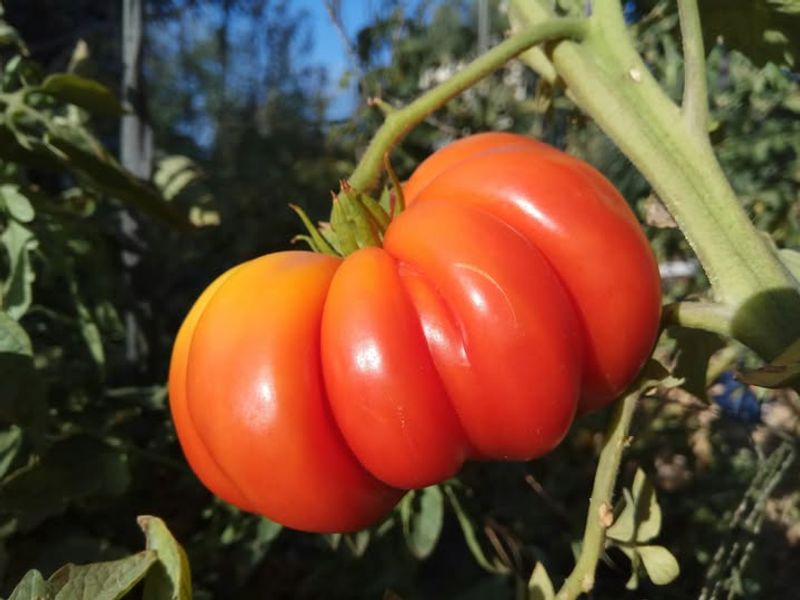
Few things beat the taste of a homegrown tomato, and in Kalamazoo, getting that flavor starts right in your living room every March. Tomatoes need about 6 to 8 weeks of indoor growing time before they are ready to meet the Michigan spring weather outside.
Since the average last frost in Kalamazoo lands around May 4, starting your tomato seeds in mid-March puts you right on schedule for a mid-May transplant.
Sow your seeds about one-quarter inch deep in a quality seed-starting mix. Keep the soil consistently moist but never waterlogged, and aim for indoor temperatures between 70 and 80 degrees Fahrenheit to encourage fast, healthy germination.
Tomato seeds typically sprout within 5 to 10 days under warm conditions, so you will see action pretty quickly.
Lighting is everything for tomato seedlings. Without enough light, they stretch out tall and weak, which gardeners call getting leggy.
Set up a fluorescent or LED grow light 2 to 3 inches above your seedlings and keep it on for 14 to 16 hours each day. Before moving plants outside, spend about a week gradually introducing them to outdoor conditions by setting them outside for a few hours daily.
This process, called hardening off, helps your Kalamazoo tomatoes adjust smoothly to sun and wind without going into shock.
2. Peppers
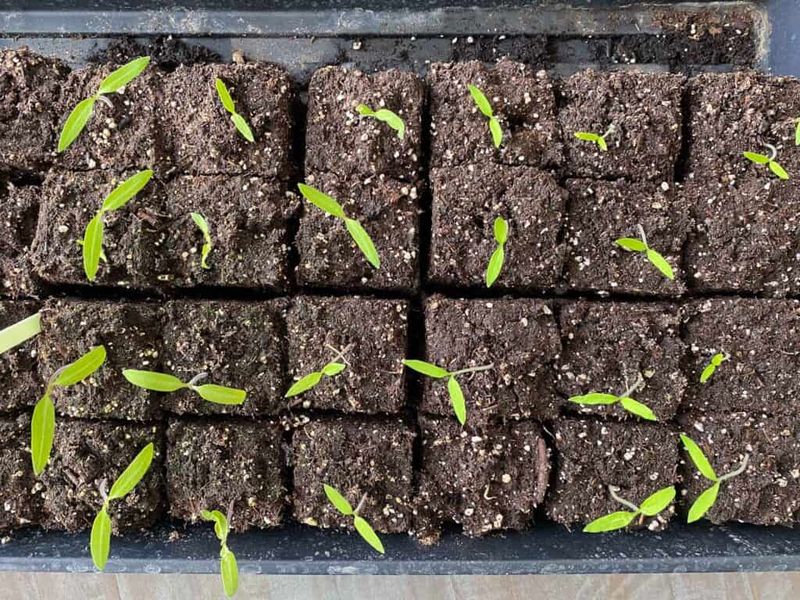
Peppers are a little more demanding than tomatoes, but the payoff in your Kalamazoo garden is absolutely worth the extra care.
These warm-season plants need a longer head start indoors, roughly 8 to 10 weeks before transplanting, which means planting your pepper seeds in early to mid-March is the sweet spot.
Capsicum annuum varieties, from sweet bells to spicy jalapenos, all follow the same indoor growing rules.
Soil temperature is the secret weapon for pepper germination. Keep the growing medium at around 70 to 80 degrees Fahrenheit using a seedling heat mat placed under your trays.
Cold soil slows germination dramatically, sometimes stopping it altogether, so that gentle bottom heat makes a real difference in how quickly your seeds sprout.
Once seedlings emerge, bright light becomes your top priority. Peppers crave 14 to 16 hours of light daily, so a quality LED grow light positioned just a few inches above the seedlings keeps them compact and sturdy rather than tall and floppy.
Water consistently, letting the top layer of soil dry slightly between waterings to avoid root problems.
Around mid-May in Kalamazoo, after all frost risk has passed, your pepper transplants will be strong, well-rooted, and ready to thrive in the summer garden you have been planning all winter long.
3. Broccoli
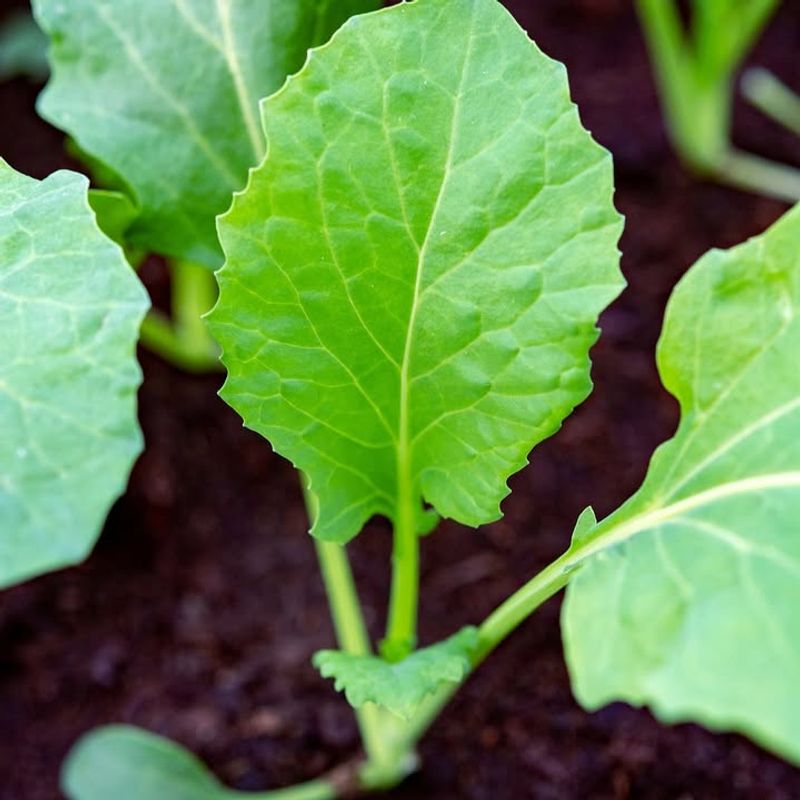
Broccoli is one of the coolest things you can grow in a Kalamazoo garden, and that word cool is meant literally. Unlike tomatoes and peppers, broccoli actually prefers cooler temperatures, which makes it a natural fit for Michigan springs.
Starting seeds indoors in early March gives your broccoli plants the 6 to 8 weeks they need to develop before heading outside in late April or early May.
Sow broccoli seeds about one-quarter to one-half inch deep in a fine seed-starting mix. Keep indoor temperatures on the cooler side, around 60 to 70 degrees Fahrenheit, which suits broccoli seedlings perfectly.
Bright light is still essential, so position grow lights close to the trays and run them for at least 14 hours a day to produce stocky, healthy plants rather than thin, stretched ones.
Water your broccoli seedlings regularly, keeping the soil evenly moist without letting it sit in standing water. Good drainage matters a lot at this stage.
About 4 to 6 weeks before Kalamazoo’s last frost date, you can begin the hardening-off process, moving seedlings outside for short periods each day.
Broccoli handles light frost better than most vegetables, so it is one of the first crops you can confidently move into your Michigan garden each spring, rewarding your early March effort with crisp, delicious heads by early summer.
4. Lettuce
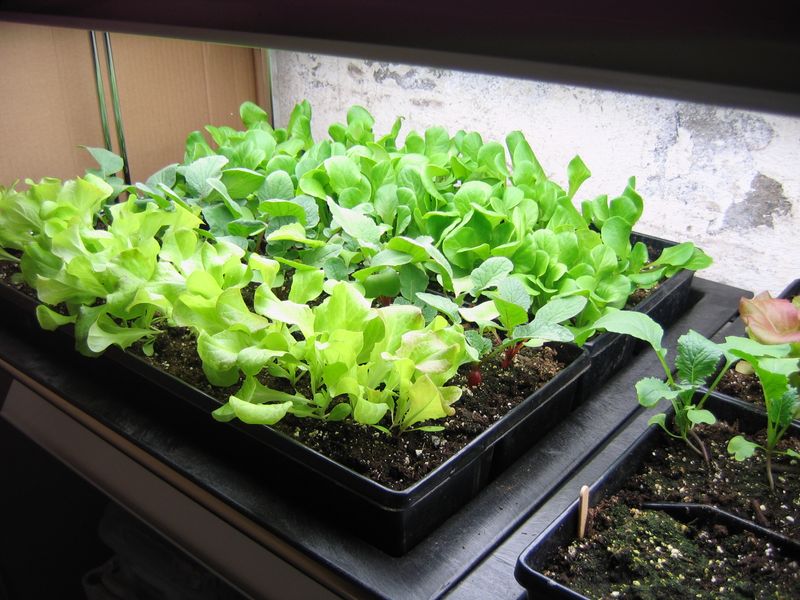
Lettuce is one of the fastest rewards a gardener can get, and starting it indoors in March means you could be tossing fresh Kalamazoo-grown salads by late April.
Lactuca sativa thrives in cool weather, making it a perfect match for Michigan’s unpredictable early spring temperatures.
Getting a jump start indoors gives your lettuce a cushion of time so it is ready to move outside just as the garden wakes up.
Sow lettuce seeds about one-half inch deep in a seed-starting mix and keep the soil consistently moist during germination.
Unlike peppers or tomatoes, lettuce seeds prefer cooler soil temperatures around 60 to 65 degrees Fahrenheit, and they typically sprout within 7 to 10 days.
Avoid overwatering, as soggy conditions can cause the tiny seedlings to struggle before they even get going.
Bright light keeps lettuce seedlings from stretching out and becoming weak. A grow light running 12 to 14 hours daily works great for these leafy plants.
By early April in Kalamazoo, you can begin moving your lettuce trays outside for a few hours each day to harden them off. Lettuce handles light frost surprisingly well, so transplanting outdoors in early to mid-April is realistic.
Plant seedlings in a spot that gets partial to full sun, and keep the soil moist for crisp, flavorful leaves all spring long.
5. Cauliflower
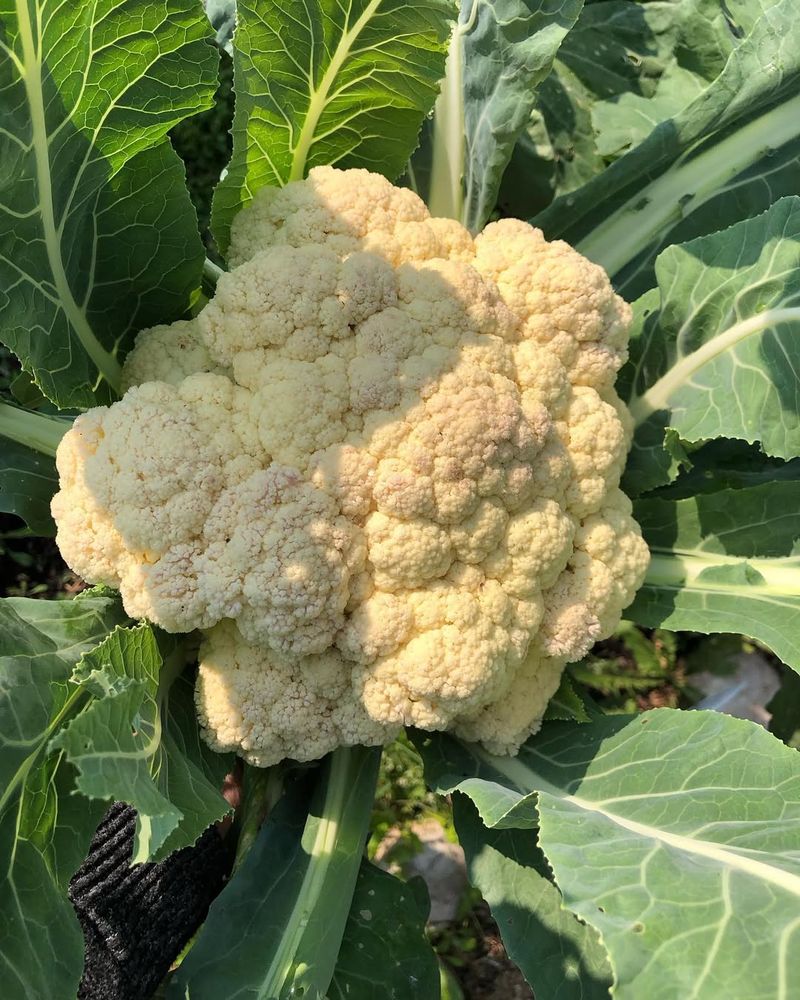
Cauliflower has a reputation for being a little tricky, but starting it right in March indoors in Kalamazoo takes a lot of the guesswork out of the process. Like broccoli, cauliflower belongs to the Brassica family and shares a preference for cool growing conditions.
It needs about 6 to 8 weeks of indoor time before it is ready to transition into the garden, making early March the perfect planting window.
Sow seeds about one-quarter to one-half inch deep in a good seed-starting mix and keep moisture levels steady throughout germination.
Cauliflower seedlings appreciate indoor temperatures in the 60 to 70 degree Fahrenheit range, so a cooler room in your home actually works in your favor here.
Avoid placing trays near heating vents, which can dry out the soil too quickly and stress young seedlings.
Strong, consistent light is just as important for cauliflower as it is for any other seedling. Run your grow lights for 14 hours each day to keep plants compact and well-developed.
Around 4 to 6 weeks before Kalamazoo’s last frost, start the hardening-off process by gradually introducing plants to outdoor air and sunlight.
Cauliflower can handle mild frosts, which means you can move it into the garden in late April, setting yourself up for beautiful white heads to harvest before the summer heat fully arrives in Michigan.
6. Celery
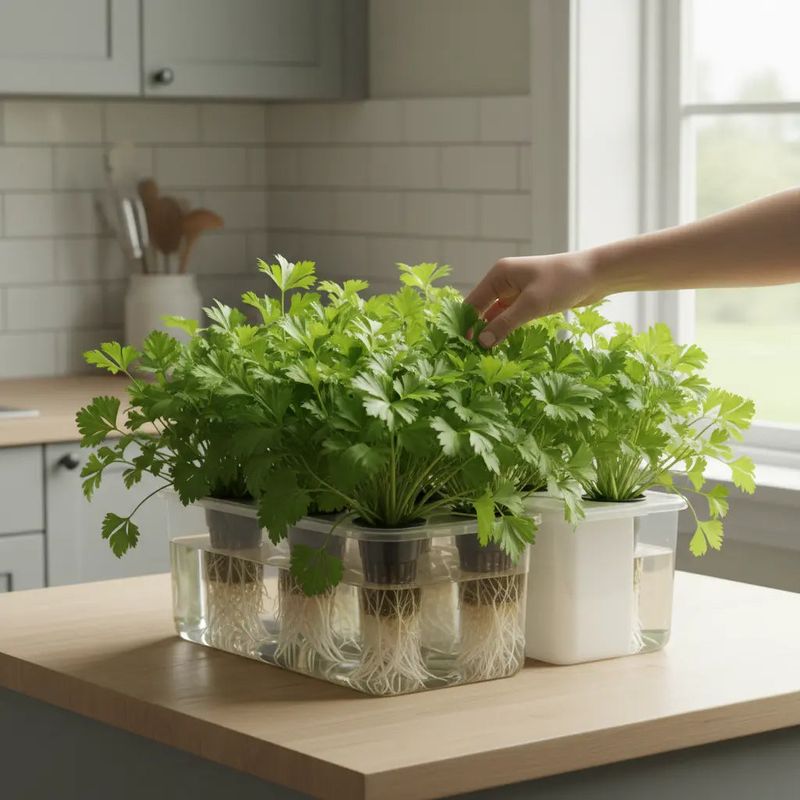
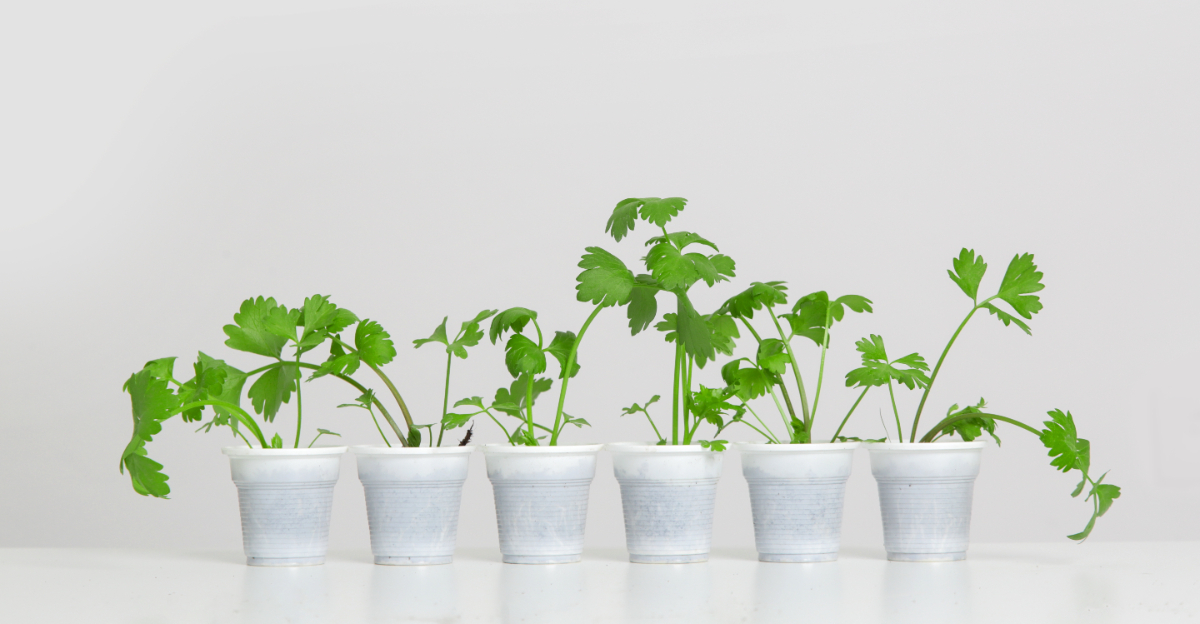
Celery is one of the most rewarding long-season vegetables you can grow in Kalamazoo, and it all starts with getting those seeds going indoors in early March.
Apium graveolens needs a surprisingly long time to develop, about 10 to 12 weeks indoors before it is ready for outdoor life.
That timeline makes March not just a good month to start celery seeds but practically the only practical window for Kalamazoo gardeners working around the May frost date.
Celery seeds are tiny, so sow them on the surface of your seed-starting mix or just barely cover them, no more than one-quarter inch deep. They need light to germinate well, so pressing them gently into moist soil and leaving them slightly exposed actually helps.
Keep the soil consistently moist and warm, around 70 degrees Fahrenheit, during the germination period, which can take 14 to 21 days.
Patience is key with celery, but once those delicate seedlings are up, they grow steadily under 14 to 16 hours of bright grow light each day. Keep the soil evenly moist throughout the indoor growing period, as celery does not handle dry conditions well at any stage.
Begin hardening off plants in late April, and transplant into your Kalamazoo garden around mid-May after all frost risk has passed. Rich, consistently moist garden soil will reward you with crunchy, flavorful stalks come summer and fall.
7. Herbs: Basil, Parsley, And Oregano
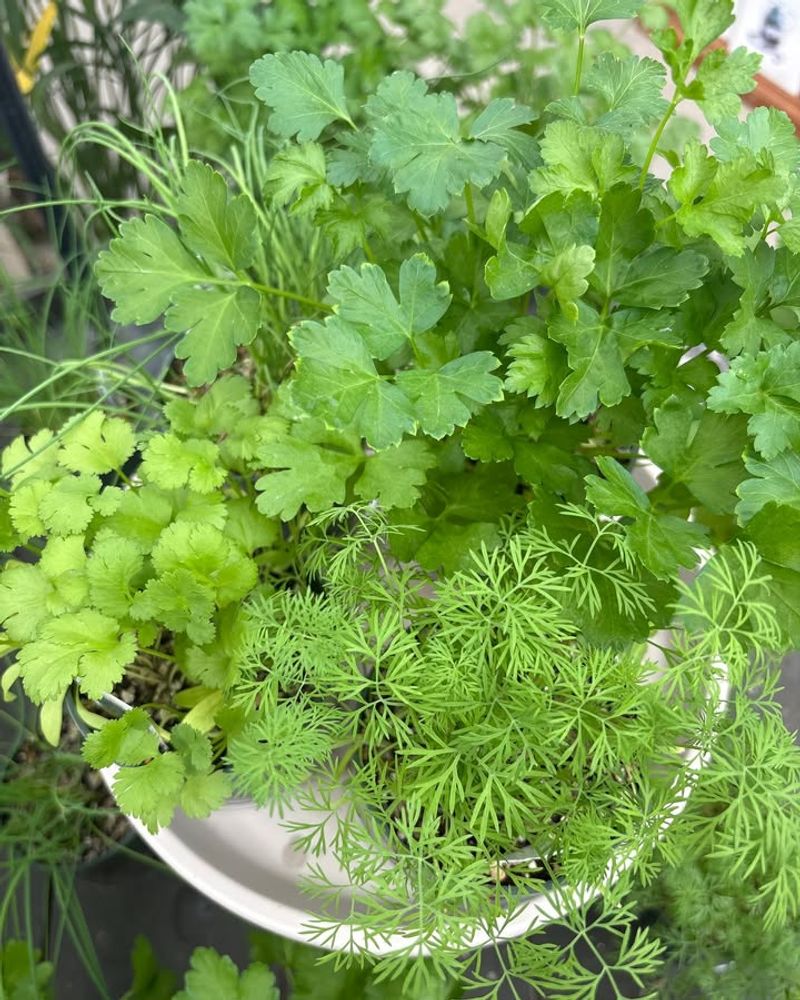
Growing your own herbs is one of the most satisfying parts of gardening, and March is exactly the right time to get basil, parsley, and oregano going indoors in Kalamazoo.
These three herbs cover a wide range of kitchen uses, from fresh pesto to hearty pasta sauces, and starting them 6 to 8 weeks before the last frost means they will be lush and ready to use by the time warm weather settles in across Michigan.
Sow all three herb seeds about one-half inch deep in a quality seed-starting mix. Basil is the most temperature-sensitive of the group, so keep its tray warm at around 70 degrees Fahrenheit to encourage quick germination within 5 to 7 days.
Parsley takes a bit longer, sometimes up to 3 weeks to sprout, so do not give up on those trays if they seem slow. Oregano falls somewhere in between and is generally the most low-maintenance of the three.
All three herbs love bright light, so run your grow lights for 14 to 16 hours daily to produce bushy, flavorful plants rather than thin, stretched ones. Water consistently but allow the top of the soil to dry slightly between waterings to prevent root issues.
Around mid-May in Kalamazoo, after frost risk is gone, transplant your herbs outdoors into a sunny spot and watch your kitchen garden come alive with incredible fragrance and flavor all summer long.
8. Cosmos
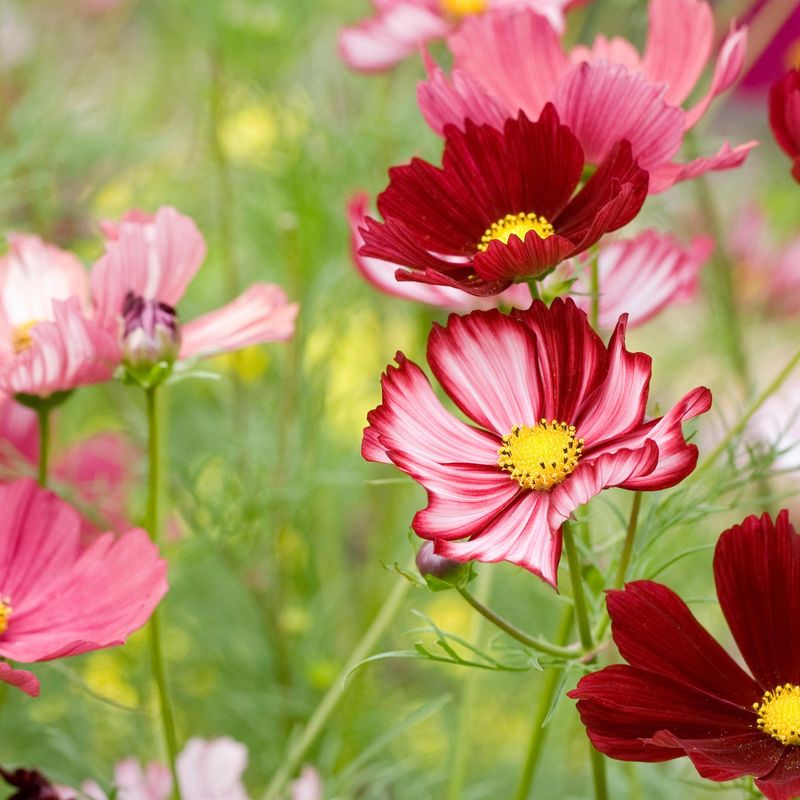
If you want your Kalamazoo garden to look like something out of a magazine this summer, cosmos are your answer. Cosmos bipinnatus produces tall, airy plants covered in pink, white, and purple daisy-like blooms that wave beautifully in the breeze from midsummer all the way into fall.
Starting them indoors in March gives these flowers a 6 to 8 week head start, which means you get blooms weeks earlier than if you had sown seeds directly in the ground.
Sow cosmos seeds about one-quarter inch deep in a seed-starting mix and keep the soil lightly moist. These seeds germinate quickly, usually within 7 to 10 days, especially when kept at a comfortable indoor temperature around 65 to 75 degrees Fahrenheit.
One thing to note is that cosmos do not love being over-fertilized indoors, so skip the heavy feeding and let them grow on the leaner side until they hit the garden.
Bright, direct light is essential for cosmos seedlings to stay compact and strong rather than reaching and flopping over. Keep grow lights just a few inches above the trays and run them for 14 to 16 hours daily.
Around mid-May in Kalamazoo, when frost is behind you, transplant cosmos into a full-sun spot with well-drained soil. They are surprisingly low-maintenance once established and will reward your March effort with months of stunning color through the warm Michigan growing season.
9. Marigolds
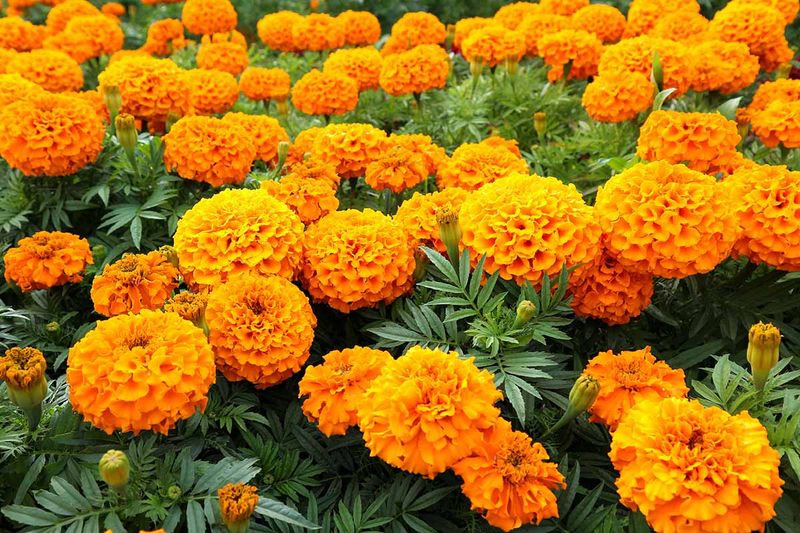
Marigolds might be the hardest-working flower in any Kalamazoo garden. Tagetes varieties not only fill your beds with vibrant orange and yellow color all summer long, but they also help deter common garden pests naturally, making them a brilliant companion for your vegetables.
Starting marigold seeds indoors in March gives them the 6 to 8 weeks they need to grow into sturdy transplants before heading outside in mid-May.
Sow marigold seeds about one-quarter inch deep in a seed-starting mix and keep the soil evenly moist. Germination is fast and encouraging, usually happening within 5 to 7 days at indoor temperatures around 70 degrees Fahrenheit.
Marigold seedlings are vigorous growers, so you will notice quick, satisfying progress from those tiny seeds almost right away, which is a great confidence boost for newer gardeners in Kalamazoo.
Strong light is the key to keeping marigold seedlings from getting leggy and weak before transplant day. Position your grow lights just 2 to 3 inches above the trays and run them for 14 to 16 hours each day.
Water consistently but make sure your trays have good drainage to prevent any root problems. After Kalamazoo’s last frost passes in early May, harden off your seedlings over about a week before moving them into a full-sun garden bed with moist, well-drained soil.
Their cheerful blooms will brighten your outdoor space from early summer straight through the first cool nights of Michigan fall.