What Seeds To Start Indoors In March In Ann Arbor Michigan
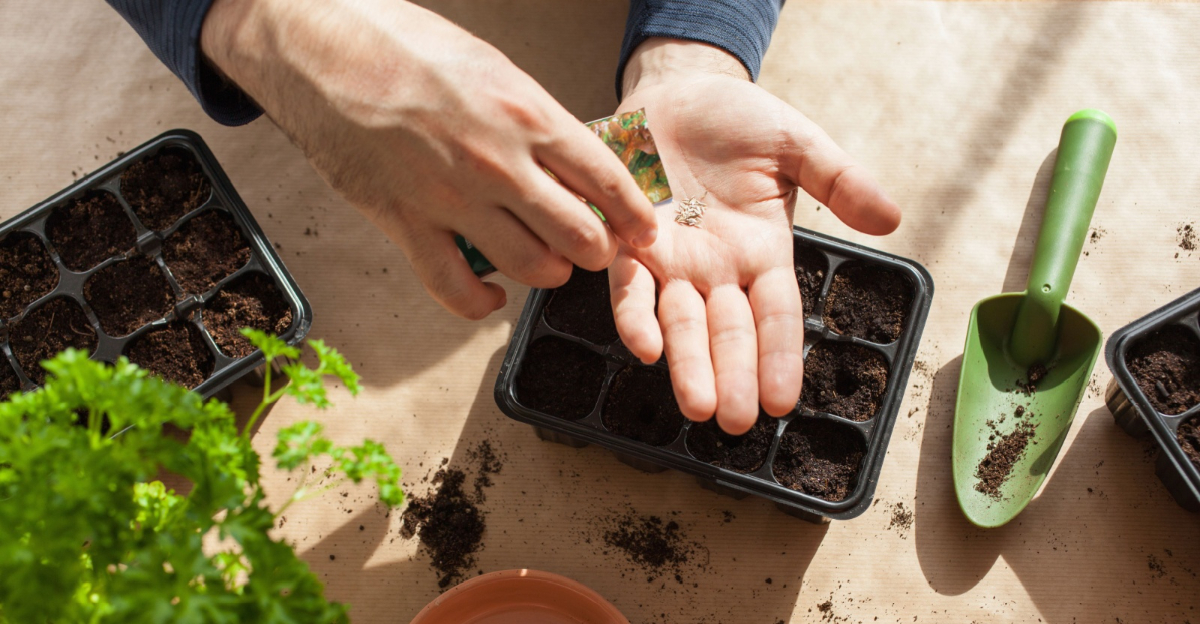
March in Ann Arbor is a month of suspense – with lingering frost, cold soils, and sudden swings between sunny and chilly days.
While direct sowing outdoors is still a risky gamble, you can give your garden a massive head start by planting seeds indoors right now.
This ensures you have strong, healthy transplants ready for the last frost in late May.
With the right balance of light, warmth, and moisture, these seedlings will thrive and produce earlier, more abundant harvests throughout Michigan’s growing season.
By outsmarting the unpredictable spring weather today, you are setting the stage for a much more productive backyard this summer.
1. Tomatoes Bring Summer Flavor From Indoor Starts
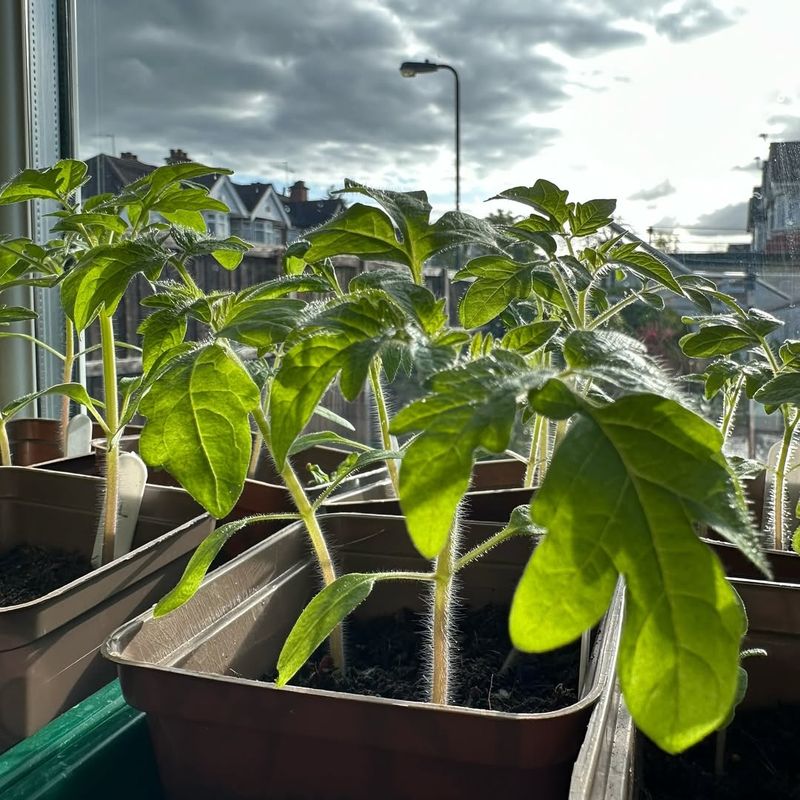
Few things say summer in Michigan quite like a homegrown tomato, and getting that harvest means starting seeds indoors around mid-March in Ann Arbor.
Tomatoes need a long growing season, and the soil outside stays too cold for direct sowing well into late spring.
Starting them indoors gives you a jump of six to eight weeks before transplanting.
Fill small cells or seed trays with a quality seed-starting mix, which drains well and stays light around tender roots. Sow seeds about a quarter inch deep, then keep the trays somewhere warm, around 70 to 80 degrees Fahrenheit.
Tomato seeds germinate in five to ten days under consistent warmth.
Once sprouts appear, move them under grow lights or into a south-facing window with strong natural light. Aim for fourteen to sixteen hours of light daily to prevent leggy, weak stems.
Water from the bottom when possible to reduce the risk of damping off.
When seedlings grow their first set of true leaves, thin to one plant per cell. Transplant outdoors in late May after hardening off for about a week by gradually exposing them to outdoor conditions each day.
2. Peppers Add Color And Spice Before The Garden Warms
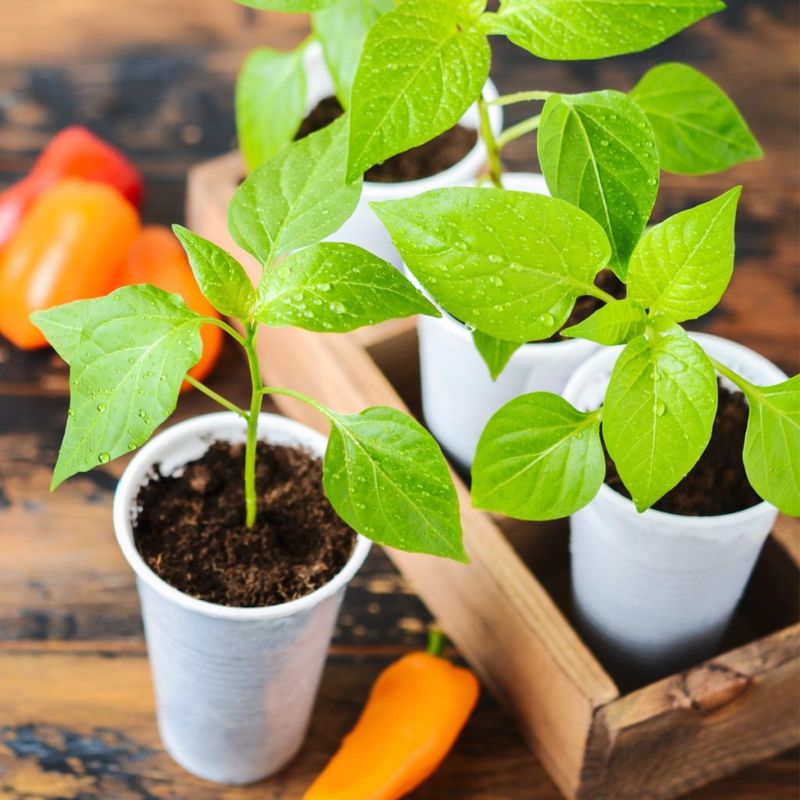
Peppers are notoriously slow to get going, which is exactly why Ann Arbor gardeners should pop those seeds into trays by mid-March at the latest.
Whether you prefer sweet bell peppers or fiery hot varieties, they all need a long runway before they produce fruit outdoors.
Giving them eight to ten weeks indoors before transplanting makes a big difference.
Pepper seeds need warmth more than almost anything else to germinate well. Soil temperature should stay between 75 and 85 degrees Fahrenheit for best results, so using a seedling heat mat under the trays is a smart move.
Expect germination in ten to twenty-one days depending on the variety.
Keep the seed-starting mix consistently moist but never waterlogged. Once seedlings emerge, bright light becomes the top priority.
Peppers that do not get enough light stretch out and become fragile, so grow lights placed just a few inches above the trays work best.
When plants reach three to four inches tall with several sets of leaves, begin thinning to one per cell. Harden off gradually in late May before transplanting outside, since Michigan nights can still be chilly even as June approaches.
3. Eggplants Get A Head Start For A Full Growing Season
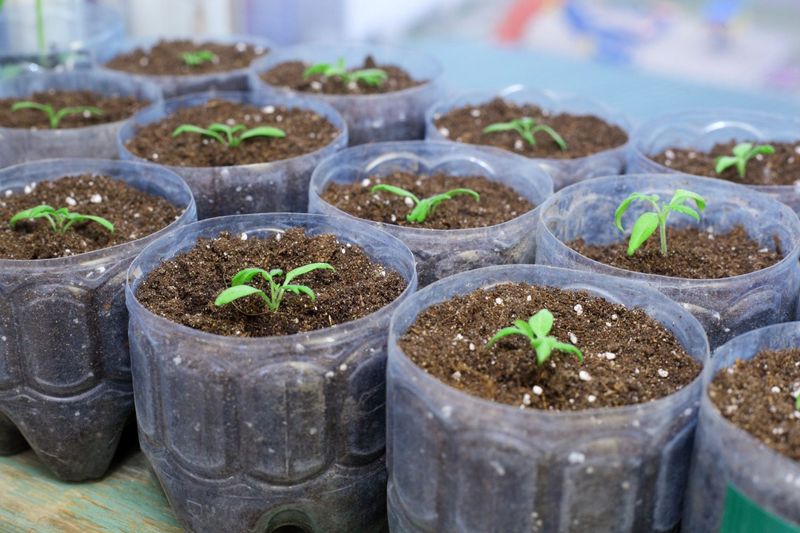
Eggplant is one of those vegetables that rewards patience and planning, and in a place like Ann Arbor where the growing season is relatively short, starting seeds indoors in mid-March is not just helpful, it is almost necessary.
Eggplants need anywhere from 100 to 120 days from seed to harvest, which means outdoor planting in late May leaves very little room for error.
Use a seed-starting mix and plant seeds about a quarter inch deep. Like peppers, eggplant seeds germinate best when soil stays warm, ideally between 75 and 85 degrees.
A heat mat placed under the trays speeds up germination, which typically takes ten to fourteen days.
Seedlings need strong, consistent light once they sprout. A grow light running for about sixteen hours a day produces sturdy plants with thick stems.
Keep the growing medium evenly moist but avoid letting water sit in trays for extended periods.
Thin seedlings to one per cell once they develop true leaves. Eggplant is sensitive to cold, so hardening off is especially important before transplanting in late May.
Spend at least a week slowly introducing them to outdoor air, starting with just an hour or two each day.
4. Broccoli Delivers Early Greens From Indoor Seedlings
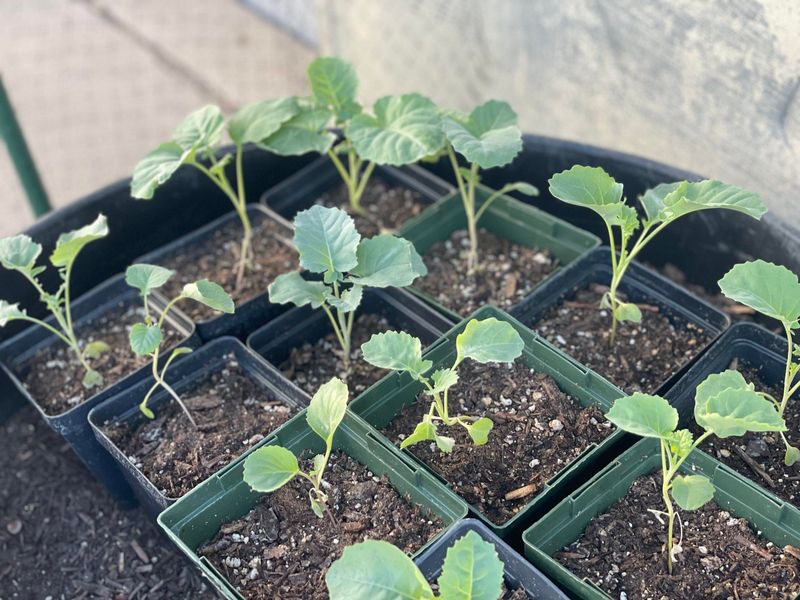
Cold weather actually suits broccoli just fine, which makes it one of the most rewarding crops for Ann Arbor gardeners who start seeds in early March.
Broccoli prefers cool growing conditions and can handle light frosts once it is established outdoors, but getting that strong start indoors first gives you much bigger, healthier transplants.
Sow broccoli seeds about a quarter inch deep in a seed-starting mix. They germinate quickly, often within three to seven days, especially when soil temperatures hover around 65 to 75 degrees.
You do not need a heat mat for broccoli since it prefers cooler conditions compared to tomatoes or peppers.
Provide plenty of light right after germination to keep seedlings compact and sturdy. A south-facing window can work, though supplemental grow lights produce more reliable results in Michigan’s often cloudy March days.
Water consistently and allow the mix to drain freely between waterings.
Thin seedlings once they are a couple of inches tall, keeping the strongest plant per cell. Transplant outdoors in late April or early May after a proper hardening-off period of seven to ten days.
Broccoli planted at the right time in Ann Arbor can be ready to harvest by late June.
5. Cabbage Prepares For Spring Harvest With Indoor Growth
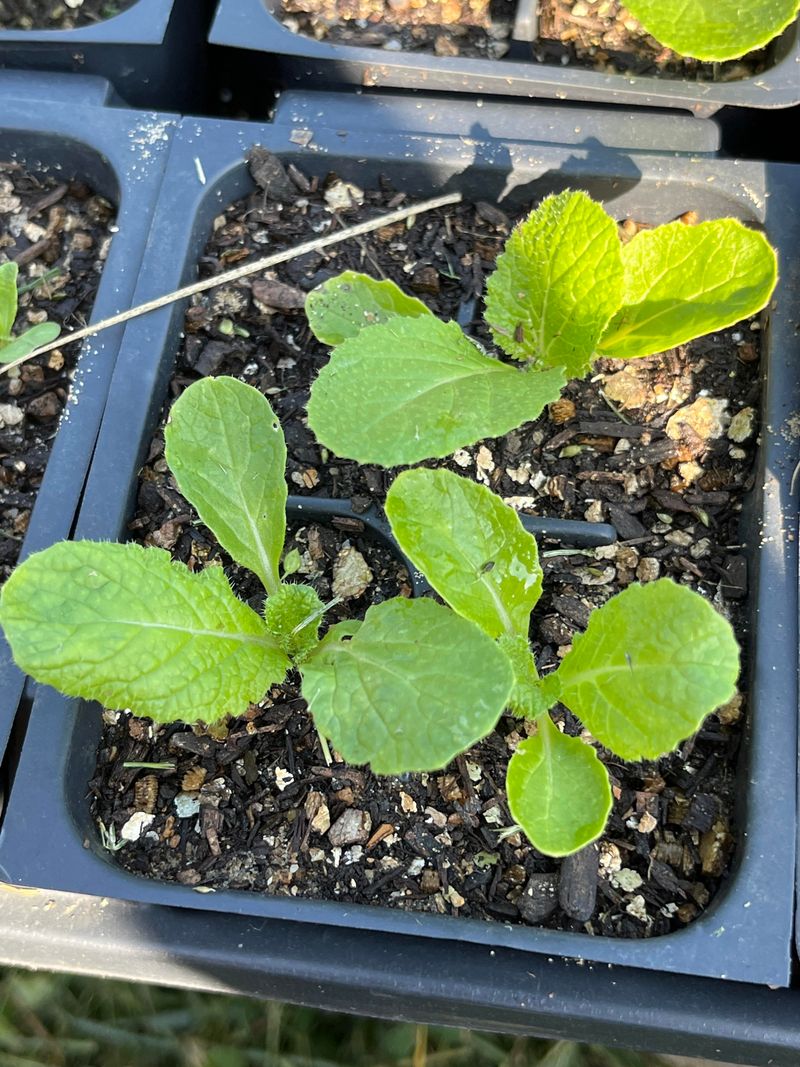
Cabbage has a certain old-fashioned reliability that makes it a staple for Michigan vegetable gardeners.
Starting it indoors in early March means you will have stocky transplants ready to go out in late April or early May, well before the heat of summer arrives and affects head formation.
Cabbage actually forms its best heads when temperatures are cool and steady.
Plant seeds about a quarter inch deep in a good seed-starting mix. Germination is fast, usually within five to seven days at temperatures around 65 to 70 degrees Fahrenheit.
No heat mat is required, and cabbage seedlings are generally forgiving compared to warm-season crops.
Adequate light matters a lot for cabbage starts. Without enough, they become tall and spindly, which leads to weaker transplants that struggle after going outdoors.
Position grow lights close to the trays or place them in your brightest window and rotate regularly for even growth.
Once seedlings have two to three true leaves, thin to one plant per cell and begin feeding lightly with a diluted liquid fertilizer every week or two.
Harden off transplants over seven to ten days in late April before planting in the garden, where Ann Arbor’s cool spring temperatures will help them settle in quickly.
6. Cauliflower Stays On Track With Early Indoor Sowing
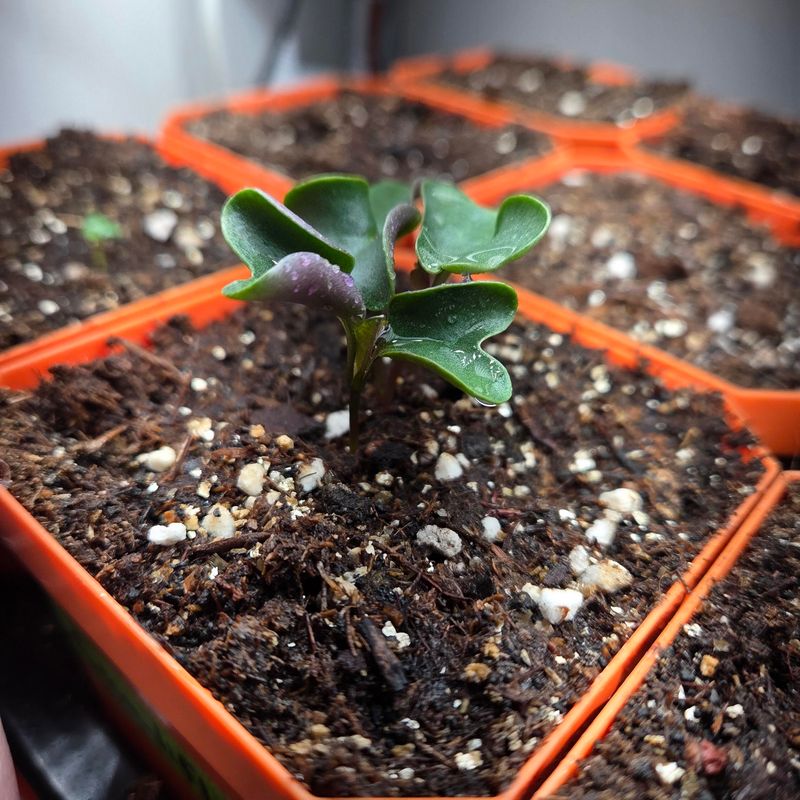
Cauliflower has a reputation for being a bit finicky, and honestly, that reputation is not entirely undeserved. It needs consistent temperatures, steady moisture, and enough time to form those tight white heads before summer heat sets in around Ann Arbor.
Starting seeds indoors in early March puts you in the best position to pull off a successful crop.
Sow seeds about a quarter inch deep in a light, well-draining seed-starting mix. Cauliflower germinates well at temperatures between 65 and 75 degrees Fahrenheit, often sprouting within five to seven days.
Keep the growing medium moist but not soggy, since overwatering can encourage root issues in young seedlings.
Light is critical for keeping cauliflower seedlings from stretching too tall. Leggy plants tend to struggle after transplanting, so make sure they get at least twelve to fourteen hours of bright light each day.
A grow light set just a few inches above the trays works well in Michigan’s often gray March skies.
Thin seedlings to one per cell once they have their first true leaves. Transplant outdoors in late April to early May after a careful hardening-off process.
Cauliflower is sensitive to sudden temperature swings, so take your time with that transition for the best results in your Ann Arbor garden.
7. Lettuce Grows Quick Leaves For Early Spring Salads
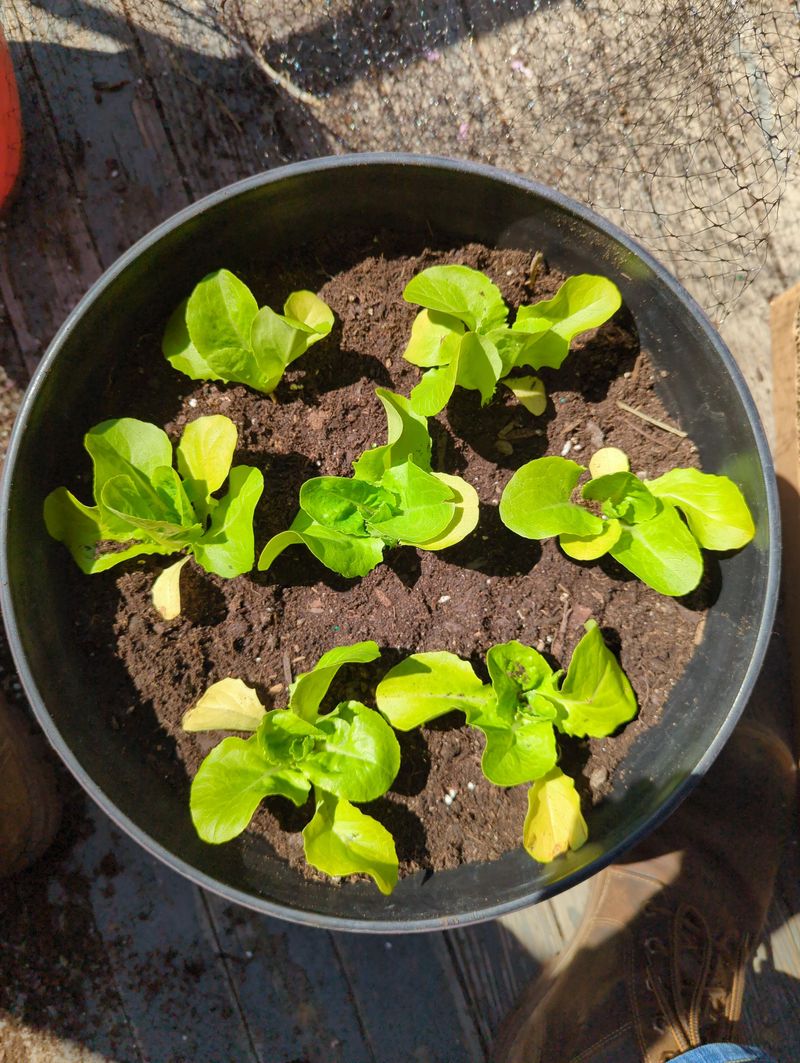
Lettuce is one of the fastest crops you can grow from seed, and starting it indoors in early March means you could be eating fresh salad greens from your Ann Arbor garden by late April or May. Unlike tomatoes or peppers, lettuce does not need heat to germinate.
In fact, it actually prefers cooler temperatures around 60 to 65 degrees Fahrenheit.
Sow seeds shallowly, barely covering them with seed-starting mix, since lettuce needs some light to germinate well. Germination typically happens in just three to seven days.
Keep the mix consistently moist by misting with a spray bottle until seedlings are established.
Lettuce seedlings grow quickly and can become crowded in trays. Thin them early so each plant has room to develop without competing for nutrients and light.
You can snip thinnings with scissors and toss them right into a salad, which feels like a small reward for your patience.
Once seedlings are two to three inches tall and outdoor temperatures are reliably above freezing during the day, begin hardening off for about five to seven days.
Lettuce is fairly cold-tolerant and can be transplanted into the garden in late April in Ann Arbor, making it one of the earliest harvests of the season.
8. Herbs Jumpstart Flavor With Indoor Seedlings
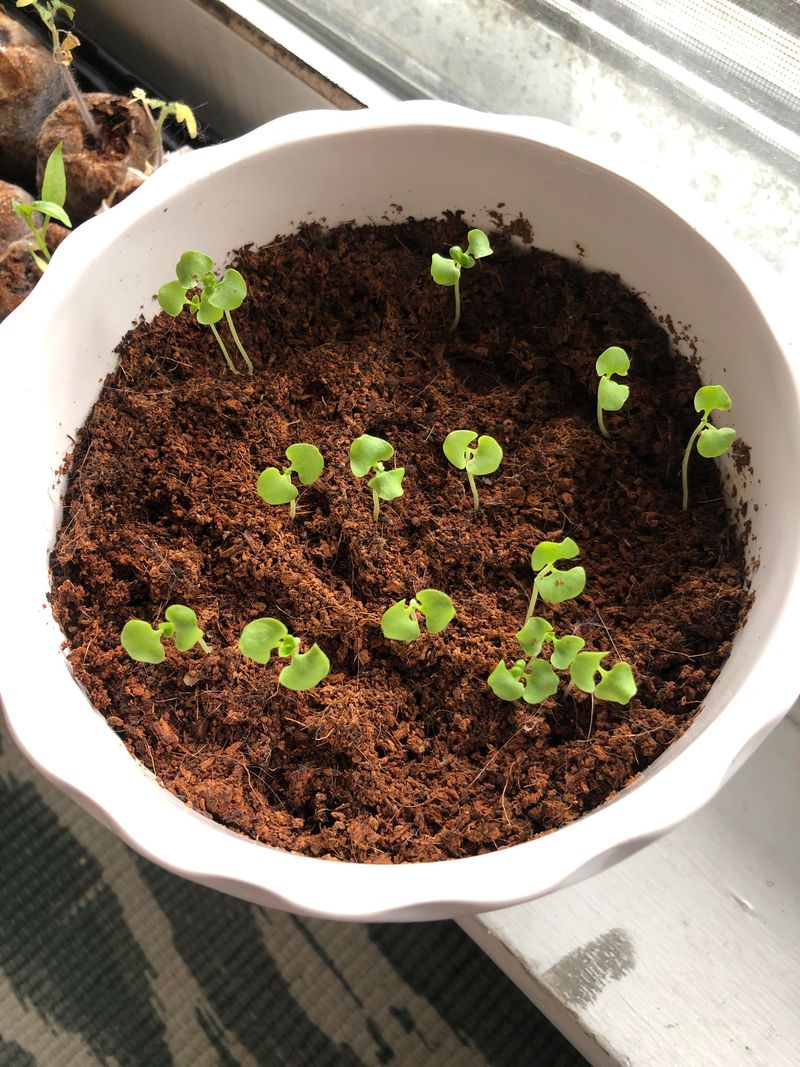
Growing herbs from seed is one of the most satisfying parts of spring gardening, and March is the right time to get several varieties started indoors in Ann Arbor.
Basil, parsley, thyme, and oregano all benefit from an early indoor start, giving you lush, flavorful plants ready to move outside once warm weather arrives.
Fresh herbs from your own garden taste noticeably better than store-bought ones.
Different herbs have slightly different needs, but most do well in a light seed-starting mix at temperatures between 65 and 70 degrees Fahrenheit. Basil is the warmth-lover of the group, preferring slightly higher temperatures around 70 to 75 degrees.
Parsley is famously slow to germinate, sometimes taking two to three weeks, so starting it early in March makes a lot of sense.
All herb seedlings need bright light to develop properly. Without enough, they stretch toward the nearest light source and grow weak.
Grow lights placed a few inches above the trays work well, especially during Michigan’s often overcast early spring days.
Water carefully to keep the mix moist but not wet. Once seedlings have a couple of sets of true leaves, thin to the strongest plant per cell.
Harden off herbs gradually in May before transplanting to outdoor containers or garden beds after Ann Arbor’s last frost date.
9. Marigolds Brighten Gardens And Attract Pollinators Early
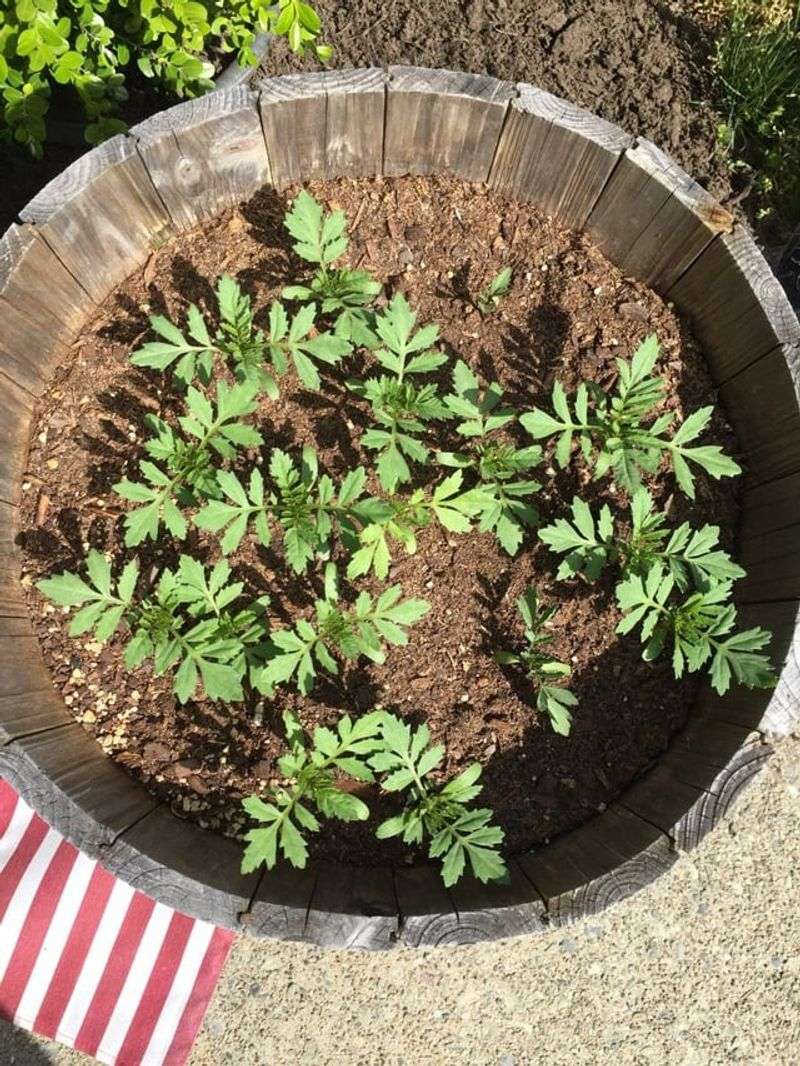
Marigolds might be the most cheerful flowers you can start from seed in March, and they do double duty in a Michigan garden.
They brighten up beds with warm orange and yellow blooms, and they attract beneficial insects including pollinators that help your vegetables produce better.
Starting them indoors in early March gives you flowering plants ready for the garden by late May.
Sow marigold seeds about a quarter inch deep in a seed-starting mix. They germinate quickly at temperatures around 70 degrees Fahrenheit, often sprouting within five to seven days.
Unlike some flowers, marigolds are not particularly fussy about their early growing conditions, making them a great choice for beginning gardeners.
Once seedlings emerge, place them under grow lights for at least twelve to fourteen hours daily. Good light keeps marigold starts compact and bushy rather than tall and stretched.
Water moderately, allowing the top of the mix to dry slightly between waterings to avoid stem rot.
Thin seedlings to one per cell once they have their first true leaves. As May approaches and outdoor temperatures climb above 50 degrees at night, begin hardening off marigold starts over about a week.
Transplant into Ann Arbor gardens after the last expected frost, and enjoy blooms that last all the way through fall.
10. Petunias Fill The Garden With Color Before Frost
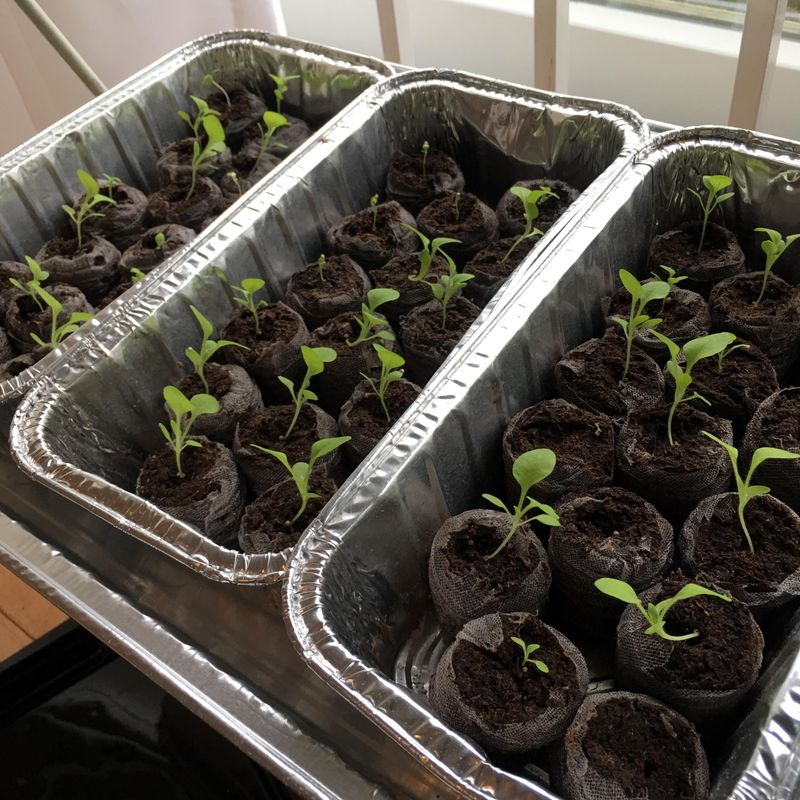
Starting petunias from seed indoors takes a little more patience than buying transplants at a garden center, but the reward is a much wider selection of colors and varieties than you would find on any store shelf.
In Ann Arbor, starting petunia seeds in early March gives them the ten to twelve weeks they need before transplanting outdoors after the last frost in late May.
Petunia seeds are extremely tiny, almost like dust, and they need light to germinate. Sprinkle them on top of a moist seed-starting mix without covering them, then press gently to ensure good contact.
Germination takes ten to fourteen days at temperatures between 70 and 75 degrees Fahrenheit.
Once seedlings appear, they need strong, consistent light right away. A grow light running fourteen to sixteen hours a day keeps them from stretching and helps them develop bushy growth habits.
Keep the mix moist by misting carefully, since young petunia seedlings are delicate and prone to stem rot if waterlogged.
Pinch the tips of seedlings once they reach three to four inches tall to encourage branching and fuller plants. Begin hardening off in early to mid-May by placing them outside in a sheltered spot for a few hours each day.
After Ann Arbor’s last frost, petunias will fill your containers and garden beds with color all summer long.