What Tennessee Gardeners Can Legally Do About Invasive Plants Spreading From A Neighbor’s Yard
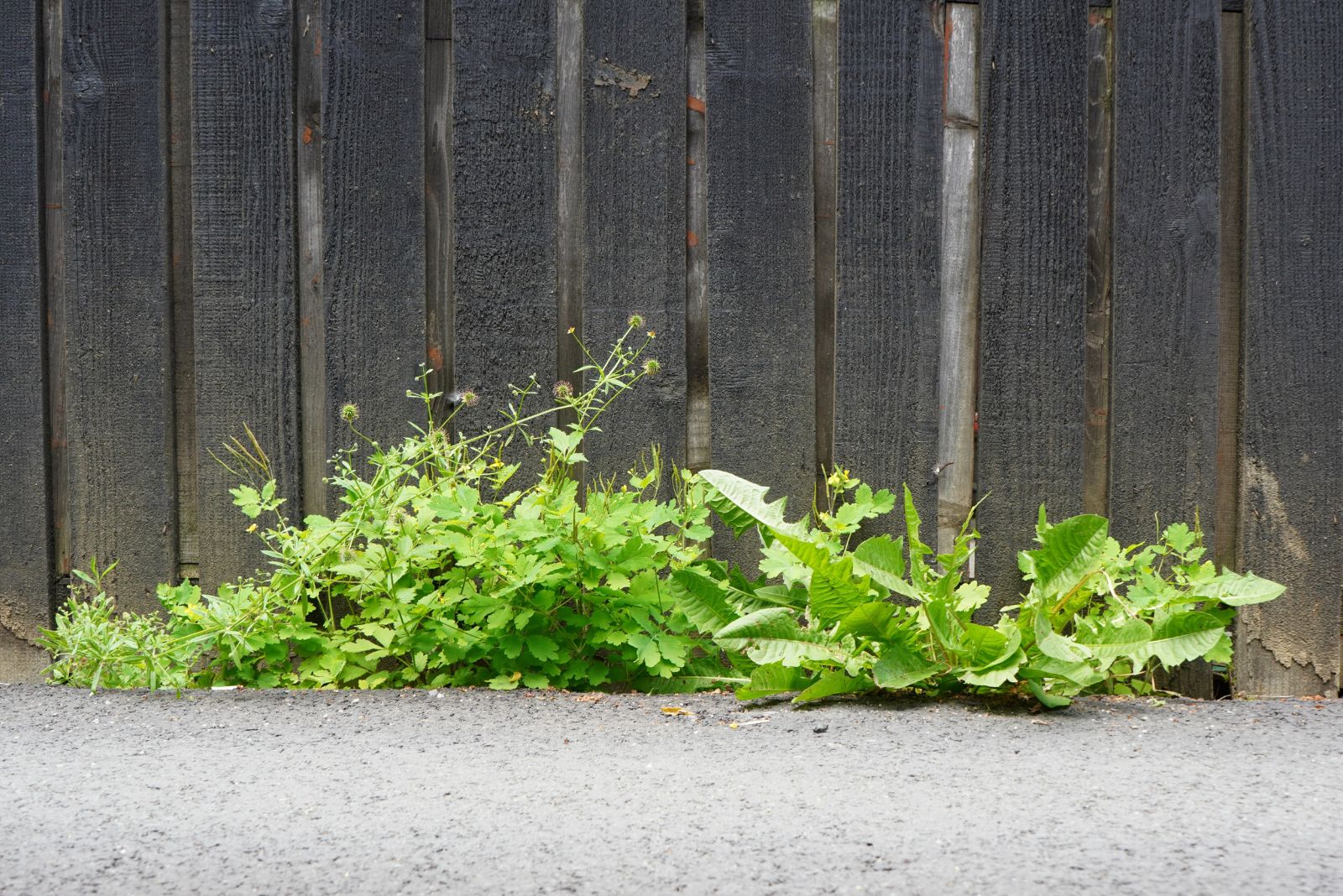
Invasive plants have a way of slipping across Tennessee property lines like uninvited guests at a backyard barbecue.
One day a fence looks clean, and the next it’s tangled with vines or shoots that seem to spring up overnight.
Gardeners across the state know the frustration all too well, as these fast-moving plants can crowd out flowers, smother shrubs, and turn a tidy yard into a patch of trouble.
Many homeowners stand at the edge of their lawn, scratching their heads and wondering how far they can go to defend their space without stepping on the wrong side of the law.
The good news is that Tennessee gives property owners clear rights when unwanted greenery crosses the line.
A few well-informed actions can keep a yard in shape while avoiding conflict with neighbors.
With the right approach, gardeners can protect their landscape and keep invasive plants from turning a peaceful yard into a battleground.
When Invasive Roots Cross Your Property Line Underground
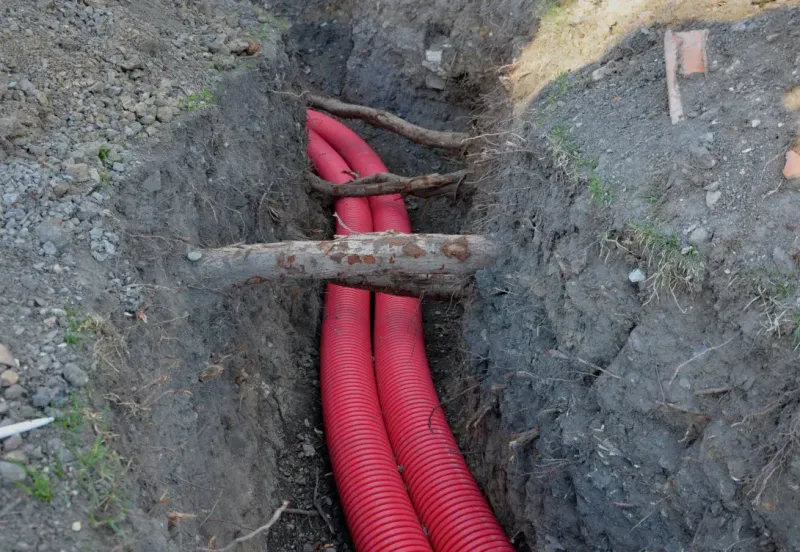
Property owners in Tennessee have the right to cut roots that extend onto their land from a neighbor’s invasive plants.
This legal principle stems from the idea that your property boundaries extend both above and below ground.
Roots from aggressive species like bamboo, Japanese knotweed, or tree of heaven can cause serious damage to foundations, septic systems, and underground utilities.
You’re allowed to sever these roots at the property line without asking permission from your neighbor first.
However, you must be careful to cut only on your side of the boundary.
Installing root barriers is also legally permissible on your own property to prevent future encroachment.
Some gardeners use metal or heavy-duty plastic sheeting buried vertically along the property line.
Keep in mind that while you can remove roots on your property, you cannot apply herbicides or chemicals that might travel back to your neighbor’s plants.
Document the root intrusion with photos before removal in case disputes arise later.
If the invasive roots are causing structural damage to your home or property, you may have additional legal recourse to recover repair costs from your neighbor.
When Overhanging Branches Drop Seeds Or Spread Onto Your Side
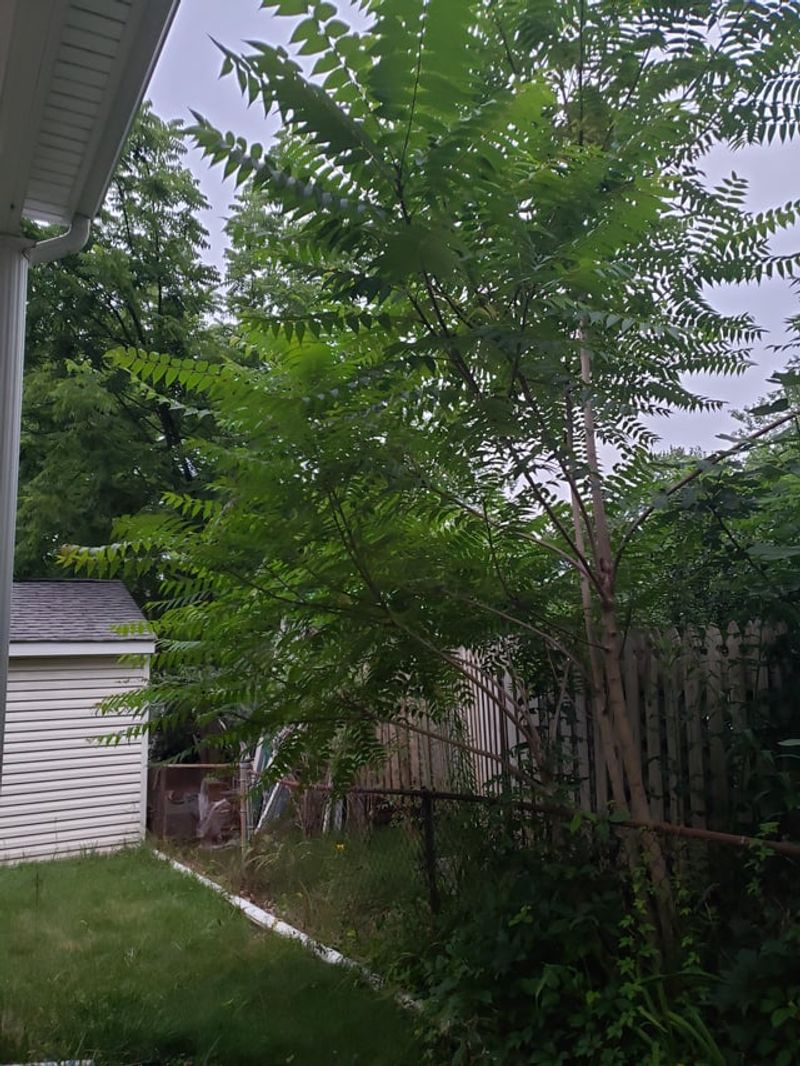
Tennessee law allows you to trim branches that hang over your property line, even if they belong to your neighbor’s invasive species.
This right extends to situations where overhanging limbs drop seeds, berries, or other plant material that causes invasive species to establish in your garden.
Common culprits include mimosa trees, Bradford pears, and privet shrubs that produce abundant seeds.
You can legally cut these branches back to the property line without obtaining your neighbor’s consent.
The key limitation is that you must not cross onto their property to perform the trimming.
Always cut precisely at the boundary line and avoid causing unnecessary harm to the overall health of the plant if possible.
Some gardeners hire professional arborists to ensure proper cutting techniques and accurate property line identification.
You’re also permitted to remove any seedlings or new growth that sprouts on your property from these dropped seeds.
Regular monitoring during growing season helps catch new invasive plants before they become established.
Consider installing netting or barriers during seed-dispersal seasons to catch falling material before it reaches your soil.
Save any removed branches or plant material as evidence of the ongoing encroachment issue.
When Invasive Vines Physically Grow Across The Boundary
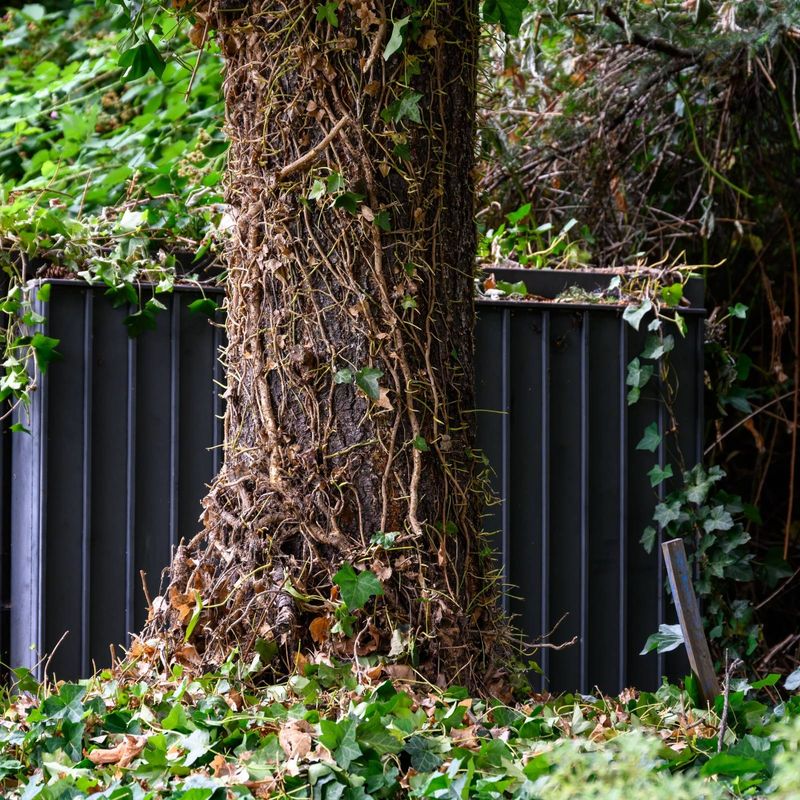
Aggressive vines that physically cross your property boundary can be legally removed from your side of the line.
Tennessee gardeners frequently battle invasive vines like kudzu, English ivy, wisteria, and porcelain berry that don’t respect property boundaries.
These plants can quickly smother native vegetation, cover structures, and create maintenance nightmares.
You have the legal right to cut these vines at the property line and remove all portions growing on your land.
This includes vines climbing your trees, fences, or structures even if the root system originates in your neighbor’s yard.
Regular cutting may be necessary since many invasive vines grow rapidly during the growing season.
Some gardeners check their property lines weekly during peak summer months.
You can also remove any rooted portions of the vine that have established on your property.
For vines like kudzu that root at nodes, each rooted section on your land becomes your responsibility to manage.
Installing physical barriers like metal flashing along fences can help prevent vines from crossing in the future.
Be prepared for ongoing maintenance as these persistent plants will attempt to reestablish themselves repeatedly throughout the growing season.
When the Invasive Plant’s Main Root System Is On Neighbor’s Property
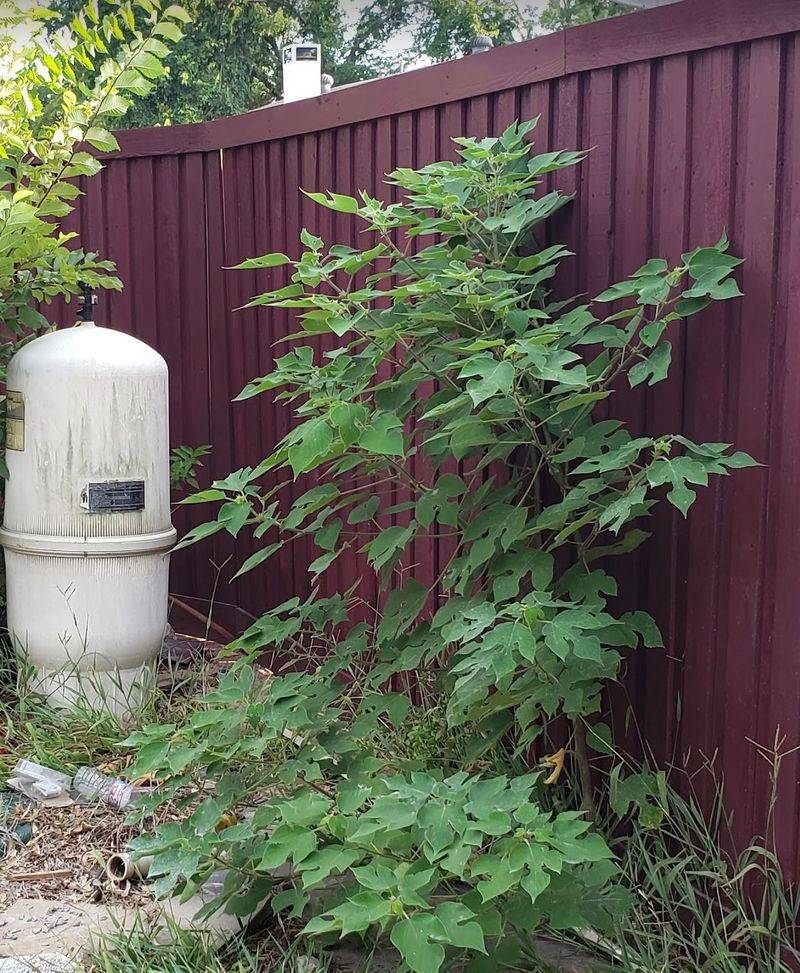
You cannot legally remove or treat an invasive plant if its primary root system and main stem remain entirely on your neighbor’s property.
Tennessee property law protects plants growing wholly on someone else’s land, even if they’re invasive species causing problems.
The plant belongs to the property owner where it’s rooted, regardless of how troublesome it might be.
This limitation applies even when the plant sends up shoots or suckers onto your property from an underground root network.
Plants like sumac, tree of heaven, and bamboo commonly spread this way through rhizomes.
While you can cut the shoots appearing on your side, you cannot dig up the mother plant or apply herbicides that would harm the main root system on their property.
Doing so could result in legal liability for property damage.
Your best approach involves communication with your neighbor about the problem.
Many property owners are unaware their plants are spreading or causing issues for others.
If discussion doesn’t resolve the situation, you may need to pursue legal remedies through civil court for nuisance claims.
Document the spread with photos, dates, and descriptions of damage to your property.
Some Tennessee municipalities have ordinances specifically addressing certain invasive species that may provide additional enforcement options through local government channels.
When Removal Would Cause Structural Instability On Neighbor’s Side
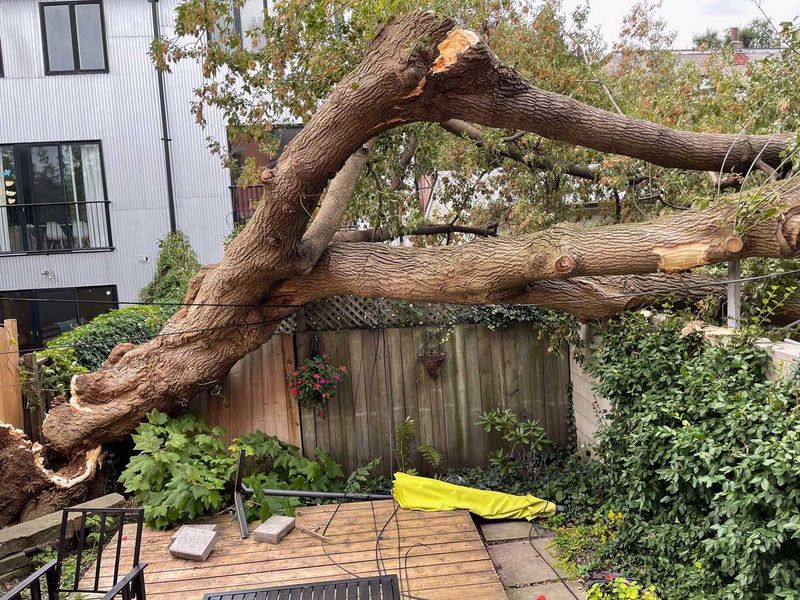
Removing invasive plants becomes illegal when doing so would create dangerous conditions or structural problems on your neighbor’s property.
Even if roots or branches cross onto your land, Tennessee law requires you to consider the consequences of removal.
Large invasive trees or plants with extensive root systems sometimes provide slope stabilization or support for retaining walls.
Cutting major roots or removing significant vegetation could trigger erosion, landslides, or structural failure.
You could be held legally responsible for any resulting damage to your neighbor’s property or injuries that occur.
Before removing substantial invasive plants near the property line, consult with a professional arborist or engineer.
They can assess whether the vegetation plays a critical structural role.
This situation commonly arises with properties on hillsides or near creeks where invasive species like kudzu or multiflora rose have become established.
While these plants are problematic, they may be providing temporary erosion control.
If removal would create hazards, you’ll need to work with your neighbor on a gradual replacement plan.
This involves establishing native plants for stabilization before removing the invasive species.
Legal disputes over structural damage from plant removal can be costly and time-consuming.
Taking preventive steps and seeking professional guidance protects both properties and maintains neighborly relations.
When Local Ordinances Require Professional Removal Or Permits
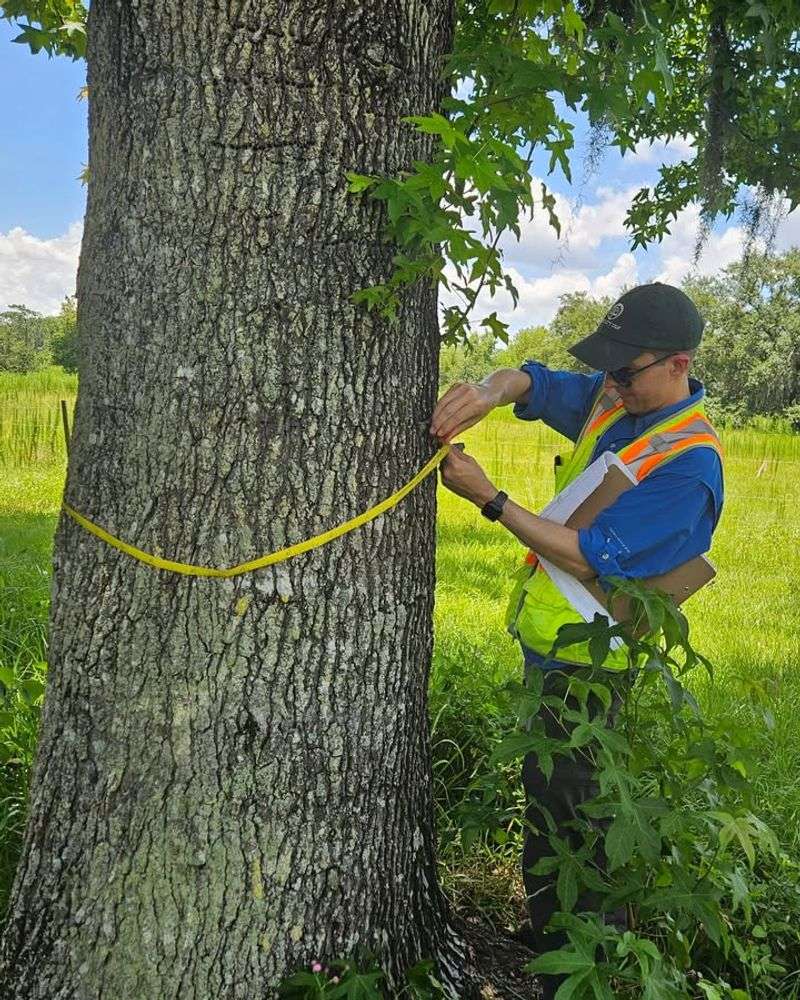
Many Tennessee cities and counties have specific regulations requiring permits or professional handling for certain invasive species removal.
You cannot legally remove some invasive plants yourself, even on your own property, without proper authorization.
These regulations typically apply to particularly aggressive species that pose environmental threats if improperly handled.
Plants on Tennessee’s invasive species list like giant hogweed or certain noxious weeds may require licensed professionals for safe removal.
Some species can cause skin burns, spread rapidly from fragments, or pose other hazards.
Local ordinances might also mandate specific disposal methods to prevent further spread.
Simply cutting and composting invasive plants could violate regulations if viable seeds or root fragments survive.
Before taking action, check with your county extension office or municipal planning department about local rules.
Requirements vary significantly between jurisdictions across Tennessee.
Permits often involve site inspections, approved removal methods, and documentation of proper disposal.
The process might seem burdensome but protects the broader community from invasive species spread.
Violating these ordinances can result in fines or requirements to remediate improper removal at your expense.
Some municipalities offer assistance programs or cost-sharing for removing particularly problematic invasive species that threaten native ecosystems.