What To Add To Your Tomato Hole Before Planting In Indiana
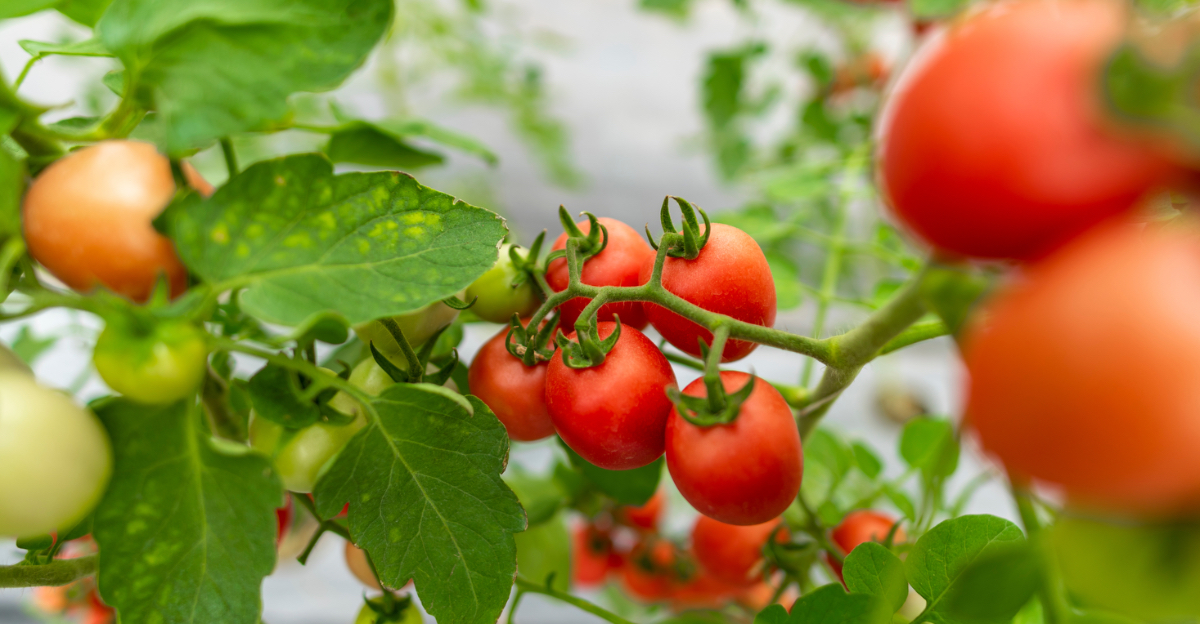
Tomatoes start underground.
What you put in the planting hole can influence everything that comes next, from root strength to fruit production.
In Indiana, where tomatoes benefit from warm days and plenty of summer sun, giving them the right start below the surface can make a noticeable difference.
A few smart additions can help young plants settle in faster, grow stronger, and handle the season with less stress. It is a simple step, but one that often leads to healthier vines and better harvests later on.
Before you plant, it helps to know what is actually worth adding and what your tomatoes will truly benefit from.
1. Compost
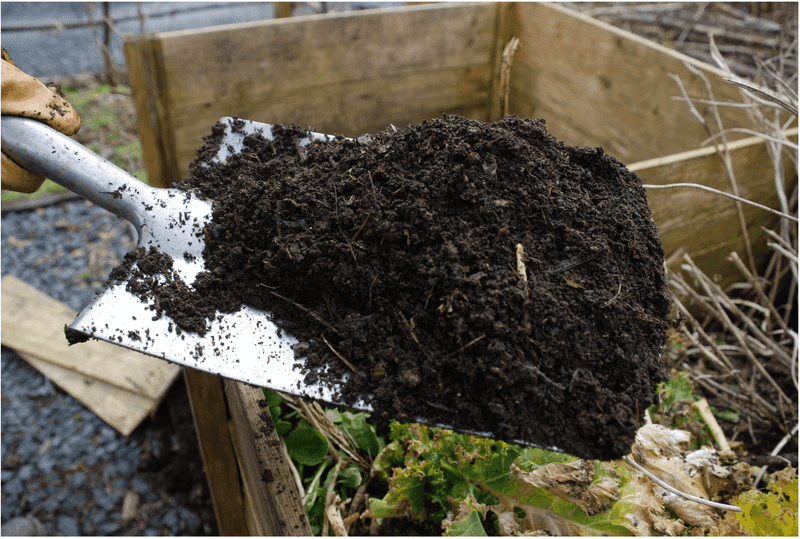
Nothing beats compost when it comes to feeding your tomatoes from the ground up.
Finished compost is packed with billions of beneficial microbes, organic matter, and slow-release nutrients that work together to create the perfect underground environment for tomato roots.
It is basically a superfood for your soil.
Adding one to two cups of finished compost directly into your planting hole before dropping in your tomato seedling gives the roots something incredible to grow into right away.
As the roots expand, they tap into all that rich organic material and start pulling in nutrients almost immediately. Your plant will look noticeably healthier within just a couple of weeks.
Compost also improves soil drainage while helping sandy or clay-heavy Indiana soils hold just the right amount of moisture. You can buy bags of finished compost at any garden center, or better yet, make your own at home using kitchen scraps and yard waste.
Either way, compost is the single most impactful amendment you can add to your tomato hole, and skipping it is truly leaving money on the table for your garden season.
2. Bone Meal
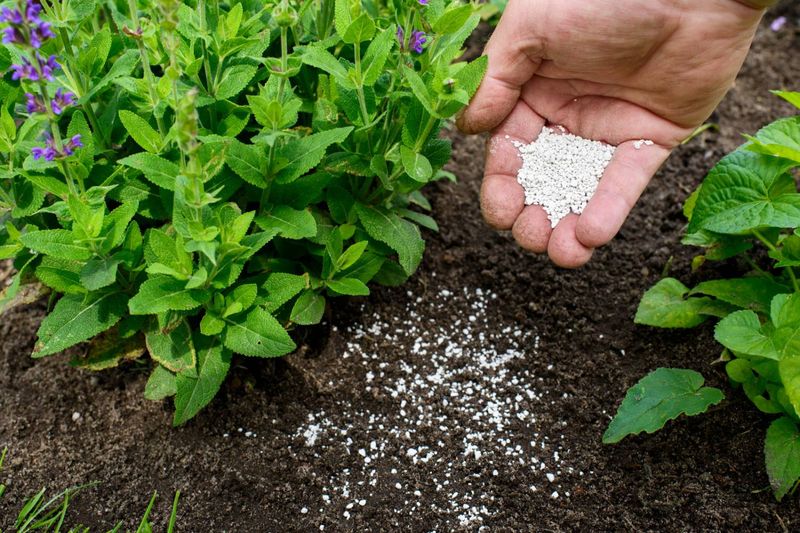
Bone meal is one of those old-school garden secrets that serious tomato growers swear by, and for very good reason.
Made from finely ground animal bones, this natural fertilizer is loaded with phosphorus and calcium, two nutrients that tomatoes absolutely crave during their early growth stages.
Phosphorus plays a huge role in strong root development. When you add bone meal to your planting hole, you are essentially giving your tomato plant a head start on building the deep, wide root system it needs to stay healthy all season long.
Strong roots mean stronger plants, better fruit set, and bigger harvests.
Calcium from bone meal also helps prevent a frustrating problem called blossom end rot, which causes the bottoms of tomatoes to turn dark and mushy. This is especially helpful in Indiana, where soil calcium levels can sometimes run low.
A quarter cup of bone meal mixed into the soil at the bottom of your planting hole is all it takes. It is slow-releasing, so it feeds your plant gradually over several months without any risk of burning tender young roots.
3. Kelp Meal
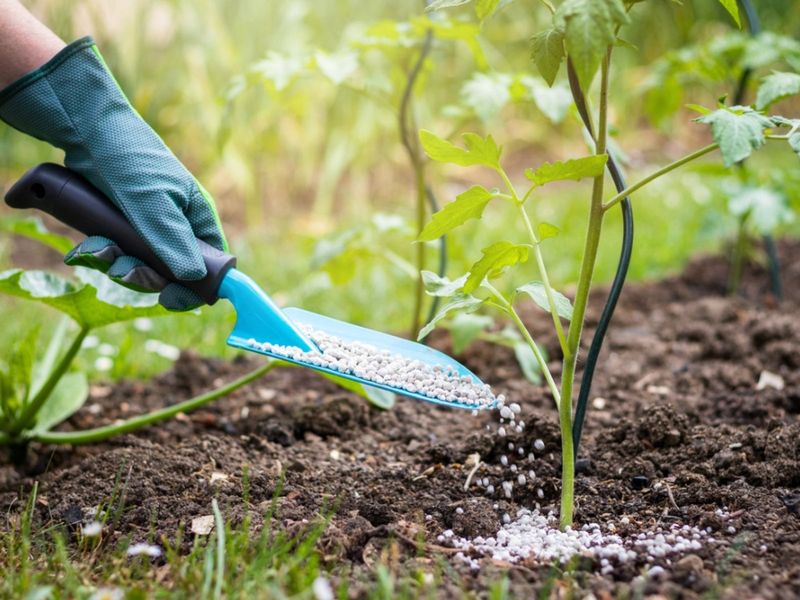
Kelp meal might not be the first thing that comes to mind when you think about tomato gardening, but this ocean-derived amendment is one of the most nutrient-dense things you can add to your planting hole.
Harvested from dried seaweed, kelp meal contains over 60 trace minerals, natural plant hormones, and amino acids that work together to supercharge root growth and plant resilience.
The natural growth hormones found in kelp, called cytokinins and auxins, help stimulate cell division and root branching. That means your transplant establishes itself faster and starts pulling water and nutrients more efficiently within days of going into the ground.
Faster establishment means less transplant shock and a quicker path to flowering and fruiting.
Kelp meal also contains natural compounds that help plants handle stress better, whether that comes from heat, drought, or pest pressure. Indiana summers can throw all three at your tomatoes, so having that built-in resilience matters.
A quarter cup of kelp meal worked into the soil at the bottom of your planting hole is plenty. It is slow-releasing and gentle, so there is no risk of burning your plants.
You can find it at most garden centers or order it online with ease.
4. Mycorrhizal Fungi Inoculant
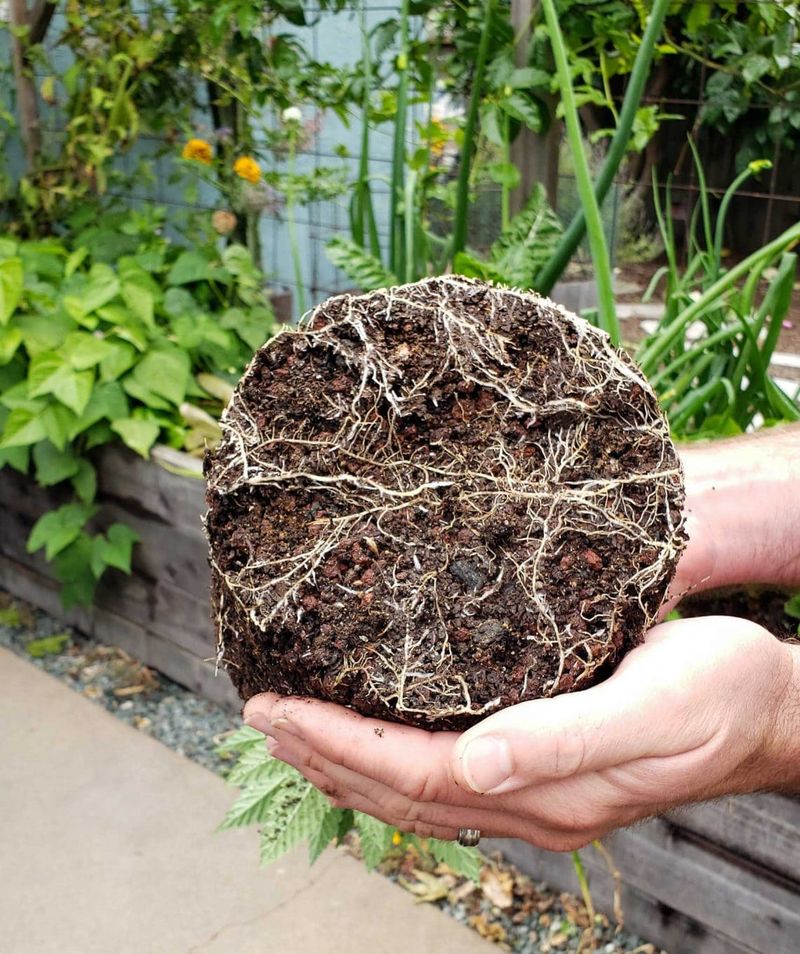
Here is something that will completely change how you think about your tomato plant roots. Mycorrhizal fungi are microscopic organisms that form a symbiotic relationship with plant roots, essentially extending the root system by hundreds of times its normal reach.
When you add a mycorrhizal inoculant to your planting hole, you are giving your tomato plant access to far more water and nutrients than its roots could ever find on their own.
The fungi attach to the roots and send out thread-like structures called hyphae deep into the surrounding soil. These threads pull in phosphorus, zinc, copper, and moisture and deliver them directly to your plant.
In exchange, the plant feeds the fungi with sugars produced during photosynthesis. It is a partnership that has existed for millions of years in nature.
The key to using mycorrhizal inoculants effectively is making sure the powder or granules actually touch the roots of your transplant. Either dust the roots before planting or sprinkle the inoculant directly into the hole so the roots make contact immediately.
Avoid placing it near synthetic fertilizers, which can suppress fungal activity. This amendment is especially valuable in Indiana garden beds where soil biology has been depleted by heavy tilling or chemical use over the years.
5. Worm Castings
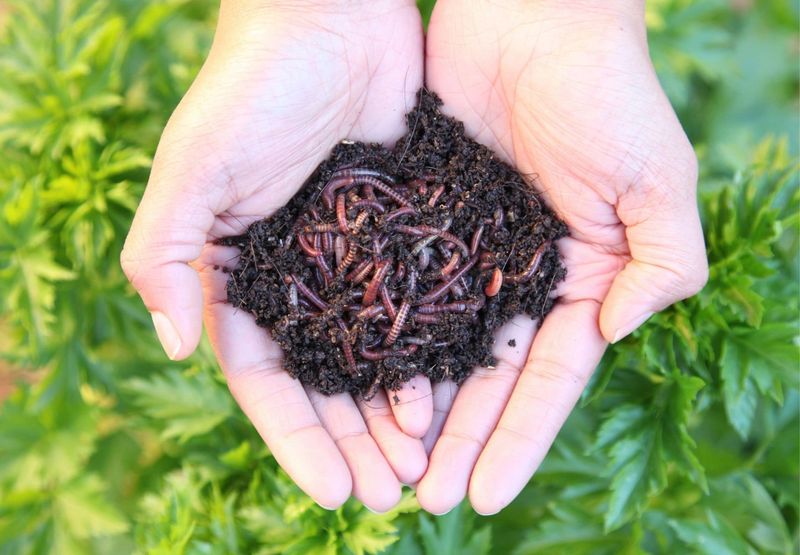
Worm castings are often called black gold by serious gardeners, and once you use them, you will completely understand why.
This all-natural fertilizer is produced by earthworms digesting organic material, and the result is one of the most biologically active, nutrient-rich soil amendments available anywhere.
It is gentle enough to use in direct contact with roots without any burning risk.
Unlike synthetic fertilizers that can overwhelm young plants, worm castings release their nutrients slowly and steadily.
They are packed with beneficial bacteria, enzymes, humic acids, and a balanced blend of nitrogen, phosphorus, and potassium that tomatoes use throughout the entire growing season.
Your transplants will look noticeably more vibrant and robust within just a week or two of planting.
Worm castings also improve soil structure significantly, helping it hold moisture while still draining well. A cup or two added directly to your planting hole creates an incredibly welcoming environment for new roots to spread into.
You can buy bags of worm castings at most garden centers, or set up a small home worm bin to produce your own supply year-round.
Either way, this amendment earns its place in every serious tomato planting hole, especially in Indiana gardens where soil health can vary widely from yard to yard.
6. Sulfur
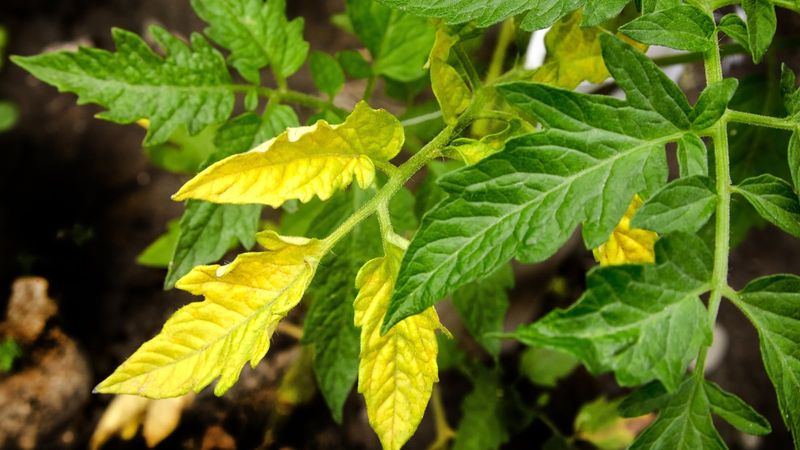
Soil pH is one of those invisible factors that can make or break a tomato season, and sulfur is the most reliable natural tool for bringing it into the ideal range.
Tomatoes grow best in soil with a pH between 6.0 and 6.8, and many Indiana soils lean slightly alkaline, which locks up nutrients and makes them unavailable to plant roots even when they are present in the soil.
Adding a small amount of granular sulfur to your planting hole helps acidify the immediate root zone, making nutrients like iron, manganese, and phosphorus more accessible to your young transplant right from the start.
The effect is gradual and gentle, which is exactly what you want when working near tender new roots that are still getting established in their new environment.
Sulfur also plays a direct role in plant metabolism, helping form proteins and enzymes that support healthy growth. Before adding sulfur, it is always smart to test your soil pH first using an inexpensive test kit available at any garden center.
If your pH is already in the ideal range, you may not need much at all. A tablespoon or two worked into the planting hole soil is typically enough to make a meaningful difference without overdoing it.
7. Biochar
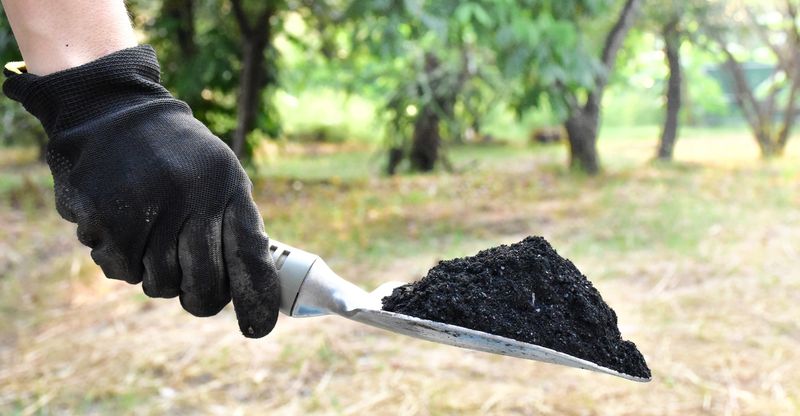
Biochar looks like simple charcoal, but it is actually one of the most powerful long-term soil amendments a gardener can use.
Made by burning organic material at high temperatures in a low-oxygen environment, biochar creates a highly porous carbon structure that acts like a sponge in your soil, holding onto water, nutrients, and beneficial microbes right where your tomato roots need them most.
The porous surface area of biochar is enormous at the microscopic level, giving beneficial bacteria and fungi millions of tiny spaces to colonize and thrive.
This creates a living hub of biological activity directly in your planting zone, which translates to better nutrient cycling and healthier plants over the long run. It also helps prevent nutrient leaching during heavy Indiana summer rainstorms.
One important tip: always charge your biochar before adding it to the planting hole. Raw biochar can actually pull nutrients out of the soil initially, so mix it with compost or fertilizer for a week or two before use so it becomes saturated with nutrients first.
A quarter to half cup of charged biochar per planting hole is a solid starting amount. Once biochar is in your soil, it stays active and beneficial for decades, making it one of the smartest long-term investments for your garden beds.
8. Slow-Release Granular Fertilizer
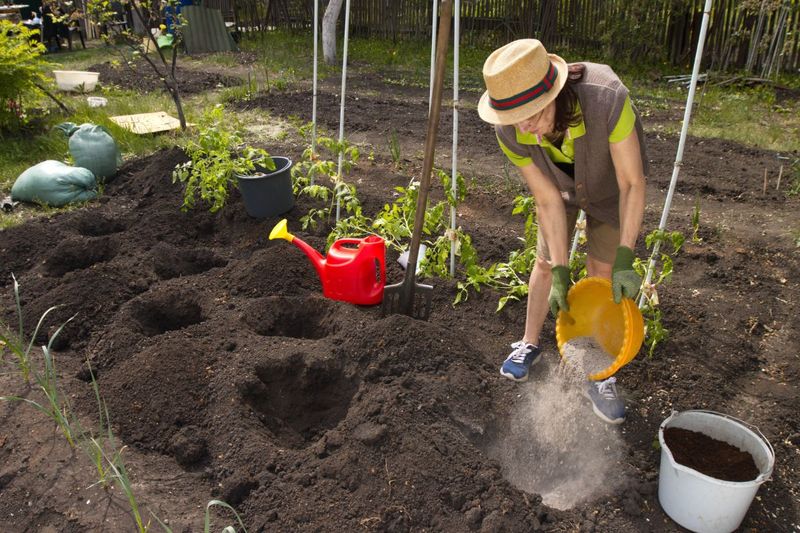
Fast-acting liquid fertilizers are great for quick fixes, but when it comes to what goes into your planting hole at the start of the season, slow-release granular fertilizer is the smarter choice by far.
These specially formulated pellets break down gradually over weeks and months, delivering a consistent stream of nitrogen, phosphorus, and potassium to your tomato plant without ever creating nutrient spikes that can stress young roots.
Look for a balanced tomato-specific formula or a granular product with a slightly lower nitrogen ratio, since too much nitrogen early on pushes leafy green growth at the expense of flowers and fruit.
A product with higher phosphorus and potassium ratios will better support root development, flowering, and fruit production throughout the season.
Just two to three tablespoons of slow-release granular fertilizer mixed into the soil at the bottom of your planting hole gives your tomato a reliable nutrient foundation that lasts for months.
Many Indiana gardeners pair this with compost and worm castings for a layered feeding approach that covers both biological and mineral nutrition.
Always follow the label instructions and avoid over-applying, since more fertilizer is not always better and can lead to lush plants that produce very little fruit. Balance is the key to a great tomato harvest.