What To Cut Back In California After Bloom And What To Leave Alone
Post-bloom cleanup in a California garden is one of those tasks that sounds straightforward until you’re actually standing outside with pruners in hand, staring at a plant and second-guessing every instinct you have.
Cut too much and you risk stressing a plant that’s already done a lot of work this season. Leave too much and you end up with a messy, overcrowded garden that sets itself up for disease and a disappointing performance next year.
The tricky part is that the rules are completely different depending on the plant. Some things absolutely need to be cut back hard right after blooming and will reward you big time for it.
Others need to be left almost completely alone, and grabbing your pruners too early can cost you next season’s flowers, wildlife habitat, or the natural seed dispersal your garden depends on.
Knowing the difference is one of those gardening skills that quietly transforms the way your whole yard looks and performs year after year.
1. Lavender
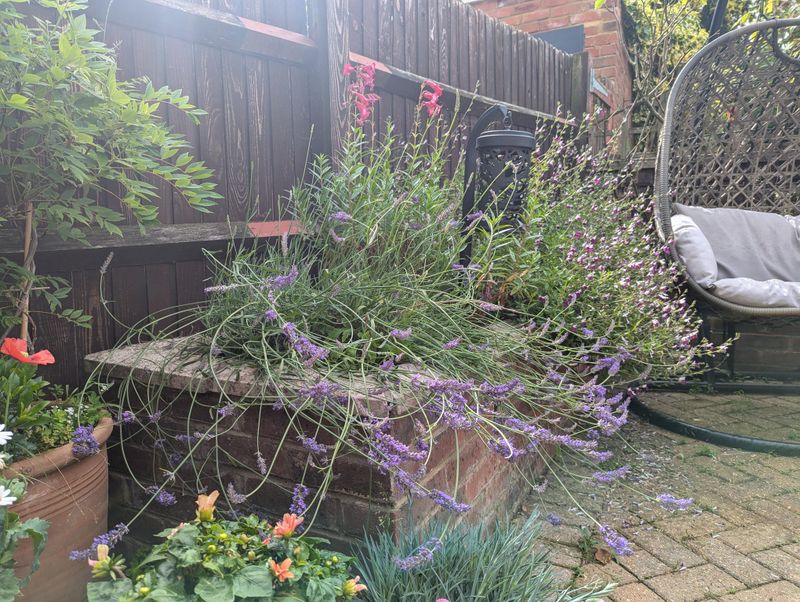
Few plants smell as amazing as lavender, and lucky for California gardeners, it thrives here like almost nowhere else. After the blooms fade, it is tempting to just leave it alone.
But cutting it back is one of the best things you can do for this plant.
Right after the flowers finish, trim the stems back by about one-third. Do not cut into the woody base.
Cutting too deep into old wood can stress the plant and slow its recovery. Aim to shape it into a neat mound.
In California, lavender often blooms more than once a year. Trimming after the first flush of flowers encourages a second round of blooms later in the season.
That means more color and more fragrance with very little extra effort.
Good pruning also improves airflow around the plant. This matters a lot in warmer inland areas of California where humidity and heat can cause problems.
A well-trimmed lavender plant stays healthier and looks tidier throughout the season.
Use clean, sharp pruning shears every time. Clean tools help prevent spreading any disease between plants.
Lavender is a tough, low-maintenance plant, but a little care after bloom goes a long way in keeping it happy year after year.
2. Salvia
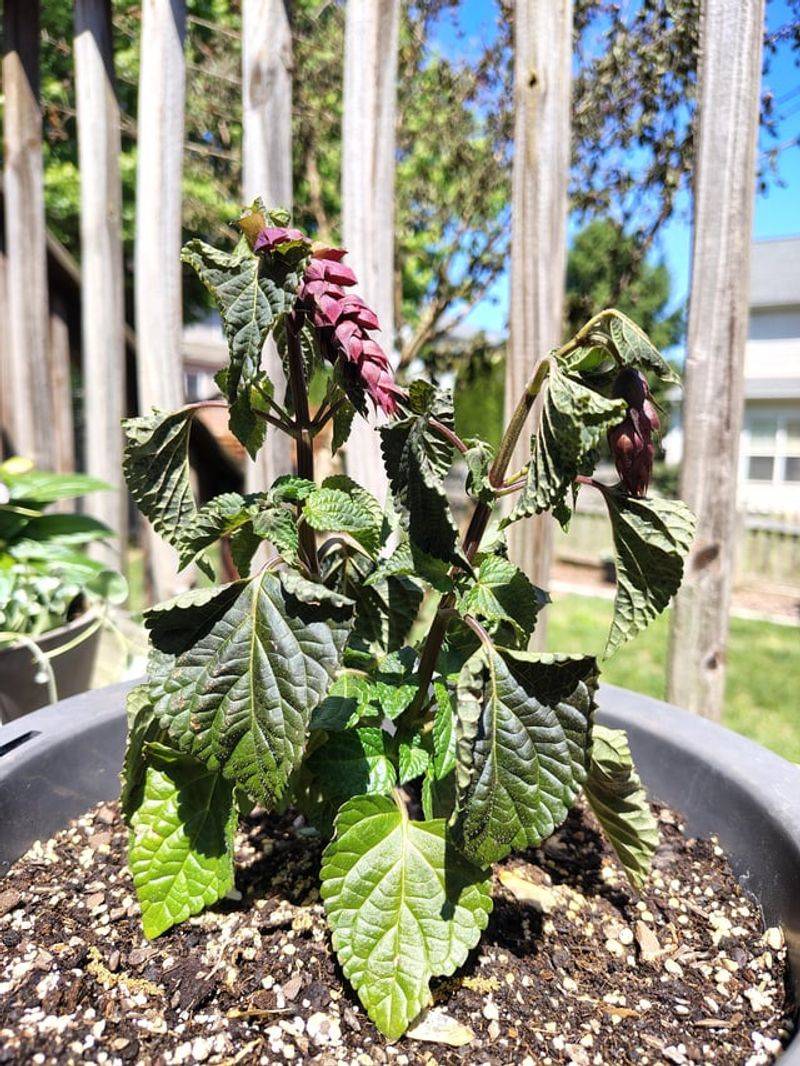
Salvia is one of the hardest-working plants in California gardens. It blooms boldly, attracts hummingbirds and pollinators, and comes back season after season.
But to keep it performing its best, a post-bloom trim is a must.
Once the flower spikes start to look tired and brown, cut them back to just above a set of healthy leaves. This is called deadheading, and it signals the plant to push out new growth.
In California’s long growing season, salvia can rebloom multiple times if you stay on top of this simple task.
For larger salvia varieties, a harder cutback in late summer works well. Trim the whole plant back by about half.
This refreshes the plant and sets it up for a strong fall flush of flowers, which is especially rewarding in Southern California where warm weather stretches well into autumn.
Your California Garden Changes Every Week. Your Plan Should Too.
Gardening in California changes quickly throughout the season. Every Friday you’ll receive a simple weekly plan showing exactly what to plant, prune, fertilize, harvest, and protect so you never miss the right timing.
Salvia can get leggy and floppy if left untrimmed for too long. Regular cutting keeps the shape compact and the blooms coming.
It also keeps the plant from taking over nearby garden space.
Always water well after a hard pruning. A little slow-release fertilizer at this point also helps fuel that next round of growth and color.
3. Catmint
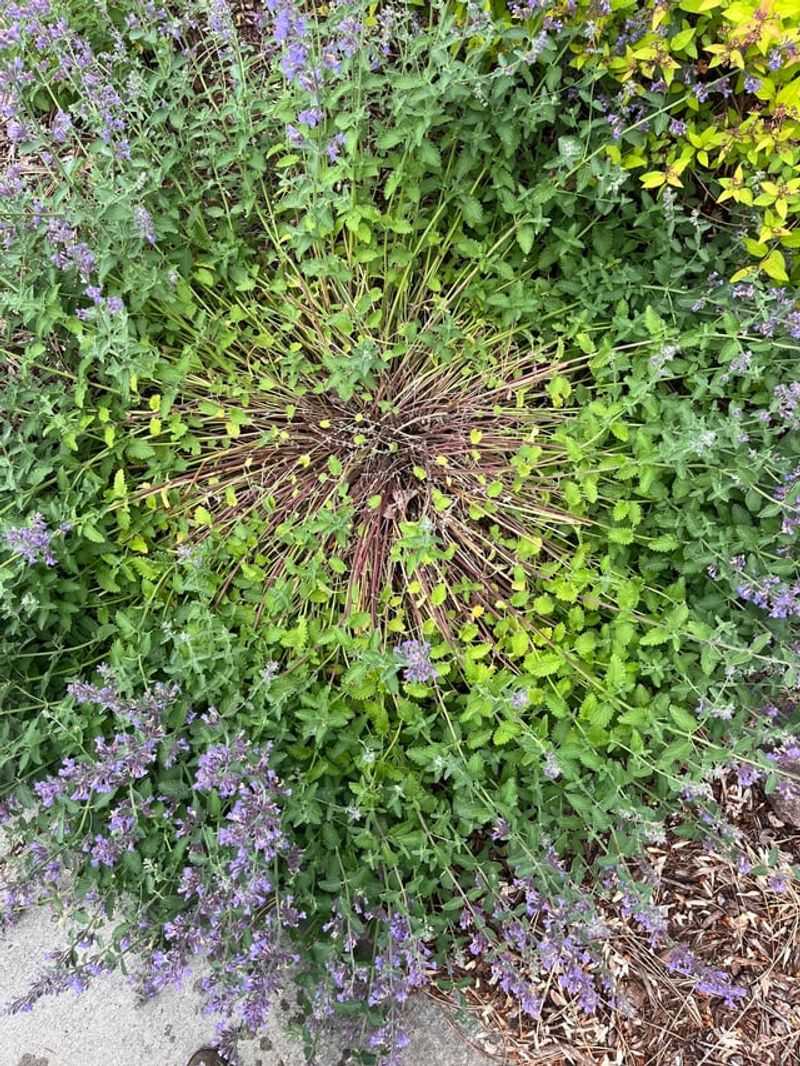
Catmint is a garden superstar that most people do not give enough credit. It spills over borders, smothers weeds, and fills the air with a soft herbal scent.
After its first big bloom in spring, though, it starts to look a little ragged.
That is your cue to grab the shears. Cut catmint back by about half to two-thirds right after the blooms fade.
It looks a bit dramatic at first, but do not worry. Within a few weeks, fresh new foliage pushes up and a whole new flush of flowers follows.
In California, this second bloom often comes in late summer or early fall, which is a wonderful bonus. The plant stays compact and tidy rather than sprawling all over the garden path.
Neighbors will ask what your secret is.
Catmint is drought-tolerant once established, making it a smart choice for water-conscious California gardeners. After cutting back, water it a couple of times to help it recover, then ease off as new growth gets going.
It also pairs beautifully with roses, lavender, and ornamental grasses. Keeping it trimmed means it stays a polished, well-behaved garden partner rather than a wild sprawling mess all through the California summer.
4. Bearded Iris
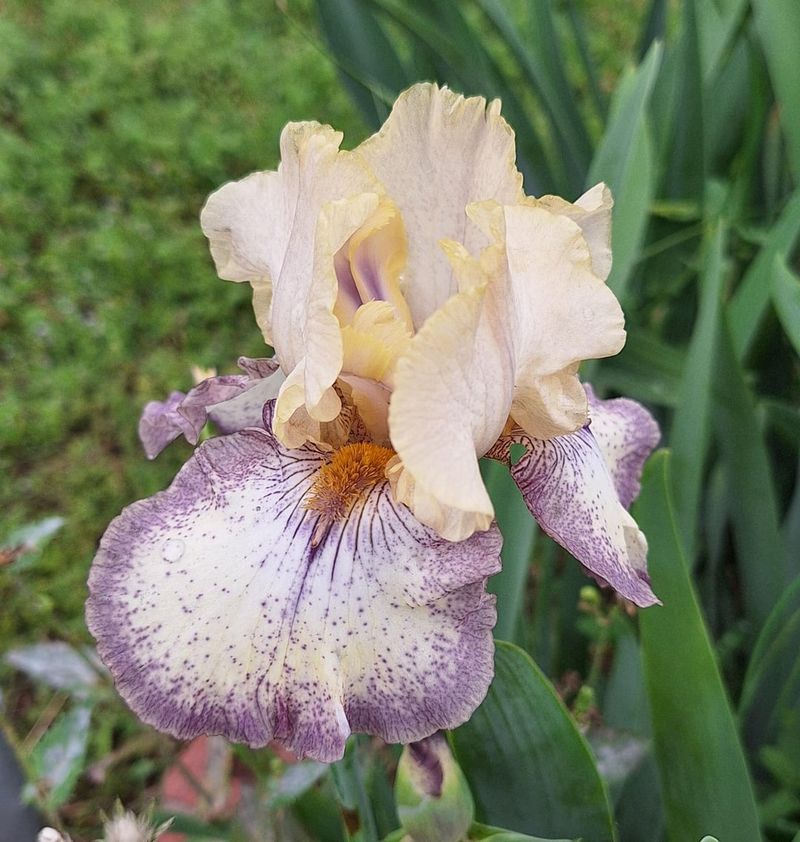
Bearded iris puts on one of the most dramatic spring shows in any California garden. Those big, ruffled blooms in purple, white, yellow, and bronze are hard to beat.
Once the flowers are gone, though, the plant needs some attention to stay in great shape.
Start by snapping or cutting off each spent flower stalk right down at the base. Leaving old stalks in place can invite pests and fungal problems, especially in humid coastal areas of California.
Getting them out quickly is smart garden care.
The leaves are a different story. Trim the long, fan-shaped leaves back to about six to eight inches tall.
This classic fan shape is not just for looks. It helps reduce the surface area where leaf spot diseases can take hold during warm California summers.
Do not remove all the leaves completely. The plant still needs foliage to gather sunlight and store energy in the rhizomes underground.
Those rhizomes need that stored energy to fuel next spring’s blooms.
Every three to four years, plan to divide your bearded iris clumps. Overcrowded rhizomes produce fewer flowers.
Dividing them in late summer gives them time to settle in before cooler California weather arrives and sets them up for a spectacular spring display.
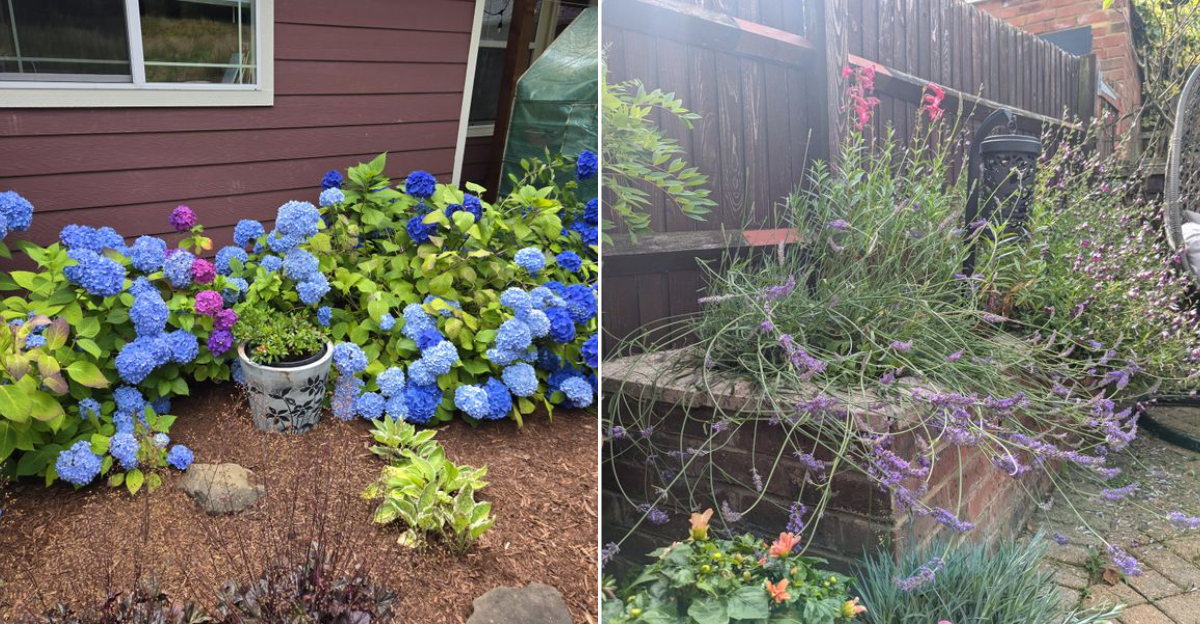
5. Hydrangeas
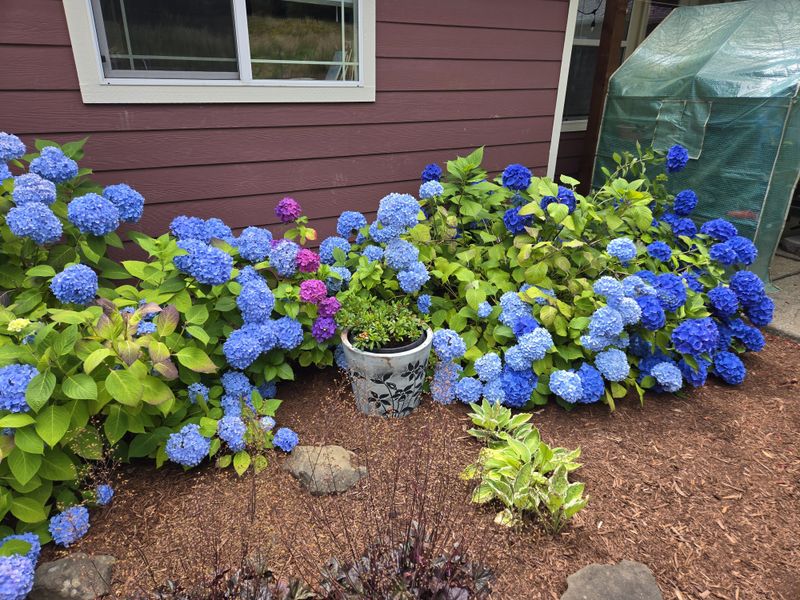
Hydrangeas are one of those plants that can really confuse gardeners. They look so lush and full in bloom that it feels wrong to cut them.
And for the most part, that instinct is correct, especially right after bloom.
Most hydrangeas grown in California, particularly the popular mophead and lacecap types, bloom on old wood. That means the flower buds for next year are already forming on this year’s stems shortly after flowering ends.
If you cut those stems back now, you are cutting off next year’s flowers.
The best approach is to leave spent blooms on the plant through fall and even into winter. The dried flower heads actually look quite beautiful and add texture to the garden.
They also protect the new buds forming just below them on the stem.
In early spring, before new growth pushes out, you can remove the old flower heads and trim back any stems that look truly damaged or crossed. That is the safe window for light pruning without sacrificing bloom.
California gardeners in cooler coastal zones often have great luck with hydrangeas. They love the mild, moist air near the coast.
Give them afternoon shade in hotter inland areas and they will reward you with big, beautiful blooms year after year.
6. California Poppies
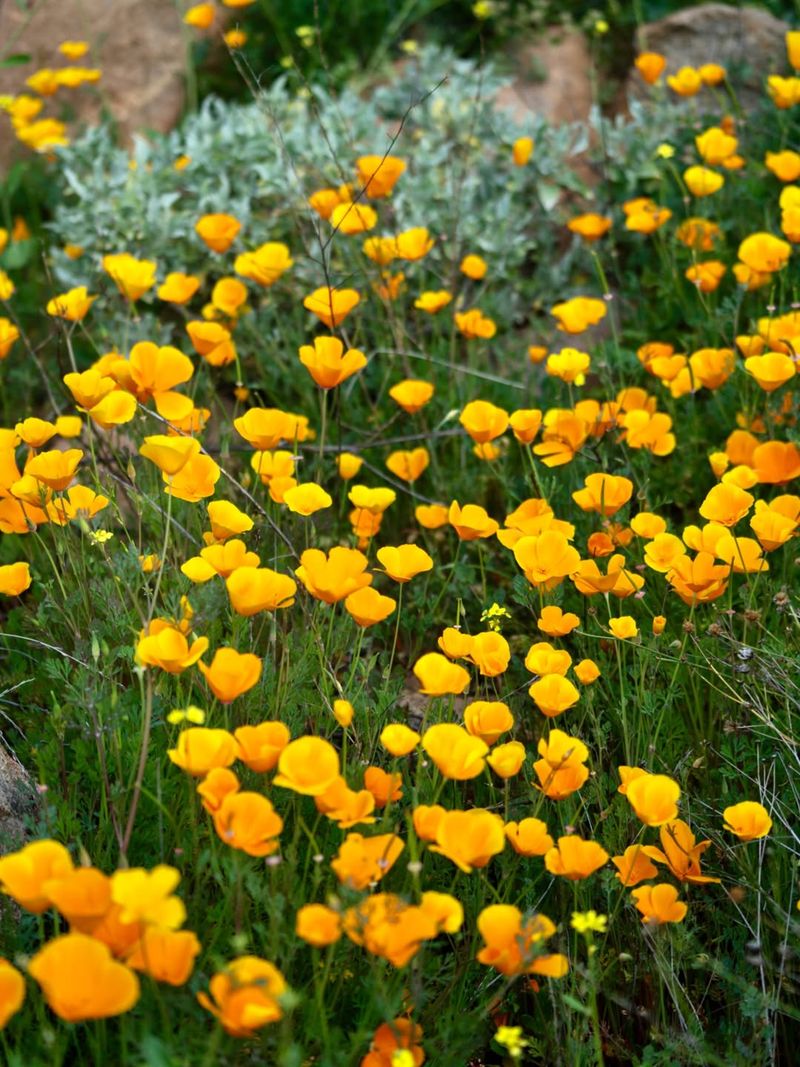
There is something purely joyful about a hillside covered in California poppies. They are the state flower for good reason.
Bright orange, cheerful, and completely effortless, they are one of the most rewarding plants you can grow here.
After the blooms fade, resist the urge to tidy them up right away. Those spent flowers turn into long, slender seed pods.
When those pods dry out and split open, they scatter seeds all around the garden. That is how California poppies come back year after year without you doing a thing.
Cutting them back too early or pulling up the whole plant stops that natural reseeding process. You would lose your free flower show for next spring.
Patience here really pays off.
Let the plants dry out naturally on their own. Once the pods have turned tan and papery, you can gently collect some seeds to spread in new spots around the garden.
Then let the rest fall where they will.
California poppies are also incredibly drought-tolerant, which makes them a perfect fit for water-smart California gardening. They ask for almost nothing and give so much back.
Leave them alone after bloom and they will keep surprising you with color every single spring season.
7. Spring Bulbs
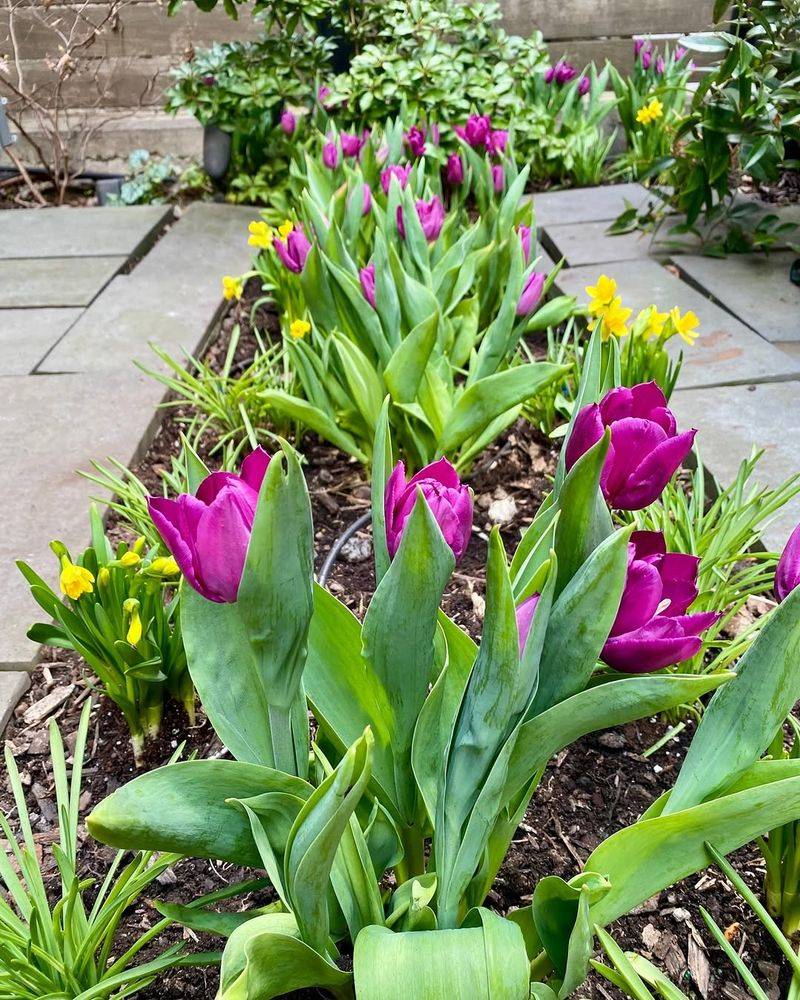
Spring bulbs like tulips, daffodils, and alliums put on a gorgeous show in California gardens. Then, almost as fast as they appeared, the flowers are gone and you are left with a tangle of floppy, yellowing leaves.
It looks messy, but please do not cut them down yet.
Those leaves are doing something incredibly important. After the flowers fade, the foliage keeps photosynthesizing and sending energy back down into the bulb underground.
That stored energy is what fuels next year’s blooms. Cut the leaves too soon and the bulb goes into the ground weaker than it should be.
Wait until the foliage has turned completely yellow and pulls away from the bulb easily. That usually takes about six weeks after blooming ends.
It feels like a long wait, but it is worth every day.
To hide the fading foliage, try planting perennials or annuals nearby. Plants like catmint, salvia, or even ornamental grasses grow up around the bulb leaves and disguise them beautifully while they do their work.
In California’s warmer inland regions, some spring bulbs need to be dug up and chilled before replanting each fall. But wherever you garden in the state, leaving the foliage alone after bloom is the single most important thing you can do for healthy bulbs next season.