What To Do If A Fox Appears In Your Ohio Yard And What To Avoid
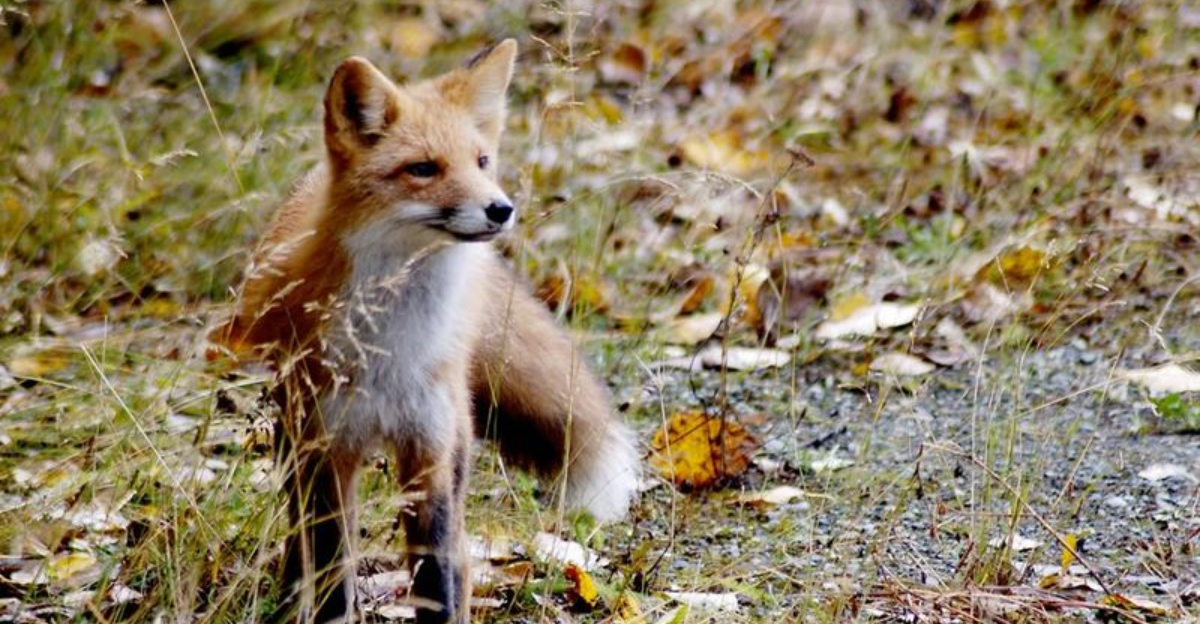
A fox stepping into an Ohio yard can turn an ordinary day on its head.
One moment the yard feels calm, and the next a curious visitor trots in as if scouting new territory.
Foxes move with quiet confidence, slipping between shadows and open spaces without stirring much noise.
Their graceful steps and alert eyes make them look charming, yet a yard encounter still calls for a cool head.
A wrong move can spook the animal or invite trouble, while the right approach keeps everyone safe.
A fox may come searching for food, shelter, or simply exploring a route it uses often.
Understanding how to respond can make all the difference, allowing you to guide the situation without fanning the flames.
With smart choices and steady awareness, you can protect your space, avoid risky behavior, and respect the wildlife passing through.
A calm plan keeps both the homeowner and the fox out of harm’s way.
1. Observe From A Safe Distance

Watching wildlife from afar is one of the most respectful ways to appreciate nature’s beauty without causing stress to the animal.
Foxes are naturally cautious creatures, and maintaining at least 50 feet between you and the fox allows it to feel secure while you enjoy the rare sighting.
Grab your binoculars or use your phone’s zoom feature to get a closer look without physically approaching.
Most foxes you’ll see in Ohio are red foxes, recognizable by their rusty-red coats and white-tipped tails.
They’re typically active during dawn and dusk, though you might spot them during the day, especially in spring when they’re raising young.
Observing their behavior can teach you a lot about their habits and whether they’re just passing through or have found something interesting in your yard.
Keep children and pets indoors while the fox is present.
Even though foxes rarely show aggression toward humans, they might defend themselves if they feel cornered or threatened.
Your dog’s barking or a child’s excited running could startle the animal and create an unnecessary confrontation.
Take this opportunity to appreciate how adaptable wildlife has become in Ohio’s changing landscape.
Many suburban areas now provide perfect habitats for foxes, with plenty of small prey like mice and rabbits.
By watching quietly, you’re not only protecting yourself but also allowing the fox to go about its business naturally, which usually means it will move along on its own within a short time.
2. Remove Food Sources That Attract Them
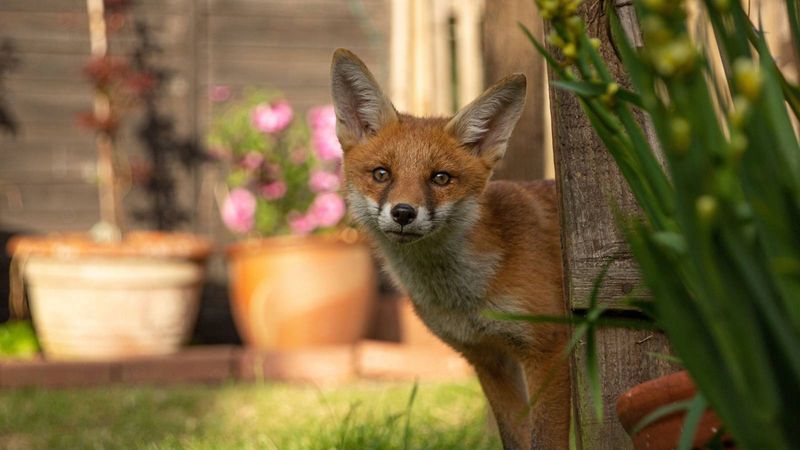
Foxes don’t randomly choose yards to visit, they’re usually following their noses to an easy meal.
Pet food left outside overnight acts like a dinner bell for hungry wildlife throughout Ohio neighborhoods.
Bring all pet bowls inside after feeding time, and never leave food accessible on porches or patios where foxes can easily grab it.
Bird feeders, while delightful for watching finches and cardinals, create problems by attracting rodents that foxes love to hunt.
The seeds that fall to the ground bring mice and voles, which then draw foxes looking for their next meal.
Consider removing feeders temporarily if you notice repeated fox visits, or switch to feeders that minimize spillage and clean up fallen seeds daily.
Garbage cans need secure lids that foxes cannot tip over or pry open with their clever paws.
These animals are surprisingly resourceful and will return night after night if they find success raiding your trash.
Store garbage bins in a garage or shed until collection day, or invest in animal-proof containers with locking mechanisms.
Compost piles can also attract foxes, especially if they contain meat scraps or dairy products.
Stick to composting only plant materials, and use a closed composting system rather than an open pile.
By eliminating these food sources, you make your Ohio property less appealing to foxes, encouraging them to hunt in more natural settings where they belong and reducing repeated encounters.
3. Make Noise To Encourage The Fox To Leave

Sometimes a fox needs a gentle reminder that your yard isn’t the best place to hang around.
Making loud noises is an effective and humane way to persuade the animal to move along without causing harm.
Clap your hands firmly, shake a can filled with coins, or bang two pots together to create an unpleasant sound that encourages the fox to seek quieter territory.
Shouting in a deep, firm voice also works well, especially if you make yourself appear larger by raising your arms or waving a jacket.
Foxes across Ohio have learned to be wary of humans, and these actions reinforce their natural instinct to avoid us.
The goal isn’t to terrify the animal but simply to make it uncomfortable enough that it chooses to leave on its own.
Never chase the fox or corner it against a fence or building.
Always leave a clear escape route so the animal can retreat safely.
A trapped fox may panic and behave unpredictably, increasing risk for everyone involved.
Stand your ground and continue making noise from a stationary position until the fox decides to leave.
This technique, called hazing, helps teach foxes that residential areas aren’t safe or welcoming.
Consistent hazing by multiple neighbors can encourage foxes to avoid entire neighborhoods in places like Columbus or Dayton.
If the fox doesn’t respond immediately, don’t worry, sometimes it takes a few minutes for them to assess the situation and choose their exit path.
Be patient but persistent with your noise-making efforts.
4. Contact Wildlife Officials If The Fox Appears Sick
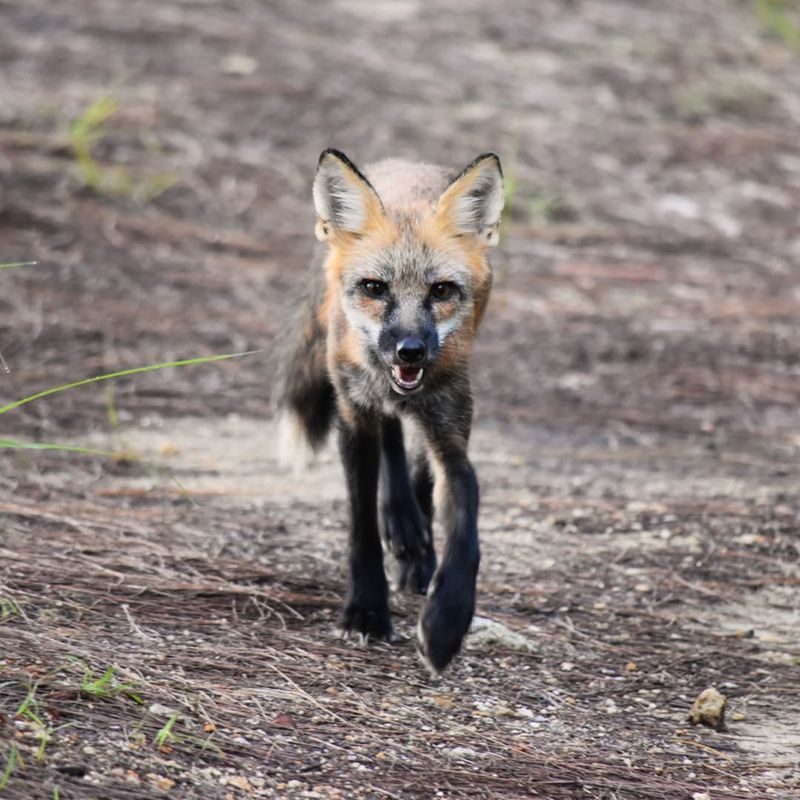
Healthy foxes are alert, move with purpose, and typically avoid human contact altogether.
A sick fox, however, might stumble, appear disoriented, or show no fear of people, warning signs that something is seriously wrong.
Rabies and distemper are two diseases that affect foxes in Ohio, and both can make animals behave strangely and pose risks to pets and people.
Look for other symptoms like excessive drooling, matted or patchy fur, discharge from the eyes or nose, or aggressive behavior that seems out of character.
A fox active during unusual hours, like mid-afternoon, isn’t necessarily sick, but combined with other symptoms, it could indicate a problem.
Trust your instincts; if something seems off about the fox’s appearance or behavior, it’s better to report it than ignore it.
The Ohio Department of Natural Resources has wildlife officers trained to handle these situations professionally.
You can also contact your local animal control or health department, who can dispatch appropriate personnel to assess the situation.
Never attempt to approach, touch, or capture a sick fox yourself, as this puts you at serious risk of exposure to disease.
Keep your pets up to date on their rabies vaccinations, which is required by Ohio law.
This simple step protects your furry family members if they accidentally encounter a sick fox.
Document what you observe, take photos or videos from a safe distance if possible, to help officials determine the best course of action.
5. Don’t Try To Feed Or Pet The Fox
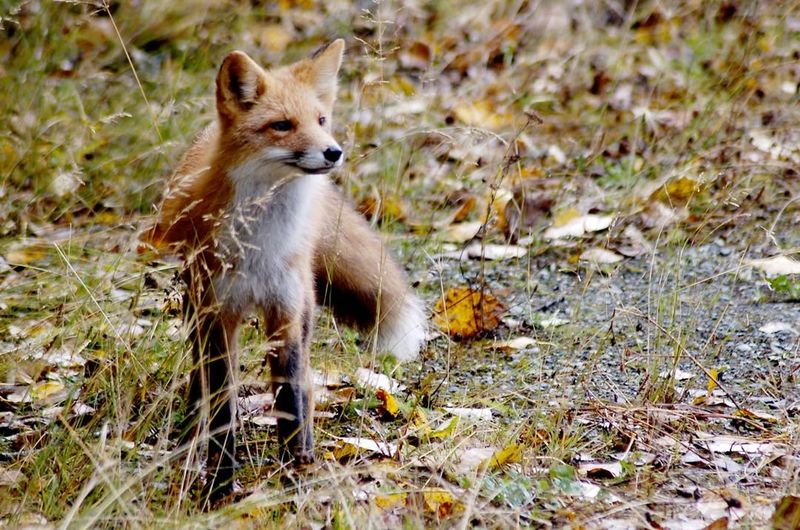
That adorable fox with its bushy tail and curious eyes might look like it wants to be your friend, but feeding wild animals creates dangerous situations for everyone involved.
Foxes that learn to associate humans with food lose their natural wariness, becoming bolder and more likely to approach people and pets.
This behavior can lead to aggressive encounters when the fox doesn’t receive the handout it expects, especially in Ohio neighborhoods where multiple families live close together.
Feeding wildlife is illegal in many Ohio municipalities because it creates public health and safety concerns.
Foxes carry parasites like fleas, ticks, and mange mites that can transfer to your pets.
They can also carry diseases spread through saliva, making any direct contact risky.
What seems like a kind gesture actually harms the fox by making it dependent on humans rather than hunting for natural food sources.
The temptation to pet a fox can be strong, especially if it appears calm or unafraid.
Resist this urge completely.
Even a seemingly friendly fox is still a wild animal with sharp teeth and unpredictable instincts.
A frightened or surprised fox may bite defensively, and fox bites require immediate medical attention due to rabies concerns.
Teaching children this important rule protects both them and local wildlife.
Explain that wild animals are beautiful to watch but not to touch or feed.
By maintaining this boundary, you help ensure foxes remain wild and wary, which ultimately keeps them safer and helps them thrive in Ohio’s ecosystem.
6. Don’t Use Poison Or Traps Without Professional Help
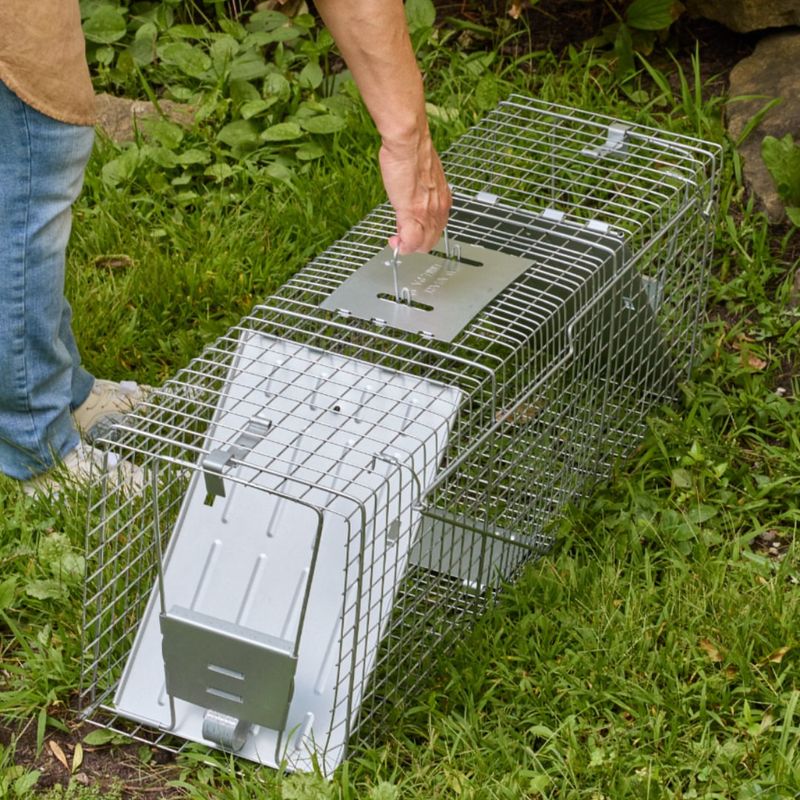
Setting traps or using poison might seem like a quick solution when a fox becomes a regular visitor to your Ohio property, but these methods create more problems than they solve.
Poison doesn’t discriminate, it can harm neighborhood cats, dogs, and other wildlife that consume it accidentally.
A poisoned fox may suffer unnecessarily and could crawl into an inaccessible space on your property before succumbing, creating an unpleasant situation.
Trapping requires specific knowledge and permits in Ohio.
Using the wrong type of trap can injure the fox or catch unintended animals, including pets.
Leg-hold traps are particularly dangerous and inhumane, causing severe injuries and distress.
Even cage traps can stress animals to dangerous levels and require proper handling to release or relocate them legally.
Ohio has strict regulations about trapping and relocating wildlife.
Moving a fox to a new location without permission is illegal in most cases and rarely solves the problem.
Relocated foxes often struggle to survive in unfamiliar territory and may try to return home, crossing dangerous roads along the way.
The territory you remove one fox from will likely be filled by another within weeks.
Licensed wildlife control operators have the training, permits, and equipment to handle fox situations humanely and legally.
They can assess why foxes are attracted to your property and recommend long-term solutions.
Professional services cost money, but they prevent legal issues and animal suffering, making them worth the investment for persistent fox problems.
7. Don’t Panic Or Assume The Fox Is Dangerous
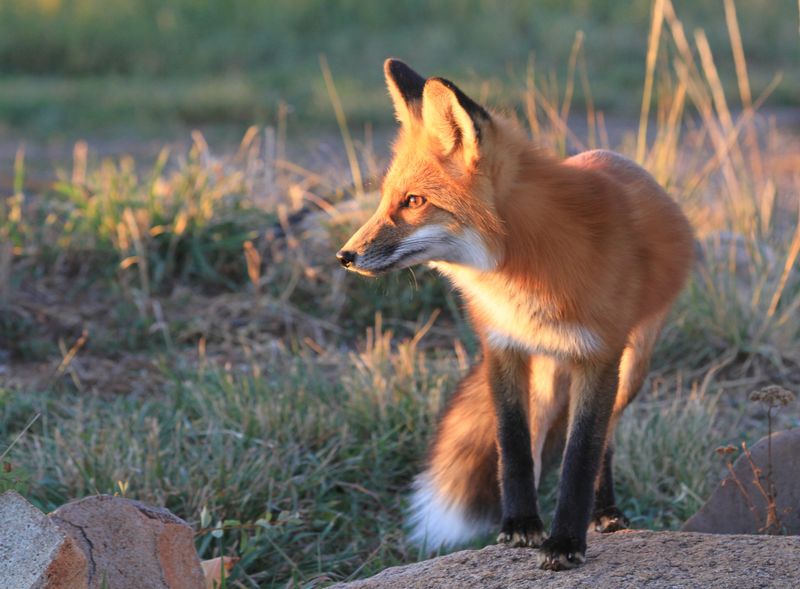
Fear often drives people to make hasty decisions when they encounter wildlife, but foxes pose minimal threat to humans when left alone.
These animals are naturally timid and prefer to run away rather than confront a person.
Thousands of Ohioans live near fox populations without ever experiencing a negative interaction.
Most fox sightings are brief, peaceful encounters that end with the animal simply moving along.
Media stories about aggressive wildlife can create exaggerated fears that don’t reflect reality.
Yes, foxes have teeth and are carnivores, but their natural prey consists of small animals, not humans.
Attacks on people are extraordinarily rare and almost always involve foxes that are sick, cornered, or protecting young kits.
Seeing a fox during daylight doesn’t automatically mean it’s rabid or dangerous.
Foxes are crepuscular, meaning they’re most active at dawn and dusk, but they hunt whenever they’re hungry.
A fox hunting for grasshoppers in your Ohio lawn on a sunny afternoon is simply taking advantage of available food.
Responding with calm, informed actions rather than panic benefits everyone.
Teach your family that foxes are part of Ohio’s natural wildlife and deserve respect rather than fear.
By maintaining reasonable precautions, keeping pets supervised, securing food sources, and observing from a distance, you can coexist peacefully with these beautiful animals.
Panicking and overreacting often leads to unnecessary harm to foxes that are simply trying to survive in an increasingly developed landscape.