What To Do If An Armadillo Starts Digging Holes In Your South Carolina Yard
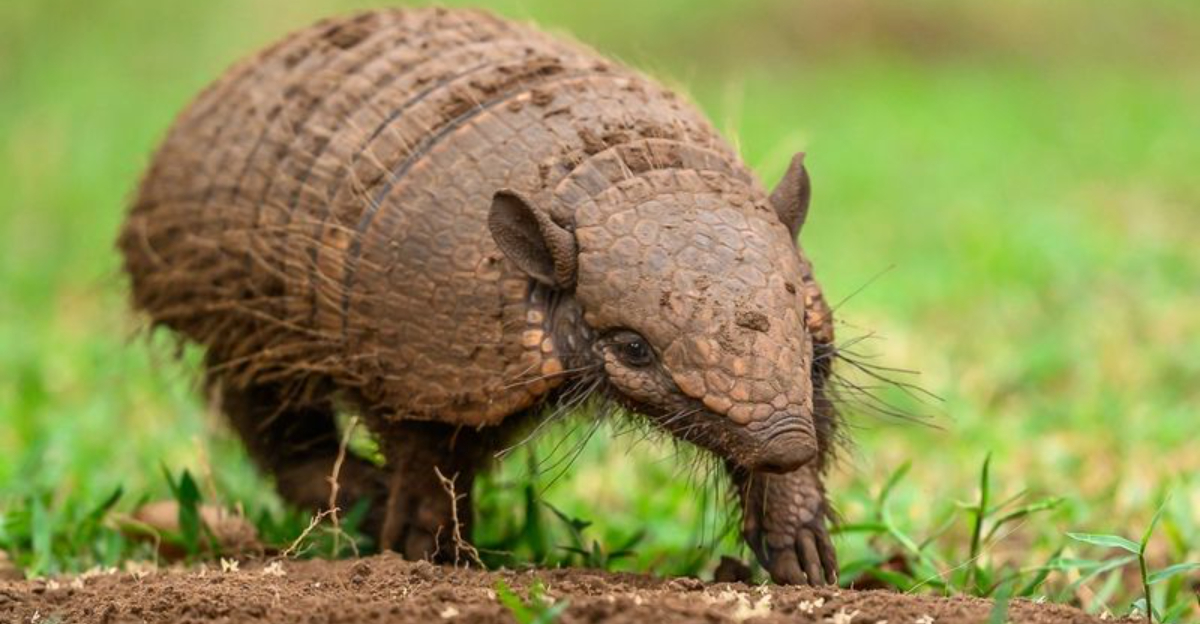
Spotting fresh holes in a South Carolina yard can be confusing at first, especially when the damage seems to appear overnight.
Armadillos are strong diggers, and once they decide a yard has good food, they tend to come back again and again.
I have noticed that reacting fast makes a big difference, because small holes quickly turn into bigger problems.
Simple changes to the yard can make it far less appealing without turning everything upside down.
When you know what attracts armadillos and how to gently push them elsewhere, the yard starts to feel calm and under control again.
1. Recognize the Signs of Armadillo Activity
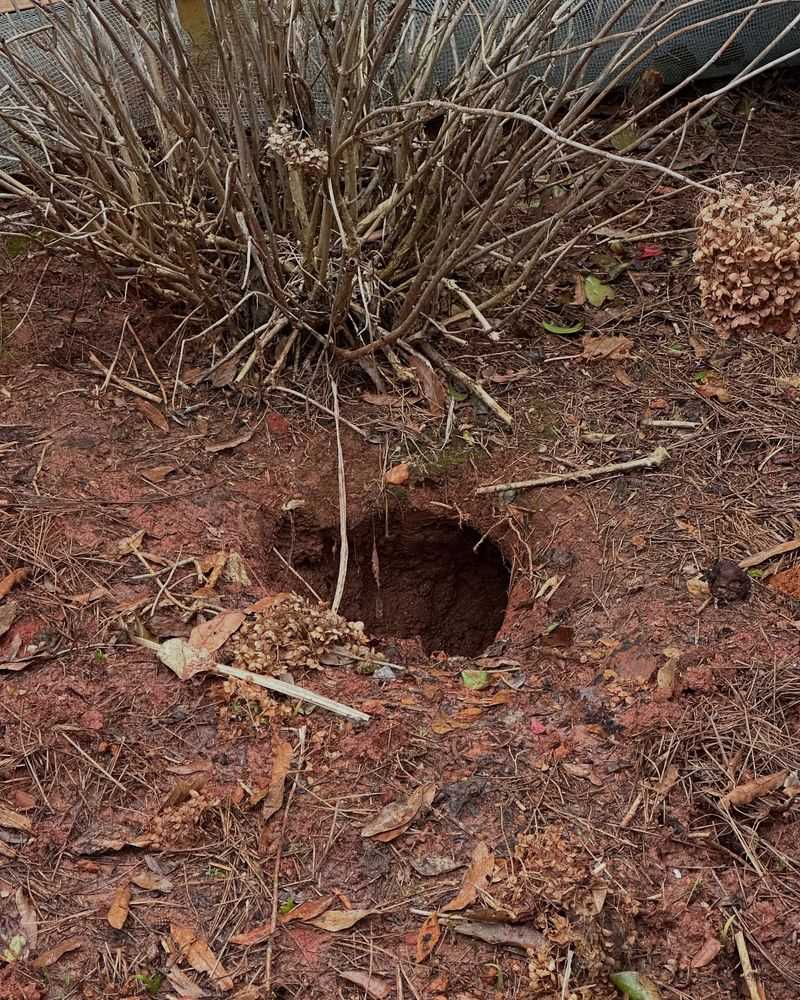
Small cone-shaped holes scattered across your lawn typically measure three to five inches wide and signal that armadillos have been foraging through your property.
Unlike mole tunnels or gopher mounds, armadillo digging creates shallow divots where they use their strong claws to search for tasty underground insects and larvae.
Fresh dirt piles appear near these holes, especially after rainy nights when the ground softens and makes digging easier for these nocturnal South Carolina visitors.
You might also notice tracks with four toes on the front feet and five on the back, creating distinctive patterns in soft soil or mud.
Damaged flower beds, uprooted plants, and disturbed mulch often accompany the holes as armadillos root around looking for grubs and earthworms to eat.
Observing your yard early in the morning reveals the freshest damage since armadillos prefer working under cover of darkness when predators cannot spot them easily.
Recognizing these specific signs helps you confirm that armadillos, rather than other wildlife, are responsible for the mess appearing throughout your South Carolina landscape consistently.
2. Understand Why Armadillos Choose Your Yard
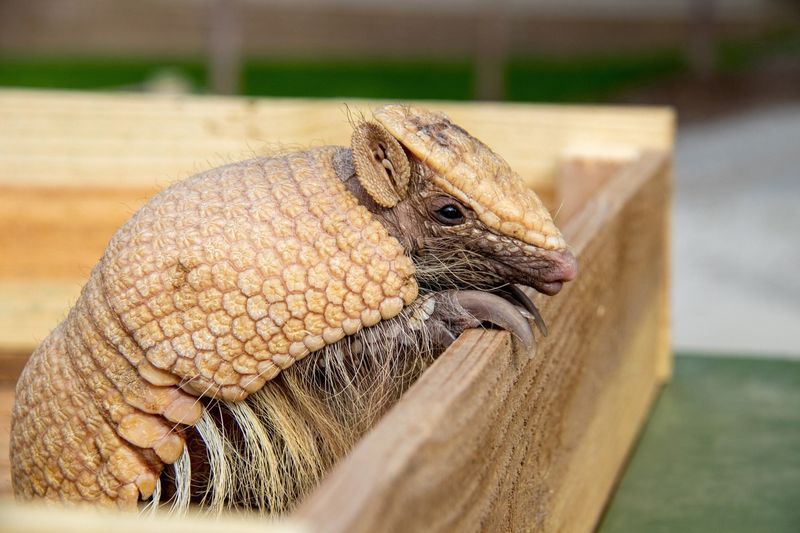
Armadillos are drawn to yards with moist soil that harbors plenty of insects, grubs, and earthworms they consider delicious meals worth digging for nightly.
Properties with lush lawns, garden beds, and irrigation systems create ideal hunting grounds because the soft earth allows easy access to their favorite underground food sources.
South Carolina’s warm climate and humidity levels support thriving insect populations that naturally attract hungry armadillos searching for reliable feeding spots throughout residential neighborhoods.
Overgrown vegetation, leaf litter, and woodpiles provide daytime shelter where armadillos can rest safely before emerging at night to forage across your property.
Yards located near wooded areas or natural habitats see more armadillo visits since these creatures travel short distances from their burrows to find food regularly.
Understanding their motivations helps you address the root causes rather than just treating symptoms, making your property less appealing to these persistent nocturnal diggers.
Reducing insect populations and limiting moisture can discourage armadillos from viewing your South Carolina yard as their personal all-you-can-eat buffet every single evening.
3. Remove Their Food Source Effectively
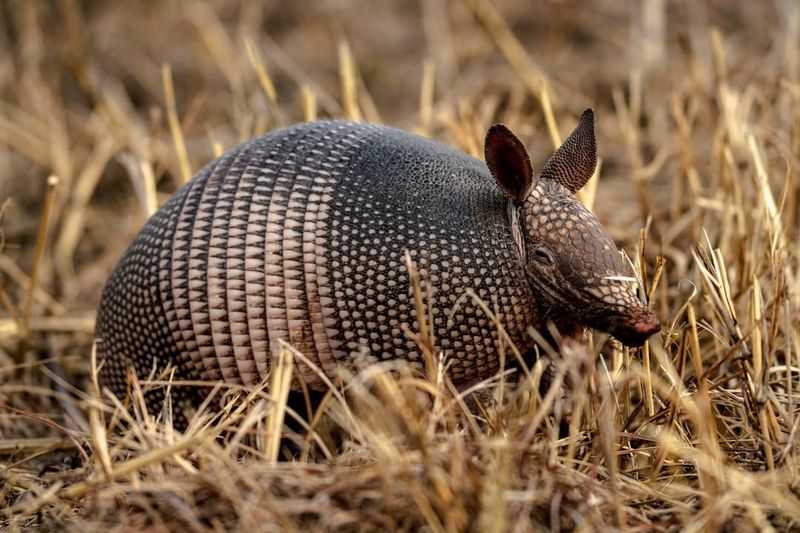
Controlling grub and insect populations in your lawn eliminates the primary reason armadillos visit your property night after night to dig and forage extensively.
Beneficial nematodes applied to your soil naturally reduce grub numbers without harsh chemicals, creating an environment that no longer attracts hungry armored visitors seeking meals.
Treating your lawn with appropriate insecticides during peak grub season helps break the cycle, though you should choose products safe for pets and children always.
Reducing excessive watering prevents soil from becoming the soft, moist environment that both insects and armadillos find attractive for their respective survival needs and activities.
Aerating your lawn and maintaining healthy grass creates conditions less favorable to grub infestations that serve as the main food source for South Carolina armadillos nightly.
Regular lawn maintenance, including proper mowing height and fertilization schedules, strengthens grass roots and makes your yard less hospitable to destructive insect populations over time.
Combining these strategies creates a comprehensive approach that addresses the underlying attraction rather than simply chasing armadillos away from your South Carolina property repeatedly without success.
4. Install Physical Barriers Around Vulnerable Areas
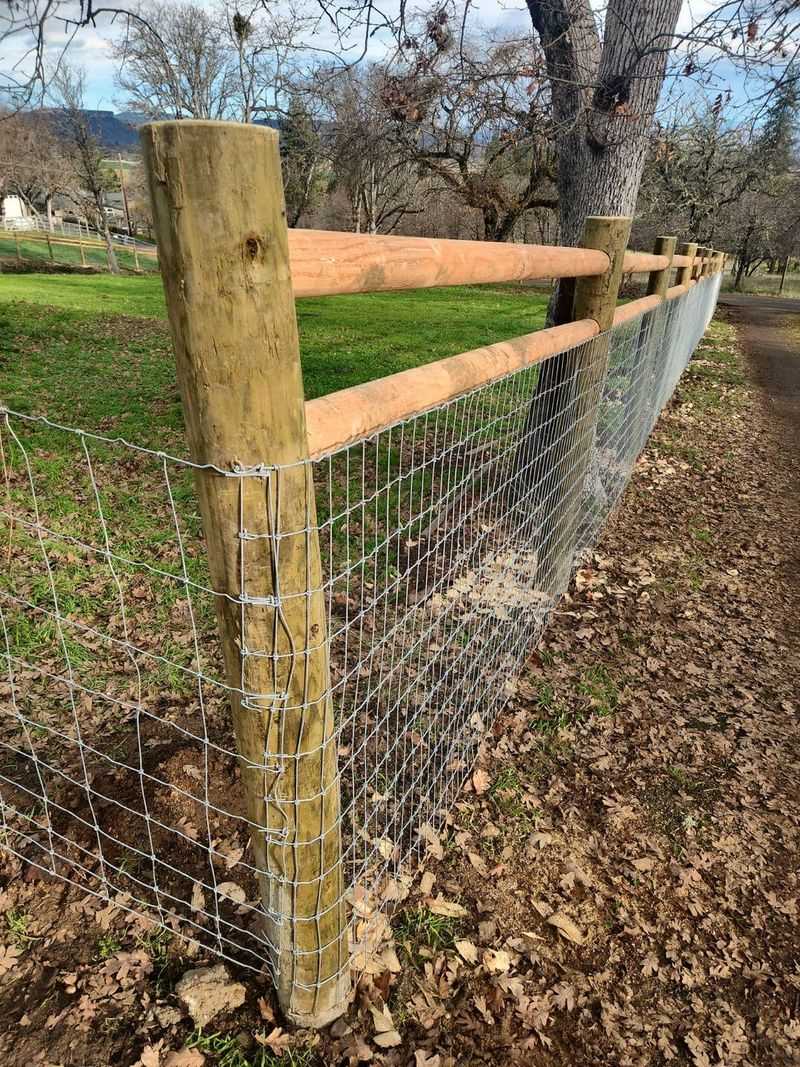
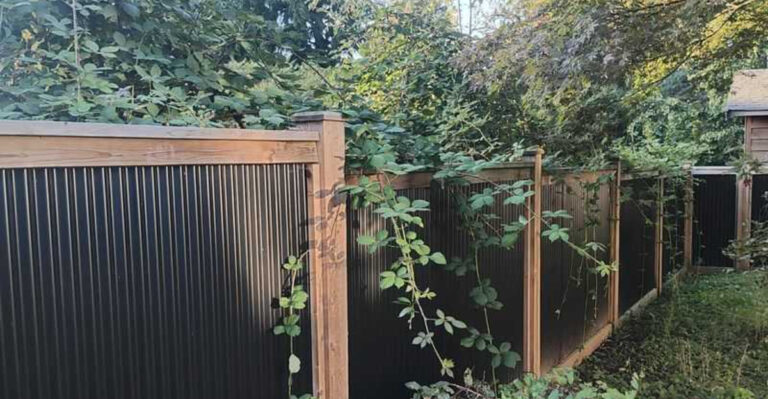
Burying wire mesh or hardware cloth at least twelve inches deep around garden beds, foundations, and valuable landscaping prevents armadillos from accessing these vulnerable spots.
Extending fencing eighteen to twenty-four inches above ground creates an effective barrier since armadillos rarely climb but will burrow underneath inadequate protective structures easily.
Chicken wire or welded wire with small openings works well because armadillos cannot squeeze through tight spaces despite their ability to flatten their bodies somewhat.
Protecting specific zones proves more practical than fencing entire properties, especially when you focus on areas where damage costs the most money to repair regularly.
Sloping the buried portion of fencing outward at an angle discourages digging attempts since armadillos encounter resistance when trying to burrow past these obstacles.
South Carolina homeowners find success combining barriers with other deterrent methods, creating multiple layers of defense that make properties too difficult for armadillos to access.
Checking barriers regularly for damage or gaps ensures continued effectiveness, as persistent armadillos will exploit any weakness they discover in your protective fencing system eventually.
5. Use Motion-Activated Deterrents Strategically
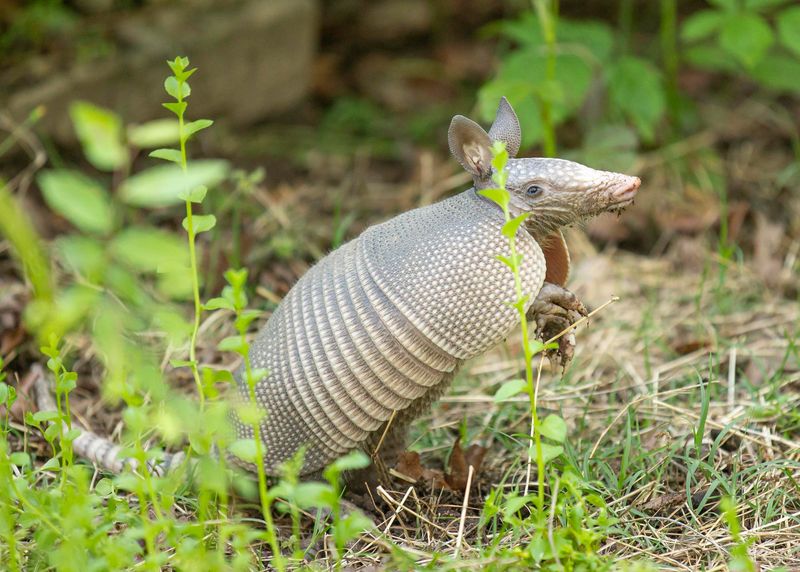
Motion-activated sprinklers startle armadillos with sudden water bursts when they enter your yard, teaching them to associate your property with unpleasant surprise experiences.
These devices work effectively because armadillos have poor eyesight but excellent hearing, making them particularly sensitive to unexpected noises and movements in their environment.
Solar-powered lights with motion sensors create illumination that discourages nocturnal foraging, though armadillos may eventually adapt if lights remain the only deterrent you employ.
Ultrasonic devices emit sounds humans cannot hear but may bother armadillos, though scientific evidence supporting their effectiveness remains limited and results vary significantly between properties.
Positioning deterrents near known entry points and heavily damaged areas maximizes their impact, creating zones armadillos learn to avoid during their nightly South Carolina foraging rounds.
Rotating different deterrent types prevents armadillos from becoming accustomed to any single method, maintaining effectiveness over longer periods without requiring constant equipment replacement or upgrades.
Combining motion-activated tools with other strategies creates a comprehensive defense system that makes your South Carolina yard too bothersome for armadillos to consider worth their effort.
6. Apply Natural Repellents Regularly
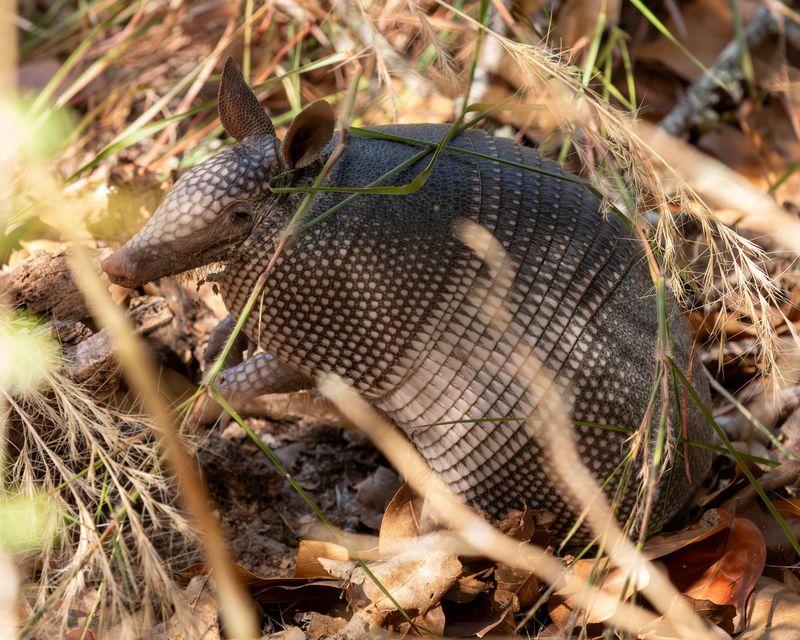
Castor oil-based repellents applied to your lawn create an unpleasant taste and smell that armadillos dislike, encouraging them to seek food elsewhere instead.
Mixing castor oil with water and dish soap creates a homemade solution you can spray across affected areas, though commercial products often provide more concentrated formulas.
Granular repellents containing predator urine or strong scents work by triggering armadillos’ natural wariness, making them believe dangerous animals patrol your South Carolina property regularly.
Reapplying repellents after rain or heavy watering maintains their effectiveness since moisture dilutes active ingredients and reduces their ability to deter persistent nocturnal visitors.
Focusing applications around property perimeters, entry points, and heavily damaged zones creates protective barriers without requiring treatment of your entire yard every single time.
Natural repellents offer pet-safe and environmentally friendly options compared to harsh chemicals, though they require more frequent application to maintain consistent protection levels over time.
Combining repellents with habitat modification and other deterrents creates multiple obstacles that convince armadillos your South Carolina yard no longer offers easy access to food worth effort.
7. Consider Professional Wildlife Removal Services
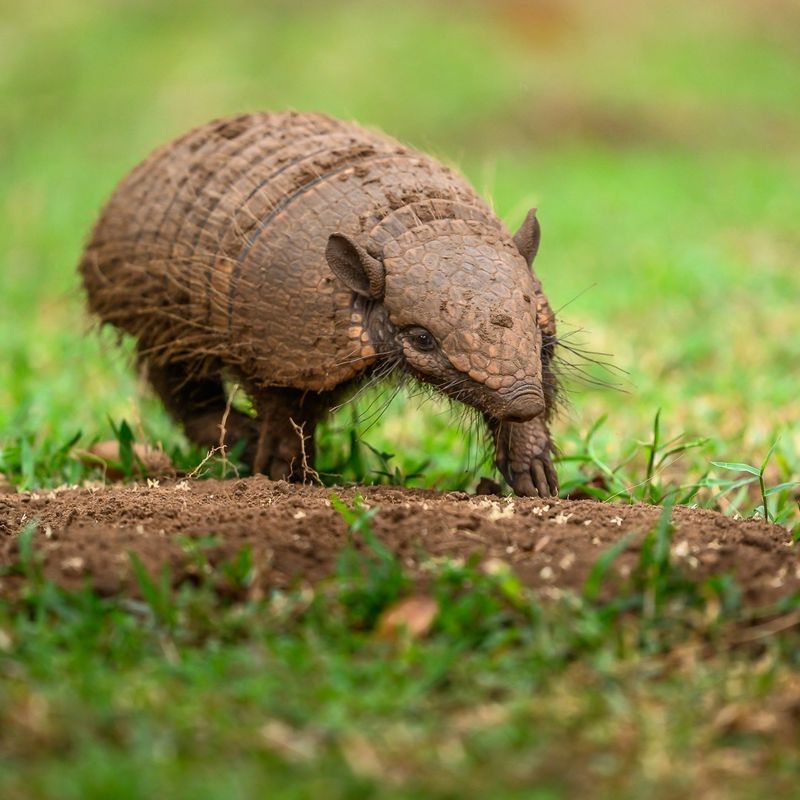
Licensed wildlife professionals possess specialized knowledge, equipment, and permits necessary for safely trapping and relocating armadillos according to South Carolina state regulations and local ordinances.
Attempting removal yourself without proper training risks injury from bites or scratches, plus armadillos can carry diseases that make professional handling the safer choice always.
Experts assess your property comprehensively, identifying attractants, entry points, and damage patterns that help create customized solutions beyond simple trapping and relocation services alone.
Professional services typically include follow-up visits to ensure armadillos have not returned and may offer guarantees covering additional treatments if problems persist after initial interventions.
Costs vary depending on property size, infestation severity, and services required, but professional removal often proves more economical than ongoing DIY attempts and continued damage.
South Carolina residents should verify that any wildlife service holds appropriate state licenses and insurance coverage before allowing them to work on residential properties for safety.
Combining professional removal with preventive measures homeowners implement themselves creates the most effective long-term solution for keeping armadillos away from your South Carolina property permanently.
8. Repair Damage and Prevent Future Problems
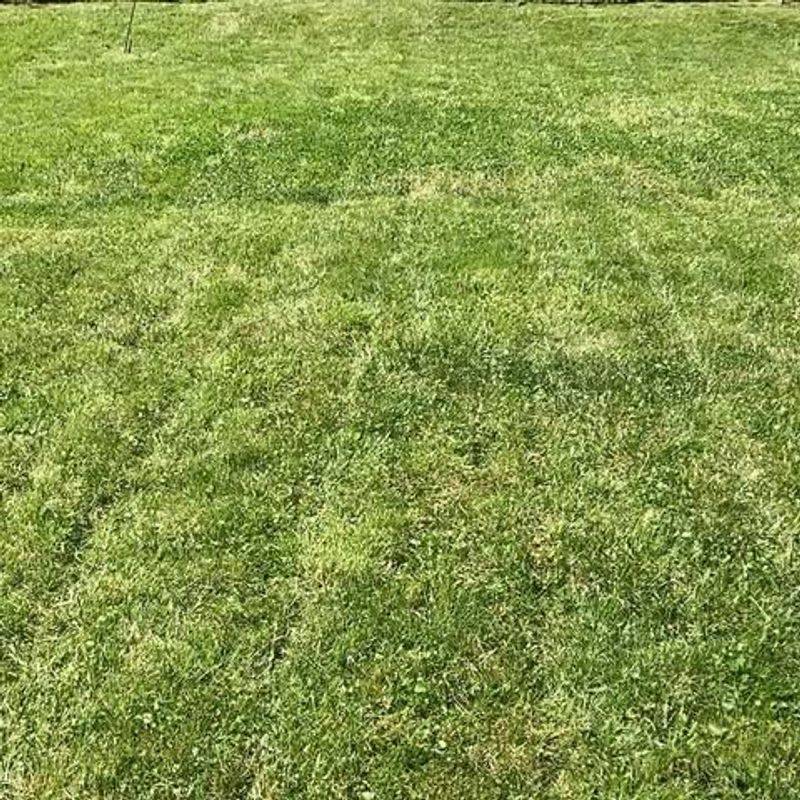
Filling holes promptly with soil and tamping firmly prevents further erosion and helps your lawn recover quickly from the damage armadillos caused during their foraging activities.
Reseeding bare patches and applying appropriate fertilizer encourages grass regrowth, restoring your yard’s appearance and reducing visual evidence of armadillo visits over recent weeks.
Leveling uneven areas created by digging prevents tripping hazards and water pooling, which could attract more insects and create conditions favorable for future armadillo problems.
Addressing underlying issues like excess moisture, poor drainage, and insect infestations makes your South Carolina property less attractive to armadillos seeking easy food sources long-term.
Installing permanent barriers, maintaining consistent repellent applications, and keeping lawns healthy through proper care routines create ongoing protection against return visits from determined diggers.
Monitoring your yard regularly for fresh signs of activity allows quick response if armadillos attempt to reestablish feeding patterns in areas they previously found rewarding.
Taking comprehensive preventive action after initial removal ensures your South Carolina yard remains armadillo-free, protecting your investment in landscaping and preventing recurring frustration from persistent nocturnal visitors.