What To Do If Wild Turkeys Appear Around Rhode Island Neighborhoods
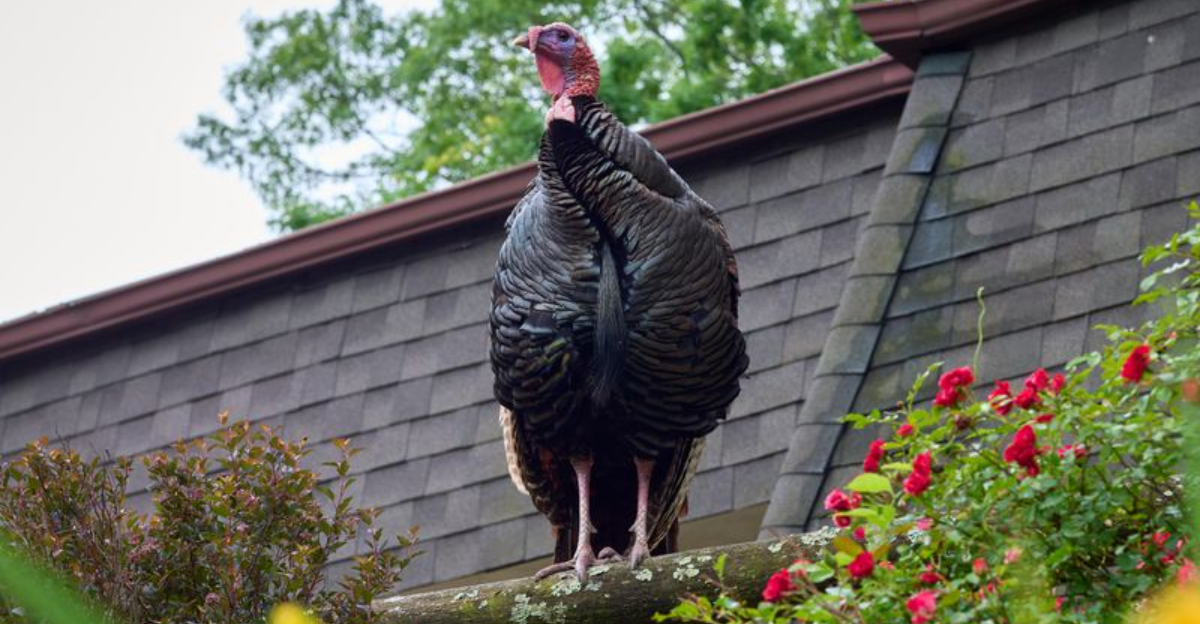
Quiet Rhode Island streets sometimes wake to an unexpected sight: wild turkeys strut past mailboxes and size up front yards.
One minute feels calm, the next feels upside down.
Neighbors trade looks, kids stare wide eyed, and questions pile up fast.
These birds act bold, yet trouble brews when space shrinks and respect slips.
A wrong move can stir chaos, from traffic ties to tense stand offs.
Knowledge serves as the best shield.
Clear steps keep peace, protect property, and prevent harm to people or birds.
This moment calls for cool heads, not knee jerk choices.
With the right response, order returns and turkeys move on without fuss.
A steady plan makes all the difference and keeps neighborhoods safe, calm, and in good form.
Keep Your Distance And Stay Calm

Turkeys may look awkward and comical, but they deserve your respect just like any other wild animal.
Getting too close can trigger defensive behavior, especially during spring when males become territorial and protective.
Most encounters happen because people accidentally stumble upon a flock while the birds are feeding or resting in yards.
When you spot turkeys nearby, stop moving forward and give them plenty of space to move away on their own.
A distance of at least 15 to 20 feet works well in most situations.
If you need to pass by them, take a wide route around the flock rather than walking directly through their group.
Never corner turkeys against fences, buildings, or other barriers because trapped birds may become aggressive out of fear.
Children and pets should be kept close to you during any turkey encounter.
Staying relaxed helps the situation remain peaceful.
Panicking, screaming, or making sudden movements might startle the birds and cause them to react unpredictably.
Remember that turkeys are simply going about their daily routines and have no interest in causing trouble.
Patience usually resolves most encounters within a few minutes as the birds wander off to find food elsewhere.
Never Feed Turkeys Or Leave Food Out

One birdseed-filled feeder can turn your peaceful yard into turkey central headquarters faster than you might imagine.
Turkeys possess excellent memories and will return repeatedly to any location where they find easy meals.
Bird feeders, pet food bowls, and even vegetable gardens become irresistible attractions for hungry flocks.
Once turkeys learn that your property offers reliable food sources, breaking that habit becomes extremely difficult.
Fed turkeys also lose their natural wariness of humans, which leads to bolder and potentially problematic behavior.
These birds may start approaching people expecting handouts or become aggressive when food is not provided.
Remove all outdoor food sources including fallen fruit from trees, unsecured garbage, and compost piles that turkeys can access.
Take bird feeders down during times when turkey activity peaks in your area, typically early morning and late afternoon.
If you must feed other birds, use feeders designed to exclude large birds and clean up spilled seed daily.
Your neighbors will appreciate your efforts too since turkeys roam across multiple properties.
Community-wide cooperation works best for managing turkey populations effectively.
Rhode Island wildlife officials strongly discourage all turkey feeding to maintain healthy, wild turkey populations.
Use Deterrents To Discourage Roosting

Few homeowners enjoy waking up to find turkey droppings covering their deck, porch, or vehicle.
Turkeys often choose elevated structures like railings, roofs, and low tree branches as overnight roosting spots.
Once they claim a roosting site, they typically return night after night unless you actively discourage them.
Motion-activated sprinklers work wonderfully for protecting specific areas without harming the birds.
These devices startle turkeys with sudden water bursts, teaching them that your property is not a comfortable place to sleep.
Reflective tape, old CDs hung on strings, or pinwheels create movement and light that turkeys find unsettling.
Place these visual deterrents around porches, decks, and other structures where turkeys attempt to roost.
You can also install physical barriers like netting or angled wire along railings to prevent birds from landing comfortably.
Consistency matters when using deterrents because turkeys are persistent and may test your defenses multiple times.
Check your property each evening to ensure deterrents remain in place and functional.
Combining several different deterrent methods usually produces better results than relying on just one approach.
Most turkeys will eventually seek alternative roosting locations after a few unsuccessful attempts at your property.
Protect Your Garden With Fencing

Gardeners across Rhode Island have watched in dismay as turkeys devour carefully tended vegetables and flowers.
Turkeys are omnivores with hearty appetites, and they particularly enjoy tender greens, berries, and insects found in gardens.
A hungry flock can destroy weeks of gardening work in a single afternoon of enthusiastic foraging.
Installing proper fencing provides the most reliable protection for vegetable gardens and flower beds.
Chicken wire or hardware cloth fencing at least four feet tall keeps turkeys out effectively.
Make sure to bury the bottom edge several inches underground because turkeys sometimes squeeze under gaps.
For smaller garden beds, lightweight netting draped over frames works well and costs less than permanent fencing.
Row covers protect seedlings during vulnerable early growth stages when turkeys find them most appetizing.
Consider planting turkey-resistant species like herbs with strong scents, thorny roses, or plants with tough, leathery leaves.
Raised garden beds make it slightly harder for turkeys to access plants, though determined birds can still reach them.
Some gardeners report success using scarecrows or garden flags that move in the wind.
Combining physical barriers with deterrents offers your garden the best chance of surviving turkey visits.
Make Noise And Assert Your Space

Did you know that turkeys respond strongly to dominance displays and will usually back down from confident humans?
When turkeys refuse to leave your immediate area or begin approaching you, assertive behavior often convinces them to retreat.
Clap your hands loudly, stomp your feet, or shake a can filled with coins to create startling sounds.
Open an umbrella suddenly in front of advancing turkeys or wave your arms to make yourself appear larger and more threatening.
Speaking firmly in a loud, deep voice reinforces your position as the dominant presence in the space.
Water from a garden hose provides a harmless but effective way to move stubborn turkeys along.
Many Rhode Island residents keep spray bottles or hoses handy near doors for quick turkey management.
Never throw objects at turkeys or make physical contact because this could injure the birds or provoke defensive reactions.
Your goal is to appear intimidating without causing actual harm to the wildlife.
Young children should not attempt these techniques alone since turkeys may not find small humans threatening.
Adults should always supervise kids during turkey encounters and handle the situation themselves.
Consistent responses teach turkeys that your property is not a welcoming place, reducing future visits.
Keep Pets Supervised And Secure

Your beloved dog or cat might seem brave indoors, but wild turkeys can pose real risks to unsupervised pets.
Adult turkeys stand nearly three feet tall and weigh up to 25 pounds, with sharp claws and powerful wings.
Small dogs and cats may trigger a turkey’s defensive instincts, especially if the pet chases or barks at the birds.
Male turkeys during breeding season become particularly aggressive and may attack pets they perceive as threats.
Always accompany small pets outside when turkeys are active in your neighborhood.
Keep dogs on leashes during walks through areas where turkey flocks commonly gather.
A curious dog that charges toward turkeys might find itself surrounded by angry, pecking birds.
Cats allowed outdoors face similar dangers and should be kept inside when turkeys are nearby.
Secure chicken coops and small animal enclosures with sturdy fencing because turkeys may disturb domestic poultry.
While turkeys do not hunt other animals, their presence causes stress for caged pets and livestock.
If your pet does encounter turkeys, call them back calmly and bring them inside immediately.
Creating a safe, turkey-free zone in your yard using fencing gives pets outdoor access without wildlife conflicts.
Contact Wildlife Officials Aor Aggressive Birds

Most turkey encounters end peacefully, but occasionally individual birds develop truly problematic behavior patterns.
Aggressive turkeys may chase people, block doorways, attack vehicles, or repeatedly return despite deterrent efforts.
These situations require professional intervention from Rhode Island Department of Environmental Management wildlife officials.
Document problem behavior with photos or videos showing the turkey’s actions and the dates when incidents occur.
This information helps wildlife officers assess the situation and determine appropriate responses.
Aggressive behavior often develops when turkeys have been fed by humans or have lost their natural fear through repeated exposure.
Male turkeys during spring breeding season account for most aggressive encounters as they defend territories.
Wildlife officials can provide specific advice for your situation or, in extreme cases, may relocate or remove problematic birds.
Never attempt to capture, harm, or relocate turkeys yourself because this violates wildlife protection laws.
Rhode Island regulations protect wild turkeys as native game birds, and only authorized personnel may handle them.
Contact your local animal control office or the DEM Division of Fish and Wildlife for assistance.
Community-wide problems may prompt officials to implement broader management strategies for the area.
Educate Your Neighbors And Community

Turkey management succeeds best when entire neighborhoods work together using consistent approaches.
One household feeding turkeys undermines everyone else’s efforts to discourage the birds from residential areas.
Share information about proper turkey management with neighbors through community meetings, social media groups, or neighborhood newsletters.
Many people genuinely do not realize that feeding turkeys creates problems for the entire community.
Offer helpful suggestions rather than criticism when you notice neighbors inadvertently attracting turkeys with food sources.
Community wildlife education programs sponsored by local libraries or conservation groups provide excellent learning opportunities.
Rhode Island DEM offers educational materials and sometimes conducts presentations about living with wildlife.
Children should learn appropriate behavior around turkeys at home and school to prevent concerning encounters.
Teaching kids to respect wildlife from a safe distance creates responsible future community members.
Neighborhood watch groups can monitor turkey activity patterns and share updates about flock movements.
When problems arise, coordinated community responses produce faster, more effective results than individual efforts.
Building community awareness transforms turkey encounters from frustrating problems into manageable aspects of Rhode Island suburban life.