What To Do If Wild Turkeys Start Appearing In New York Neighborhoods
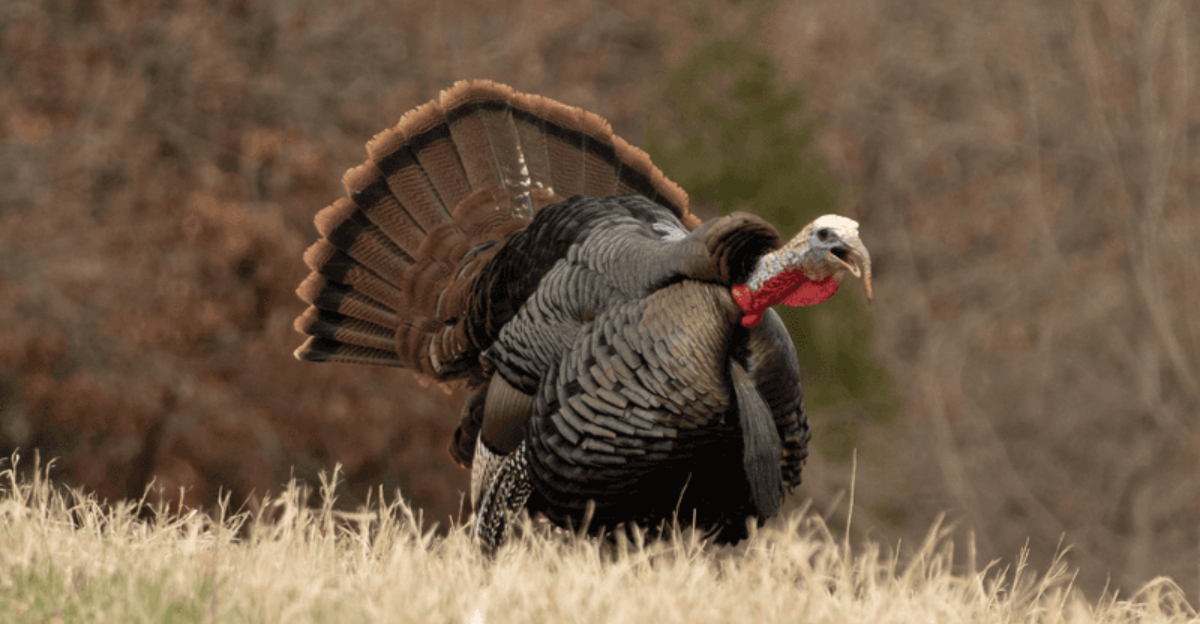
Seeing wild turkeys wander through New York neighborhoods can feel surprising at first, especially when they start showing up regularly near homes and streets.
I’ve noticed that knowing how to react early makes these encounters far less stressful and helps prevent small issues from turning into bigger problems.
With the right approach, it’s possible to keep everyone safe while allowing turkeys to move through residential areas without causing disruption.
1. Keep Your Distance and Stay Calm
Spotting a wild turkey in your New York yard can feel startling, but remaining composed helps prevent unnecessary conflicts with these curious birds.
Turkeys rarely show aggression unless they feel threatened or cornered, so giving them plenty of space allows them to move along naturally.
Most encounters end peacefully when people simply observe from afar without approaching or making sudden movements that might startle the birds.
Children and pets should be kept indoors or closely supervised during turkey visits to avoid accidental confrontations that could escalate quickly.
Maintaining at least fifteen to twenty feet of distance gives turkeys the room they need to feel secure and comfortable.
New York residents often find that turkeys lose interest and wander away when ignored rather than engaged or chased around the property.
Patience and calm observation turn potentially stressful situations into interesting wildlife moments that families can enjoy together safely.
Keeping outdoor areas quiet and predictable helps turkeys pass through without feeling pressured to defend themselves or linger longer than necessary.
Over time, consistent calm responses teach turkeys that residential yards are not places for interaction, reducing repeat visits naturally.
2. Never Feed Wild Turkeys
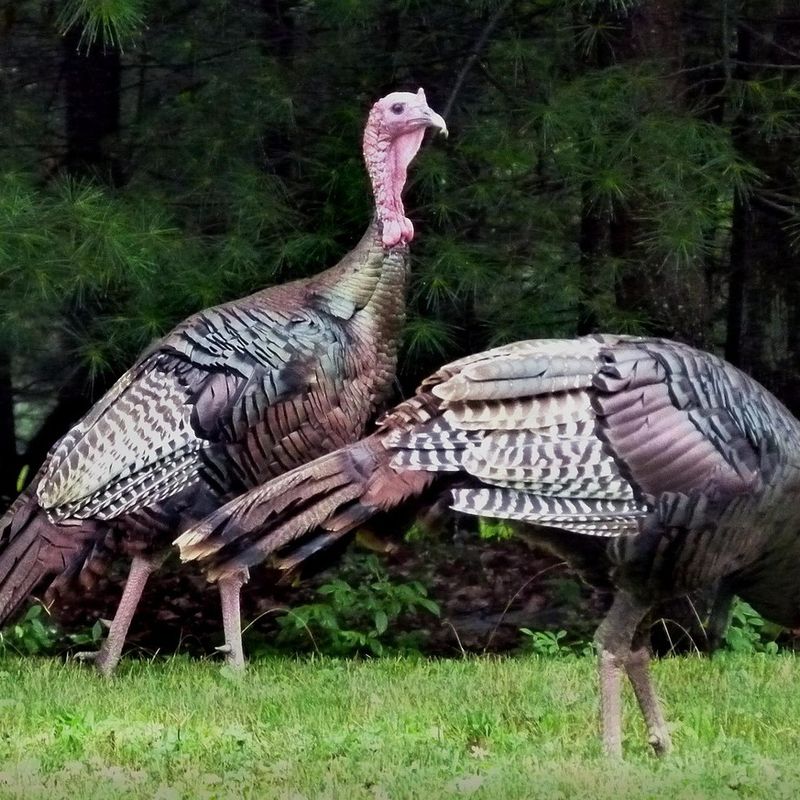
Feeding wild turkeys might seem kind, but this practice creates serious problems for both birds and neighborhoods throughout New York communities everywhere.
When turkeys receive food from humans, they quickly lose their natural wariness and begin seeking out people more aggressively for additional meals.
This habituation leads to bold behavior, including turkeys blocking driveways, pecking at windows, and even charging residents who refuse to provide snacks.
Food provided by humans lacks the nutritional balance turkeys need, potentially causing health issues that weaken their ability to survive harsh winters.
Neighborhoods where feeding occurs often experience larger turkey populations that create more conflicts, property damage, and safety concerns for everyone living nearby.
New York wildlife officials strongly discourage feeding because it disrupts natural foraging behaviors that keep turkey populations healthy and appropriately cautious around humans.
Allowing turkeys to find their own natural food sources maintains the proper balance between wildlife and residential areas for long-term coexistence.
Once feeding stops, turkeys often return to normal movement patterns and spend less time lingering around homes and sidewalks.
Consistent community-wide cooperation is especially important, since even one household feeding turkeys can undo progress made by neighbors nearby.
3. Secure Your Garbage and Compost
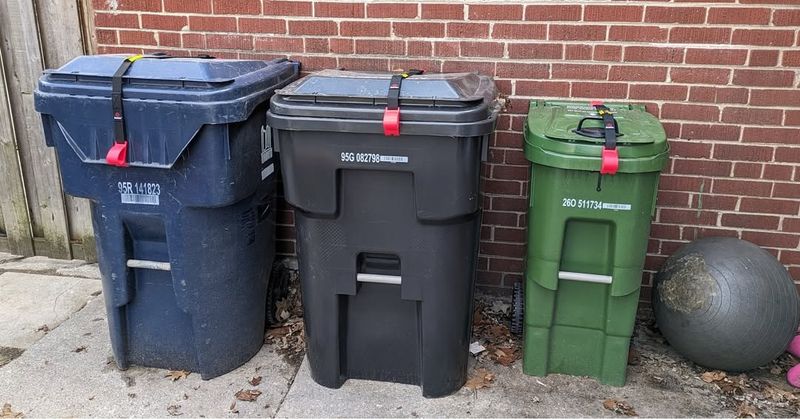
Turkeys possess remarkable intelligence and will quickly discover easy food sources like unsecured garbage cans left sitting outside New York homes each week.
Open trash bins and accessible compost piles attract turkeys searching for vegetable scraps, fruit peels, and other organic materials they consider delicious treats.
Once turkeys learn that your property offers convenient meals, they return repeatedly and bring their entire flock along for the feast.
Investing in sturdy containers with tight-fitting lids or locking mechanisms prevents turkeys from tipping over bins and scattering trash across lawns.
Storing garbage indoors until collection day eliminates temptation entirely, reducing the likelihood that turkeys will view your home as a reliable restaurant.
Compost bins should feature secure covers and wire mesh that blocks turkey access while still allowing proper decomposition of organic materials inside.
New York homeowners who take these simple precautions notice fewer turkey visits and cleaner yards without the mess of scattered garbage everywhere.
Regularly rinsing containers helps remove lingering food odors that can attract turkeys even when lids are secured properly.
When food smells disappear, turkeys tend to move through neighborhoods without stopping to investigate individual yards.
4. Protect Your Garden and Landscaping
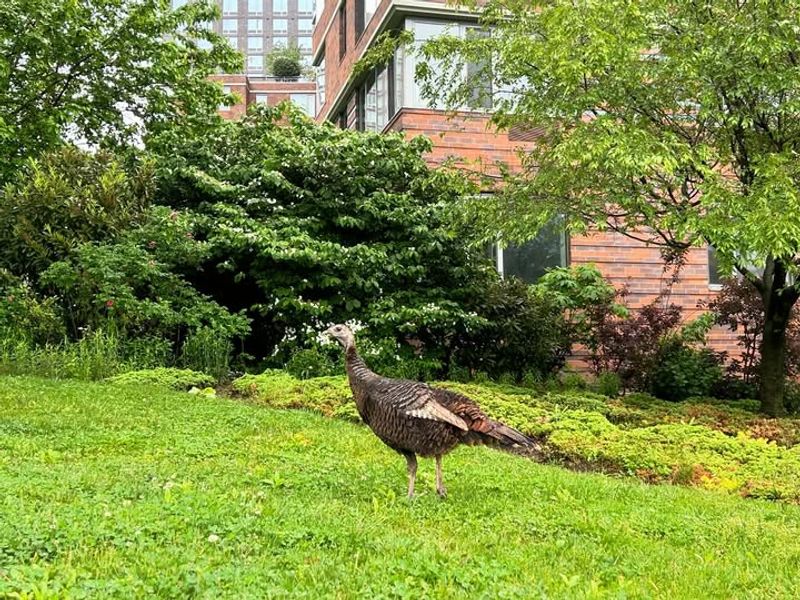
Gardens filled with vegetables, berries, and flowering plants become irresistible buffets for hungry turkeys roaming through New York neighborhoods searching for meals.
These birds enthusiastically peck at tomatoes, strip berry bushes bare, and scratch up freshly planted seedlings while foraging for insects and seeds.
Installing physical barriers like chicken wire fencing, bird netting, or lightweight garden fabric protects valuable plants from turkey damage without harming the birds.
Fences should stand at least four feet tall since turkeys can fly short distances to reach particularly tempting food sources above ground.
Motion-activated sprinklers provide another effective deterrent, startling turkeys with sudden water bursts that encourage them to seek food elsewhere instead.
Reflective tape, old CDs hung on strings, or plastic pinwheels create movement and flashing light that makes turkeys uncomfortable and wary of entering.
New York gardeners who combine multiple protection strategies enjoy better harvest results while peacefully coexisting with local turkey populations throughout the growing season.
Rotating deterrent methods occasionally helps prevent turkeys from becoming accustomed to any single protective measure over time.
Maintaining consistent garden protection early in the season reduces repeat visits and limits long-term damage to plants and soil.
5. Understand Turkey Behavior and Body Language

Learning to read turkey body language helps New York residents anticipate bird behavior and respond appropriately to avoid escalating tense situations unnecessarily.
Turkeys communicate through various postures, sounds, and movements that signal their mood, intentions, and comfort level with nearby humans or animals.
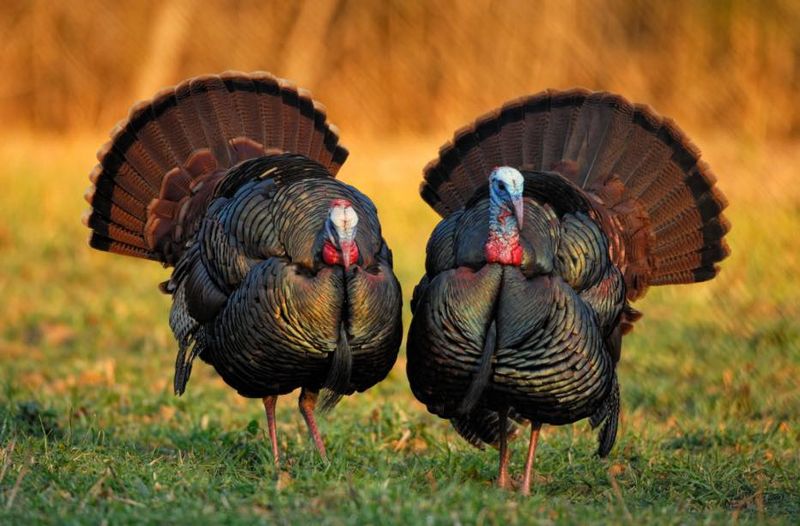
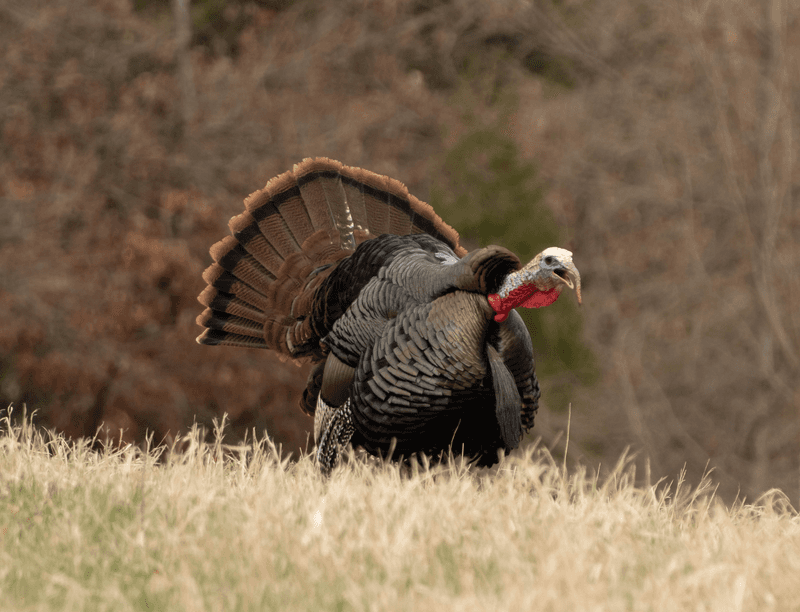
A turkey with fanned tail feathers, lowered wings, and a puffed-up body is displaying dominance or feeling threatened and should be given extra space immediately.
Gobbling, yelping, and purring sounds serve different purposes, from attracting mates to warning others about potential dangers lurking in the area.
Male turkeys, called toms, become especially territorial during spring breeding season and may act more aggressively toward people they perceive as rivals.
Recognizing these seasonal behavior changes allows residents to take extra precautions during months when turkeys feel most defensive about their territory.
New York families who educate themselves about turkey communication find themselves better equipped to predict bird reactions and maintain safe, respectful distances consistently.
Avoiding direct eye contact and slow movements further reduces the chance of a turkey interpreting a human presence as a challenge.
When residents stay aware of these signals, encounters remain calm and turkeys are more likely to move on without incident.
6. Use Deterrents to Discourage Visits
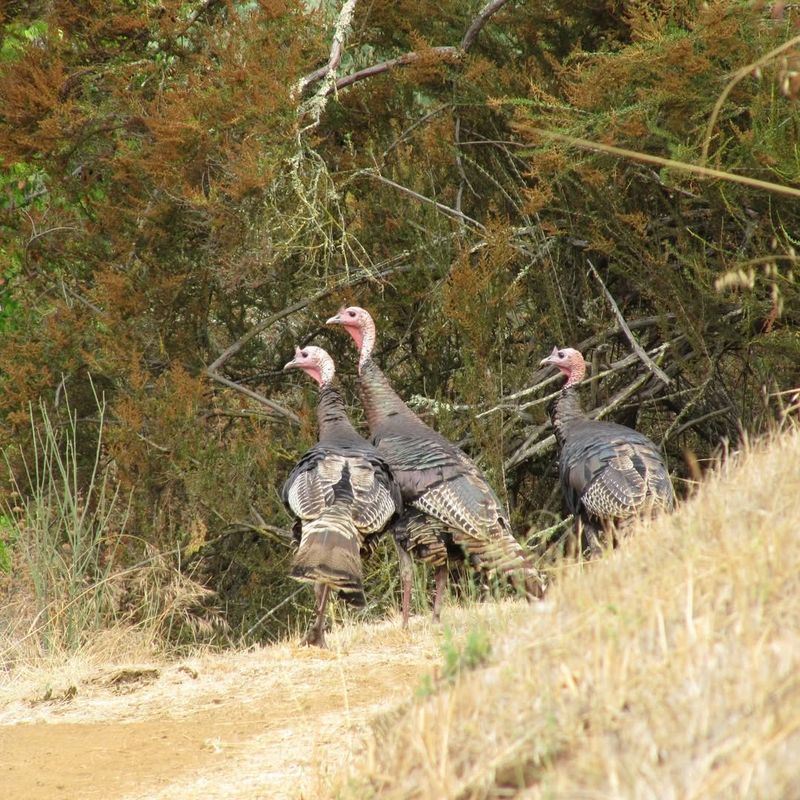
Creating an unwelcoming environment encourages turkeys to choose other locations for their daily activities, reducing conflicts around New York properties and neighborhoods.
Motion-activated devices that produce loud noises, flashing lights, or sudden movements effectively startle turkeys and teach them to avoid treated areas.
Changing deterrent locations and types regularly prevents turkeys from becoming accustomed to specific scare tactics that lose effectiveness over repeated exposure.
Hoses can be used to spray water toward turkeys from a safe distance, creating an unpleasant experience that discourages return visits.
Visual deterrents like scarecrows, inflatable predator decoys, or large balloons with eye patterns tap into turkeys’ natural fear of predators lurking nearby.
Removing low-hanging tree branches and dense shrubs eliminates comfortable roosting spots where turkeys prefer to rest during daytime hours or overnight.
New York homeowners who consistently apply multiple deterrent strategies find that turkeys eventually choose neighboring areas that offer easier access and fewer disturbances.
Consistency matters most, since occasional deterrent use often fails to convince turkeys that an area is truly undesirable.
Over time, repeated disruption encourages turkeys to adjust their routines and avoid yards where disturbances happen regularly.
7. Report Aggressive or Problematic Turkeys
Occasionally, individual turkeys develop unusually bold or aggressive behaviors that pose genuine safety concerns for New York residents, especially children and elderly individuals.
Turkeys that chase people, attack pets, block doorways, or repeatedly charge at vehicles require intervention from trained wildlife management professionals with appropriate expertise.
Documenting problem behaviors with photos, videos, and detailed notes helps officials assess the situation accurately and determine the most appropriate response.
Contacting local animal control, the Department of Environmental Conservation, or wildlife services ensures that trained experts handle difficult situations safely and humanely.
These professionals possess specialized knowledge and tools for managing aggressive turkeys without endangering people or causing unnecessary harm to the birds.
Community-wide reporting also helps officials track turkey population trends and identify neighborhoods where educational outreach or management actions might prevent future conflicts.
New York authorities appreciate detailed reports that include specific locations, dates, times, and descriptions of concerning behaviors observed during turkey encounters recently.
Reporting early often prevents situations from escalating into more dangerous encounters that affect entire neighborhoods.
Timely communication allows wildlife officials to respond proactively rather than after repeated incidents occur.
8. Educate Your Neighbors and Community
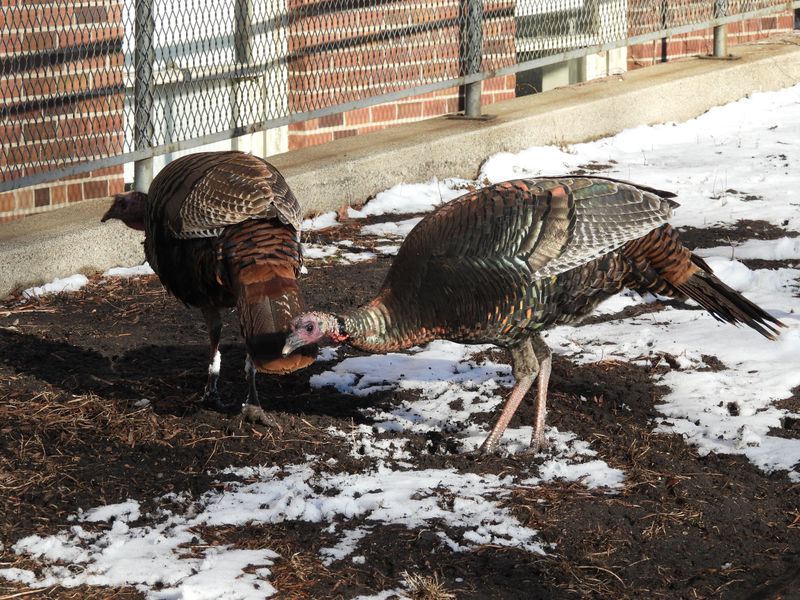
Successful turkey management requires coordinated efforts across entire neighborhoods since individual actions alone cannot address community-wide wildlife challenges effectively in New York.
Sharing information about proper turkey interaction through neighborhood meetings, social media groups, or community newsletters helps everyone adopt consistent, effective practices.
When some residents feed turkeys while others try to discourage them, mixed messages confuse birds and undermine deterrent efforts throughout the area.
Creating educational flyers with simple guidelines for turkey encounters ensures that new residents, renters, and visitors understand appropriate responses to bird sightings.
Organizing community discussions allows neighbors to share experiences, concerns, and successful strategies that have worked well in similar situations elsewhere.
Children benefit especially from age-appropriate education about respecting wildlife, maintaining safe distances, and recognizing potentially dangerous situations that require adult intervention.
New York communities that work together on turkey management experience fewer conflicts and develop stronger neighborhood connections through shared problem-solving efforts consistently.
Clear communication helps align expectations and reduces frustration when wildlife issues affect multiple households at once.
Over time, unified neighborhood habits make residential areas less attractive to turkeys looking for easy food and low resistance.
9. Appreciate the Benefits of Wild Turkeys
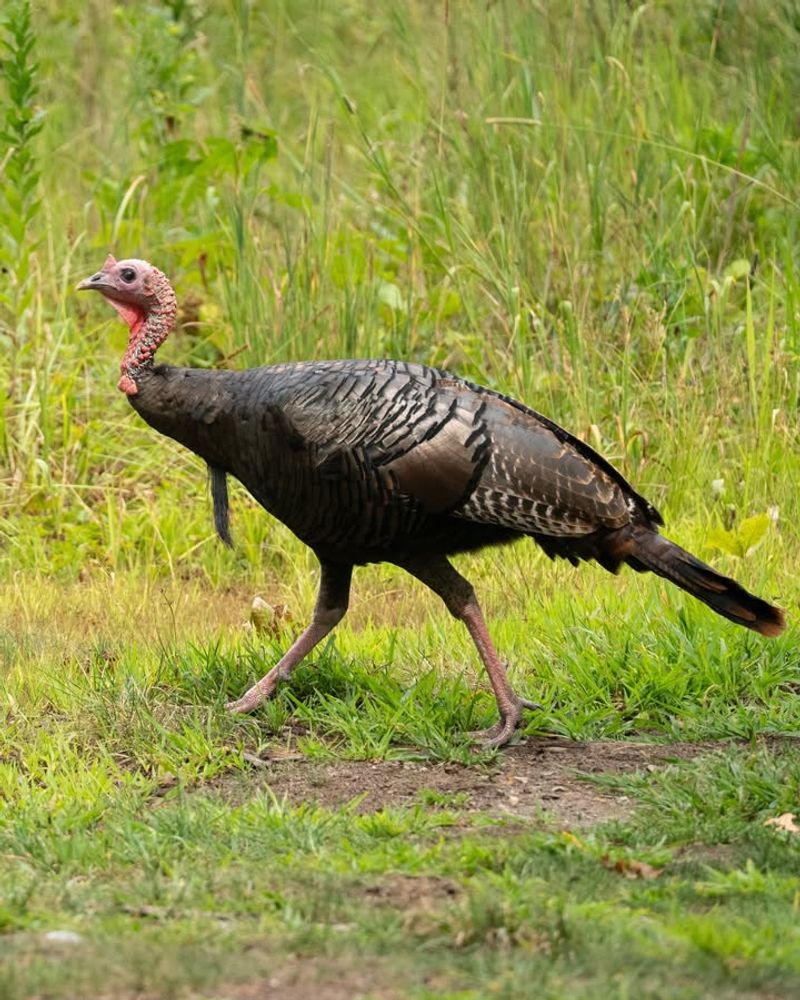
Despite occasional inconveniences, wild turkeys provide valuable ecological benefits that enhance New York neighborhoods in ways many residents never consider or appreciate.
Turkeys consume large quantities of insects, including ticks, beetles, and grasshoppers that damage gardens and spread diseases to humans and pets alike.
Their foraging activities help control pest populations naturally without requiring chemical pesticides that harm beneficial insects and contaminate soil and water.
Watching turkeys interact, raise their young, and navigate urban environments offers unique educational opportunities that connect children and adults with nature.
These impressive birds represent successful conservation efforts, having recovered from near-extinction in New York to thriving populations that demonstrate wildlife resilience.
Turkey presence indicates healthy ecosystems capable of supporting diverse wildlife species that contribute to environmental balance and biodiversity in urban areas.
New York residents who shift perspectives from viewing turkeys as nuisances to appreciating their ecological roles often find greater satisfaction in coexisting peacefully.
Observing wildlife up close can foster greater respect for local ecosystems and encourage more thoughtful outdoor habits among residents.
When communities value these natural interactions, coexistence feels less disruptive and more rewarding over time.