What To Do If You See A Coyote In Your Iowa Yard

Seeing a coyote in your yard can make your heart skip a beat.
One minute everything feels normal, and the next you are facing a wild animal where your kids or pets usually play.
In Iowa, coyotes are not as rare as many people think.
As towns expand and wildlife adapts, these animals are learning to pass through neighborhoods in search of food or shelter.
Most of the time, they want no trouble and are just passing through.
Problems happen when panic sets in or when the wrong move sends the situation sideways.
Knowing how to respond calmly can make the difference between a brief encounter and an ongoing issue.
With a few smart steps, homeowners can protect pets, keep families safe, and encourage coyotes to keep moving without causing harm or unnecessary fear.
Stay Calm And Keep Your Distance
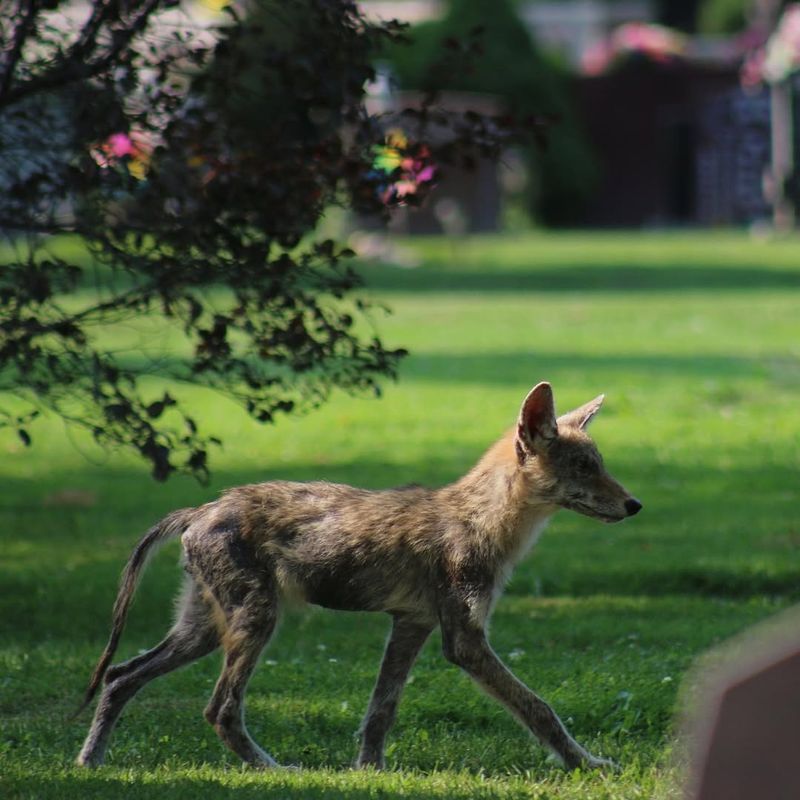
Spotting a coyote in your yard can feel startling, especially if it’s your first time seeing one up close.
Your immediate reaction sets the tone for the entire encounter, so take a deep breath and resist the urge to panic.
Coyotes in Iowa are typically shy creatures that prefer to avoid humans whenever possible.
Most of the time, they wander through yards looking for food like mice, rabbits, or fallen fruit rather than seeking confrontation.
When you remain calm, you’re better able to assess the situation and make smart decisions.
Frantic movements or screaming might confuse the animal or make it feel cornered.
Keeping a safe distance of at least 50 feet gives both you and the coyote space to feel secure.
If you’re indoors when you spot it, stay inside and watch from a window.
If you’re already outside, don’t approach the animal out of curiosity or to take a photo.
Remember that coyotes are wild animals, not pets, and they deserve respect and space.
By staying composed and keeping your distance, you set yourself up for a safe outcome.
This calm approach also prevents the coyote from feeling threatened, which reduces the chance of defensive behavior.
Keep Pets And Children Inside
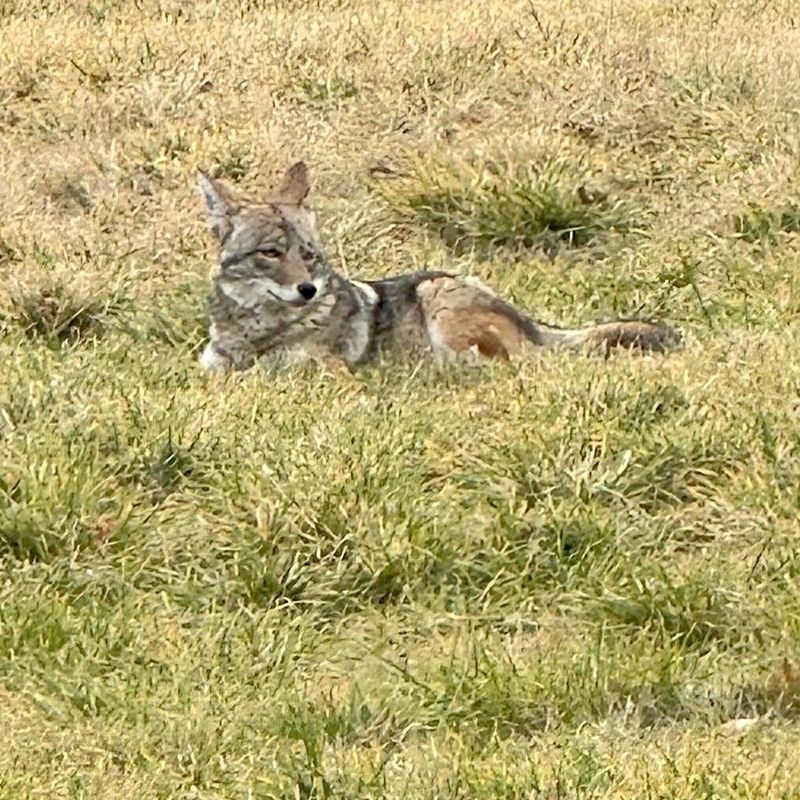
Small dogs and cats can look like prey to a hungry coyote, especially during dawn and dusk when these animals are most active.
Even a well-fed coyote might instinctively chase a running pet because movement triggers their natural hunting response.
Children, particularly toddlers and younger kids, should also be brought inside immediately.
While attacks on humans are extremely rare, young children can act unpredictably, and their smaller size might not register as threatening to a coyote.
Call your pets in a calm but firm voice, and avoid running toward them in a panic.
If your pet is on a leash, gently guide them indoors without jerking or pulling suddenly.
Once everyone is safely inside, you can monitor the coyote from behind the safety of your windows.
This simple action protects your loved ones and prevents the coyote from associating your yard with an easy meal.
Many pet injuries happen because owners underestimate how quickly a coyote can move.
Even medium-sized dogs can be at risk if the coyote feels bold or if there’s more than one coyote nearby.
Taking this precaution seriously can prevent a tragic situation and keeps your family safe.
It also gives you time to decide your next steps without worrying about vulnerable family members.
Do Not Run Toward Or Away From It

Running triggers a chase instinct in many predators, and coyotes are no exception to this rule.
If you sprint away, the coyote might interpret your movement as prey behavior and follow out of curiosity or instinct.
On the flip side, running toward the animal can also escalate the situation unpredictably.
While some coyotes will flee immediately, others might feel cornered or threatened and react defensively.
The best approach is to stand your ground calmly and avoid sudden movements.
Think of yourself as a statue—firm, upright, and non-threatening but also not vulnerable.
If the coyote is simply passing through, it will likely move on without incident.
Your stillness communicates that you’re not a threat but also not something to mess with.
This balanced approach works well because it doesn’t provoke fear or aggression.
Many wildlife experts recommend staying put until the coyote leaves on its own or until you can safely back away.
If you’re on a walk and encounter one, stop moving and assess the situation before taking any action.
Patience is your ally here, and most encounters resolve themselves within a few minutes when you stay calm and motionless.
Make Yourself Look Larger And Make Noise
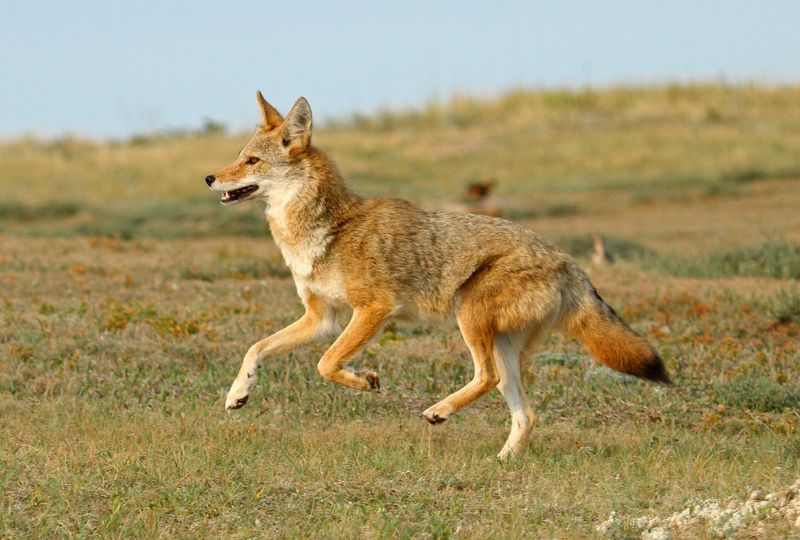
Hazing is a technique recommended by the Iowa Department of Natural Resources to teach coyotes that humans are not to be messed with.
The goal is to scare the coyote away and reinforce its natural fear of people.
Start by making yourself appear as large as possible—raise your arms above your head, open your jacket, or hold up a bag.
Pair this with loud, assertive noises like shouting, clapping, or banging pots and pans together.
You can also stomp your feet or use a whistle if you have one handy.
The idea is to be intimidating without being aggressive or harmful.
Most coyotes will turn and leave quickly when confronted with this kind of display.
If the coyote hesitates or doesn’t leave right away, keep up the noise and movement until it retreats.
Never throw anything directly at the animal, but tossing small objects near it can reinforce the message.
This method works because it taps into the coyote’s instinct to avoid danger and confrontation.
Consistent hazing from multiple people in a neighborhood teaches coyotes to stay away from human spaces.
It’s one of the most effective non-harmful ways to manage wildlife behavior and protect your community.
Remove Food Sources From The Yard
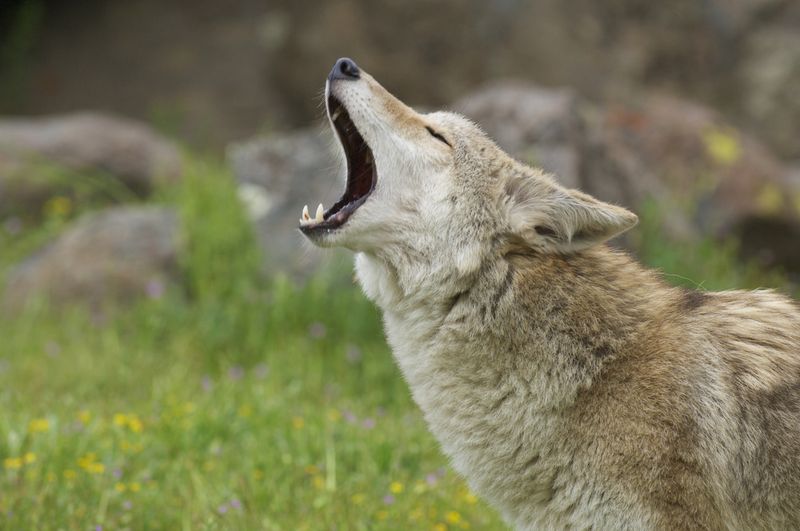
Coyotes are opportunistic eaters, meaning they’ll take advantage of any easy meal they can find.
Pet food left outside, birdseed scattered on the ground, and fallen fruit from trees are all invitations for a coyote to visit.
Even something as simple as a full bird feeder can attract rodents, which in turn attract coyotes looking for a snack.
Walk around your yard and identify anything that might be drawing wildlife in.
Bring pet dishes inside after feeding times, and avoid leaving water bowls out overnight.
If you have fruit trees, pick up any fallen apples, pears, or berries regularly.
Compost piles that contain food scraps should be managed carefully or enclosed in secure bins.
By removing these attractants, you make your yard less appealing to coyotes and encourage them to move on.
It’s also helpful to trim bushes and shrubs that provide cover where coyotes might hide or den.
A tidy, well-maintained yard sends a clear message that there’s nothing of interest here.
This step is one of the most important long-term strategies for preventing future encounters.
When coyotes learn that your property offers no food, they’ll stop coming around and focus their energy elsewhere.
Secure Trash And Compost Bins

Garbage cans and compost bins are like all-you-can-eat buffets for hungry coyotes, especially during colder months when food is scarce.
These animals are incredibly smart and will quickly learn which homes offer easy access to leftovers.
Unsecured trash bags left on the curb overnight are an open invitation, and coyotes can tear through plastic in seconds.
Invest in trash cans with locking lids or bungee cords that keep the tops firmly in place.
Store your bins in a garage or shed if possible, and only put them out on the morning of pickup rather than the night before.
Compost bins should have secure lids and be placed away from the edge of your property.
If you compost food scraps, consider using a tumbler-style bin that’s harder for animals to access.
Avoid putting meat, dairy, or greasy foods in your compost, as these smells are especially attractive to coyotes.
Rinse out containers before tossing them in the recycling to reduce odors.
These small changes make a huge difference in keeping wildlife out of your yard.
When your neighbors also secure their trash, the entire neighborhood becomes less appealing to coyotes.
It’s a simple step that protects everyone and reduces conflict between humans and wildlife.
Back Away Slowly If The Coyote Approaches
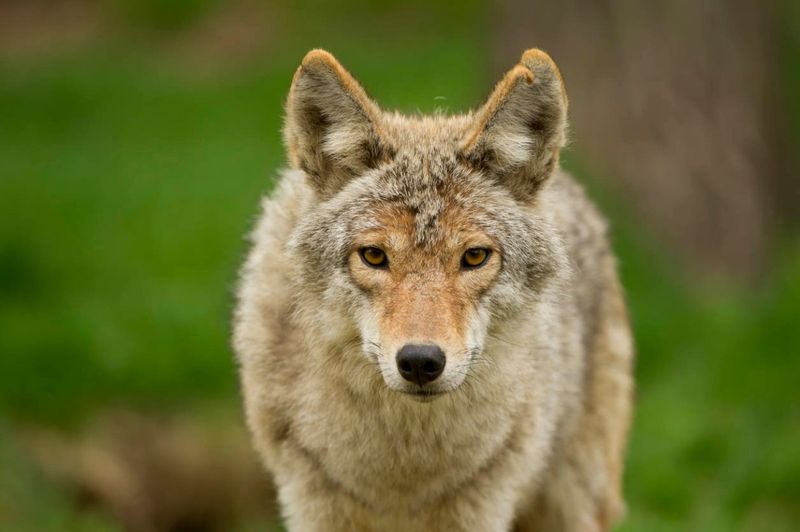
If a coyote starts moving toward you, it’s usually out of curiosity rather than aggression, but you still need to respond carefully.
Never turn your back on the animal or break eye contact, as this can signal weakness or trigger a chase response.
Instead, face the coyote and begin backing away slowly and deliberately.
Keep your movements smooth and controlled, avoiding any sudden gestures that might startle it.
Continue to make yourself look large and make noise as you retreat.
The goal is to create distance while still appearing confident and non-threatening.
If the coyote continues to follow, stop backing up and increase your hazing efforts—shout louder, wave your arms more vigorously, and throw objects near it.
Most coyotes will lose interest and wander off once they realize you’re not an easy target.
If you’re near a building, back toward the door and get inside as soon as it’s safe.
This measured response shows the coyote that you’re aware of its presence and won’t tolerate being approached.
It’s a balance between not showing fear and not provoking unnecessary conflict.
In nearly all cases, the coyote will retreat once it realizes you’re not prey or a food source.
Report Unusual Or Aggressive Behavior
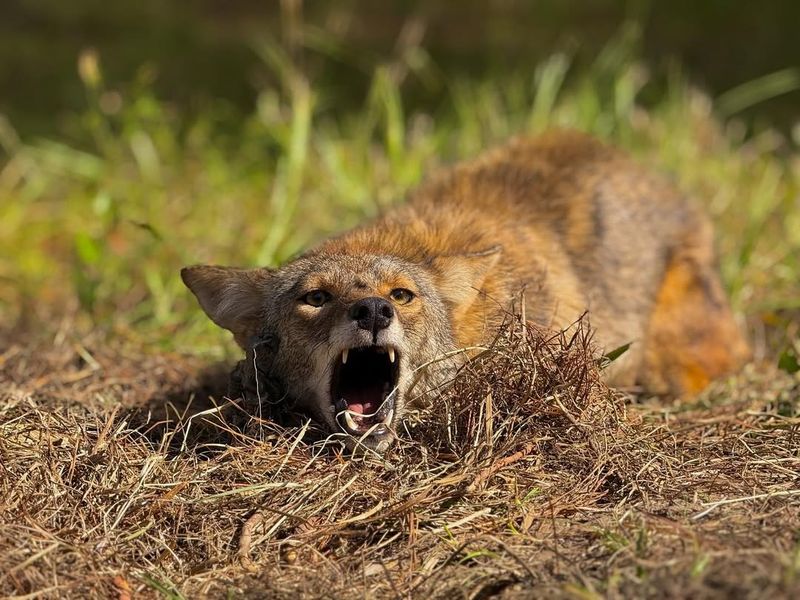
While most coyote encounters are harmless, certain behaviors warrant a call to local authorities or the Iowa Department of Natural Resources.
If a coyote approaches you without fear, refuses to leave after hazing, or acts aggressively, it’s time to report the incident.
Coyotes that are active during the day aren’t necessarily a concern, but those that seem unusually bold or unafraid of people might pose a risk.
Contact your local animal control office or county conservation board and provide details about the encounter.
Let them know the date, time, location, and what the coyote was doing when you saw it.
If the animal appeared sick, injured, or was behaving erratically, mention that as well.
Wildlife officials can assess the situation and determine whether intervention is necessary.
In some cases, they might increase monitoring in your area or provide additional guidance to residents.
Reporting also helps track coyote populations and behavior patterns across the state.
Your information contributes to community safety and better wildlife management.
Don’t hesitate to call even if you’re unsure whether the behavior was truly unusual—it’s better to be cautious.
Authorities would rather receive a call about a harmless sighting than miss a report about a potentially dangerous animal.
Never Feed A Coyote On Purpose Or By Accident
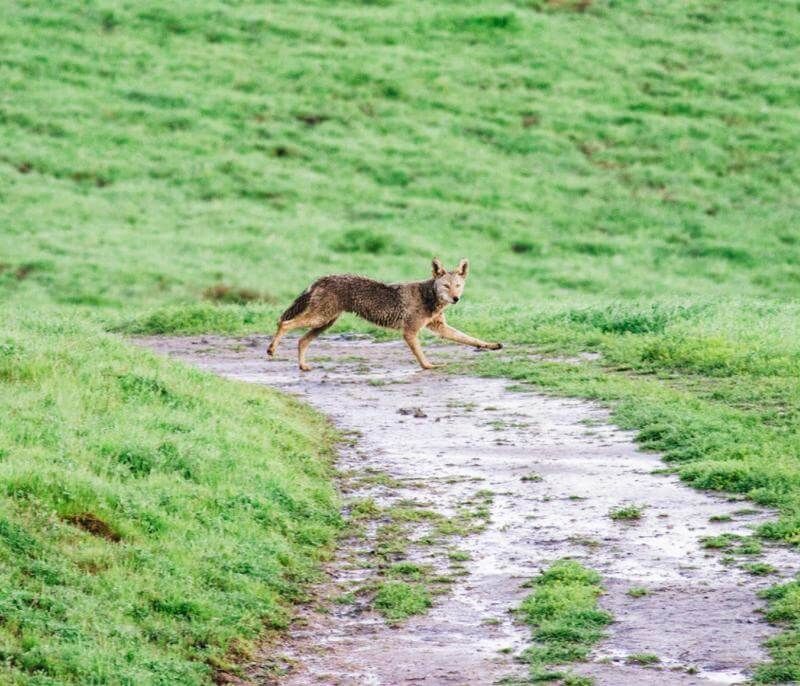
Feeding wild animals, whether intentionally or accidentally, is one of the worst things you can do for both the animal and your community.
When coyotes learn to associate humans with food, they lose their natural fear and become bold, which often leads to dangerous encounters.
Some people mistakenly think leaving out scraps or pet food is harmless, but it teaches coyotes to come back for more.
Once a coyote becomes habituated to human-provided food, it’s difficult to reverse that behavior.
These animals may start approaching people, entering yards frequently, or even acting aggressively when food isn’t available.
Accidental feeding happens when pet food, garbage, or compost is left accessible.
Even bird feeders can indirectly attract coyotes by drawing in smaller animals that coyotes hunt.
Educate your family, especially children, about the importance of not feeding wildlife under any circumstances.
If you see neighbors feeding coyotes, kindly explain the risks and encourage them to stop.
Communities that work together to eliminate food sources see far fewer coyote problems.
Feeding might seem kind in the moment, but it ultimately harms the animal and puts people and pets at risk.
Respecting wildlife means letting them find their own food in their natural habitat.
Educate Neighbors And Stay Aware
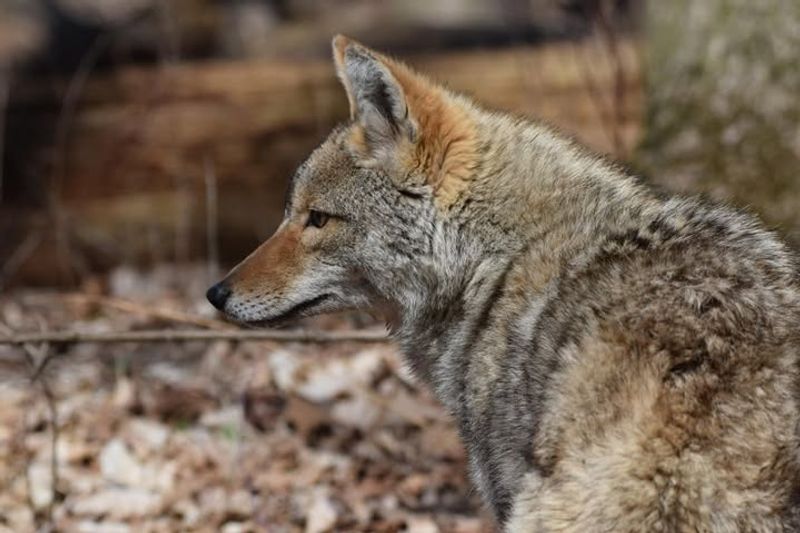
Coyote management works best when entire neighborhoods are on the same page, sharing information and strategies.
Talk to your neighbors about your sighting and encourage them to take similar precautions with food, trash, and pets.
Consider starting a neighborhood group chat or email list to share updates about wildlife activity in your area.
When everyone works together, coyotes learn that human spaces are not welcoming, and they move on to more natural habitats.
Share tips about hazing, securing food sources, and keeping pets safe during high-activity times like dawn and dusk.
Community awareness also helps identify patterns, such as a coyote den nearby or a particular animal that’s becoming too comfortable around people.
Staying aware means paying attention to your surroundings when you’re outside, especially during twilight hours.
Keep an eye on your pets when they’re in the yard, and supervise children during outdoor play.
Install motion-activated lights around your property to deter nighttime visitors.
Education and vigilance are powerful tools that protect everyone without harming wildlife.
The more informed your community is, the safer and more harmonious the relationship between humans and coyotes will be.
Working together creates a stronger, more wildlife-aware neighborhood for the long term.