What To Do If You See Wild Turkeys In Pennsylvania Neighborhoods
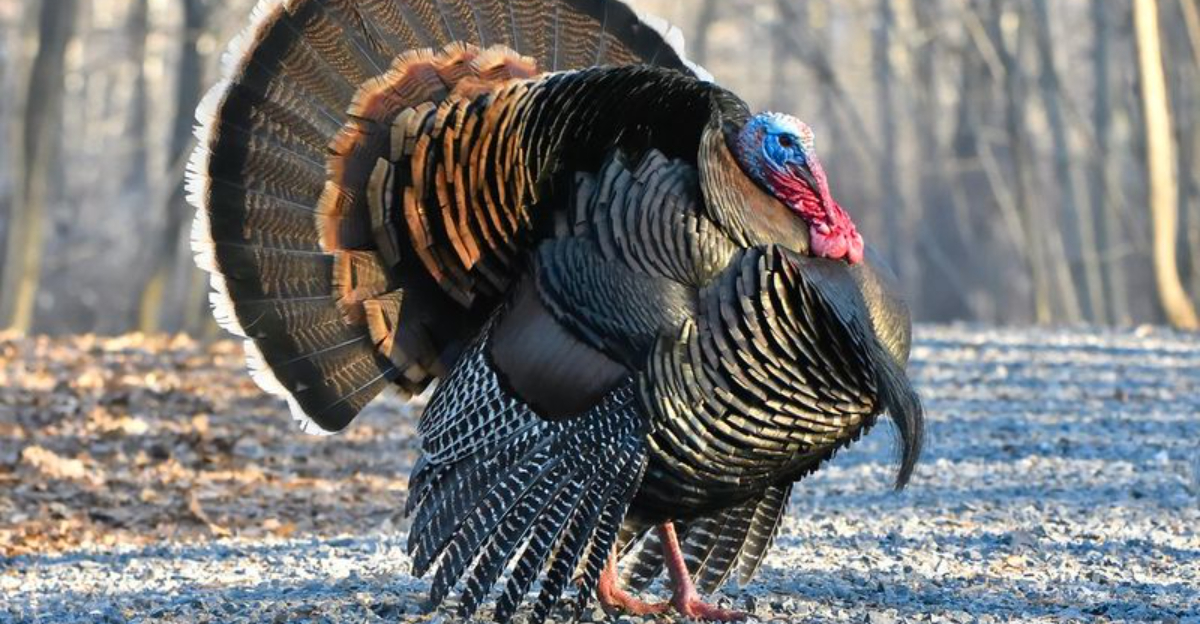
Wild turkeys have become a familiar sight in many Pennsylvania neighborhoods, especially during fall and winter.
Their size, confidence, and lack of fear can surprise residents who expect wildlife to stay in rural areas.
When turkeys move through yards and streets, calm responses matter more than quick reactions.
These birds follow food sources and travel routes, not property lines or schedules.
The safest approach focuses on distance and consistency.
Give turkeys plenty of space and keep pets indoors or on a leash.
Remove attractants such as spilled bird seed or accessible food scraps that encourage repeat visits.
If a turkey lingers, slow movements and steady posture help discourage close contact without causing panic.
Direct eye contact and firm presence can signal boundaries when needed.
Pennsylvania law protects wild turkeys, which limits how residents may respond.
Keep Your Distance And Observe From Afar

Wild turkeys might look calm and unbothered, but getting too close can startle them or make them feel threatened.
When you spot turkeys in your neighborhood, the best approach is to stop and watch from at least 20 to 30 feet away.
This distance gives the birds space to move freely without feeling cornered.
Turkeys have sharp talons and powerful beaks that they use for defense when scared.
Males, especially during spring mating season, can become aggressive if they think you are challenging them.
Watching from a window or your porch is even better than approaching on foot.
Binoculars can help you see details like feather patterns and behaviors without disturbing the flock.
Taking photos is fine, but avoid using flash or making sudden movements.
Remember, wild animals deserve respect and space.
By keeping your distance, you protect both yourself and the turkeys.
Pennsylvania wildlife officials encourage residents to enjoy these birds from afar rather than attempting to interact with them.
Patience and observation teach us more than close contact ever could.
Never Feed Turkeys Or Leave Food Outside
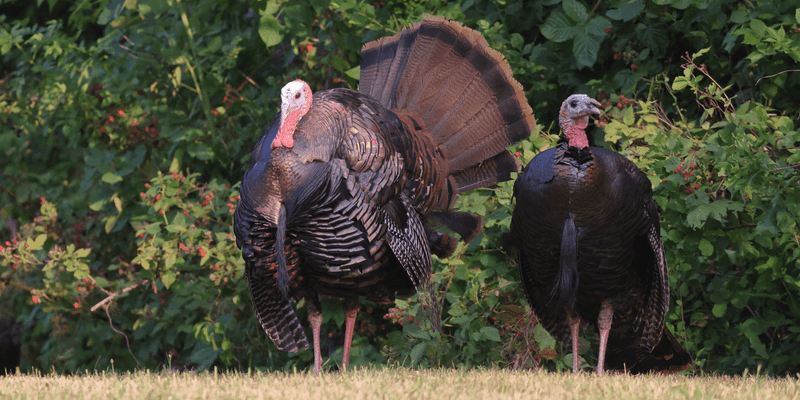
Feeding wild turkeys might seem kind, but it causes serious problems for both the birds and your community.
Turkeys that receive food from humans lose their natural fear and start seeing people as a source of meals.
This behavior leads to aggressive encounters, property damage, and birds that refuse to leave residential areas.
Once turkeys learn to associate humans with food, they may approach strangers, peck at cars, or block driveways demanding snacks.
Bird feeders intended for songbirds also attract turkeys, so consider removing them temporarily if flocks become a nuisance.
Pet food left outside, garbage bins without secure lids, and compost piles can all draw turkeys closer to your home.
Make sure trash cans have tight covers and clean up any spilled seed or food scraps promptly.
Turkeys naturally forage for insects, seeds, berries, and plants found in the wild.
They do not need human help to survive.
Pennsylvania law also discourages feeding wildlife because it disrupts natural behaviors and can spread disease among animal populations.
Protecting turkeys means allowing them to remain truly wild.
Make Noise And Act Assertive If They Approach
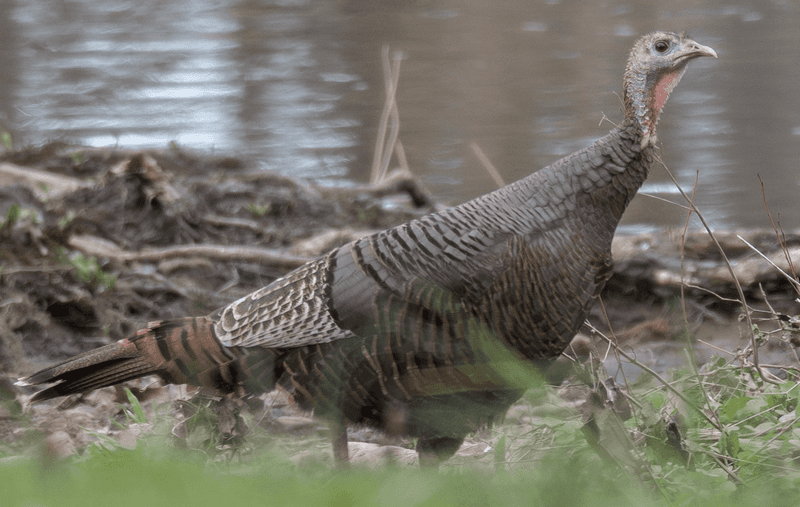
Sometimes turkeys wander too close for comfort, especially if they have grown used to people.
When a turkey approaches you or enters your personal space, stand tall and make yourself appear larger by raising your arms.
Clap your hands loudly, stomp your feet, or shout firmly to send a clear message that you are not afraid.
Turkeys respect confidence and will usually back away from someone who acts assertively.
Avoid turning your back or running away, as this can trigger a chase response.
Instead, face the bird directly and continue making noise until it moves off.
You can also open an umbrella suddenly or shake a jacket to startle the turkey without causing harm.
Teaching children these techniques is important, since kids may freeze or cry when confronted by a large bird.
Practice with your family so everyone knows how to respond calmly and confidently.
Consistent assertive behavior from humans helps turkeys maintain their natural wariness.
Over time, flocks learn which areas to avoid and which spaces belong to people.
This balance keeps neighborhoods safer and more peaceful for everyone.
Protect Pets And Supervise Outdoor Time
Cats and small dogs can seem like threats or prey to wild turkeys, depending on the situation.
Turkeys have been known to chase pets that bark, run toward them, or act curious.
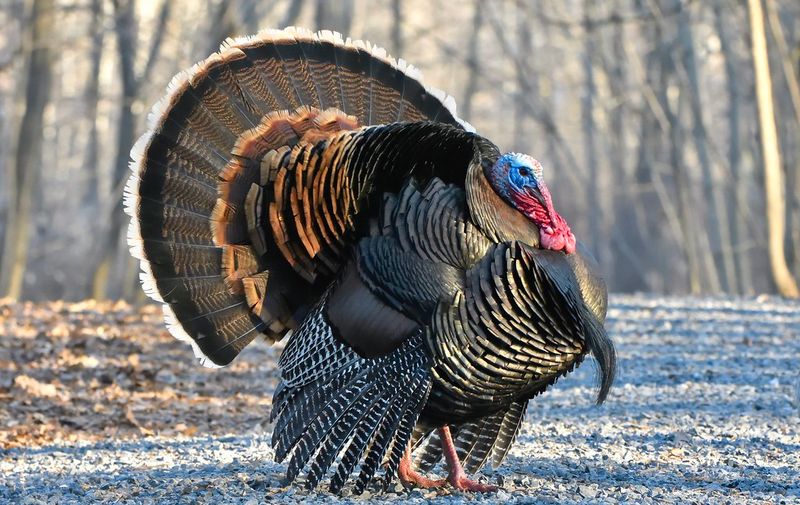
Large toms can weigh over 20 pounds and stand nearly four feet tall, making them intimidating opponents for even medium-sized dogs.
Always supervise your pets when turkeys are nearby, and keep dogs on a leash during walks through areas where flocks gather.
Cats should stay indoors or in secure outdoor enclosures to prevent confrontations.
Turkeys are protective of their young in spring and summer, so hens with poults may act more defensively than usual.
If your pet does encounter a turkey, do not let them chase or harass the bird.
This stresses the animal and can lead to injuries on both sides.
Training your dog to ignore wildlife and respond to recall commands is essential for peaceful coexistence.
Fenced yards offer some protection, but turkeys can fly short distances and may enter if motivated by food or curiosity.
Checking your yard before letting pets out is a simple habit that prevents surprise encounters.
Secure Your Yard And Remove Attractants
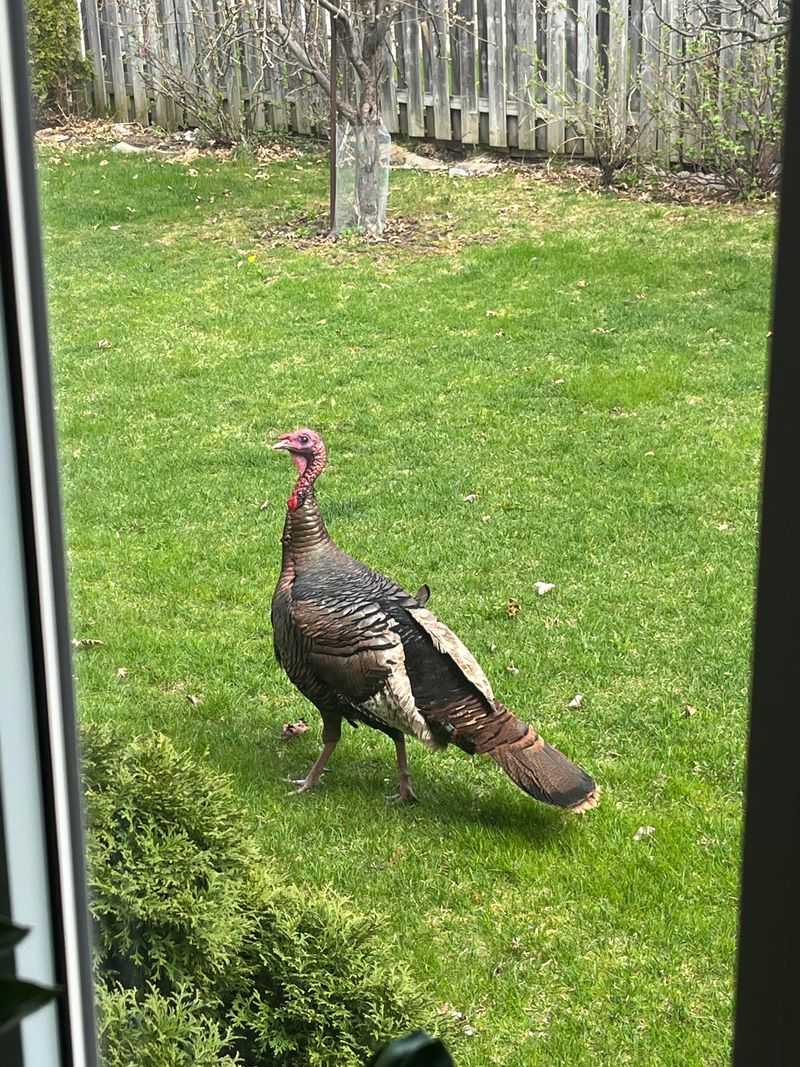
Your property might unintentionally invite turkeys to stick around longer than you would like.
Tall grass, overgrown shrubs, and piles of leaves provide shelter and nesting spots that turkeys find appealing.
Regular lawn maintenance and trimming bushes reduce hiding places and make your yard less attractive to flocks.
Gardens with ripe vegetables or fruit trees also draw turkeys looking for easy meals.
Consider fencing gardens or using netting to protect crops during peak foraging seasons.
Water sources like birdbaths, ponds, or pet bowls left outside can attract thirsty turkeys, especially during dry spells.
Covering or draining these features temporarily may encourage birds to move along.
Shiny objects, motion-activated sprinklers, and reflective tape can deter turkeys by creating unpredictable movements and sounds.
These deterrents work best when rotated regularly so birds do not become accustomed to them.
Keeping garage doors closed and securing sheds prevents turkeys from roosting in sheltered spaces overnight.
A clean, well-maintained yard sends a clear message that your property is not a turkey-friendly zone.
Consistency is key, so maintain these practices throughout the year.
Teach Children How To React Safely
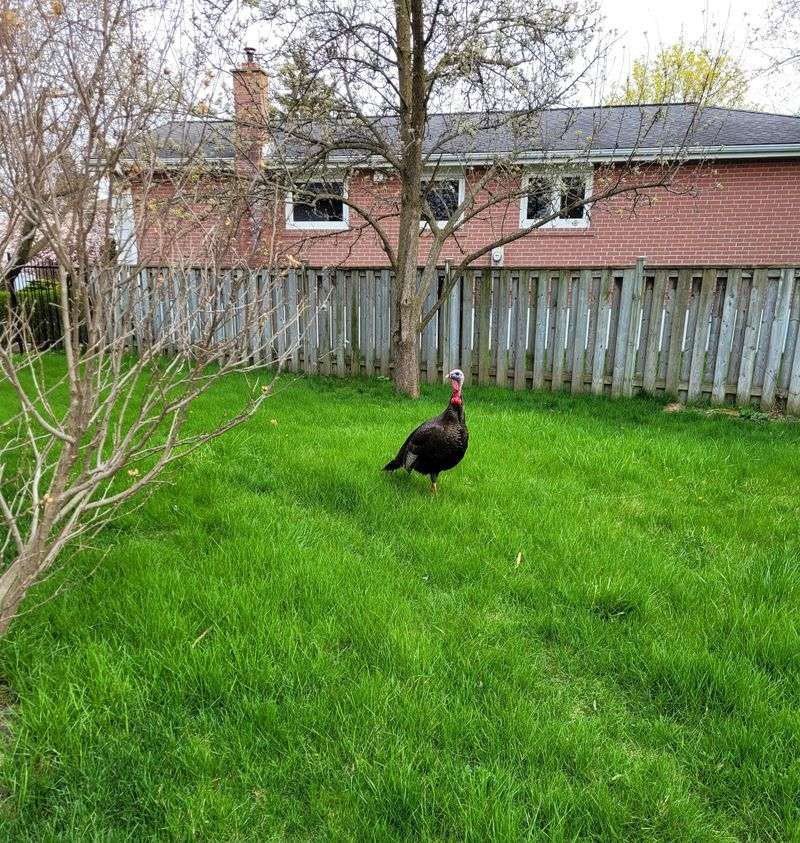
Kids often feel excited or scared when they see large wild birds up close.
Teaching them proper behavior around turkeys is crucial for their safety and confidence.
Explain that turkeys are wild animals that should never be chased, touched, or teased.
Children should know to stay calm, avoid screaming, and slowly back away if a turkey comes near.
Role-playing different scenarios at home helps kids practice what to do without the pressure of a real encounter.
Encourage them to alert an adult immediately if they spot turkeys while playing outside.
Young children should never approach turkeys alone, even if the birds seem friendly or curious.
Remind kids that throwing objects at wildlife is dangerous and disrespectful.
Instead, they can watch quietly and share what they observe later.
Schools and community centers in Pennsylvania sometimes offer wildlife education programs that teach children about local animals.
These programs build respect for nature and help kids understand why wild animals need space.
Parents can also use turkey sightings as teaching moments to discuss ecosystems, habitats, and responsible behavior outdoors.
Empowering children with knowledge reduces fear and promotes coexistence.
Report Aggressive Or Injured Turkeys To Authorities
Most turkeys avoid conflict and move on quickly, but occasionally a bird may behave unusually or appear sick.
Aggressive turkeys that repeatedly chase people, attack cars, or refuse to leave despite deterrents should be reported.
Contact the Pennsylvania Game Commission, which manages wildlife across the state and can provide guidance or intervention.
Injured turkeys, those with visible wounds, limping, or showing signs of illness also need professional attention.
Do not attempt to capture or treat an injured bird yourself, as this can worsen its condition or put you at risk.
Wildlife rehabilitators and game officers have the training and equipment to handle these situations safely.
When reporting, provide details like the location, time, number of birds, and specific behaviors you observed.
Photos or videos can help officials assess the situation more accurately.
Persistent problems may require relocation or other management strategies carried out by trained professionals.
Remember that turkeys are protected under Pennsylvania law, so only authorized personnel can take action.
Reporting issues promptly helps maintain balance between wildlife and human communities.
Your observations contribute to better understanding and management of turkey populations statewide.
Understand Seasonal Behavior And Patterns
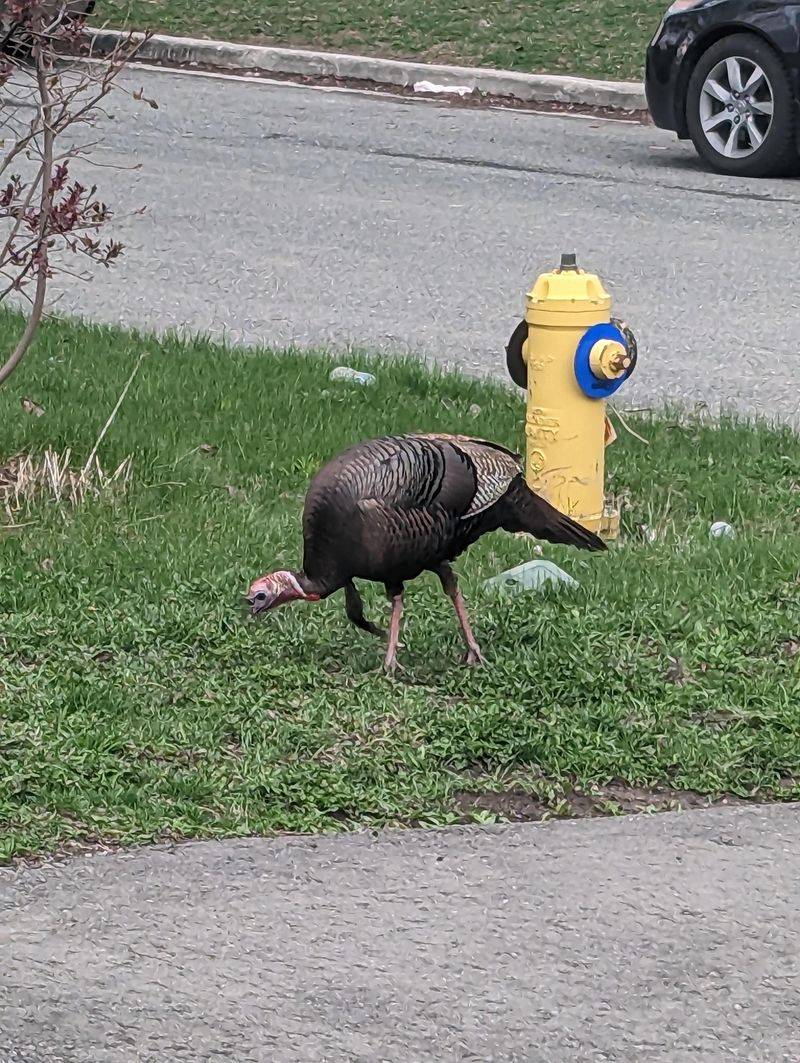
Turkey behavior changes throughout the year, and understanding these patterns helps you anticipate and respond appropriately.
Spring mating season, roughly March through May, brings the most dramatic changes in turkey activity.
Male turkeys, called toms, become territorial and aggressive as they compete for mates.
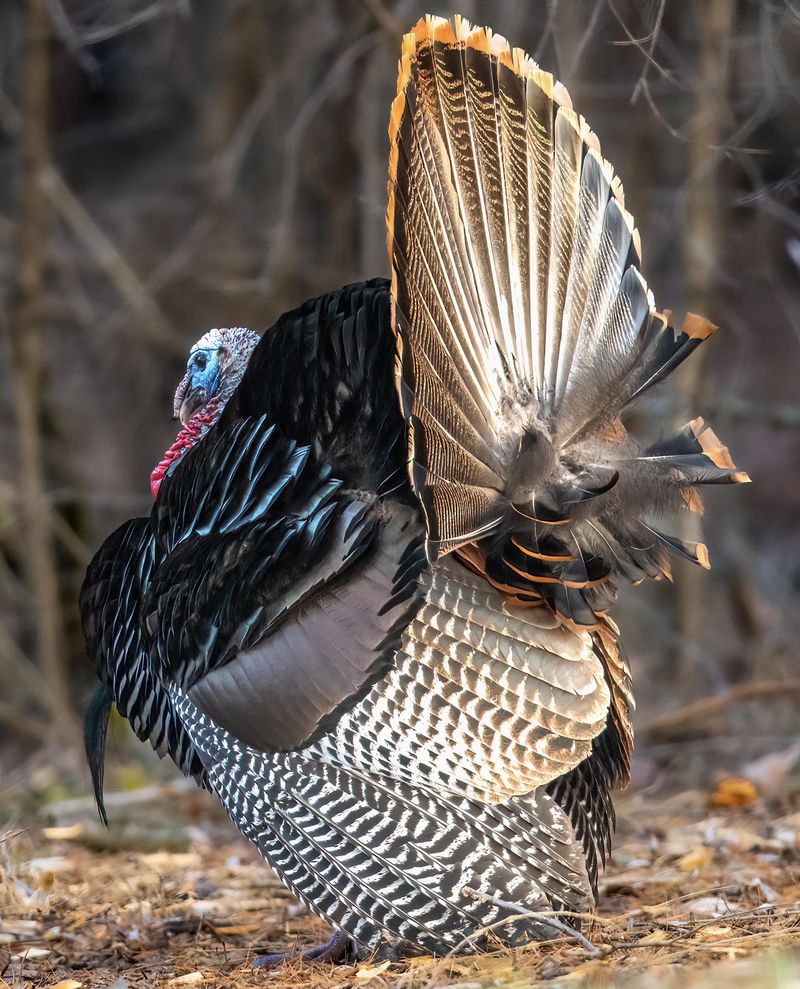
You might see toms puffing up, fanning their tail feathers, and strutting to impress females.
During this time, they may challenge their own reflections in windows, car mirrors, or shiny surfaces.
Covering reflective surfaces temporarily can reduce this behavior.
Summer brings hens with young poults, and mothers become highly protective of their babies.
Give family groups extra space and avoid approaching nests or young birds.
Fall and winter see turkeys forming larger flocks as they forage for food and seek shelter.
Cold weather may drive them closer to homes where food and warmth are more accessible.
Knowing what to expect each season allows you to prepare and adjust your routines accordingly.
Pennsylvania residents who track these patterns often find it easier to coexist peacefully with their feathered neighbors.
Seasonal awareness turns potential conflicts into opportunities for wildlife appreciation.