What To Do In April For More Blooms From North Carolina Perennials
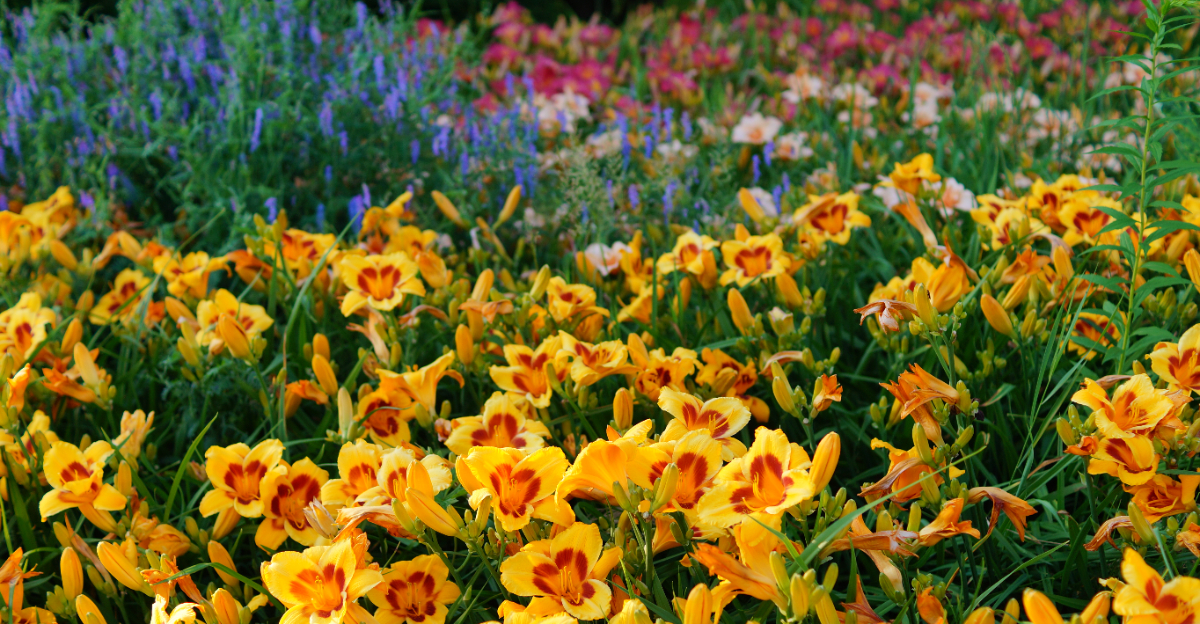
April is a key month for North Carolina gardeners who want their perennials to put on a strong, colorful show later in the season. As temperatures warm and plants wake up from winter, the care you give them now can shape how well they grow and bloom.
It’s the perfect time to clean up beds, refresh the soil, and give plants the support they need before the heat of summer sets in. Small tasks done in April can lead to fuller plants, brighter flowers, and longer bloom times.
From feeding and dividing to checking for early growth, each step helps build a healthier garden. Whether you’re tending a few favorite plants or a full landscape, this is when your effort really counts.
A little attention now can turn into a season filled with color and life.
1. Clean Up Old Growth Without Cutting New Shoots
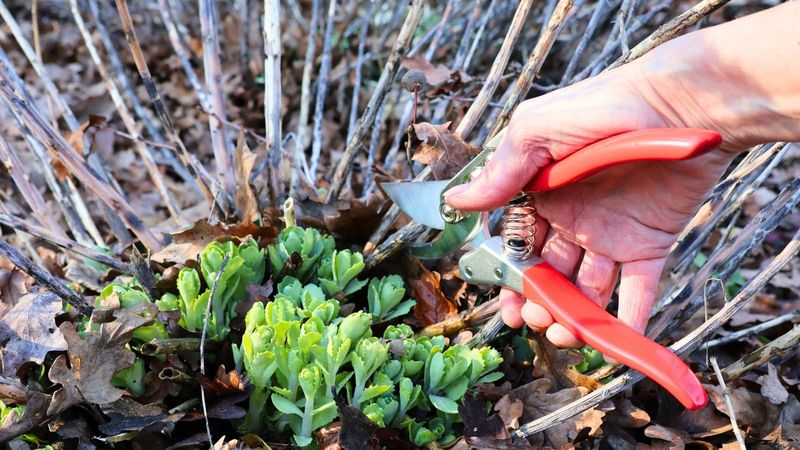
Old stems from last season might look messy, but they actually protected your plants through winter. Now that April has arrived in North Carolina, those stems have done their job, and it is time to clear them away so fresh growth can take center stage.
The key here is paying close attention to what you are removing.
Many perennials, including coneflowers and black-eyed Susans, are already pushing up bright green shoots at the base of the plant. Cutting too aggressively at this stage can accidentally remove new growth that took weeks to develop.
Work slowly, use clean pruning scissors, and cut only the brown, dried material sitting above the fresh growth.
North Carolina gardens, especially in the Piedmont and Coastal Plain, warm up quickly once March ends. That means new shoots can appear faster than you expect, sometimes before you even notice them.
Getting on your knees and looking closely at the base of each plant before cutting is always worth the extra minute. Removing old growth also improves airflow around stems, which helps reduce fungal problems as humidity rises through spring.
A tidy garden bed in April sets the tone for a healthy, bloom-filled season ahead.
2. Divide Overcrowded Perennials Early In The Season
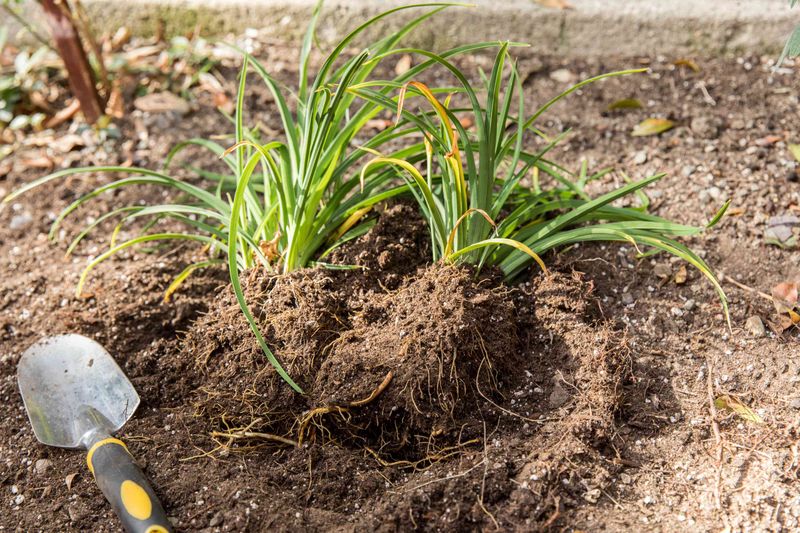
Daylilies that have not been divided in three or four years start to look crowded and bloom less with each passing season. The same goes for coneflowers, hostas, and Shasta daisies.
When too many roots compete for the same patch of soil, the whole plant suffers and flower production drops noticeably.
April is the sweet spot for dividing perennials across North Carolina. The weather is mild, the soil has warmed up enough to work easily, and plants have not yet put all their energy into tall new growth.
Using a sharp garden fork, lift the entire clump from the ground and gently pull or cut it into sections, making sure each section has healthy roots and a few shoots attached.
Replant the divisions right away so the roots do not dry out. Water them in deeply and add a thin layer of compost around each new planting.
North Carolina’s spring weather gives divided plants just enough time to settle in before summer heat arrives. You will likely notice stronger stems and more flower buds forming within just a few weeks.
Dividing perennials is one of the simplest ways to multiply your plants and boost bloom counts without spending extra money at the garden center.
3. Apply Compost Instead Of Heavy Fertilizer
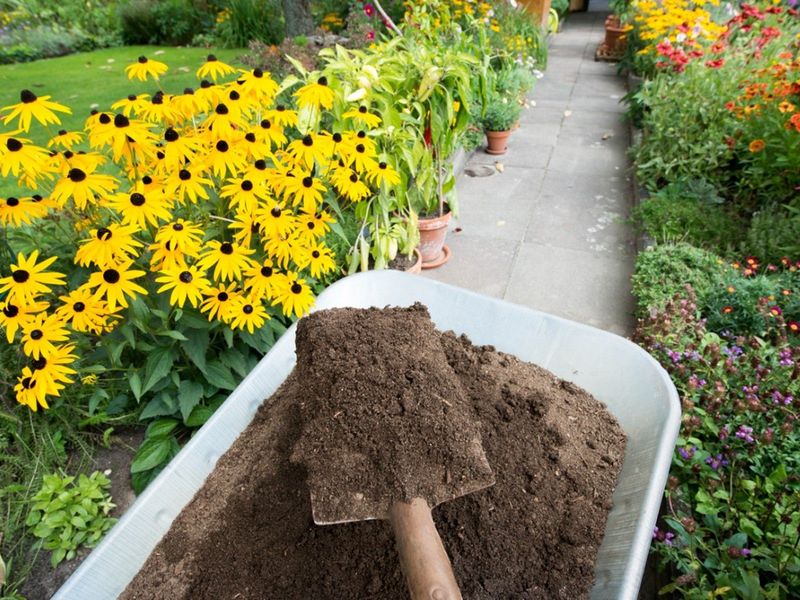
Reaching for a bag of strong fertilizer in spring feels tempting, but it can actually work against you.
High-nitrogen fertilizers push plants to produce lots of lush green leaves instead of flowers, which is the opposite of what most gardeners want from their perennials. Compost takes a smarter, slower approach that your plants truly appreciate.
Spreading a two-inch layer of finished compost around the base of each plant feeds the soil gradually as it breaks down.
It also improves drainage in heavy clay soils, which are common across much of the North Carolina Piedmont, while helping sandy Coastal Plain soils hold onto moisture longer.
That kind of soil improvement pays off in bigger root systems, which directly supports more blooms.
Work the compost lightly into the top inch of soil if possible, but avoid disturbing deep roots. Homemade compost works beautifully, and many North Carolina municipalities offer free or low-cost compost at local recycling centers.
If you do want to fertilize, choose a balanced, slow-release granular option rather than a liquid with high nitrogen content.
Daylilies, garden phlox, and bee balm all respond especially well to compost applications in April, rewarding you with fuller plants and longer-lasting blooms as the growing season picks up speed.
4. Mulch To Stabilize Soil Temperature And Moisture

Pine straw and pine bark mulch are practically a tradition in North Carolina gardens, and for very good reason.
A two-to-three-inch layer spread around your perennials does more work than most gardeners realize, quietly protecting roots from temperature swings and holding soil moisture through dry spring stretches.
April in North Carolina can feel unpredictable. A warm week might be followed by a cold snap, especially in the Mountain region, and those temperature shifts stress plant roots at a critical growth stage.
Mulch acts like a blanket, keeping soil temperatures steadier so roots can focus on growth rather than survival. In the Coastal Plain, where sandy soils drain quickly, mulch also slows water loss dramatically after rain or irrigation.
When applying mulch, keep it a few inches away from the crown of each plant. Piling mulch directly against stems traps moisture and can encourage rot or pest problems.
Pull it back slightly so the base of each stem stays dry and has good airflow. Refreshing mulch in April also gives your garden beds a clean, polished appearance that makes blooms stand out even more once they open.
It is one of the easiest and most affordable things you can do in spring to set your North Carolina perennials up for a strong, bloom-heavy summer season.
5. Check Sun Exposure Before Growth Gets Too Far

Spring growth happens fast across North Carolina, and sometimes it sneaks up on you. Shrubs leaf out, trees fill in, and suddenly a flower bed that had full sun in March is sitting in partial shade by late April.
Many perennials need at least six hours of direct sunlight each day to bloom well, and less than that can seriously reduce flower production.
Walk through your garden on a clear morning and again in the afternoon to see where sunlight actually falls. You might be surprised how much shade has crept in from nearby trees, fences, or overgrown shrubs.
If a perennial bed is losing sun, now is the time to act before plants set too many buds in the wrong direction.
Trimming back low-hanging branches or cutting back overgrown shrubs can make a real difference without requiring major landscaping work.
Bee balm, garden phlox, coneflowers, and black-eyed Susans all perform best with generous sunlight, and they will reward you with noticeably more blooms when their light needs are met.
If a plant has been in a shady spot for a season or two and consistently underperforms, April is actually a great time to relocate it to a sunnier area of your North Carolina yard before the heat of summer makes moving plants more stressful on their root systems.
6. Pinch Back Certain Perennials For More Blooms

Pinching back perennials sounds counterintuitive at first. Why would removing growth lead to more flowers?
The answer is simple: when you pinch off the top inch or two of a young stem, the plant responds by branching out and producing multiple new stems where there was only one before.
More stems mean more flower buds, and more flower buds mean a showier garden later in summer.
Garden phlox and asters are two North Carolina favorites that respond especially well to early-season pinching. Both plants have naturally long growing seasons, which gives them plenty of time to branch out and recover after pinching before bloom time arrives.
Use your fingers or small scissors to remove just the soft tip growth, right above a leaf node, sometime in April when stems are around six to eight inches tall.
You do not need to pinch every single stem on every plant. Even pinching half the stems creates a more layered, full look when flowers open.
Asters pinched in April will often bloom later in summer and into fall, extending your garden’s color season well beyond what unpinched plants would deliver.
North Carolina’s long growing season is a genuine advantage here because plants have the time and warmth needed to branch, regrow, and produce generous flower clusters. Pinching is a small effort that pays off with noticeably bigger blooms displays.
7. Water Deeply During Dry Spring Periods
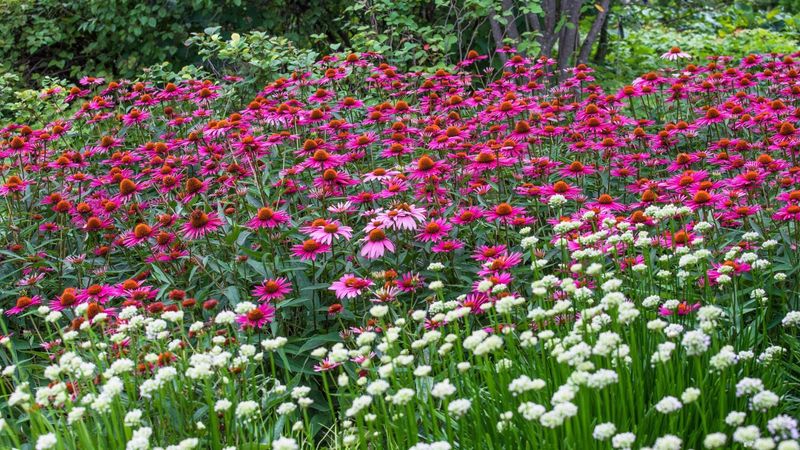
Rainfall in North Carolina during spring can be wonderfully generous one week and almost nonexistent the next.
Sandy soils in the Coastal Plain drain especially quickly, meaning even a decent rain shower may not provide enough moisture to reach the deeper root zone where perennials need it most.
Shallow, frequent watering encourages roots to stay near the surface, which makes plants weaker and less able to handle summer heat.
Deep watering once or twice a week during dry stretches is far more effective than light daily sprinkles. Aim to wet the soil to a depth of at least six inches, which encourages roots to grow downward in search of moisture.
A soaker hose or drip irrigation system makes this easy and efficient, delivering water directly to the root zone without wetting foliage.
Wet leaves invite fungal diseases, which are already a concern in North Carolina’s humid spring climate. Watering in the morning gives any accidental moisture on leaves time to dry before evening.
Checking soil moisture before watering is a smart habit too. Push a finger two inches into the soil near the base of a plant.
If it feels dry at that depth, it is time to water. Perennials like bee balm, daylilies, and garden phlox all develop stronger root systems and produce more blooms when given consistent, deep moisture throughout the spring growing season.
8. Remove Early Weeds Before They Compete
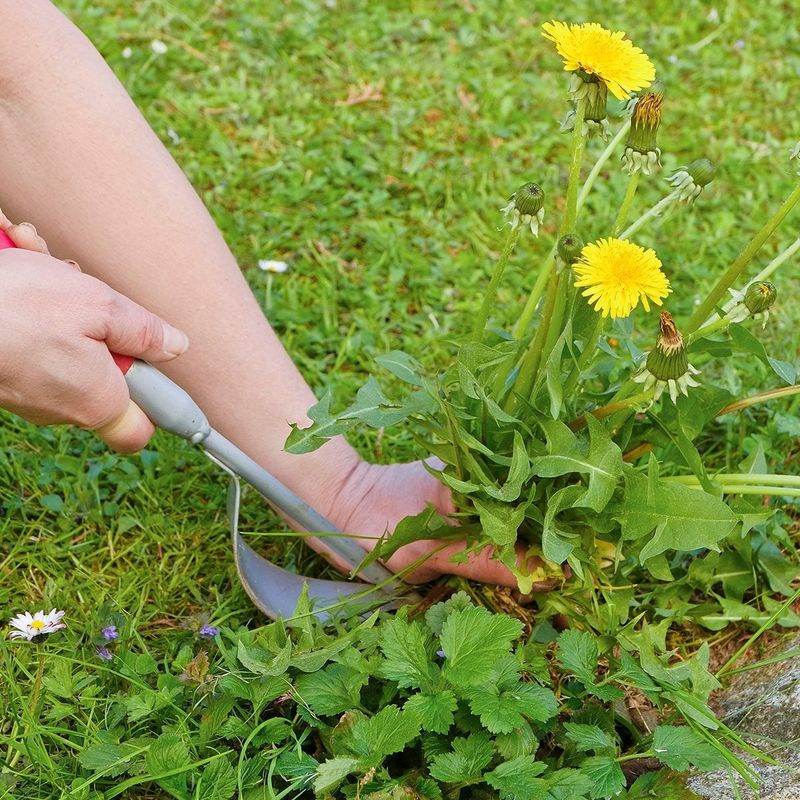
Weeds in April look harmless. They are small, easy to overlook, and seem like a problem you can deal with later.
But those tiny seedlings grow fast in North Carolina’s warm spring conditions, and by the time they are noticeable they are already stealing water, nutrients, and sunlight from your perennials. Getting ahead of them early makes the rest of the season much easier.
Chickweed, henbit, and clover are among the most common early-spring weeds found in North Carolina garden beds. They establish quickly in disturbed soil and can crowd around the base of perennials before you realize what is happening.
Hand-pulling works well when the soil is slightly moist after rain, because roots come out more cleanly and completely without breaking off underground.
Try to remove weeds before they flower and set seed, because a single weed plant can produce hundreds of seeds that will create next year’s problem. A fresh layer of mulch after weeding creates a physical barrier that slows new weed germination significantly.
Keeping beds weeded through April also gives you a chance to closely inspect your plants for pest activity or disease signs that are much easier to spot in a clean, tidy bed.
North Carolina gardeners who stay on top of early-season weeding consistently report healthier, more productive perennials and far fewer problems managing weeds as the growing season heats up.