What To Do When A Coyote Appears In Your Georgia Yard
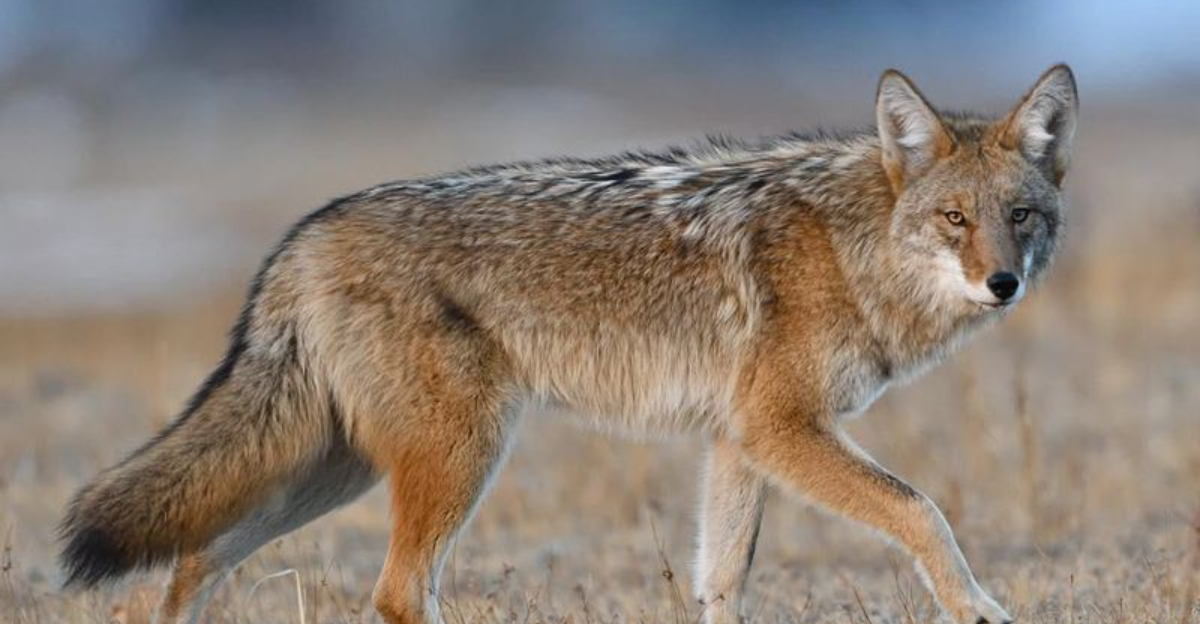
Coyotes now appear in Georgia neighborhoods far more often than many residents expect, and a sudden sighting in your yard can cause real concern.
These adaptable animals move through suburbs in search of food, water, and safe shelter, and a quiet yard offers all three.
A coyote may trot across a lawn, linger near pets, or circle trash bins before moving on, leaving homeowners unsure of the safest next step.
Wildlife officials stress that calm, informed action makes all the difference.
Understanding why coyotes enter residential spaces — and what responses keep both people and pets safe — allows Georgia homeowners to handle an encounter with confidence and avoid future visits.
Stay Calm And Assess The Situation
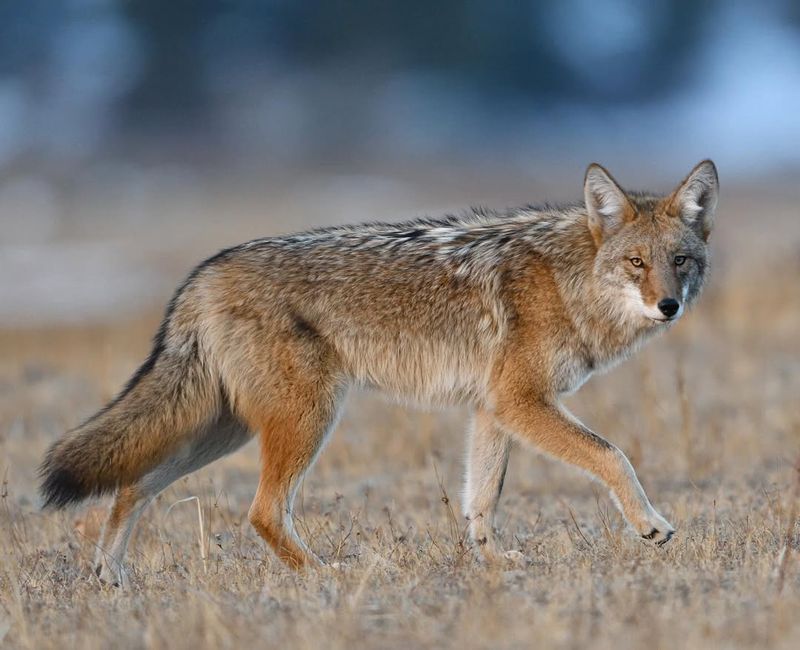
Your first reaction might be panic, but keeping a level head allows you to make smarter, safer decisions in the moment.
Coyotes typically avoid people and rarely attack unless they feel cornered or threatened, so understanding this helps reduce fear.
Take a brief moment to observe where the animal is, how it behaves, and whether it seems alert, cautious, or simply wandering through.
Check immediately whether your kids or pets are outside and need to be brought in, because securing them is always the top priority.
Most coyotes passing through Georgia neighborhoods are simply searching for food or water and have no interest in confrontation.
They usually continue on their way within minutes if left undisturbed, moving along their regular travel routes.
Avoid sudden movements or frantic gestures that could startle the coyote into defensive behavior or make it feel cornered.
Your calm energy actually helps maintain control of the situation by showing the animal you are not a threat.
Remember that coyotes in Georgia are almost always more frightened of you than you are of them, even if they linger briefly.
Take mental notes about the animal’s size, behavior, and direction of travel, as this information becomes valuable if you later report the sighting.
Staying composed gives you the clarity needed to choose the right next steps without escalating the encounter.
Take a deep breath and reassure yourself that nearly all yard coyote encounters end peacefully without any trouble at all.
Bring Pets And Children Inside Immediately

Small pets and young children can unintentionally trigger a coyote’s hunting instincts, which is why they must be secured right away.
Call pets indoors using a calm but firm voice so they respond quickly without panicking or attracting extra attention.
If a small dog or cat is close enough, pick it up and carry it safely indoors to minimize risk.
Children—especially toddlers—should be brought inside immediately since they may not recognize the danger or know how to behave safely.
Explain the situation to older kids in simple, reassuring terms so they understand the importance of coming inside quickly.
Coyotes view small pets as potential prey, particularly during dawn and dusk when they are most active and bold.
Even friendly or larger dogs can be at risk because a determined coyote may see them as competition or an easy target.
Never leave pet food or water bowls outside, as these attract wildlife into your yard, and always supervise both pets and children during outdoor time in coyote-prone seasons.
Neighborhoods near Georgia woodlands, creeks, and greenbelts tend to see more coyote visits, making extra vigilance essential.
Installing motion-sensor lights can help discourage nighttime prowling by startling animals before they get too close.
Once everyone is safely indoors, you can shift your attention to encouraging the coyote to leave your property.
Protecting your most vulnerable family members is the first and most important step in preventing any dangerous encounter.
Make Yourself Appear Larger And More Intimidating
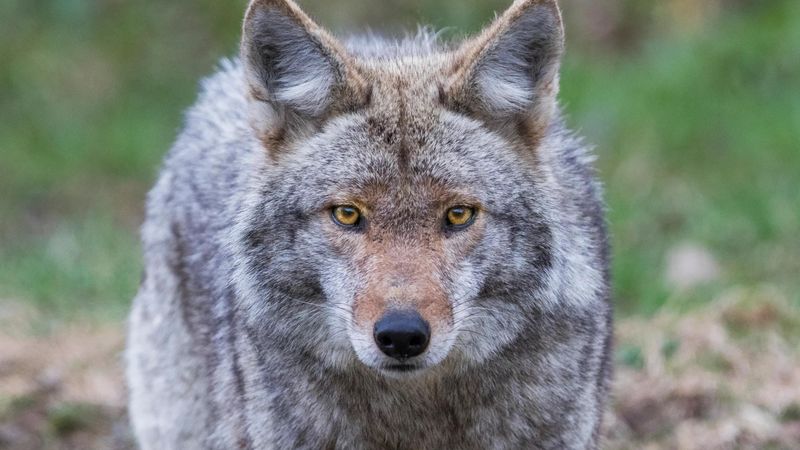
Coyotes respect size and confidence, so using bold body language immediately communicates that you are not an easy target.
Stand tall, raise your arms high, and wave your jacket or a towel overhead to exaggerate your silhouette and appear more imposing.
Take slow, deliberate steps toward the coyote while maintaining your expanded posture to assert dominance without provoking a chase.
Most coyotes will retreat as soon as they realize you are calm, confident, and unwilling to back down.
Avoid running or turning your back, since these behaviors may trigger their chase instinct, and instead face the animal directly with steady footing.
If others are with you, stand close together to form a single large shape that appears even more threatening.
This collective display works extremely well because multiple people present a unified front that coyotes instinctively avoid.
Coyotes in Georgia often learn quickly which yards belong to humans who assert boundaries through strong, consistent behavior.
Your posture and movements send a clear territorial message, so maintain eye contact without staring aggressively, which could be misinterpreted as a challenge.
Project strength using firm gestures and upright stance to reinforce the idea that the coyote is unwelcome.
This method—known as hazing—is widely recommended by wildlife officials because it trains coyotes to maintain healthy fear of humans.
Practicing these actions ahead of time helps you respond confidently and automatically during future encounters.
Use Loud Noises To Scare It Away
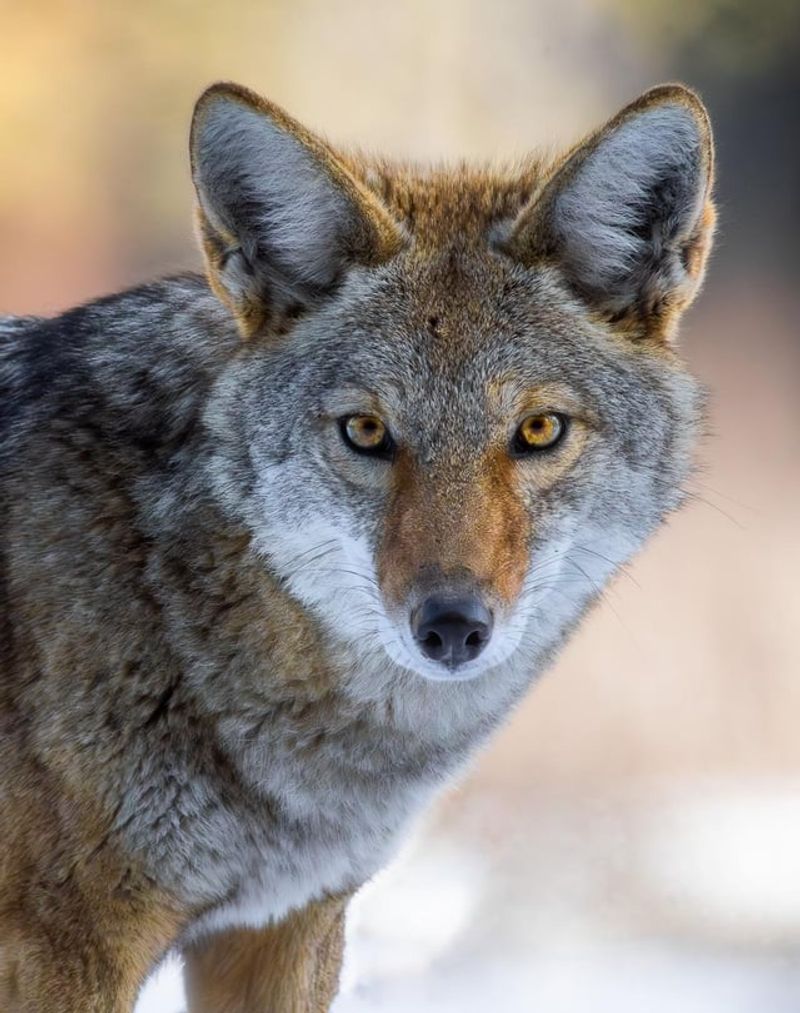
Bang pots and pans together with enough force to create a sharp, echoing clatter that immediately disrupts the coyote’s comfort zone and signals that your yard is not a place to linger.
Whistles, air horns, and other shrill tools work just as effectively, which is why many Georgia homeowners keep them within arm’s reach near the back door for fast deployment when needed.
Even stomping your feet on the ground adds an extra layer of vibration that contributes to the sensory overload coyotes instinctively avoid.
Coyotes associate loud, chaotic environments with danger, so the more unexpected and disruptive the noise, the faster they retreat.
Some residents have discovered that blasting loud music — especially rock or heavy metal from a portable Bluetooth speaker — can send a coyote running within seconds.
Continue making noise until the animal fully exits your property, because stopping too early allows it to pause nearby and potentially return.
Consistency matters, as repeated loud encounters teach local coyotes that your yard is consistently unpleasant and not worth revisiting.
Over time, each noisy, uncomfortable experience reinforces the message that your space offers them nothing but stress.
Throw Objects Near (Not At) The Coyote
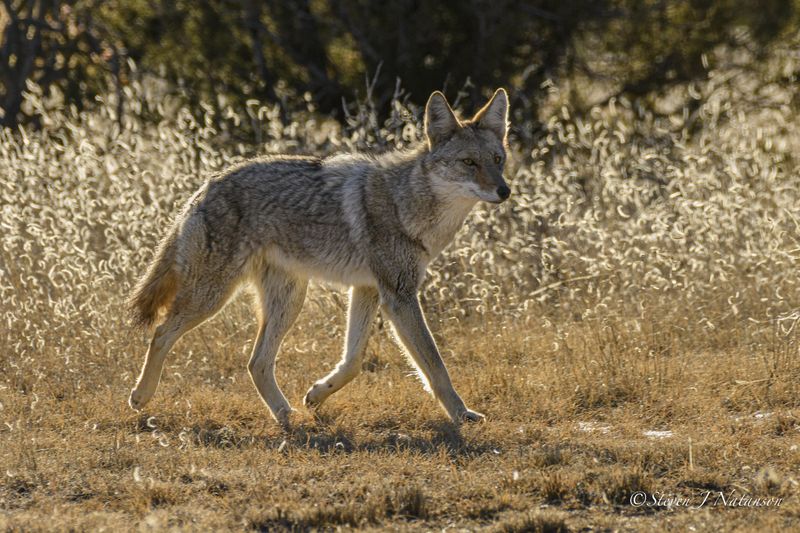
Sometimes adding visual surprise to your noise-making efforts creates a stronger deterrent that pushes the coyote to leave more quickly.
Tossing small rocks, sticks, or pine cones so they land near the animal’s feet startles it with sudden motion and impact without causing harm.
The unexpected bounce or thud sends a clear signal that the area is unpredictable and uncomfortable.
Avoid heavy or sharp objects, since the goal is not to injure the coyote but to add another layer of harmless intimidation.
Tennis balls work especially well because their erratic bouncing creates confusing movement that pressures the animal to leave.
Keeping a small bucket of safe, throwable items near your patio allows you to react quickly during an encounter.
Combine your tossing strategy with loud noises and assertive body language to create a multi-sensory experience the coyote wants to escape immediately.
Repeating this process during every sighting helps the animal learn that your property consistently delivers unpleasant surprises.
Secure Your Trash And Food Sources
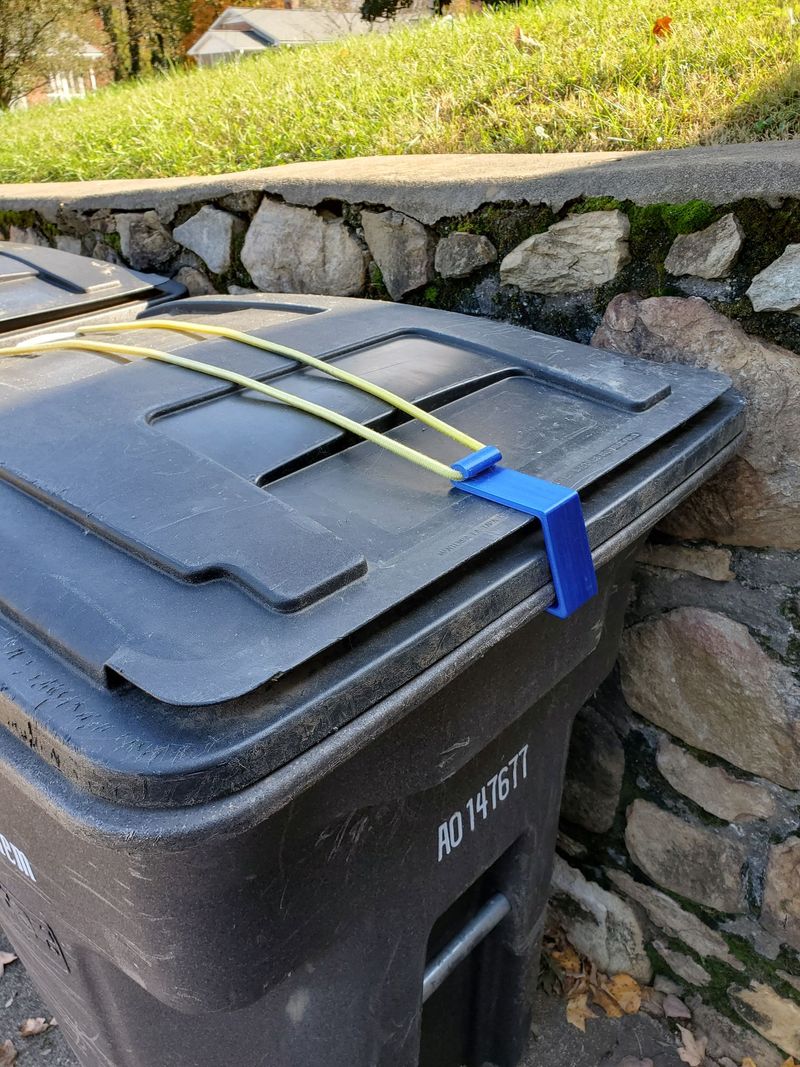
Food is the primary motivator behind repeat coyote visits, making secure waste management essential for prevention.
Use heavy-duty bins with locking lids that coyotes cannot pry open, and put your trash out only on the morning of pickup day.
Never leave pet food bowls outside, because coyotes can detect the smell of kibble from surprisingly far distances.
Regularly remove fallen fruit and berries, since these attract rodents that coyotes happily follow into residential areas.
Bird feeders can also draw unwanted wildlife by spilling seeds onto the ground, so consider bringing them inside at night.
Compost should always be kept in sealed, animal-proof containers to prevent the scent from becoming an irresistible buffet.
Georgia’s mild climate means food remains available year-round unless homeowners actively eliminate these attractants.
Encouraging neighbors to follow the same practices ensures your efforts are not undone by a single accessible yard nearby.
Install Motion-Activated Lights And Sprinklers
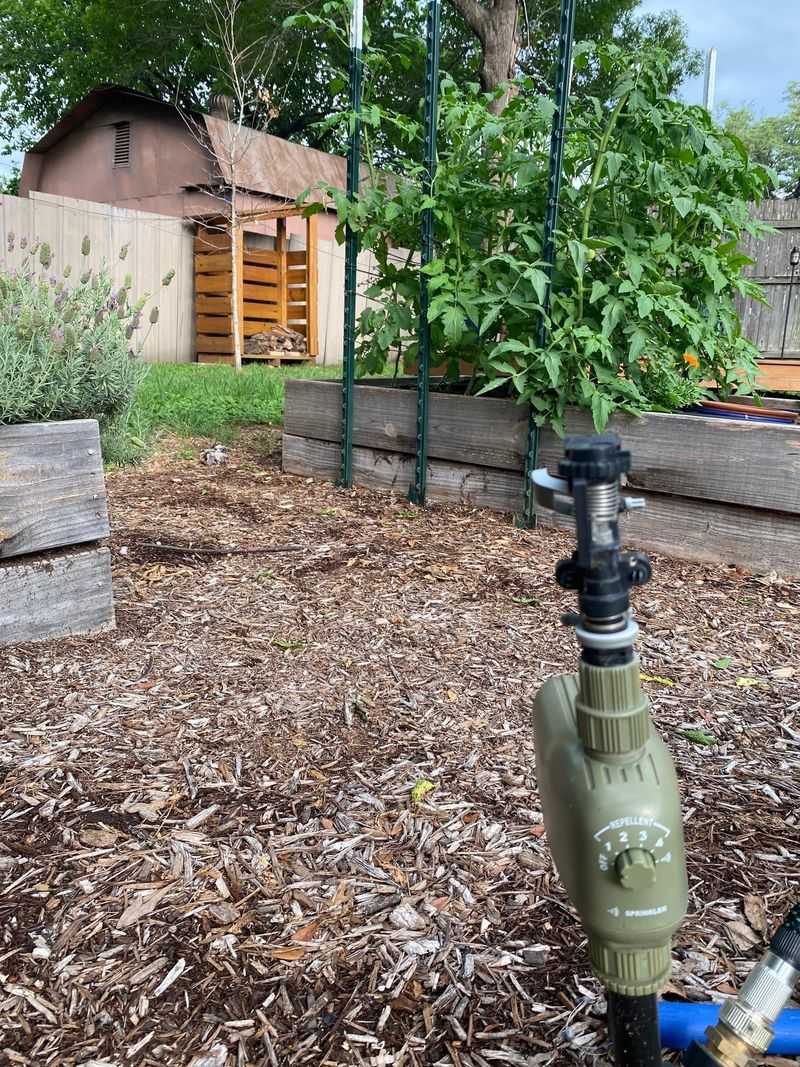
Motion-activated lights startle coyotes by suddenly illuminating the yard, stripping them of the darkness they rely on for safety.
Sprinklers triggered by movement blast animals with an unexpected spray of water that encourages them to leave immediately.
Position these devices along fences, pathways, and common entry points to eliminate areas where coyotes can approach unnoticed.
Solar-powered options work particularly well in Georgia, absorbing sunlight during the day and activating automatically at night.
Combining lighting and sprinklers creates a layered deterrent that teaches coyotes your property consistently delivers discomfort.
Most animals will not return after experiencing a few sudden bursts of light and water in your yard.
Regularly inspect the equipment to ensure batteries, sensors, and spray heads remain in proper working condition.
Neighbors often appreciate this silent, automatic method since it protects multiple properties without creating noise disturbances.
Never Feed Or Approach The Coyote
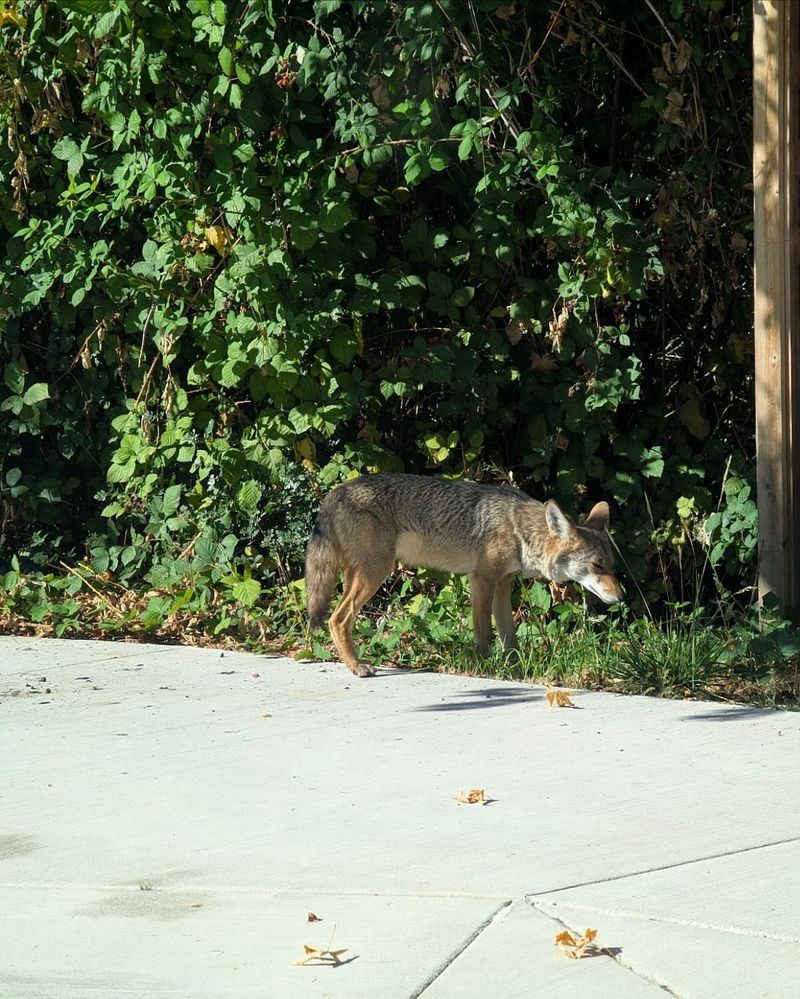
Feeding wildlife may seem compassionate, but it dangerously alters natural behavior by encouraging coyotes to associate humans with food.
Animals that lose their instinctive fear begin approaching people more boldly, increasing the risk of aggression.
Well-meaning neighbors who leave out scraps unintentionally put the entire community at risk by training coyotes to expect handouts.
Attempting to approach or photograph a coyote brings you much closer to danger than you realize, even if the animal appears calm.
Georgia wildlife officials emphasize that fed coyotes often must be relocated or euthanized because they become too bold to manage safely.
Teach children that wild animals are not pets and should never be touched or encouraged to come closer.
If you witness someone feeding coyotes, a polite explanation about the dangers can help curb future incidents.
Keeping wildlife wild is the most humane way to protect both humans and animals.
Report Aggressive Behavior To Wildlife Authorities
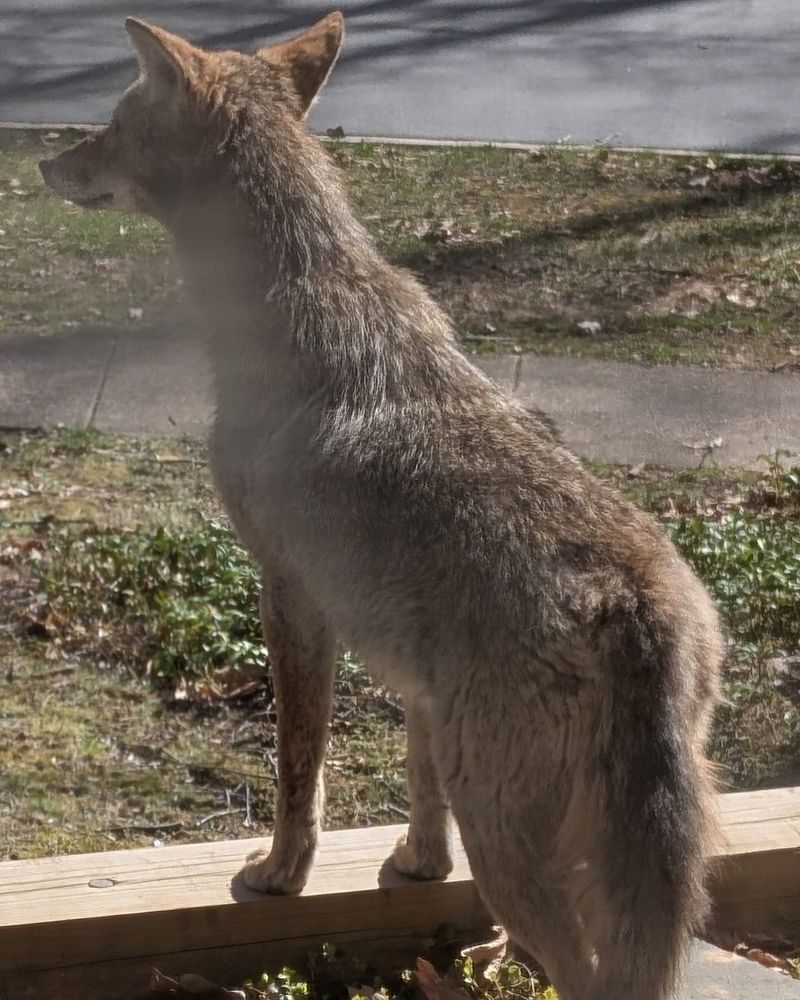
Most coyotes flee quickly once they notice human presence, but any animal that growls, advances, or refuses to be deterred should be reported immediately.
Contact the Georgia Department of Natural Resources Wildlife Resources Division so officials can track the incident and determine the appropriate response.
Document the encounter with photos or videos from a safe distance to help professionals assess the seriousness of the situation.
Provide details such as time, location, and specific behaviors you observed to assist with accurate evaluation.
Repeated sightings in the same area may indicate a den or a habituated coyote that needs intervention.
Never attempt to trap, chase, or harm the animal yourself, as doing so is illegal and dangerous.
Inform neighbors so they can take precautions and increase overall community awareness.
Officials may recommend additional hazing tactics or implement neighborhood-wide safety measures if necessary.
Build Or Repair Fencing To Keep Them Out
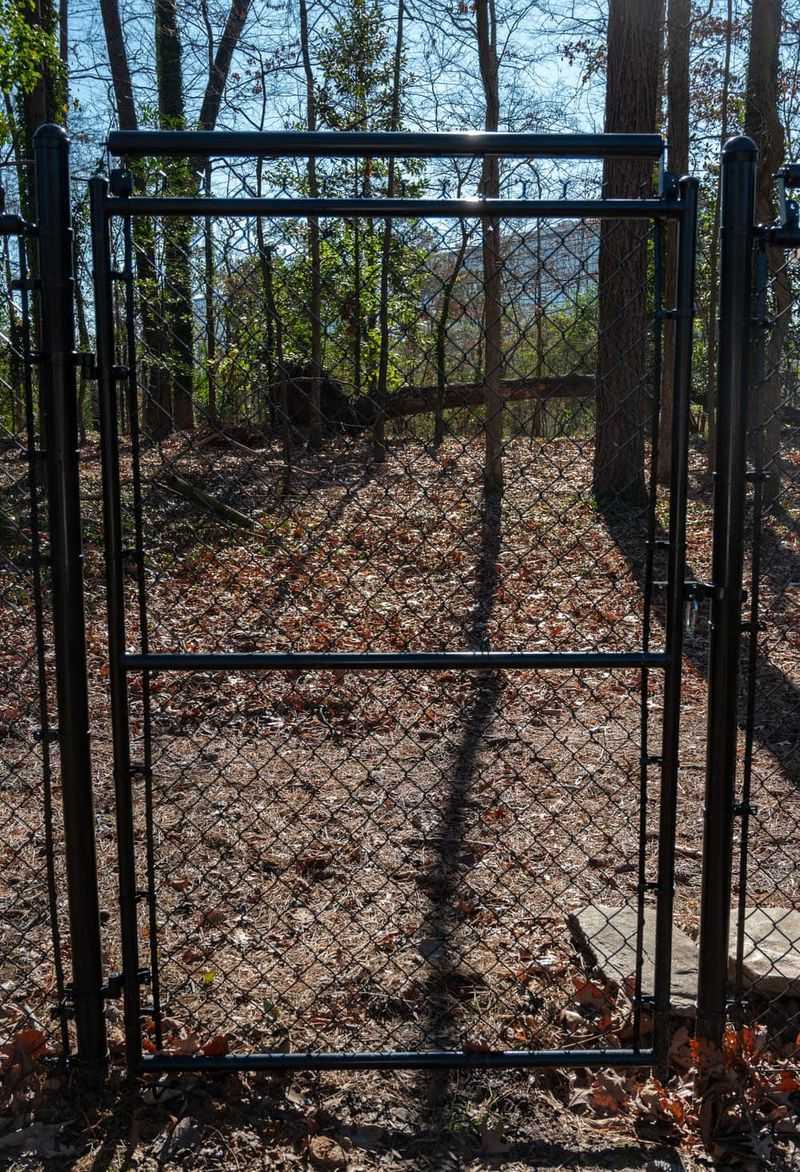
A strong, well-designed fence remains one of the most effective long-term solutions for keeping coyotes off your property.
Fences should be at least six feet tall, since coyotes can easily jump over shorter structures.
Burying the bottom of the fence several inches underground prevents the animals from digging underneath.
Choose materials like wood, vinyl, or chain-link that leave no gaps large enough for a coyote to squeeze through.
Installing coyote rollers along the top adds another layer of protection by preventing them from gaining a foothold.
Inspect the entire perimeter regularly to catch any weak spots or gaps around gates and fence joints.
Check with your homeowners association regarding height or material restrictions before beginning construction.
Coordinating fencing efforts with neighbors creates a consistent barrier that blocks easy access across multiple yards.