What To Do When A Coyote Appears In Your South Carolina Yard And Mistakes To Avoid
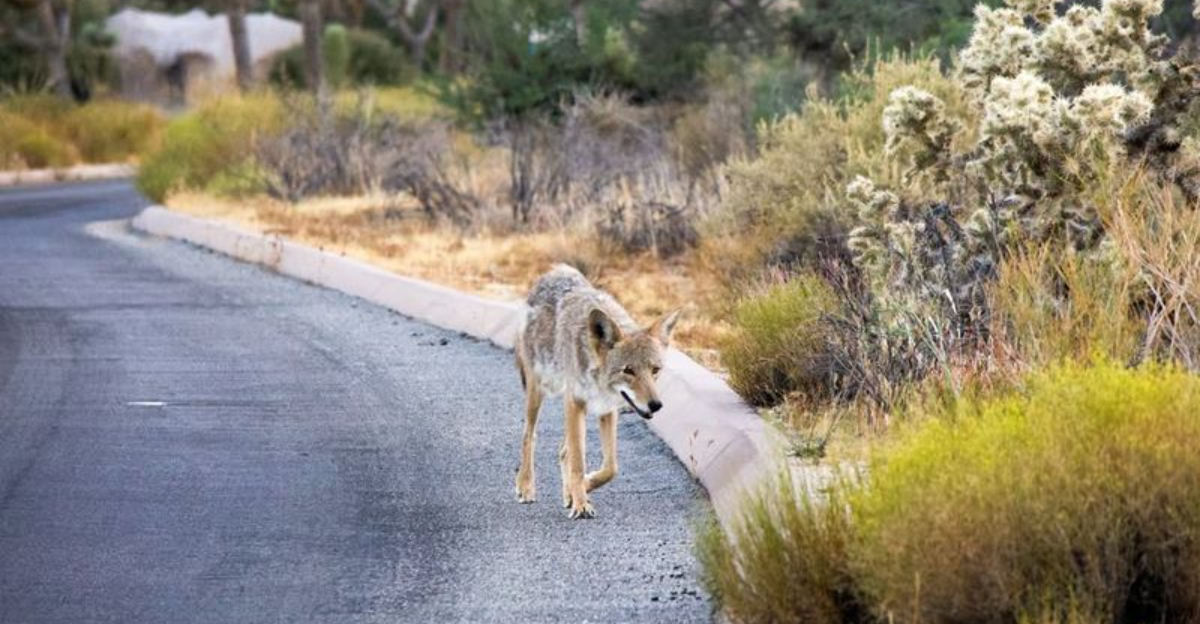
Coyotes have become a normal part of South Carolina’s suburban and rural landscapes.
Smart, adaptable, and highly mobile, they move comfortably between wild areas and neighborhoods, often passing through yards before homeowners even notice.
When you do spot a coyote, knowing how to respond helps protect pets, prevent future visits, and maintain safe boundaries between wildlife and people.
Coyotes aren’t usually aggressive toward humans, but giving them opportunities—like unsecured trash or outdoor pet food—can alter their behavior quickly.
The key is guiding them away in a firm but safe way while avoiding actions that encourage them to return.
Mistakes like feeding them or allowing pets to confront them can escalate situations unnecessarily.
Understanding how coyotes think and behave gives homeowners the tools to manage encounters with confidence, keeping both people and wildlife safe.
Stay Calm And Keep A Safe Distance
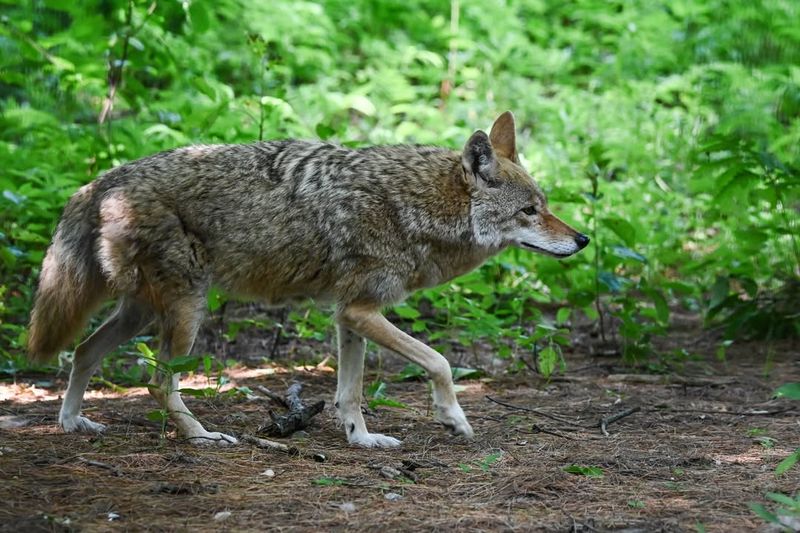
Panicking when you spot a coyote only makes the situation worse for everyone involved.
Wild animals can sense fear and stress, which may cause them to react unpredictably or feel threatened themselves.
Your best move is to freeze in place, take a deep breath, and avoid making sudden movements that could startle the animal.
Maintaining at least fifty feet between you and the coyote gives both of you space to assess the situation without feeling cornered.
Coyotes typically prefer to avoid humans and will often retreat on their own if given the chance.
Running away might trigger their chase instinct, turning a calm encounter into a dangerous pursuit.
Instead, stand your ground quietly and observe the coyote’s body language for signs of stress or curiosity.
If the animal looks relaxed and uninterested, it will likely wander off without incident.
Keeping pets and children behind you adds an extra layer of protection while you wait for the coyote to move along.
Remember that most coyotes are just passing through and have no interest in confrontation.
Your calm demeanor sets the tone for a peaceful resolution, teaching the coyote that your yard is not a welcoming place to linger.
Patience and stillness are your strongest tools in these moments.
Make Yourself Look Big To Encourage The Coyote To Leave
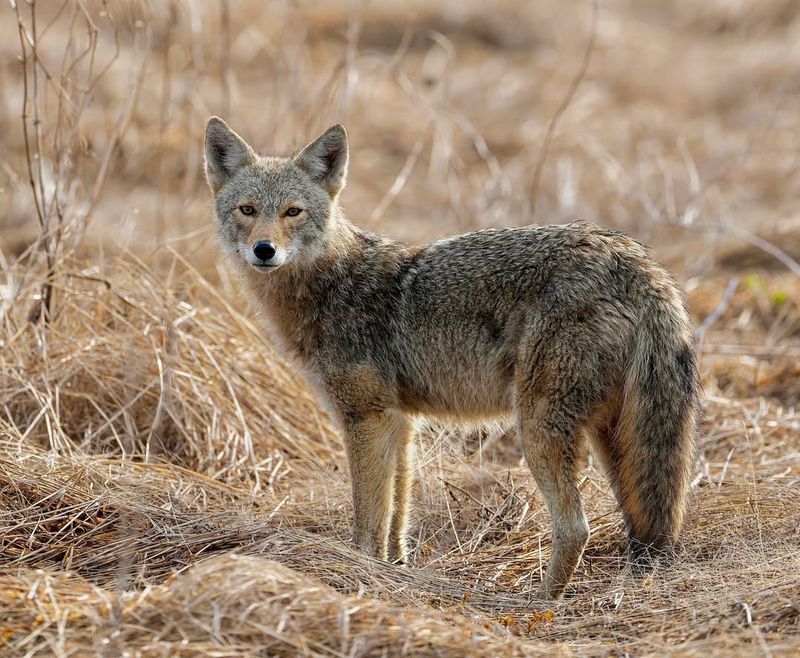
Once you have established a safe distance, the next step is to make yourself appear larger and more intimidating to the coyote.
Animals in the wild rely on size and posture to determine threats, so expanding your silhouette can convince the coyote to retreat.
Raise your arms high above your head, spread your jacket wide, or hold up a blanket to increase your visual presence.
This technique, called hazing, teaches coyotes that human spaces are uncomfortable and unwelcoming.
You can also step forward slowly while maintaining your enlarged posture, but avoid charging or making aggressive lunges.
The goal is to communicate dominance without provoking a defensive reaction from the animal.
If you are with others, stand together in a line to amplify the effect and present a united front.
Children should be instructed to stand behind adults rather than attempt this technique themselves.
Coyotes that experience consistent hazing learn to associate yards with unpleasant experiences, reducing future visits.
This method works best when combined with loud noises and persistent pressure, which we will explore in the next section.
Never turn your back or crouch down, as this can make you appear vulnerable or submissive.
Confidence and steady movement send a clear message that your property is off-limits.
Use Firm Noise To Scare It Off Without Hurting It
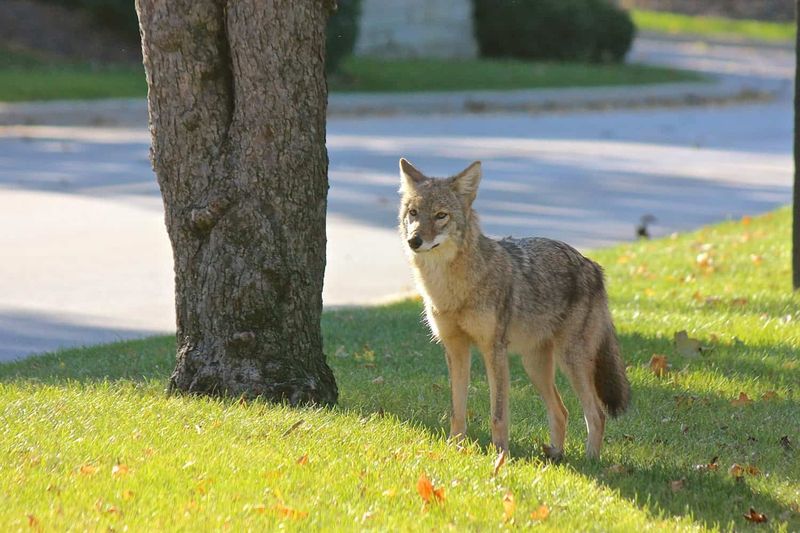
Sound is one of the most effective tools for discouraging a coyote without causing harm or injury.
Loud, sharp noises disrupt the animal’s comfort and signal that your yard is not a safe place to explore.
Clap your hands forcefully, yell in a deep and commanding voice, or bang pots and pans together to create startling sounds.
Air horns, whistles, and rattles work exceptionally well if you keep them near your door for quick access.
The key is to be consistent and persistent, repeating the noise until the coyote moves away from your property.
Single bursts of sound may not be enough, so continue the commotion until the animal disappears from view.
Avoid high-pitched or playful sounds, as these can confuse the coyote or make it curious rather than cautious.
Your tone should be firm and authoritative, mimicking the warning calls that predators use in the wild.
If you have neighbors nearby, let them know what you are doing so they can assist or stay alert.
Repeated hazing over time helps the entire coyote population in your area learn to avoid residential zones.
Never throw objects directly at the coyote, as this can provoke aggression or cause unnecessary harm.
Noise-based deterrents are humane, effective, and easy for anyone to use in an emergency.
Remove Pet Food And Outdoor Attractants Immediately
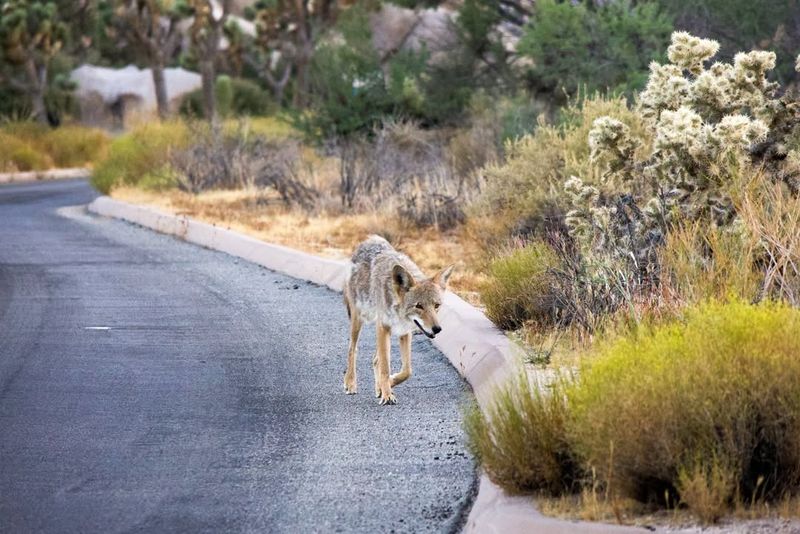
Coyotes are opportunistic feeders that will return to any location where they find easy meals.
Pet food left on porches, fallen birdseed, open garbage cans, and compost piles all act as invitations for wildlife to visit your property.
Once a coyote discovers a reliable food source, it will establish your yard as part of its regular hunting route.
The moment you notice a coyote, head indoors and secure all outdoor food items, even if the animal has already moved on.
Bring pet bowls inside after every meal rather than leaving them out overnight or during the day.
Bird feeders should be cleaned regularly, and any spilled seed should be swept up to eliminate temptation.
Garbage bins need tight-fitting lids, and bags should be stored inside a garage or shed until pickup day.
Compost should be enclosed in a secure bin rather than left in open piles where scents can travel.
Fruit trees and vegetable gardens can also attract coyotes indirectly by drawing in rodents and rabbits, which are natural prey.
Consider harvesting ripe produce promptly and removing fallen fruit from the ground.
Eliminating attractants sends a clear message that your yard offers nothing worth the risk of encountering humans.
Consistency is crucial, as even occasional access to food can reinforce the coyote’s behavior and encourage repeat visits.
Bring Pets Indoors Until The Coyote Leaves
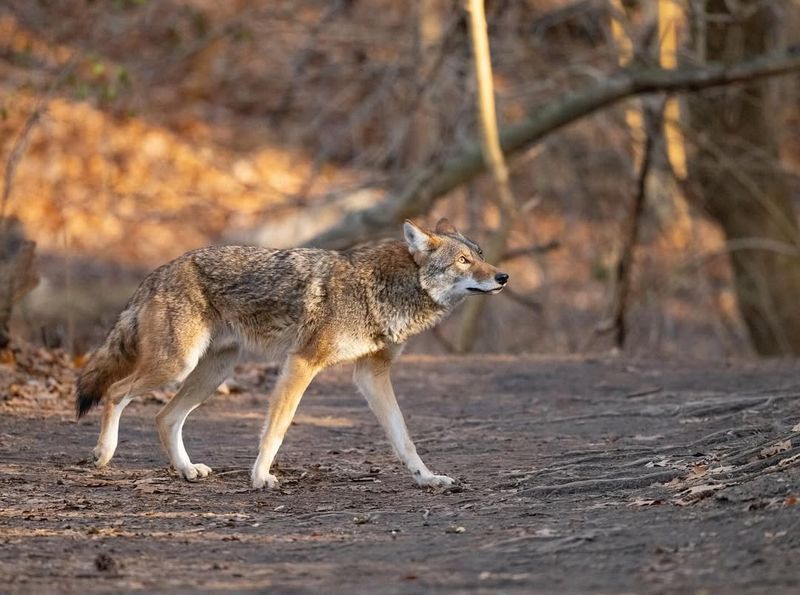
Small dogs, cats, and other outdoor pets are vulnerable to coyotes, especially during dawn and dusk when these predators are most active.
Coyotes view pets as either prey or territorial competitors, depending on their size and behavior.
The safest action is to call your pets inside immediately and keep them there until you confirm the coyote has left the area.
Never allow pets to roam freely in the yard when a coyote is present, even if they are large or protective by nature.
Dogs that bark or charge at coyotes may provoke a defensive response, leading to dangerous confrontations.
Cats should always be kept indoors or supervised closely, as they are particularly at risk due to their smaller size.
If your pet is already outside when you spot the coyote, use a calm but firm voice to call them back without creating panic.
Leashing pets during outdoor bathroom breaks is a smart precaution, especially in neighborhoods with frequent coyote sightings.
Coyotes are less likely to approach when they see humans actively supervising their animals.
Installing a secure fence at least six feet tall can provide additional protection, though determined coyotes can still jump or dig under barriers.
Never assume your pet can defend itself or scare off a wild predator without consequences.
Keeping pets safe requires vigilance, quick action, and a commitment to supervised outdoor time until the threat passes.
Turn On Outdoor Lights To Break Their Comfort Zone
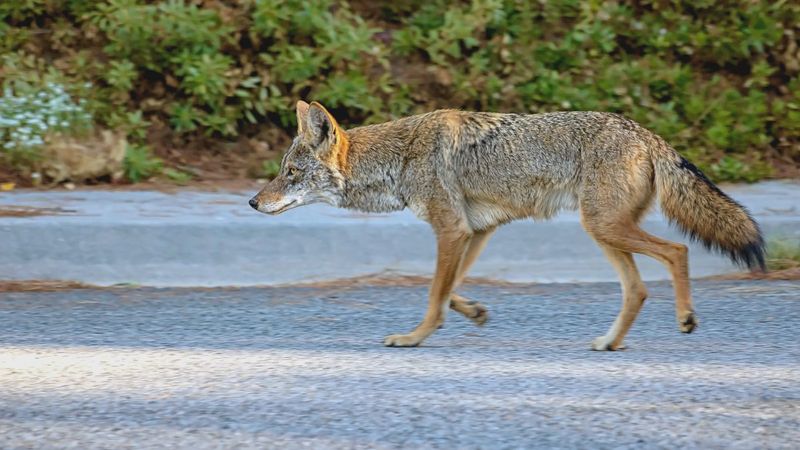
Coyotes prefer to move under the cover of darkness, relying on shadows and dim lighting to hunt and explore without detection.
Bright outdoor lights disrupt their sense of security and make them feel exposed, encouraging them to leave quickly.
Motion-activated floodlights are particularly effective, as the sudden burst of illumination startles the animal and signals human presence.
Installing these lights near entry points, fences, and areas where coyotes have been spotted can deter future visits.
If you do not have motion sensors, simply turning on porch lights, garage lights, or landscape lighting can achieve similar results.
The goal is to eliminate dark corners and hiding spots where coyotes feel comfortable lingering.
Leaving lights on throughout the night may not be practical or energy-efficient, but using them during peak activity hours helps establish boundaries.
Combining lighting with noise and movement creates a multi-sensory deterrent that reinforces the message that your yard is off-limits.
Coyotes that experience repeated exposure to bright lights will begin to associate your property with discomfort and avoid it in the future.
Solar-powered lights offer an eco-friendly option for homeowners who want continuous coverage without high electricity costs.
Remember that lighting alone may not solve the problem if food sources or other attractants remain available.
A comprehensive approach that addresses multiple factors delivers the best long-term results for keeping coyotes away.
Notify Neighbors So Everyone Stays Aware
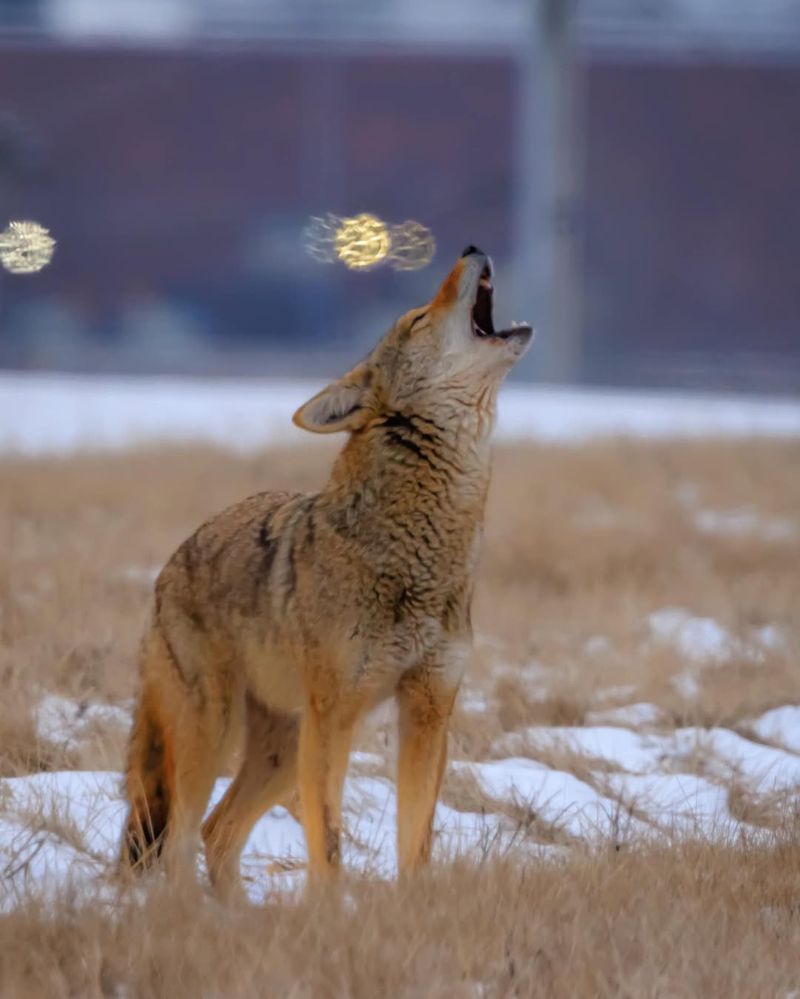
Coyotes do not respect property lines, so an animal spotted in your yard may also visit surrounding homes.
Informing neighbors about the sighting helps everyone take precautions to protect their families and pets.
A quick text message, phone call, or post in a neighborhood group ensures that others remain vigilant and prepared.
Sharing details like the time of day, location, and behavior of the coyote provides valuable information for tracking patterns.
Neighborhoods that communicate effectively can work together to implement consistent hazing techniques, amplifying their impact.
Some communities create wildlife alert systems where residents report sightings to a central contact or online platform.
This collective awareness helps identify problem areas and allows wildlife officials to monitor trends more accurately.
Neighbors with young children or small pets especially appreciate warnings so they can adjust outdoor activities accordingly.
Encouraging others to secure food sources and practice proper deterrent methods strengthens the entire neighborhood’s defenses.
Coyotes that encounter resistance at multiple homes are more likely to move on to less hostile areas.
Avoid spreading panic or exaggerating the threat, as this can lead to unnecessary fear or harmful reactions toward wildlife.
Instead, frame the conversation around safety, cooperation, and responsible coexistence with the natural environment.
Working together creates a safer community for both people and animals.
Contact Wildlife Officials If The Coyote Acts Odd Or Won’t Leave
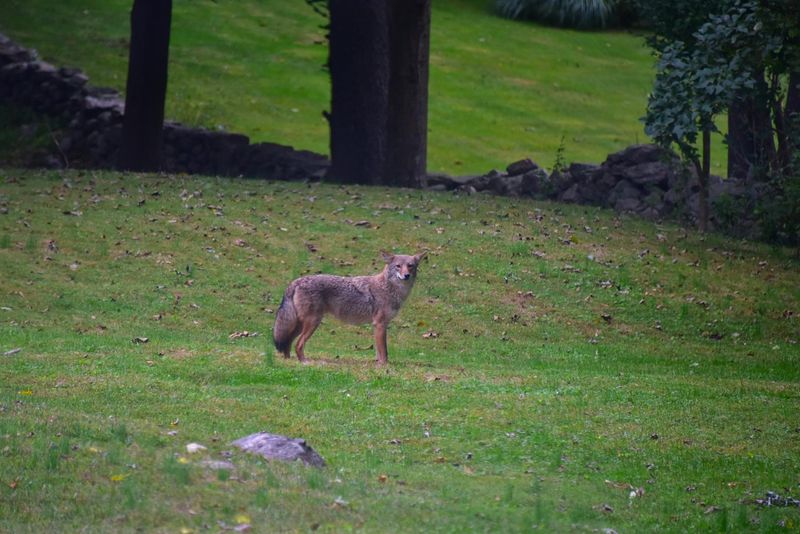
Most coyotes avoid humans and retreat when hazed, but some exhibit unusual behavior that requires professional intervention.
Signs of illness include stumbling, excessive drooling, disorientation, or appearing unafraid of people at close range.
Coyotes that approach humans directly, refuse to leave after repeated hazing, or show aggression need immediate attention from wildlife authorities.
In South Carolina, the Department of Natural Resources handles wildlife concerns and can dispatch trained officers to assess the situation.
Animal control services may also respond depending on your county’s regulations and available resources.
When calling, provide specific details about the coyote’s location, behavior, and any interactions that occurred.
Photos or videos can help officials determine the best course of action and whether the animal poses a genuine threat.
Never attempt to trap, corner, or handle a coyote yourself, as this increases the risk of injury and may be illegal.
Professionals have the training and equipment needed to manage wildlife safely and humanely.
If the coyote appears healthy but simply refuses to leave, officials can offer guidance on additional deterrent methods or habitat modifications.
Repeated sightings of the same animal may indicate that it has become habituated to human presence, requiring more intensive intervention.
Trusting experts ensures that both public safety and wildlife conservation remain priorities throughout the process.
Do Not Approach Or Try To Pet The Coyote
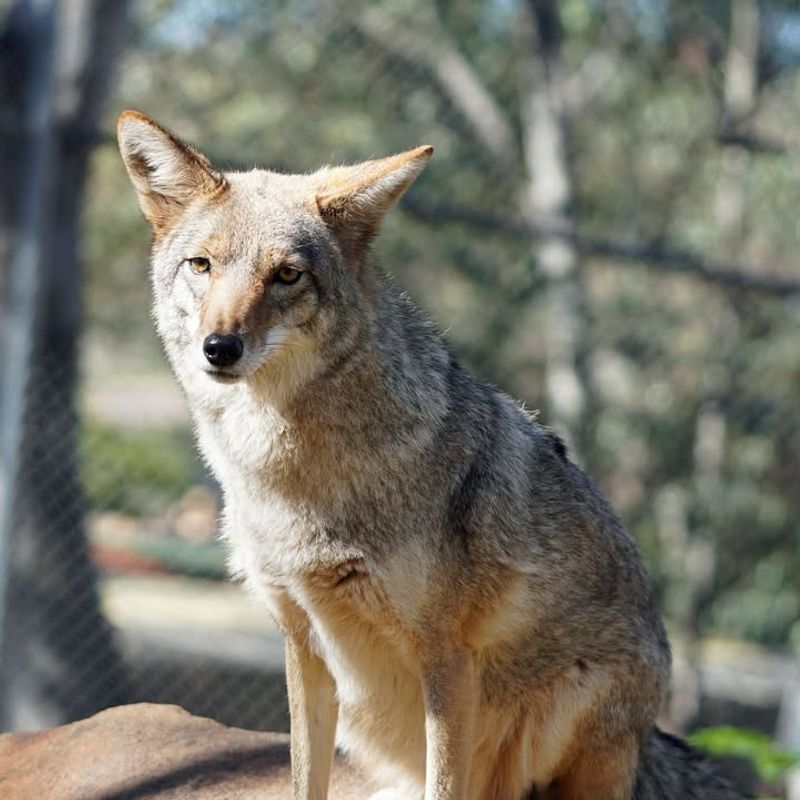
Wild animals may look curious or even approachable, but they are not domesticated and can react unpredictably when humans get too close.
Coyotes carry diseases such as rabies and parasites that pose serious health risks to people and pets.
Approaching a coyote removes the natural fear barrier that keeps wildlife at a safe distance from human populations.
Even a seemingly calm coyote can bite, scratch, or become aggressive if it feels threatened or cornered.
Children should be taught early that all wild animals, no matter how cute or friendly they appear, must be observed from afar.
Attempting to pet or hand-feed a coyote encourages dangerous behavior and increases the likelihood of future encounters.
Coyotes that lose their fear of humans become bolder over time, leading to more frequent visits and higher risk of conflict.
This habituation can result in the animal being trapped or removed, which could have been prevented with proper boundaries.
Photographing wildlife is fine, but always use a zoom lens or binoculars rather than approaching for a closer shot.
Respecting the animal’s space protects both you and the coyote from harm.
Educating friends and family about the dangers of close contact ensures that everyone understands the importance of maintaining distance.
Wild animals thrive best when humans observe without interference, allowing them to live naturally and safely in their habitats.
Never Feed A Coyote Or Leave Food Out Intentionally
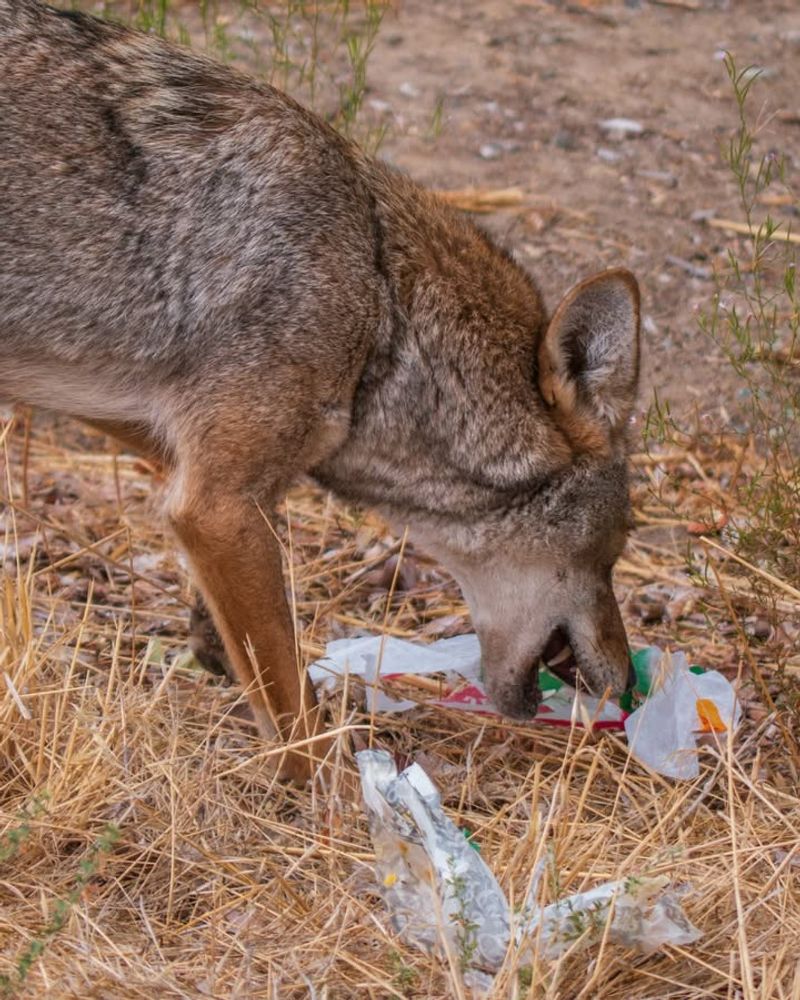
Feeding wildlife might seem like a kind gesture, but it creates serious problems for both animals and communities.
Coyotes that receive food from humans quickly learn to associate people with easy meals, leading them to seek out residential areas repeatedly.
This behavior, known as food conditioning, erases the natural wariness that keeps coyotes at a safe distance.
Once a coyote becomes dependent on human-provided food, it may become aggressive or demanding when meals are not available.
Intentional feeding also attracts other wildlife, creating a concentration of animals that can lead to territorial disputes and increased disease transmission.
Many states, including South Carolina, have laws prohibiting the feeding of certain wildlife species due to these public safety concerns.
Even small amounts of food left out occasionally can establish patterns that take months or years to break.
Coyotes have excellent memories and will return to locations where they have successfully found food in the past.
Neighbors who feed wildlife put entire communities at risk, as coyotes do not distinguish between properties.
If you notice someone feeding coyotes, politely explain the dangers and encourage them to stop immediately.
Educating others about the consequences of feeding wildlife helps protect both human safety and animal welfare.
Allowing coyotes to hunt naturally for rodents and other prey maintains the ecological balance without creating dependency on humans.
Do Not Chase The Coyote Around The Yard
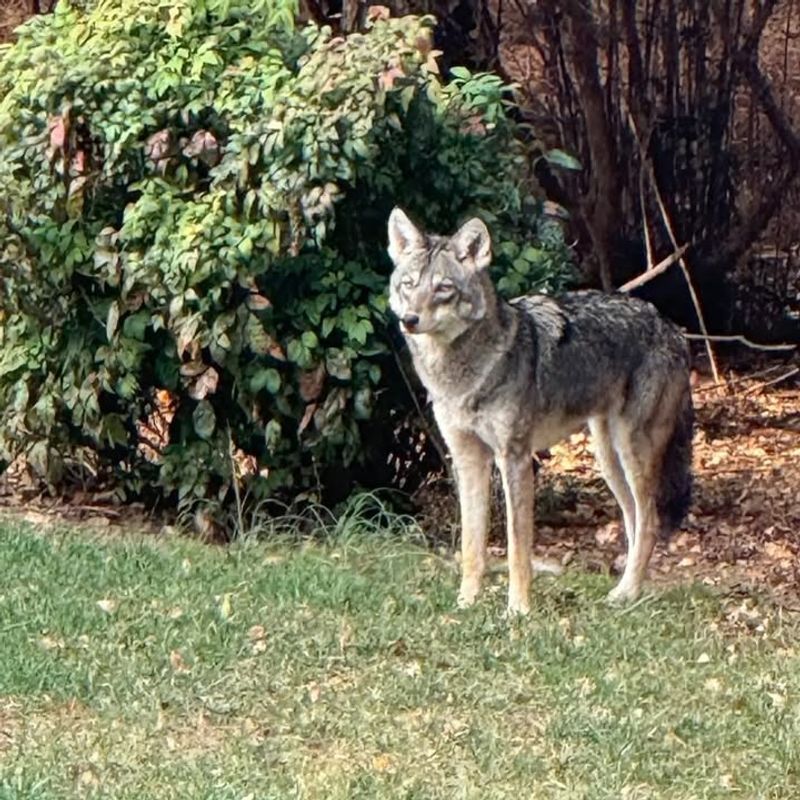
Chasing a coyote might seem like an effective way to drive it off your property, but this approach often backfires.
Pursuing the animal can trigger defensive instincts, causing it to turn and confront you rather than retreat.
Coyotes are fast, agile, and capable of navigating obstacles far better than most humans, making any chase futile and exhausting.
Running after the animal also increases your risk of tripping, falling, or accidentally cornering it in a space where it feels trapped.
When cornered, even a normally timid coyote may lash out to protect itself, leading to bites or scratches.
Chasing also teaches the coyote that humans are unpredictable, which can make future encounters more dangerous as the animal becomes stressed or agitated.
Instead of running after the coyote, use the hazing techniques described earlier, such as noise, posture, and lighting, to encourage it to leave.
Standing your ground and applying steady pressure from a distance is far more effective than frantic pursuit.
If the coyote moves toward a neighbor’s yard, alert them rather than following the animal across property lines.
Children and pets should never be allowed to chase wildlife, as this puts them in direct danger.
Teaching patience and controlled responses ensures that everyone handles coyote encounters safely and effectively.
Remember that the goal is to make the coyote uncomfortable enough to leave, not to engage in a physical confrontation.
Do Not Allow Pets To Confront Or Defend The Yard
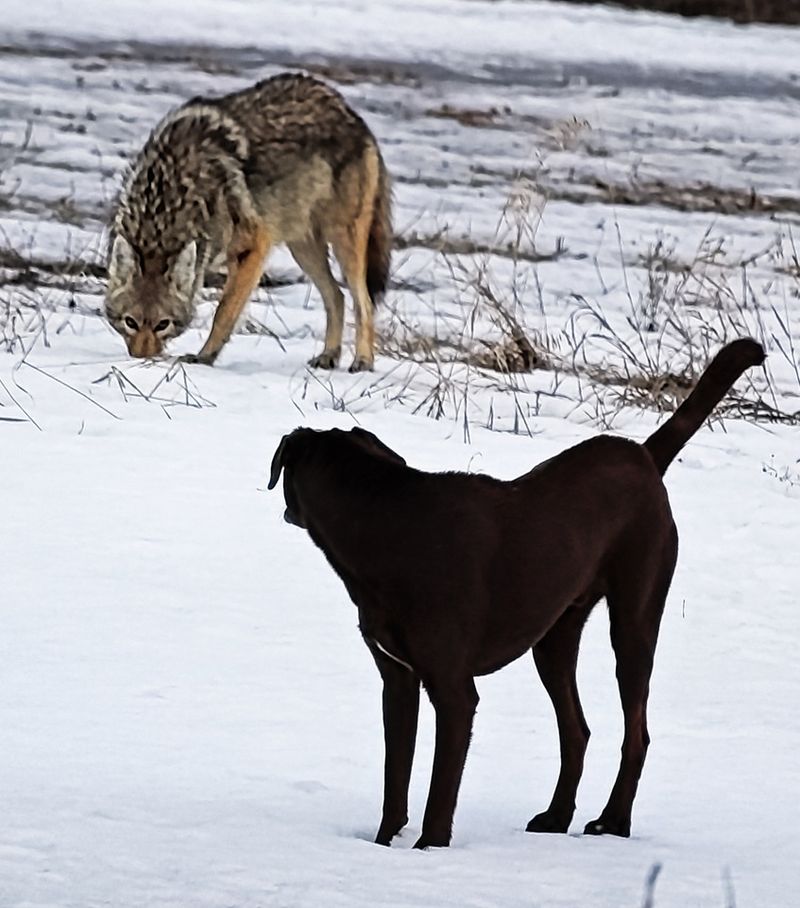
Many dog owners feel confident that their pets can handle a coyote encounter, but this belief often leads to tragic outcomes.
Coyotes are skilled hunters with sharp teeth, strong jaws, and strategic pack behavior that can overwhelm even large dogs.
Allowing your dog to bark at, chase, or confront a coyote puts the animal in serious danger of injury.
Cats face even greater risks due to their smaller size and limited defensive capabilities against wild predators.
Some dogs may view the coyote as an intruder and attempt to defend their territory, but this instinct can escalate quickly into violence.
Coyotes may also use distraction tactics, luring dogs away from safety before attacking or leading them toward other pack members.
Even if your pet seems to win the initial encounter, coyotes often return with reinforcements, creating ongoing danger.
The stress and trauma of a confrontation can affect your pet’s behavior long after the physical wounds heal.
Keeping pets leashed or indoors during coyote activity ensures they remain under your control and out of harm’s way.
Training your dog to come when called, even in the presence of wildlife, is an essential safety skill.
Never rely on invisible fences or unsupervised outdoor time to protect pets from coyotes, as these measures are often insufficient.
Your responsibility as a pet owner includes recognizing threats and taking proactive steps to prevent dangerous encounters before they happen.