What To Do When A Neighbor’s Hedge Gets Out Of Control In California
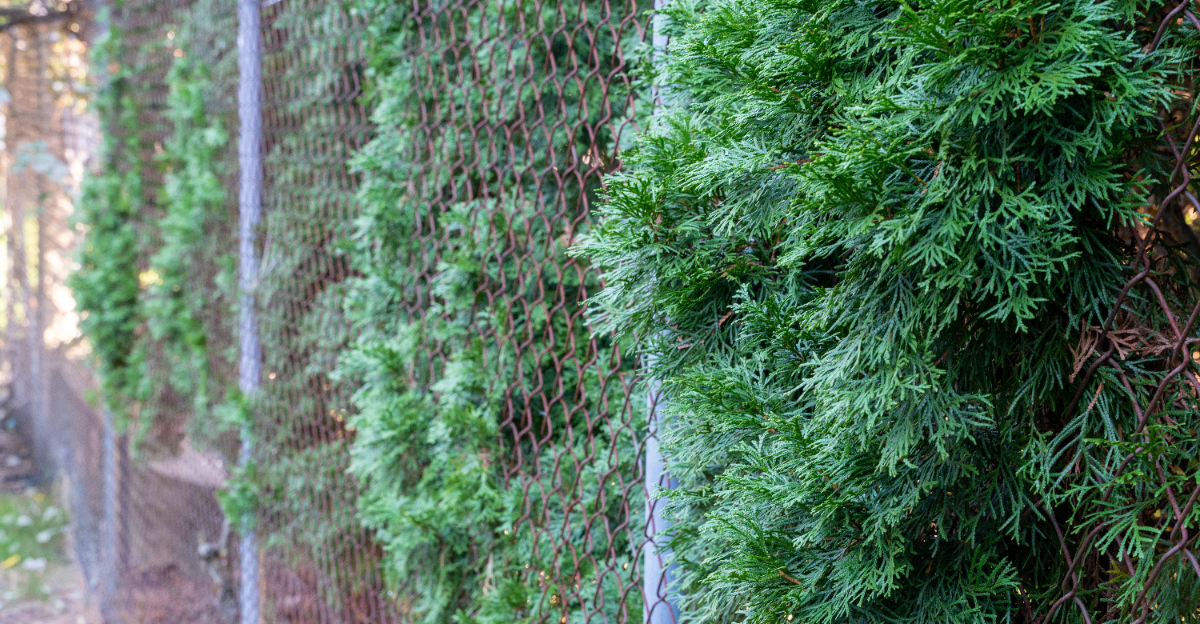
A hedge that starts as a neat green border can slowly turn into a towering wall of leaves, shadows, and tension. One season of fast growth, a little neglect, and suddenly branches creep over fences, block views, and spark quiet irritation next door.
In California, where hedges grow fast and property lines matter, this common yard issue can quickly become more than just an eyesore.
What seems like a simple garden problem often carries unexpected complications, from sunlight disputes to questions about boundaries and responsibility. Emotions can rise just as quickly as the hedge itself, especially when pride, privacy, and property all come into play.
Before long, a patch of greenery can shape the mood between neighbors and even change how a space feels day to day.
So what really happens when a neighbor’s hedge gets out of control, and why does it cause so much trouble? Let’s take a closer look.
1. Who Really Owns The Hedge?
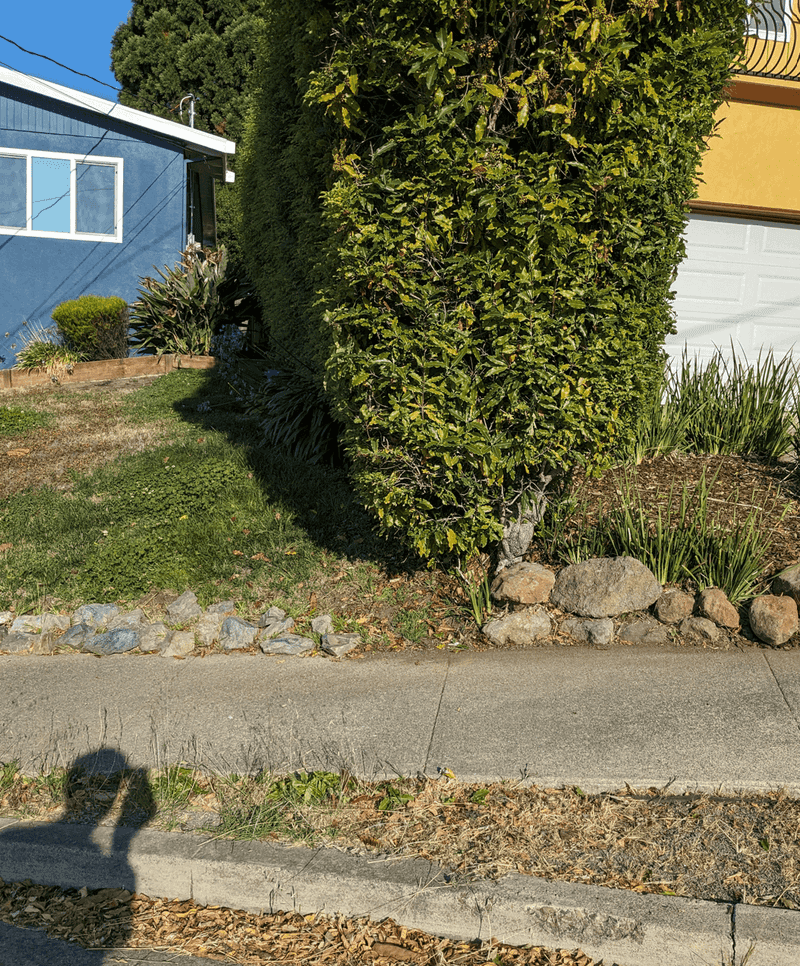
Before you grab pruning shears or call a lawyer, take a moment to figure out where the hedge actually sits.
Many neighbor disputes start because one person assumes the hedge belongs to the other, when in reality it might sit entirely on one property or straddle the boundary line between both.
In California, property ownership is determined by legal boundaries recorded in your deed and survey maps, not by who planted the hedge or who trims it most often.
If the trunk or root base of the hedge sits entirely on your neighbor’s side of the property line, it belongs to them, even if branches hang over into your yard.
If the hedge sits directly on the boundary line, it may be considered a shared responsibility under California law.
Both property owners typically share maintenance duties and costs in that case, though this can vary depending on local ordinances and any agreements between neighbors.
Getting a professional survey done is the most reliable way to confirm ownership, especially if the property line isn’t clearly marked.
Many homeowners skip this step and rely on assumptions, which often leads to misunderstandings and unnecessary conflict down the road.
2. When You Can Legally Trim A Neighbor’s Hedge
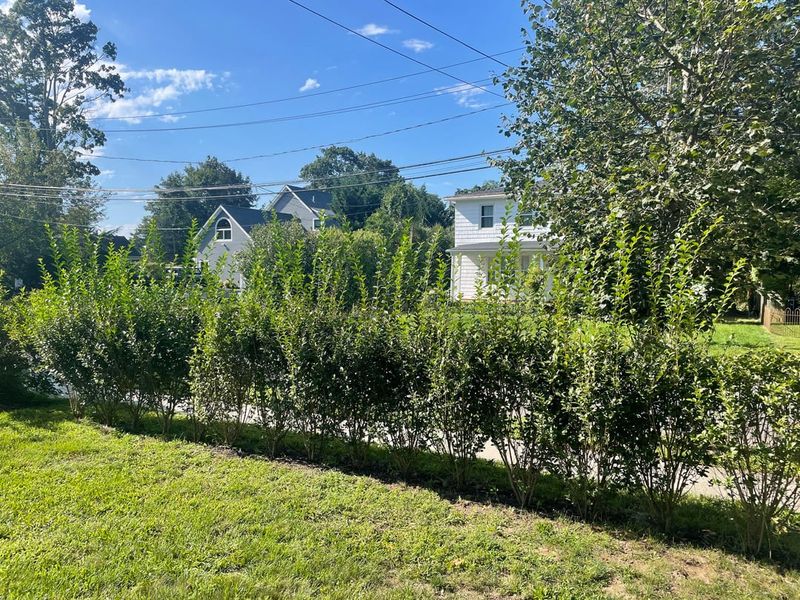
California law gives you the right to trim branches, roots, or foliage from a neighbor’s hedge if they cross onto your property.
This right is rooted in the principle that you have control over what happens within your own property boundaries, and you’re not required to tolerate encroaching vegetation.
However, this right comes with important limits. You can only trim what’s on your side of the property line, and you must do so carefully to avoid damaging the overall health of the plant.
If your trimming damages or seriously harms the hedge, you could be held liable for the damage.
You also cannot enter your neighbor’s property to trim without permission. Doing so could be considered trespassing, even if your intentions are good.
If the hedge needs work from their side to be properly maintained, you’ll need to communicate with your neighbor or seek legal remedies.
Keep in mind that trimming rights don’t extend to cutting down the entire hedge or removing it completely, even if it’s a nuisance. Removal or major alteration must be done by the owner or with their clear consent, unless a court orders otherwise.
3. When A Hedge Becomes A Legal Problem
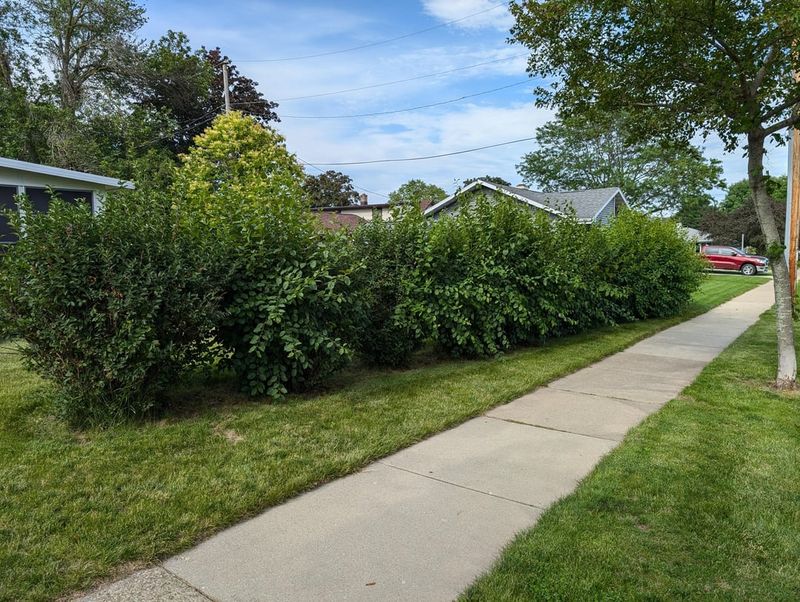
An overgrown hedge becomes more than a nuisance when it interferes with your reasonable use and enjoyment of your property.
In California, this type of interference can qualify as a private nuisance, which is a legal term for something that substantially interferes with your rights as a property owner.
Common examples include hedges that block sunlight to your garden, obstruct your view, drop excessive leaves or debris onto your yard, or attract pests like rats or insects.
If the hedge creates a safety hazard by blocking sightlines near a driveway or sidewalk, that can also rise to the level of a legal issue.
To pursue a nuisance claim, you generally need to show that the problem is ongoing, significant, and unreasonable. Minor annoyances, like a few stray leaves, typically won’t meet this standard.
The interference must be serious enough that a reasonable person would find it unacceptable.
Before taking legal action, California courts expect you to make a good-faith effort to resolve the issue directly with your neighbor.
Documenting the problem with photos, notes, and dates can help support your case if you eventually need to involve a lawyer or mediator.
4. How To Avoid Conflict With Your Neighbor
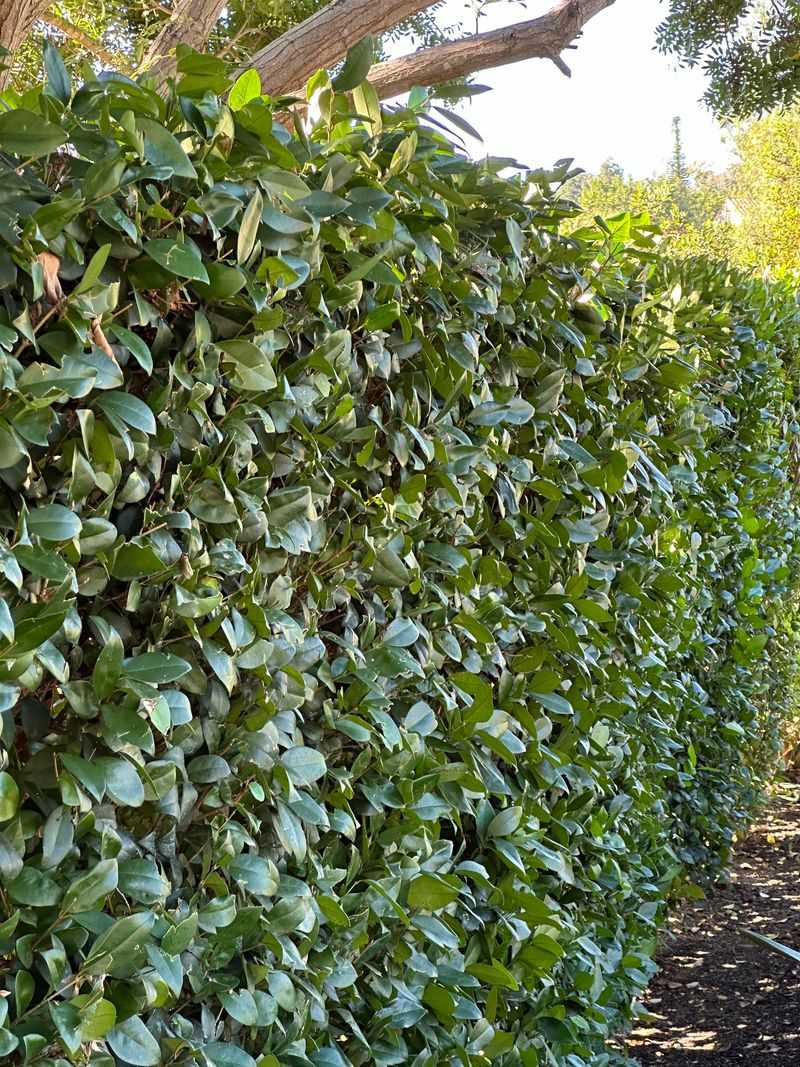
When dealing with an overgrown hedge that borders your property, the best first step is a calm, friendly conversation with your neighbor.
Choose a good time to talk, preferably when neither of you is rushed or stressed, and approach the situation with a cooperative attitude rather than frustration.
Start by acknowledging that you both share the space and want it to look nice, then gently explain your concern, whether it is blocking light, encroaching on your yard, or becoming difficult to maintain.
Use “I” statements such as “I’ve noticed the hedge is starting to come over onto my side,” instead of sounding accusatory, which helps prevent defensiveness.
Be open to listening as well, since your neighbor may not even realize there is a problem or may have their own concerns.
Try to suggest a simple, fair solution, such as trimming it together, setting a maintenance schedule, or splitting the cost of professional pruning if needed.
5. HOA Rules, City Laws, And What They Mean
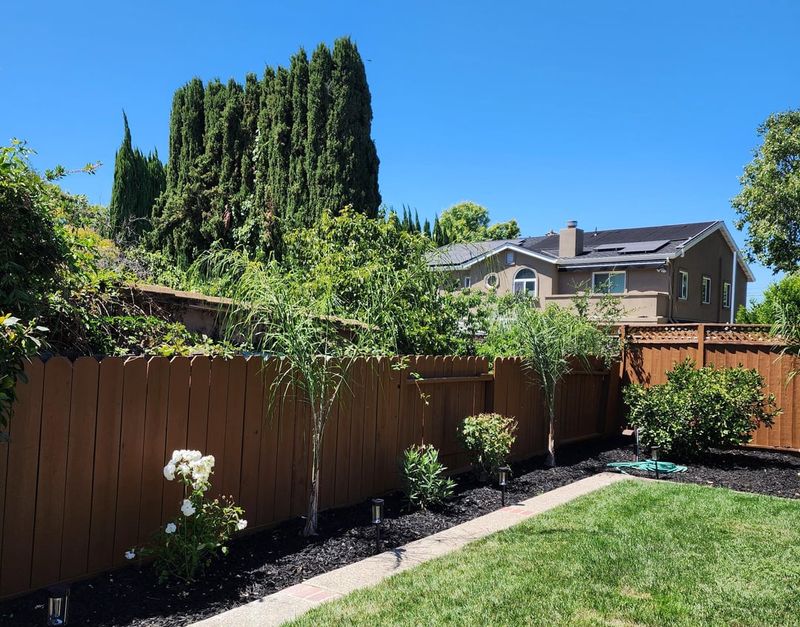
If you live in a homeowners association, your hedge situation may already be governed by CC&Rs (covenants, conditions, and restrictions) that dictate height limits, maintenance standards, and landscaping rules.
Many HOAs require hedges to stay below a certain height or be trimmed regularly to maintain neighborhood uniformity.
Your neighbor’s failure to maintain their hedge could be a violation of HOA rules, which means the association may have the authority to enforce compliance through fines or mandatory maintenance.
Reviewing your HOA’s governing documents and contacting the board can sometimes resolve the issue without you having to confront your neighbor directly.
Even without an HOA, many California cities and counties have local ordinances that regulate hedge height, especially near streets, sidewalks, or intersections. These laws are designed to protect public safety by ensuring clear sightlines for drivers and pedestrians.
If your neighbor’s hedge violates a local ordinance, you can file a complaint with your city’s code enforcement department. They’ll investigate and may issue a notice requiring your neighbor to trim or remove the hedge.
This approach keeps you out of the dispute and lets local authorities handle enforcement.
6. When It’s Time To Consider Legal Help
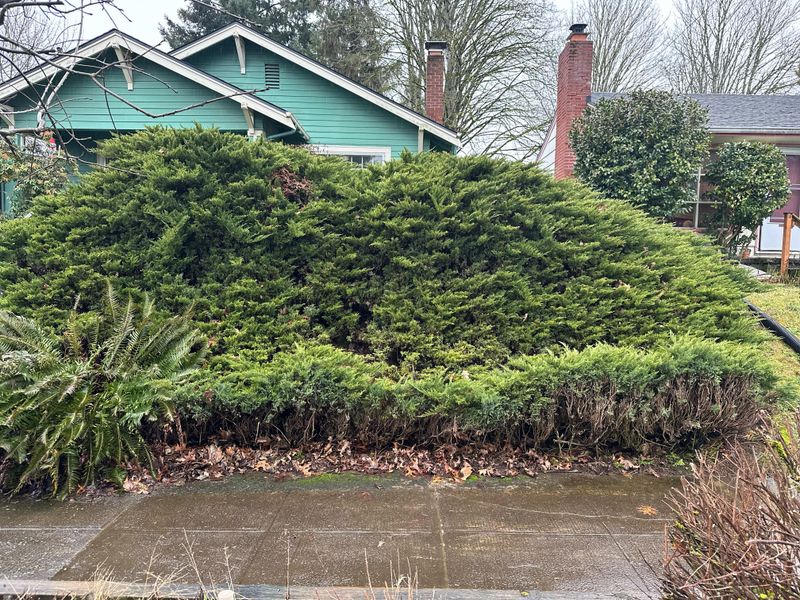
If direct communication and local enforcement haven’t resolved the issue, mediation can be a smart next step. Mediation involves a neutral third party who helps you and your neighbor reach a mutually acceptable solution without going to court.
It’s faster, less expensive, and less adversarial than litigation.
Many California counties offer low-cost or free mediation services specifically for neighbor disputes. These programs are designed to help people resolve conflicts over fences, trees, noise, and other property issues in a cooperative setting.
Even if mediation doesn’t result in a formal agreement, it can help clarify each person’s concerns and open the door to compromise.
If mediation fails or your neighbor refuses to participate, you may need to consult a real estate attorney. An attorney can help you understand your legal options, send a formal demand letter, or file a lawsuit for nuisance or property damage if the situation warrants it.
Litigation should be a last resort because it’s costly, time-consuming, and can permanently damage your relationship with your neighbor.
However, if the hedge is causing significant harm to your property and your neighbor refuses to address it, legal action may be the only way to protect your rights.
7. How To Avoid Hedge Disputes
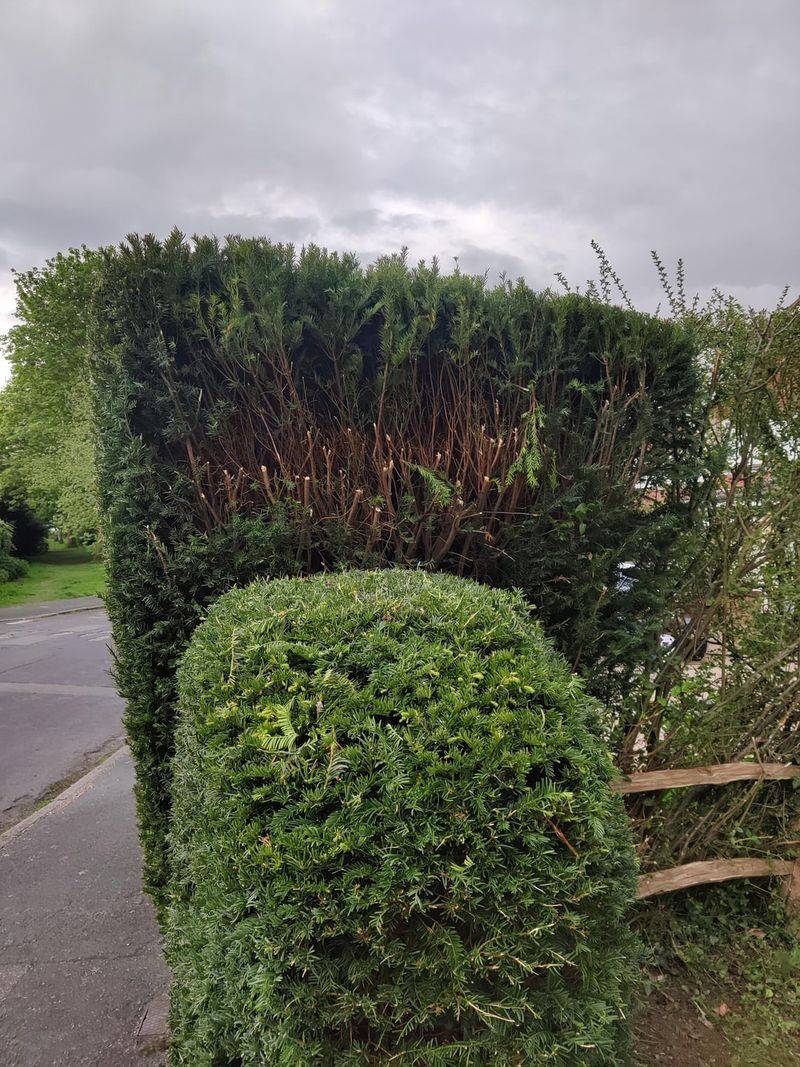
Prevention is always easier than resolution, and a little proactive communication can save you from months of frustration.
If you’re planting a new hedge or inheriting one when you buy a home, take time to understand where your property line is and what maintenance responsibilities come with it.
Talk to your neighbors early about expectations for trimming, height, and upkeep. A friendly conversation at the start can prevent misunderstandings later, especially if you agree on a maintenance schedule or cost-sharing arrangement for a shared hedge.
Keep your own landscaping well-maintained and be mindful of how your plants affect neighboring properties. Leading by example makes it easier to ask your neighbor to do the same, and it shows that you’re committed to being a considerate property owner.
Document your property boundaries with a survey if you haven’t already, and keep a copy of any HOA rules or local ordinances that apply to landscaping.
Having this information on hand makes it easier to address problems quickly and accurately if they arise.
Finally, stay calm and patient if issues do come up. Most neighbors want to avoid conflict just as much as you do, and approaching problems with respect and flexibility usually leads to a solution everyone can live with.