What To Do When An Opossum Wanders Into Your Ohio Yard
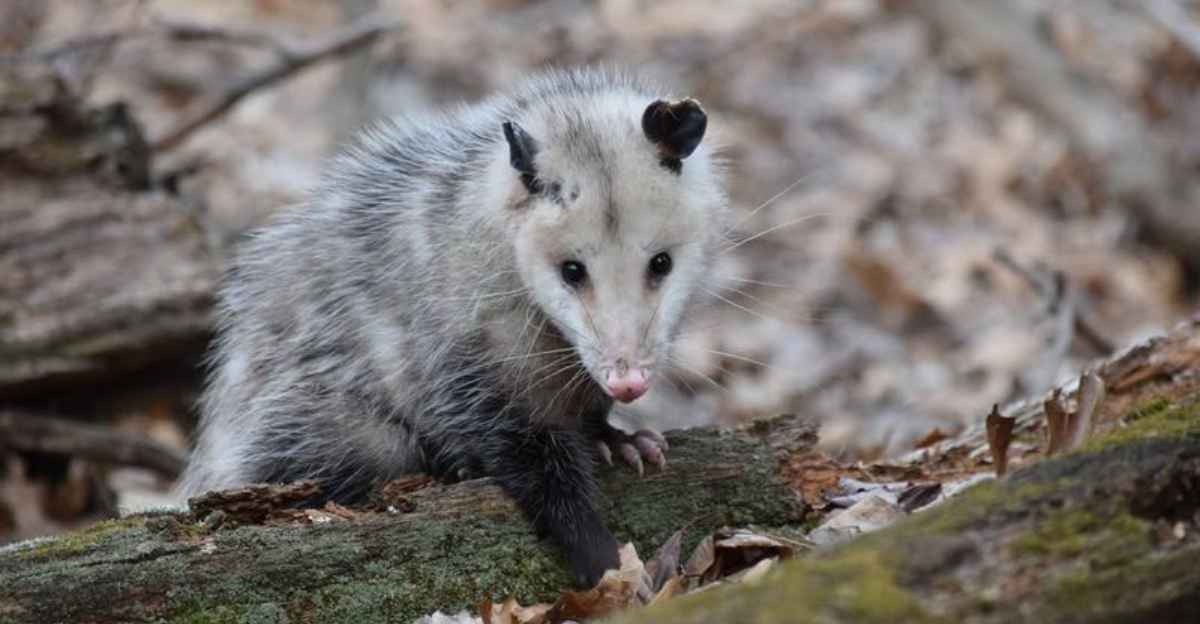
An opossum wandering into an Ohio yard can stir up surprise, but this quiet visitor usually brings more curiosity than trouble.
Moving with an easy shuffle and a nose for leftovers, an opossum slips through gardens like a nighttime inspector, checking corners most folks overlook.
Its presence may look alarming at first, yet this creature often helps more than it harms by cleaning up fallen fruit, pests, and anything a raccoon leaves behind.
When an opossum appears, a calm approach turns the moment into a simple part of backyard life. Small steps can guide it on its way while keeping pets, gardens, and routines undisturbed.
From securing trash to clearing clutter, a tidy yard sends the message that this guest should keep moving.
With a bit of awareness, homeowners can maintain peace and give the opossum the space it needs to pass through without ruffling feathers or stirring up a fuss.
1. Stay Calm And Keep Your Distance
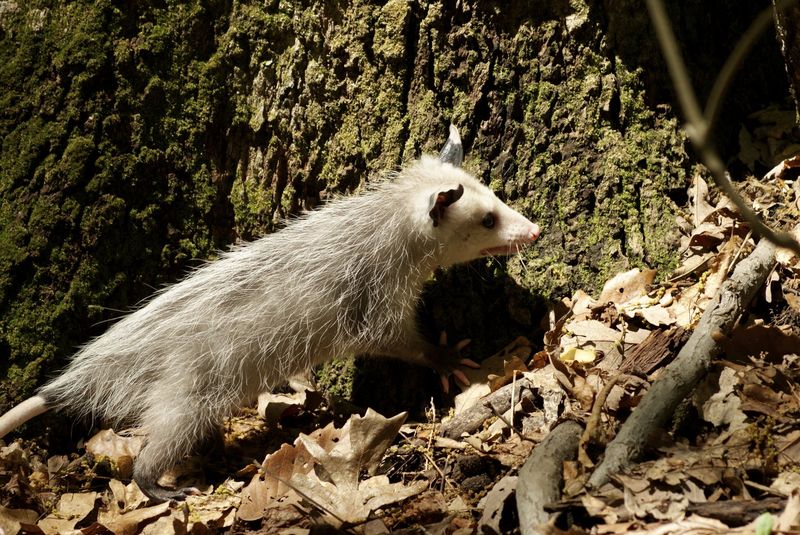
Your first reaction when spotting an opossum might be surprise or even concern, but staying calm is absolutely essential.
Opossums are naturally shy animals that want nothing to do with humans, and they’ll typically move along if given the chance.
Panicking or making sudden movements could startle the creature and cause it to react defensively, even though it’s generally non-aggressive.
Keeping at least ten to fifteen feet between you and the opossum gives both of you plenty of personal space.
This distance allows you to observe the animal safely while reducing any stress it might feel from your presence.
Remember that opossums have poor eyesight, so they rely heavily on their other senses to navigate and detect threats.
If you’re outside when you spot the opossum, avoid approaching it directly or cornering it against structures like fences or walls.
Ohio homeowners often find these marsupials near garbage cans, compost bins, or garden areas where food sources are available.
Simply backing away slowly and giving the animal a clear escape route usually solves the problem.
Children and pets should be brought inside immediately to prevent any unexpected interactions.
While opossums rarely bite, they will defend themselves if they feel threatened or trapped.
Your calm demeanor sets the tone for a peaceful resolution to this wildlife encounter.
2. Observe The Opossum’s Behavior Carefully
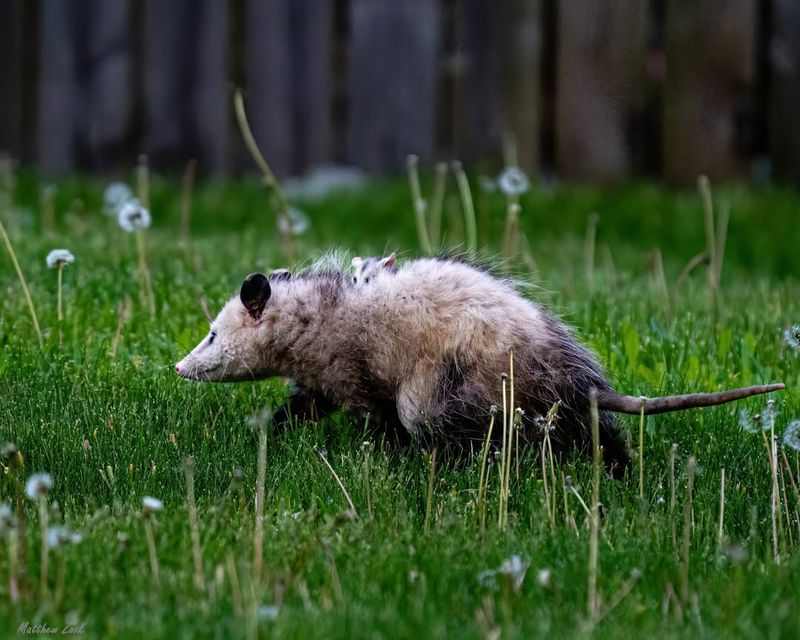
Watching how the opossum behaves gives you valuable clues about why it’s in your yard and what it might do next.
Most opossums are simply passing through Ohio neighborhoods on their search for food, water, or shelter.
They’re opportunistic feeders, meaning they’ll eat whatever is easiest to find, from fallen fruit to insects and small rodents.
Notice whether the animal appears healthy or if something seems wrong.
A healthy opossum will move deliberately, sniff around, and generally appear alert despite their somewhat clumsy gait.
If the opossum is stumbling, appears injured, or is out during bright daylight hours, it might be sick or in distress.
Pay attention to where the opossum is heading and what seems to interest it most.
Is it investigating your trash cans, wandering near your garden, or exploring under your porch?
Understanding its motivation helps you address the root cause of the visit.
Many Ohio residents discover that opossums return repeatedly when food sources remain accessible.
Take note of the time as well, since opossums are nocturnal creatures.
Seeing one after sunset is completely normal behavior, but daytime sightings warrant extra caution.
Document what you observe, as this information could be useful if you need to contact wildlife professionals later for assistance with persistent visitors.
3. Never Attempt To Touch Or Handle It
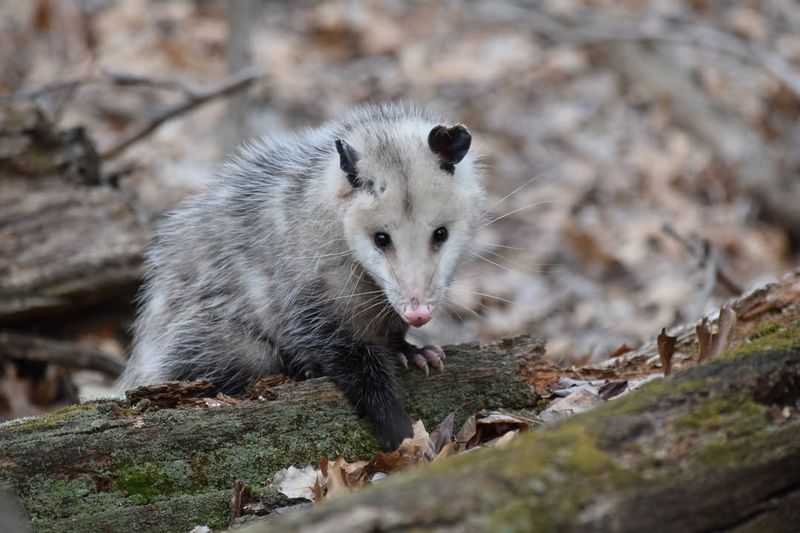
Touching or trying to pick up an opossum is one of the worst mistakes you can make during an encounter.
Even though these marsupials rarely attack, they will bite or scratch when they feel cornered or handled by humans.
Their teeth are surprisingly sharp, and any bite carries the risk of infection or injury that requires medical attention.
Wild animals also carry various parasites and bacteria that can transfer to humans through direct contact.
Opossums may harbor fleas, ticks, or mites that could jump onto you or your clothing.
While opossums have a lower body temperature that makes them less likely to carry rabies compared to other mammals, the risk still exists and shouldn’t be ignored.
Children are especially curious and might want to approach or pet what they perceive as an interesting animal.
Ohio parents should teach their kids that all wildlife deserves respect and space, no matter how harmless it might appear.
Explain that opossums have their own families and homes, and being touched by humans causes them significant stress.
If you absolutely must move an opossum for safety reasons, never use your bare hands.
Professional wildlife handlers use specialized equipment and techniques to relocate animals safely.
The best approach is always to let the opossum leave on its own terms, which it will typically do once it feels safe and unthreatened by your presence.
4. Secure Your Pets Indoors Immediately
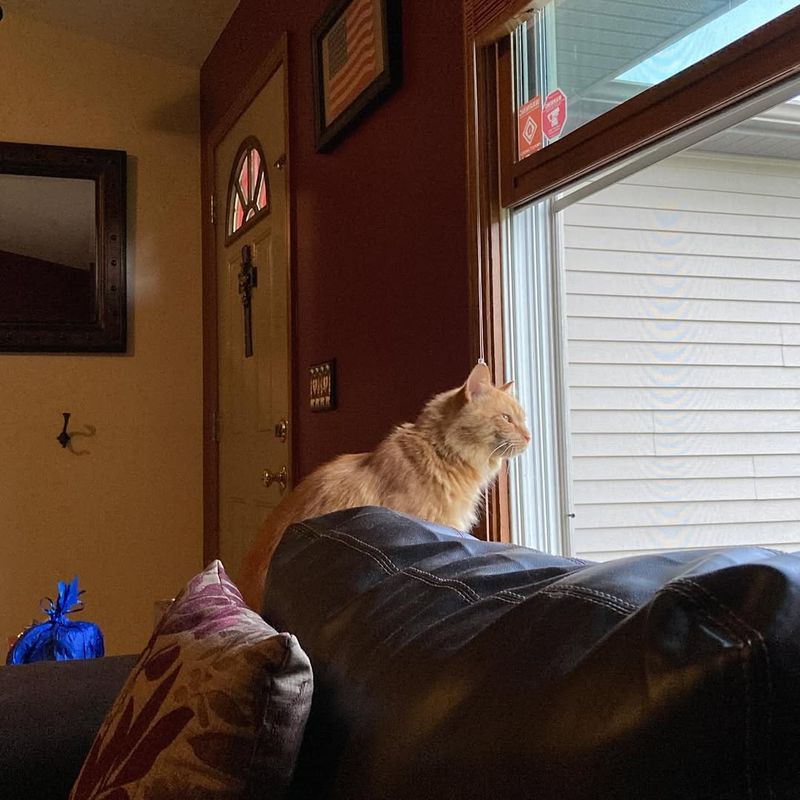
Dogs and cats have natural hunting instincts that can kick in when they spot an opossum in the yard.
Bringing your pets inside right away prevents potentially dangerous encounters that could harm either animal.
Even friendly, well-trained pets might react unpredictably when confronted with unfamiliar wildlife in their territory.
Dogs are particularly likely to chase or corner an opossum, which can lead to defensive reactions from the marsupial.
When threatened, opossums may hiss, show their teeth, or even play dead in their famous defensive display.
A curious dog might interpret these behaviors as an invitation to investigate further, leading to bites or scratches that require veterinary care.
Cats can also get into trouble with opossums, especially outdoor cats who regularly patrol Ohio yards at night.
While cats are generally more cautious than dogs, a face-to-face encounter in close quarters could result in a scuffle.
Opossums have fifty teeth, more than any other North American mammal, and they’ll use them if necessary.
Once your pets are safely inside, keep them there until the opossum has left your property completely.
This might mean keeping dogs on leash for evening bathroom breaks or delaying your cat’s outdoor time until morning.
The temporary inconvenience is worth avoiding a veterinary emergency or a traumatized wild animal that might have otherwise passed through peacefully and quietly.
5. Turn On Outdoor Lights To Encourage Departure
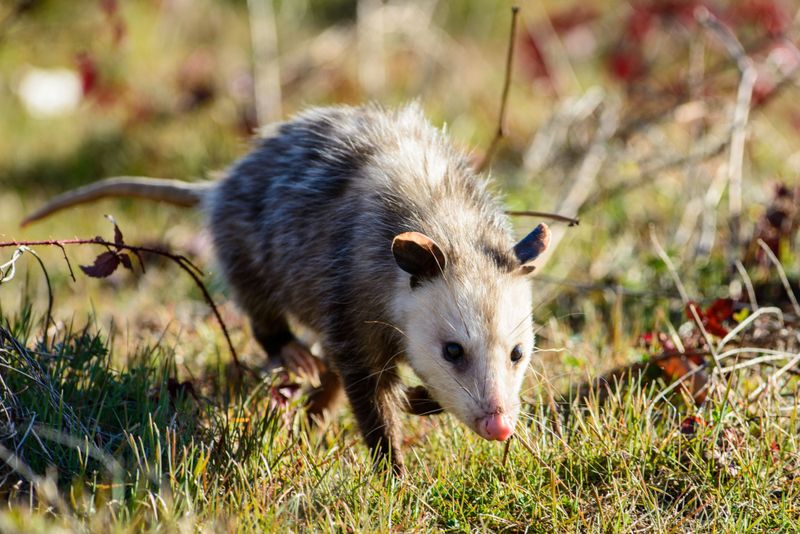
Bright lights can be surprisingly effective at convincing an opossum to leave your Ohio property.
Since these creatures are nocturnal and prefer darkness for their activities, sudden illumination makes them uncomfortable and more likely to seek darker, quieter areas.
Flipping on your porch lights, motion-sensor lights, or even shining a flashlight in the general direction of the animal can prompt it to move along.
The key is to use light as a gentle deterrent rather than an aggressive tactic.
You’re not trying to frighten the opossum into a panic, but simply making your yard less appealing for its nighttime wandering.
Most opossums will naturally gravitate toward shadows and covered areas where they feel safer from predators.
Motion-activated lights are particularly useful for Ohio homeowners who frequently deal with wildlife visitors.
These lights turn on automatically when they detect movement, startling opossums just enough to send them looking for alternative routes.
Installing these around common entry points like gates, fence lines, or gaps under decks can reduce repeat visits significantly.
Remember that lighting alone won’t solve persistent opossum problems if your yard offers attractive food sources or shelter.
However, as an immediate, humane response to a single encounter, turning on lights works well.
The opossum will usually shuffle off to continue its foraging elsewhere, leaving your property without any need for intervention or contact.
6. Remove Food Sources That Attracted It
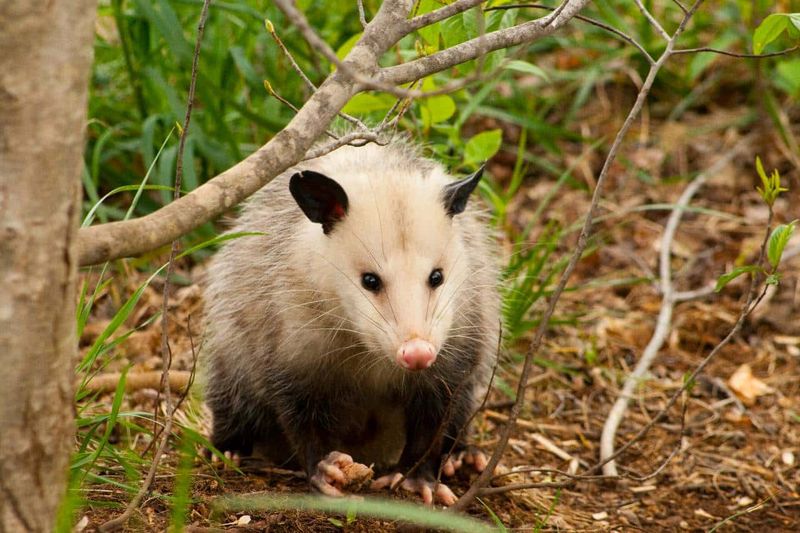
Opossums don’t wander into yards randomly; they’re drawn by the promise of an easy meal.
Identifying and eliminating these food sources is crucial for preventing future visits to your Ohio property.
Common attractants include unsecured garbage cans, pet food left outside, fallen fruit from trees, compost piles, and accessible bird feeders that spill seeds onto the ground.
Start by inspecting your trash situation, as garbage is one of the biggest draws for opossums and other wildlife.
Use cans with tight-fitting, lockable lids that can’t be easily knocked over or opened by curious paws.
If possible, store your garbage cans in a garage or shed until collection day rather than leaving them outside overnight.
Pet owners should bring food and water bowls inside after feeding times, especially in the evening when opossums are most active.
Even small amounts of kibble or wet food can attract these opportunistic feeders from considerable distances.
The same goes for bird feeders, which should either be taken down at night or equipped with baffles that prevent access from below.
Gardens and fruit trees require regular maintenance to remove fallen produce that opossums find irresistible.
Ripe tomatoes, apples, berries, and other produce lying on the ground create an all-you-can-eat buffet for hungry marsupials.
By keeping your Ohio yard clean and free of these temptations, you make it far less likely that opossums will choose your property as a regular stop on their nightly rounds.
7. Check For Possible Shelter Spots
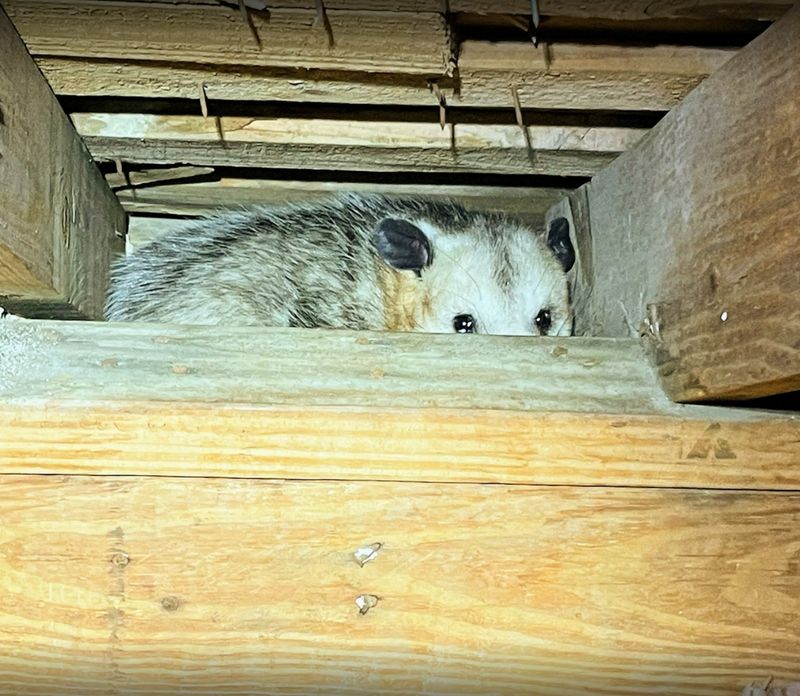
Beyond food, opossums seek safe places to rest during daylight hours and raise their young during breeding season.
Your Ohio yard might offer ideal shelter without you even realizing it.
Common hiding spots include spaces under decks and porches, brush piles, hollow logs, abandoned burrows, wood piles, and gaps in foundations or crawl spaces beneath homes.
Conduct a thorough inspection of your property to identify potential den sites.
Look for openings in skirting around mobile homes, gaps where additions meet older structures, and spaces where landscaping creates hidden pockets.
Opossums can squeeze through surprisingly small openings, roughly the size of a baseball, so don’t overlook minor gaps.
If you discover signs that an opossum has taken up residence, such as droppings, disturbed insulation, or nesting materials, proceed carefully.
During spring and summer months in Ohio, female opossums might have babies in their pouches or young following them.
Evicting a mother with dependent babies requires special consideration and possibly professional help.
Once you’ve confirmed the opossum has left, seal entry points with hardware cloth, metal flashing, or other sturdy materials that can’t be chewed through.
Regular fence boards or chicken wire won’t stop a determined opossum.
Make repairs during daylight hours when you’re certain no animals are inside, as trapping an opossum inside its shelter creates a much bigger problem than having one occasionally visit your yard at night.
8. Use Humane Deterrents If Necessary
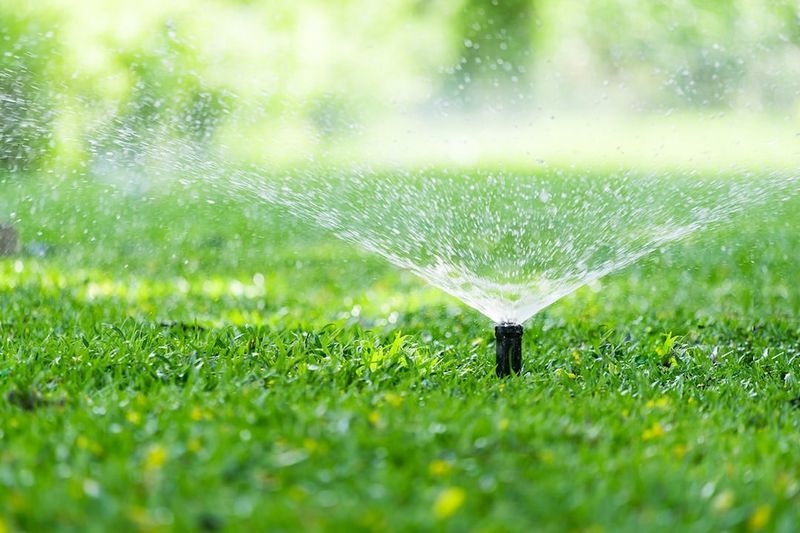
When opossums become regular visitors to your Ohio property despite your best prevention efforts, humane deterrents can help convince them to relocate.
Motion-activated sprinklers are highly effective, startling opossums with sudden bursts of water when they enter designated areas.
These devices work around the clock and don’t harm the animals, just making your yard less comfortable for their activities.
Natural repellents based on predator scents or strong odors can also discourage opossums from settling in.
Products containing garlic, peppermint oil, or fox urine create an environment that opossums find unpleasant.
Apply these around the perimeter of your property, near known entry points, or in areas where you’ve observed repeated activity.
Some Ohio homeowners find success with ammonia-soaked rags placed in areas where opossums shelter.
The strong smell mimics predator urine and makes the space seem dangerous.
Replace these rags every few days to maintain effectiveness, and always place them where pets and children cannot access them.
Radio noise or wind chimes near problem areas can also work, as opossums prefer quiet environments.
Set a battery-powered radio to a talk station at low volume near a deck or shed where opossums have been hiding.
The unpredictable human voices make them nervous enough to seek quieter accommodations elsewhere in the neighborhood, all without causing any harm to these beneficial creatures that eat ticks and other pests.
9. Know When To Contact Wildlife Professionals

Most opossum encounters resolve themselves naturally, but certain situations require professional assistance.
If an opossum appears sick, injured, or is acting aggressively, contact your local Ohio wildlife rehabilitation center or animal control office.
Professionals have the training and equipment to handle these situations safely and humanely.
Repeated visits despite your deterrent efforts might indicate a more complex problem that needs expert evaluation.
Wildlife control specialists can identify attractants you might have missed and suggest structural repairs to prevent access.
They can also determine whether you’re dealing with a single opossum or multiple animals using your property as a thoroughfare.
If you discover baby opossums without their mother, don’t attempt to care for them yourself.
These young animals require specialized care and feeding that only licensed rehabilitators can provide.
In Ohio, it’s actually illegal to keep wild animals without proper permits, even if your intentions are good.
When an opossum has established a den in an inaccessible location like inside your walls or attic, professional removal becomes necessary.
These experts use humane exclusion techniques that allow the animal to leave but prevent re-entry.
They’ll also check for any damage that needs repair and advise you on preventing future wildlife issues.
Remember that opossums are beneficial animals that control pest populations, so the goal is always peaceful coexistence rather than elimination whenever possible in Ohio’s diverse ecosystem.