What To Do With A Fig Tree After Harvest
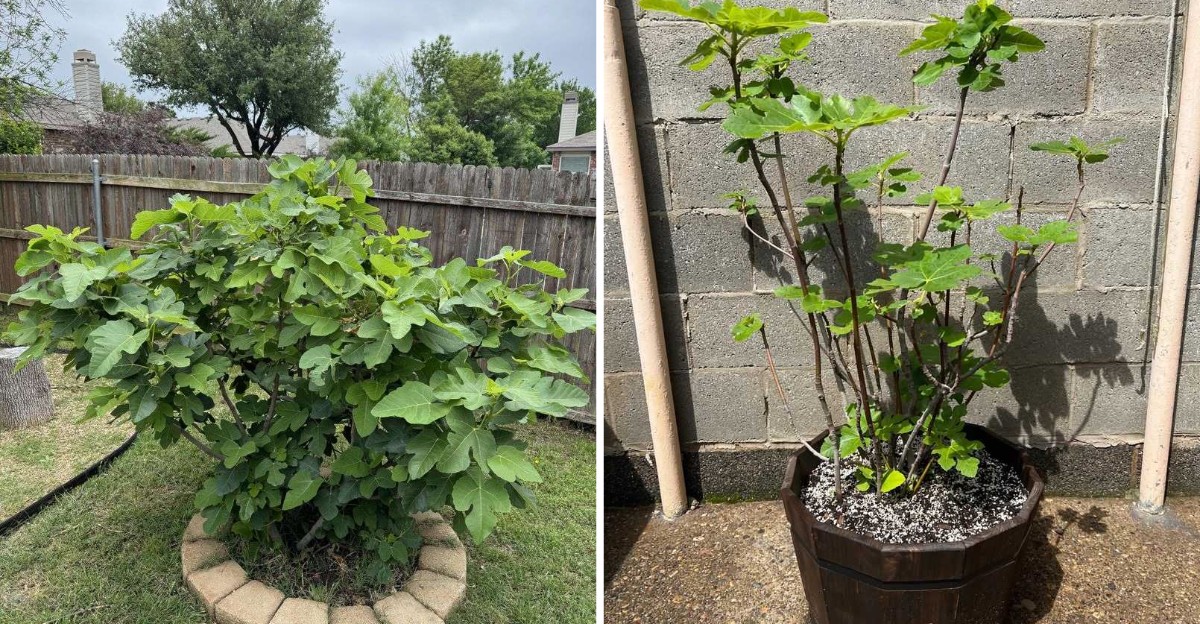
The last sweet fruit is gone, and the branches look a little lost without their sticky treasure. Even the wasps buzzing around the patio seem confused, circling the empty spots like guests after the party ends.
You might think the hard work is finished when the baskets are full and your fingers smell sweet. Your tree, however, has quieter plans forming under the bark as the cool October air settles in.
Fall is the season when a smart gardener sets the stage for next year’s juicy harvest. A few simple chores right now can mean bigger crops, stronger branches, and far fewer headaches later on.
Skip those chores, and the yard can turn into a buffet for bugs, mold, and hungry raccoons. Nobody wants to step outside in slippers and squish something mushy that smells like old jam.
So grab your gloves, a sturdy rake, and maybe a cup of warm cocoa for courage. The tree has been generous all season long, and frankly, it expects a thank-you note and a snack.
1. Clean Up Every Fallen Fruit From The Ground
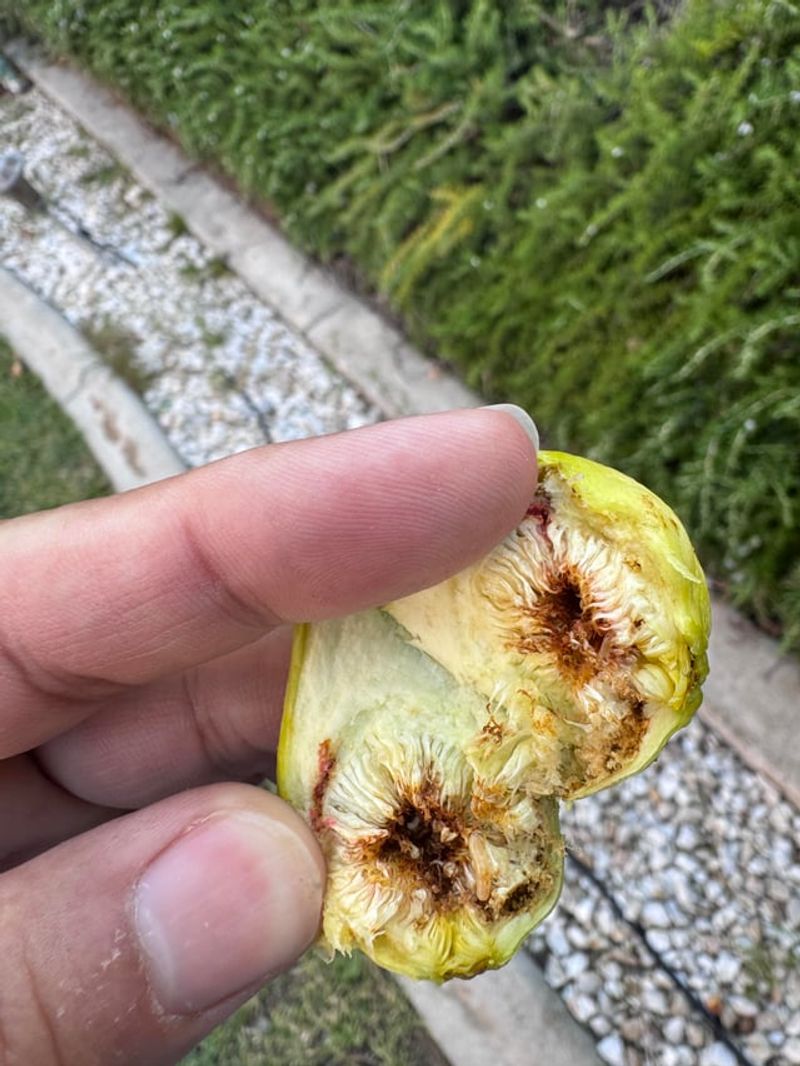
Picture a raccoon at midnight, happily munching on your forgotten fruit while you sleep soundly inside the house. Leftover figs on the ground are basically a free dinner invitation for critters, ants, and buzzing yellow jackets.
Fallen fruit rots fast in cool, damp fall weather, and that soft mess can invite mold and fungus. Spores from rotting figs may hang around in the soil and cause trouble for your tree next year.
Start by walking slowly around the tree and picking up every squishy fig you can spot in the grass. Check under bushes and along fences too, since birds and squirrels often drag fruit away to snack later.
Wear gloves for this job, because overripe figs get sticky and the milky sap can irritate sensitive skin. A small bucket or garden cart makes the chore faster and saves your back from too much bending.
Toss the rotten fruit in the trash or a hot compost pile that heats up well in the center. Cold, slow compost piles may not break down disease spores, so the trash can is a safer choice.
Pick off any shriveled figs still clinging to the branches. Leaving these dried fruits in place gives pests and disease a spot to wait out the cold months.
Finish by raking up old leaves and twigs so the ground under the tree looks neat and tidy. Your nose, your shoes, and your fig tree will all thank you for this simple bit of cleanup.
2. Give The Roots A Deep Fall Drink
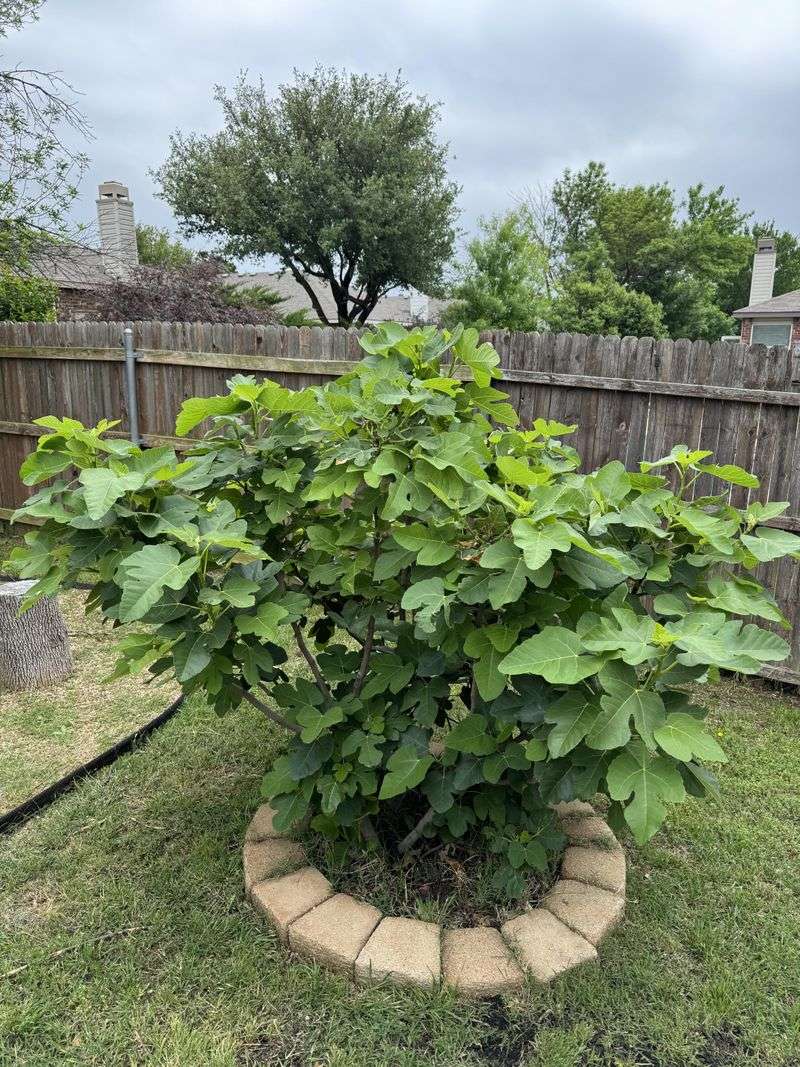
Thirsty roots do not take a vacation just because the weather turns crisp and the days grow shorter. Fig trees keep working underground in early fall, storing energy that helps them wake up strong later on.
Many fall days bring dry weather and little rain, which can leave the soil dry and hard. A stressed tree heading into winter is more likely to struggle with cold damage and weak spring growth.
Try giving your tree a slow, deep soak about once a week if the ground feels dry to touch. Stick a finger two inches into the soil near the trunk, and water when it feels dry and crumbly.
A soaker hose or a gently trickling garden hose works well, letting water sink down instead of running off. Aim for moisture that reaches roughly a foot deep, since that is where many of the feeding roots live.
Water in the morning so the leaves and soil surface have time to dry before the chilly evening. Damp, cold nights can invite fungus, and nobody wants a soggy tree shivering under the stars.
Ease off watering as the leaves start turning yellow and dropping, since the tree needs less moisture then. Once the tree is bare and sleeping, an occasional drink during long dry spells is usually plenty.
Think of fall watering like packing a lunch for a long trip that lasts through the cold months. A well-fed root system wakes up hungry, healthy, and ready to push out fresh green leaves next year.
3. Skip The Fertilizer Bag Until Next Year
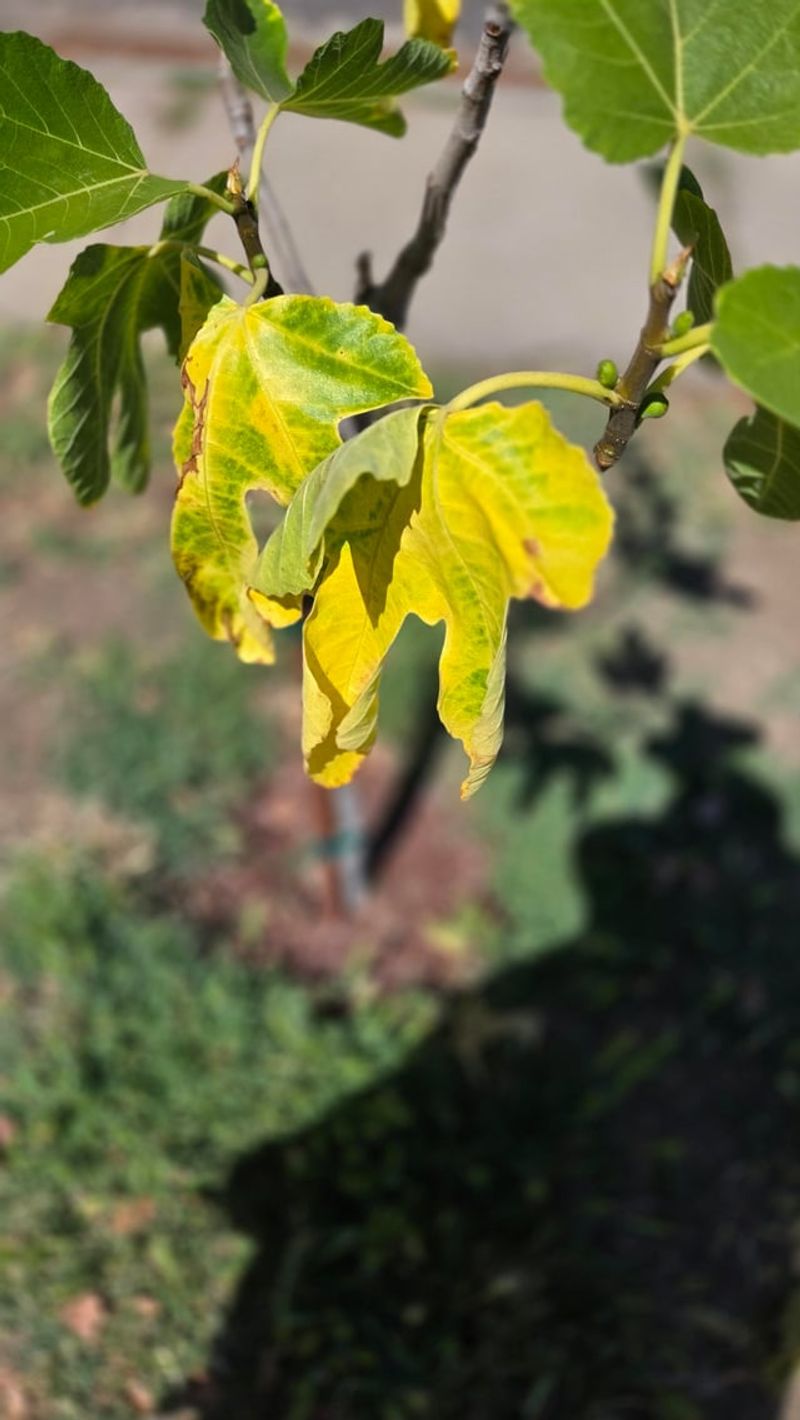
Feeding your fig tree right now might feel kind, but it is a bit like serving espresso at bedtime. Fertilizer tells the tree to grow, and October is the moment when it should be slowing down instead.
Fresh, tender shoots that sprout in fall rarely have time to harden before the first cold snap arrives. Those soft branches can freeze, turn black, and leave damaged spots where pests and fungus may move in.
Most fig growers stop feeding their trees by midsummer, letting the plant focus on ripening fruit and resting. If you still have a half-full bag of plant food, tuck it in the shed until next year.
Fig trees are not heavy eaters anyway, and too much nitrogen often leads to lots of leaves but fewer figs. Fig trees usually do well in average soil, and light feeding is often enough for steady fruit.
Instead of fertilizer, consider a light layer of finished compost spread around the base of the tree. Compost feeds the soil slowly and gently, improving its texture without pushing the tree into a growth spurt.
Fun fact for curious gardeners, figs have been grown by people for thousands of years. Ancient growers had no commercial fertilizers, and the trees still produced fruit.
Mark your calendar to feed the tree once new leaves appear and the soil warms up next spring. Until then, let your fig rest like a sleepy cat curled up in a sunny window.
4. Snip Away Broken And Crossing Branches
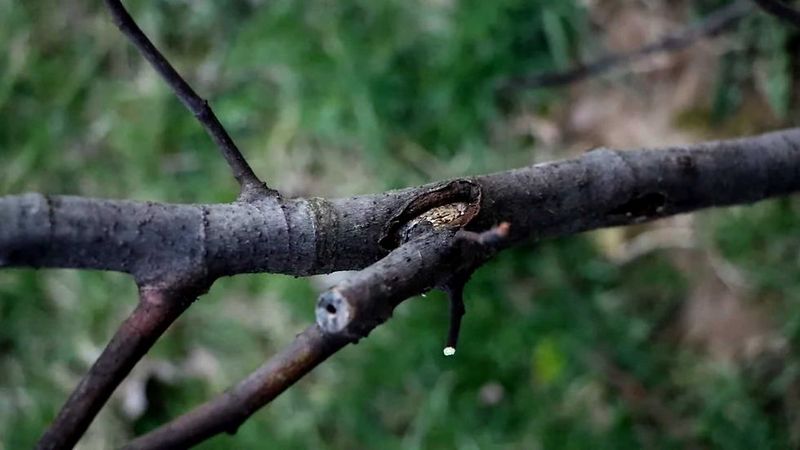
Grab your pruners, but hold off on any big haircut for now, because timing matters a lot here. Fall is the season for light tidying, while major shaping works best in late winter when the tree sleeps.
Start by looking for branches that are cracked, snapped, or hanging low from the weight of heavy fruit. Broken limbs can tear further in winter winds, so removing them now prevents bigger wounds and messy splits.
Next, look for branches that rub against each other, since constant scraping wears away the protective bark. Those raw spots become easy doorways for insects and fungus, which could weaken the tree over time.
Make each cut just outside the small swollen collar where the branch meets the trunk or a larger limb. Clean, angled cuts heal faster than jagged ones, so keep your tools sharp and wiped with disinfectant.
Wear long sleeves and gloves, because fig sap is milky and sticky and may cause an itchy rash. Some people react to the sap more strongly in sunlight, so cloudy fall days make a smart pruning choice.
Try not to remove more than a few branches at once, since heavy fall pruning can encourage tender growth. A gentle trim keeps the tree balanced and safe without waking it up right before winter arrives.
Toss the clippings rather than leaving them in a pile, because old wood can shelter beetles and borers. Your fig will look neater, breathe easier, and stand up better to the gusty weather ahead.
5. Pile On A Cozy Blanket Of Mulch
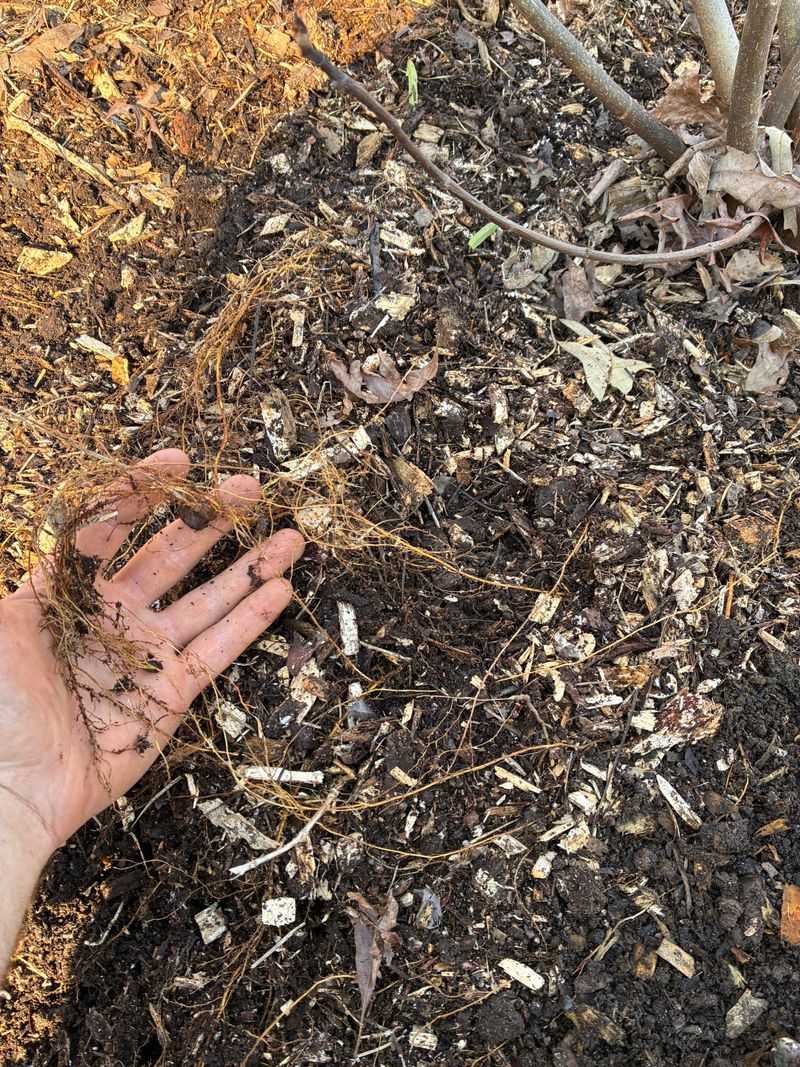
Imagine stepping barefoot onto cold tile on a frosty morning, and you will understand how bare roots feel. A thick layer of mulch acts like a fuzzy rug, keeping the soil cozy as temperatures start dropping.
Fig roots sit fairly close to the surface, which makes them sensitive to freezing and thawing cycles. Mulch helps hold steady soil temperatures, so roots stay calmer and are less likely to get damaged.
Shredded bark, pine straw, chopped leaves, and clean straw all make great options for covering the ground. Many gardeners grab fallen autumn leaves from healthy trees, run the mower over them, and spread them out.
Aim for a layer around three to four inches deep, stretching out to the edge of the branches. In colder areas, some growers pile mulch even higher once the tree drops its leaves and goes dormant.
Leave a small gap of a few inches between the mulch and the trunk to keep bark dry. Mulch packed tightly against the trunk can trap moisture and invite rot, mice, and other unwanted guests.
Mulch also holds in moisture, slows down weeds, and slowly breaks down to feed the soil underneath. Earthworms are drawn to it, and their tunneling helps air and water reach the roots more easily.
Check the layer every few weeks, adding more if wind or curious squirrels scatter it across the yard. A little extra effort now gives your fig a warm, snug bed for its long seasonal nap.
6. Watch The Leaves For Rust And Pests
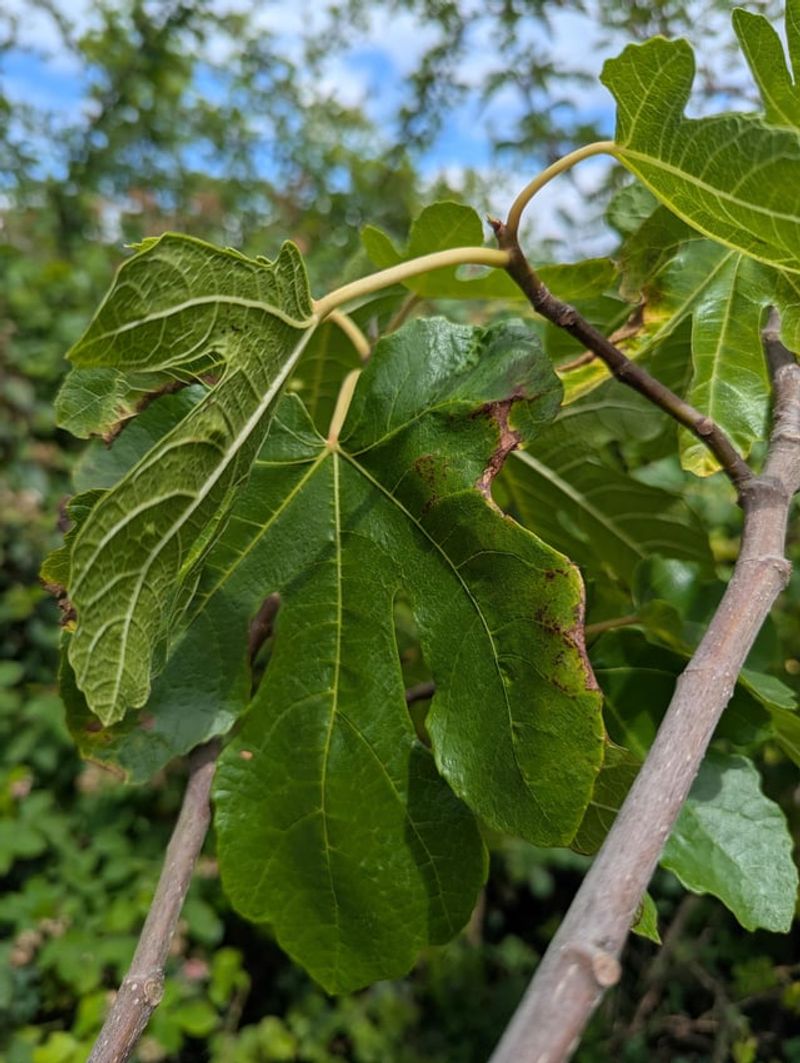
Orange dust on a fig leaf might look like someone sprinkled cheese puffs across your garden overnight. That powdery coating is often fig rust, a common fungus that shows up in late summer and early fall.
Rust causes leaves to turn yellow, brown, and crispy, and they may drop much earlier than usual. A little rust late in the season is mostly harmless, but heavy cases can weaken the tree over time.
Rake up and throw away fallen leaves with spots, since the fungus can survive on them through winter. Avoid splashing water onto the leaves, and water at the base to keep the foliage dry and healthy.
Pests also sneak around in the fall, so flip a few leaves and inspect the undersides closely. Look for tiny webs from spider mites, clusters of scale insects, or sticky spots left behind by sap feeders.
A strong spray of water can knock off many small pests, and insecticidal soap helps with stubborn ones. Check the trunk near the soil too, since small holes or sawdust may point to boring beetles inside.
Taking a quick photo of strange spots makes it easier to ask for help at a local garden center. Your county extension office can also identify problems and suggest safe treatments for your specific area and climate.
Think of yourself as a friendly garden detective, wandering out with a magnifying glass and a curious mind. Catching problems early in fall gives your fig a healthier start next year.
7. Wrap Young Trees Before The First Frost
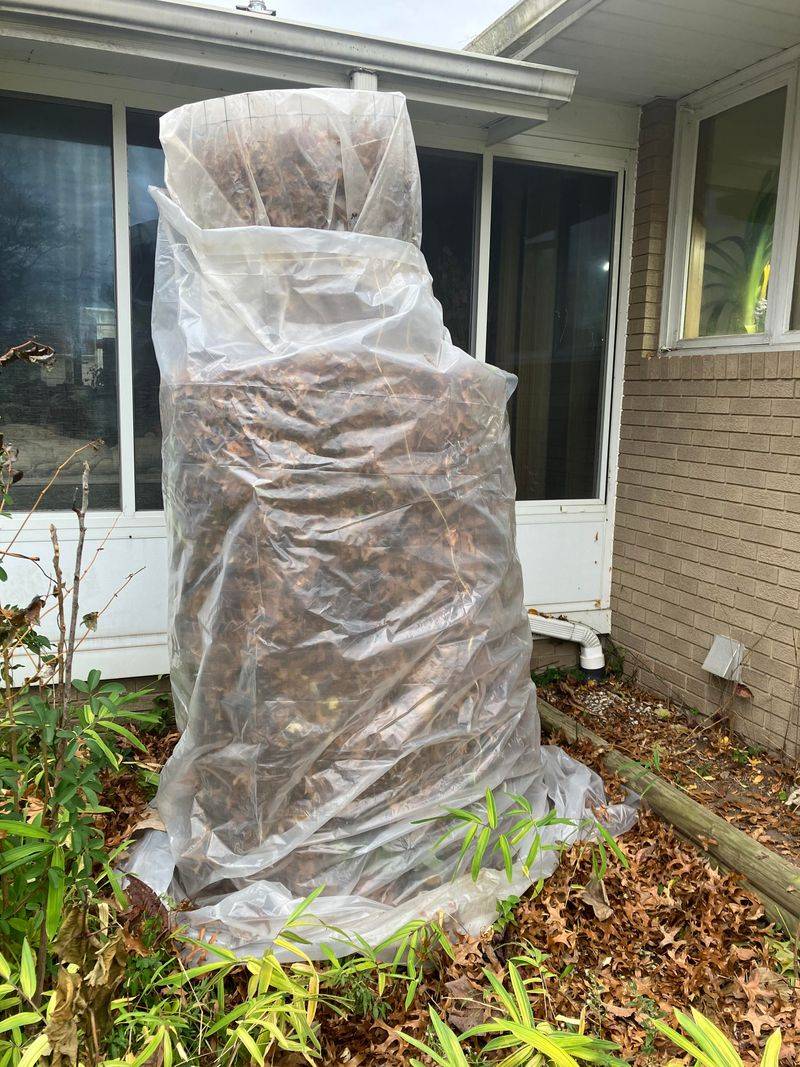
Young fig trees are a bit like toddlers in winter, needing extra layers before they head outside to play. Many fig varieties can handle mild cold, but hard freezes can damage branches and sometimes the roots too.
Gardeners in chillier areas often wrap their trees once the leaves drop and nighttime frost becomes regular. Check your local frost dates, since the first freeze can arrive anywhere from October to early December.
Start by gently bending or tying the branches together with soft twine so the tree takes up less space. Next, wrap the bundle in burlap or frost cloth, which lets air move while keeping cold wind away.
Some growers build a simple cage of chicken wire around the tree and stuff it with dry leaves. Those crunchy leaves trap pockets of air, creating a surprisingly warm little shelter that resembles a scarecrow.
Avoid plastic sheeting directly on the tree, because it traps moisture and can overheat branches on sunny days. If you add a plastic layer for rain, leave the top open so warm, damp air can escape.
Older, well-established trees in warmer zones often get by with just mulch and a sheltered spot nearby. Still, a surprise cold snap can catch anyone off guard, so keep some frost cloth handy just in case.
Your neighbors may wonder why a burlap bundle is standing in your yard, looking like a giant haystack. Just smile and wave, because that silly bundle is protecting next year’s sweet and sticky harvest.
8. Move Potted Figs Into A Sheltered Spot
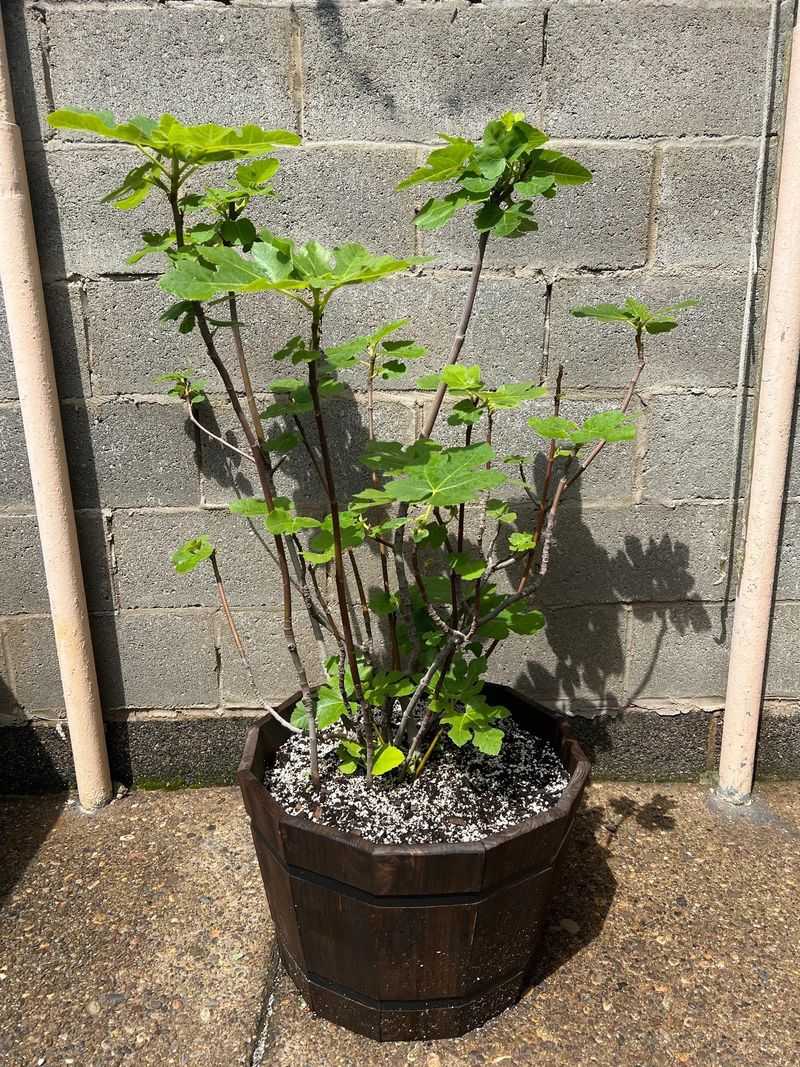
Potted figs have a clever advantage over their in-ground cousins, because they can simply pack up and move. Roots in containers feel the cold much faster, so a little relocating goes a long way this fall.
Wait until the tree drops most of its leaves after a light frost, which signals it is ready to rest. Moving it too early may confuse the tree, while waiting too long risks frozen roots and cracked pots.
An unheated garage, a cool basement, or a shed works wonderfully as a winter hideout for dormant figs. The ideal spot stays chilly but mostly above freezing, somewhere roughly between thirty and fifty degrees Fahrenheit all winter.
Dormant trees do not need sunlight, so a dark corner is perfectly fine while they sleep through winter. Warm, bright rooms inside the house may trick the fig into growing, which leads to weak, floppy shoots.
Water lightly about once a month, giving just enough to keep the soil from turning bone dry. Too much water in a cold space can cause root rot, so err on the drier side.
Use a plant dolly or a wagon to move heavy pots, saving your back from an unpleasant surprise. Many gardeners in colder regions have moved potted figs into garages for the winter for generations.
Bring the pot back outside once the danger of frost has passed and the days feel warmer again. Your fig will stretch, leaf out, and get right back to the business of making sweet fruit.