What To Fertilize In April For Healthier, Thriving Gardens In North Carolina
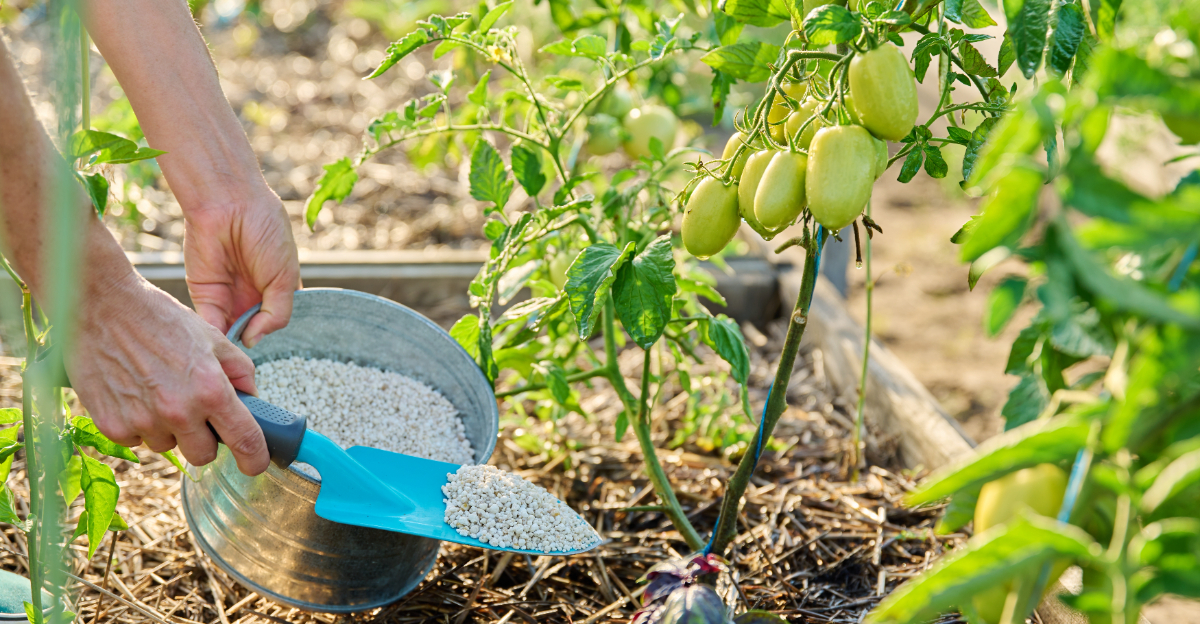
April in North Carolina represents a botanical explosion as the Piedmont and coastal plains finally shed the last remnants of frost.
This month serves as the critical transition point where the warming red clay triggers a massive demand for nutrients from every emerging root system.
While many homeowners wait for the full heat of June to support their landscapes, the most successful local growers know that an April application of fertilizer acts as a high-octane fuel for the entire year.
Whether you are tending to sprawling azalea thickets or preparing a raised bed for summer heirlooms, providing the right mineral balance now ensures sturdy stems and vibrant foliage.
This early intervention builds the structural resilience needed to withstand the coming humidity and intense Southern sun.
By establishing a rich nutritional foundation during these few weeks of spring, you ensure your garden remains a lush and productive sanctuary.
1. Azaleas
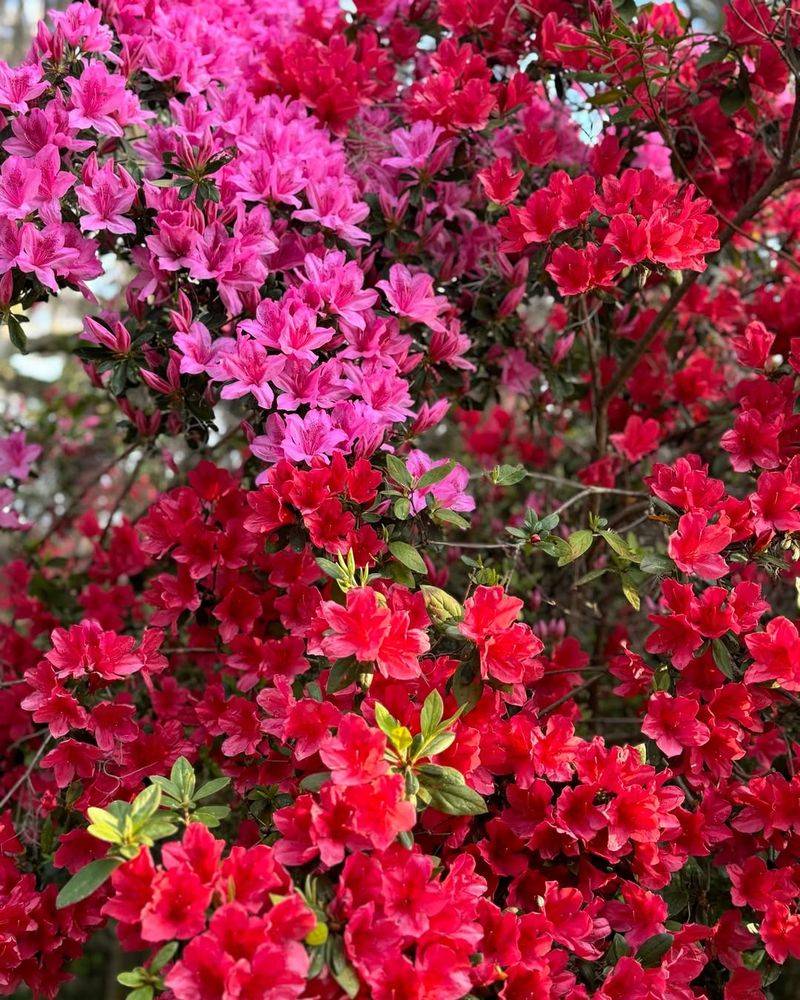
Few plants put on a show quite like azaleas do in a North Carolina spring. These beloved flowering shrubs burst into color every April, turning yards into something that looks straight out of a painting.
Fertilizing them right as they begin to bloom gives them the boost they need to stay strong and healthy all the way through summer and into next year.
The best fertilizer for azaleas is one made specifically for acid-loving plants. Look for a product labeled for azaleas, rhododendrons, or camellias at your local garden center.
Applying it after the first blooms open helps the plant absorb nutrients without stressing the flowers. Scatter the granules around the base of the shrub and water it in well so the roots can access everything right away.
One thing many North Carolina gardeners overlook is soil pH. Azaleas love slightly acidic soil, ideally between 4.5 and 6.0.
If your soil is too alkaline, even the best fertilizer will not work as well as it should. A simple soil test from your local extension office can tell you exactly what your garden needs.
Feeding your azaleas in April means you are already setting up bigger, more vibrant blooms for next spring too.
2. Roses
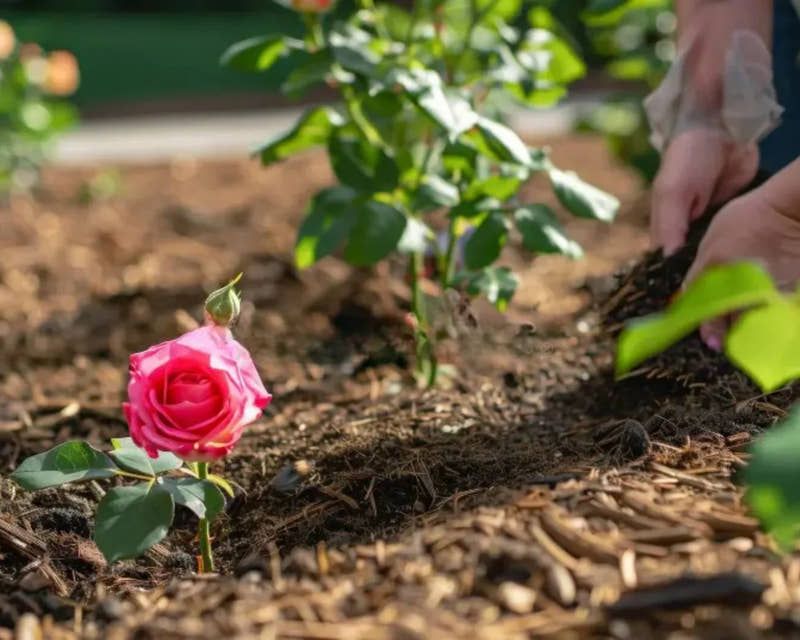
Roses have a reputation for being fussy, but gardeners across North Carolina know that a little care in April goes a very long way.
When you fertilize roses early in the season, you are giving them exactly what they need to build strong stems, push out healthy leaves, and produce those big, gorgeous blooms everyone loves to see come summer.
A slow-release rose fertilizer works beautifully this time of year. These products feed the plant steadily over several weeks rather than all at once, which prevents the kind of rapid, weak growth that can attract pests.
Look for a fertilizer with a balanced ratio of nitrogen, phosphorus, and potassium, sometimes labeled as N-P-K on the bag. Apply it around the base of each plant and work it lightly into the soil before watering.
April in North Carolina brings warm days and enough rain to help fertilizer soak into the ground efficiently. Roses that get fed now tend to produce stronger canes and fuller flower clusters by late spring and early summer.
It also helps the plant resist common issues like black spot and powdery mildew, which can show up once humidity rises. Feeding your roses in April is one of the simplest ways to get the most stunning blooms possible from your garden this year.
3. Hydrangeas
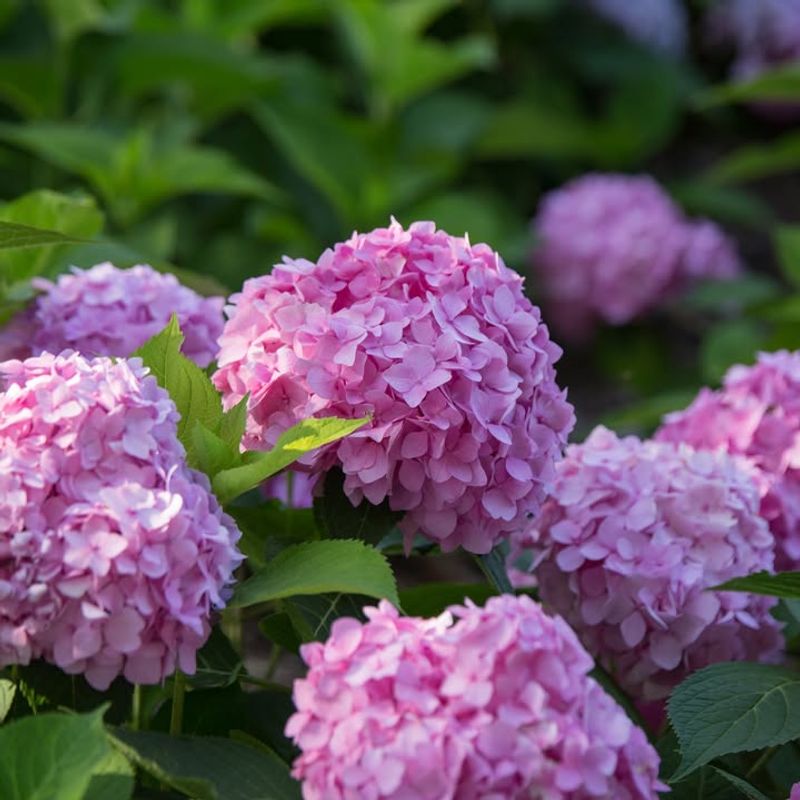
Hydrangeas are a staple in North Carolina gardens, and for good reason. They produce some of the most dramatic, full blooms of any flowering shrub, and when you fertilize them at the right time, the results are truly impressive.
April is the sweet spot for feeding hydrangeas because new growth is just starting to emerge and the roots are actively looking for nutrients.
A balanced fertilizer works well for most hydrangea varieties, including mophead, panicle, and the beloved oakleaf hydrangea, which is actually native to the southeastern United States.
Granular slow-release fertilizers are a popular choice because they feed the plant gradually and reduce the risk of burning tender new growth.
Spread the fertilizer evenly around the drip line of the shrub, which is the outer edge of the branches, rather than right up against the stem.
Something fun to know about mophead hydrangeas is that soil pH can actually change their bloom color. In more acidic soil, the flowers lean toward blue, while more alkaline soil produces pink flowers.
North Carolina gardeners can play with this by adjusting their soil over time. Fertilizing in April also helps hydrangeas build up the energy reserves they need to keep blooming through the heat of summer, making your outdoor spaces look incredible all season long.
4. Tomatoes (Started Outdoors)
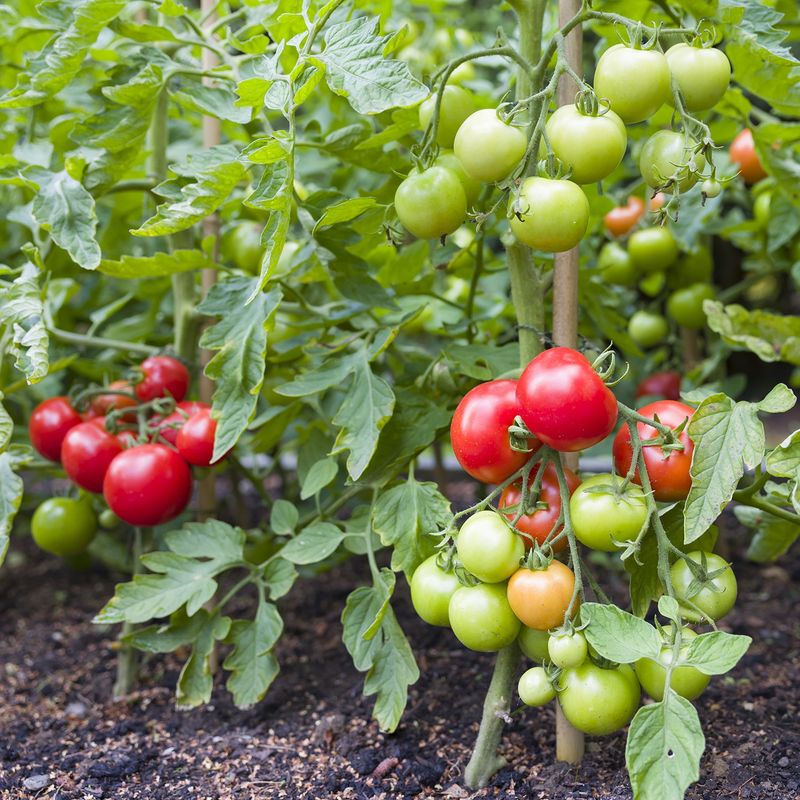
Tomatoes are one of the most popular things North Carolina gardeners grow every year, and getting them off to a strong start in April makes all the difference.
By late April, soil temperatures are warm enough to transplant tomato seedlings outdoors, and that is exactly when fertilizing becomes critical.
A high-phosphorus fertilizer at planting time encourages the roots to spread deep and wide, which sets the plant up for a heavy, healthy harvest later on.
Phosphorus is the key nutrient for root development and fruiting, so look for a starter fertilizer with a higher middle number in the N-P-K ratio. Some gardeners also like to mix a slow-release granular fertilizer into the planting hole before setting the transplant in place.
This gives the roots something to grow into right from the start. Just avoid high-nitrogen fertilizers at this stage, since too much nitrogen early on pushes leafy growth at the expense of fruit production.
North Carolina summers can be intense, so getting tomatoes established quickly in April helps them handle the heat better as the season progresses.
Water your newly fertilized transplants thoroughly after planting so the nutrients can move through the soil and reach the roots.
Strong, well-fed tomato plants in April tend to produce fruit earlier and more abundantly, which means more fresh tomatoes on your table all summer long.
5. Lawn Grass (Cool-Season Grasses)
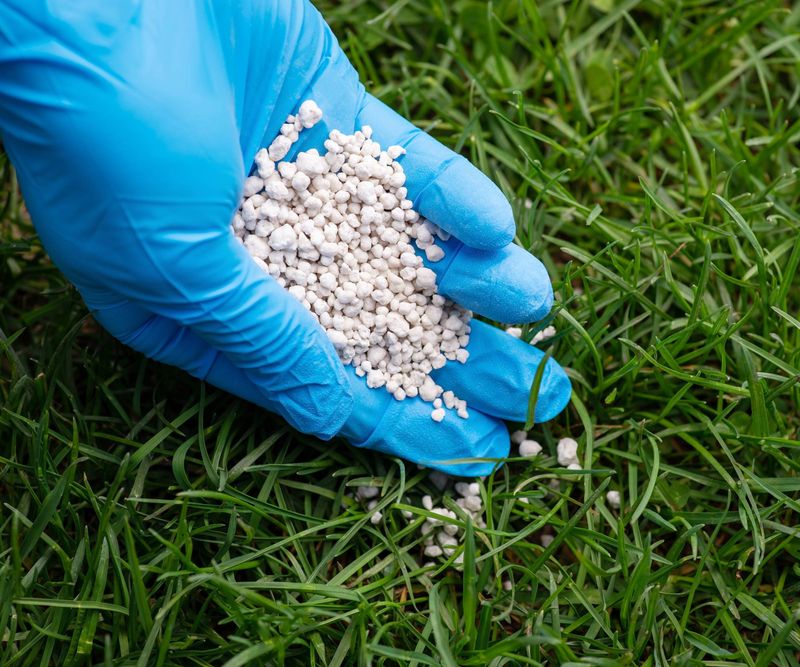
A thick, green lawn is something most North Carolina homeowners take real pride in, and April is a key month for cool-season grasses like tall fescue and bluegrass.
These grasses grow most actively during the cooler months of spring and fall, which makes April one of the best windows to give them a solid fertilizer application before summer heat slows their growth.
Applying a balanced lawn fertilizer in early to mid-April helps fill in thin spots, deepen the green color, and improve the overall density of the turf.
Denser grass is also better at crowding out weeds, which is a bonus for any North Carolina homeowner who wants a cleaner-looking yard.
Use a broadcast spreader for even coverage, and always follow the package directions to avoid applying too much at once, which can cause fertilizer burn on the grass blades.
Watering your lawn after fertilizing is important because it helps the nutrients move down through the thatch layer and into the soil where the roots can absorb them.
Early morning watering is best since it gives the grass time to dry before nightfall, reducing the risk of fungal issues.
Cool-season grasses in North Carolina benefit greatly from this April feeding because it builds up their strength before the summer months arrive and growth naturally slows down. A well-fed lawn now means less effort maintaining it later.
6. Blueberries
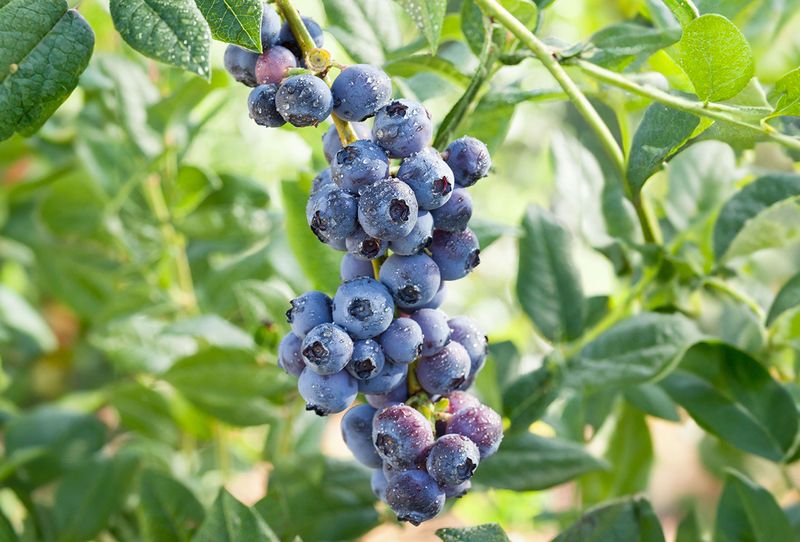
Blueberries are one of the most rewarding fruits you can grow in a North Carolina garden. They are relatively low maintenance once established, but they do need the right kind of fertilizer to produce well.
April is the ideal time to feed them because the plants are actively growing and flowering, and the right nutrients now directly translate into a better berry harvest later in summer.
Blueberries are acid-loving plants, meaning they thrive in soil with a pH between 4.5 and 5.5.
Using a fertilizer formulated specifically for acid-loving plants, such as those labeled for azaleas and blueberries, gives them the nitrogen they need in a form their roots can actually use at lower pH levels.
Ammonium sulfate is a popular choice among North Carolina blueberry growers because it feeds the plant and slightly lowers soil pH at the same time.
Avoid over-fertilizing blueberries since too much fertilizer, especially nitrogen, can actually reduce fruit production and stress the plants. A light application in early April, followed by another in late spring if needed, is usually enough to keep them thriving.
Mulching around the base of the plants with pine bark or pine needles also helps maintain soil acidity and moisture. With the right care in April, blueberry bushes in North Carolina can reward you with generous clusters of sweet, plump berries by midsummer.
7. Fruit Trees (Apples, Peaches, Pears)
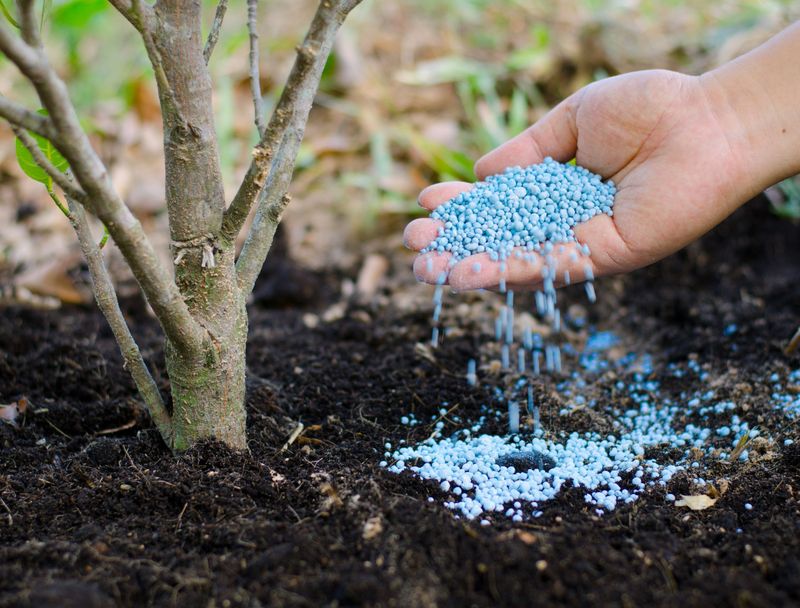
North Carolina has a long tradition of growing fruit trees, from the apple orchards in the mountains to peach farms in the Piedmont region.
April is a critical month for home fruit tree growers because the trees are coming out of dormancy, flowering, and setting fruit all at the same time. Fertilizing now gives them the energy to support all of that activity at once.
A balanced fertilizer with equal or near-equal parts nitrogen, phosphorus, and potassium works well for most fruit trees in early spring.
Nitrogen encourages healthy leaf and shoot growth, phosphorus supports root development and flower production, and potassium helps the tree manage water and resist stress.
Spread the fertilizer in a wide circle around the tree, starting a few inches away from the trunk and extending out to just past the drip line where the feeder roots are most active.
Young fruit trees generally need less fertilizer than mature ones, so always check the label for guidance based on tree size and age. Over-fertilizing can push excessive leafy growth at the expense of fruit, which is the opposite of what most growers want.
Watering deeply after application helps move nutrients down to the root zone. Fruit trees that are well-fed in April tend to produce stronger branches, better fruit set, and a more reliable harvest through late summer and fall here in North Carolina.
8. Perennials (Early Spring Bloomers)
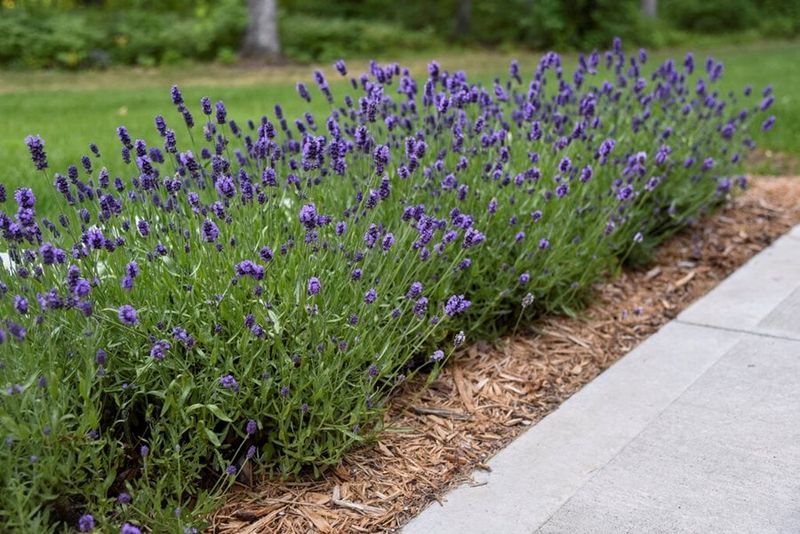
Perennials are the backbone of many North Carolina gardens because they come back year after year, getting bigger and more beautiful with time.
Early-blooming perennials like hostas, daylilies, and lavender are all pushing up fresh new growth in April, and that is exactly when they are most ready to absorb nutrients.
Fertilizing them now gives the plants a strong foundation for the entire growing season ahead.
A balanced slow-release granular fertilizer is a great option for most perennials at this time of year. It provides a steady supply of nutrients without overwhelming the tender new shoots that are just emerging from the soil.
Sprinkle the fertilizer around each plant, keeping it a few inches away from the crown where the stems emerge, and then water it in gently.
For lavender specifically, avoid heavy nitrogen applications since too much can reduce the intensity of its fragrance and bloom production.
One of the best things about fertilizing perennials in April is that you are not just feeding this year’s blooms. You are also helping the plant build up stronger roots and more energy reserves that will carry it through summer and into fall.
Daylilies especially respond well to spring fertilizing, often producing more flower stalks and a longer bloom period as a result. North Carolina gardeners who feed their perennials early in the season consistently enjoy fuller, more colorful garden beds all the way through autumn.
9. Cabbage And Kale
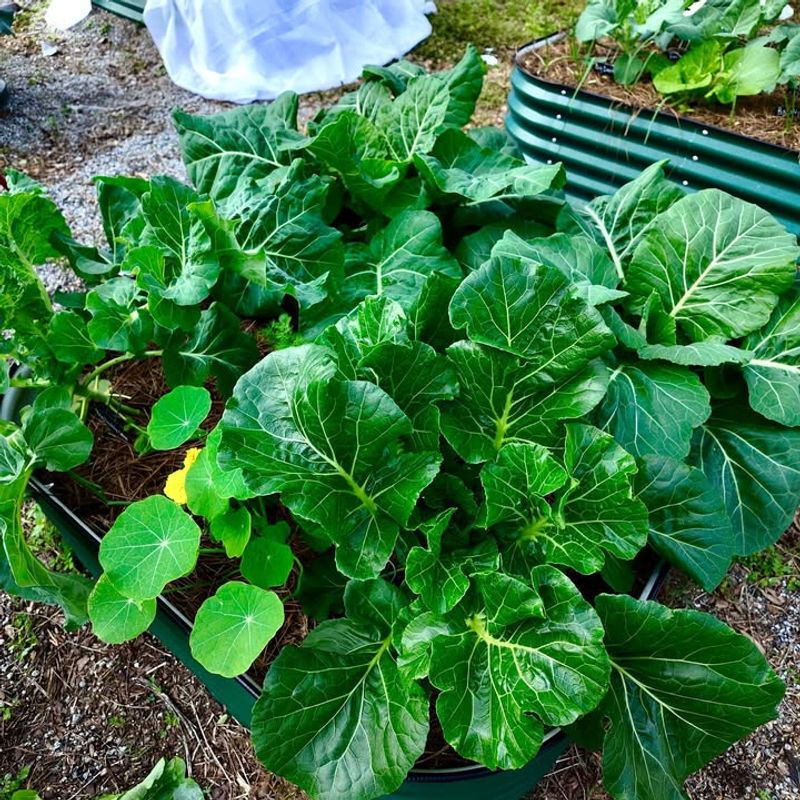
Cabbage and kale are cool-season vegetables that absolutely love the mild temperatures North Carolina experiences in April.
Both plants are heavy feeders, meaning they pull a lot of nutrients from the soil as they grow, and fertilizing them this month keeps them productive and vigorous.
A balanced, slow-release fertilizer applied in April encourages steady leaf growth without pushing the plants to bolt too quickly in the warming temperatures.
Nitrogen is especially important for leafy vegetables like cabbage and kale because it drives green, lush growth.
Look for a fertilizer with a slightly higher nitrogen content, or use a well-balanced granular product and supplement with a liquid nitrogen source if your plants look pale or slow-growing.
Work the fertilizer gently into the soil around each plant and water it in right away so the nutrients can start moving toward the roots immediately.
North Carolina gardeners who grow cabbage and kale often find that well-fed plants are also more resistant to common pests like cabbage loopers and aphids because healthy plants have stronger cell walls and better natural defenses.
Kale in particular can keep producing leaves for weeks or even months when it gets the nutrition it needs early in the season.
Starting your brassicas off right with a good April fertilizing means you will be harvesting tender, flavorful leaves and heads well into late spring and possibly early summer.