What To Plant In April In Michigan If Your Yard Has Heavy Clay Soil
Anyone who has tried digging into Michigan clay in spring knows the feeling. The shovel hits resistance, the soil sticks together, and planting anything can turn into more effort than expected.
It’s one of those challenges that does not go away with a single fix.
Some plants struggle to get established in these conditions, especially early in the season. Others are much better suited for it and can settle in without constant adjustments.
Choosing the right ones can make planting in April feel far less frustrating.
Instead of working against your soil, it helps to lean into what it naturally supports. A few well-chosen plants can handle heavy ground and still grow steadily.
The options coming up are known for performing well in Michigan clay and getting off to a solid start.
1. Black-Eyed Susan Brightening Beds With Bold Yellow Color
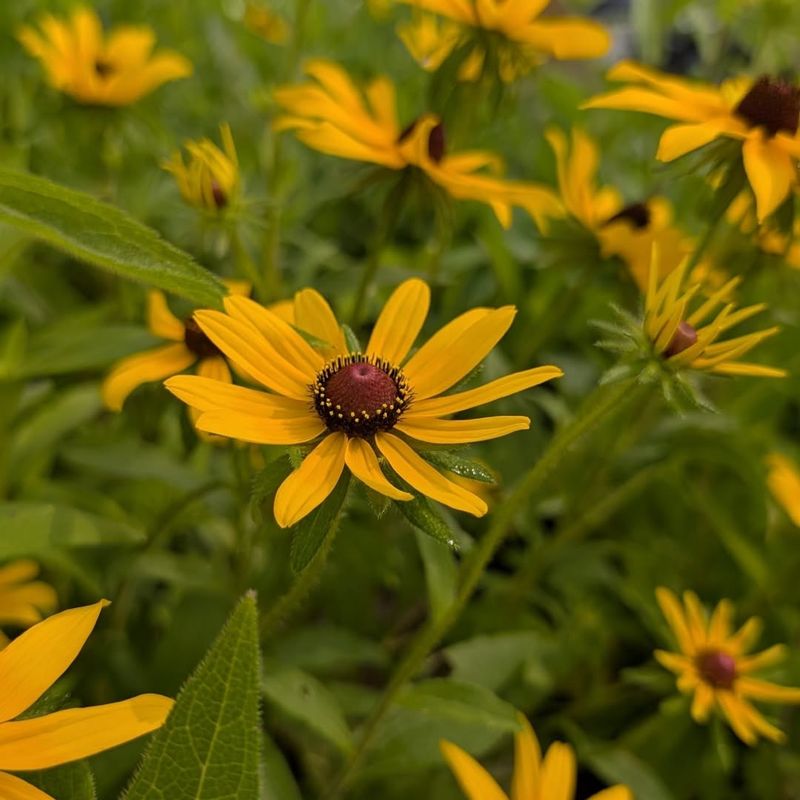
Few flowers bring a burst of sunshine to a Michigan yard quite like the Black-Eyed Susan. With its bold yellow petals and chocolate-brown center, this hardy native perennial is practically made for tough conditions.
It handles heavy clay soil like a champ, and April is a great time to get it in the ground so it can settle in before summer heat arrives.
Black-Eyed Susans grow about two to three feet tall and love full sun, making them a wonderful choice for open garden beds or borders. They attract bees, butterflies, and other helpful pollinators, which is a big bonus for any Michigan gardener who wants a lively, buzzing yard.
Once established, they spread naturally and come back stronger every year.
One cool fact about this plant is that it was used by Native American tribes for medicinal purposes long before it became a garden favorite. Today, it is one of the most popular wildflowers across the Midwest.
When planting in clay, loosen the soil a bit and mix in some compost to give the roots a head start. Water regularly during the first season, and after that, this tough beauty mostly takes care of itself.
It is low-maintenance, long-blooming, and genuinely one of the best choices you can make for a Michigan clay garden in April.
2. Purple Coneflower Standing Strong With Long Summer Blooms
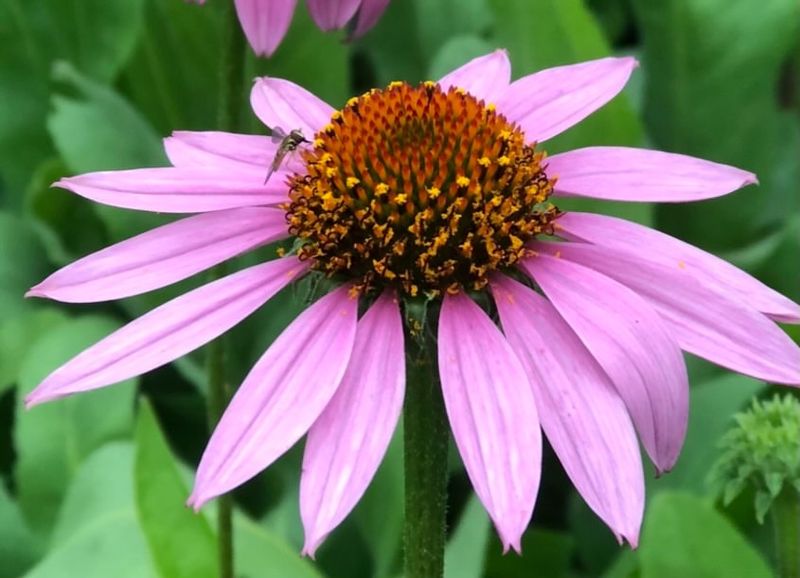
Purple Coneflower, also known as Echinacea, is one of those plants that earns its spot in any Michigan garden without much fuss. The rosy-purple petals surrounding a spiky, dome-shaped center are eye-catching from mid-summer all the way into fall.
Planting it in April gives the roots plenty of time to dig deep into that clay-heavy soil before the warm months arrive.
This plant is a native to the Midwest, which means it already knows how to handle Michigan’s unpredictable weather and dense soils. It grows two to four feet tall and thrives in full sun, though it can handle a little shade without losing much of its charm.
Goldfinches absolutely love the seed heads, so leaving them standing through winter gives local birds a tasty snack.
Did you know Echinacea has been used in herbal medicine for centuries, especially for supporting the immune system? That history makes it even more interesting to grow in your own backyard.
When planting in clay, dig a hole slightly wider than the root ball to encourage spreading. Adding a layer of mulch around the base helps regulate soil moisture without causing root rot.
Purple Coneflower is drought-tolerant once established, which is a huge advantage in Michigan summers when rainfall can be unpredictable. It is a rewarding, resilient plant that rewards patient gardeners with season after season of gorgeous blooms and wildlife activity.
3. Bee Balm Drawing Pollinators With Fragrant Flowers
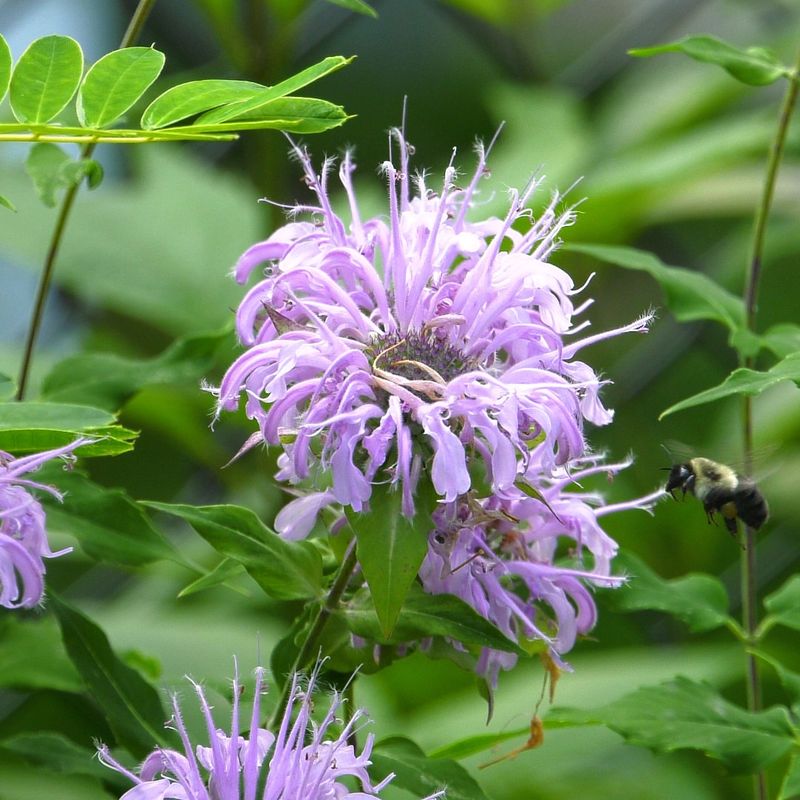
If your Michigan yard needs a little wild energy, Bee Balm is ready to deliver. Known scientifically as Monarda, this native perennial produces shaggy, firework-like blooms in shades of red, pink, and purple that are almost impossible to ignore.
Hummingbirds, bees, and butterflies flock to it, turning your clay garden into a buzzing, fluttering paradise from midsummer through early fall.
Bee Balm grows two to four feet tall and actually does quite well in the moist, nutrient-rich conditions that clay soil provides. Planting it in April in Michigan lets it get rooted before the heat of summer kicks in.
It prefers full sun but can handle partial shade, which makes it flexible for different spots in your yard. Just make sure there is good air circulation around the plants to help prevent powdery mildew, which can occasionally be an issue.
Here is something fun: Bee Balm was used by the Oswego tribe of New York to brew a type of herbal tea, and early American colonists adopted the practice after the Boston Tea Party as a substitute for imported tea. Growing it in your Michigan garden connects you to a rich slice of North American history.
When planting in clay, space plants about 18 to 24 inches apart to encourage airflow. A light layer of compost worked into the planting hole will help the roots establish quickly.
Bee Balm spreads over time through underground runners, so expect a fuller patch each year.
4. New England Aster Lighting Up The Late Season Garden
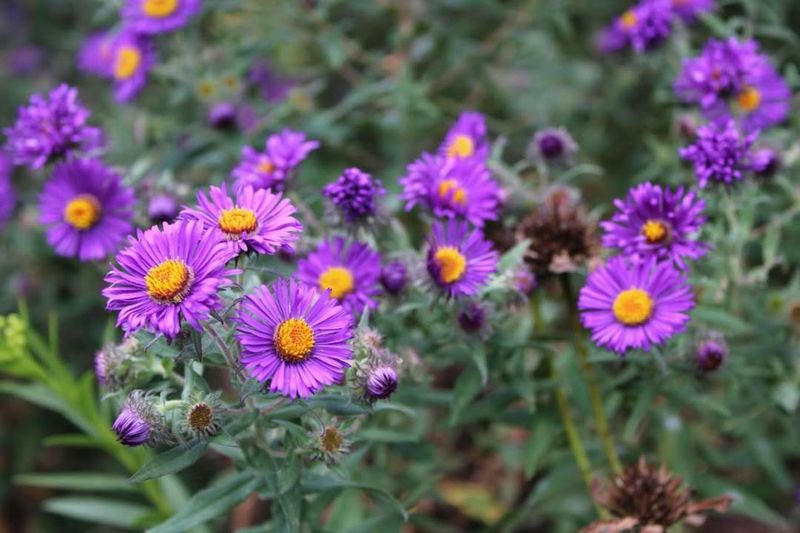
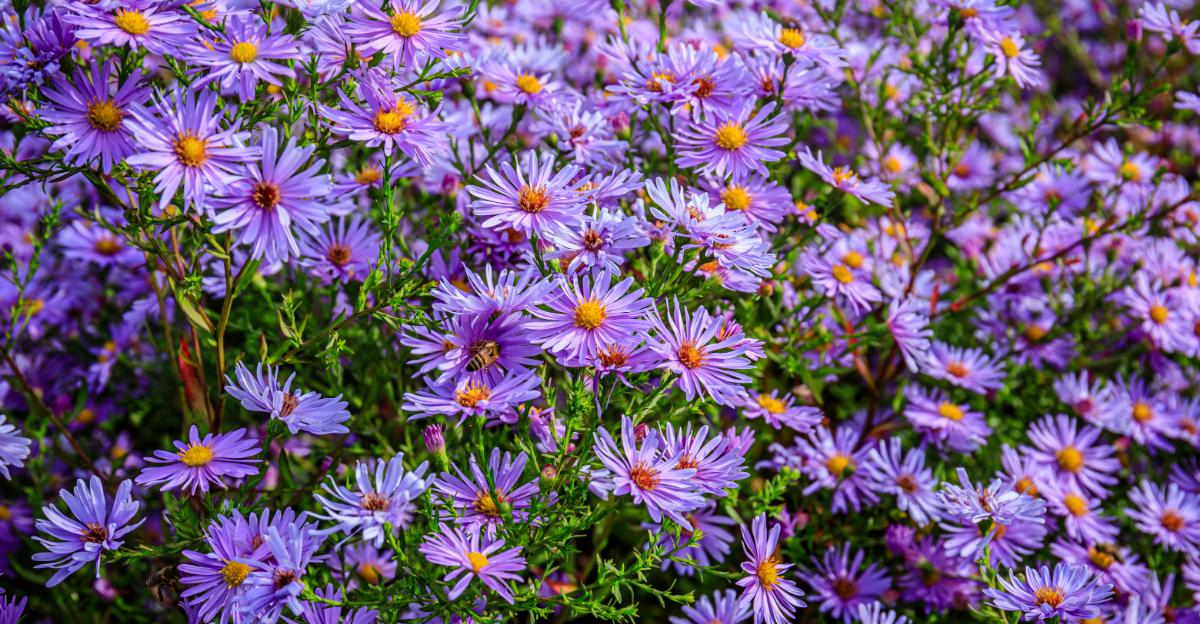
While most flowers wrap up their show by late summer, this tough perennial bursts into brilliant purple, pink, or violet blooms right as autumn arrives in Michigan. Planting it in April gives it the full growing season it needs to build strong roots in heavy clay soil before putting on its spectacular fall display.
Growing three to six feet tall, New England Aster is a bold presence in any landscape. It loves full sun and thrives in the moist, dense conditions that clay yards in Michigan naturally provide.
Monarch butterflies and native bees depend on late-season bloomers like this one for fuel before colder weather sets in, so planting it is genuinely good for local ecosystems.
One thing that surprises many gardeners is just how easy New England Aster is to grow once it gets going. It does not need a lot of extra watering once established, and it spreads steadily over the years, filling in gaps in your garden beautifully.
To keep plants from flopping over under their own weight, pinch them back by about half in early June. This encourages bushier, sturdier growth without reducing the bloom count.
When planting in clay, work in some compost to improve drainage slightly. New England Aster is a Michigan native, so it is perfectly suited to thrive right in your own backyard with very little extra effort on your part.
5. Daylily Delivering Reliable Color With Minimal Effort
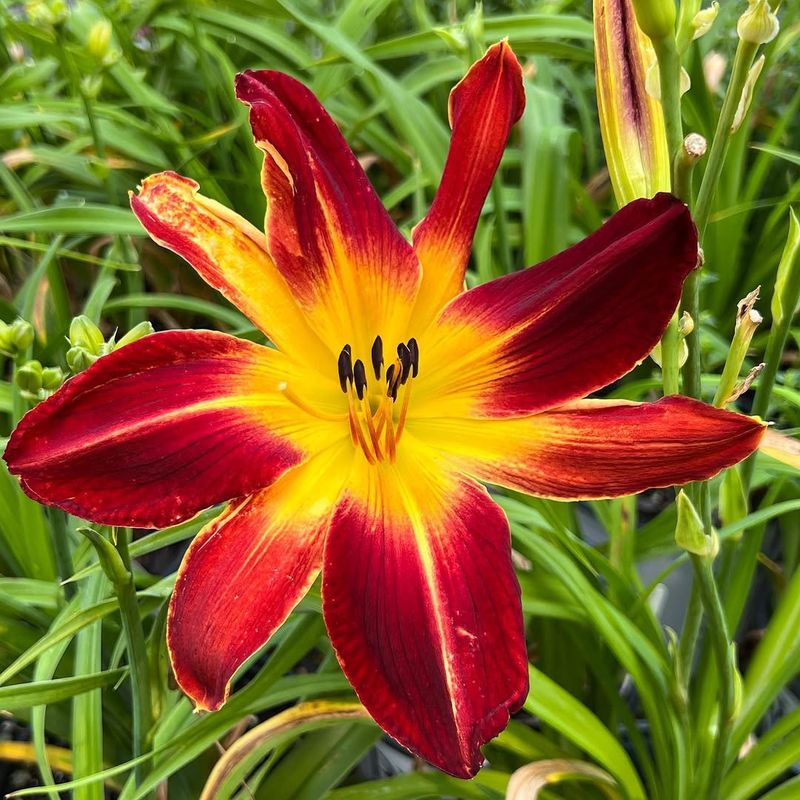
The kind of plant that makes every gardener feel like a pro, daylilies are hard to beat. They are tough, adaptable, and stunningly beautiful, producing trumpet-shaped blooms in shades of orange, yellow, red, and pink throughout the summer.
The name comes from the fact that each individual flower lasts only one day, but the plant produces so many buds that the display goes on for weeks without interruption.
One of the best things about Daylilies is their remarkable ability to handle heavy clay soil. Their thick, fleshy roots actually help break up dense soil over time, which slowly improves conditions for neighboring plants.
In Michigan, April is an ideal time to plant bare-root Daylilies because the cool, moist spring weather helps them settle in without stress. They grow one to three feet tall depending on the variety and prefer full sun, though they can manage with a few hours of shade each day.
Daylilies are incredibly low-maintenance once established, which makes them a favorite among Michigan gardeners who want a beautiful yard without spending every weekend working on it. They multiply naturally, so after a few years you will have enough to divide and share with neighbors.
When planting in clay, dig a wide, shallow hole and spread the roots outward rather than downward. Water consistently during the first growing season.
After that, Daylilies are surprisingly drought-tolerant. With hundreds of cultivars available, you can mix colors and bloom times to keep your Michigan garden looking fresh all summer long.
6. Switchgrass Adding Movement And Year-Round Structure
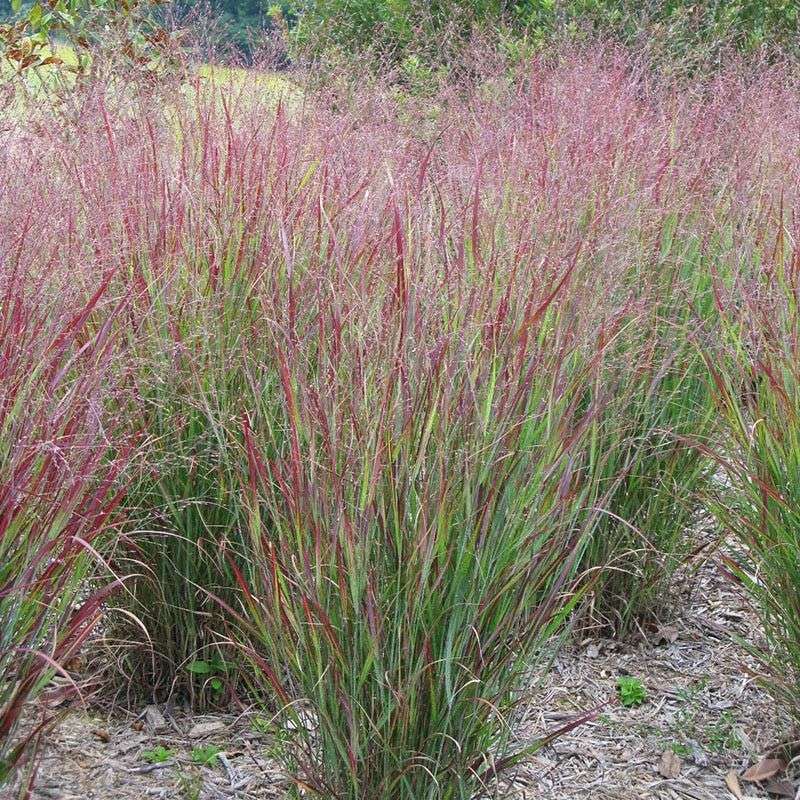
While it may not have flashy flowers, switchgrass brings something even more valuable to a Michigan clay garden: structure, movement, and year-round interest. This native ornamental grass grows three to six feet tall and produces airy, feathery seed heads that catch the light beautifully in late summer and fall.
In winter, the dried stalks add texture to an otherwise bare yard and provide shelter for small birds and beneficial insects.
What makes Switchgrass especially smart for Michigan clay yards is its deep, fibrous root system. Those roots can reach six feet or more into the ground, helping to break up compacted clay layers and dramatically improve soil drainage over time.
Planting it in April allows the roots to establish during the cool, moist spring months before summer challenges arrive. It thrives in full sun and handles both wet and dry conditions with ease once it gets going.
Switchgrass comes in several attractive cultivars. Varieties like Shenandoah turn a rich red-wine color in late summer, while Heavy Metal stays upright and blue-green all season.
These options make it easy to match the grass to your garden’s color palette. Spacing plants about two to three feet apart gives each one room to fill out naturally.
Minimal maintenance is needed beyond cutting the stalks back to about four inches in late winter before new growth begins. For Michigan gardeners dealing with stubborn clay, Switchgrass is not just a pretty plant but a genuine soil-improving powerhouse that gets better with every passing year.
7. Joe Pye Weed Towering With Soft, Dusty Pink Blooms
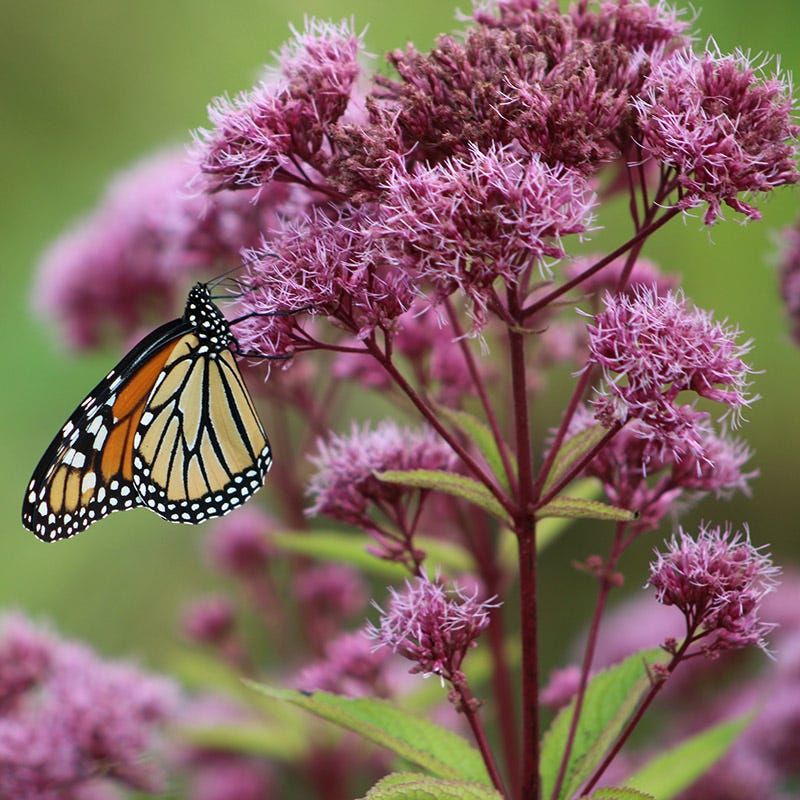
Standing up to seven feet tall with massive clusters of dusty pink-purple flowers, Joe Pye Weed is the kind of plant that makes people stop and ask what it is. Named after a legendary Native American healer who reportedly used the plant medicinally, this towering native perennial is both a showstopper and a wildlife magnet.
Monarch butterflies, swallowtails, and countless native bees absolutely swarm it when it blooms in late summer.
Joe Pye Weed is perfectly suited to Michigan’s heavy clay soil because it naturally grows in moist, low-lying areas along streams and woodland edges. Planting it in April gives it a long runway to establish its deep root system before the blooming season arrives.
It thrives in full sun to light shade and actually prefers the consistently moist conditions that clay soil tends to hold onto. Once established, it is one of the most carefree plants you can grow.
Because of its impressive height, Joe Pye Weed works best at the back of a garden border or along a fence line where it can show off without blocking shorter plants. If you prefer a more compact version, look for cultivars like Little Joe, which tops out at about four feet and fits more easily into smaller Michigan yards.
Plant in groups of three or more for maximum visual impact and the best pollinator attraction. Water regularly during the first season, and after that, the plant essentially handles itself.
Few choices reward Michigan clay gardeners quite as generously as this native giant.
8. Blazing Star Sending Up Bold, Vertical Flower Spikes
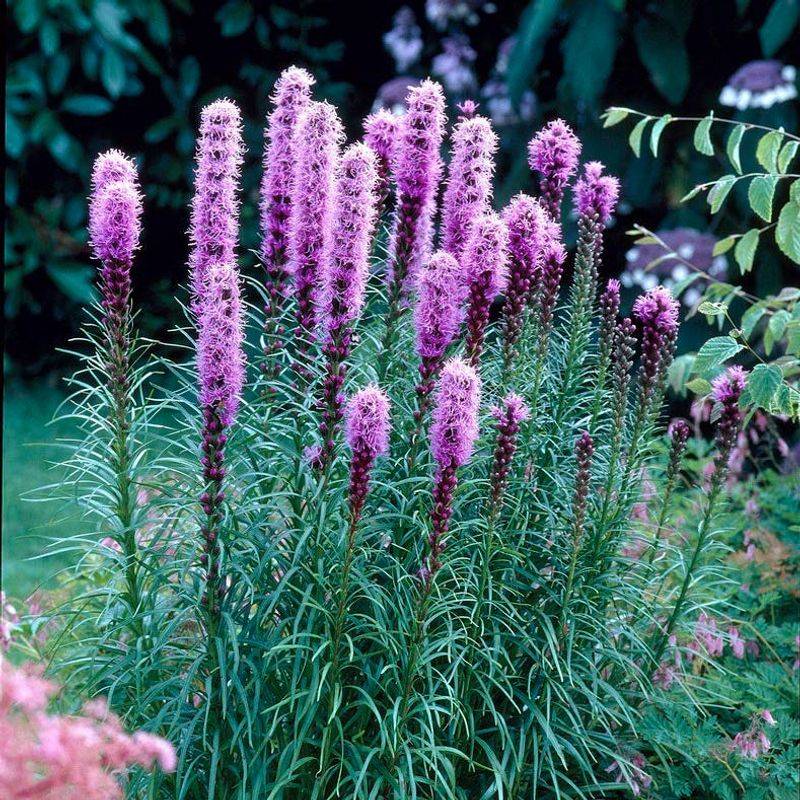
Also called Liatris, blazing star is one of the most dramatically beautiful native plants you can add to a Michigan clay garden in April. Its tall, wand-like spikes of fluffy purple-pink flowers open from the top down, which is actually unusual in the plant world and makes it instantly recognizable.
Growing two to four feet tall, it creates a vertical accent that draws the eye and adds real excitement to any garden bed.
What gardeners in Michigan love most about Blazing Star is its no-nonsense toughness. It grows naturally in prairies and open meadows across the Midwest, which means it is well-adapted to the region’s clay-heavy soils and variable weather.
It prefers full sun and tolerates both drought and temporary flooding, making it a reliable performer even in unpredictable Michigan springs. Monarch butterflies and hummingbirds find it completely irresistible during its bloom period from mid to late summer.
Planting Blazing Star from corms, which look a bit like small, flat bulbs, is the easiest approach in April. Place corms about three inches deep and six inches apart, and water them in well after planting.
They are slow to emerge in spring, so do not panic if you do not see growth right away. Mark the spot so you do not accidentally disturb them.
Once they get going, Blazing Star spreads steadily and naturalizes beautifully in Michigan landscapes. It also makes a stunning cut flower, bringing that vibrant purple spike indoors to brighten up any room in your home.