What To Plant In April In Southern Michigan Vs Northern Michigan
April can feel very different depending on where you garden in Michigan. In the southern part of the state, warmer temperatures and an earlier last frost open the door to planting sooner.
Meanwhile, northern Michigan often stays cooler longer, with lingering frost that can delay planting by a few weeks. This difference means gardeners need to adjust their plans based on location rather than following one set schedule.
Choosing the right plants at the right time helps avoid setbacks and gives your garden a stronger start. Cool season crops, hardy flowers, and early perennials may thrive in both areas, but timing is everything.
Knowing what to plant and when can make the difference between steady growth and struggling plants. With a little planning, you can take full advantage of April, no matter which part of Michigan you call home.
1. Spinach For Southern Michigan April Gardens
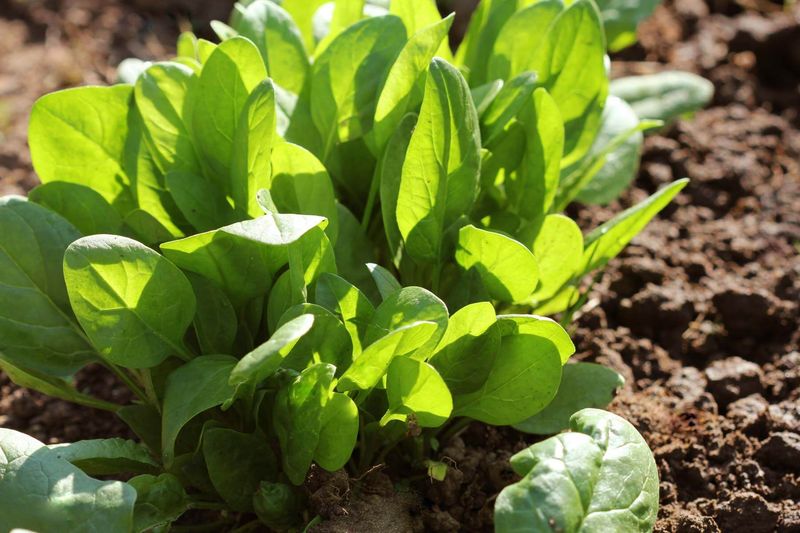
Spinach is one of those plants that practically begs to be planted as soon as the snow melts. In Southern Michigan, April soil temperatures are usually just right for spinach seeds to sprout quickly and grow strong.
Zones 5b to 6a warm up faster than the north, which gives spinach an ideal window to establish before summer heat arrives.
Spinach germinates in soil temperatures as low as 35 degrees Fahrenheit, making it a natural fit for early April planting across Southern Michigan. You can direct sow seeds about half an inch deep in rows spaced around 12 inches apart.
Keep the soil moist and you will see sprouts poking through within 7 to 14 days. One of the best things about growing spinach in Southern Michigan is how quickly it produces. You can start harvesting outer leaves in as little as 4 to 6 weeks after planting.
Spinach also bolts, or sends up a flower stalk, when temperatures rise, so planting early gives you the longest harvest window possible. Adding a layer of straw mulch helps keep the soil cool and moisture consistent.
If you plant a new row every two weeks, you can enjoy fresh spinach from your Southern Michigan garden all the way into early summer without much extra effort.
2. Peas For A Productive Southern Michigan Spring
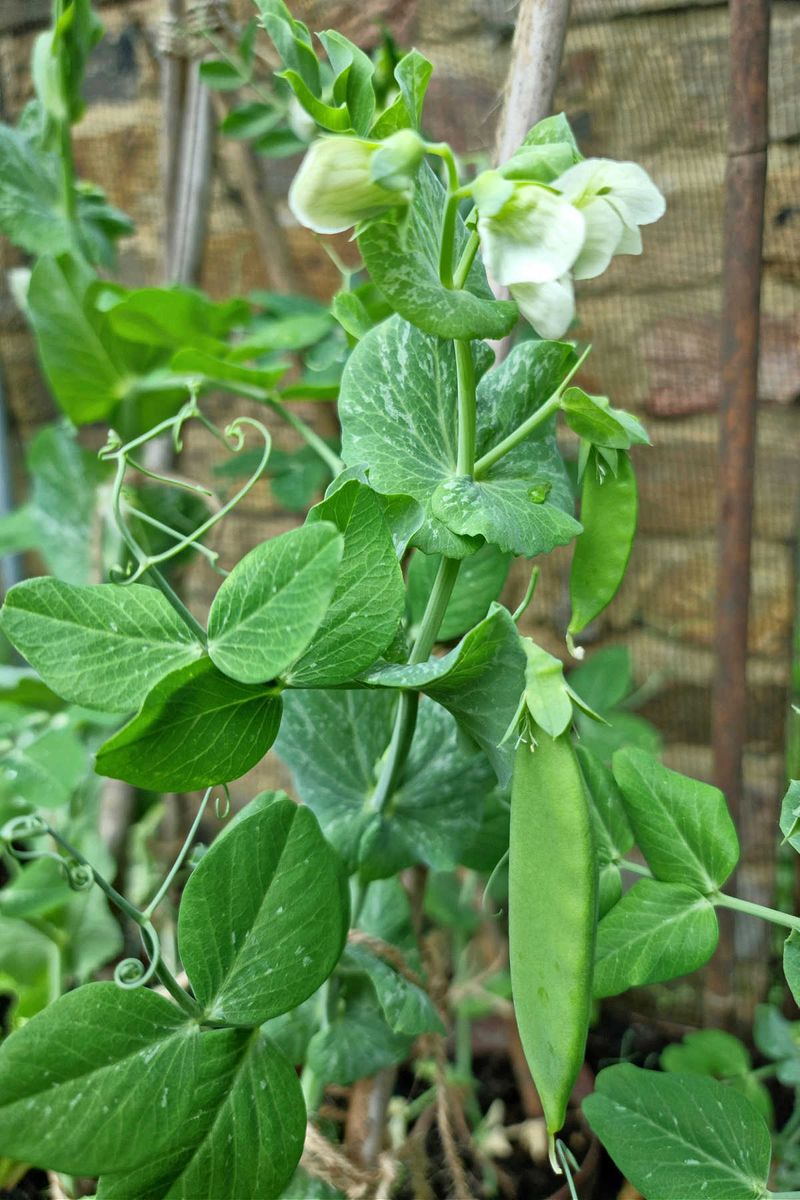
There is something truly satisfying about pulling a fresh pea pod straight off the vine and popping it in your mouth. Peas are one of the earliest vegetables you can plant in Southern Michigan, and April is the sweet spot for getting them in the ground.
They actually prefer cool weather and can handle a light frost without any trouble. In Southern Michigan, zones 5b to 6a give gardeners a head start compared to the north.
Direct sow pea seeds about one inch deep as soon as the soil can be worked, which in many parts of Southern Michigan happens right at the start of April.
Peas grow as vines, so setting up a simple trellis or some wire fencing before planting saves you a lot of hassle later.
Peas produce best when they mature in cool conditions, so early April planting is key. If you wait too long and summer heat arrives while the plants are still young, yields drop significantly.
Planting in Southern Michigan’s April climate means your peas will flower and pod up before the heat sets in. Varieties like Sugar Snap or Lincoln Homesteader are popular choices for Michigan gardens.
Water regularly but avoid waterlogged soil, and you will be rewarded with a generous harvest that makes every bit of effort feel completely worth it.
3. Leaf Lettuce Thrives In Southern Michigan’s Cool April
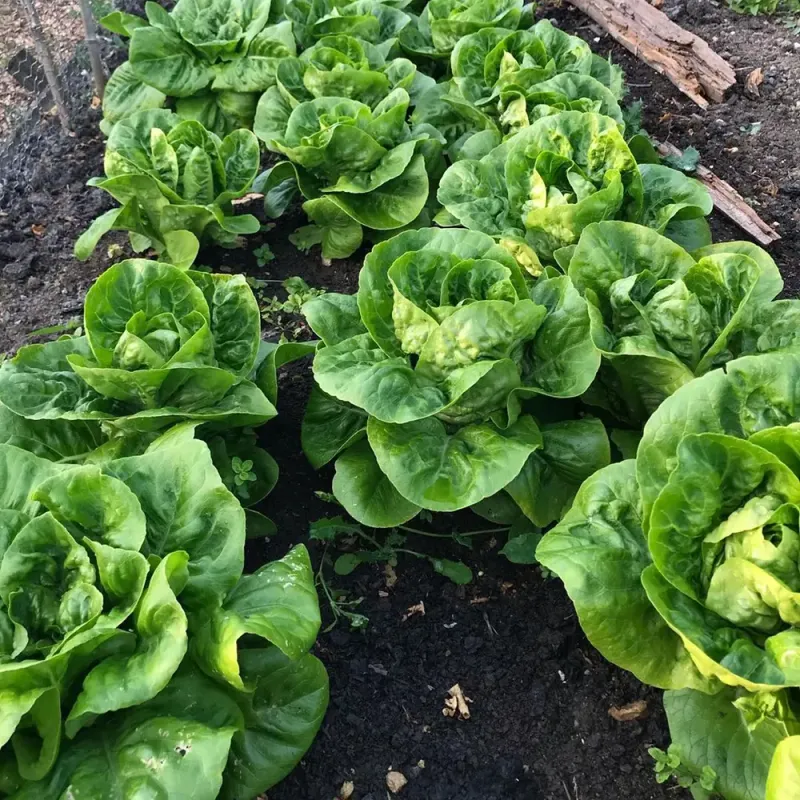
Leaf lettuce is the ultimate fast-food crop for your garden. You can be harvesting tender, fresh leaves in as little as 30 days after planting, which makes it one of the most rewarding vegetables to grow in Southern Michigan during April.
Unlike head lettuce, leaf varieties do not need to fully mature before you start picking. Southern Michigan’s April temperatures in zones 5b to 6a are perfect for lettuce because the cool air keeps leaves sweet and crisp.
Sow seeds very shallowly, just barely covering them with soil, since lettuce seeds need light to germinate well.
You can also transplant starts if you want to get an even faster harvest going in your Southern Michigan garden beds or containers.
One smart trick many Southern Michigan gardeners use is called cut-and-come-again harvesting. You simply snip the outer leaves when they reach about four inches tall and leave the center of the plant to keep growing.
This method extends your harvest for weeks and weeks. Varieties like Black Seeded Simpson, Red Sails, and Salad Bowl all perform beautifully in April conditions across Southern Michigan.
Planting in a spot that gets morning sun but some afternoon shade can also help lettuce last longer before it bolts in warmer spring days. Fresh salads from your own backyard never tasted so good.
4. Radishes Are The Fastest Win In A Southern Michigan Garden
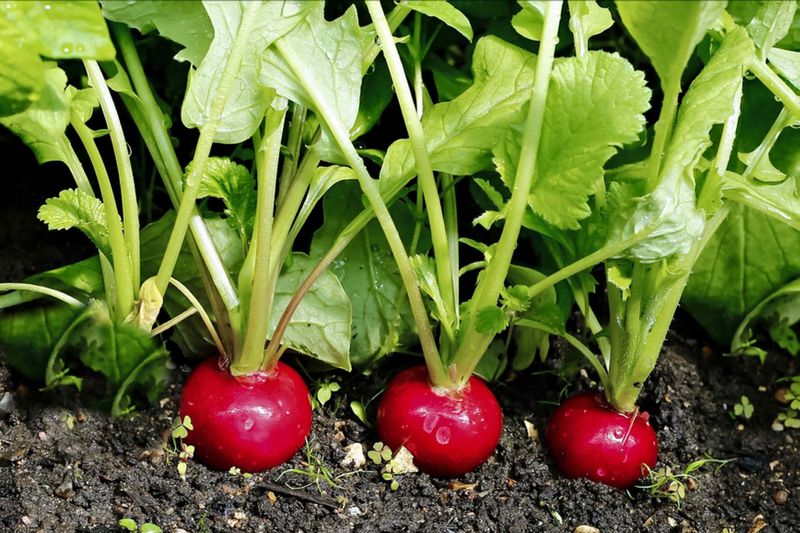
If you have never grown radishes before, April in Southern Michigan is the best possible time to start. Radishes are famously fast growers, with some varieties ready to harvest in as little as 22 to 25 days after planting.
For beginner gardeners across Southern Michigan, that quick turnaround is incredibly motivating and fun.
Cool soil actually improves radish quality by making the roots crisp and mildly flavored rather than tough or overly spicy. In Southern Michigan’s zones 5b to 6a, April soil temperatures are ideal for quick germination and steady root development.
Sow seeds directly about half an inch deep and thin seedlings to about two inches apart once they sprout to give each root room to grow properly.
Radishes work great as a companion plant too. Many Southern Michigan gardeners sow them between rows of slower-growing crops like carrots or lettuce, where they mark the rows and get harvested before the other plants need the space.
Varieties like Cherry Belle and French Breakfast are tried-and-true favorites for Michigan gardens in spring. One thing to watch for is leaving radishes in the ground too long, because they get pithy and strong-flavored quickly once they mature.
Harvest them promptly, replant a new batch, and you can enjoy multiple rounds of fresh radishes from your Southern Michigan garden throughout the entire spring season.
5. Onions Get A Strong Start In Southern Michigan In April
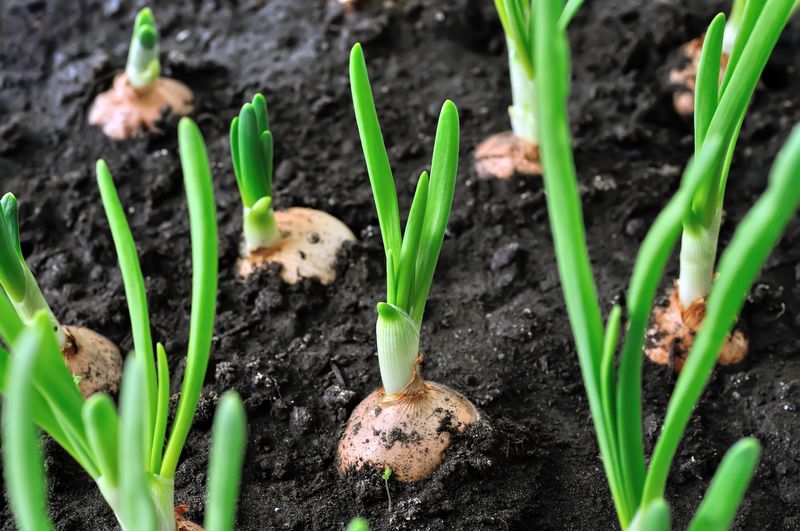
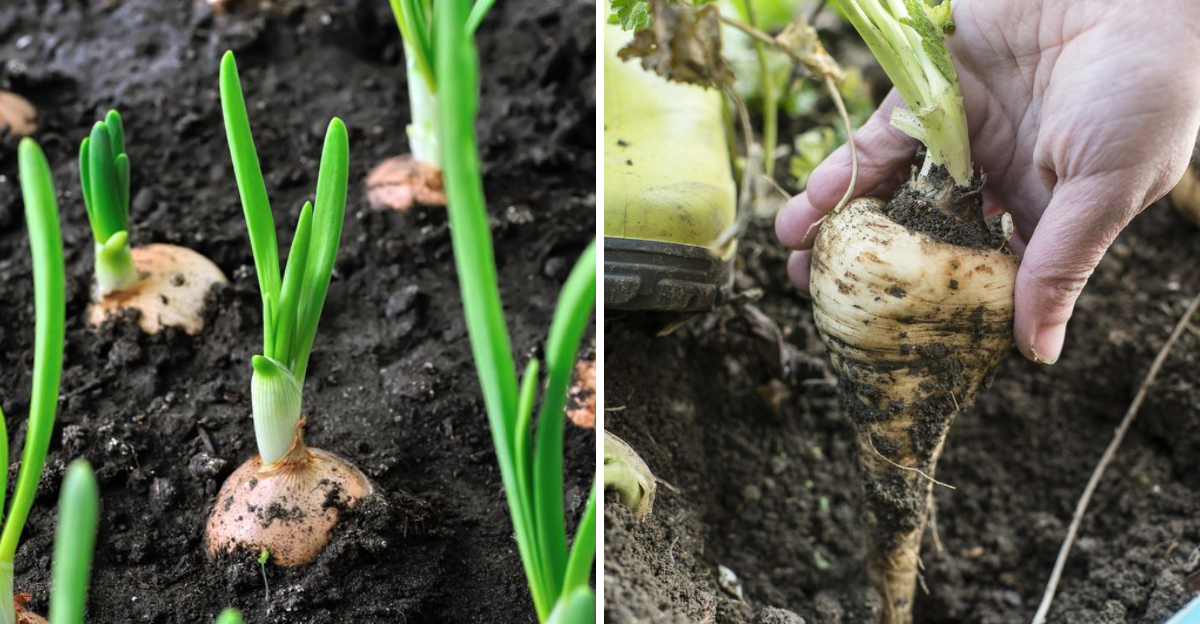
Onions are one of those garden staples that reward patience, and planting them in April in Southern Michigan gives them exactly the long, cool growing season they need to form big, healthy bulbs.
Whether you use onion sets, transplants, or seeds, April is the ideal time to get them established in Southern Michigan’s warmer zones.
Onion sets are small, partially grown bulbs that are easier for most gardeners to handle than seeds. Push each set about one inch into the soil with the pointed end facing up, spacing them about four to six inches apart in rows.
In Southern Michigan, zones 5b to 6a provide enough warmth in April for onion roots to establish quickly, giving the plants a solid foundation for the season ahead.
Onions are day-length sensitive, meaning they start forming bulbs when days reach a certain length in summer.
Planting early in April in Southern Michigan means the plants have a long vegetative growth period before bulbing begins, which leads to larger onions at harvest time.
Yellow varieties like Stuttgarter and Copra are popular across Michigan for their storage quality. Keep the bed weeded since onions compete poorly with weeds, and water consistently through dry spells.
By midsummer, your Southern Michigan garden will reward you with a full harvest of firm, flavorful onions that can be stored for months.
6. Kale Is Built For Southern Michigan’s Chilly April Mornings
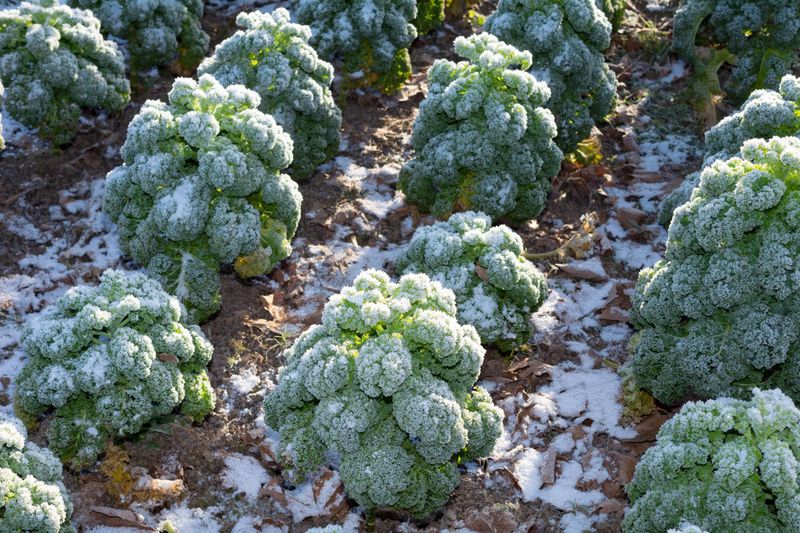
Kale has earned its reputation as a garden superstar, and in Southern Michigan, April is the ideal month to get it growing. This leafy green is incredibly cold-hardy, able to survive temperatures that would wipe out more tender vegetables.
A light frost actually makes kale taste sweeter by converting starches in the leaves into sugars.
In Southern Michigan’s zones 5b to 6a, April gives kale a perfect cool-weather start. You can transplant seedlings you started indoors or direct sow seeds about a quarter inch deep in the garden.
Space plants around 12 to 18 inches apart so they have room to bush out as they mature through the spring and into summer.
Kale is also one of the most nutritious vegetables you can grow, packed with vitamins A, C, and K. Curly kale varieties like Winterbor and Redbor are popular in Southern Michigan gardens because they are both attractive and productive.
Lacinato kale, also called dinosaur kale, has a slightly more tender texture and a bold, earthy flavor that many cooks prefer. Once established, kale plants in your Southern Michigan garden will produce leaves for months.
Start harvesting the lower outer leaves first and always leave the central growing tip intact so the plant keeps producing fresh new growth steadily throughout the entire spring and early summer season.
7. Parsnips Need An Early Start In Northern Michigan
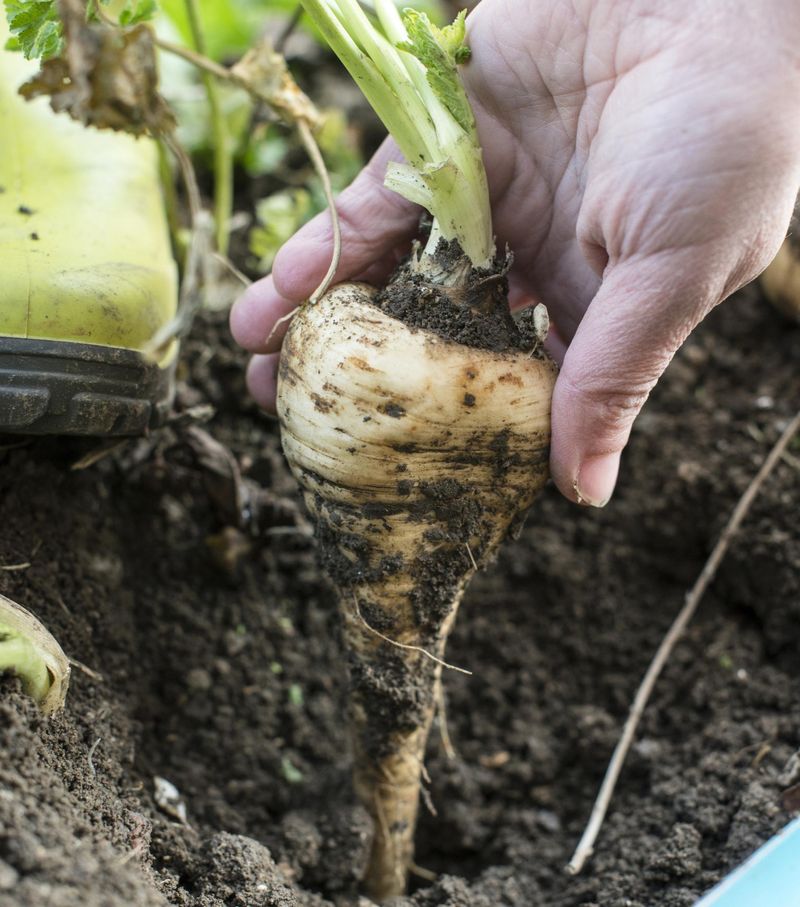
Parsnips are one of the most underrated root vegetables in the garden, and Northern Michigan gardeners who plant them early in April set themselves up for a truly impressive fall harvest.
These creamy white roots have a sweet, nutty flavor that deepens after exposure to frost, making them a perfect match for Northern Michigan’s long, cool growing season.
In Northern Michigan’s zones 3 to 5a, the soil in April is still quite cold, but parsnips actually need that cold start.
Seeds germinate slowly, sometimes taking two to three weeks, so planting as early as the ground can be worked gives them the longest possible growing window before fall arrives.
Sow seeds about half an inch deep in loose, well-drained soil and keep the area consistently moist until germination occurs.
Parsnips need a long growing season of about 100 to 130 days from seed to harvest, which is exactly why early April planting in Northern Michigan is so important. Thin seedlings to about three to four inches apart once they are a couple inches tall.
Because the roots grow deep, loosening the soil to a depth of 12 inches before planting helps them develop straight and strong. Varieties like Hollow Crown and Harris Model are reliable performers in Northern Michigan.
Come fall, after a few good frosts, your parsnips will be at peak sweetness and ready for roasting, soups, or simply enjoying fresh from the garden.
8. Carrots Grow Beautifully In Northern Michigan’s Cool April Soil
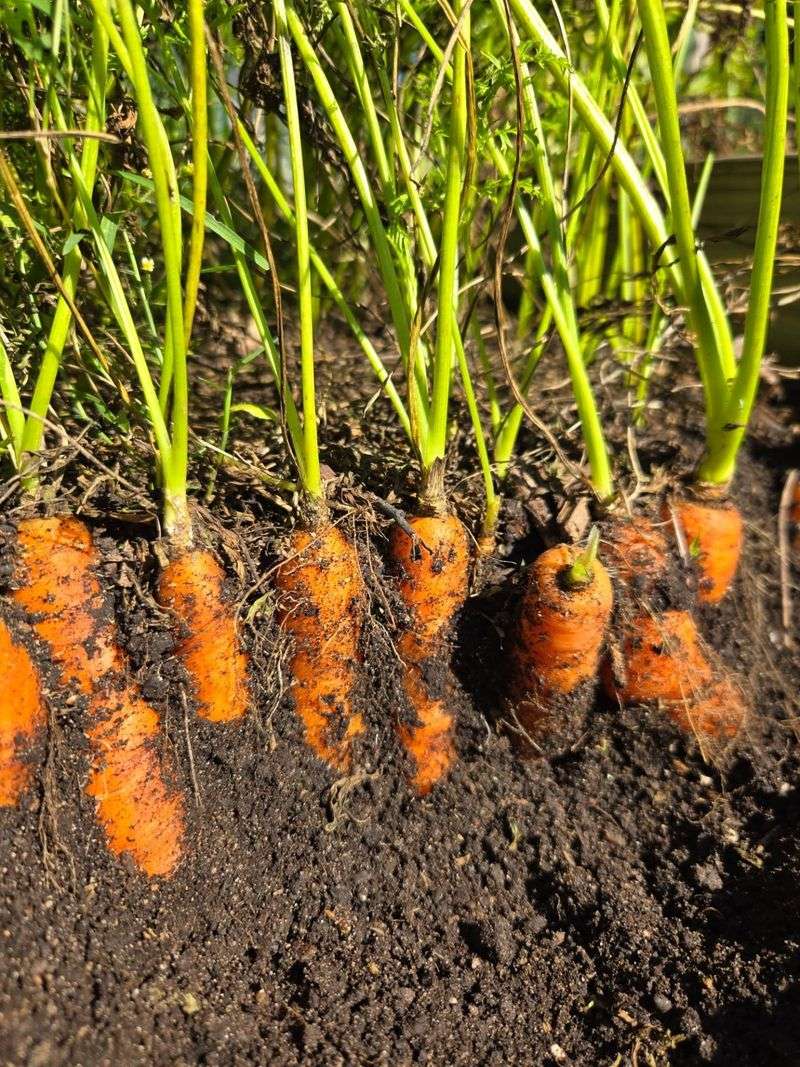
Carrots and cool soil are a match made in gardening heaven. In Northern Michigan, where April temperatures stay chilly and soil warms slowly, carrots find exactly the conditions they need to germinate and develop into sweet, crunchy roots.
Planting early in zones 3 to 5a gives carrots the long, cool growing window they thrive in.
Sow carrot seeds directly into the garden as soon as the soil in Northern Michigan is workable in April. Because carrot seeds are tiny, mixing them with sand before sowing helps spread them more evenly in the row.
Plant seeds about a quarter inch deep and keep the soil surface consistently moist, since carrot seeds can fail to sprout if the top layer dries out during germination.
One important fact about growing carrots in Northern Michigan is that they need loose, deep soil to form straight, well-shaped roots. Rocky or compacted soil causes forked and misshapen roots.
Raised beds filled with a sandy loam mix work extremely well for Northern Michigan carrot growers. Varieties like Danvers 126 and Nantes are excellent choices because they handle cooler soil temperatures and produce reliably in shorter growing seasons.
Thin seedlings to about two inches apart once they reach a few inches tall. With consistent watering and a little patience, your Northern Michigan garden will produce a generous crop of sweet, flavorful carrots by midsummer or early fall.
9. Beets Are A Cool-Season Champion In Northern Michigan
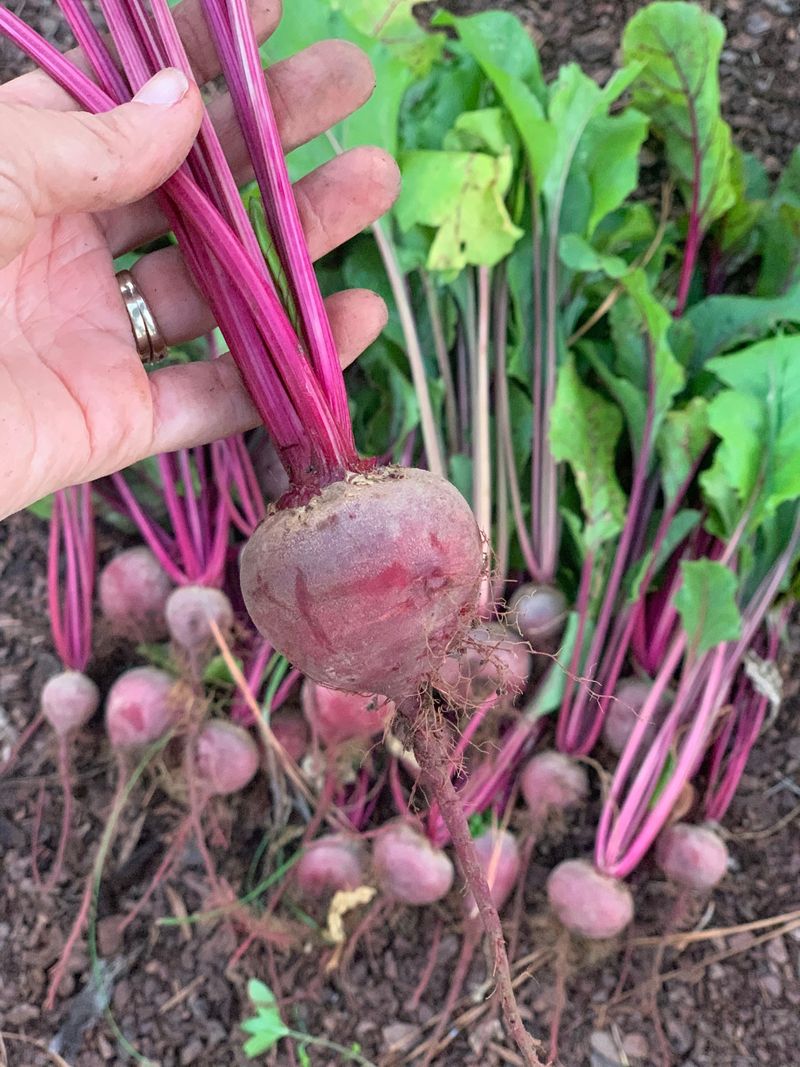
Beets are one of the toughest and most versatile vegetables you can grow in a Northern Michigan garden. They tolerate light frost without flinching, which makes them a smart choice for April planting in zones 3 to 5a where cold snaps can still happen without much warning.
Both the roots and the leafy tops are edible, so you get double the harvest from every single plant.
In Northern Michigan, direct sow beet seeds about half an inch deep in April as soon as the soil can be worked. Beet seeds are actually seed clusters, meaning each one can produce multiple sprouts.
Thinning is important, so once seedlings reach about two inches tall, thin them to stand three to four inches apart to give each root enough room to develop into a full-sized beet.
Cool spring temperatures in Northern Michigan actually improve beet flavor by keeping sugars concentrated in the roots. Varieties like Detroit Dark Red and Bull’s Blood are popular across Michigan because they are reliable, flavorful, and beautiful.
Bull’s Blood also has stunning deep red foliage that looks gorgeous in the garden. Beets mature in about 55 to 70 days, making them a great fit for Northern Michigan’s shorter growing season.
Keep the soil consistently moist and weed-free, and you will have a colorful, delicious harvest of beets to enjoy roasted, pickled, or tossed fresh into a salad.
10. Chives Come Back Strong In Northern Michigan Each April
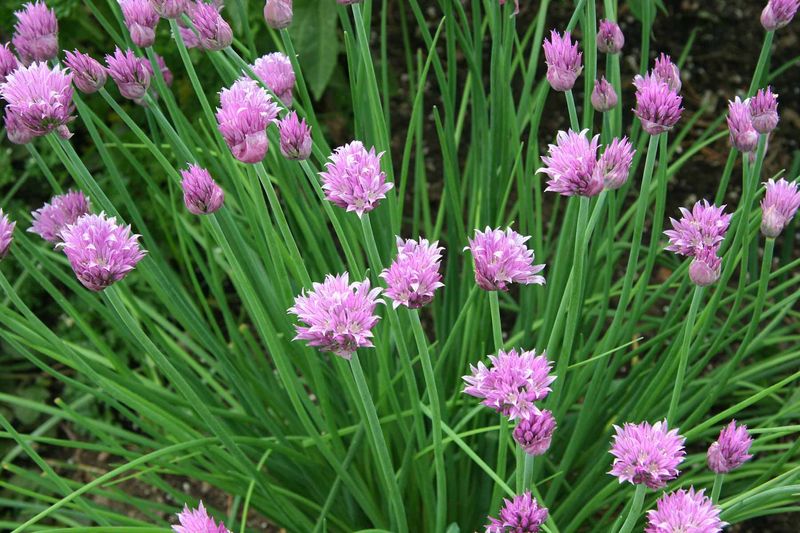
One of the most cheerful signs of spring in a Northern Michigan garden is seeing chives push up through the cold soil before most other plants have even thought about sprouting.
Chives are a perennial herb, meaning they come back year after year without replanting, which makes them one of the easiest and most rewarding plants you can grow in zones 3 to 5a.
You can plant new chive starts or divide existing clumps in April in Northern Michigan. Dividing overgrown clumps actually reinvigorates the plants and encourages more vigorous new growth.
Plant divisions or new starts about six inches apart in a sunny spot with well-drained soil, and they will settle in quickly even in the cold April conditions of Northern Michigan.
Chives are incredibly hardy and handle cold spring temperatures without any special protection.
Their slender green shoots are ready to snip and use within weeks of emerging, making them one of the first fresh herbs available in your Northern Michigan garden each spring.
The mild onion flavor works beautifully in scrambled eggs, soups, baked potatoes, and salads. In late spring, chives produce pretty purple globe-shaped flowers that are also edible and make a lovely garnish.
Beyond being useful in the kitchen, chives attract pollinators and are known to repel certain garden pests, making them a smart and hardworking addition to any Northern Michigan garden bed.
11. Cilantro Loves Northern Michigan’s Cold April Temperatures
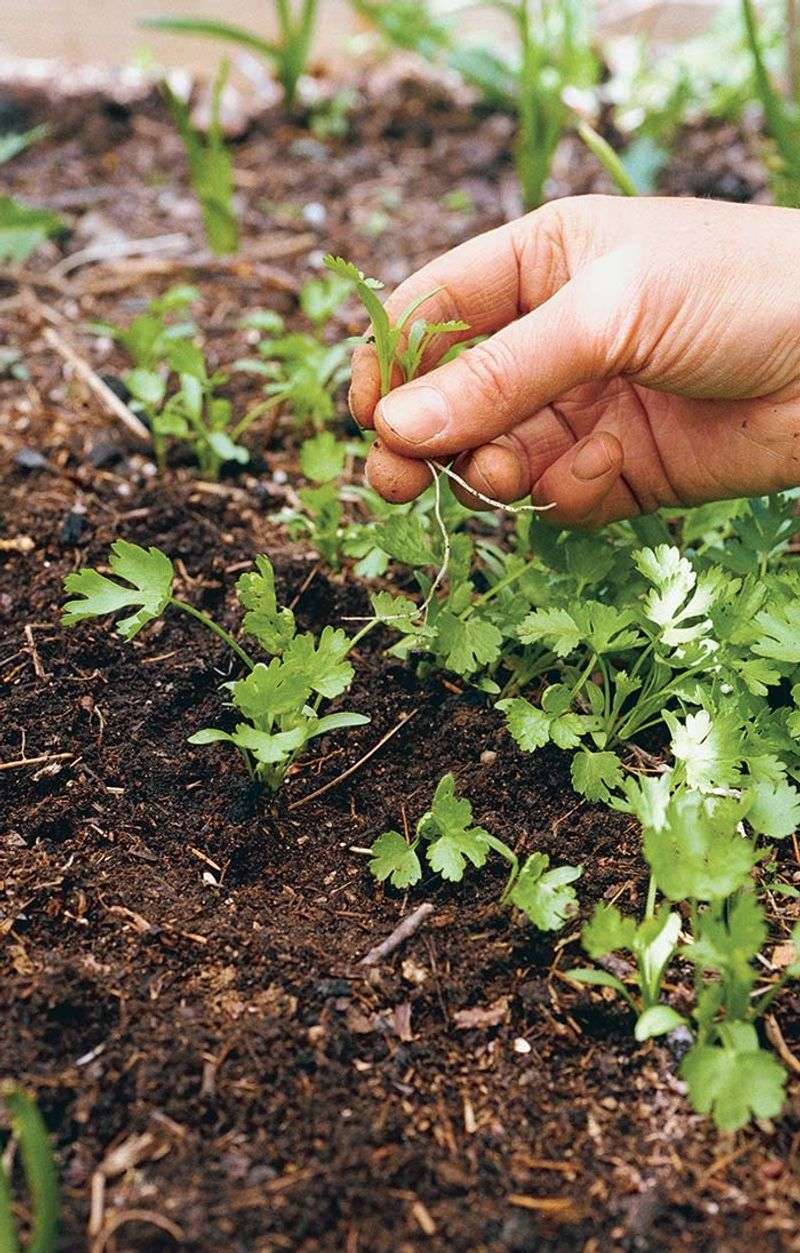
Cilantro is famously picky about temperature, and that actually works in favor of Northern Michigan gardeners planting in April.
This herb grows best in cool weather and bolts, meaning it sends up a flower stalk and stops producing leaves, very quickly once temperatures climb.
Northern Michigan’s cold April climate gives cilantro exactly the slow, cool start it needs to thrive and produce abundantly.
Direct sow cilantro seeds in April in Northern Michigan, pressing them lightly into the soil about a quarter inch deep. Cilantro does not transplant well because it has a sensitive taproot, so sowing directly in the garden where it will grow is always the better approach.
Scatter seeds in a wide band rather than a single row for a fuller, bushier patch of fresh leaves.
Cilantro grows quickly once established, and you can start harvesting leaves in as little as three to four weeks after germination.
In Northern Michigan, the cooler spring temperatures slow bolting and extend the harvest window considerably compared to warmer southern regions.
Varieties like Slow Bolt and Santo are bred specifically to resist bolting and are excellent choices for Michigan gardens. Succession planting every two to three weeks keeps a steady supply of fresh cilantro coming throughout the season.
Use the fresh leaves in salsas, tacos, curries, and salads, and let some plants go to seed to harvest coriander, which is a wonderful spice in its own right for your kitchen.
12. Dill Thrives When Sown Early In Northern Michigan
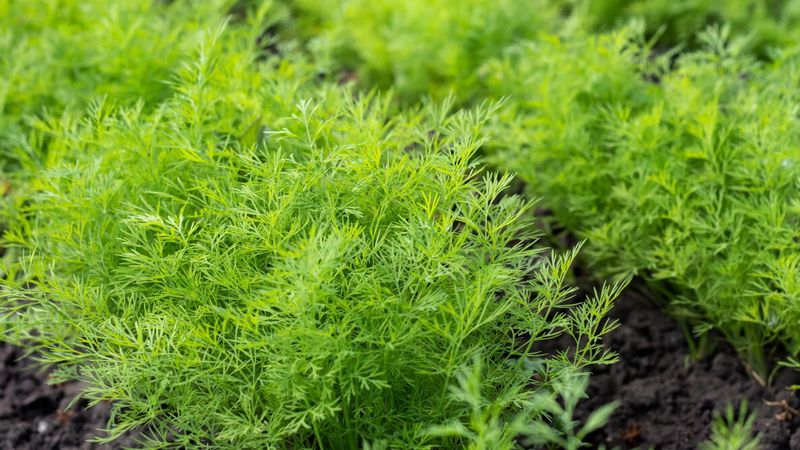
Dill is one of those herbs that smells like summer but actually grows best when the weather is still cool. In Northern Michigan, planting dill by direct sowing in April gives it a strong head start before warmer temperatures arrive later in the season.
Because dill does not transplant well due to its long taproot, sowing directly in the garden in zones 3 to 5a is always the right move.
Scatter dill seeds lightly over the soil surface in April in Northern Michigan and press them gently down without covering them too deeply, since dill seeds need some light to germinate well.
Choose a sunny spot with well-drained soil and avoid areas where the wind is too strong, as dill’s tall, feathery stems can get knocked around easily once the plant matures.
Dill grows quickly in cool conditions and can reach two to four feet tall by midsummer in a Northern Michigan garden. The feathery fronds are ready to harvest in about 40 to 60 days, and the seeds can be collected later in the season for use in pickling, baking, and cooking.
Varieties like Fernleaf stay more compact and work well in smaller garden spaces. Fresh dill pairs wonderfully with salmon, cucumbers, potatoes, and homemade pickles.
Planting early in Northern Michigan means your dill will be producing beautifully long before the heat of summer has a chance to rush it through its life cycle too quickly.