What To Plant In California During Each Moon Phase
Gardening in California takes on a little magic when you pay attention to the moon. Each phase has its own rhythm, and planting along with it can make your garden happier and more vibrant.
New moons are the perfect time to start seeds, giving young roots a gentle boost. Waxing moons help leafy greens and fast growers thrive, while full moons bring out the best in flowers and fruits.
As the moon wanes, it’s ideal for pruning, tidying, and letting the soil rest. Following the lunar rhythm is an easy way to feel connected to nature and keep your garden looking its best all season long.
Simple, fun, and surprisingly effective, it turns ordinary planting into a little lunar adventure in your backyard.
1. What To Plant During The New Moon
When the moon disappears from the night sky, moisture rises in the soil, creating perfect conditions for seeds that sprout quickly.
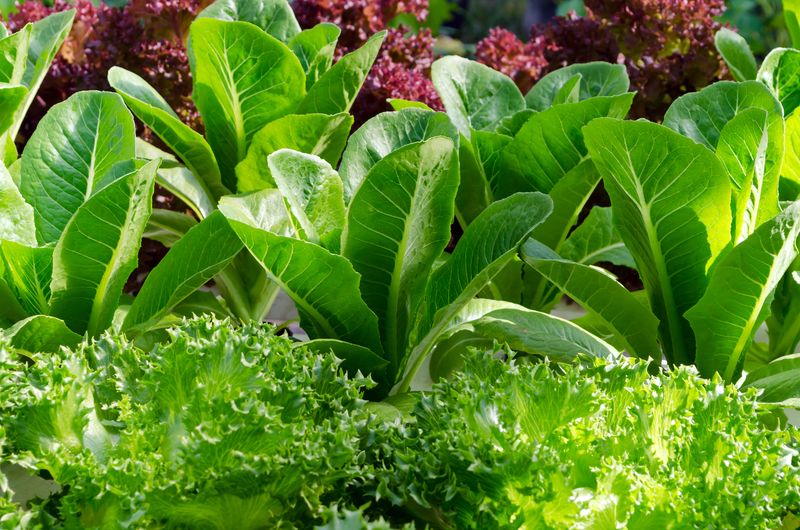
This phase lasts about three days, and it’s your window for sowing leafy greens that need steady moisture to germinate.
Lettuce, spinach, and kale all benefit from this increased soil moisture during their critical germination period. The darkness of the new moon mirrors the darkness these seeds need underground as they swell and crack open.
You’ll notice faster sprouting rates compared to planting during other phases.
Cabbage and celery also thrive when planted now, though they take longer to mature than quick greens. Both crops appreciate California’s cooler months, so timing your new moon planting in fall or early spring works beautifully.
The coastal fog that rolls through many California gardens during these seasons adds natural moisture that complements the lunar influence.
Avoid planting during the hottest months unless you’re in a cooler coastal zone. Inland gardeners should wait for September or February new moons when temperatures moderate.
The combination of lunar timing and seasonal awareness gives your leafy crops their best start in California’s varied microclimates.
2. What To Plant During The Waxing Crescent
That thin silver smile in the evening sky signals increasing moonlight each night. Energy moves upward through plants during this phase, making it ideal for anything that grows leaves above ground and matures quickly.
Arugula practically leaps out of the ground during the waxing crescent, often germinating in just three to five days. The increasing light seems to encourage rapid leaf development, giving you salad greens faster than you’d expect.
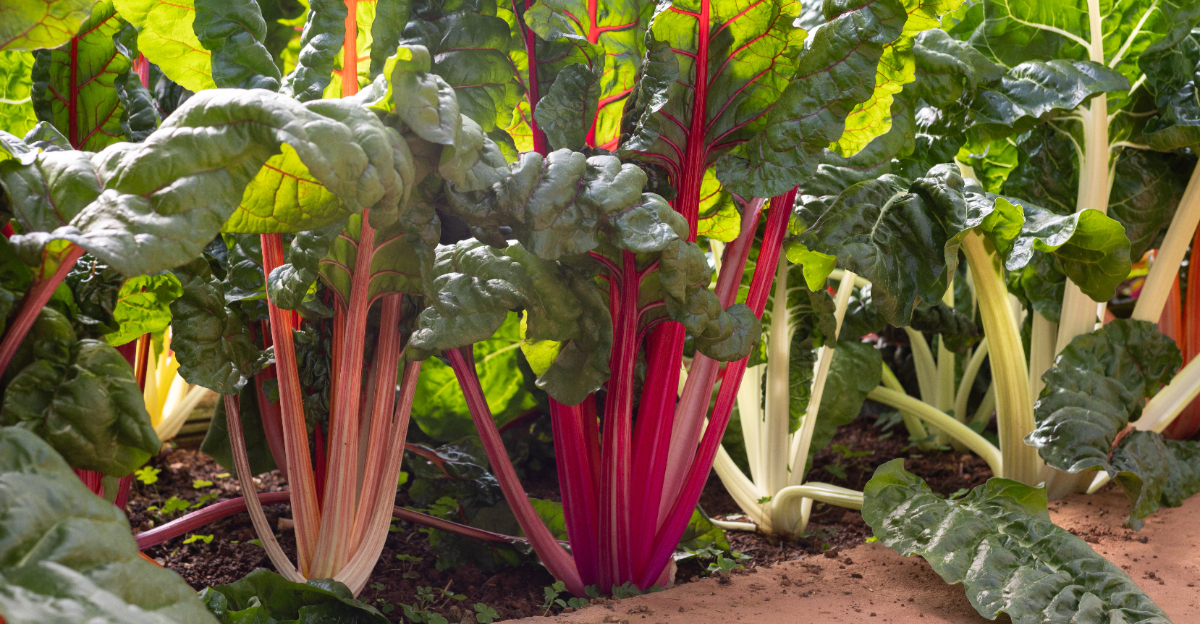
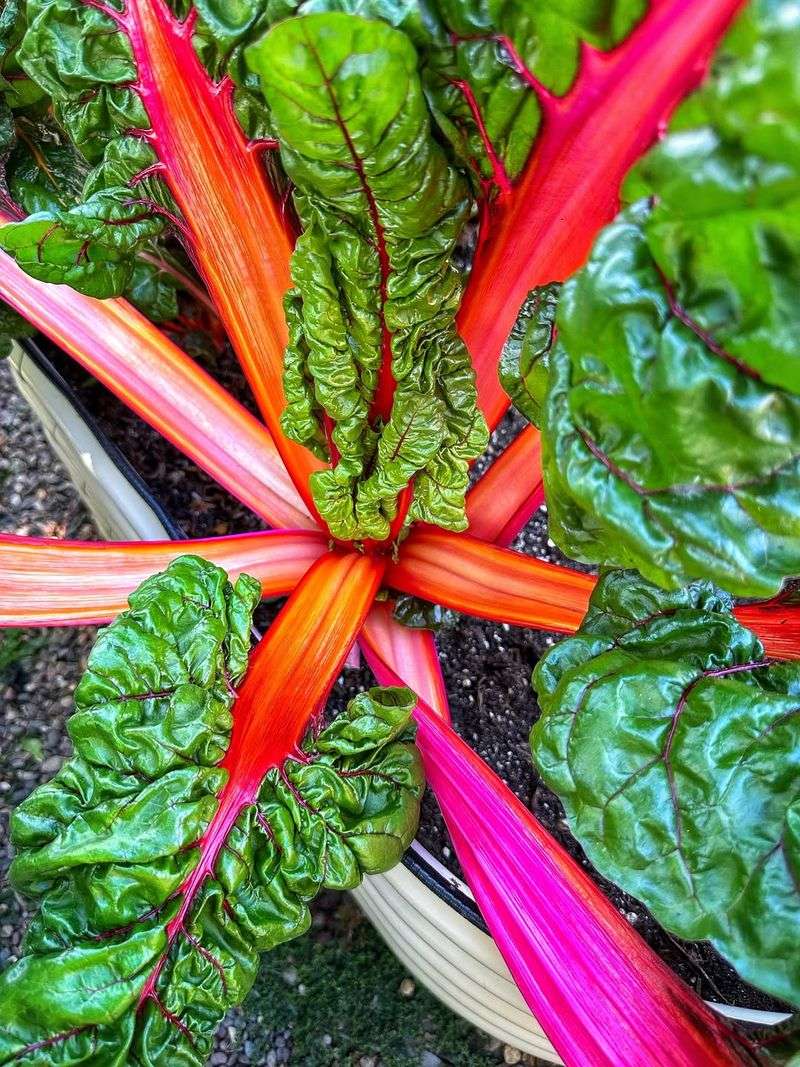
Chard follows close behind, unfurling colorful stems that brighten your garden beds.
Cilantro and parsley respond beautifully to this phase, especially in California’s mild winters when these herbs grow most vigorously.
Many gardeners struggle with cilantro bolting too quickly, but planting during the waxing crescent in cooler months gives you a longer harvest window.
The lunar energy supports strong root development while encouraging leafy growth.
Quick-growing greens like mizuna, mustard, and baby lettuce mixes fill gaps in your garden during this week-long phase. California’s extended growing season means you can plant waxing crescent greens almost year-round in coastal areas.
Inland gardeners should focus on spring and fall plantings when temperatures stay moderate and the increasing moonlight works with seasonal rhythms.
3. What To Plant During The First Quarter Moon
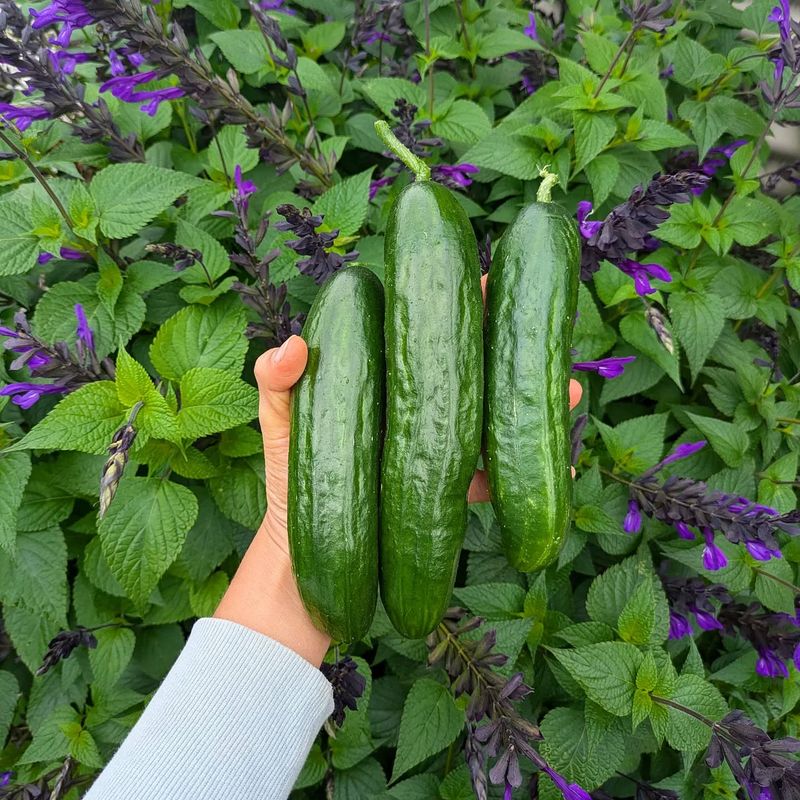
Halfway to full, the moon hangs in the afternoon sky like a bright half-dollar. This phase brings strong upward energy perfect for plants that grow both leaves and fruits, especially vining crops that need vigor to climb and spread.
Beans and peas planted now develop sturdy stems and abundant foliage before setting pods. The balanced light during this phase encourages both root development and above-ground growth, giving legumes the foundation they need.
California gardeners can plant beans almost year-round in southern regions, while northern areas should focus on spring plantings after the last frost.
Cucumbers and squash vines planted during the first quarter moon seem to scramble across garden beds with extra enthusiasm. These heat-loving crops need California’s long, warm season, and lunar timing gives them a jumpstart.
Coastal gardeners might struggle with these crops unless they have a protected, sunny spot, but inland valleys provide ideal conditions.
Tomatoes planted during this phase in warmer California zones develop strong branching before flowering begins. The increasing moonlight supports vegetative growth that later supports heavy fruit loads.
Wait until nighttime temperatures stay above 55 degrees consistently before transplanting tomato seedlings, regardless of moon phase, to avoid stunting.
4. What To Plant During The Waxing Gibbous
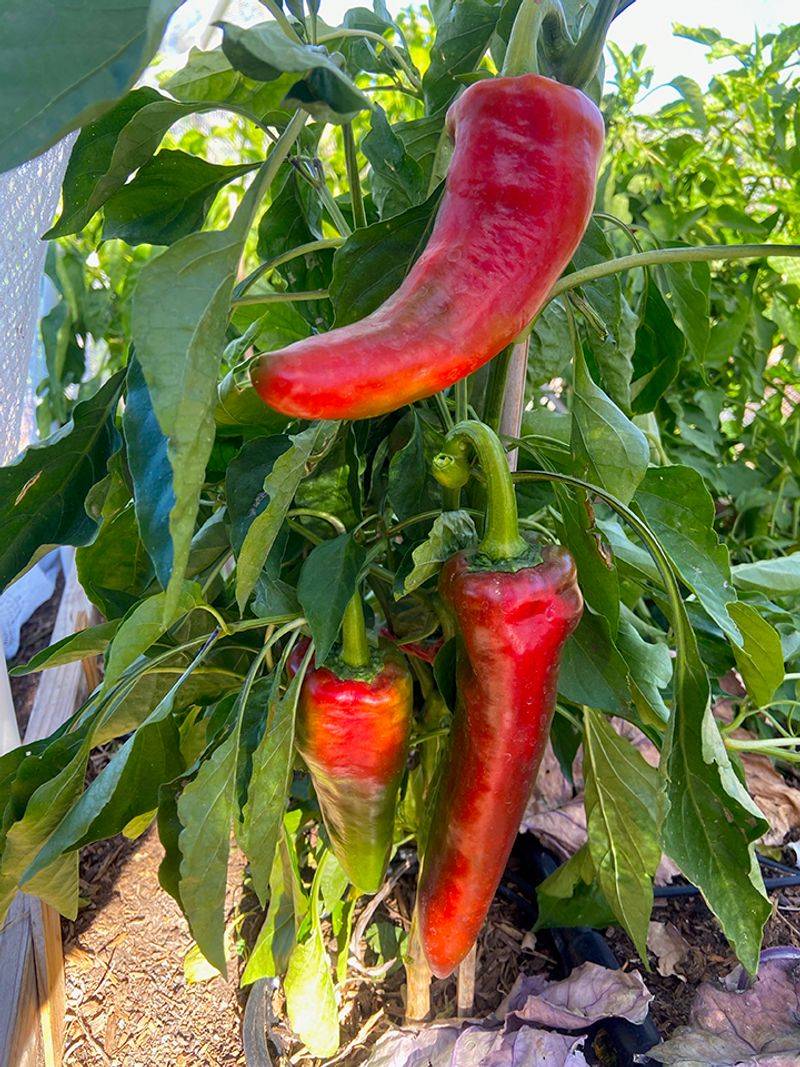
Just before the moon reaches fullness, its light floods the garden almost all night. This final phase before the full moon brings maximum upward energy, making it the prime time for transplanting fruiting crops that need strong growth to support heavy harvests.
Peppers transplanted during the waxing gibbous establish quickly and begin flowering sooner than those planted at other times. The abundant moonlight seems to encourage the vigorous growth peppers need before they can support fruit production.
California’s long, warm season means peppers often produce until November in many areas, giving you months of harvest from well-timed spring transplants.
Tomatoes and eggplants also benefit from this phase’s powerful energy. Both crops need substantial foliage to shade developing fruits from California’s intense summer sun.
Transplanting during the waxing gibbous helps them build this canopy quickly.
Melons and squash planted now race across the garden, their vines thick and healthy. These sprawling crops need space and warmth, both of which California provides in abundance during summer months.
The lunar boost during this phase helps them establish before the serious heat arrives, giving roots time to dig deep for water. Inland gardeners should mulch heavily regardless of planting time to conserve moisture.
5. What To Plant During The Full Moon
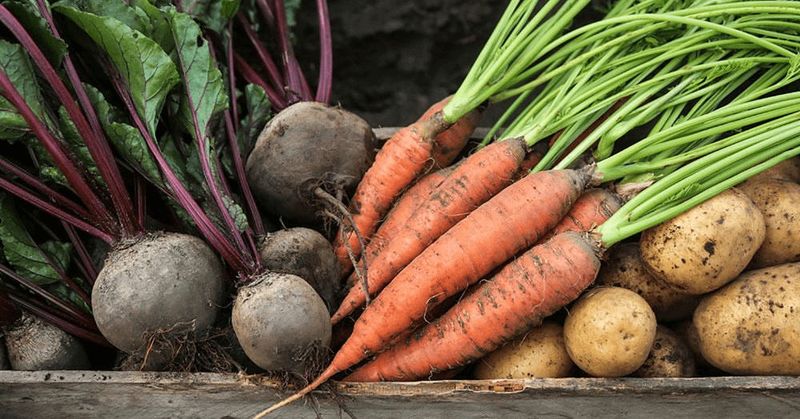
The moon hangs full and bright, pulling moisture downward into the soil. This phase lasts just a day or two, but its influence extends several days on either side, creating a window for planting anything that grows beneath the surface.
Carrots planted during the full moon develop straight, well-formed roots that push deep into California’s soil. The downward pull of lunar gravity encourages roots to dive rather than fork or twist.
Sandy soils common in many California gardens work perfectly for carrots, especially when you plant during this phase and keep the bed consistently moist until germination.
Beets, radishes, and turnips all respond to full moon planting with vigorous root development. Radishes mature so quickly that you can plant them during every full moon for continuous harvests.
Beets and turnips take longer but reward patient gardeners with sweet, tender roots perfect for roasting.
Potatoes and onions planted during the full moon establish strong root systems before focusing energy on bulb development.
California’s mild winters allow fall potato plantings in many areas, while onions started from sets during winter full moons mature by early summer.
The lunar timing helps these crops prioritize underground growth when it matters most for final harvest quality.
6. What To Plant During The Waning Gibbous
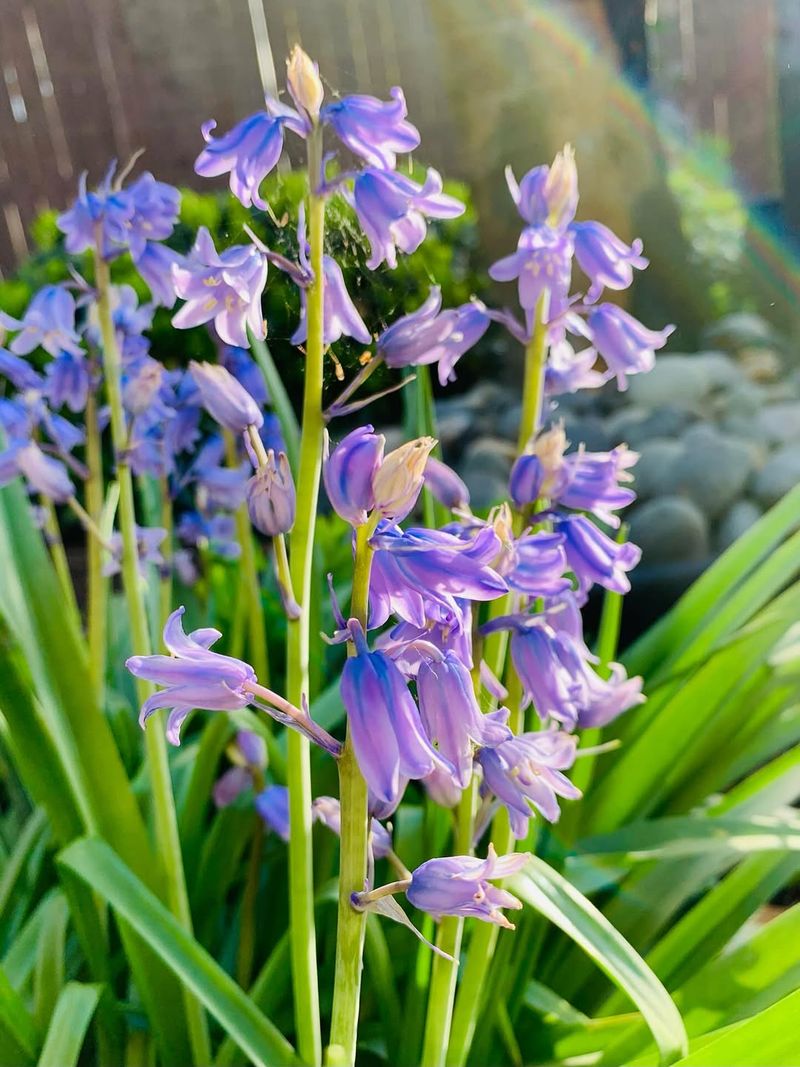
After the full moon passes, light gradually decreases each night. Energy shifts downward, making this the ideal time for plants that need strong root systems or those you want to establish permanently in your garden.
Perennials planted during the waning gibbous focus energy on root development rather than showy top growth. This underground establishment proves crucial for long-term success in California’s dry climate where deep roots mean survival during drought.
Salvias, lavenders, and native perennials all benefit from this timing, especially when planted in fall before winter rains arrive.
Bulbs tucked into the soil during this phase develop robust root systems before sending up shoots. Spring-blooming bulbs planted during fall waning gibbous moons have months to establish before flowering.
California’s mild winters mean many bulbs naturalize beautifully, returning year after year when given this strong start.
Garlic cloves planted now focus on root growth throughout winter, then shoot up vigorously in spring.
Asparagus crowns also benefit from this timing, though they take several years to produce harvestable spears. Transplanting seedlings during this phase reduces transplant shock since plants prioritize root establishment over top growth.
7. What To Plant During The Last Quarter Moon
The moon appears half-lit again, but now it rises late at night rather than shining through the afternoon. This resting phase brings a quiet time in the garden when plants consolidate energy and prepare for the next cycle.
Root vegetables planted during the last quarter moon develop dense, flavorful roots. The decreasing light encourages plants to store energy underground rather than pushing leafy growth.
California’s cool season provides perfect conditions for carrots, parsnips, and turnips planted during this phase in fall or winter.
Pruning during the last quarter moon causes less stress to plants since sap flow decreases. Fruit trees trimmed now heal quickly and redirect energy toward root development and fruit production.
California’s dry summers mean you can prune almost year-round without disease concerns, but timing cuts with the last quarter moon optimizes plant response.
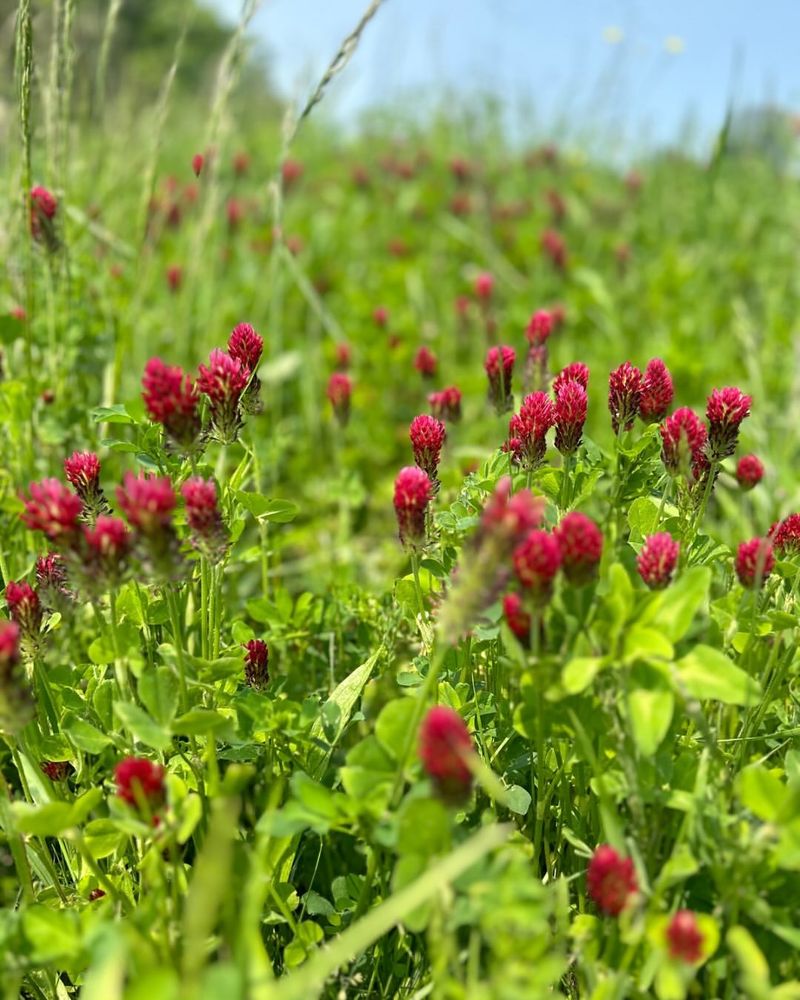
Cover crops and soil improvement plantings thrive when started during this phase. Clover, vetch, and fava beans planted now establish strong roots that fix nitrogen and prevent erosion during California’s rainy season.
These crops protect bare soil while building fertility for spring planting. The last quarter moon’s downward energy helps cover crops develop the deep roots needed to break up compacted soil and add organic matter when you turn them under.
8. What To Do During The Waning Crescent
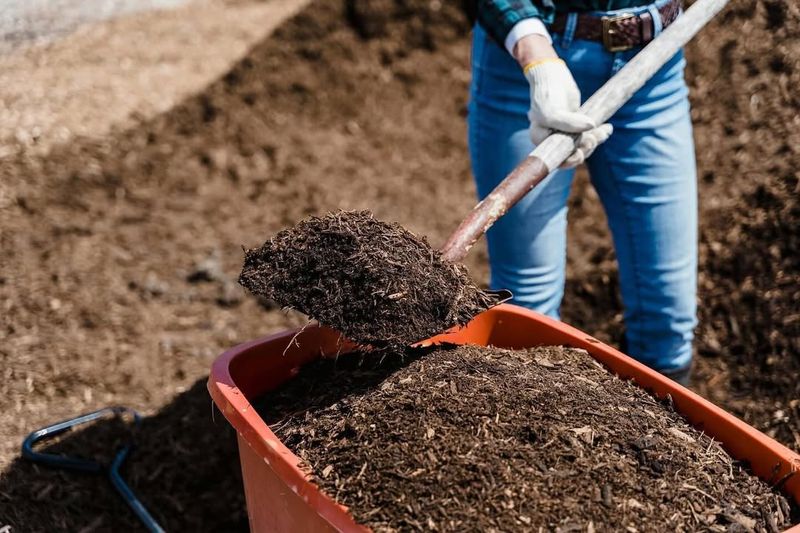
The thinnest sliver of moon appears just before dawn, signaling the cycle’s end. This quiet phase asks you to slow down, tend your soil, and prepare for the new moon’s fresh start rather than pushing new plantings.
Soil care takes priority during the waning crescent as energy rests at its lowest point. Spreading compost, turning beds, and adding amendments all work beautifully now because you’re not disturbing active root growth.
California’s dry soil benefits enormously from organic matter additions, and this phase provides the perfect timing for soil building work.
Compost crops like buckwheat or mustard can go in during this phase if you plan to turn them under quickly. These fast-growing plants add green matter to soil, improving structure and fertility.
California gardeners often struggle with clay or sandy soils that lack organic content, making compost crops valuable regardless of lunar phase.
Hardy root crops like radishes or turnips can handle planting during this rest phase if you need to fill empty beds. They’ll germinate slowly but steadily, emerging as the new moon arrives.
Mulching existing plantings during the waning crescent conserves moisture and protects soil, essential tasks in California’s Mediterranean climate where summer drought stresses gardens. This phase reminds us that rest and preparation matter as much as active planting.