What To Plant In Michigan Zone 4 Gardens In Early Spring
Spring in Michigan Zone 4 always feels like a fresh beginning for gardeners. After a long winter, the soil slowly thaws and garden beds finally become workable again.
That moment often arrives sometime in April or early May, depending on how quickly the cold loosens its grip. For many gardeners across the northern parts of the Lower Peninsula and into the Upper Peninsula, this is when the new season truly begins.
Even though the weather can still be cool, many plants actually prefer these early spring conditions. Cool temperatures and moist soil create a perfect window for certain crops and flowers to establish strong roots before the heat of summer arrives.
Starting with the right plants can give your garden a valuable head start. When you match your choices to Michigan Zone 4 conditions, your yard can fill with fresh growth and early harvests long before summer fully settles in.
1. Peas
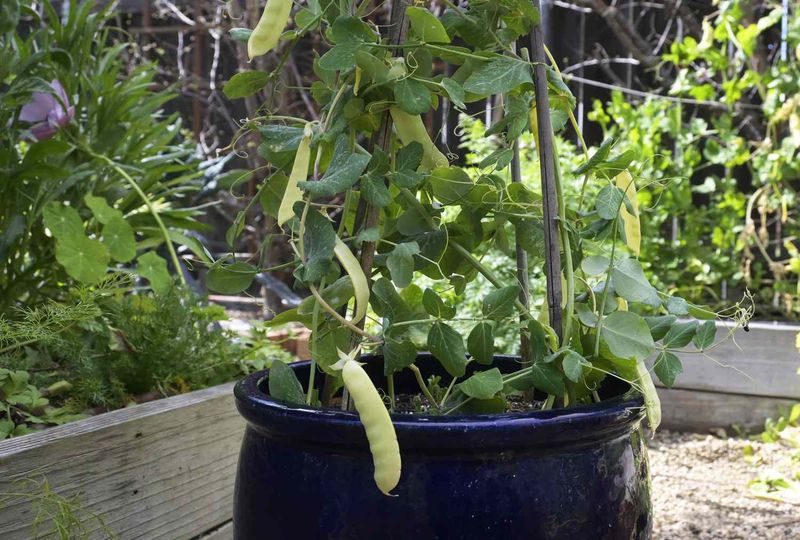
Garden peas are basically the unofficial mascot of early spring gardening in Michigan. Pisum sativum, the scientific name for the common garden pea, is a cool-season champion that actually prefers chilly temperatures over warm ones.
Once your Michigan Zone 4 soil becomes workable in April, peas are ready to go in the ground right away.
What makes peas so special is their ability to handle light frost without skipping a beat. Soil temperatures as low as 40 degrees Fahrenheit are enough for germination to begin, so you do not need to wait for warm weather.
Planting them about one inch deep in rows gives them a strong start and plenty of room to spread their tendrils upward along a trellis or fence.
Peas grow fast once they get going, and you can expect pods to appear within 60 to 70 days after planting. Providing a simple support structure like a wire fence or wooden stakes keeps the vines off the ground and encourages better air circulation.
Fresh peas picked straight from the garden have a sweetness that store-bought versions simply cannot match.
Michigan gardeners who plant peas early often enjoy a full harvest before summer heat even arrives, making them one of the most rewarding crops to grow in Zone 4 each year.
2. Spinach
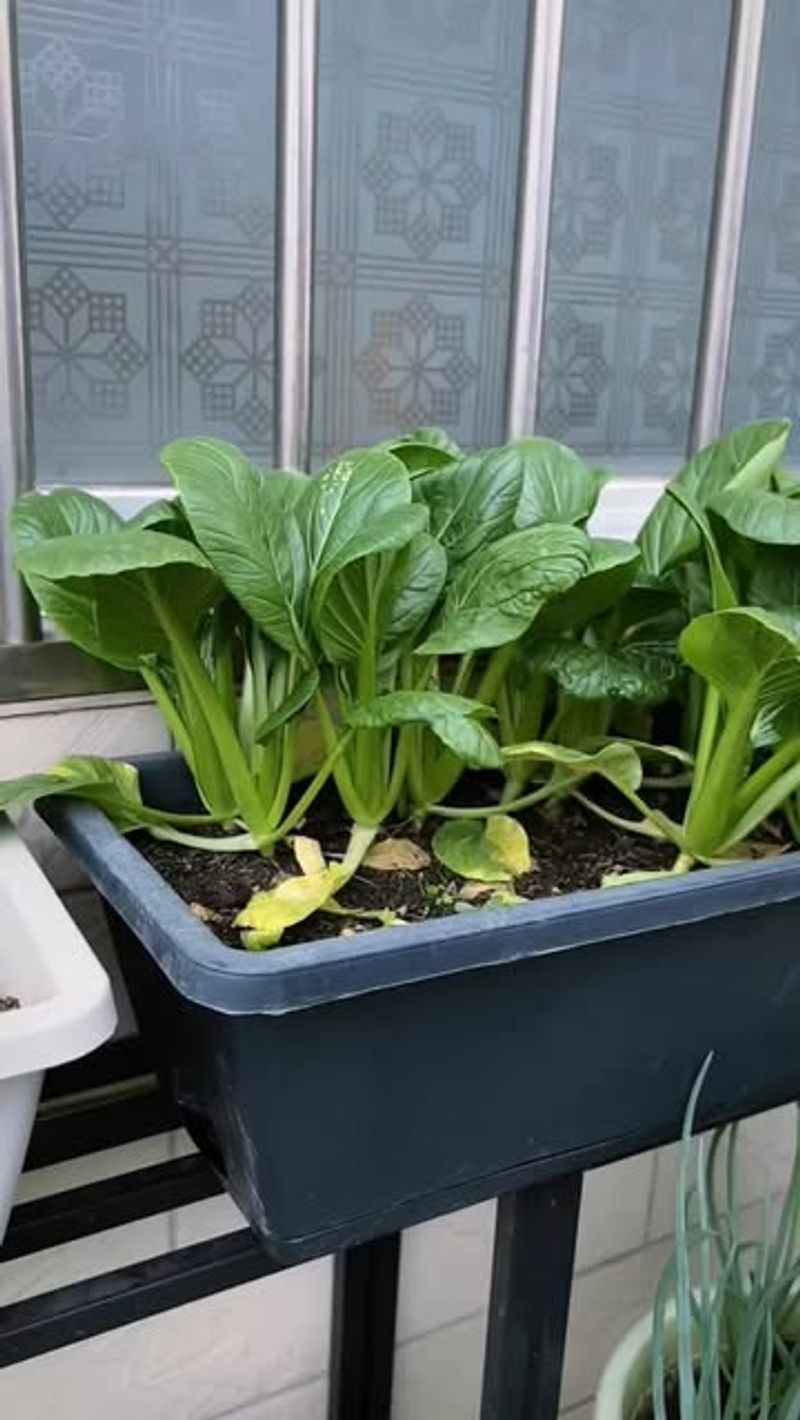
Spinach is one of those vegetables that practically begs to be planted the moment Michigan soil thaws out.
Spinacia oleracea is a cool-season powerhouse that grows fastest when temperatures sit between 45 and 65 degrees Fahrenheit, which is exactly what Zone 4 Michigan delivers in early spring.
Direct seeding spinach as soon as April arrives gives you a head start that pays off in big, tender leaves.
One of the best things about spinach is how quickly it germinates in cool soil. Seeds typically sprout within 7 to 14 days, and young plants are remarkably frost tolerant, handling temperatures down to around 20 degrees Fahrenheit once they are established.
Planting seeds about half an inch deep in rows spaced six inches apart works well and allows for easy harvesting later on.
Spinach does not like warm weather, so growing it in Michigan’s Zone 4 early spring is genuinely ideal timing. Once summer temperatures creep up, spinach tends to bolt, meaning it shifts energy toward producing seeds rather than tasty leaves.
Harvesting outer leaves regularly encourages new growth and extends your picking window by several weeks.
Varieties like Bloomsdale Long Standing and Tyee perform especially well in Michigan gardens and offer excellent flavor along with strong cold tolerance.
Getting spinach in the ground early is one of the smartest moves a Michigan gardener can make each season.
3. Radishes
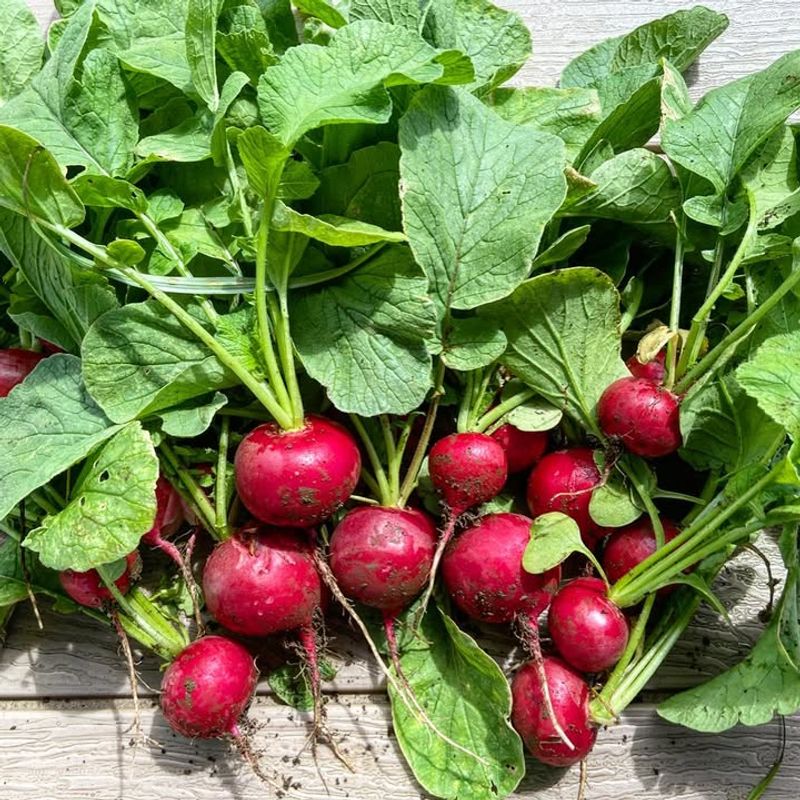
If you want the fastest reward in your Michigan Zone 4 garden, radishes are your answer. Raphanus sativus is famous for being one of the quickest vegetables to go from seed to harvest, often ready to pull in just 22 to 28 days after planting.
That kind of speed makes them incredibly satisfying, especially after a long Michigan winter when you are eager to see something growing.
Radishes thrive in cool spring soil and germinate at temperatures as low as 40 degrees Fahrenheit. Planting them about half an inch deep and one inch apart in rows as soon as Michigan soil can be worked in April gets things moving quickly.
They do not need much space, making them a fantastic choice for small garden beds, raised beds, or even containers on a porch or patio.
Cool soil temperatures actually improve radish flavor and texture, giving you that satisfying crunch and mild peppery bite. When summer heat arrives, radishes tend to become pithy and overly spicy, so early planting in Michigan really is the sweet spot.
Cherry Belle and French Breakfast are two popular varieties that perform reliably well in Zone 4 conditions. You can also plant radishes between slower-growing crops like carrots or lettuce as a space-saving trick.
Their fast growth keeps your garden productive and exciting right from the very start of the Michigan gardening season.
4. Lettuce
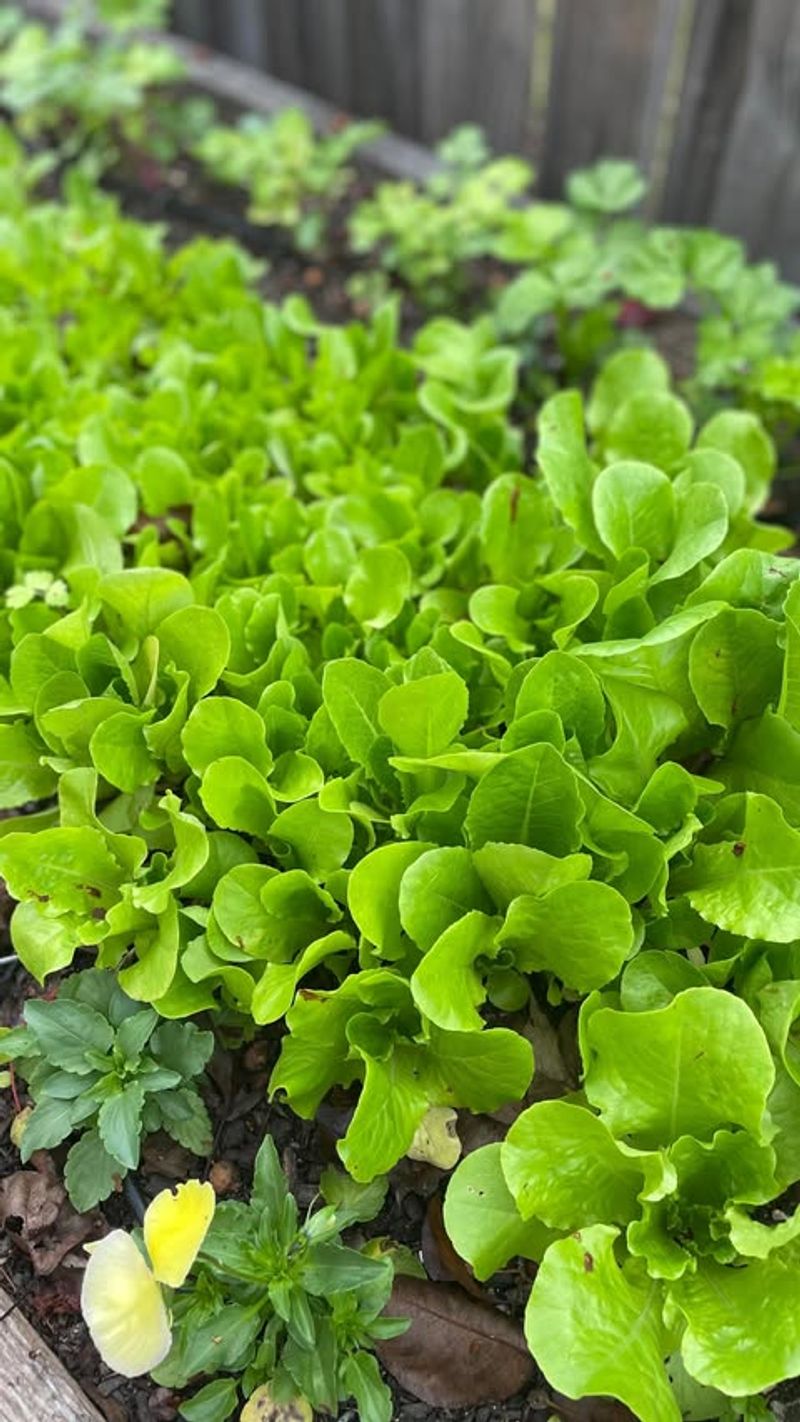
Walking out to your Michigan garden and snipping fresh lettuce for a salad is one of spring’s best simple pleasures.
Lactuca sativa grows beautifully in the cool temperatures that Zone 4 Michigan provides from April through May, making early spring the perfect window to get seeds or transplants in the ground.
Lettuce actually prefers temperatures between 45 and 65 degrees Fahrenheit, which aligns perfectly with Michigan’s early spring climate. One of the most flexible things about lettuce is the variety of ways you can harvest it.
Loose-leaf types like Black Seeded Simpson or Red Sails can be harvested as baby greens just three to four weeks after planting, while heading varieties like Buttercrunch take a bit longer but offer a fuller, crisper result.
Planting a mix of varieties gives you a beautiful, colorful harvest that keeps coming week after week.
Lettuce seeds are tiny, so sprinkling them lightly over prepared soil and pressing them gently in works well since they need light to germinate. Keeping the soil consistently moist speeds up germination and encourages strong early growth.
Succession planting every two weeks extends your harvest window significantly before summer warmth arrives.
In Michigan Zone 4 gardens, lettuce grown under a simple row cover can handle light frosts with ease, giving you a longer picking season and more fresh greens for your table throughout the entire spring.
5. Kale
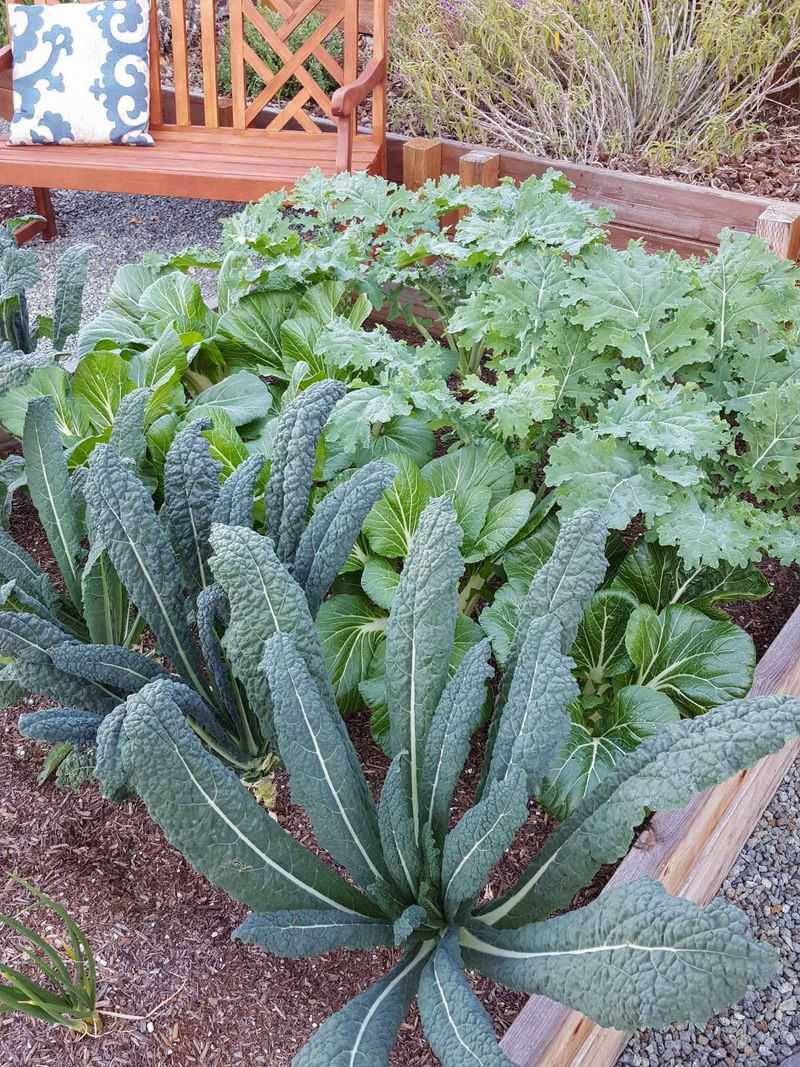
Kale is genuinely one of the toughest vegetables you can grow in a Michigan Zone 4 garden, and that toughness is exactly what makes it so valuable in early spring.
Brassica oleracea var. sabellica can handle frost temperatures well below freezing, sometimes down to 10 degrees Fahrenheit once plants are established.
Planting kale in April as soon as Michigan soil becomes workable gives it a strong foundation for months of productive growth ahead.
What many Michigan gardeners love about kale is how long it stays productive. Unlike lettuce or spinach that fade when summer heat arrives, kale continues pushing out fresh leaves well into the growing season and even into fall.
Varieties like Winterbor and Lacinato, also called Dinosaur Kale, are especially popular in Zone 4 because of their reliability and rich flavor that actually sweetens after a frost.
Starting kale from transplants gives you a slight head start compared to direct seeding, but direct sowing works well too when seeds go in about half an inch deep. Spacing plants 12 to 18 inches apart allows good air circulation and room for large leaf production.
Harvesting outer leaves regularly while leaving the central growing point intact keeps plants producing for an impressively long time.
For Michigan gardeners who want a vegetable that delivers consistent results across a wide stretch of the season, kale is absolutely worth adding to your early spring planting list every year.
6. Carrots
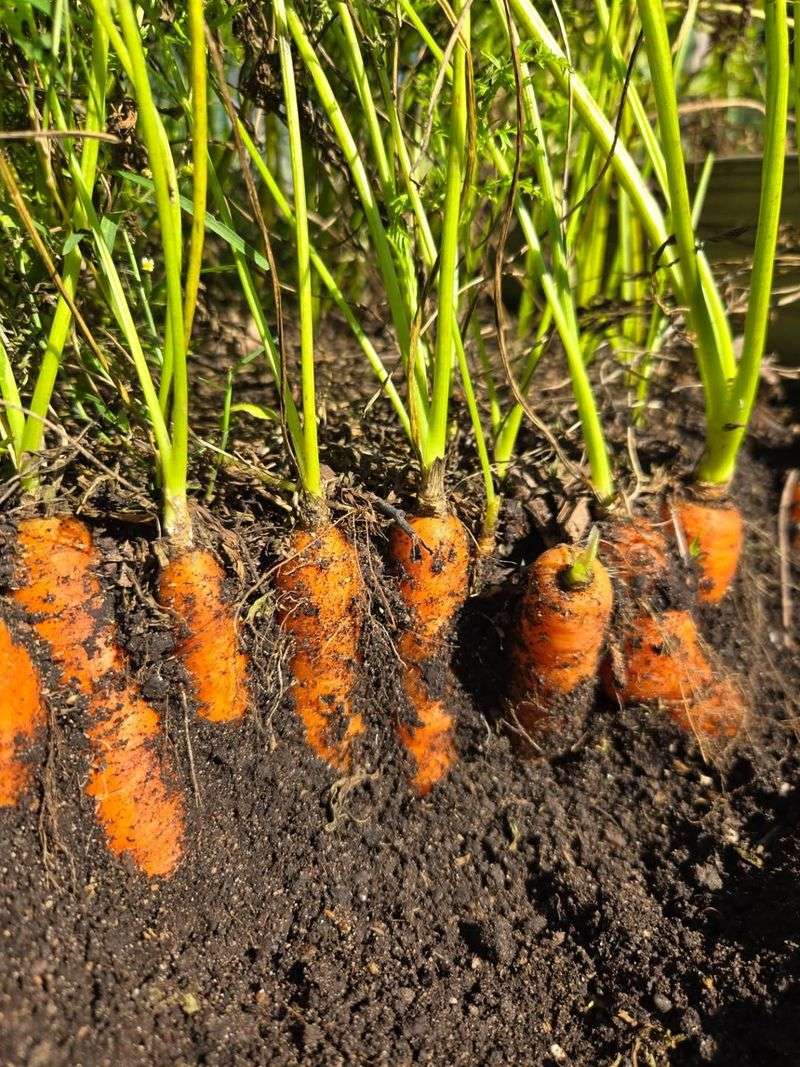
Carrots have a reputation for being a bit finicky, but Michigan Zone 4 gardeners who get them in the ground early are often rewarded with some of the sweetest, most flavorful roots of the season.
Daucus carota subsp. sativus actually develops better flavor when soil temperatures are cool, somewhere between 45 and 65 degrees Fahrenheit, because cool conditions encourage the plant to store more sugars in its roots.
Planting in April, once Michigan soil is workable, sets up ideal conditions from the start.
Soil preparation is the real key to carrot success. Loose, well-tilled soil free of rocks and clumps allows roots to grow straight and deep without obstruction.
Raised beds filled with sandy loam or a quality vegetable mix work especially well in Michigan gardens where heavy clay soil can sometimes be a challenge.
Sowing seeds about a quarter inch deep and thinning seedlings to two or three inches apart once they reach a couple of inches tall makes a big difference in final root size.
Carrot seeds are slow to germinate, often taking 14 to 21 days, so patience is part of the process. Keeping the seed bed consistently moist during that window is critical for good germination rates.
Nantes and Danvers are two varieties that perform reliably well in Michigan Zone 4 conditions.
Planting carrots early means they develop through the cool part of the season and reach harvest just as summer warmth arrives, giving you roots packed with natural sweetness.
7. Onions
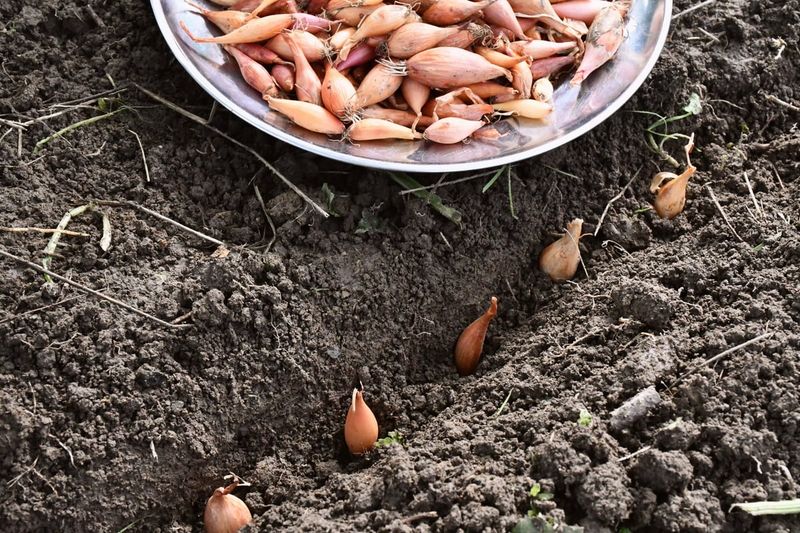
Onions are a Michigan gardener’s quiet workhorse, producing reliable results season after season when planted early in spring.
Allium cepa handles cool temperatures remarkably well and actually benefits from being in the ground as soon as Michigan Zone 4 soil becomes workable in April.
Starting with sets, which are small bulbs from the previous year, or using transplants gives you a significant advantage over direct seeding when it comes to timing and final bulb size.
Planting onion sets about one inch deep and four to six inches apart in rows creates a tidy, organized bed that is easy to manage throughout the season.
Onions are not heavy feeders early on, but a light application of balanced fertilizer a few weeks after planting helps support steady top growth, which eventually translates into larger bulbs underground.
Michigan’s cool April and May temperatures give onion tops time to develop strong foliage before the longer summer days signal the plants to start forming bulbs.
Day length actually controls when onions begin bulbing, so choosing the right variety matters a lot in Michigan.
Long-day varieties like Candy or Patterson are the best fit for Zone 4 because they respond to Michigan’s summer day length and produce large, flavorful bulbs.
Keeping the area weeded is important since onions do not compete well with weeds for nutrients and water. Planting them early in Michigan gives you a long, productive growing window and a satisfying harvest of homegrown onions by midsummer.
8. Potatoes
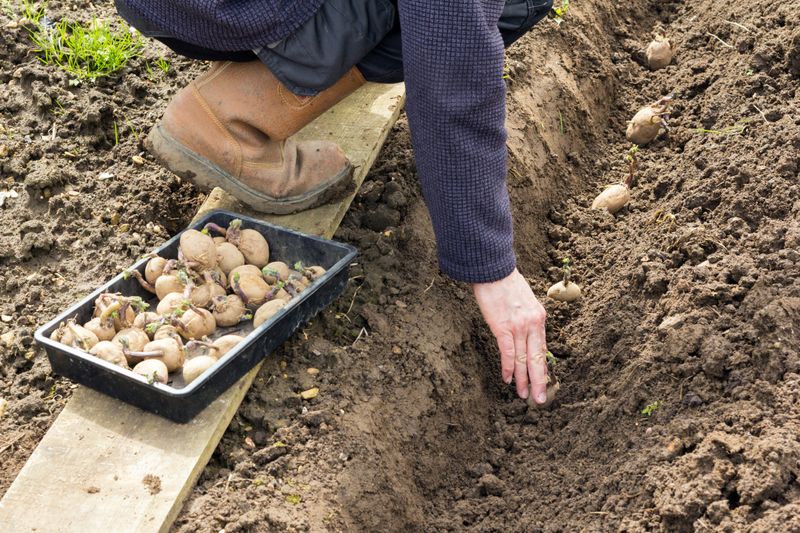
Few vegetables feel as rewarding to grow as potatoes, and Michigan Zone 4 gardeners have an excellent window to get them started in early spring.
Solanum tuberosum does best when soil temperatures reach at least 45 to 50 degrees Fahrenheit, which typically happens in Michigan sometime in late April or early May depending on the year.
Planting certified seed potatoes rather than grocery store potatoes reduces the risk of disease and gives you a much stronger start to the season.
Cutting seed potatoes into pieces with at least two eyes each and letting the cut surfaces cure for a day or two before planting helps prevent rot in cool soil.
Planting pieces about four inches deep and 12 inches apart in rows spaced two to three feet apart gives each plant plenty of room to develop a strong root system and a generous underground harvest.
Michigan’s cool spring soil is actually great for early root establishment before the tops push up through the surface.
Hilling up soil around the base of potato plants as they grow is an important step that keeps developing tubers covered and protected from sunlight, which causes greening and makes them unpleasant to eat.
Varieties like Yukon Gold and Kennebec are well-suited to Michigan Zone 4 conditions and consistently deliver flavorful, productive results.
Watering consistently through the growing season supports steady tuber development, and Michigan gardeners who plant early often enjoy a satisfying harvest of fresh homegrown potatoes in late summer.
9. Swiss Chard
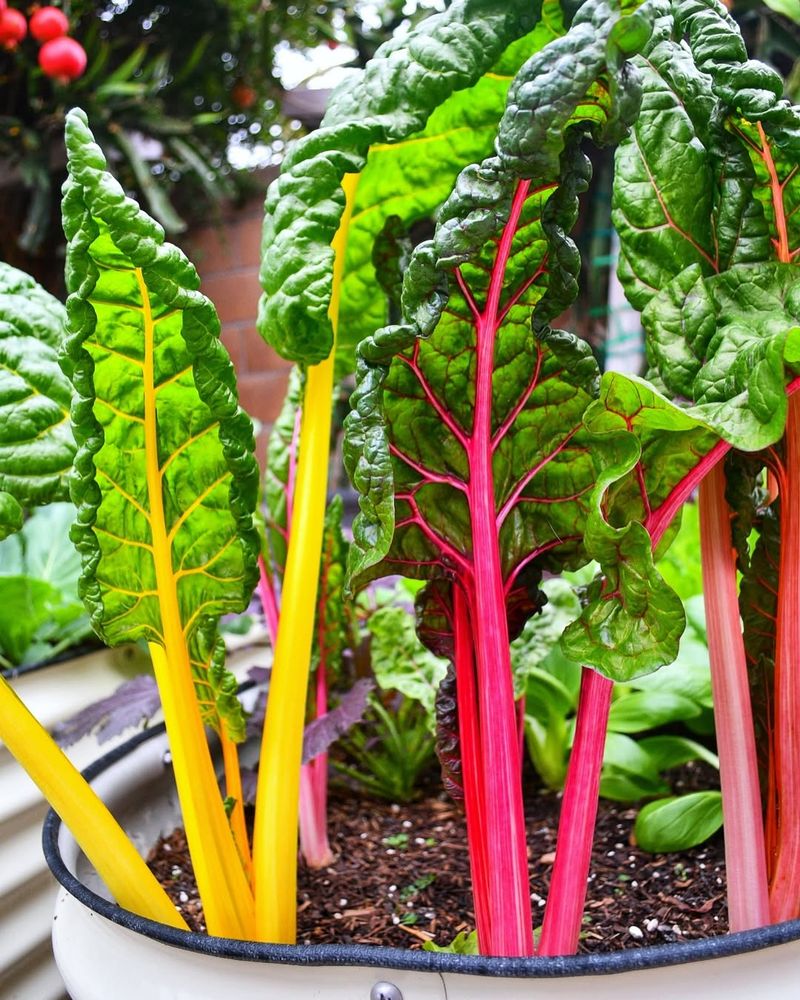
Swiss chard brings a burst of color and nutrition to Michigan Zone 4 gardens, and it starts doing both right from early spring.
Beta vulgaris subsp. cicla is a remarkably adaptable vegetable that handles cool spring temperatures with ease while also tolerating summer heat better than most other leafy greens.
That combination makes it one of the most useful and long-lasting crops you can add to your Michigan garden each year.
Planting Swiss chard seeds about half an inch deep once Michigan soil is workable in April gets the season off to a strong start.
Seeds germinate best when soil temperatures are between 50 and 85 degrees Fahrenheit, so early spring conditions in Zone 4 fall right within that range.
Thinning seedlings to six inches apart once they reach a few inches tall gives each plant room to develop the large, colorful leaves that make chard so striking in the garden.
Varieties like Rainbow Chard and Bright Lights are especially popular in Michigan gardens because of their vibrant red, yellow, orange, and white stems that look as beautiful as they taste.
Harvesting outer leaves regularly while leaving the center of the plant intact encourages continuous new growth throughout the season.
Swiss chard is also highly nutritious, loaded with vitamins K, A, and C, making it a smart choice for health-conscious gardeners.
For Michigan Zone 4 growers who want color, flavor, and productivity all in one plant, Swiss chard truly delivers from spring straight through to fall.