What To Plant In Northeast Ohio In Late Spring
Late spring in Northeast Ohio has a way of sneaking up on you. One minute you are watching the last chilly mornings fade, and the next your yard feels ready for something new.
The soil has warmed, the days are longer, and suddenly it feels like the growing season is in full swing.
This is when many gardeners start wondering what still has time to go in the ground. Early spring crops may already be planted, but there is still a wide window for vegetables, flowers, and even a few fast-growing favorites that handle warmer conditions well.
It is easy to assume you missed your chance if you did not plant earlier, but that is not always the case in this region.
Knowing what works best right now can help you make the most of the season without feeling behind. There are several plants that settle in quickly and keep growing strong through early summer conditions, giving you plenty to look forward to as your garden fills out.
1. Bush Beans That Grow Fast And Produce Big
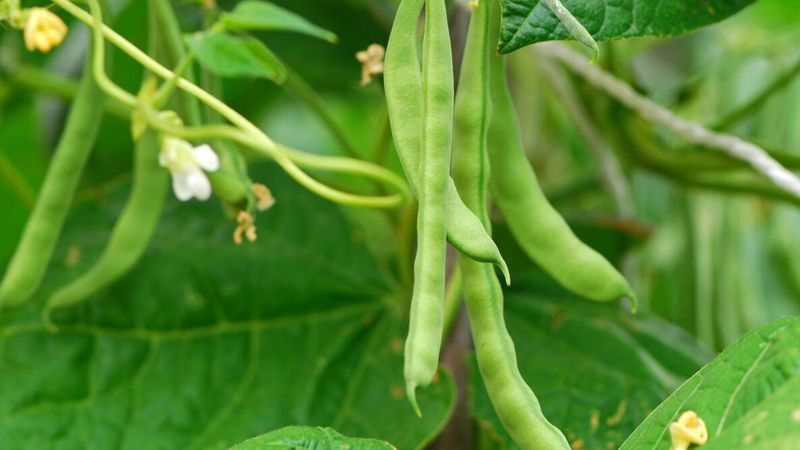
Snap, cook, or eat them fresh right off the plant, bush beans are one of the most rewarding vegetables you can grow in Northeast Ohio. Unlike pole beans, bush beans do not need a trellis or support structure, which makes them a fantastic choice for beginner gardeners or anyone short on space.
They grow in a compact, bushy shape and produce a solid harvest in a relatively short amount of time.
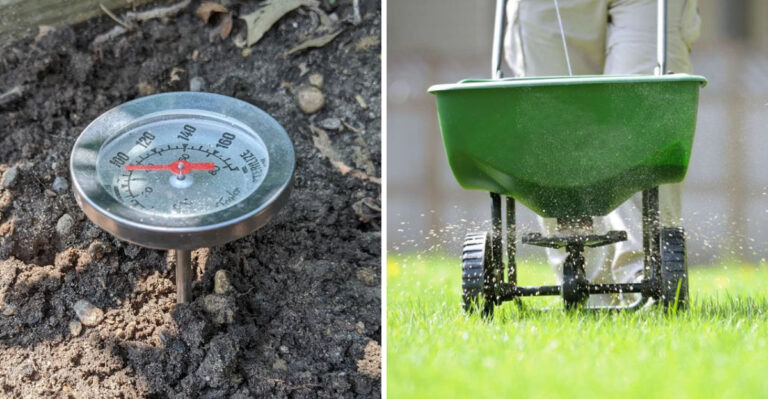
Wait until mid-May to direct sow bush bean seeds into your garden. The soil needs to be at least 60 degrees Fahrenheit for the seeds to sprout properly.
Planting too early in cold, wet soil can cause the seeds to rot before they even get a chance to grow.
Space your seeds about two to four inches apart in rows that are around 18 inches apart. Bush beans prefer full sun and well-drained soil.
Water them regularly, but avoid getting the leaves too wet, as that can lead to fungal problems. In Northeast Ohio, you can expect your first harvest about 50 to 60 days after planting.
For a longer harvest season, try planting a second batch a few weeks after the first.
2. Sweet Corn Bringing Classic Summer Flavor
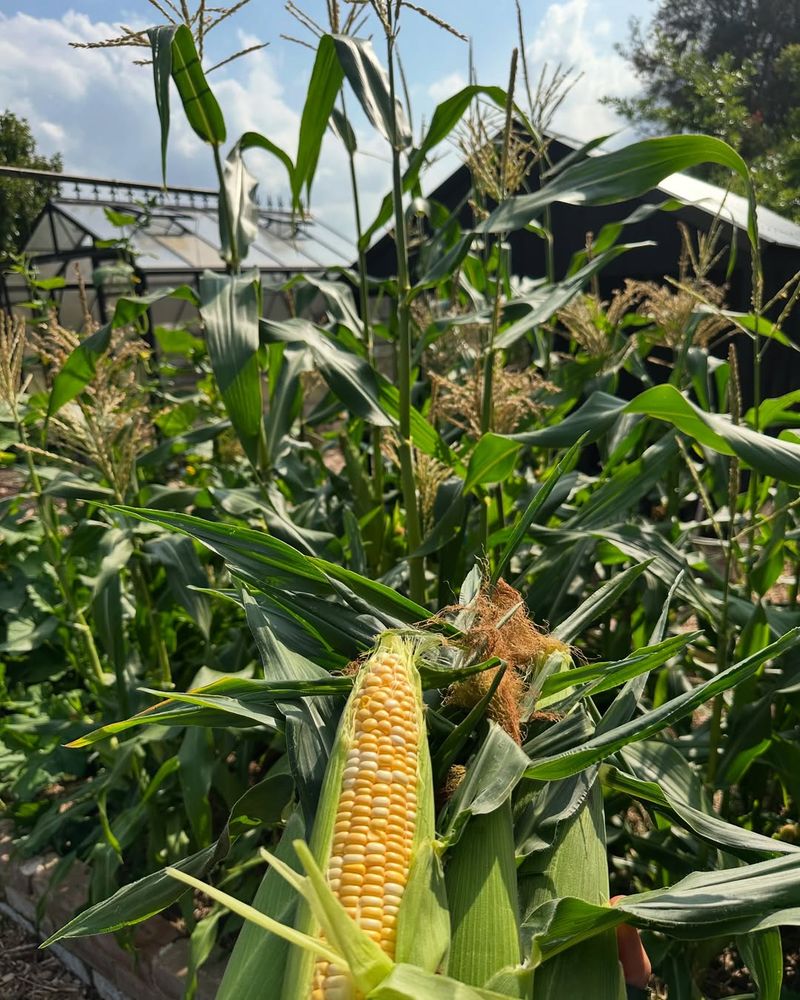
There is something truly special about biting into a fresh ear of sweet corn that you grew yourself. Sweet corn is a warm-season crop that absolutely loves the longer, sunnier days that come with late spring and early summer in Northeast Ohio.
Planting it at the right time makes all the difference between a great harvest and a disappointing one.
Mid-May is the sweet spot for planting sweet corn in Northeast Ohio, once soil temperatures have reached at least 60 degrees. Sow seeds directly into the ground about one inch deep and nine to twelve inches apart.
Corn is pollinated by the wind, so planting it in blocks of at least four rows rather than a single long row will give you much better results.
Sweet corn needs plenty of water, especially when the silks begin to appear. A consistent watering schedule helps the ears develop fully and taste their sweetest.
Adding a balanced fertilizer when the plants are about knee-high gives them the extra boost they need. Northeast Ohio’s warm summer days are perfect for growing sweet corn, and you can expect to harvest your crop about 70 to 90 days after planting.
3. Cucumbers That Seem To Take Off Overnight
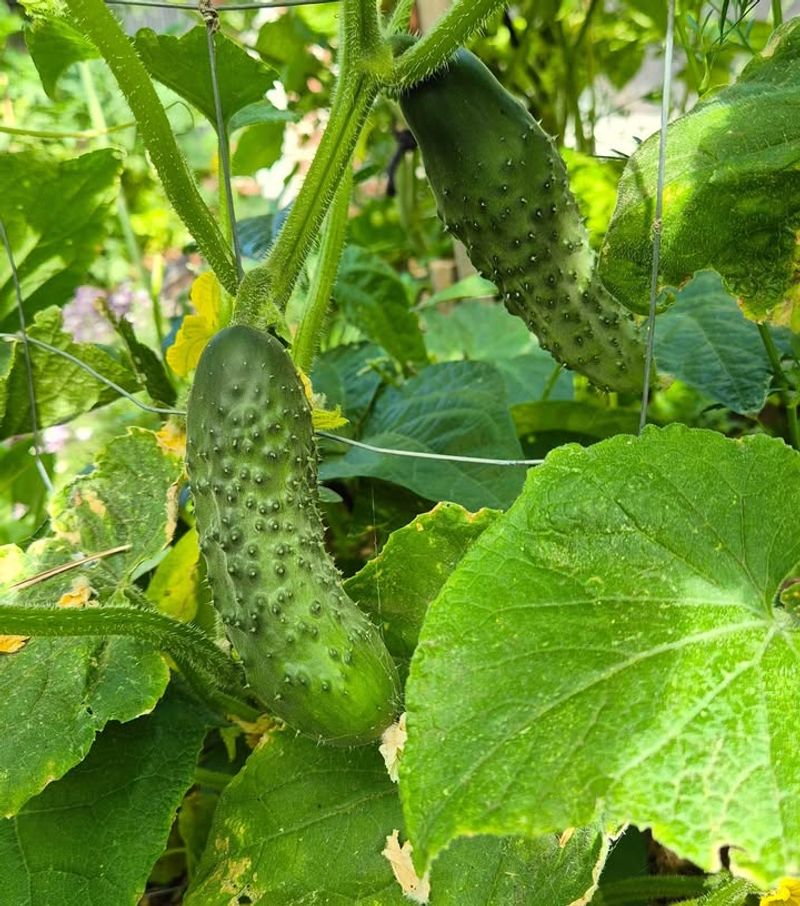
Once warm weather settles in, it can feel like these fast-growing vegetables take off overnight – cucumbers have a way of quickly filling in with lush vines and fresh growth. Crisp, refreshing, and incredibly versatile in the kitchen, cucumbers are a late spring favorite for gardeners all across Northeast Ohio.
They love warm soil and sunshine, making mid-May the ideal time to get them in the ground.
You can either direct sow cucumber seeds or transplant seedlings that you started indoors a few weeks earlier. Either way, wait until after the last frost date and make sure the soil temperature is at least 65 degrees Fahrenheit.
Plant seeds about half an inch deep and space them about 36 inches apart if you plan to let them sprawl, or closer together if you are using a trellis to train them upward.
Growing cucumbers vertically on a trellis saves space and helps keep the fruit clean and straight. Cucumbers need consistent moisture to prevent bitterness in the fruit, so water deeply and regularly throughout the growing season.
Adding a layer of mulch around the base of the plants helps retain soil moisture and keeps weeds at bay. Northeast Ohio’s warm summer climate gives cucumbers exactly what they need to produce abundantly from midsummer all the way through early fall.
4. Summer Squash That Keeps On Giving
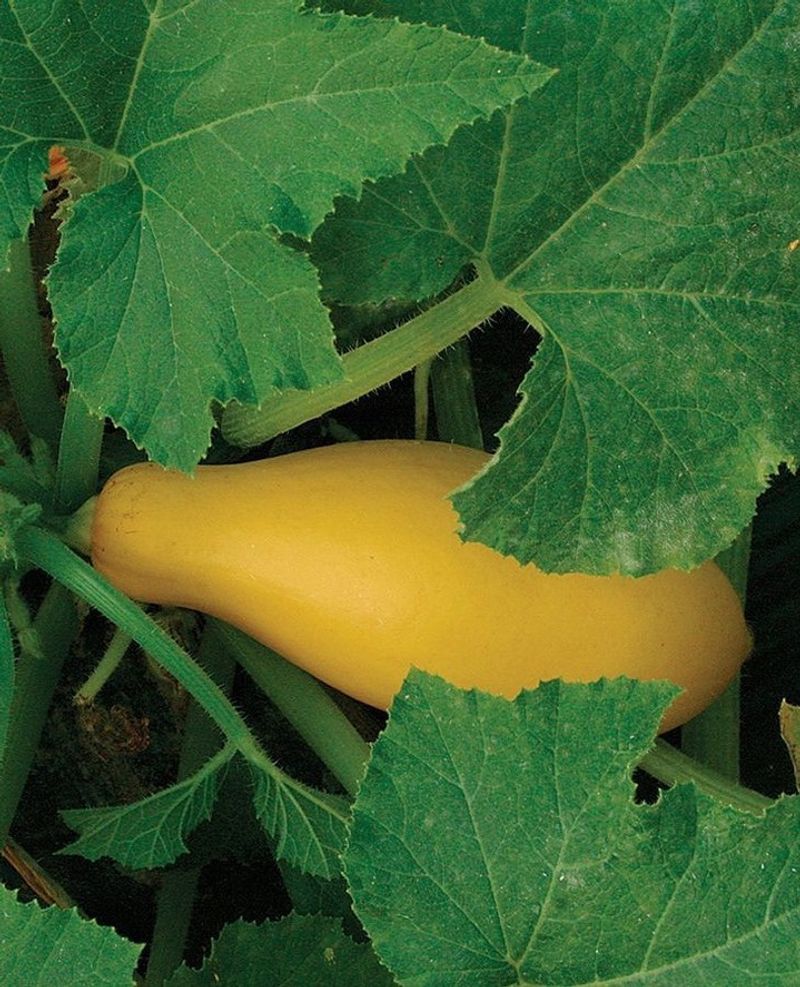
Ask any Northeast Ohio gardener what grows fastest in their garden, and summer squash is almost always near the top of the list. Known for producing more than enough fruit to share with neighbors, summer squash is a warm-season vegetable that thrives when planted in mid-May after the last frost has passed and the soil has warmed up nicely.
Direct sow summer squash seeds about one inch deep in hills or rows, spacing plants about two to three feet apart. Squash plants get big quickly, so giving them enough room to spread out is key.
They prefer rich, well-drained soil with plenty of organic matter mixed in. Adding compost to your planting area before sowing seeds can really boost your harvest.
Summer squash needs full sun and regular watering, especially during hot stretches of weather. Watering at the base of the plant rather than overhead helps prevent powdery mildew, which can be a common issue in Northeast Ohio’s humid summer months.
Harvest the fruit when it is small to medium in size for the best flavor and texture. Letting squash grow too large on the vine results in tough, seedy fruit that is much less enjoyable to eat.
5. Pumpkins Ready To Take Over The Patch
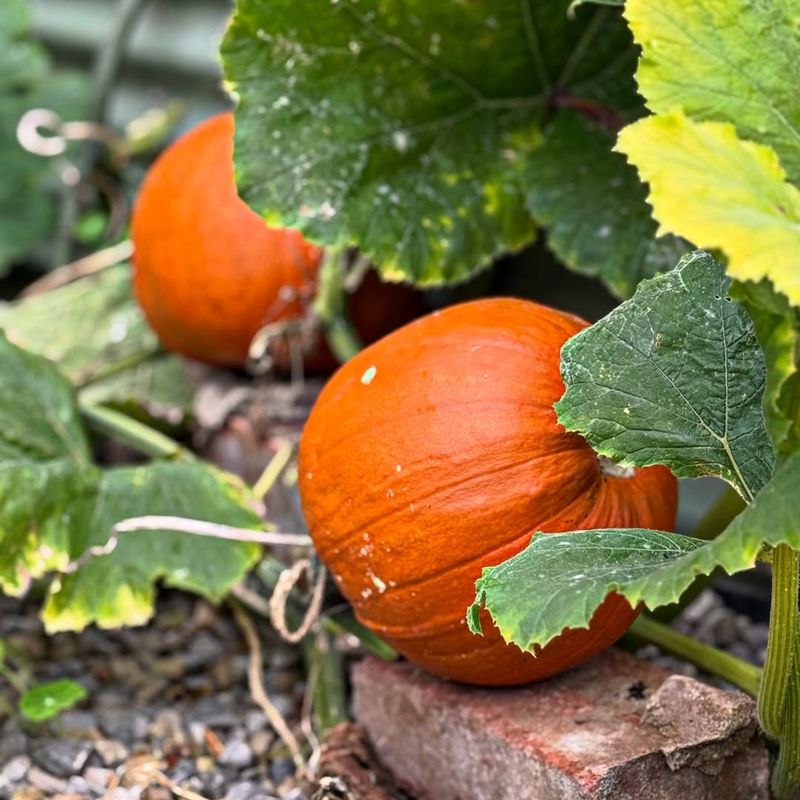
If you want to have beautiful pumpkins ready for fall in Northeast Ohio, late spring is exactly when you need to start planting. Pumpkins take a long time to mature, usually between 75 and 100 days depending on the variety, so getting them in the ground by late May gives them plenty of time to develop before the first fall frost arrives.
Did you know that pumpkins are actually a type of squash? They belong to the same plant family and have similar growing needs.
Sow pumpkin seeds directly into the garden after the last frost, planting them about one inch deep in groups of two to three seeds per hill. Space the hills about six to eight feet apart because pumpkin vines can spread out impressively far.
Pumpkins love full sun and well-drained soil with lots of organic matter. Water them deeply once or twice a week rather than giving them frequent shallow drinks.
As the vines grow, you can gently guide them in the direction you want them to go. Northeast Ohio’s warm summers provide great growing conditions for pumpkins, and watching those little green fruits slowly turn orange as fall approaches is one of the most satisfying sights in the garden.
6. Tomatoes Everyone Waits All Season For
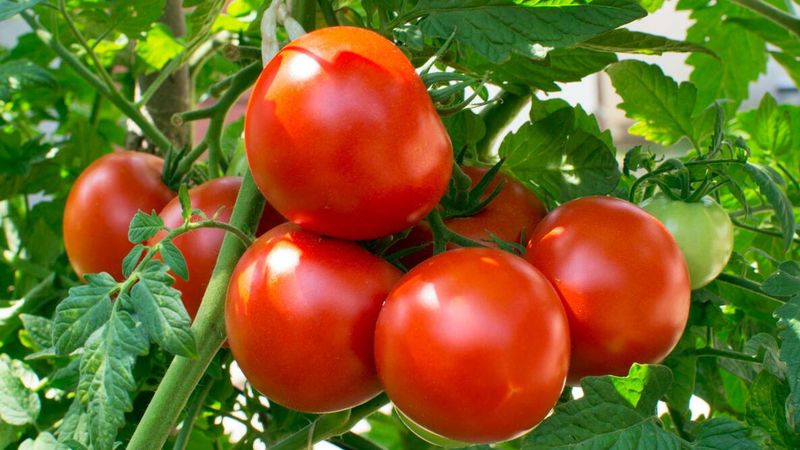
Without a doubt, tomatoes are the crown jewel of the Northeast Ohio summer garden. Juicy, flavorful, and endlessly useful in the kitchen, tomatoes are what most gardeners in this region look forward to growing more than any other crop.
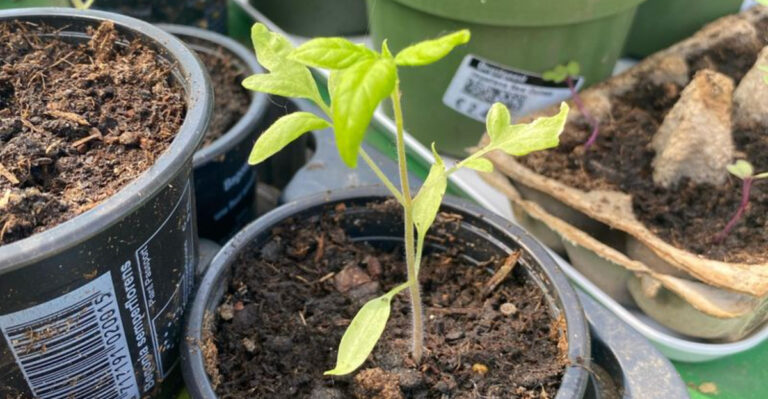
Planting tomato transplants outdoors around mid-May, once the threat of frost has fully passed, gives them the best start possible.
Choose a spot in your garden that gets at least six to eight hours of direct sunlight each day. Tomatoes are heavy feeders, so amending your soil with compost or a slow-release fertilizer before planting is a smart move.
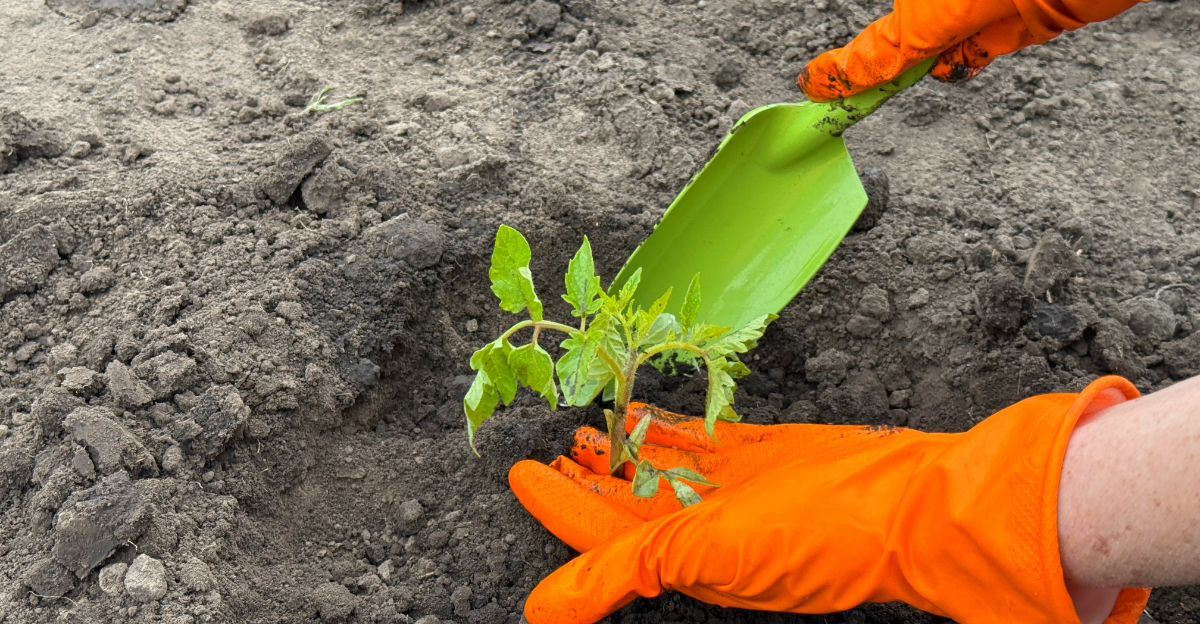
When you set your transplants in the ground, plant them deep, burying a good portion of the stem, since tomato plants can grow roots all along their buried stems, which makes for stronger, more productive plants.
Support your tomato plants with cages, stakes, or a trellis system to keep the fruit off the ground and improve air circulation around the leaves. Water consistently and deeply, aiming for about one to two inches of water per week.
Inconsistent watering can lead to problems like blossom end rot. Northeast Ohio’s warm, sunny summer days are perfectly suited for growing big, flavorful tomatoes that will have your whole neighborhood jealous.
7. Peppers That Reward A Little Patience
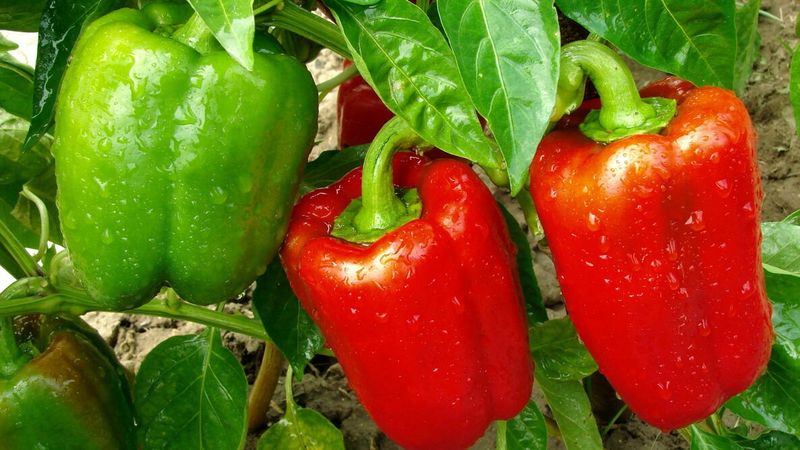
Few garden crops reward patience quite like peppers do. They are slow to get started, but once the warm weather of Northeast Ohio’s summer kicks in, they really take off and produce an impressive harvest.
Transplant pepper seedlings outdoors in mid-May, right around the same time as tomatoes, after all danger of frost has passed.
Peppers need warm soil and air temperatures to thrive. If you plant them too early when nights are still cool, they will just sit there and sulk without growing much at all.
Warming the soil with black plastic mulch before transplanting can give peppers a nice head start, especially in years when spring lingers a bit longer than usual in Northeast Ohio.
Choose a sunny location and space your pepper plants about 18 inches apart. They do well in containers too, which is handy if your garden space is limited.
Water regularly but avoid overwatering, as peppers do not like soggy roots. A balanced fertilizer applied every few weeks during the growing season keeps the plants producing well.
Whether you prefer sweet bell peppers or hot varieties, Northeast Ohio’s summer growing season gives peppers exactly the warm conditions they need to flourish.
8. Eggplant Loving The Heat And Thriving
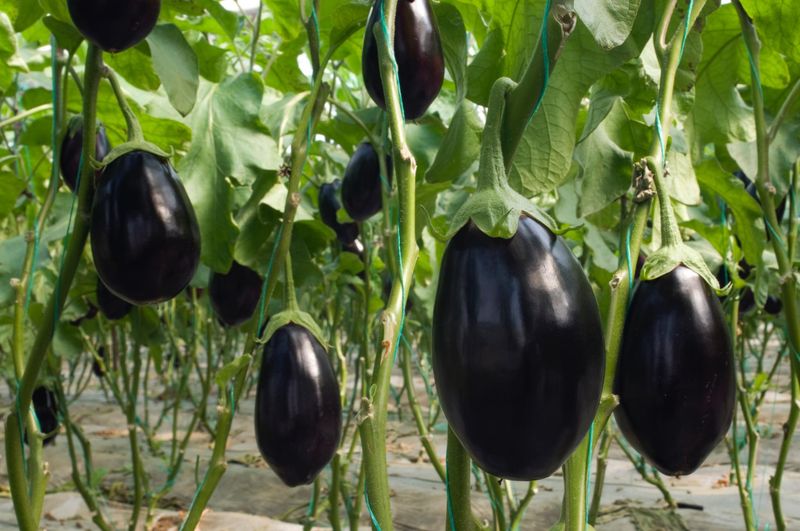
Eggplant might not be the first vegetable that comes to mind when planning a Northeast Ohio garden, but it is absolutely worth adding to your late spring planting list. With its stunning deep purple skin and rich, meaty texture, eggplant is a versatile crop that shines in everything from stir-fries to grilled dishes.
Like tomatoes and peppers, eggplant is a heat-loving plant that should be transplanted outdoors after mid-May.
Start eggplant seeds indoors about eight to ten weeks before your transplant date, or purchase seedlings from a local garden center. When moving them outside, pick a spot with full sun and warm, well-drained soil.
Eggplant is even more sensitive to cold than tomatoes or peppers, so do not rush the process. Waiting until the soil is reliably warm will save you a lot of frustration.
Space eggplant transplants about 24 inches apart and give them consistent moisture throughout the season. A thick layer of mulch around the base of each plant helps retain soil warmth and moisture, both of which eggplant absolutely loves.
Watch for flea beetles, which are a common pest in Northeast Ohio gardens. Row covers or organic sprays can help keep them under control while your plants get established and strong.
9. Basil That Fills The Garden With Fragrance
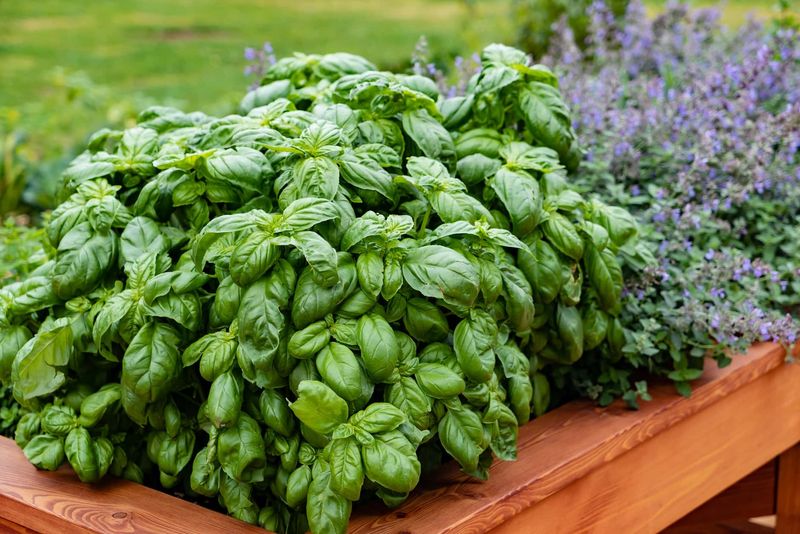
Nothing beats the smell of fresh basil on a warm summer morning in Northeast Ohio. Sweet, fragrant, and incredibly useful in the kitchen, basil is a warm-season herb that absolutely thrives when planted after the last frost in mid to late May.
It is also one of the easiest herbs to grow, making it perfect for beginners and experienced gardeners alike.
Basil can be grown from seeds or transplants. If starting from seed, you can sow them directly in the garden once nighttime temperatures consistently stay above 50 degrees Fahrenheit.
Basil hates cold weather and will turn black at the slightest frost, so timing your planting right is essential here in Northeast Ohio. Choose a sunny spot with well-drained soil, and your basil will reward you generously.
Pinching off the flower buds as they appear keeps the plant bushy and productive throughout the season. Once basil starts to flower and go to seed, the leaves become less flavorful, so staying on top of this simple task makes a big difference.
Basil also grows beautifully in containers on a sunny porch or patio. Pair it with your tomato plants in the garden, and you will have two of the most classic summer ingredients growing side by side all season long.