What To Plant In Oregon Right Now Before The Season Moves Too Far Ahead
That moment sneaks up fast in Oregon when the soil finally feels workable and the planting window is already starting to narrow.
After weeks of cold rain and heavy ground, it is easy to wait just a little longer, but that delay can cost you some of the best cool-season harvests.
Across Oregon, from coastal gardens to inland valleys, timing plays a bigger role than many expect. Gardeners who watch soil conditions closely often get stronger, more reliable results.
Right now, before temperatures begin to rise and spring moves on, is a great time to get these crops into the ground.
1. Peas Get Off To A Strong Start In Cool Soil
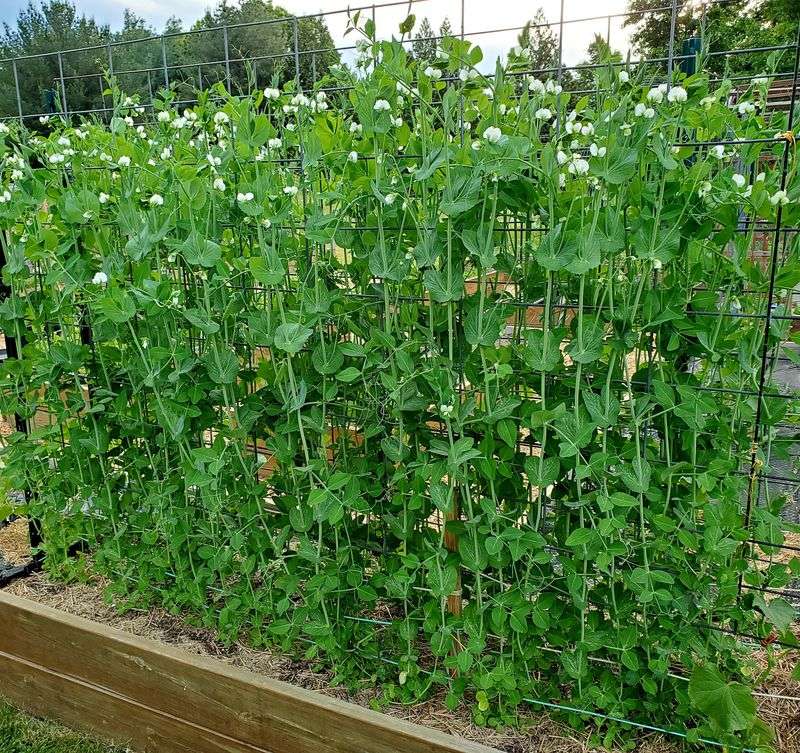
Few vegetables reward early action quite like peas. Oregon’s cool spring soil is practically made for them, and getting seeds in the ground before temperatures warm up gives the roots time to establish before the plant puts energy into flowering.
Soil temperatures between 40 and 60 degrees Fahrenheit are right in the sweet spot for pea germination.
Direct sowing is the way to go with peas since they do not transplant well. Push seeds about an inch deep and roughly two inches apart in rows spaced around 18 inches.
Adding a simple trellis or some chicken wire from the start saves a lot of scrambling later once the vines take off.
In western Oregon, many gardeners start peas as early as late February or March, taking advantage of the mild, wet conditions that would stress other crops.
Inoculating seeds with a rhizobium powder before planting can boost nitrogen fixation and improve overall plant health.
Keep the soil consistently moist during germination, which usually takes around 7 to 14 days depending on soil temperature. Peas planted now should be producing pods well before summer heat sets in.
2. Lettuce Grows Quickly In Oregon’s Mild Spring
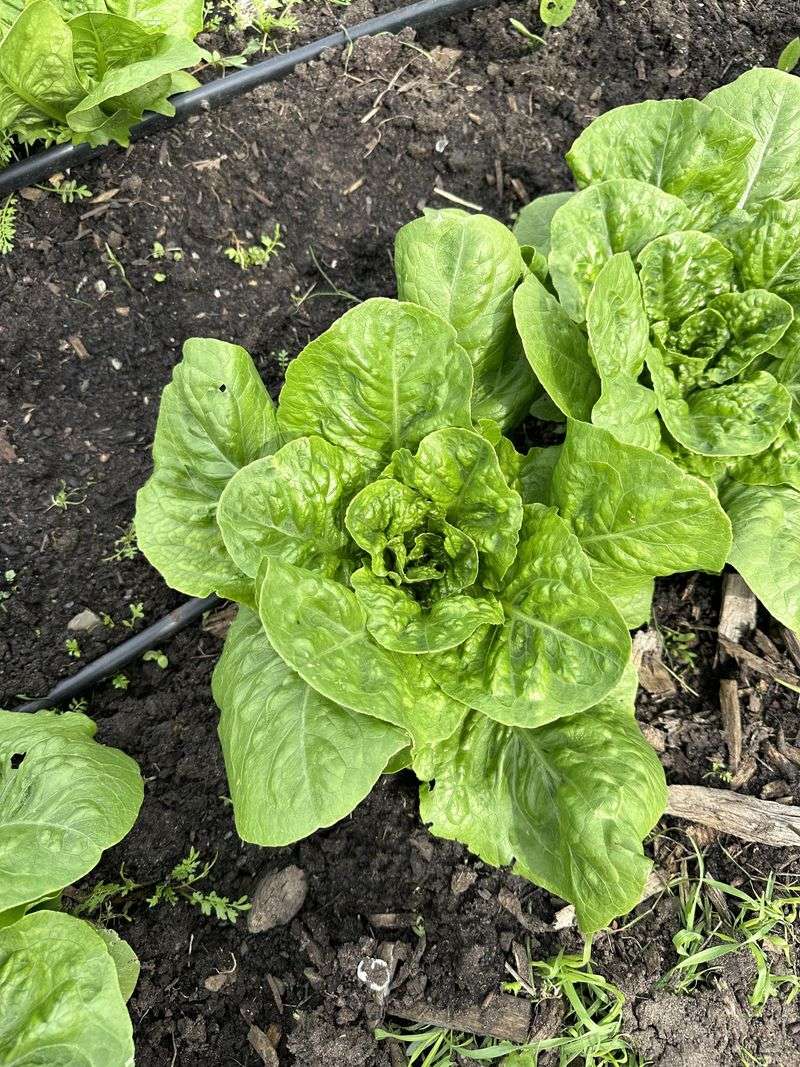
Lettuce is one of those crops that actually prefers the kind of cool, overcast spring weather that Oregon delivers so reliably. Warm temperatures push lettuce toward bolting, which turns the leaves bitter and ends the harvest.
Getting it in the ground now takes full advantage of the mild conditions before summer sun arrives.
Both direct seeding and transplanting work well for lettuce. Transplants give you a head start of a few weeks and are worth considering if you want earlier harvests.
Seeds sown directly can be scattered thinly and then thinned to around 6 to 12 inches apart depending on the variety, with loose-leaf types needing less space than heading types.
Succession planting is one of the smartest moves a lettuce grower can make. Sowing a small amount every two to three weeks keeps fresh lettuce coming to the table rather than having everything mature at once.
Lettuce roots are shallow, so consistent moisture matters more than deep watering. Mulching around plants helps hold moisture and keeps the soil a bit cooler as the season progresses.
Oregon’s spring conditions make lettuce one of the most forgiving and productive crops to start right now.
3. Spinach Handles Cold Weather With Ease
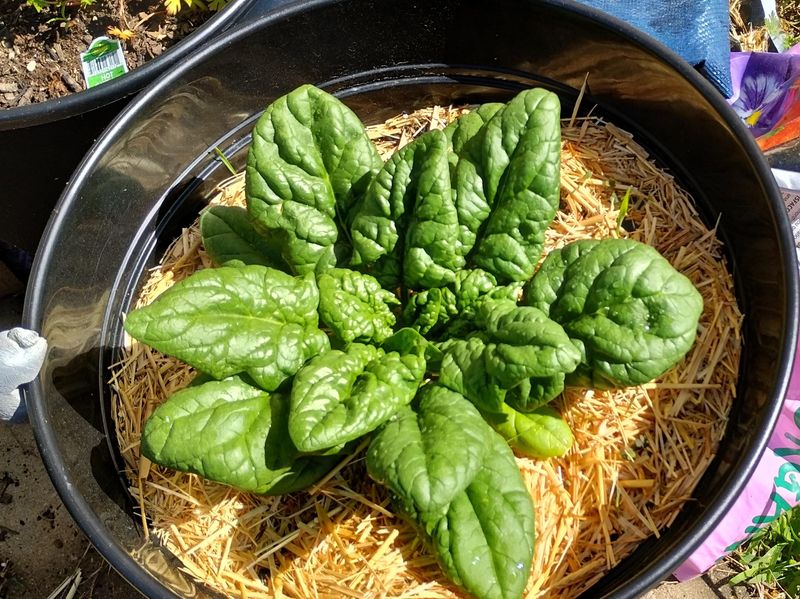
Spinach has a well-earned reputation for toughness in cold conditions. It can germinate in soil as cool as 35 degrees Fahrenheit and handle light frosts without much fuss, which makes it one of the earliest crops you can put in an Oregon garden.
At higher elevations in central Oregon, spinach is one of the few vegetables that makes sense to plant in early spring before other crops can safely go in.
Sow seeds about half an inch deep and two to three inches apart, thinning to around six inches once seedlings are established. The thinnings are edible and make a nice addition to salads, so nothing goes to waste.
Spinach prefers a soil pH around 6.5 to 7.0 and appreciates some compost worked in before planting.
One thing to watch for is bolting, which happens when days get longer and temperatures climb. Choosing bolt-resistant varieties helps extend the harvest window.
Keeping the soil moist and providing some afternoon shade as the season progresses can also slow bolting. Spinach planted now in Oregon should give you several good harvests before warm weather pushes it past its prime.
A second planting in late summer sets you up for a fall harvest as well.
4. Radishes Deliver Fast Results In Early Beds
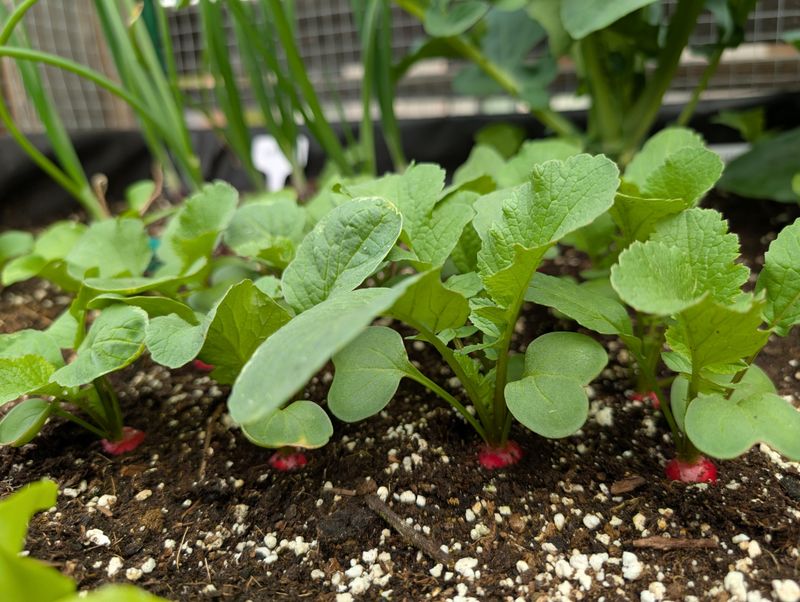
For gardeners who want to see results quickly, radishes are hard to beat.
Some varieties are ready to harvest in as few as 22 days from planting, which means you can have something edible in the ground and on your table before slower crops have even germinated properly.
That kind of quick turnaround is genuinely satisfying early in the season.
Radishes thrive in Oregon’s cool, moist spring soil. Direct sow seeds about half an inch deep and one inch apart, thinning to two to three inches once they sprout.
Thinning is important because overcrowded radishes tend to produce more leaf than root. Loose, well-draining soil helps roots develop their characteristic round shape without cracking or becoming pithy.
One practical trick is to mix radish seeds with slower-germinating crops like carrots. The radishes sprout quickly, mark the rows, and are harvested before the carrots need the space.
It is a simple way to get more out of a small bed. Avoid letting radishes sit too long after they reach maturity since they become woody and sharp-tasting.
Spring radishes planted now in Oregon should be ready well before the season shifts toward summer and the soil warms past their preferred range.
5. Carrots Establish Well In Cool, Loose Soil
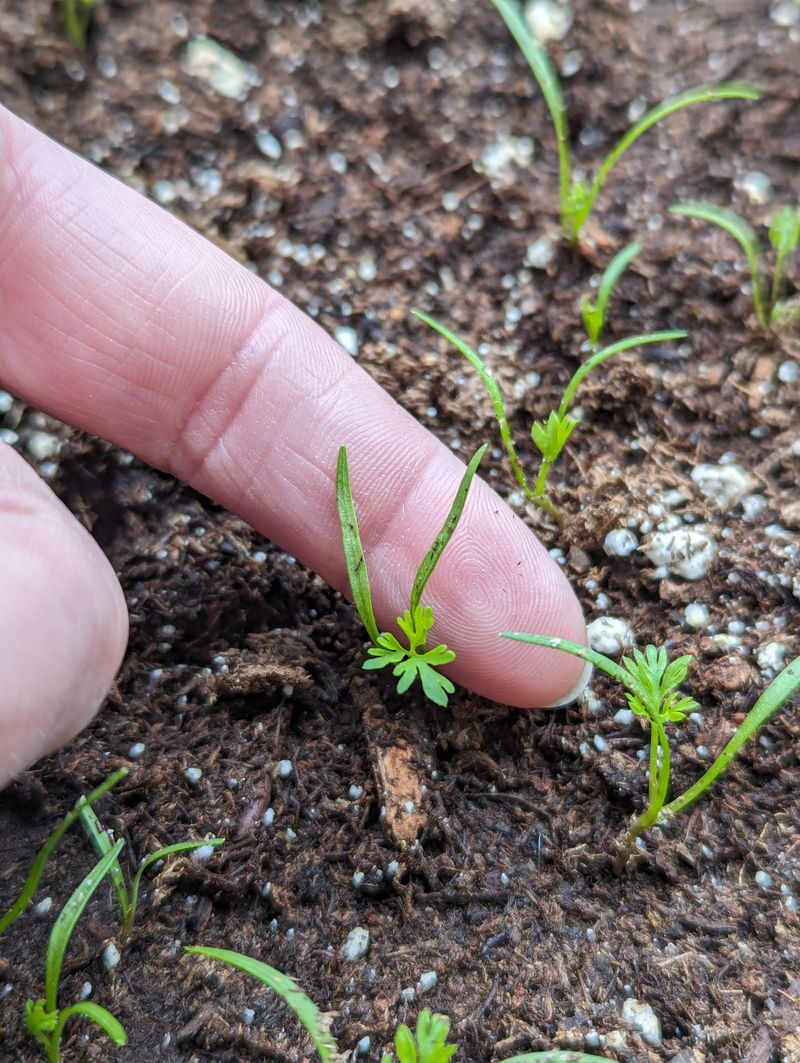
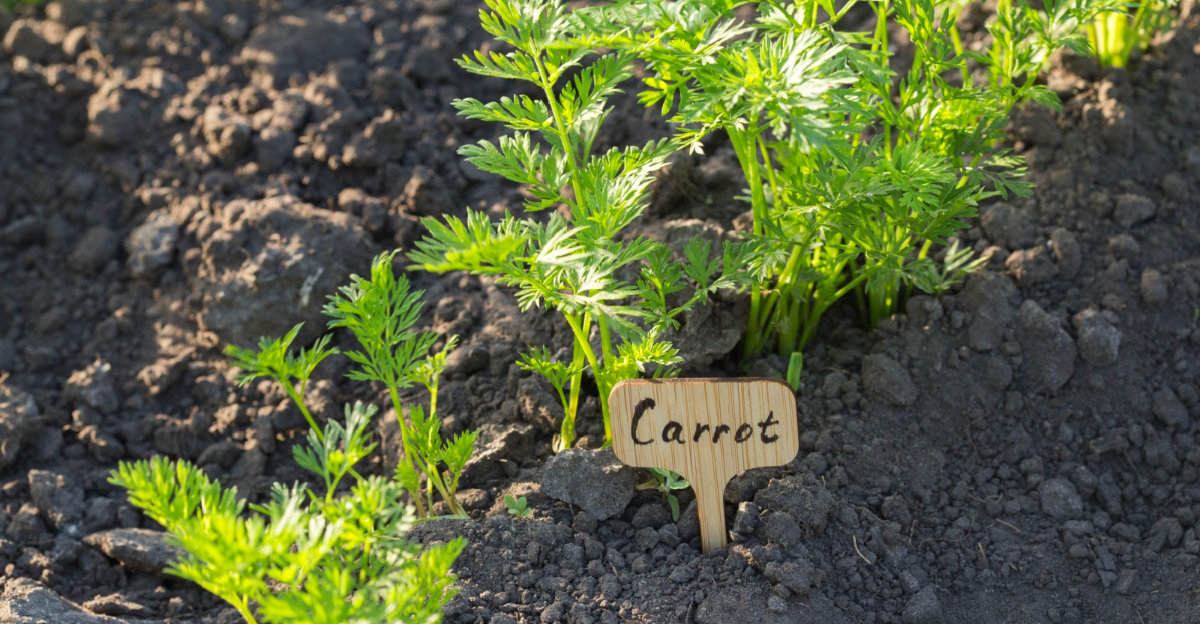
Carrots take their time, but planting them now in Oregon gives them the cool, moist conditions they need for strong early root development.
Soil temperatures between 50 and 85 degrees Fahrenheit support germination, though cooler soil on the lower end of that range tends to produce slow but steady sprouting.
Patience is part of growing carrots well.
Loose, rock-free soil is essential. Compacted or stony ground causes roots to fork or twist, which does not affect flavor but makes for odd-looking carrots.
Working the bed deeply and adding compost improves both drainage and soil structure. Sow seeds thinly, about a quarter inch deep, and thin seedlings to two to three inches apart once they reach a couple of inches tall.
Carrot seeds are notoriously slow to germinate, sometimes taking two to three weeks. Keeping the soil surface moist during that period is critical since the tiny seeds cannot push through a dry crust.
Some gardeners lay a thin board or burlap over the row until sprouts appear, then remove it immediately. Varieties suited to Pacific Northwest conditions tend to perform well in Oregon’s spring gardens.
Starting now means roots will have time to size up before summer heat sets in.
6. Beets Grow Steadily Through Spring Conditions
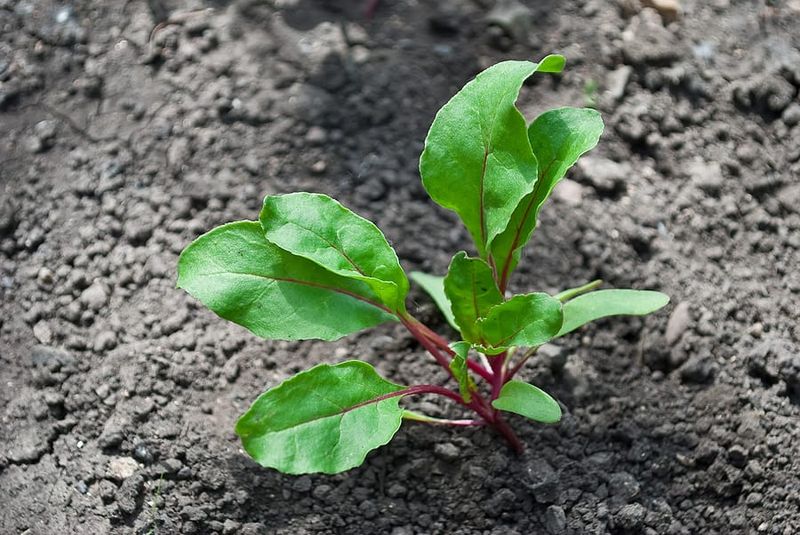
Beets are steady performers in the Oregon spring garden. They tolerate cool soil and even light frosts without much trouble, and they give you two edible crops in one: the roots and the greens.
Young beet greens are tender and flavorful, making early thinnings a bonus rather than a waste.
What most people call a beet seed is actually a cluster of two to four seeds, which means thinning is almost always necessary. Sow clusters about an inch deep and three to four inches apart, then thin to about four inches once seedlings are a few inches tall.
Beets prefer a soil pH around 6.0 to 7.0 and respond well to consistent moisture throughout the season.
In western Oregon, beets can go in the ground from early spring through late summer, making them one of the more flexible crops on the planting calendar.
Getting them established now takes advantage of mild temperatures and natural rainfall before irrigation becomes necessary.
Varieties like Detroit Dark Red and Chioggia are reliable choices that hold up well through Oregon’s variable spring conditions.
Roots typically mature in 50 to 70 days, depending on variety and growing conditions, so a planting started now should be table-ready by early summer.
7. Broccoli Transplants Settle In Before Heat Arrives
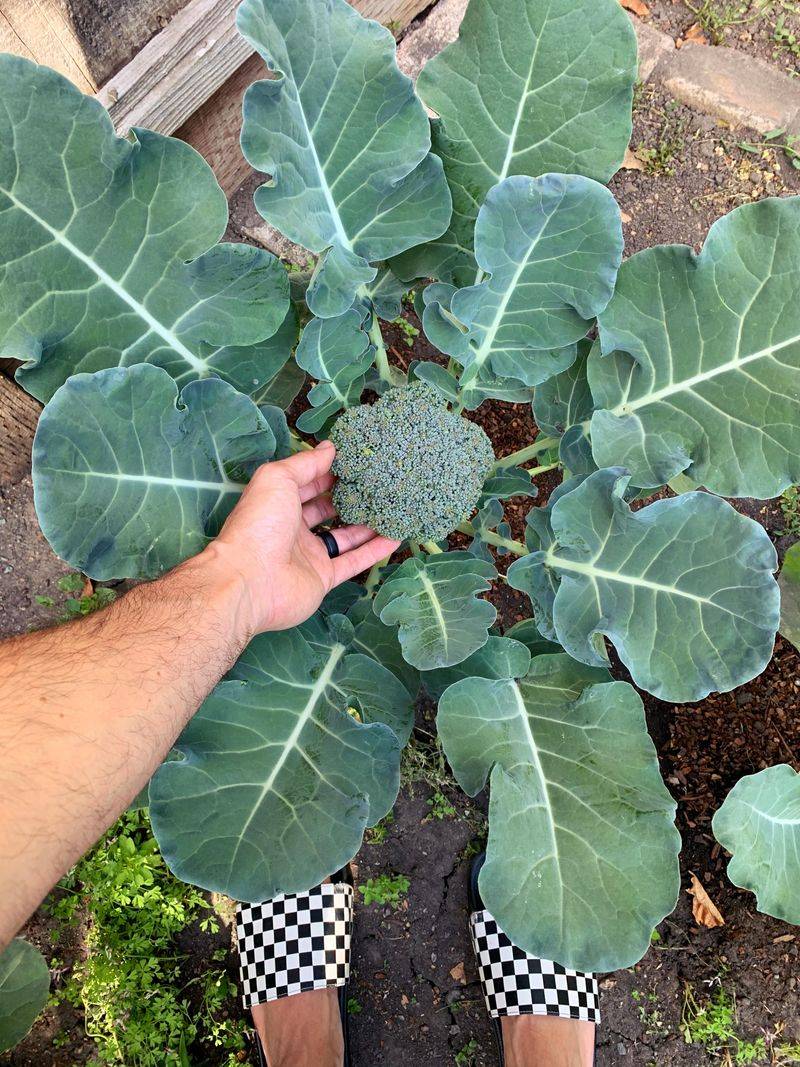
Broccoli needs a head start, and the best way to give it one in Oregon is to set out transplants now while the soil is still cool and the days are not yet long and warm.
Broccoli started from seed indoors four to six weeks ago is ready to go into the ground, and transplants purchased from a local nursery work just as well if you did not start your own.
Space transplants about 18 inches apart in rows roughly two feet apart. Firm the soil around each plant and water thoroughly to help roots settle in and reduce transplant shock.
A light application of balanced fertilizer at planting time gives young plants a boost without overwhelming them.
The goal with broccoli is to get heads to form before summer heat arrives, because warm temperatures cause premature flowering, which is called bolting, and dramatically reduces quality.
Oregon’s cool spring weather gives transplants a reasonable window to establish and begin forming heads if they go in now.
Side-dress plants with nitrogen fertilizer about three weeks after transplanting to support leafy growth. Consistent moisture throughout the growing period keeps heads tight and dense.
Harvest when heads are firm and dark green, before any yellow flowers begin to open.
8. Cabbage Handles Cool Weather And Slow Growth
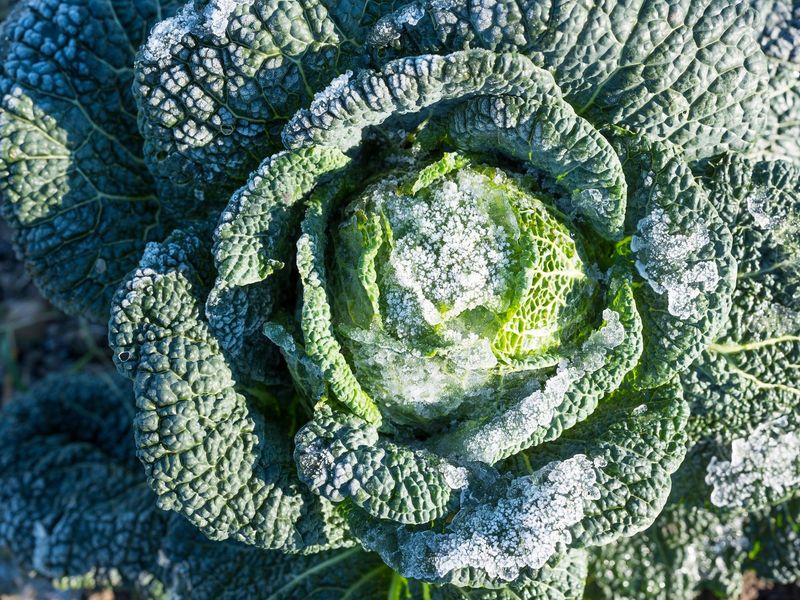
Cabbage moves at its own pace, and that is actually one of its strengths in an Oregon spring garden. It does not mind cool temperatures, light frosts, or the kind of slow, grey weather that can frustrate gardeners waiting for faster crops to take off.
Giving it time and consistent care tends to pay off well by early summer.
Transplants are the most common way to establish cabbage in spring. Set them out 12 to 18 inches apart depending on the size of the variety, with larger heading types needing more space.
Good spacing is important because crowded cabbage plants tend to produce smaller, looser heads. Work compost into the soil before planting and consider a light nitrogen application to support leafy growth early on.
Cabbage is a heavy feeder, so soil fertility matters throughout the growing season. Side-dressing with a balanced fertilizer a few weeks after transplanting helps keep plants on track.
Watch for cabbage worms and aphids, which are common in Oregon gardens and can cause significant damage if left unchecked. Row covers placed over young transplants offer protection from both pests and unexpected late-season frost.
Varieties like Savoy and green heading types perform reliably well through Oregon’s variable spring and early summer conditions.
9. Chard Keeps Producing As Temperatures Rise
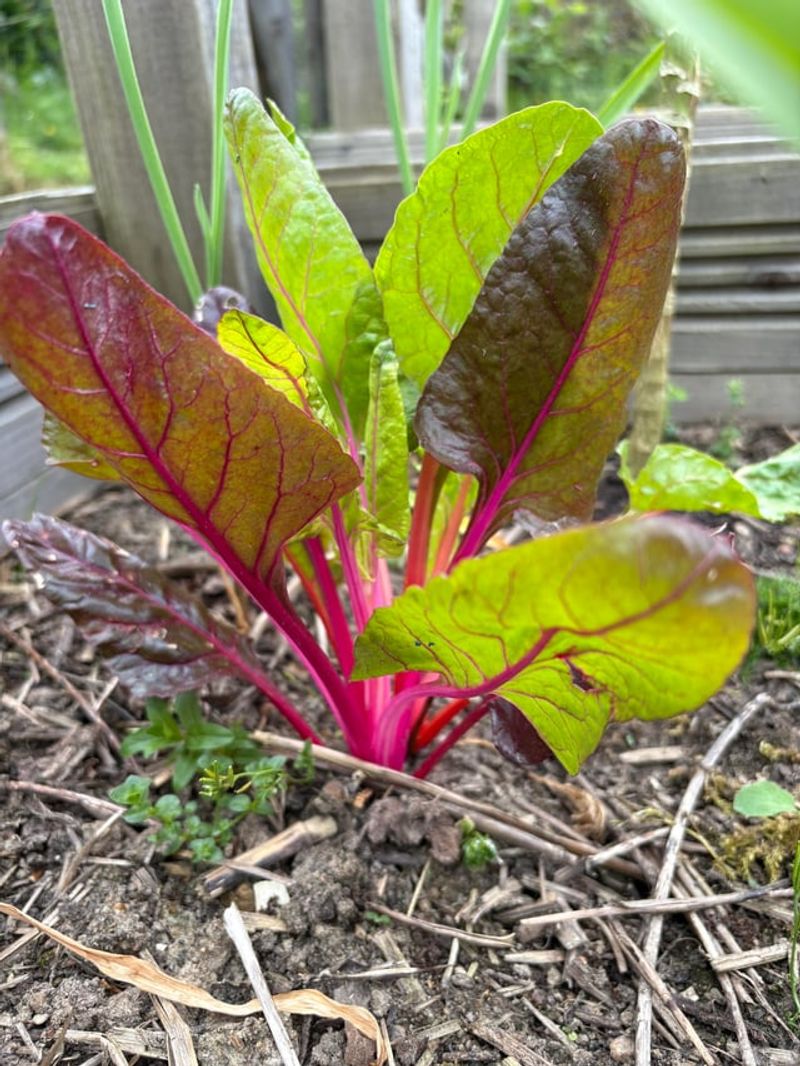
Swiss chard has a quality that most spring vegetables do not: it keeps going when things warm up. While spinach bolts and lettuce turns bitter, chard just keeps producing through late spring and into summer without much complaint.
Getting it established now in Oregon means you will have a steady source of greens well past the point where other cool-season crops give out.
Chard can be direct seeded or started from transplants. Seeds are actually small clusters, similar to beets, so thinning is necessary.
Sow about half an inch deep and space plants to around six inches apart for baby greens, or 12 inches for full-size plants. Chard is not picky about soil as long as it drains reasonably well and has adequate organic matter.
One of the best things about chard is the harvest method. Rather than pulling entire plants, cut outer leaves as needed and leave the center to keep growing.
This cut-and-come-again approach keeps production going for months. Rainbow chard varieties add visual interest to the garden and taste just as good as single-color types.
In Oregon’s western valleys, chard planted now can produce reliably from late spring through fall with minimal fuss and only basic care throughout the season.
10. Onion Sets Establish Early For A Strong Season
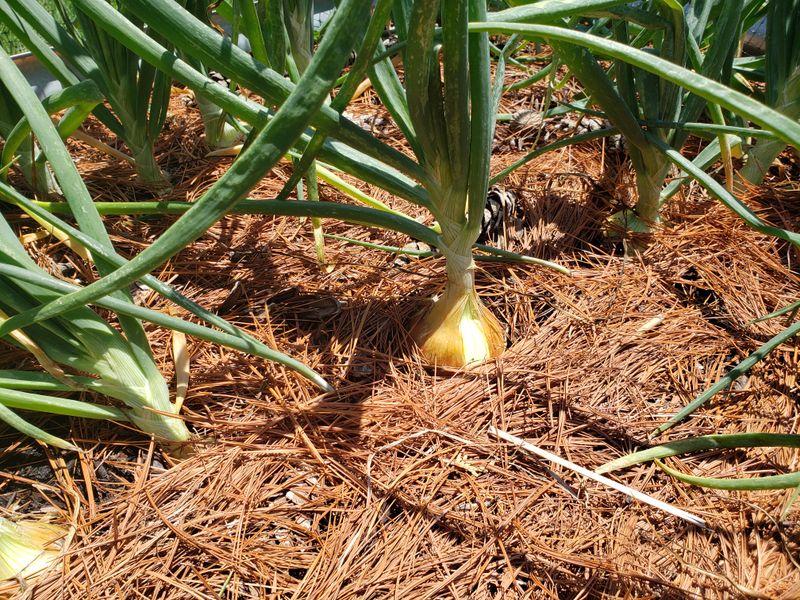
Planting onion sets now gives them the long growing season they need to develop into full-sized bulbs by midsummer.
Onions are triggered to form bulbs by day length rather than temperature, so getting roots established early in cool soil means the plant is ready to respond as days lengthen.
In Oregon, that timing lines up well when sets go in during early spring.
Push sets about an inch into the soil with the pointed end up, spacing them around four to five inches apart in rows about a foot apart. Firming the soil around each set helps with early root contact.
Onions are shallow-rooted, so consistent moisture and weed control matter more than deep watering or heavy fertilization at planting time.
Side-dress with a nitrogen-rich fertilizer about four to six weeks after planting to support leafy top growth, which directly influences bulb size. Stop fertilizing once bulbs begin to swell and the tops start to naturally fall over.
Onion sets tend to be more reliable and faster-maturing than seed-grown onions, making them a practical choice for most home gardeners in Oregon.
Short-day and intermediate-day varieties suited to Pacific Northwest latitudes tend to perform better than long-day types in Oregon’s specific growing conditions.