What To Plant In Pennsylvania Before April Arrives
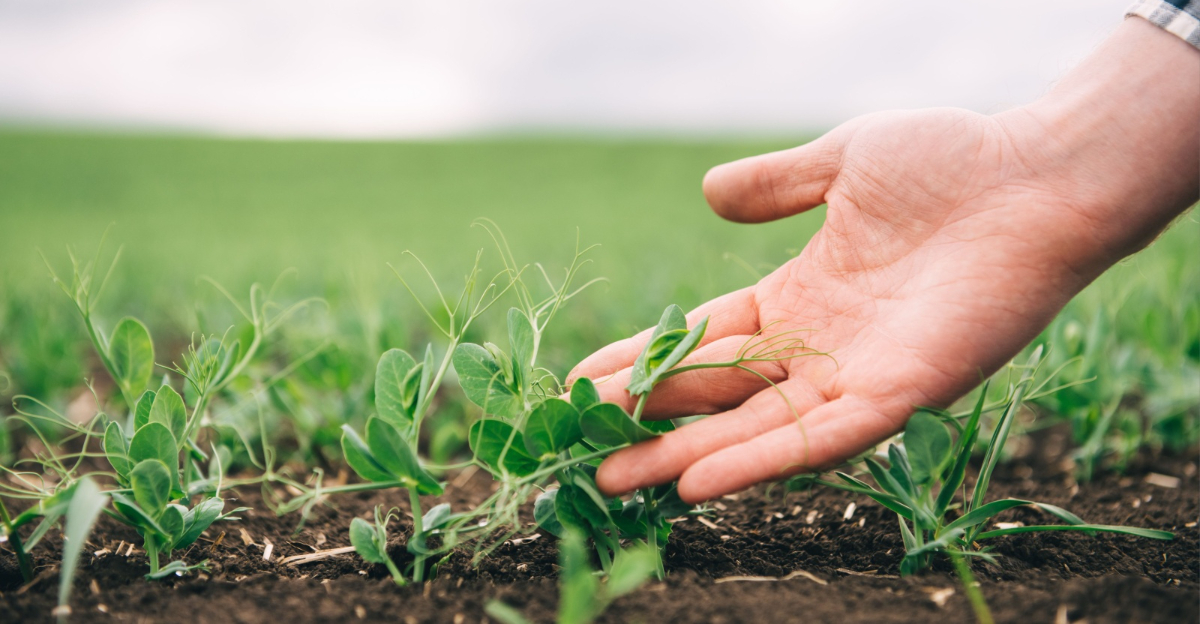
Spring in Pennsylvania does not arrive with a shout, but with the quiet, satisfying crumble of soil beneath your trowel.
One week the ground is stiff and frozen, and the next, it finally gives way – signaling the real start of the season long before the calendar says so.
While late March still brings the occasional frosty morning or muddy afternoon, that lingering chill is exactly what the state’s hardiest vegetables crave.
Planting before April isn’t about rushing the season; it is about working in harmony with Pennsylvania’s natural rhythm.
While summer crops are still weeks away from the warmth they need, several garden favorites actually thrive in brisk soil and light frosts.
By getting these resilient varieties in the ground now, you can enjoy some of the earliest, most flavorful harvests of the year while your neighbors are still waiting for May.
1. Peas Love A Cool Start
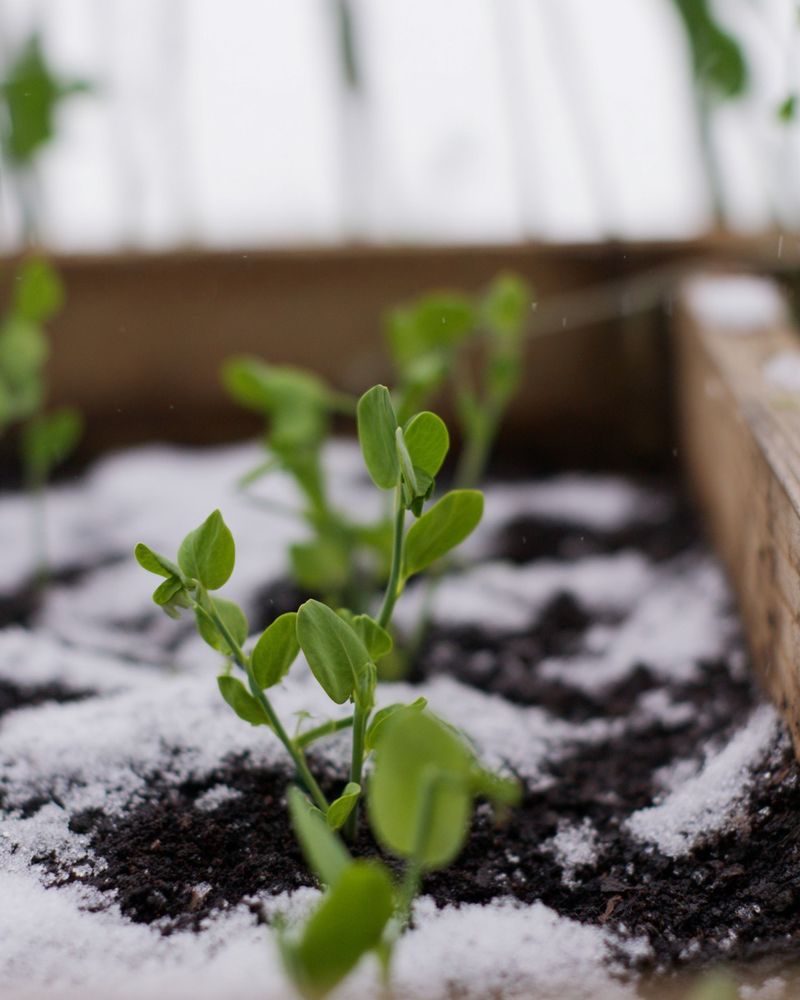
Few moments in a Pennsylvania garden feel as rewarding as pushing pea seeds into soil that was frozen just weeks before.
Peas tolerate cool soil very well and can handle light frosts, but they perform best in cool, well-drained beds rather than cold, waterlogged ground.
Getting them in while temperatures still dip into the low 30s is not reckless gardening – it is smart timing.
Wait until the soil can be worked without sticking to your boots, then sow seeds about an inch deep and two inches apart in rows roughly eighteen inches apart.
A trellis or simple fence helps climbing varieties stay upright and keeps the planting tidy as growth picks up.
Soil temperature around 40 to 45 degrees Fahrenheit is enough to get germination started, though it may take a couple of weeks.
If a hard freeze rolls through after germination, young seedlings can usually bounce back on their own, though a light row cover offers extra peace of mind during a cold snap.
Peas generally mature in 60 to 70 days depending on variety, making a late-March sowing realistic for a May or early June harvest.
Succession planting every two weeks stretches the harvest window and prevents everything from ripening at once. Shelling peas, snap peas, and snow peas all respond well to this early-start approach in Pennsylvania gardens.
2. Seed Potatoes Kick Off Spring Planting
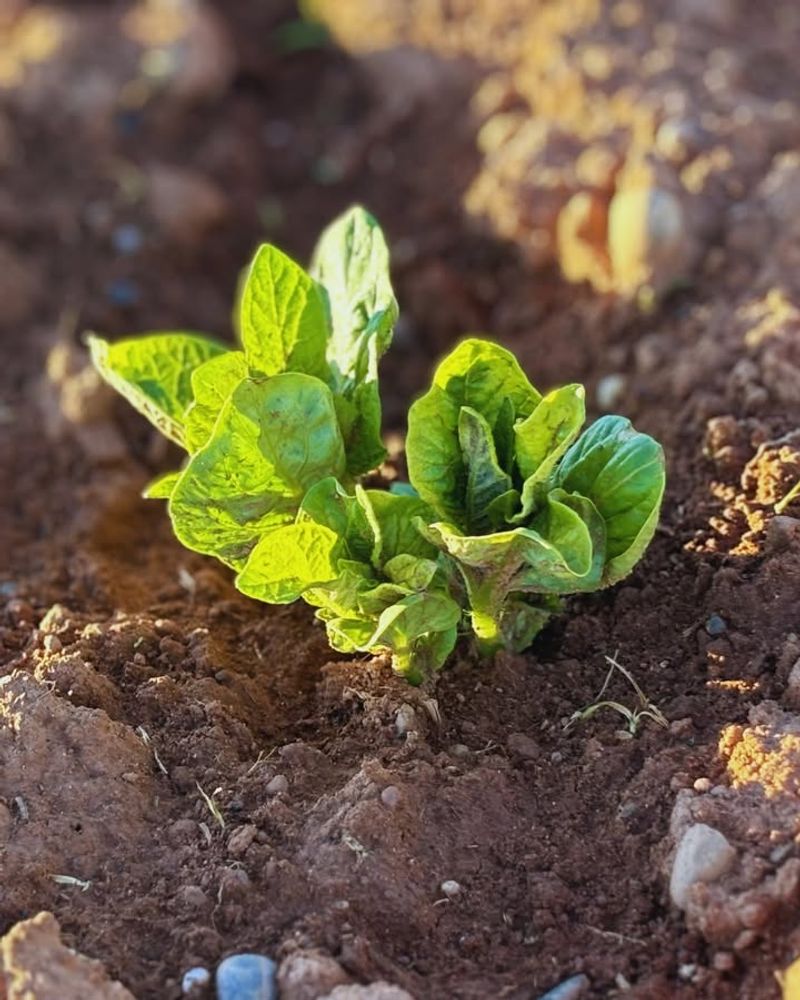
The moment a Pennsylvania gardener spots those first seed potato bags at the local farm supply store, spring feels official. Potatoes can go into the ground earlier than most people expect, as long as the soil is workable and not waterlogged.
Soggy, cold soil causes seed pieces to rot rather than sprout, so patience with drainage matters more than the date on the calendar.
Cut seed potatoes into pieces with at least one or two eyes each, then let the cut surfaces dry for a day or two before planting. Set pieces about four inches deep and roughly twelve inches apart in rows about two to three feet apart.
Hilling soil up around emerging shoots as they grow helps protect tubers and encourages more potato development underground.
A light frost after shoots emerge can nip the foliage, but the underground seed piece usually survives and sends up new growth.
Covering young plants with row fabric when temperatures are forecast to drop near or below 32 degrees Fahrenheit is a reasonable precaution.
Most standard varieties mature in 70 to 120 days, so a late-March planting in Pennsylvania can yield a summer harvest well before the heat of July sets in.
Containers also work well for potatoes if raised beds or in-ground space is limited, and they make harvesting surprisingly straightforward.
3. Carrots Get Going In Chilly Beds
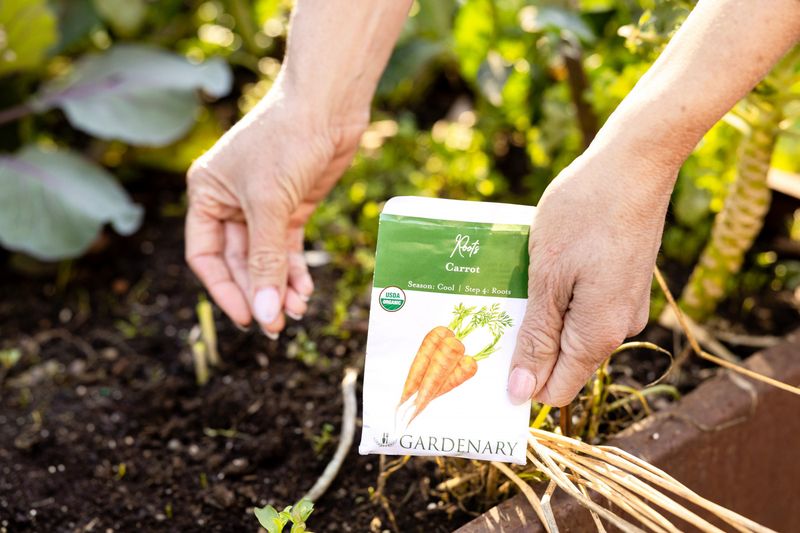
Carrots have a reputation for being fussy, but a lot of that reputation comes from planting them in the wrong soil rather than at the wrong time.
Loose, well-drained beds with minimal rocks or clumps give carrot roots the straight, unobstructed path they need to develop properly.
In Pennsylvania, late March is a reasonable window to sow carrot seeds directly into prepared beds.
Sow seeds about a quarter inch deep in rows roughly a foot apart, then thin seedlings to two or three inches apart once they reach a few inches tall.
Germination is slow in cold soil and can take two to three weeks, so do not assume a failure if nothing appears right away.
Keeping the soil surface consistently moist during germination helps, since carrot seeds are tiny and dry out quickly near the surface.
Soil temperatures around 45 to 50 degrees Fahrenheit support germination, though warmer soil speeds the process considerably.
Carrots are moderately frost tolerant and can handle light freezes once established, which makes them a solid choice for early Pennsylvania planting.
A light layer of row cover helps retain soil warmth during cold nights without blocking needed moisture.
Expect a harvest window of roughly 70 to 80 days depending on variety, with Nantes and Danvers types performing reliably well in Pennsylvania’s spring garden conditions.
4. Beets Handle Early Sowing
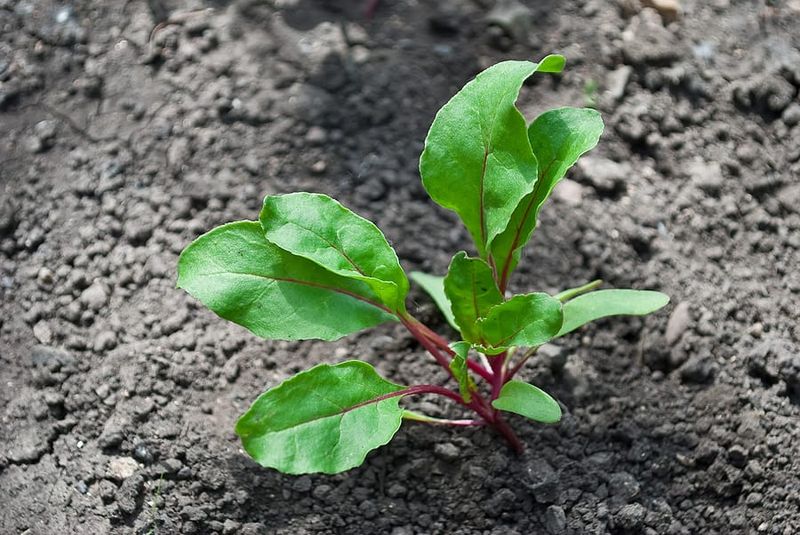
There is something almost cheerful about beets – they push up through cool, slightly damp Pennsylvania soil without much fuss and reward patient gardeners with both edible roots and nutritious greens.
Beet seeds are actually clusters of multiple seeds, which means thinning is necessary but germination rates tend to be satisfying even in cold conditions.
Soil workability matters more than air temperature when deciding whether to sow.
Plant beet seeds about half an inch deep in rows roughly a foot apart. Once seedlings reach three to four inches tall, thin them to about three to four inches apart so roots have enough room to swell properly.
The thinned seedlings are mild and tender enough to toss directly into a salad, so nothing goes to waste.
Beets can tolerate light frosts with little visible damage, and established plants handle temperatures down to the upper 20s Fahrenheit reasonably well.
A cold snap shortly after germination may slow growth temporarily but rarely causes lasting problems.
In Pennsylvania, a late-March sowing typically yields a harvest in late May to early June depending on the variety. Chioggia, Detroit Dark Red, and Golden beet varieties are all well suited to cool-season sowing.
Succession planting every three weeks keeps fresh beets coming rather than delivering one large harvest all at once, which works well for most home garden situations.
5. Spinach Thrives In Cold Weather
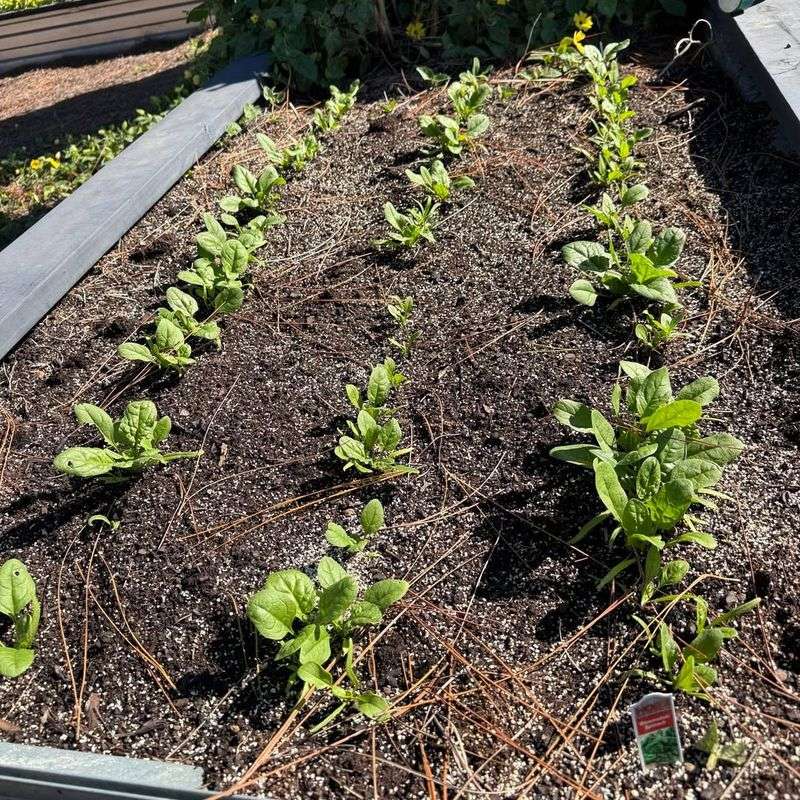
Spinach is practically made for Pennsylvania’s unpredictable early spring, when temperatures swing from a warm afternoon down to a freezing overnight without much warning.
It is one of the most cold-hardy leafy greens available to home gardeners, and established plants can tolerate temperatures into the mid-20s Fahrenheit when properly acclimated, especially with some protection.
Starting it before April gives Pennsylvania gardeners a meaningful head start on salad season.
Sow seeds directly into prepared beds about half an inch deep and roughly two to three inches apart in rows spaced about a foot apart. Thin plants to four to six inches apart once they are a few inches tall to encourage fuller leaf development.
Germination can happen at soil temperatures as low as 35 degrees Fahrenheit, though 45 to 55 degrees speeds things up noticeably.
Spinach does best in full sun during cool weather but appreciates some afternoon shade as temperatures climb in late spring.
Once daytime highs consistently reach the upper 70s Fahrenheit, spinach tends to bolt and turn bitter, so harvesting before that point is the goal.
A late-March sowing in Pennsylvania can yield baby spinach leaves in as few as 25 days and full-sized leaves by 40 to 50 days.
Planting in a cold frame or under row cover extends the usable harvest window and protects against unexpected late frosts that Pennsylvania springs sometimes deliver.
6. Radishes Bring Fast Spring Crunch
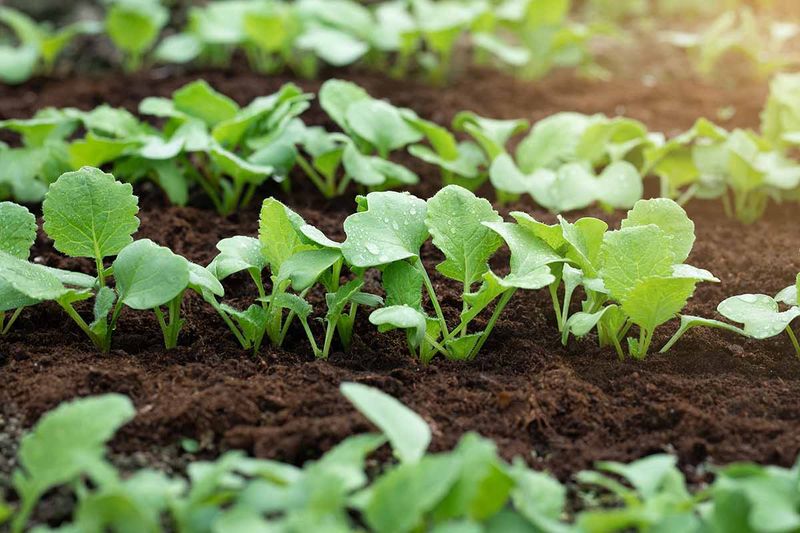
If impatience is your gardening weakness, radishes are your reward crop. They grow faster than almost anything else in the spring garden, going from seed to table in as little as 22 to 30 days depending on the variety.
That quick turnaround makes them an excellent choice for Pennsylvania gardeners eager to see results while slower crops like carrots and potatoes are still getting established underground.
Sow radish seeds about half an inch deep and an inch apart in rows roughly six inches apart.
Thin seedlings to about two inches apart once they emerge, since crowding causes small, misshapen roots rather than the round, firm radishes most gardeners are aiming for.
Soil temperature of at least 40 degrees Fahrenheit is sufficient for germination, and radishes handle light frosts without complaint.
One common mistake is leaving radishes in the ground too long after they mature.
Overripe radishes turn pithy, hollow, and intensely spicy in a way most people find unpleasant, so harvesting promptly when roots reach about an inch in diameter keeps quality high.
Succession planting every ten days stretches the harvest across much of the spring season.
Radishes also serve a useful secondary role in the garden – sowing them alongside slower-germinating crops like carrots helps mark rows and loosens soil as their roots expand.
Cherry Belle and French Breakfast are reliable varieties for Pennsylvania spring gardens.
7. Leaf Lettuce Starts Salad Season Early
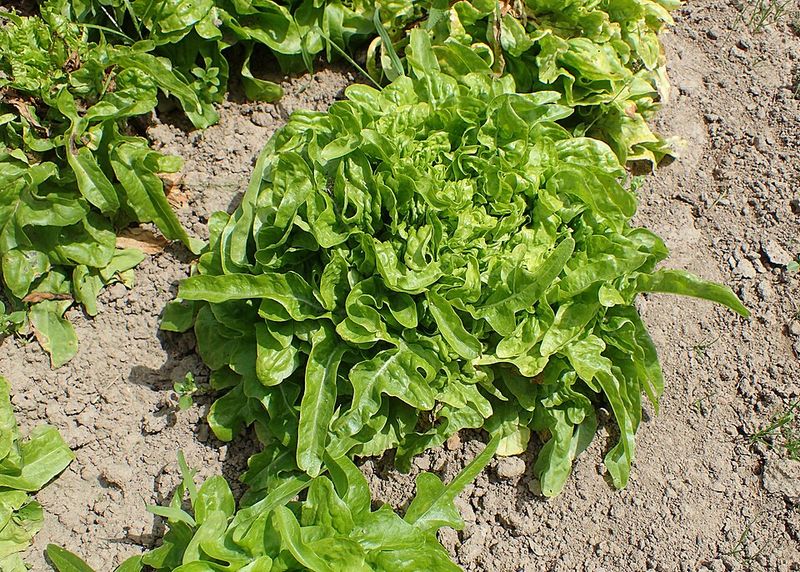
Long before the tomatoes and peppers even think about going outside, leaf lettuce is already putting on a show in Pennsylvania garden beds.
Unlike head lettuce, which takes longer and needs more precise spacing, leaf varieties like Black Seeded Simpson, Red Sails, and Oakleaf can be cut and used continuously from a single planting.
That cut-and-come-again quality makes them especially practical for early-season growing.
Scatter seeds thinly across prepared soil and press them gently into the surface – lettuce seeds need light to germinate and should be barely covered, no more than an eighth of an inch deep.
Germination happens at soil temperatures as low as 40 degrees Fahrenheit, though the process goes faster around 60 to 65 degrees.
Rows can be spaced about eight inches apart, with plants thinned to roughly six inches once they are established.
Lettuce handles light frosts well but benefits from a floating row cover when temperatures are expected to drop below freezing.
As Pennsylvania’s spring days lengthen and warm up, lettuce bolts and turns bitter, so planting in a spot with afternoon shade can buy a few extra weeks of usable harvest.
Starting seeds indoors three to four weeks before transplanting outdoors is also a solid option for getting a jump on the season without fighting cold soil directly.
8. Turnips Grow Well In Cool Soil
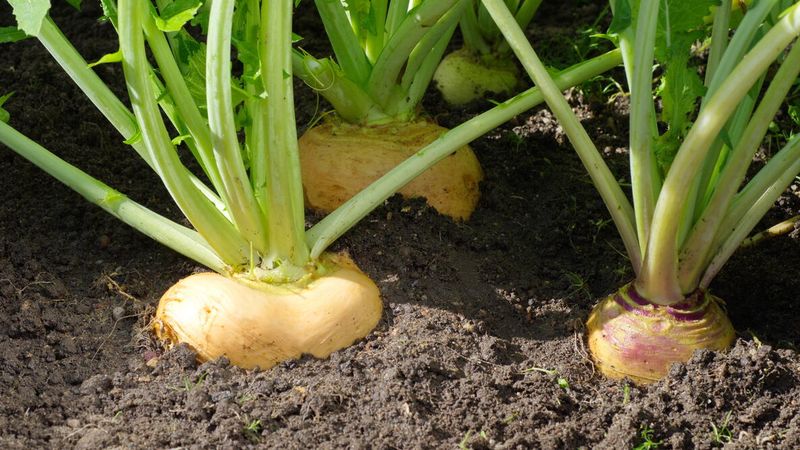
Turnips are one of those vegetables that often get overlooked in favor of flashier spring crops, but Pennsylvania gardeners who give them a chance tend to become loyal fans.
Both the root and the leafy tops are edible, which means a single planting delivers two usable harvests from the same square footage.
That kind of efficiency is hard to argue with in a garden where space is limited.
Sow turnip seeds directly into prepared beds about half an inch deep and roughly two inches apart in rows spaced about a foot apart. Thin plants to four to six inches apart once they are established to give roots room to develop.
Soil temperature of 40 to 50 degrees Fahrenheit supports germination, and turnips are comfortable in the kind of cool, slightly damp conditions that Pennsylvania often delivers in late March.
Young turnip greens can be harvested within three to four weeks of sowing, making them one of the quickest edible returns in the spring garden. Roots typically mature in 35 to 60 days depending on the variety.
Purple Top White Globe is a reliable, widely available choice that performs well across much of Pennsylvania.
Turnips tolerate light to moderate frosts without significant damage, though a sustained hard freeze after germination may slow growth temporarily.
Planting near the edge of a bed allows easy harvesting without disturbing neighboring crops.
9. Kohlrabi Adds A Crisp Early Crop
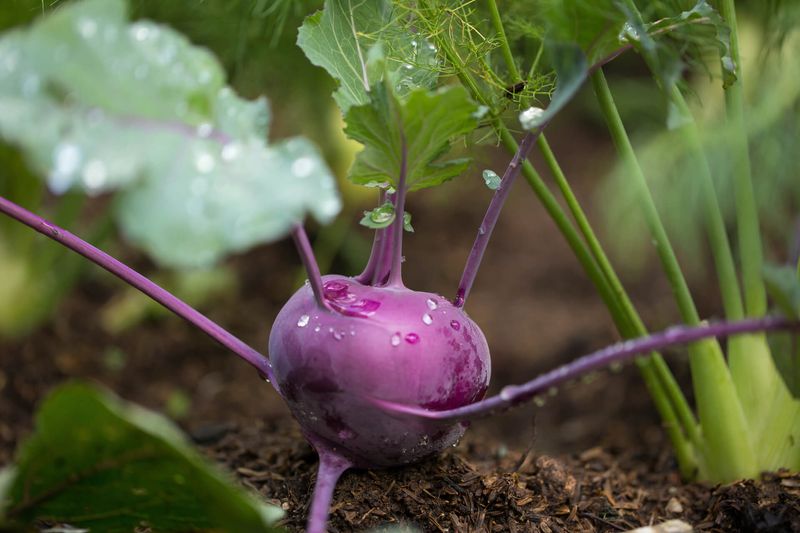
Kohlrabi looks a little like a vegetable from another planet, with its swollen stem sitting above the soil and leaf stalks jutting out in all directions.
That unusual appearance sometimes makes gardeners hesitant, but the flavor – mild, slightly sweet, and reminiscent of a crisp broccoli stem – wins people over quickly.
It is one of the more underrated cool-season crops available to Pennsylvania gardeners working the early spring window.
Sow kohlrabi seeds directly into prepared beds about a quarter to half an inch deep and three to four inches apart in rows roughly a foot apart.
Thin plants to about five to six inches apart once seedlings are established to allow the swollen stem to develop without crowding.
Starting seeds indoors about four weeks before transplanting is another option if outdoor soil is not yet workable.
Kohlrabi germinates at soil temperatures around 45 to 55 degrees Fahrenheit and tolerates light frosts without much trouble once established.
The key to good flavor is harvesting at the right size – stems around two to three inches in diameter are tender and mild, while larger stems tend to become woody and tough.
Early White Vienna and Kolibri are two varieties that perform consistently well in Pennsylvania’s cool spring conditions.
Kohlrabi works well as a border planting or in containers, and it can be interplanted with slower-maturing crops to make the most of available garden space.