What To Prune In Late January In South Carolina Gardens
Late January is the perfect time for South Carolina gardeners to prune certain plants and shrubs. Winter dormancy makes it easier to shape plants, remove dead or damaged branches, and prepare for healthy spring growth.
Prune at the right time and your garden will reward you with stronger plants and more blooms.
Gardeners should focus on fruit trees, roses, and deciduous shrubs that respond well to winter pruning. Removing overcrowded or weak stems improves air circulation, reduces disease risk, and encourages vigorous flowering.
It is important to avoid pruning plants that bloom on old wood, as this can reduce spring flowers. Timing and technique are key to maintaining a healthy, productive garden.
South Carolina gardeners who prune carefully in late January set the stage for robust growth, abundant blooms, and a well-structured landscape. Trim smart now and enjoy a thriving garden this spring.
Roses (Hybrid Tea, Floribunda, Shrub Roses)
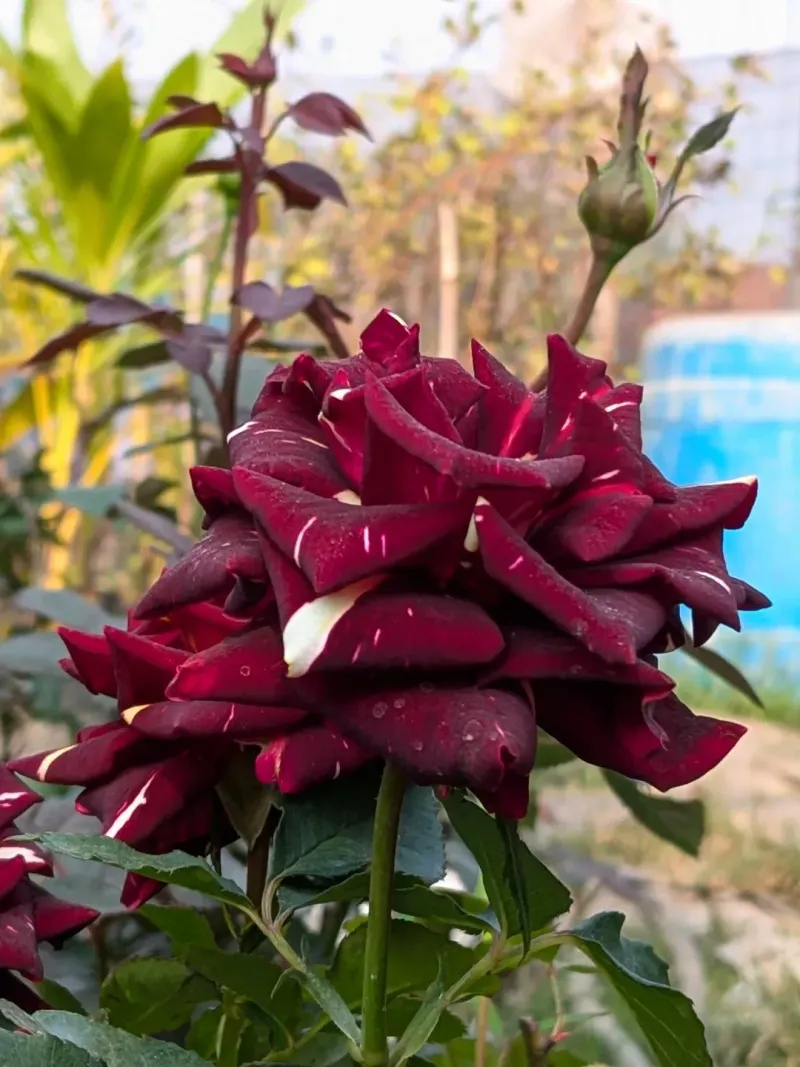
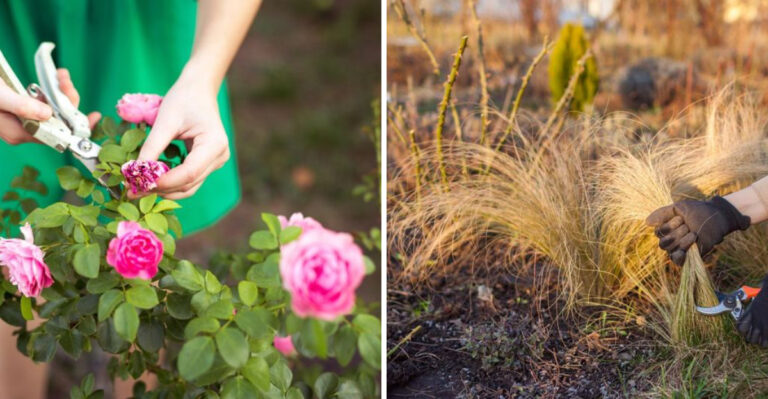
Gardeners across South Carolina know that roses reward careful attention, and late January offers the ideal moment to shape these beloved beauties before they wake from winter slumber.
Dormant pruning allows you to see the plant’s structure clearly without foliage blocking your view, making it easier to identify weak or damaged canes that need removal.
This timing also minimizes stress on the plant since sap flow remains slow during cooler temperatures.
Start by reducing the overall height of your roses by about one third to one half, depending on the variety and your desired shape. Remove any canes thinner than a pencil, as these rarely produce quality blooms and tend to crowd the center of the plant.
Focus on creating an open, vase-like structure that allows air to circulate freely through the branches, which helps prevent fungal problems during South Carolina’s humid summers.
Hybrid teas typically benefit from more aggressive pruning than shrub roses, which prefer a lighter touch to maintain their natural form.
Make your cuts at a 45-degree angle about a quarter inch above an outward-facing bud to encourage new growth that spreads away from the center.
This preparation work ensures your roses channel their energy into producing robust new canes and spectacular flowers throughout our extended growing season, rewarding your efforts with months of colorful blooms.
Muscadine Grapevines (Vitis rotundifolia)
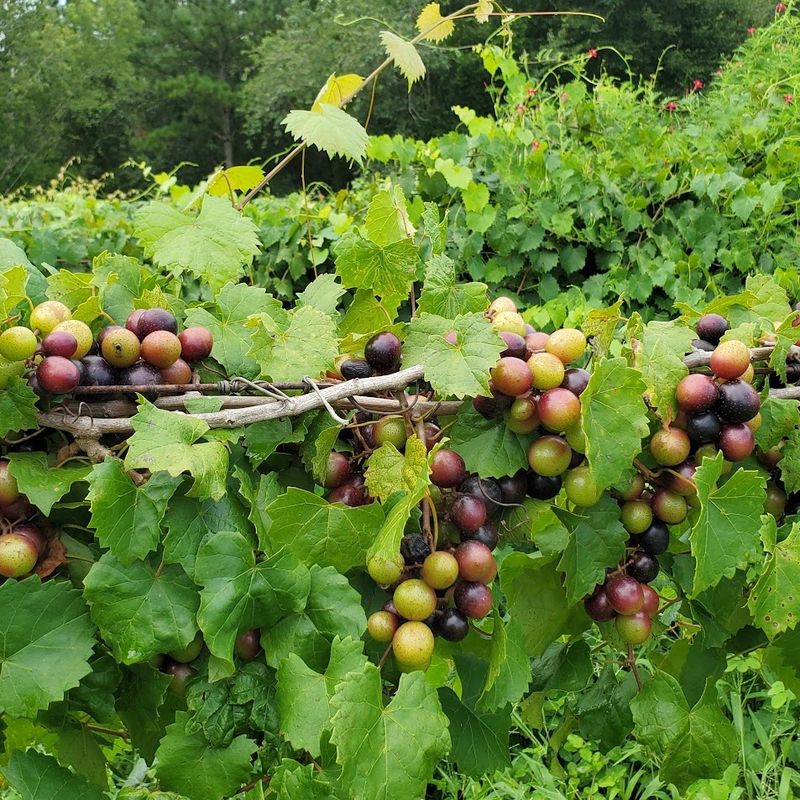
Nothing says South Carolina quite like the sweet taste of homegrown muscadines, and proper winter pruning plays a crucial role in keeping these vigorous vines productive year after year.
Muscadines grow with incredible enthusiasm in our climate, often producing far more vegetative growth than necessary for good fruit production.
Late January pruning while the vines remain dormant prevents excessive bleeding of sap that occurs if you wait until spring growth begins.
Focus your efforts on spur pruning, which involves cutting back the previous season’s growth to short spurs containing just two to four buds each. These spurs develop along the main framework of arms or cordons that you’ve established on your trellis system.
Remove any shoots that grew in unwanted directions or created tangled masses of foliage, as these steal energy from fruit production and make harvest difficult.
Thinning also improves sunlight penetration throughout the canopy, which enhances fruit quality and helps reduce disease pressure from poor air circulation.
A well-pruned muscadine vine might look sparse immediately after your work, but this disciplined approach encourages the plant to focus its considerable energy on developing plump, flavorful grapes rather than miles of leafy growth.
Your late January efforts will be rewarded with easier maintenance throughout the growing season and abundant clusters of delicious fruit come late summer.
Deciduous Fruit Trees (Peach, Apple, Pear)
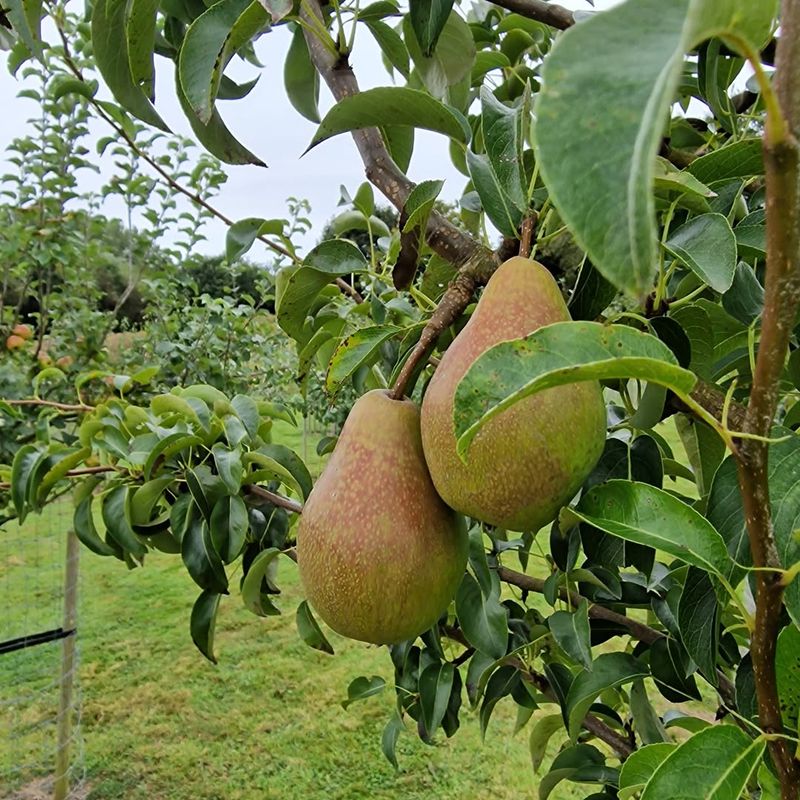
Orchardists and backyard fruit growers alike recognize late January as prime time for shaping deciduous fruit trees throughout South Carolina.
Dormant pruning offers numerous advantages, including clear visibility of branch structure, reduced disease transmission, and minimal stress to the tree.
Peaches, apples, and pears each have specific needs, but all benefit from thoughtful winter attention that sets them up for a productive season.
Young trees require training cuts that establish strong scaffold branches and a balanced framework capable of supporting heavy fruit loads in future years. Select three to five main branches that radiate outward at good angles from the trunk, removing competing leaders and poorly positioned limbs.
Mature trees need maintenance pruning that removes crossing branches, opens the canopy to light, and eliminates weak or damaged wood.
Peach trees particularly benefit from aggressive pruning since they fruit on one-year-old wood and respond well to annual renewal. Apples and pears can tolerate lighter pruning focused on thinning rather than heading cuts.
Make clean cuts just outside the branch collar, avoiding flush cuts that damage the trunk or leaving long stubs that invite decay. Opening the canopy improves light penetration, which enhances fruit color and sugar development while reducing humidity that encourages fungal diseases.
Your late January work prepares these trees to channel energy into developing flower buds and setting a quality crop rather than maintaining excess vegetative growth.
Fig Trees (Ficus carica)
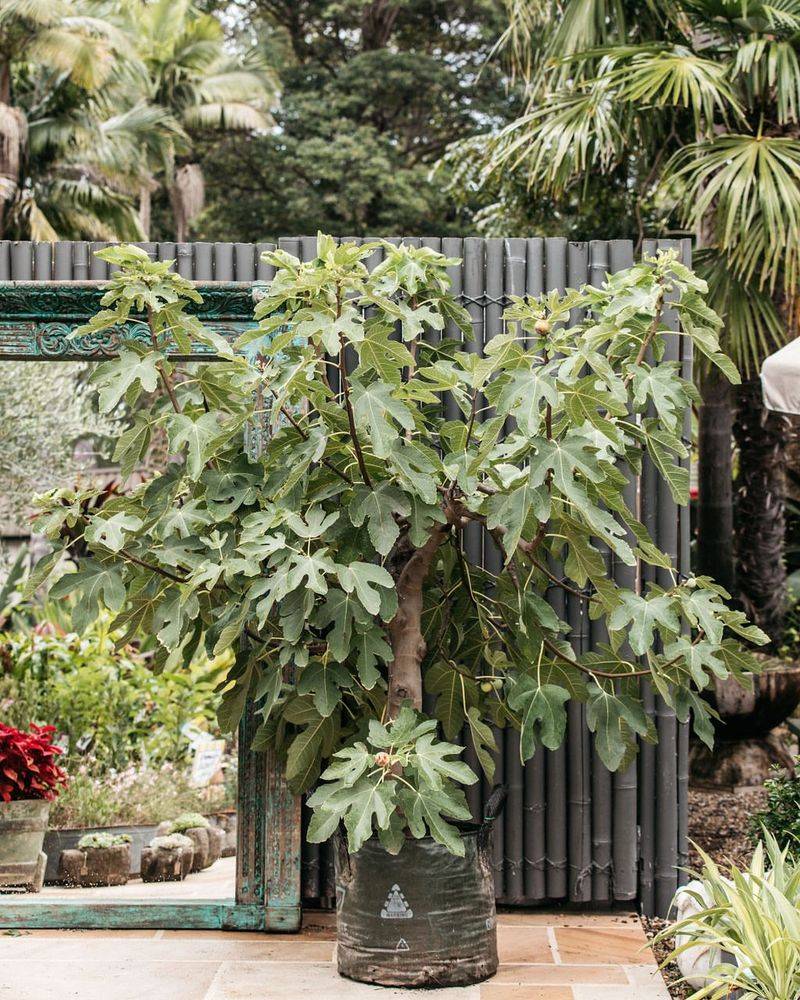
Fig trees have graced South Carolina gardens for generations, offering delicious fruit and attractive foliage with minimal fuss. Winter provides an excellent opportunity to refine the structure of these adaptable trees without interfering with their fruit production.
Late January pruning focuses primarily on shaping and improving airflow rather than heavy cutting, since figs produce fruit on both old and new wood depending on the variety.
Begin by examining your tree’s overall framework and removing any branches that crowd the center or cross over one another, creating potential rubbing points.
An open structure allows sunlight to reach interior branches and promotes better air circulation, which becomes especially important during our humid summer months when fungal issues can develop.
Take time to remove any wood that shows signs of cold stress from occasional winter freezes, cutting back to healthy tissue.
Resist the temptation to prune too aggressively, as figs respond better to thoughtful thinning than dramatic reduction.
Many South Carolina gardeners maintain their fig trees at a manageable height of eight to ten feet, making harvest easier while still allowing the tree to produce abundantly.
Remove suckers that emerge from the base of the tree unless you’re intentionally developing a multi-trunk form.
This gentle winter grooming keeps your fig tree healthy, productive, and attractive throughout the year while preserving the fruit buds that will develop into sweet, succulent figs.
Crape Myrtle (Lagerstroemia indica)
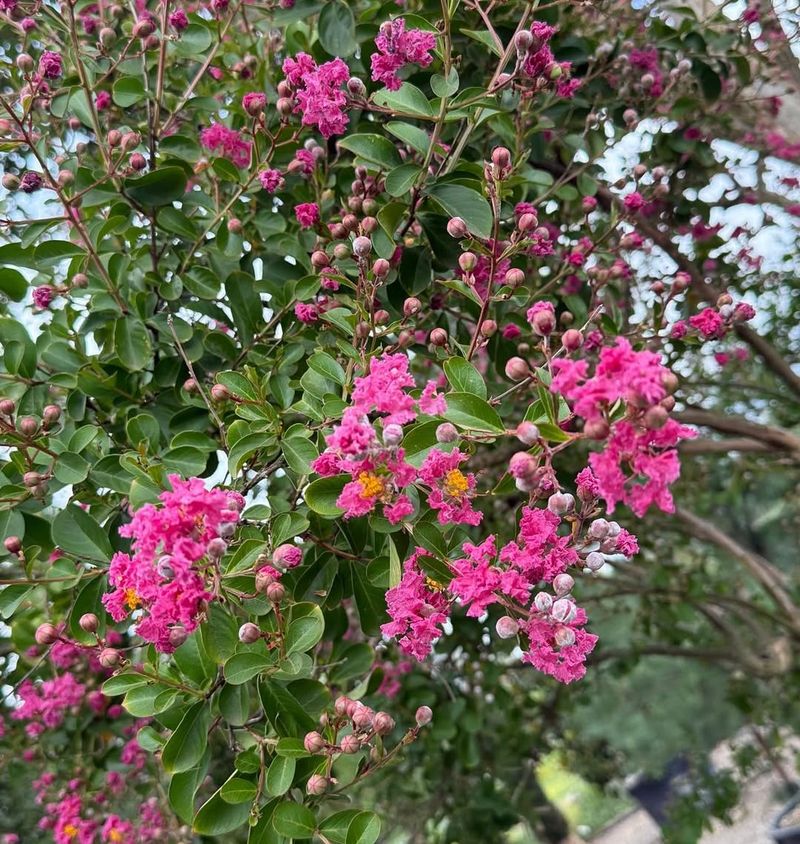
Few plants define the Southern landscape quite like crape myrtles, and fortunately, these beloved trees require far less pruning than many gardeners assume.
Late January provides a suitable window for thoughtful maintenance work that enhances the natural beauty of these flowering trees without resorting to the destructive topping often called crape murder.
Proper pruning respects the graceful branching habit and smooth, exfoliating bark that make crape myrtles attractive even in winter.
Begin by removing any suckers emerging from the base of the tree and thinning out small twiggy growth from the interior of the canopy. Look for branches that cross or rub against one another, choosing the best-positioned one to keep while removing its competitor.
If your crape myrtle has grown too large for its space, selective removal of entire branches back to the trunk proves far more attractive than stubbing back all the main stems.
Light thinning improves air circulation and allows the tree’s beautiful bark to show, but heavy pruning remains unnecessary for flowering since crape myrtles bloom reliably on new growth. Many South Carolina gardeners have learned that less intervention produces more elegant results with these adaptable trees.
Remove spent flower clusters from the previous season if you find them unsightly, but otherwise let the tree’s natural form shine through. This restrained approach to late winter pruning preserves the architectural beauty that makes crape myrtles such valuable landscape plants.
Vitex (Chaste Tree – Vitex agnus-castus)
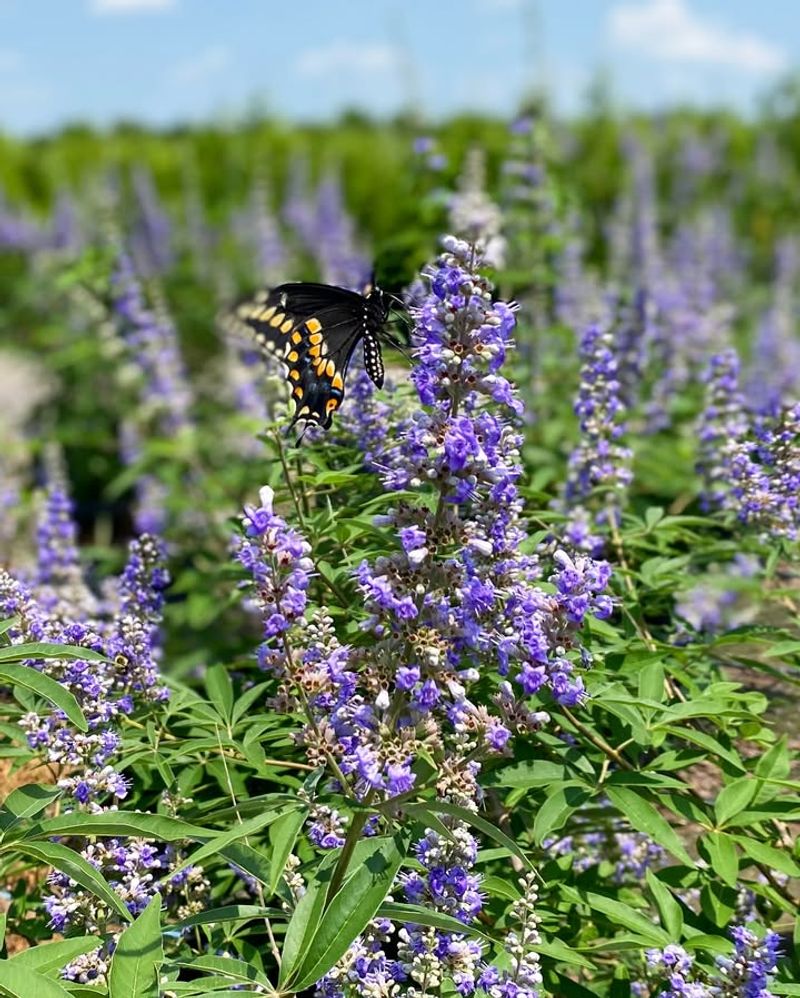
Vitex brings a cottage garden charm to South Carolina landscapes with its aromatic foliage and lavender-blue flower spikes that attract butterflies throughout summer. These fast-growing shrubs or small trees benefit significantly from winter pruning, which helps control their enthusiastic growth habit while promoting stronger flowering.
Late January timing allows you to shape the plant before spring growth begins, making your work easier and less stressful for the vitex.
Size control often motivates vitex pruning, as these plants can quickly outgrow their intended space in our favorable climate. You can safely reduce the overall size by cutting branches back to outward-facing buds or lateral branches, creating a more compact form.
Some gardeners treat vitex almost like a perennial, cutting the entire plant back to within a foot or two of the ground each winter, which produces vigorous new growth and abundant flowers.
Others prefer to maintain a more tree-like structure by selectively thinning branches and removing lower growth to reveal an attractive trunk. Either approach works well, depending on your landscape goals and available space.
Vitex blooms on new wood produced during the current growing season, so winter pruning won’t sacrifice flowers.
The fresh growth that emerges after your late January work will develop those beautiful flower spikes that make vitex such a pollinator favorite, rewarding your pruning efforts with months of colorful blooms and delightful fragrance.
Butterfly Bush (Buddleja davidii)
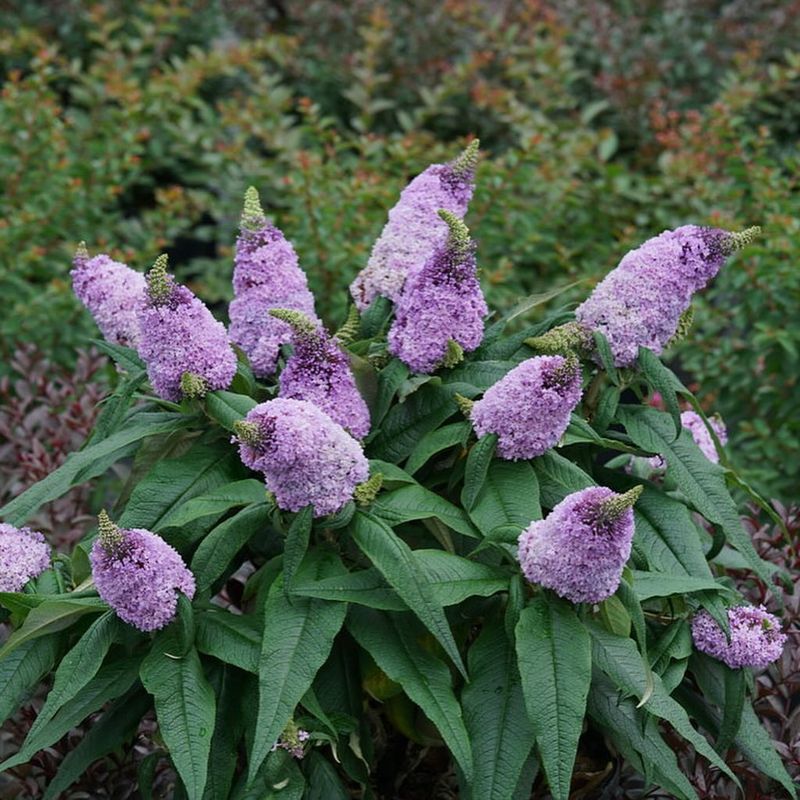
Butterfly bushes earn their name honestly, attracting clouds of butterflies and other pollinators with their fragrant, nectar-rich flower spikes throughout the growing season.
These vigorous shrubs respond beautifully to late January pruning, which might seem drastic but actually promotes healthier, more floriferous plants.
Understanding that butterfly bush blooms exclusively on new wood makes winter cutting less intimidating, since you won’t sacrifice any flowers by pruning hard.
Most South Carolina gardeners cut their butterfly bushes back to between twelve and twenty-four inches from the ground each winter, creating a low framework of main stems.
This severe reduction might look harsh initially, but it prevents the plant from becoming tall and leggy with flowers only at the tips of long, bare branches.
The vigorous new growth that emerges in spring will be sturdy, compact, and covered with flower buds.
Make your cuts just above a set of healthy buds, angling slightly to shed water. Remove any stems that appear damaged or weak, keeping only the most robust canes.
This renewal pruning also provides an opportunity to shape the plant and control its spread, which can become substantial in our favorable climate.
The compact, bushy growth that results from late January pruning will be smothered in colorful flower spikes by summer, creating a pollinator paradise that remains attractive and manageable throughout the season rather than flopping open or requiring staking.
Panicle And Smooth Hydrangeas (Hydrangea paniculata, Hydrangea arborescens)
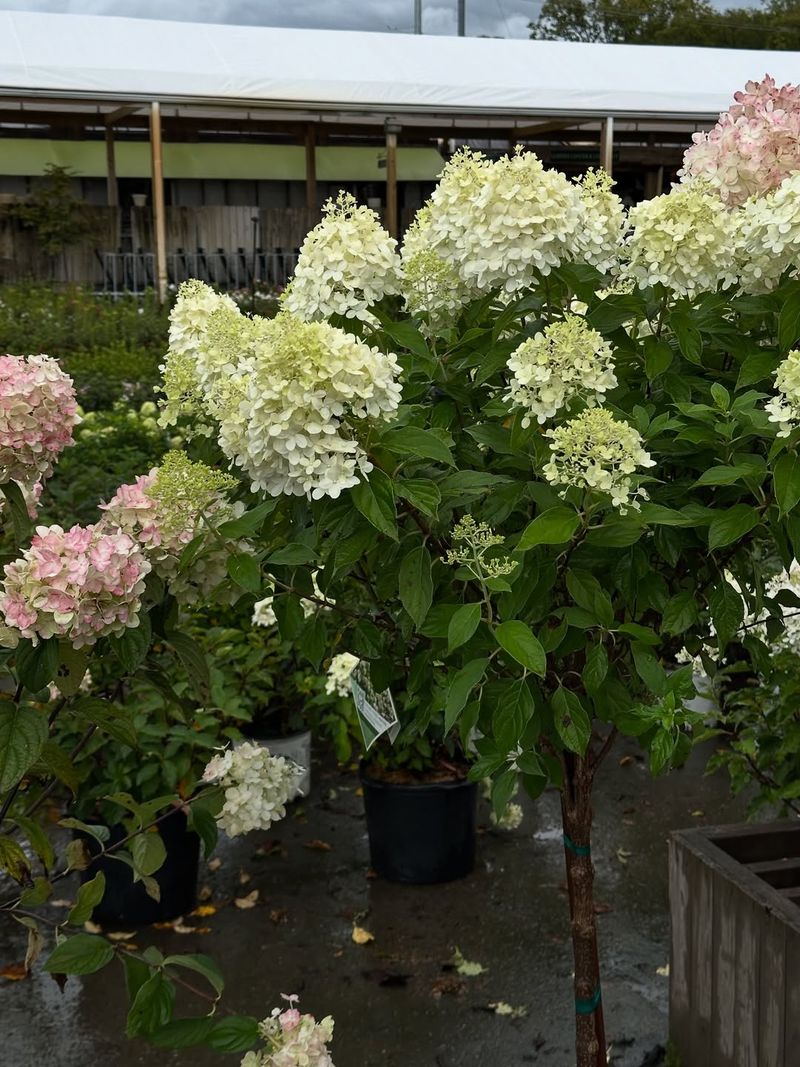
Hydrangea lovers rejoice knowing that certain types can be pruned in late January without sacrificing summer blooms, though understanding which hydrangeas tolerate winter cutting requires some botanical knowledge.
Panicle hydrangeas, including popular varieties like Limelight and Little Lime, and smooth hydrangeas such as Annabelle bloom on new wood produced during the current growing season.
This flowering habit makes them perfect candidates for late winter pruning in South Carolina gardens.
Panicle hydrangeas benefit from selective thinning that removes weak or crossing branches while maintaining the plant’s natural structure. You can reduce the overall height by cutting branches back to strong buds or lateral branches, creating a more compact form.
Smooth hydrangeas tolerate even harder pruning, with many gardeners cutting them back to within six to twelve inches of the ground each winter to promote strong new stems capable of supporting the large flower heads.
Timing matters less for these hydrangea types than for their cousins that bloom on old wood, but late January pruning allows you to remove the dried flower heads that some gardeners find attractive while others consider untidy.
The fresh growth that emerges after pruning will develop flower buds during spring and early summer, producing those spectacular blooms that make hydrangeas so beloved.
This late winter work keeps your plants vigorous, manageable, and flowering abundantly despite South Carolina’s sometimes challenging summer conditions.
Nandina (Heavenly Bamboo, Non-Invasive Cultivars Only)
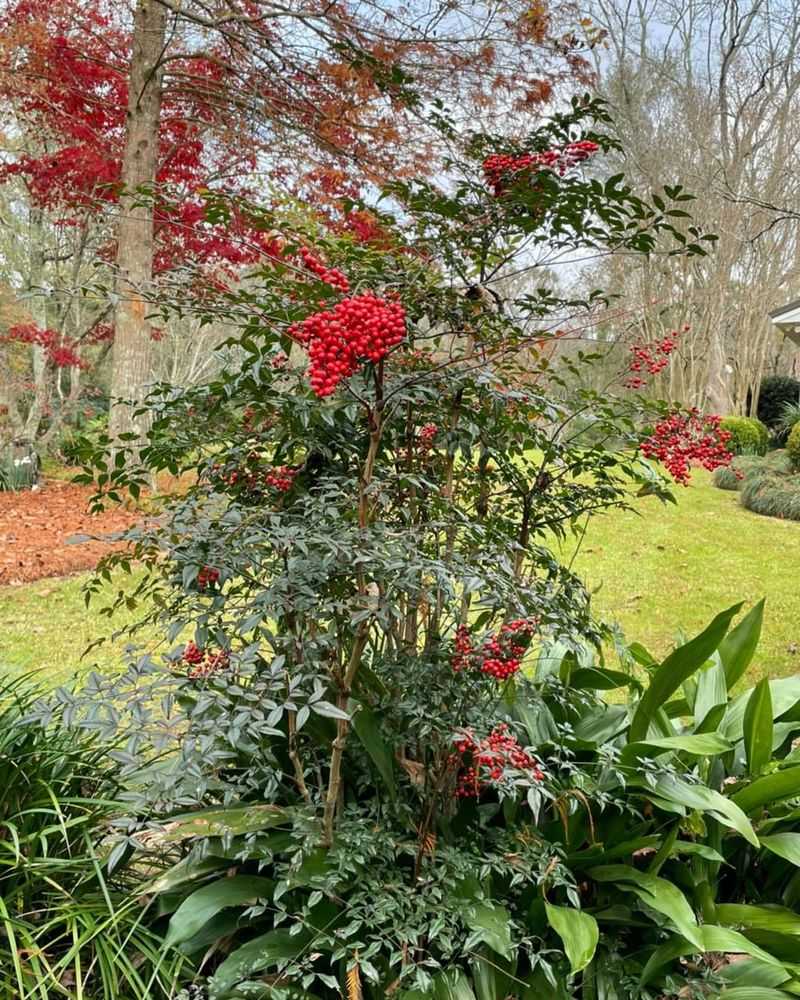
Nandina adds year-round interest to South Carolina landscapes with colorful foliage, delicate white flowers, and bright red berries, though choosing non-invasive cultivars shows respect for our native ecosystems.
These adaptable shrubs benefit from selective pruning in late January that maintains an attractive, layered appearance rather than the stubby, uniform look created by shearing.
Understanding nandina’s growth habit helps you prune more effectively, creating a naturally graceful plant.
Nandina grows in clumps of individual canes that emerge from the base, with older stems gradually becoming less vigorous and attractive over time. Late January provides an ideal opportunity to remove the oldest, tallest canes by cutting them completely to ground level.
This selective removal encourages fresh growth from the base while maintaining a variety of heights that creates visual interest and a fuller appearance.
Remove about one third of the oldest canes each year, choosing the tallest or least attractive stems. This rotation keeps the plant constantly renewing itself with vigorous young growth while preserving mature canes that provide structure and berries.
Avoid shearing nandina into tight balls or boxes, as this destroys the plant’s natural elegance and often results in bare lower stems topped with tufts of foliage.
Selective cane removal takes more time than running hedge shears over the plant, but the results look far more natural and attractive while promoting healthier growth and better berry production on your non-invasive nandina cultivars.