What To Seed In March In Georgia For A Strong Spring Garden
March in Georgia carries that familiar tension – warm days that tempt you outside, and the memory of cold nights that remind you spring is just beginning.
For gardeners, it’s the perfect time to get hands in soil and start seeing promise for the months ahead.
Planting the right seeds in March can help your garden get an early start on spring growth. Peas, lettuce, spinach, radishes, and carrots thrive when sown in the cooler soils of mid to late March, setting the stage for a vibrant, productive garden.
Timing matters, and planting in March can encourage steady growth and a productive spring harvest.
Knowing which crops do best outdoors this month helps ensure your beds are alive with color and growth soon.
The choices you make now can transform a bare patch into a thriving, dynamic garden filled with greens, roots, and tender leaves ready for harvest.
1. Peas With Their Sweet Garden Charm
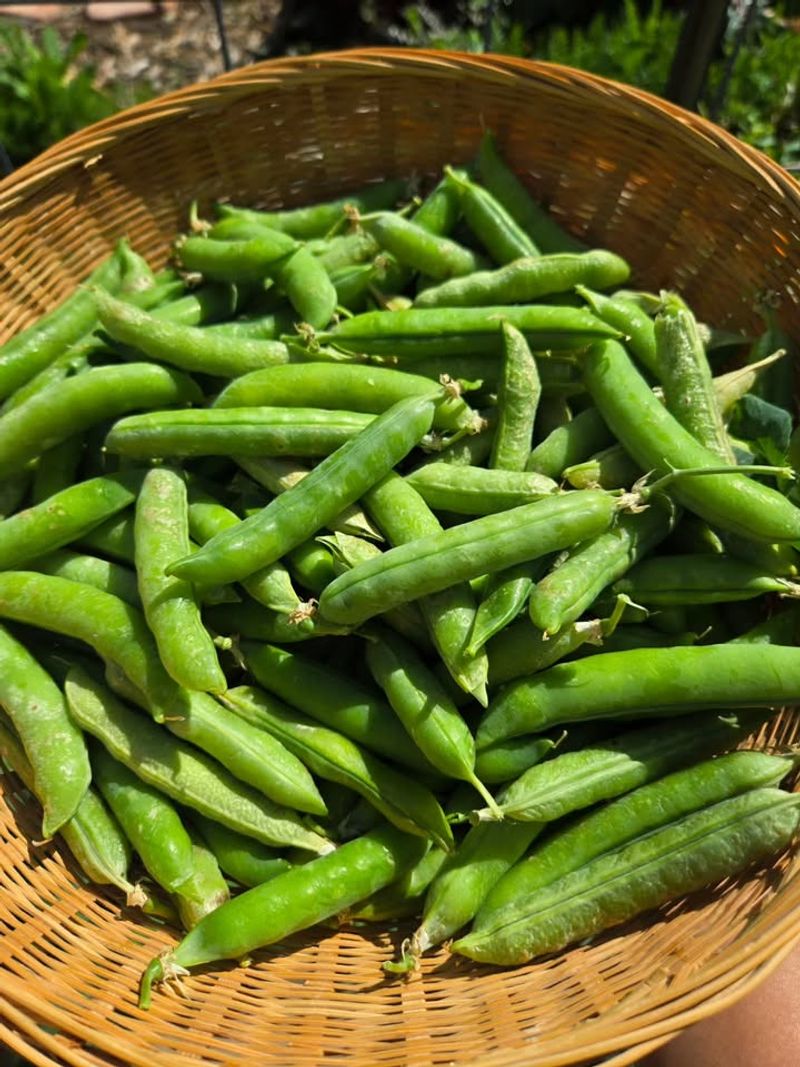
Few things in the spring garden beat the sweet crunch of a freshly picked pea straight off the vine. Peas are one of the earliest crops you can sow in Georgia, and March gives them exactly the cool, mild conditions they love to get established before summer heat rolls in.
Sow pea seeds directly into the ground about one inch deep and two to three inches apart. Peas do not like being transplanted, so skip the seed trays and go straight into your garden bed.
Make sure to set up a trellis or some kind of support before planting, because most pea varieties will climb as they grow and need something to grab onto.
Peas prefer well-drained soil with a slightly neutral pH. Water them consistently but avoid waterlogging the roots.
In Georgia, germination typically occurs within seven to fourteen days when soil temperatures are around 45 to 65 degrees Fahrenheit, though it may vary by variety and soil conditions. Once the plants are up, they grow quickly and need very little fussing over.
Snap peas, snow peas, and shelling peas all do well when planted in March across Georgia. Harvest them regularly to encourage more pod production.
One fun fact: peas actually fix nitrogen in the soil, which means they naturally improve your garden bed for whatever you plant next season.
2. Lettuce And Its Crisp Refreshing Leaves
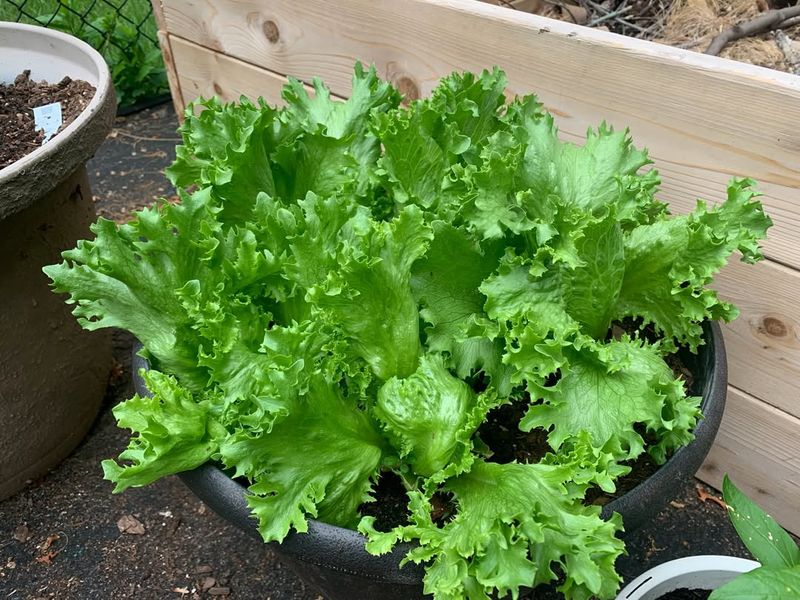
Cool temperatures, mild sunshine, and moderate moisture create exactly the conditions this leafy green craves, making it one of the most reliable crops you can sow right now.
Press seeds gently into the soil surface, barely covering them since lettuce seeds need a little light to germinate well. Keep the bed consistently moist, and you should see tiny sprouts popping up within a week.
Because lettuce roots are shallow, even a few inches of good-quality, compost-rich soil is enough to support a healthy crop.
There are so many varieties to choose from. Loose-leaf types like Black Seeded Simpson are fast and forgiving, while butterhead and romaine varieties take a bit longer but reward you with fuller, more flavorful heads.
Planting a mix gives you a longer harvest window and keeps your salad bowl interesting all spring long.
One thing to watch in Georgia is the heat. Once temperatures climb consistently above 75 degrees, lettuce tends to bolt, meaning it sends up a flower stalk and turns bitter.
Planting in a spot that receives some afternoon shade may help slow bolting and extend your harvest slightly. Succession sowing every two weeks through March keeps fresh lettuce coming to the table steadily.
3. Spinach And Its Leafy Green Power
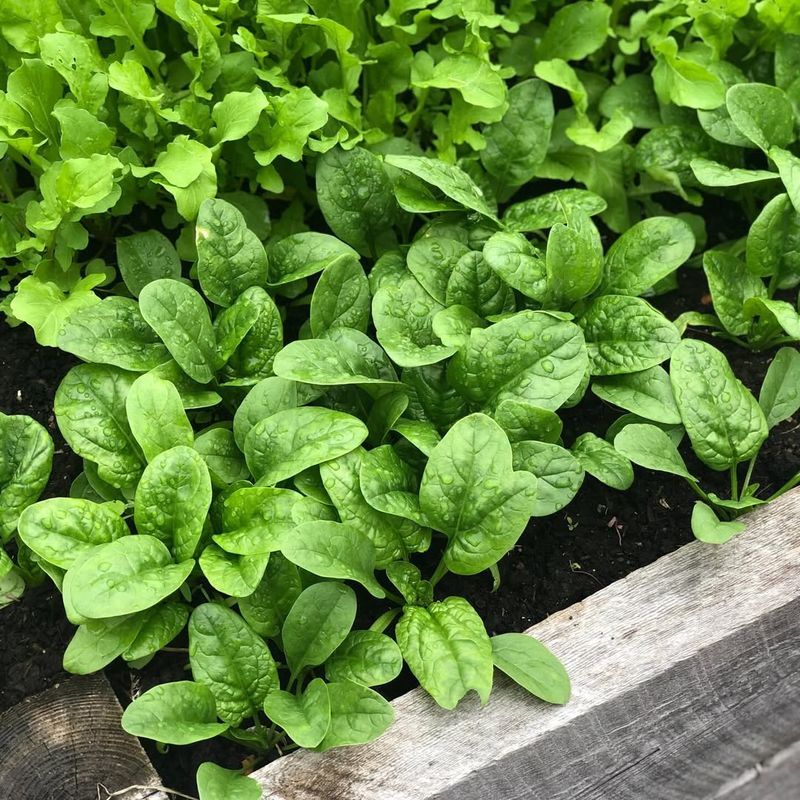
This powerhouse crop that loves cool weather, and Georgia in March delivers exactly that. It is packed with nutrients, grows relatively fast, and works beautifully in salads, smoothies, and cooked dishes alike.
Getting seeds in the ground this month gives you a generous harvest before the summer sun gets too intense.
Sow spinach seeds about half an inch deep and two to three inches apart, with rows spaced roughly a foot apart. One thing worth knowing about growing spinach in Georgia is that the soil here can run a little acidic.
Adding a light application of lime a few weeks before planting helps balance the pH and gives your spinach a much better start.
Spinach prefers full sun in spring but can tolerate partial shade, which actually helps extend the harvest season as temperatures begin climbing. Water regularly and keep the soil evenly moist without letting it dry out between waterings.
Thin seedlings to about four to six inches apart once they are an inch or two tall to give each plant enough room to fill out properly.
Did you know spinach was originally cultivated in ancient Persia? It has been feeding people for over a thousand years.
Varieties like Bloomsdale and Tyee perform especially well in Georgia’s spring climate, offering thick, flavorful leaves that hold up well even as the weather begins to warm.
4. Radishes With Their Tiny Flavor Punch
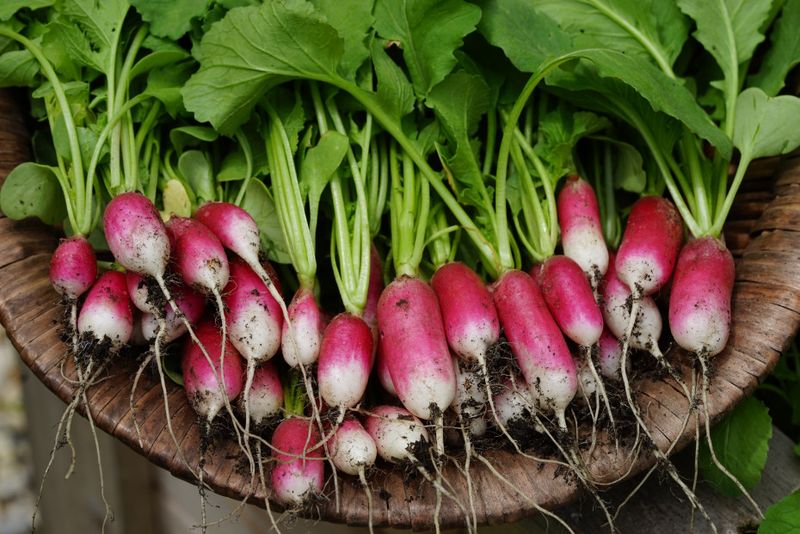
If you want fast results in the garden, radishes are your best friend. Some varieties go from seed to harvest in as little as three weeks, making them one of the most satisfying crops to grow, especially for newer gardeners who are eager to see something actually happen.
Sow radish seeds about half an inch deep and one inch apart directly in your garden bed. Once seedlings emerge, thin them to about two inches apart.
Skipping the thinning step is a common mistake. Crowded radishes push each other out of the soil and end up misshapen and tough instead of round and crisp.
Radishes thrive in Georgia’s cool March temperatures, but they can turn woody and overly spicy if left in the ground too long after they mature. Check them regularly by gently pulling one to test the size, and harvest as soon as they reach the diameter of a marble or larger, depending on the variety.
French Breakfast, Cherry Belle, and Easter Egg radishes are all excellent choices for Georgia spring gardens. Radishes also work as a companion plant, helping to loosen compacted soil with their roots and deterring certain garden pests.
Succession planting every ten days through March gives you a continuous supply of fresh, crunchy radishes all the way into late spring.
5. Carrots Dominating Crunchy Roots
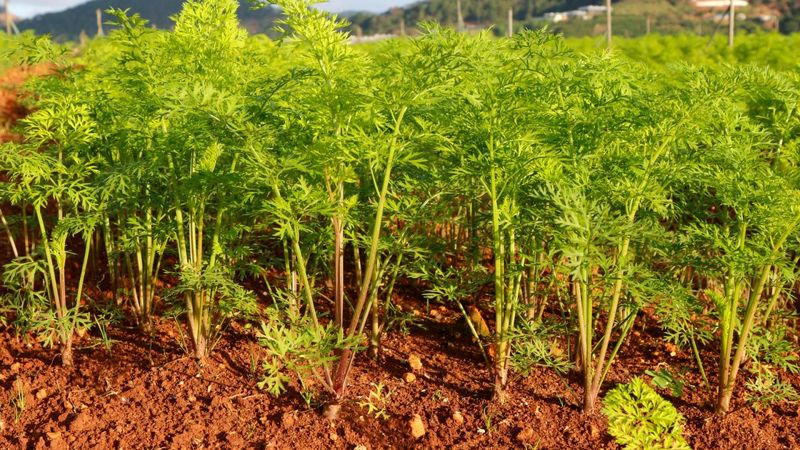
Growing them well might seem simple, but carrots take a little preparation and patience. The good news is that March in Georgia offers near-perfect soil temperatures for carrot germination, usually between 45 and 85 degrees Fahrenheit, giving seeds the best possible chance to sprout and establish strong roots.
Sow carrot seeds about a quarter inch deep and roughly two inches apart. Water gently after planting because carrot seeds are tiny and can easily wash away or clump together with a heavy spray.
Germination can take anywhere from ten to twenty-one days, so do not panic if nothing seems to be happening at first. Patience pays off with carrots.
Loose, deep, well-worked soil is essential for straight, well-formed roots. Rocky or compacted ground causes carrots to fork and twist.
Before sowing, work the soil down at least ten to twelve inches and remove any stones or clumps. Adding sand to heavy clay soil improves drainage and gives roots an easier path downward.
Nantes, Danvers, and Chantenay are all carrot varieties that perform well in Georgia’s spring soil conditions. Carrots also store well once harvested, so a generous planting in March can keep your kitchen stocked well into summer.
Thin seedlings to three inches apart once they reach about two inches tall for the best root development.
6. Beets With Their Deep Red Richness
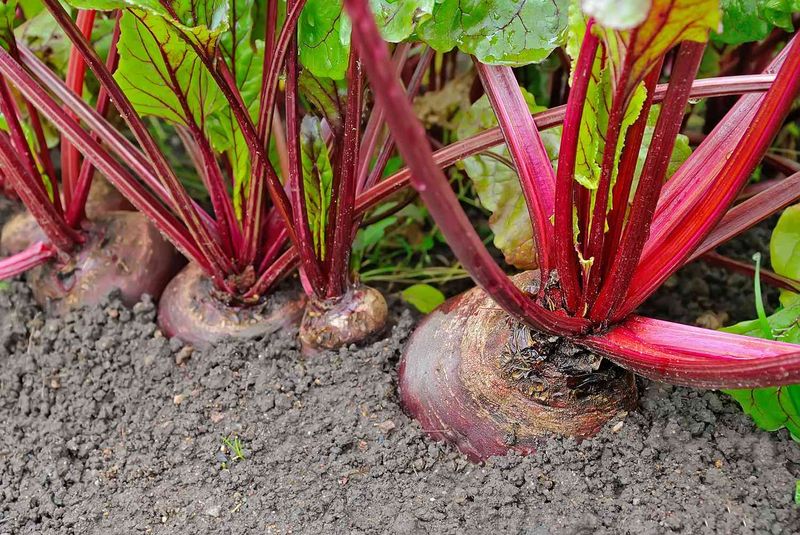
One of those vegetables that rewards you twice, beets give sweet, earthy roots underground and a bonus crop of nutritious, flavorful greens above. Planting them in March in Georgia takes full advantage of the cool spring temperatures that beets absolutely love.
Sow beet seeds about half an inch deep and three inches apart in rows spaced about a foot apart. Each beet seed is actually a cluster of seeds, so multiple seedlings may sprout from one spot.
Thinning is important here. Once seedlings reach about two inches tall, thin them to roughly three to four inches apart so the remaining plants have enough room to develop full, round roots.
Beets prefer well-drained, loose soil with a neutral to slightly alkaline pH. In parts of Georgia where soil tends toward acidity, working in a little lime before planting makes a noticeable difference.
Keep the soil consistently moist during germination, which typically takes five to ten days in March conditions.
Detroit Dark Red and Bull’s Blood are two varieties that perform particularly well in Georgia’s spring garden. The greens from Bull’s Blood are especially beautiful, with deep burgundy coloring that looks stunning in salads.
Beets are fairly cold-tolerant and can usually survive light frosts that might occur in early March across northern Georgia.
7. Swiss Chard And Its Colorful Stalks
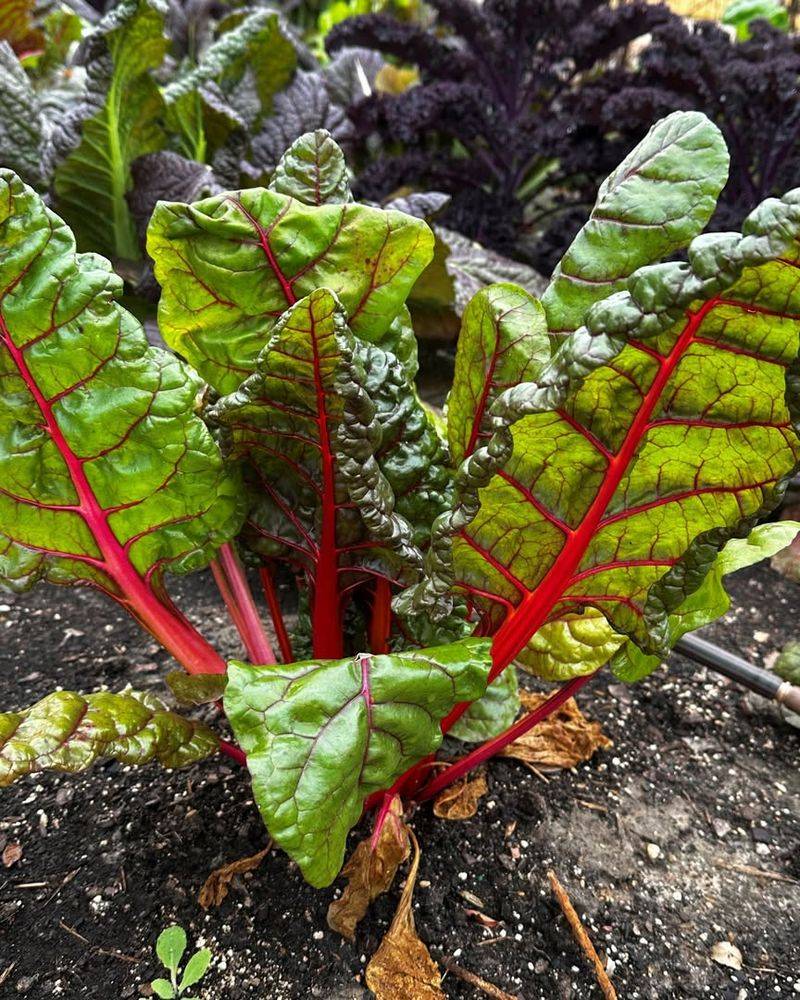
Walk past a patch of Swiss chard in full growth and it is hard not to stop and stare. The stems come in electric shades of red, yellow, orange, and white, making it one of the most visually striking vegetables you can grow.
Luckily, it is just as impressive in the kitchen as it is in the garden.
Swiss chard is a tough, adaptable crop that handles both cool spring temperatures and mild summer heat better than most leafy greens. In Georgia, sowing seeds in March gives plants time to establish before the heat intensifies.
Sow seeds about half an inch deep and four inches apart, thinning to about six inches once plants are up and growing.
One of the best things about Swiss chard is the harvest style. Instead of pulling the whole plant, you can cut outer leaves as you need them and let the center keep producing.
A March planting can provide fresh greens for many weeks into summer and early fall, making it a rewarding long-season crop in Georgia.
Rainbow Chard and Bright Lights are popular variety mixes that offer a colorful assortment in a single packet. Swiss chard is rich in vitamins K, A, and C, and it grows with very little fuss once established.
Water regularly and add a light layer of mulch to keep roots cool as temperatures rise.
8. Mustard Greens With Their Spicy Kick
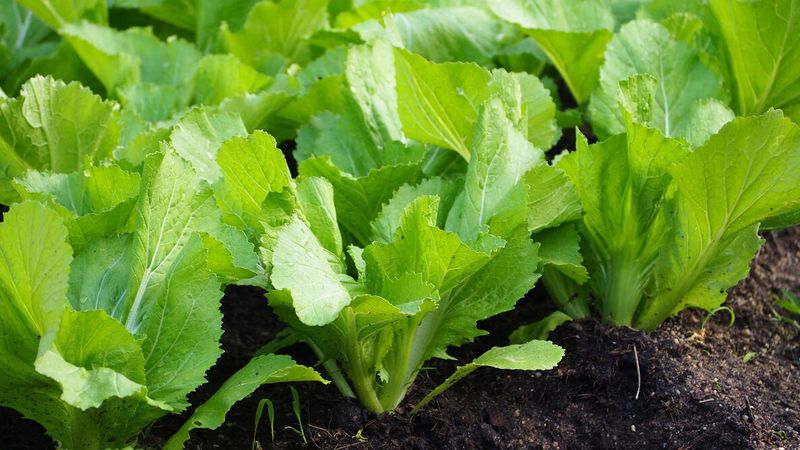
Mustard greens have deep roots in Southern cooking, and for good reason. They grow fast, they are packed with bold flavor, and they absolutely thrive in Georgia’s cool spring conditions.
Planting them in March means you will have tender, flavorful leaves ready for the table in as little as four to five weeks.
Direct sow mustard green seeds about a quarter inch deep in rows spaced twelve inches apart. Thin seedlings to about six inches once they reach a few inches tall.
These plants are vigorous growers, and giving them a little breathing room helps each plant produce larger, more flavorful leaves without competition.
Mustard greens prefer full sun and well-drained soil, though they can handle partial shade without too much trouble. They are also surprisingly cold-tolerant, which makes them a great choice for early March planting in Georgia when temperatures can still dip unexpectedly.
A light frost actually tends to sweeten the flavor of the leaves.
Southern Giant Curled and Red Giant are two varieties that are especially well-suited to Georgia gardens. The leaves can be harvested young for a mild, slightly peppery flavor, or left to grow larger for a more intense taste.
Mustard greens are rich in vitamins and minerals, and they pair wonderfully with smoked meats, beans, and cornbread in traditional Southern-style cooking.
9. Collards And Their Classic Southern Taste
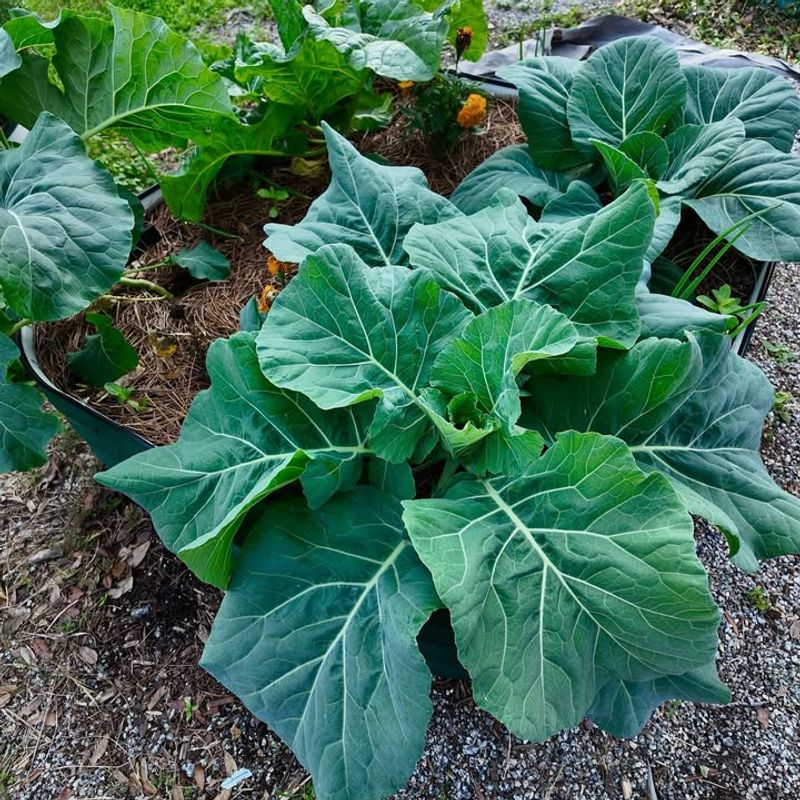
These are a staple of Southern gardens and Southern kitchens, and March is a great time to get them started from seed. These hardy, leafy greens are built to handle variable spring weather and will reward you with big, nutritious leaves over a long growing season.
Sow collard seeds about a quarter to half an inch deep and two to three inches apart. Once seedlings are a few inches tall, thin them to about eighteen inches apart.
Collards grow into large, bushy plants that need space to spread out, so do not crowd them. They perform best in full sun with consistently moist, fertile soil.
One thing that sets collards apart from other greens is their remarkable cold-hardiness. They can handle frost without much trouble, and cold temperatures actually improve their flavor by converting starches into sugars.
That means even if March throws a late cold snap at Georgia gardeners, collards just get sweeter.
Georgia Southern and Vates are two classic collard varieties that have been grown in the region for generations. Collards are rich in calcium, fiber, and vitamins A, C, and K.
Harvest the outer leaves regularly to keep the plant producing fresh growth from the center. With proper care, a March planting can keep delivering fresh collards well into the fall months.
10. Broccoli Dominating Mini Green Trees
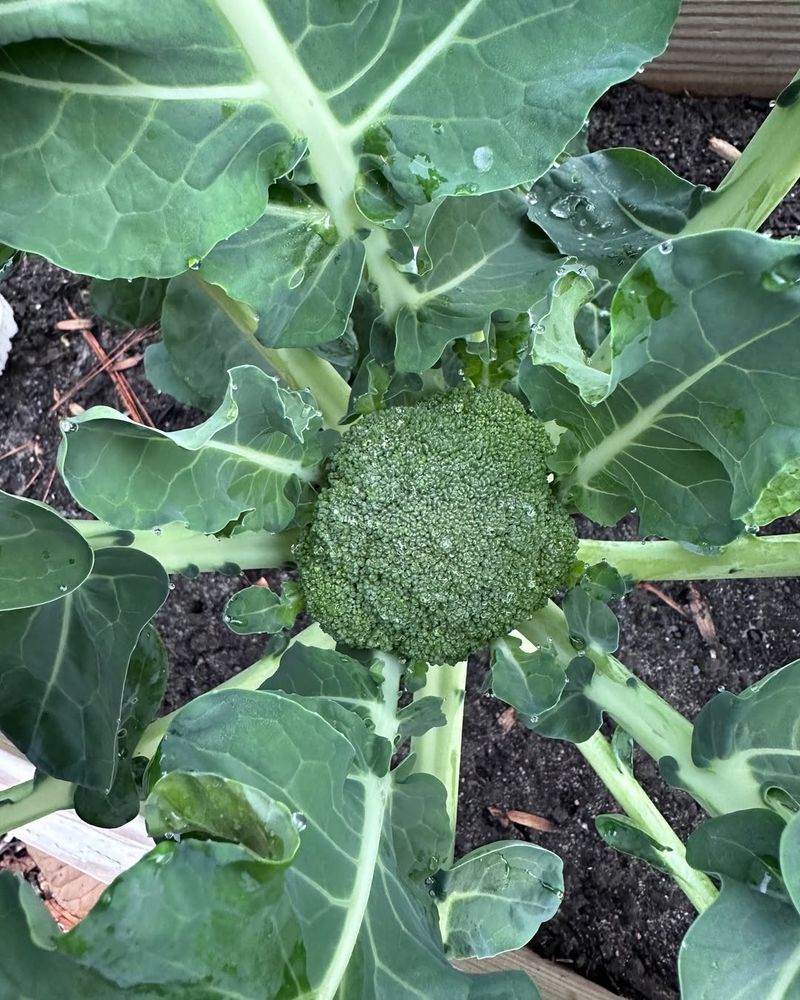
Growing it yourself makes this vegetable feel like a real gardening achievement. Watching a tight green head form in the center of the plant can be exciting, and many gardeners find homegrown broccoli flavorful and satisfying compared to store-bought varieties.
In Georgia, March is a solid month for transplanting broccoli seedlings that were started indoors in late January or early February. You can also direct sow seeds now, though transplants will give you a faster harvest.
Space plants about eighteen inches apart in rows two feet wide, and make sure they get at least six hours of full sun each day.
Broccoli needs consistently moist soil and benefits from a balanced fertilizer applied every few weeks during the growing season. In Georgia’s spring climate, the main challenge is timing.
Broccoli generally forms heads best when daytime temperatures remain under about 75 degrees. Planting in March gives the crop time to mature before summer heat arrives and causes the heads to bolt or open too quickly.
Waltham 29, Calabrese, and Green Magic are all broccoli varieties that perform reliably in Georgia spring gardens. After harvesting the main central head, leave the plant in place.
Most varieties will produce smaller side shoots that continue to give you fresh broccoli for several more weeks, stretching your harvest season significantly.