What To Seed In March In North Carolina For A Strong Spring Garden
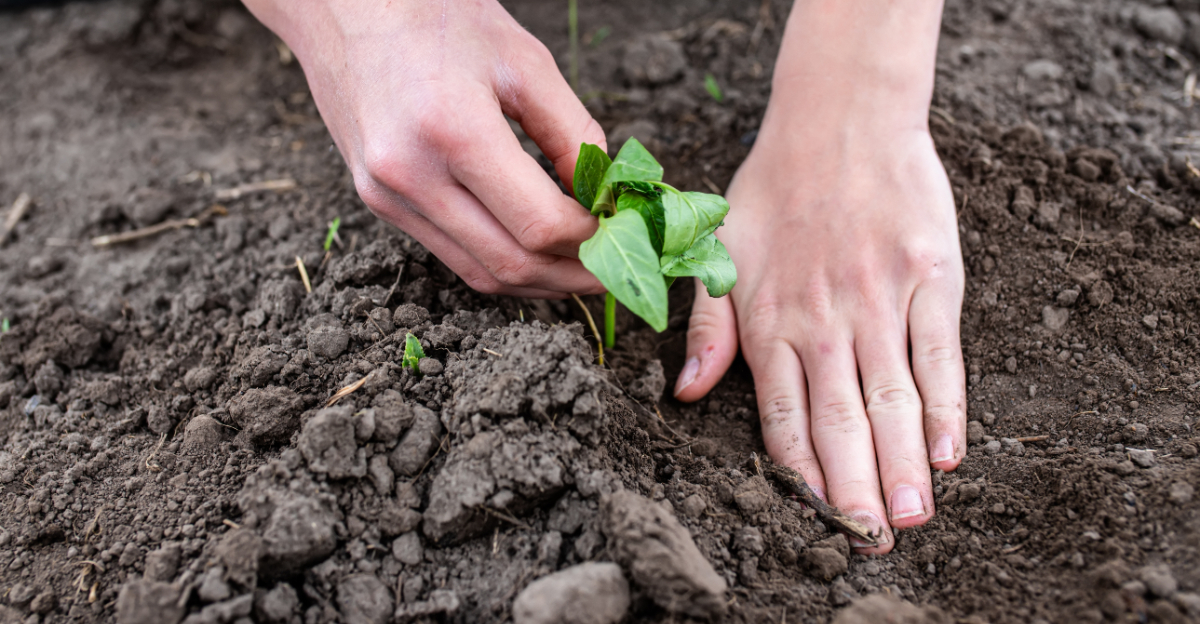
March is when North Carolina gardens truly start coming alive. The soil begins to warm, daylight stretches a little longer, and suddenly the garden is full of possibilities.
For many gardeners, this is the moment when planning turns into planting and the new season finally begins.
Across the Coastal Plain, Piedmont, and Mountain regions, March offers a valuable window to get crops established before the stronger heat of late spring arrives.
Planting now gives vegetables time to settle in, grow strong roots, and produce earlier harvests. Gardeners who take advantage of this early start often enjoy fuller beds and more productive gardens as the season unfolds.
If you are ready to get seeds in the ground, this is the time to do it. These ten plants are some of the best choices to start growing in North Carolina gardens right now.
1. Peas
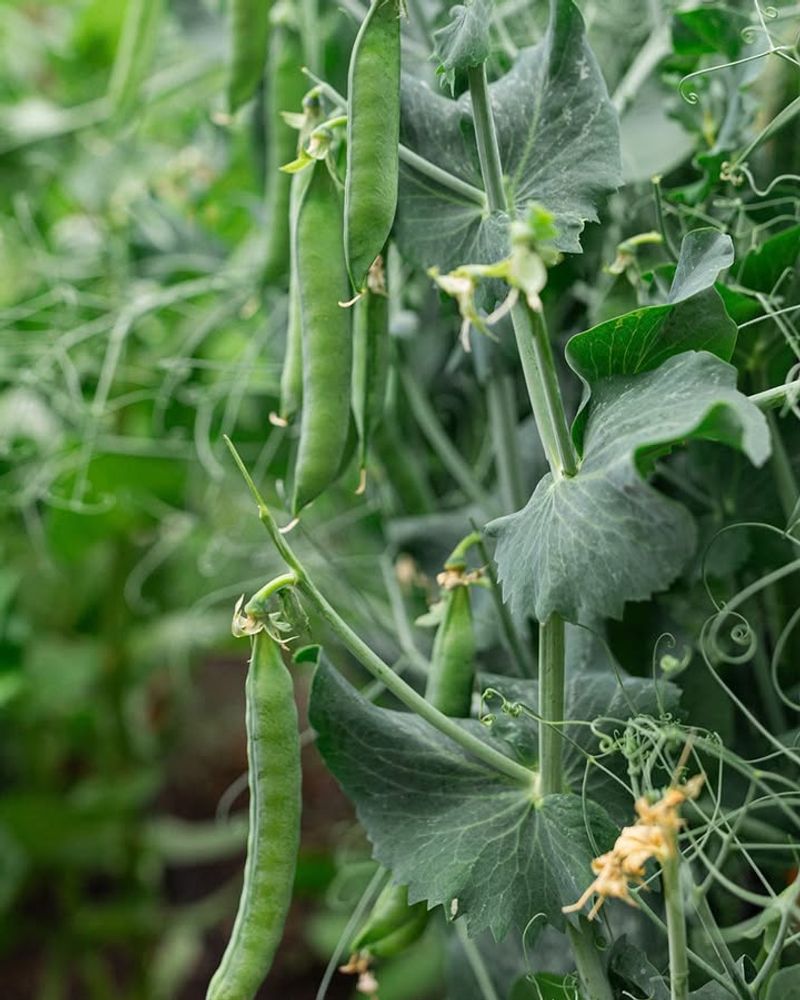
Nothing signals the start of spring quite like a row of peas climbing a sunny trellis. In North Carolina, peas can be direct-sown in early March in the Coastal Plain and Piedmont, where the soil warms up faster after winter.
Gardeners in the Mountains should wait until mid-to-late March, when the ground becomes more workable and frost risk drops.
Peas genuinely love cooler soil temperatures, usually between 45 and 70 degrees Fahrenheit, which makes March the sweet spot for planting across most of the state.
They grow vines that reach three to six feet tall, so a simple trellis or some twiggy branches will give them the support they need to climb and produce well. Without support, the vines tangle and yields drop quickly.
Planting in well-drained soil with full sun gives your pea crop the best possible start. Water consistently but avoid soaking the roots, since soggy conditions can cause problems.
One of the best things about peas is how quickly they reward you. Many varieties are ready to harvest in 60 to 70 days, meaning you could be picking fresh pods by late May or early June across much of North Carolina.
Starting early is always worth it with this cool-season favorite.
2. Spinach
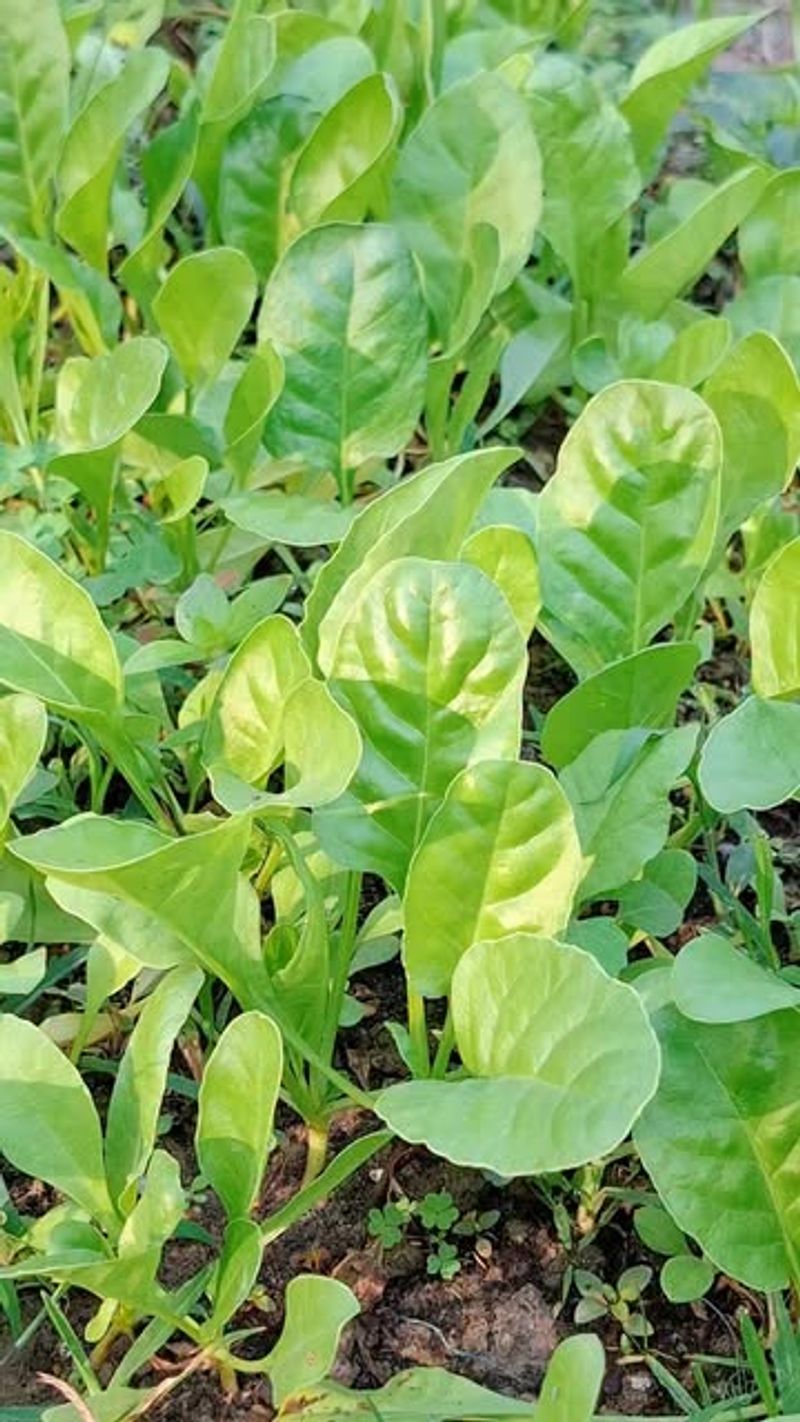
Spinach is one of those vegetables that actually prefers the cold, which makes it a perfect match for early March in North Carolina.
You can sow seeds directly into the ground as soon as the soil is workable, which in the Coastal Plain and Piedmont usually means early March.
Mountain gardeners can plan for mid-March, once the harshest cold has passed. What makes spinach so appealing for home gardeners is its flexibility. It tolerates light frost well, so even a surprise cold snap after planting will not set you back much.
Sow seeds about half an inch deep and one to two inches apart in rows, then thin to about six inches once seedlings are established. Rich, well-drained soil with consistent moisture produces the most tender, flavorful leaves.
Spinach grows fast in cool weather, often ready for its first harvest in 40 to 50 days. You can pick outer leaves repeatedly, and the plant will keep producing until temperatures climb into the mid-70s.
North Carolina’s spring season gives spinach a generous window before summer heat arrives. Add a layer of mulch around young plants to hold soil moisture and keep roots cool a little longer.
It is one of the most satisfying cool-season crops you can grow in the state.
3. Lettuce
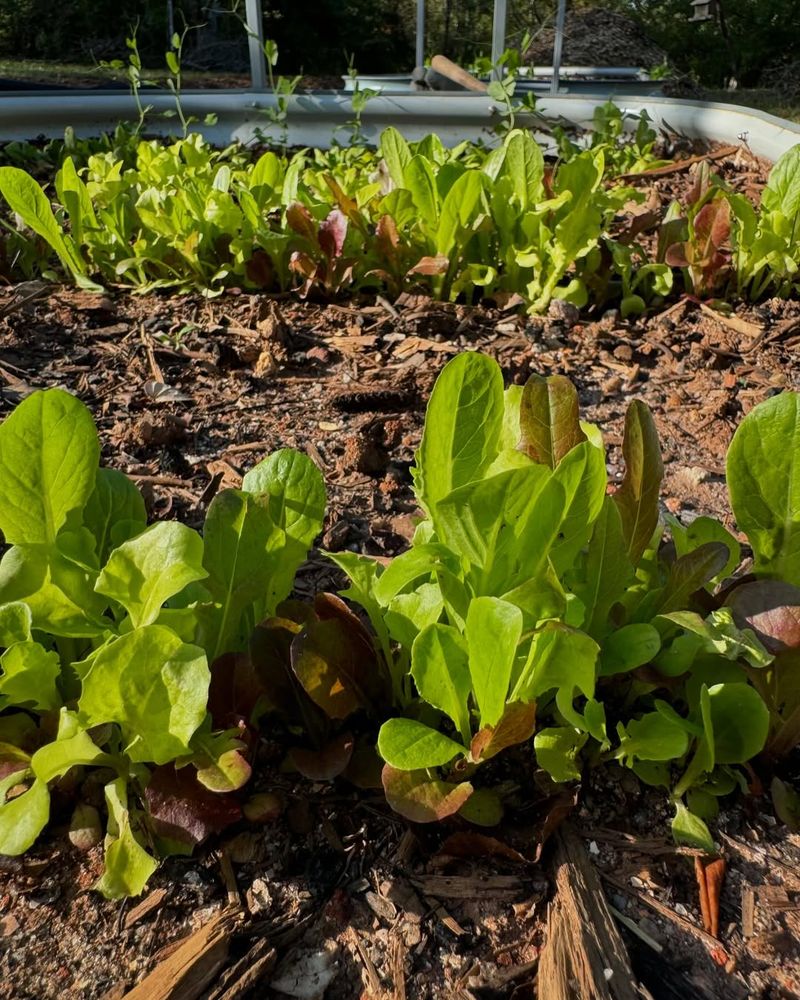
Crisp, homegrown lettuce from a North Carolina garden tastes worlds better than anything from a grocery store shelf.
Leaf and butterhead varieties are excellent choices for March planting, with the Coastal Plain ready for seeds as early as the first week of the month.
Piedmont and Mountain gardeners can start sowing by mid-March once soil temperatures reach at least 40 degrees Fahrenheit.
Spacing matters more than most new gardeners expect. Crowded lettuce holds moisture between leaves and invites rot, especially during North Carolina’s rainy spring weeks.
Sow seeds thinly and thin seedlings to about eight to ten inches apart depending on the variety. Well-drained, loose soil helps roots develop evenly and reduces the risk of fungal issues during wet stretches.
Lettuce grows quickly in cool weather, with many leaf varieties ready to harvest in just 30 to 45 days. You can cut outer leaves as needed and the plant continues producing, giving you weeks of fresh salads from a single planting.
Try succession planting every two weeks to extend your harvest deeper into the season. Full sun works best early in spring, though some light afternoon shade helps once temperatures start climbing in late April and May across most of North Carolina.
Lettuce is easy, fast, and incredibly rewarding.
4. Kale
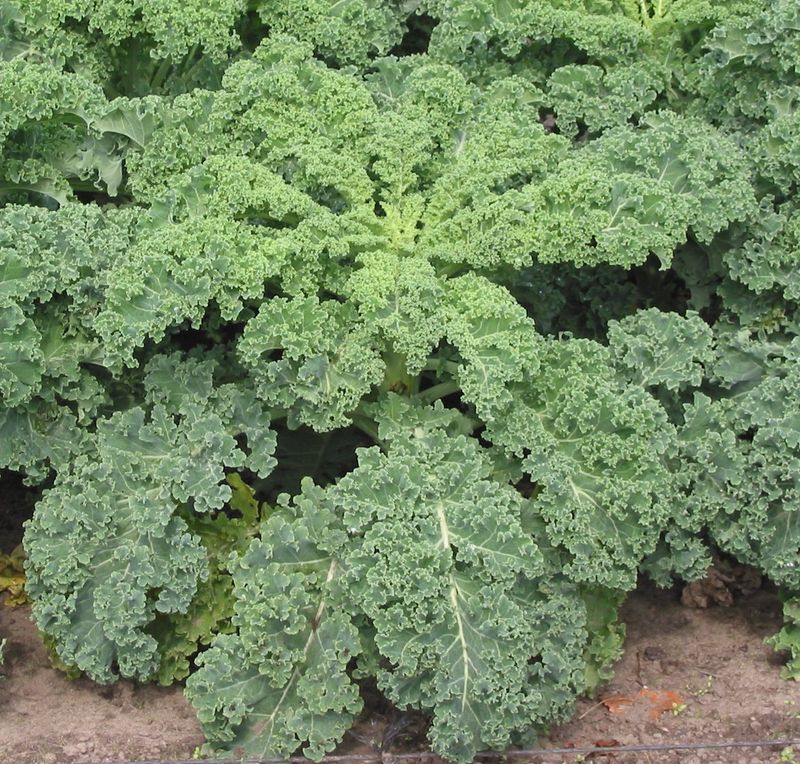
Kale has earned its reputation as one of the toughest and most productive leafy greens you can grow.
In North Carolina, March is an ideal time to seed kale directly into the garden, taking advantage of cool soil and mild daytime temperatures that encourage strong, steady growth.
Both dwarf varieties like Dwarf Blue Curled and full-sized types like Lacinato perform beautifully in the state’s spring conditions.
A fun detail about kale is that light frost actually improves its flavor, triggering the plant to convert starches into sugars and making the leaves noticeably sweeter.
That means early March plantings in the Coastal Plain and Piedmont can benefit from late winter cold snaps rather than suffer from them.
Sow seeds about a quarter inch deep in well-amended, fertile soil with good drainage for best results.
Kale grows steadily through spring and can be harvested continuously by removing outer leaves while the center keeps producing.
Most varieties reach harvest size in 55 to 75 days, so plants seeded in March should be producing well before summer heat arrives in North Carolina.
Full sun and consistent watering help the plants stay vigorous throughout the season. Adding compost to the soil before planting gives kale the nutrients it needs to produce thick, flavorful leaves you will want to eat all spring long.
5. Broccoli
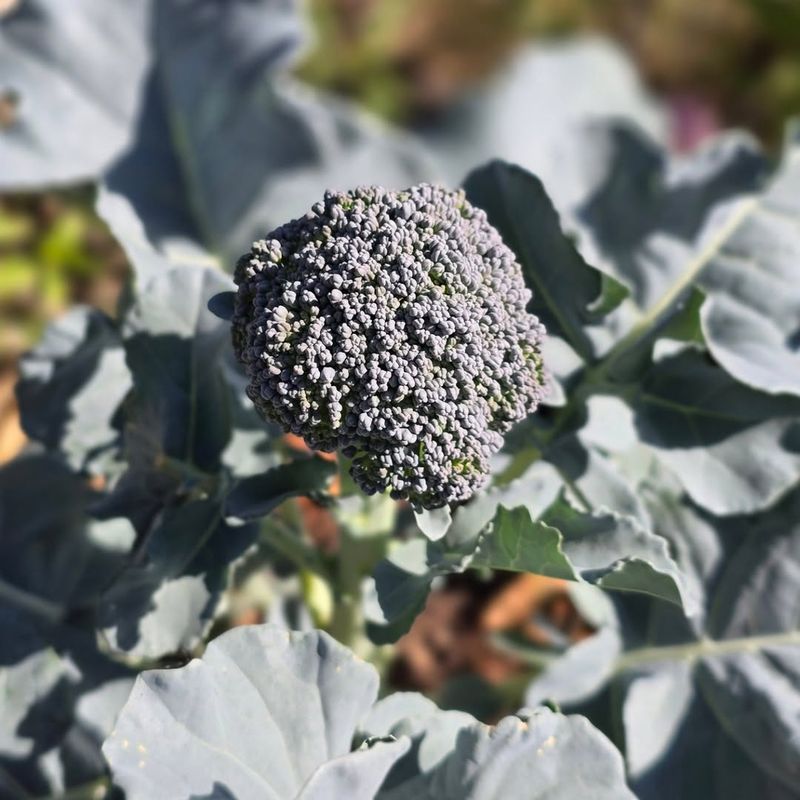
Broccoli is a cool-season champion, and March gives North Carolina gardeners two solid options for getting it started. In Southern NC and the Coastal Plain, seeds can be direct-sown into prepared garden beds early in the month.
For the Piedmont and Mountain regions, starting seeds indoors in March and then transplanting after the last frost date is a smart and reliable approach.
Cool soil temperatures between 45 and 85 degrees Fahrenheit are ideal for broccoli germination and early growth. When soil is too warm, germination slows and plants can bolt before forming good heads.
Starting indoors gives you control over conditions and produces strong transplants ready to go into the ground at exactly the right moment. Use a seed-starting mix and keep seedlings under grow lights or in a bright, sunny window for best results.
Broccoli needs consistent moisture and fertile soil to form tight, full heads. Inconsistent watering causes heads to open too quickly, reducing quality and harvest window.
Apply a balanced fertilizer when plants are about four inches tall to support strong development. Most varieties mature in 60 to 100 days depending on type, so March planting sets you up for a satisfying late spring harvest across much of North Carolina.
Few things are more rewarding than cutting a full head of broccoli from your own garden.
6. Cabbage
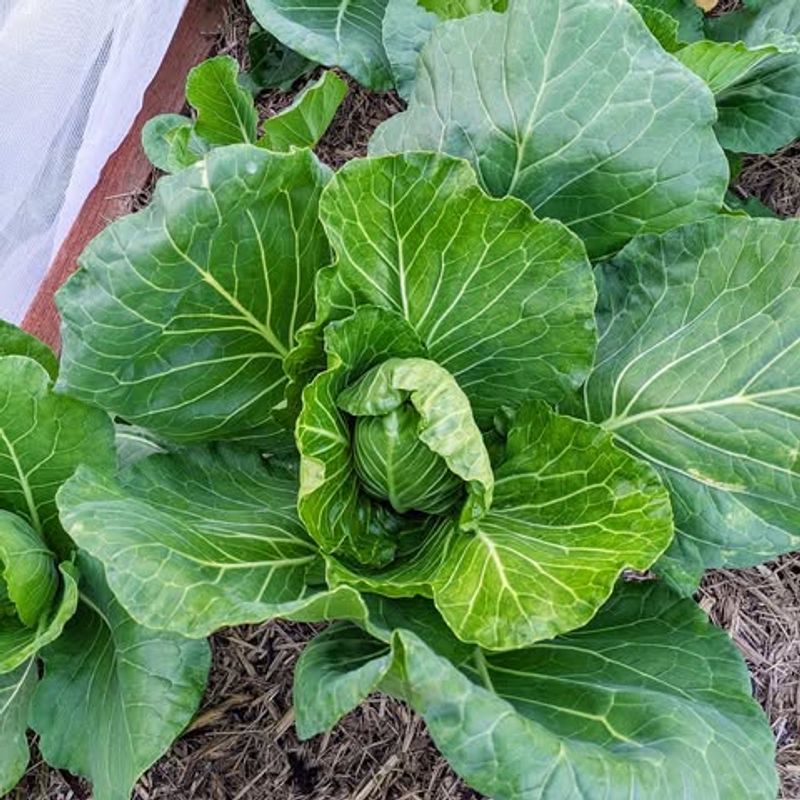
Cabbage has been a cornerstone of Southern gardens for generations, and for good reason. It is productive, versatile, and surprisingly cold-tough, making it one of the best vegetables to start in March across North Carolina.
Seeds can be started indoors in early March for transplanting later in the month, or direct-sown into the Coastal Plain where temperatures are milder and the soil warms faster.
Transplants started indoors should be ready to move outdoors by mid-to-late March, once nighttime temperatures stay consistently above 28 degrees Fahrenheit.
Harden off seedlings by setting them outside in a sheltered spot for a few hours each day before transplanting.
This gradual exposure to outdoor conditions strengthens stems and prepares plants to handle North Carolina’s sometimes unpredictable early spring weather without stress.
Cabbage grows best in full sun with well-drained, fertile soil rich in organic matter. Space transplants about 18 inches apart to allow heads to form properly without crowding.
Consistent moisture is key, as uneven watering causes heads to crack before harvest. Most spring varieties mature in 70 to 120 days, so March-started cabbage should be ready by late May or June.
Adding a balanced fertilizer every few weeks supports steady growth. Homegrown cabbage has a crunch and sweetness that store-bought versions simply cannot match when grown right here in North Carolina.
7. Radishes
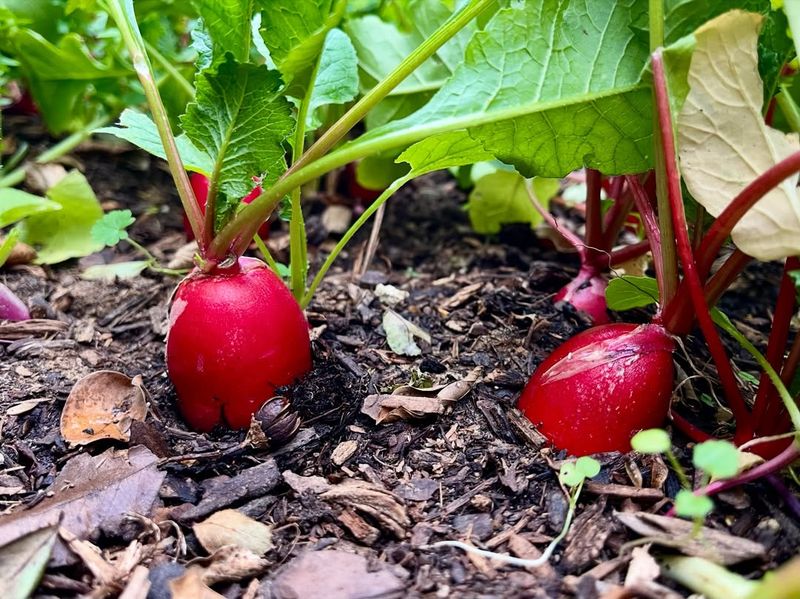
If you want fast results from your spring garden, radishes are your best friend. They are cold-hardy, quick to germinate, and can go directly into the ground in early March across Southern NC and the Coastal Plain.
Piedmont and Mountain gardeners can follow with direct sowing by mid-March once the soil is loose and workable.
Radishes prefer loose, well-drained soil free of rocks and clumps, which allows roots to expand evenly and develop their classic round or elongated shape.
Sow seeds about half an inch deep and one inch apart in rows, then thin to two to three inches once seedlings appear.
Crowded radishes produce small, misshapen roots that disappoint at harvest, so thinning early makes a real difference in the final result.
Most radish varieties mature in just 22 to 30 days after sowing, which means a row planted in early March could be ready to pull by early April in the warmer parts of North Carolina.
That fast turnaround makes radishes perfect for succession planting every ten days throughout the spring season.
They also work well as row markers alongside slower-germinating crops like carrots. Radishes add crunch to salads, make great snacks with a little salt, and give beginning gardeners a confidence boost with their nearly foolproof growing habit.
Definitely plant more than you think you need.
8. Carrots
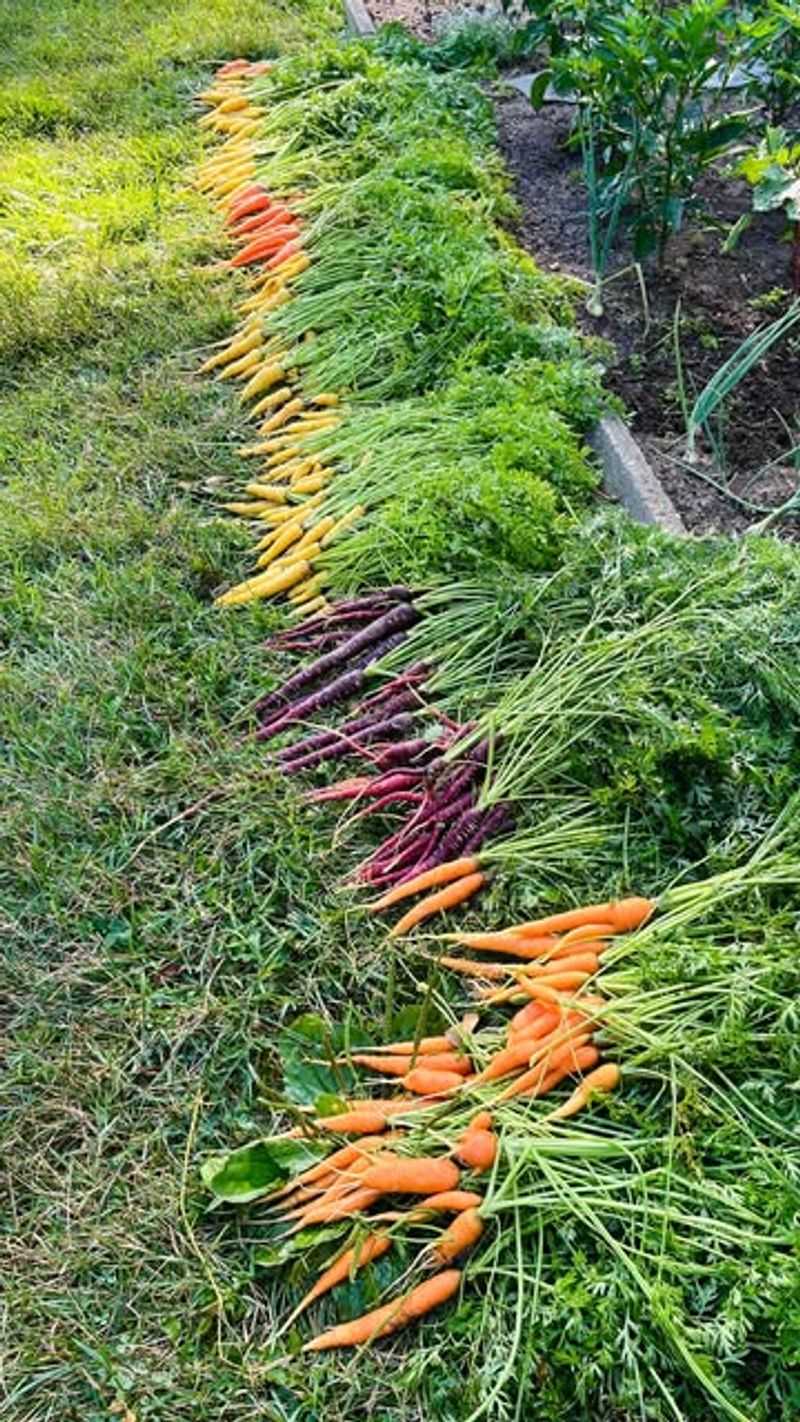
Carrots reward patient gardeners with one of the most satisfying harvests in the vegetable garden. In North Carolina, the Coastal Plain is ready for direct sowing in early to mid-March, when soil temperatures begin climbing above 45 degrees Fahrenheit.
Piedmont and Mountain gardeners can follow by mid-March, once the ground is loose and frost-free enough for consistent germination.
The biggest key to growing great carrots is soil preparation. Carrots need deep, loose, rock-free soil to develop long, straight roots.
Hard or compacted ground causes forking and stunted growth, which reduces both yield and quality.
Raised beds or deeply tilled garden rows with added compost work especially well for North Carolina gardeners dealing with heavy clay soils common in parts of the Piedmont region.
Carrot seeds are tiny and slow to germinate, often taking 10 to 21 days to sprout depending on soil temperature and moisture.
Keeping the soil surface consistently moist during germination is critical, since the seeds dry out quickly and fail to sprout if the top layer dries between waterings.
Thin seedlings to about two inches apart once they reach an inch tall. Most varieties mature in 70 to 80 days, putting a Coastal Plain harvest right around late May.
Homegrown carrots from a well-prepared North Carolina garden are sweeter and more flavorful than anything found in a store.
9. Beets
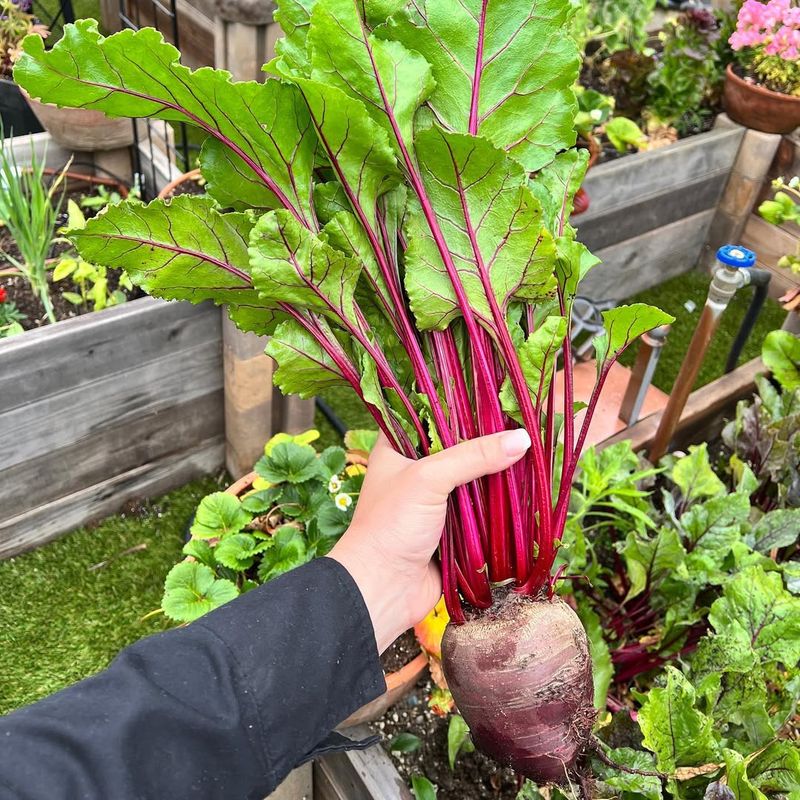
Beets are one of those vegetables that first-time growers often underestimate. They are straightforward to direct-sow, tolerate North Carolina’s cool March temperatures well, and reward you with two harvests in one: sweet, earthy roots and tender, nutritious greens.
You can start direct sowing in early to mid-March across most of the state, as beets germinate in soil temperatures as low as 40 degrees Fahrenheit.
Each beet seed is actually a cluster of seeds, so even a single planted seed can produce multiple sprouts. Thinning is essential for proper root development.
Once seedlings reach about two inches tall, thin them to three to four inches apart so each plant has enough space to form a full, round root. Skipping this step results in crowded plants with small, underdeveloped roots that do not store or taste as well.
Even moisture throughout the growing season keeps beet roots smooth and sweet. Inconsistent watering leads to tough, woody texture or cracking, which reduces quality significantly.
Mulching around plants helps retain moisture during dry spring spells common in parts of North Carolina. Most varieties mature in 50 to 70 days, so March-sown beets can be ready by mid-May in the Coastal Plain and a bit later in the Piedmont and Mountains.
Succession planting every two to three weeks extends your harvest window well into late spring.
10. Mustard Greens
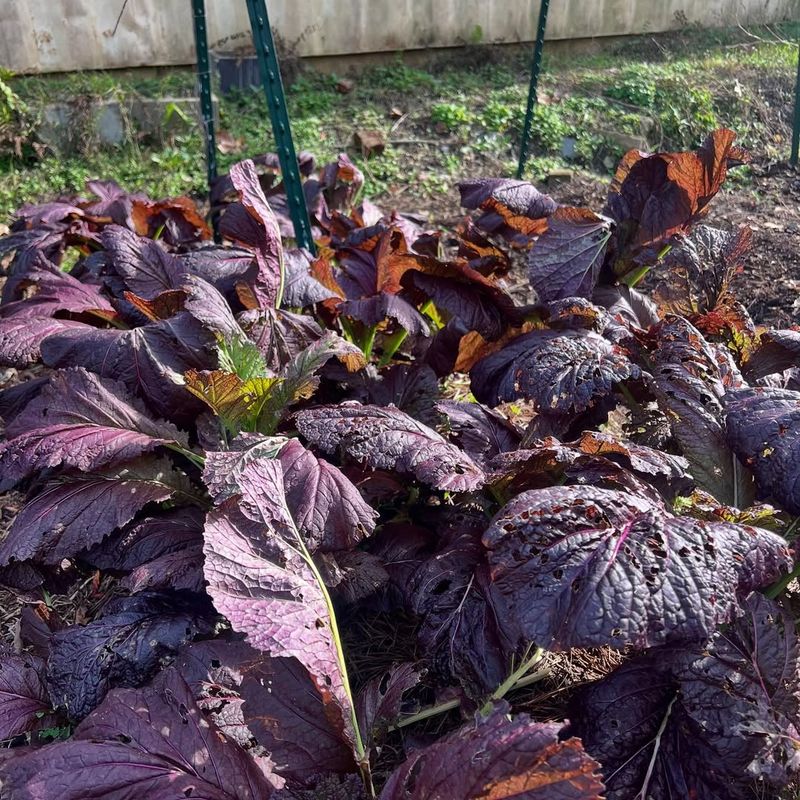
Mustard greens have a bold, peppery flavor that makes them a favorite in Southern kitchens, and they are one of the fastest and easiest crops you can grow in a North Carolina spring garden.
Seeds can be sown directly into the ground in early March across Southern NC and the Coastal Plain, where mild temperatures encourage quick germination.
Mountain gardeners should plan to sow by mid-March once the worst of the cold has passed.
Mustard greens are genuinely cold-hardy, tolerating temperatures down to around 20 degrees Fahrenheit once established, which makes them an excellent choice for North Carolina’s sometimes unpredictable early spring weather.
They germinate quickly, often sprouting within four to seven days in cool, moist soil. Sow seeds about a quarter inch deep in well-drained soil with full to partial sun, spacing rows about 12 inches apart for good airflow between plants.
Thin seedlings to six to eight inches apart once they emerge, and start harvesting outer leaves when plants reach six to eight inches tall. Like spinach, mustard greens respond well to cut-and-come-again harvesting, producing fresh leaves over several weeks.
Flavor intensifies after a light frost, giving early spring plantings a particularly vibrant taste. Most varieties are ready for first harvest in just 30 to 40 days, making mustard greens one of the quickest and most rewarding plants you can seed in a North Carolina spring garden.