What Type Of Gardener Are You? Pennsylvania Residents’ Top Styles
Every Pennsylvania garden tells a story, and behind each one stands a gardener with a unique style.
Some thrive on neat rows and tidy edges, while others let nature take the wheel and enjoy a more relaxed approach.
From city balconies to rolling backyard plots, gardening habits shift with personality, pace of life, and local landscape.
One neighbor may rise with the sun to tend vegetables, while another prefers colorful blooms that take care of themselves.
These choices shape how a garden grows and how time is spent outdoors.
In Pennsylvania, changing seasons add another layer, calling for patience in spring, hustle in summer, and reflection as fall settles in.
Discovering your gardening style can feel like looking in a mirror, revealing what brings joy and balance.
Once you know your approach, the garden becomes more than a hobby.
It turns into an extension of who you are, rooted in soil, rhythm, and personal flair.
1. The Traditional Vegetable Grower
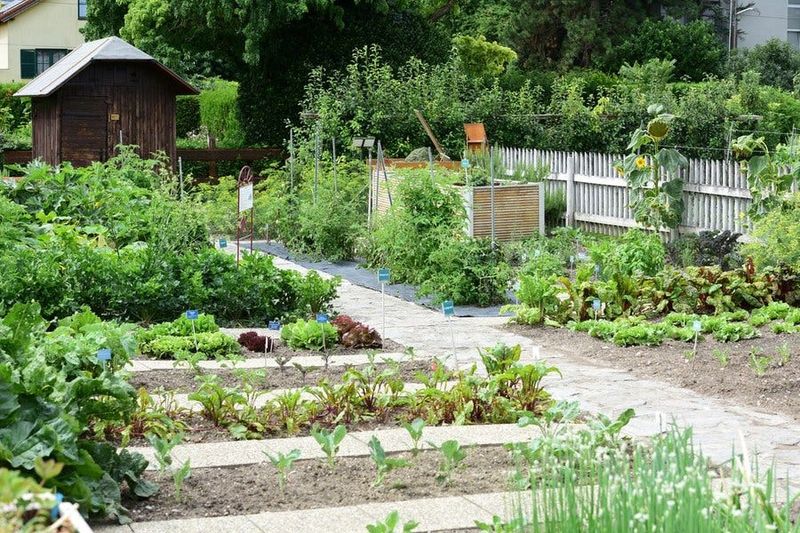
Rows of tomatoes, beans, peppers, and squash define this classic Pennsylvania approach.
Vegetable gardeners focus on producing food for their families, often canning and preserving the harvest for winter months.
This style has deep roots in the state’s agricultural heritage, especially in farming communities where self-sufficiency remains valued.
Most traditional vegetable growers in Pennsylvania start planning their gardens in late winter, poring over seed catalogs while snow still covers the ground.
They know exactly when the last frost date arrives in their county and time their planting accordingly.
Many use raised beds or till the soil each spring, adding compost or aged manure to improve the earth’s fertility.
These gardeners often grow heirloom varieties passed down through families or communities.
You’ll find them saving seeds from year to year, maintaining connections to plants their grandparents grew decades ago.
They understand crop rotation and companion planting, knowing that beans fix nitrogen in the soil while marigolds help deter certain pests.
The vegetable grower’s calendar follows a predictable rhythm.
Spring means peas and lettuce, summer brings tomatoes and cucumbers, and fall offers pumpkins and root vegetables.
They spend summer evenings harvesting, weeding, and checking for problems.
This style requires consistent effort throughout the growing season.
Watering, weeding, and pest management become regular routines.
But the rewards are tangible and delicious.
There’s nothing quite like biting into a sun-warmed tomato you grew yourself or serving green beans picked just hours before dinner.
For many Pennsylvania families, the vegetable garden represents both practical value and a meaningful connection to the land.
2. The Native Plant Enthusiast
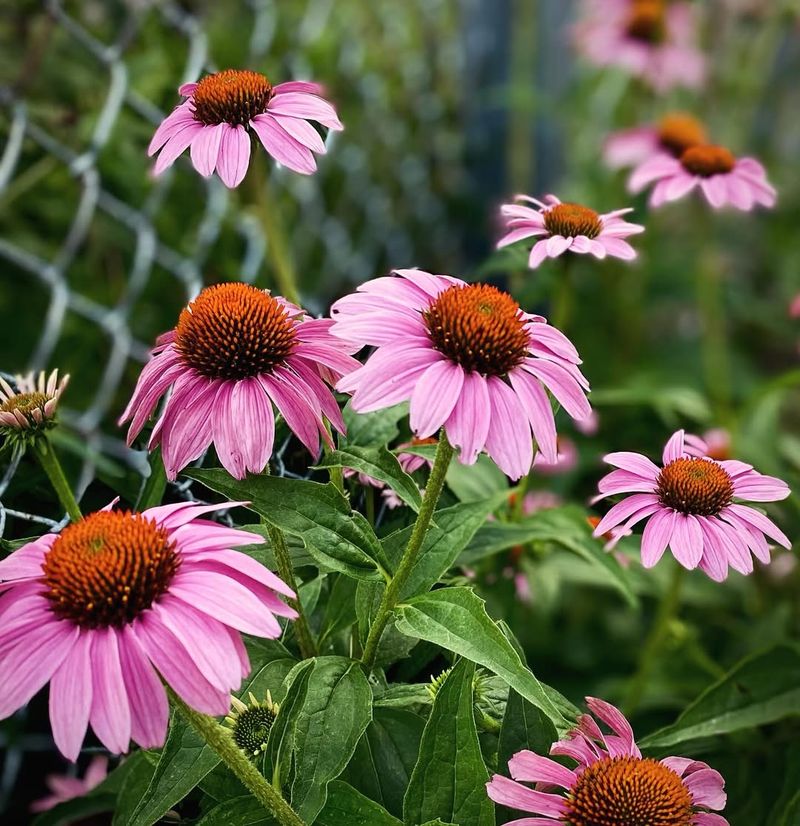
Purple coneflowers sway alongside black-eyed Susans while bees buzz from bloom to bloom.
Native plant enthusiasts choose species that naturally occur in Pennsylvania’s ecosystems, creating gardens that support local wildlife and require less maintenance than traditional ornamental beds.
This approach has grown increasingly popular as gardeners recognize the environmental benefits of working with nature rather than against it.
These gardeners research which plants originally grew in their specific region of Pennsylvania before European settlement.
They might include woodland wildflowers like trillium and bloodroot in shaded areas, or prairie species like little bluestem grass and butterfly weed in sunny spots.
The goal is creating habitat that benefits native birds, butterflies, and beneficial insects.
One major advantage of this style is reduced maintenance once plants establish themselves.
Native species evolved to thrive in Pennsylvania’s climate and soil conditions, so they typically need less watering, fertilizing, and pest control than exotic ornamentals.
They’ve adapted to local rainfall patterns and temperature swings over thousands of years.
Native plant gardeners often become amateur naturalists, learning to identify species and understand ecological relationships.
They discover that monarch butterflies need milkweed plants to complete their life cycle, or that native oaks support hundreds of caterpillar species that feed baby birds.
This knowledge deepens their appreciation for the complex web of life in their backyard.
Finding native plants can require some effort, as many garden centers stock mostly non-native ornamentals.
However, specialized nurseries throughout Pennsylvania now offer native species, and plant sales hosted by conservation organizations provide excellent sources.
The result is a garden that looks beautiful while supporting the local ecosystem.
3. The Container Gardener
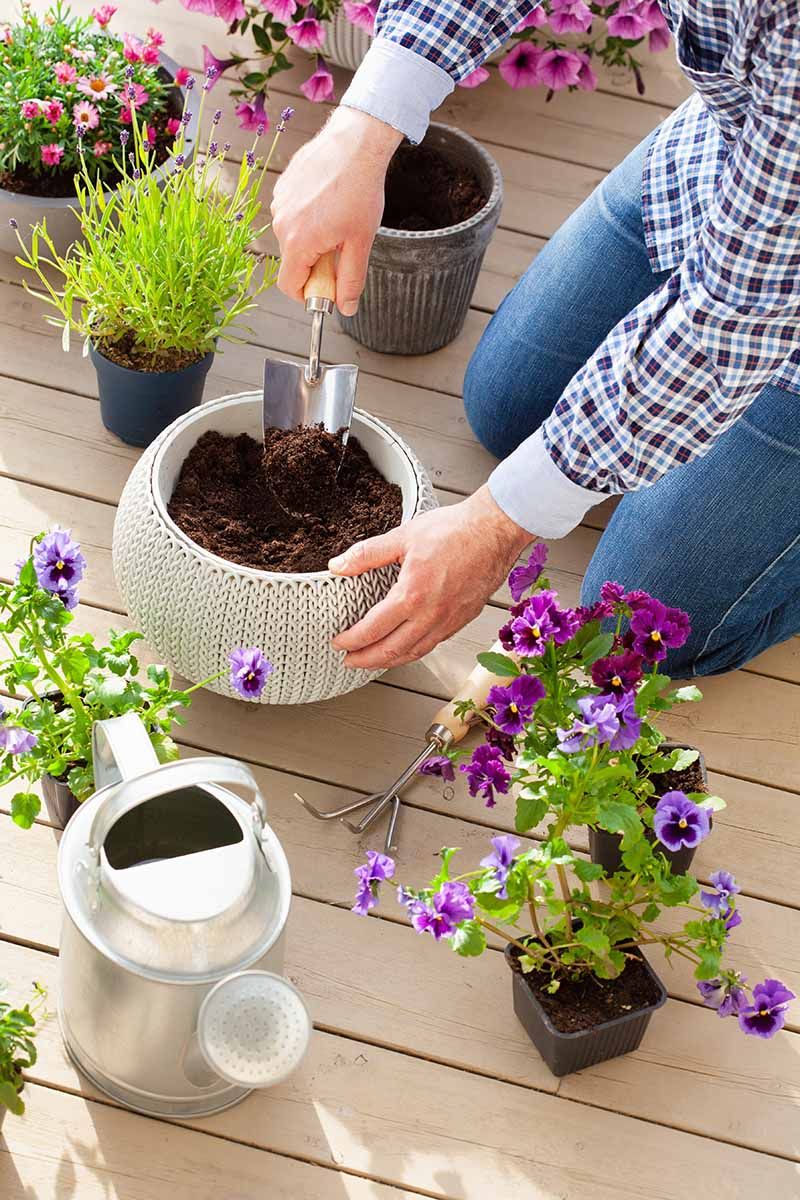
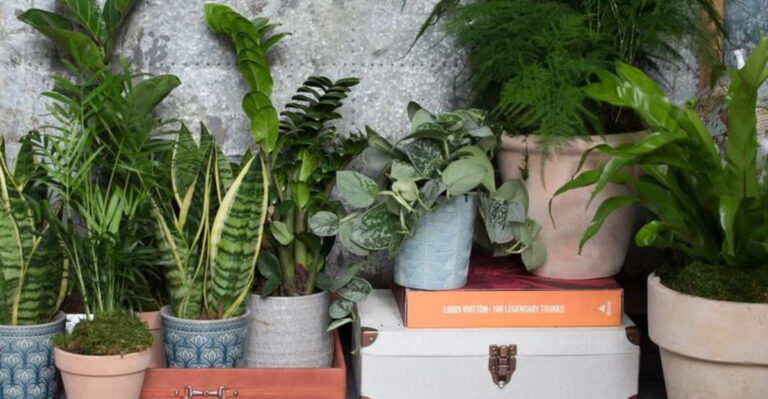
Pots, planters, and containers transform small spaces into productive gardens.
Container gardeners make the most of limited room, whether on apartment balconies in Pittsburgh, narrow city yards in Philadelphia, or small patios anywhere across Pennsylvania.
This flexible style proves that you don’t need acres of land to enjoy growing plants.
The beauty of container gardening lies in its adaptability.
You can move pots to follow the sun throughout the day or bring tender plants indoors when Pennsylvania’s first frost threatens.
Containers allow gardeners to control soil quality completely, which helps when dealing with poor native soil or contaminated urban ground.
Successful container gardeners understand that pots require more attention than in-ground gardens.
Soil in containers dries out faster, especially during Pennsylvania’s hot summer days, so regular watering becomes essential.
Many use self-watering containers or install drip irrigation systems to maintain consistent moisture.
They also fertilize more frequently since nutrients wash through containers with each watering.
Plant selection matters tremendously in container gardening.
Compact vegetable varieties bred specifically for pots perform better than standard types.
Cherry tomatoes, lettuce, herbs, and peppers all thrive in containers.
Flowers like petunias, geraniums, and calibrachoa create stunning displays without requiring much root space.
Container gardeners often develop creative design skills, arranging pots at different heights and combining plants with complementary colors and textures.
They might stack containers vertically to maximize space or use hanging baskets to add another growing dimension.
Winter doesn’t end the fun either.
Cold-hardy pansies and ornamental kale keep containers looking attractive even as temperatures drop across Pennsylvania.
4. The Perennial Border Builder

Layers of color unfold throughout the seasons in carefully designed perennial borders.
These Pennsylvania gardeners think like artists, painting with plants that return year after year.
They arrange flowers by height, bloom time, and color to create ever-changing displays from early spring through late fall.
Planning a perennial border requires patience and vision.
Unlike annuals that provide instant color, perennials often take two or three years to reach their full potential.
Experienced border builders know the old saying: first year they sleep, second year they creep, third year they leap.
They plant with the future in mind, spacing plants according to their mature size rather than how they look fresh from the nursery.
Successful perennial gardens in Pennsylvania feature plants with staggered bloom times.
Spring might showcase early bulbs, bleeding hearts, and lungwort.
Summer brings daylilies, coneflowers, and bee balm.
Fall finishes with asters, sedums, and ornamental grasses.
By carefully selecting varieties, these gardeners ensure something always looks interesting in their borders.
Maintenance differs from vegetable gardening but still requires regular attention.
Perennial gardeners deadhead spent flowers to encourage more blooms, divide overcrowded clumps every few years, and cut back dry foliage in late fall or early spring.
They also wage ongoing battles against weeds, though thick plantings eventually shade out many unwanted plants.
Many perennial enthusiasts become plant collectors, always seeking new varieties to add to their borders.
They trade divisions with other gardeners, visit nurseries frequently, and attend garden tours for inspiration.
Their borders become living collections that mature and improve with each passing year.
5. The Cottage Garden Romantic
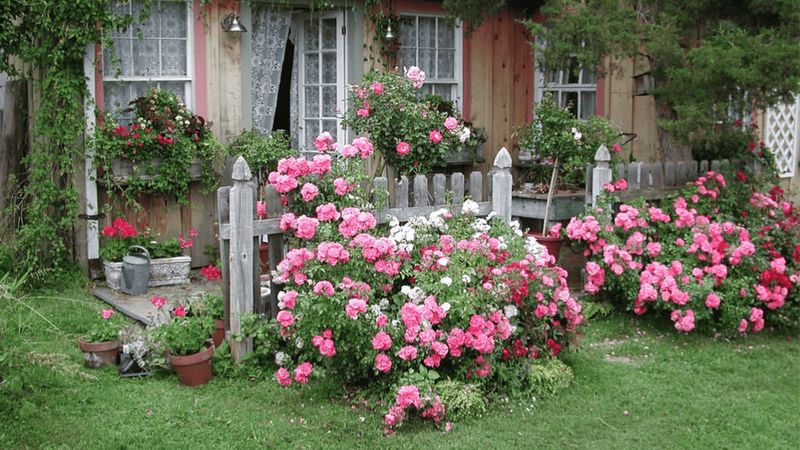
Flowers spill over pathways in glorious, seemingly unplanned abundance.
Cottage gardeners embrace a relaxed, romantic style that looks effortlessly beautiful but actually requires thoughtful plant selection and strategic placement.
This approach originated in English villages but adapts wonderfully to Pennsylvania’s climate and landscapes.
Unlike formal gardens with rigid structure, cottage gardens feel loose and natural.
Roses climb over arbors while lavender, catmint, and lady’s mantle soften pathway edges.
Tall flowers like foxgloves, hollyhocks, and delphiniums rise above mid-height perennials, creating layers of texture and color.
Self-sowing annuals like calendula and bachelor’s buttons pop up in unexpected places, adding to the garden’s casual charm.
Pennsylvania cottage gardeners often incorporate edibles among their ornamentals.
Rhubarb’s large leaves provide bold texture, while herbs like sage, thyme, and chives offer both beauty and utility.
This mixing of practical and pretty plants reflects the cottage garden’s humble origins when families needed every bit of space to produce food.
Color schemes in cottage gardens tend toward soft pastels or vibrant jewel tones rather than carefully coordinated palettes.
The goal is abundance and variety rather than matching.
Gardeners might pair pink roses with purple salvia, orange poppies with blue delphiniums, creating combinations that somehow work together despite breaking traditional design rules.
Maintenance involves regular deadheading to keep flowers blooming and occasional editing to prevent vigorous plants from overwhelming their neighbors.
Many cottage gardeners enjoy the slightly wild quality of their spaces, allowing plants to self-sow and spread naturally.
The result feels like stepping into a storybook, a magical retreat right in your Pennsylvania backyard.
6. The Low-Maintenance Landscaper
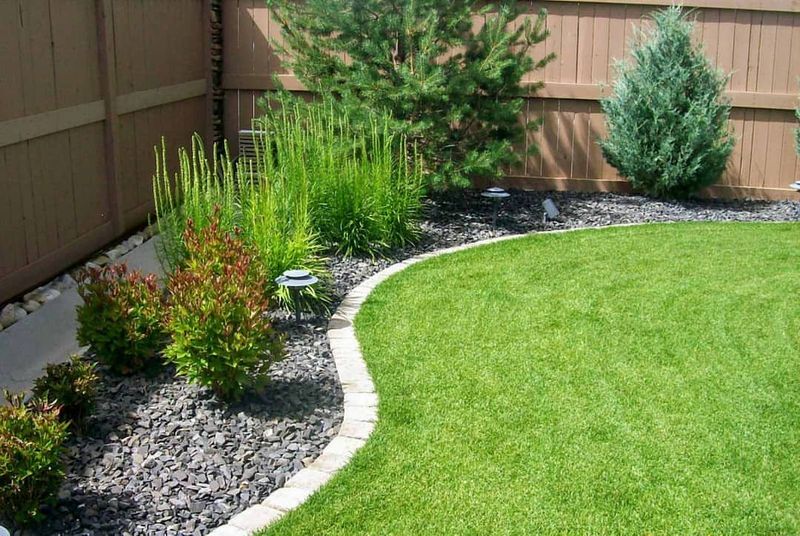
Busy schedules don’t mean giving up on attractive outdoor spaces.
Low-maintenance landscapers design yards that look great while requiring minimal time and effort to maintain.
This practical approach appeals to working families, retirees who want to reduce physical labor, and anyone who prefers spending weekends relaxing rather than weeding.
The foundation of low-maintenance landscaping involves smart plant choices.
Shrubs like boxwood, spirea, and hydrangea provide structure without constant pruning.
Ornamental grasses such as fountain grass and switchgrass offer year-round interest and rarely need attention.
Ground covers like creeping sedum or pachysandra fill spaces that might otherwise require weeding or mowing.
These Pennsylvania gardeners minimize lawn areas since grass demands regular mowing, watering, and fertilizing.
They might replace turf with mulched beds, hardscaping, or ground covers that need cutting just once or twice yearly.
When they do have lawn, they often choose low-maintenance grass varieties suited to their region’s conditions.
Mulch plays a starring role in low-maintenance landscapes.
A thick layer of wood chips or shredded bark suppresses weeds, retains soil moisture, and gives beds a finished appearance.
Refreshing mulch annually or every other year keeps gardens looking neat with minimal effort.
Irrigation systems, especially drip lines or soaker hoses on timers, eliminate the need for hand-watering.
Properly installed systems deliver water directly to plant roots, reducing waste and ensuring consistent moisture even during Pennsylvania’s occasional dry spells.
The low-maintenance approach doesn’t mean boring landscapes.
These gardens can include beautiful flowering shrubs, interesting foliage textures, and seasonal color from well-chosen perennials.
The difference is that everything requires less fussing, leaving more time to actually enjoy the outdoor space.
7. The Shade Garden Specialist
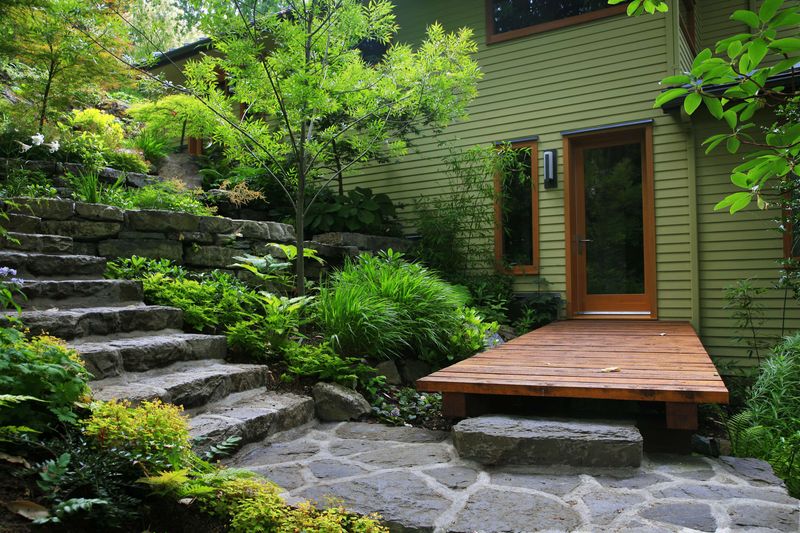
Mature trees cast cool shadows across many Pennsylvania properties, creating challenges for gardeners who assume they need full sun to grow anything interesting.
Shade garden specialists prove otherwise, transforming dim spaces under tree canopies into lush, beautiful retreats filled with texture and subtle color.
Understanding different types of shade helps these gardeners succeed.
Dappled shade under high tree branches differs from the deep darkness beside north-facing walls.
Light shade might receive direct sun for a few hours daily, while full shade never sees direct sunlight.
Each situation calls for different plant selections.
Hostas reign as the shade garden’s most popular perennial, offering incredible variety in leaf size, color, and texture.
But specialists go far beyond hostas, incorporating ferns, astilbe, bleeding heart, and coral bells.
Native woodland plants like trillium, Solomon’s seal, and wild ginger thrive in Pennsylvania’s shaded areas, creating naturalistic plantings that feel at home under trees.
Foliage becomes more important than flowers in shade gardens.
Variegated leaves, interesting textures, and contrasting forms create visual interest throughout the growing season.
Japanese painted ferns display silvery fronds, while heuchera offers leaves in burgundy, chartreuse, and purple.
Combining different foliage colors and shapes produces stunning effects without requiring constant blooms.
Soil improvement matters tremendously in shade gardens, especially under trees where roots compete for nutrients and moisture.
Adding compost and ensuring adequate water helps shade plants establish and thrive.
Many shade specialists also remove lower tree branches to increase light penetration and air circulation.
The reward for mastering shade gardening is transforming problem areas into peaceful, cooling retreats.
These gardens offer respite during hot Pennsylvania summers, creating spaces that feel refreshing and serene.