What Washington Homeowners Should Do The Moment Wildfire Smoke Reaches Their Yard
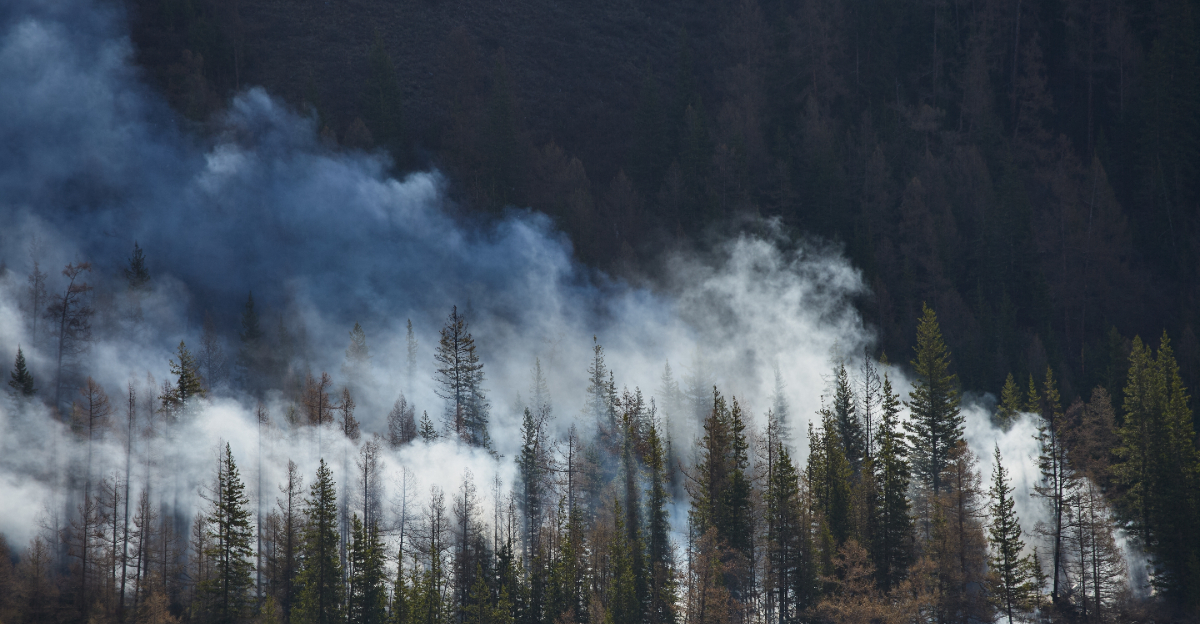
One minute the sky over your Washington backyard is clear, and the next it’s the color of weak tea, smoke rolling in from a fire you can’t even see. Ash settles on your tomato leaves like unwanted snow, coating your soil in a fine gray film.
Your lungs notice it first, but your garden feels it too. Smoke carries fine particulates that can clog plant pores, block sunlight your vegetables depend on, and shift the chemistry of your soil.
For Washington homeowners, this is a season within a season, one that demands quick action, not a wait-and-see shrug. What you do in the first hours shapes how your yard recovers once the air clears.
1. Hose Down Leaves To Remove Soot And Ash
Ash is sneaky. It settles quietly on every leaf surface before you even notice the smell.
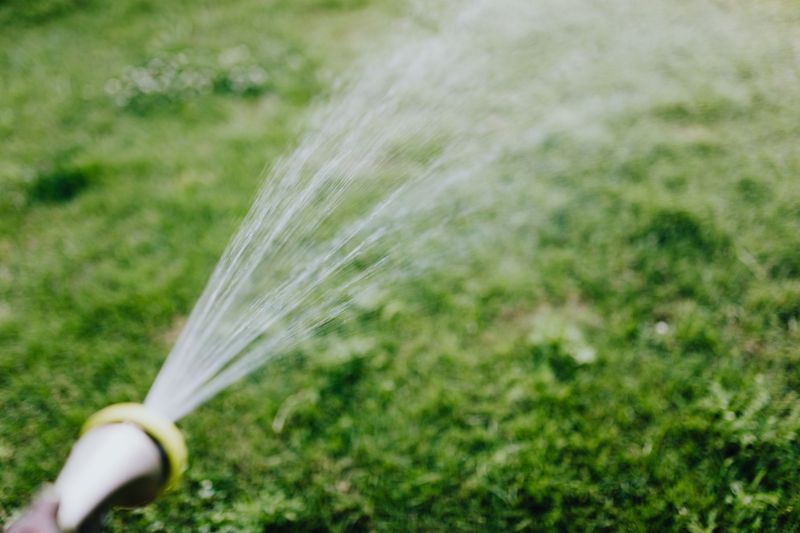
When wildfire smoke reaches your yard, one of the first things you should grab is your garden hose. Soot and ash contain harmful compounds that can block sunlight and clog the tiny pores plants use to breathe.
A gentle rinse from the hose helps wash those particles off before they cause lasting damage. Focus on the tops and undersides of leaves, since ash loves to hide beneath them.
Do not blast your plants with high pressure. A soft, sweeping spray is all you need to get the job done safely.
Rinse in the early morning or late afternoon when temperatures are cooler. Washing during peak heat can stress already-struggling plants even more.
Pay extra attention to edible plants like tomatoes, kale, or herbs. Ash on food crops is not just an aesthetic problem, it can affect flavor and safety.
After rinsing, let your plants air dry naturally. Avoid rubbing leaves dry with a cloth, since that can grind particles deeper into the surface.
If smoke is heavy and ongoing, plan to rinse your plants every day or two. Consistency is key when wildfire smoke keeps rolling through your neighborhood.
Your plants cannot speak up when they are struggling. A quick hose-down is one of the easiest ways to show your garden you are paying attention.
2. Water Plants Deeply Before And During Smoke Events
Smoke stress is real for plants. When wildfire smoke settles in, your garden is already working harder than usual.
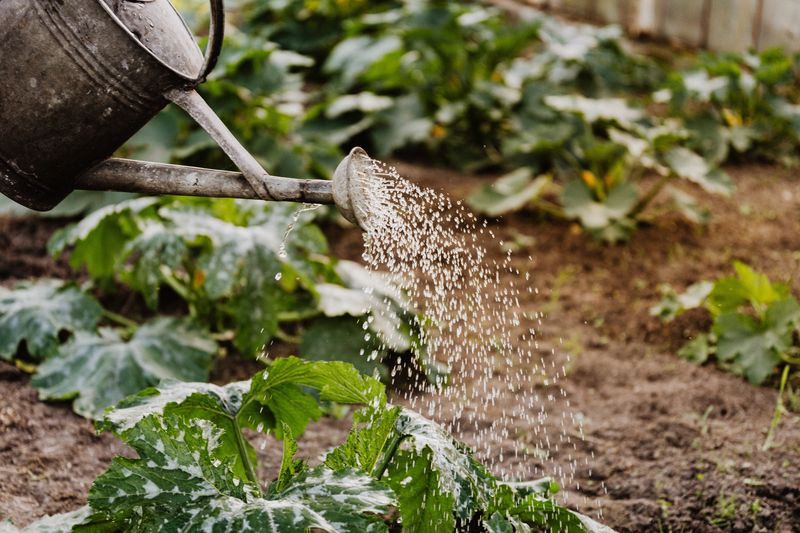
Deep watering before a smoke event gives plants a strong moisture reserve to draw from. Think of it like filling up your gas tank before a long road trip.
Wildfire smoke reduces the sunlight plants receive, which slows photosynthesis. When that happens, a well-hydrated plant handles the stress far better than a dry one.
Use a soaker hose or drip system to deliver water directly to the root zone. Surface watering is less effective because much of it evaporates before reaching where it matters most.
Water deeply means letting moisture soak six to eight inches into the ground. A quick splash on the surface is not enough to build the reserves your plants need.
Your Washington Garden Changes Every Week. Your Plan Should Too.
Gardening in Washington changes quickly throughout the season. Every Friday you’ll receive a simple weekly plan showing exactly what to plant, prune, fertilize, harvest, and protect so you never miss the right timing.
During a smoke event, check soil moisture every day. Smoky conditions can be deceptively drying, especially when winds accompany the haze.
Container plants need extra attention since they dry out faster than in-ground beds. Check pots morning and evening to make sure they stay consistently moist.
Avoid overwatering, though, because soggy roots can lead to rot. The goal is steady, even moisture, not a swamp.
A hydrated plant is a resilient plant. Giving your garden a deep soak before smoke arrives is one of the smartest moves a Washington homeowner can make.
3. Cover Sensitive Plants With Breathable Mesh
Some plants just cannot handle the heat, or the haze. Delicate seedlings, flowering herbs, and young transplants are especially vulnerable when wildfire smoke settles in.
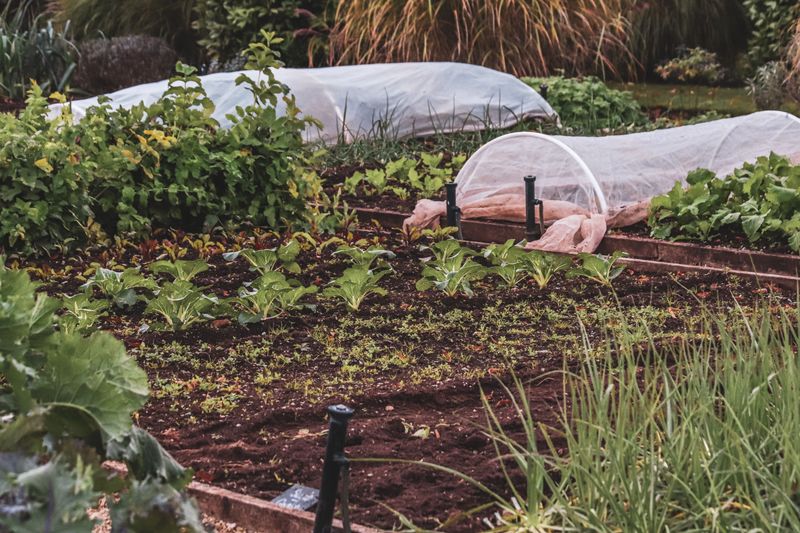
Breathable mesh fabric, sometimes called row cover, acts like a lightweight shield. It blocks airborne ash and soot particles while still allowing air and some light to pass through.
You can find row cover at most garden centers or online. It comes in various weights, and the lightest options work best during smoke events since they do not trap excess heat.
Drape the mesh loosely over your plants so it does not press down on tender stems or flowers. Use garden stakes or hoops to create a small tent shape above the plants.
Secure the edges with rocks, stakes, or soil to keep the cover from blowing away. Smoke-filled winds can be gusty, so do not assume a light drape will stay put.
Check underneath the mesh daily to make sure plants are not overheating or showing signs of moisture stress. Even with protection, your garden still needs monitoring.
Remove the covers on calm, clear days to let plants breathe and soak up full sunlight. Extended covering without breaks can weaken growth over time.
This simple step takes about fifteen minutes and can meaningfully speed up recovery for your most sensitive plants. A little fabric goes a long way when smoke rolls in from the mountains.
4. Add Mulch To Protect Soil From Airborne Particles
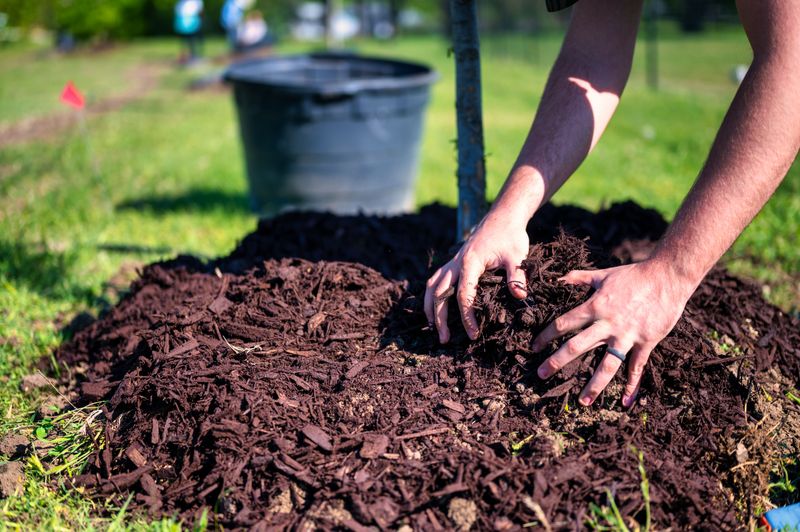
Your soil is alive. Beneath the surface, billions of microorganisms work around the clock to keep your garden healthy and productive.
When wildfire smoke blankets your yard, airborne ash and chemical particles can settle directly onto bare soil. Over time, those deposits can shift the pH and disrupt the microbial balance your plants depend on.
Adding a fresh layer of mulch creates a protective barrier between the sky and your soil. Think of it as giving your garden a cozy, protective blanket during a rough stretch of weather.
Wood chips, straw, or shredded bark all work well for this purpose. Aim for a two-to-three inch layer spread evenly around plant bases and throughout garden beds.
Mulch does more than block particles. It also helps retain soil moisture, which is especially valuable when smoke-related stress is already taxing your plants.
Keep mulch a few inches away from plant stems to prevent rot and pest issues. A gap at the base of each plant keeps things healthy beneath the surface.
If you already have mulch down, check whether it needs a top-up. Old mulch breaks down over time and may not offer enough coverage during a heavy smoke event.
Refreshing your mulch takes less than an hour for most average-sized garden beds. That small investment of time helps protect the soil health you’ve built up from being disrupted during a smoky week.
5. Delay Fertilizing Until The Air Clears
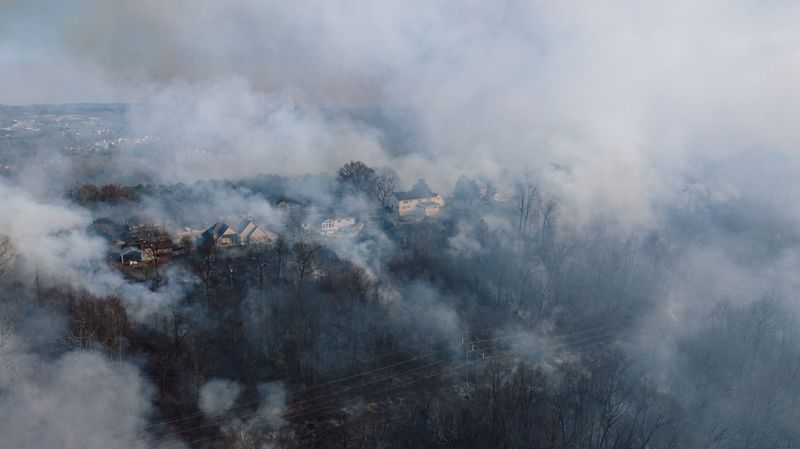
Timing is everything in gardening. Applying fertilizer during a wildfire smoke event is a bit like giving someone a heavy meal when they are already feeling sick.
Plants under smoke stress are not in growth mode. Their systems slow down as they cope with reduced sunlight, ash deposits, and compromised air quality.
When you add fertilizer to stressed plants, the nutrients often go unused. Worse, excess nitrogen sitting in the soil can cause problems like salt buildup or root burn.
Put the fertilizer bag back on the shelf and wait. Patience here is genuinely the smarter gardening move, even if it feels counterintuitive.
Most plants can go two to three weeks without a fertilizer boost without suffering any long-term setback. They are tougher than we sometimes give them credit for.
Once the smoke clears and air quality improves, resume your regular feeding schedule. Your plants will be far more ready to absorb and benefit from those nutrients when conditions normalize.
If you had already planned a fertilizing day before the smoke rolled in, simply reschedule it. One delayed feeding session will not derail a healthy garden.
Check your local air quality index before heading back outside with that fertilizer bag. A reading below 100 is generally considered safe for outdoor garden work.
Skipping fertilizer for now is not giving up on your garden. It is giving your garden the space it needs to get through a tough stretch in one piece.
6. Wear Protective Gear Before Working Outside

Before you step outside into smoky air, suit up. Your body deserves the same protection you give your plants.
Wildfire smoke contains fine particles called PM2.5, which are tiny enough to pass deep into your lungs. Even short outdoor exposure during heavy smoke events can irritate your respiratory system.
An N95 mask is your best friend during smoky garden sessions. Standard cloth masks or surgical masks do not filter fine particles effectively enough to protect you outdoors.
Pair your mask with safety glasses or goggles to protect your eyes. Smoke irritants can cause redness, watering, and discomfort even after just a few minutes outside.
Wear long sleeves and gloves to limit skin contact with ash particles. Ash can contain heavy metals and chemical residues from burned structures or vegetation.
Keep your outdoor work sessions short during smoke events. Even with full protective gear, limiting exposure time is the smartest approach.
Wash your hands, face, and any exposed skin thoroughly after coming back inside. Do not touch your face before washing up, no matter how quick your outdoor trip was.
Leave your shoes at the door to avoid tracking ash particles inside your home. That small habit keeps your indoor air quality cleaner for everyone in the house.
Protecting yourself is not optional when wildfire smoke reaches your yard. No garden task is worth compromising your health, so gear up before heading outside during smoky conditions.
7. Keep Pets And Kids Indoors During Smoky Conditions

Kids and pets are not just small humans and furry companions, they are more vulnerable to smoke exposure than most adults realize.
Children breathe faster than adults, which means they take in more air per minute. During smoky conditions, that faster breathing rate increases how many harmful particles enter their lungs.
Pets face similar risks, especially dogs who spend time sniffing the ground where ash and particles settle. Their noses are close to the source, and their curious habits put them at higher risk.
Keep everyone indoors when the air quality index climbs above 100. That number signals that outdoor air is unhealthy for sensitive groups, which includes children and animals.
If your kids need to burn off energy, set up indoor activities that keep them moving and entertained. A rainy-day mindset works perfectly for smoky days too.
For dogs, use indoor playtime, puzzle toys, or short hallway fetch sessions to meet their exercise needs. Most dogs adapt quickly when their humans stay calm and upbeat.
Cats are typically fine staying inside, but make sure all windows and doors are sealed well. Smoky air can seep through gaps around older window frames.
Run an air purifier with a HEPA filter in the main living areas to keep indoor air as clean as possible. Change filters regularly, especially during extended smoke events.
Your family’s health comes first. When wildfire smoke reaches your yard, keeping loved ones inside is the most important call you can make.
8. Test Soil After Smoke Clears From Your Yard
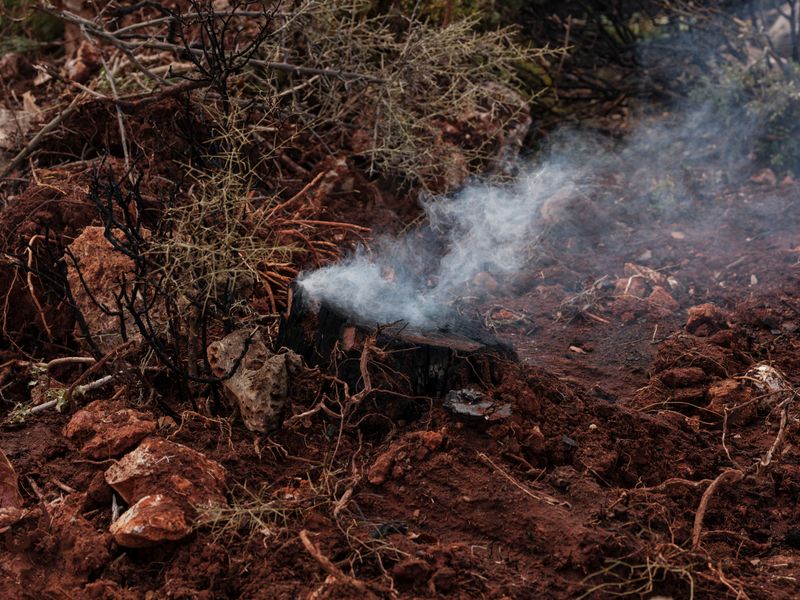
The smoke is gone, the sky is blue again, and your yard looks almost normal. But your soil may be telling a different story beneath the surface.
Wildfire ash can alter soil chemistry in surprising ways. Depending on what burned nearby, ash deposits can raise soil pH and introduce heavy metals or toxins into your garden beds.
A soil test gives you a clear picture of what changed. Most Washington State University Extension offices can connect you with affordable local soil testing labs and provide instructions for taking a sample at home.
Collect samples from several spots across your yard for the most accurate results. Mix them together before sending to the lab to get a representative reading of your whole garden.
Testing typically checks for pH, nutrient levels, and sometimes heavy metal contamination. Results usually come back within one to two weeks, depending on the lab.
If your pH shifted higher than your plants prefer, sulfur amendments can help bring it back down. Your test results will often include specific recommendations for your soil type.
Do not assume everything is fine just because your plants look okay on the surface. Some chemical changes take weeks to show visible effects on plant health.
Share your results with a local Master Gardener or extension agent if you are unsure how to interpret them. Free guidance is often just a phone call away.
Testing your soil after wildfire smoke clears is the final piece of a smart recovery plan for Washington homeowners who want their gardens to truly bounce back strong.