What Wyoming Law Says About A Neighbor’s Unmanaged Weed Growth Spreading Into Your Yard
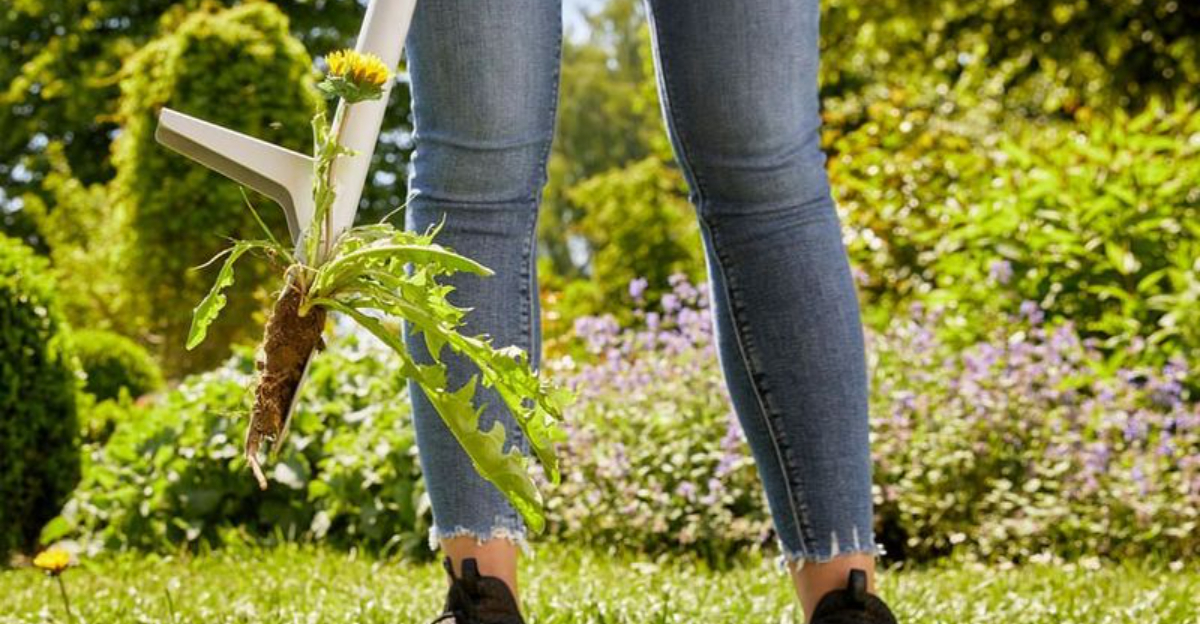
Weeds can be a real headache, especially when they come from your neighbor’s yard and invade your own carefully maintained lawn.
You might wonder if there’s anything you can do about it legally, or if you’re stuck pulling dandelions that aren’t even your fault.
Wyoming has specific laws and local ordinances that address property maintenance, weed control, and your rights as a homeowner.
Understanding these rules can help you handle the situation peacefully while protecting your property.
Wyoming State Statutes On Property Maintenance Standards
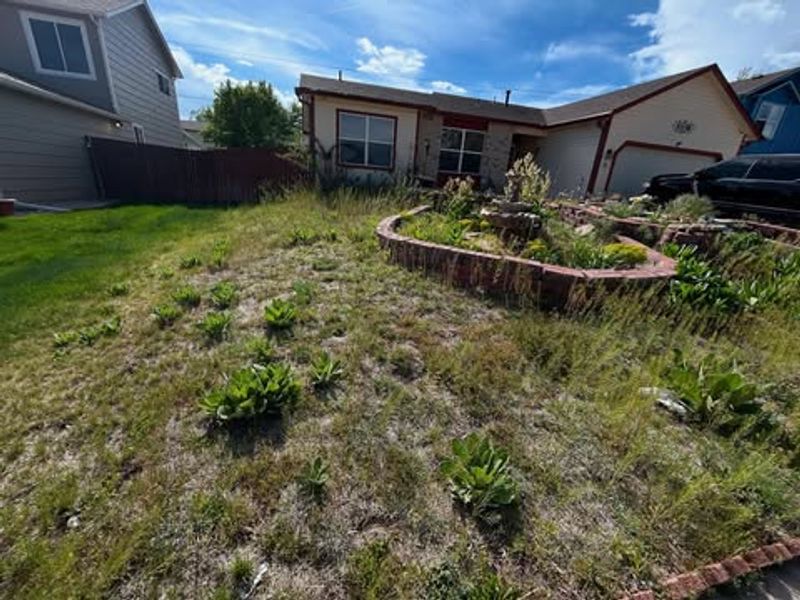
Property owners in Wyoming have a legal responsibility to maintain their land in a way that doesn’t negatively affect neighboring properties.
State statutes give counties and municipalities the authority to create and enforce rules about vegetation control, including weeds that can spread or create hazards.
While Wyoming doesn’t have a single statewide weed law that applies to every residential property, local governments can pass ordinances requiring landowners to manage noxious weeds and overgrown vegetation.
These rules exist to protect public health, prevent fire hazards, and maintain community standards.
If your neighbor’s weeds are spreading into your yard, the first step is checking your local county or city ordinances to see what specific standards apply.
Many Wyoming communities have clear definitions of what counts as unmanaged vegetation and what property owners must do about it.
Knowing these laws gives you a solid foundation when discussing the issue with your neighbor or seeking help from local authorities.
Your county weed and pest district may also have regulations that specifically target invasive or noxious weed species that threaten agricultural land or native ecosystems throughout Wyoming.
Noxious Weed Control Districts And Their Role
Every county in Wyoming has a Weed and Pest Control District that works to manage and eliminate noxious weeds across the state.
These districts have the legal authority to enforce weed control on private property when certain invasive species are present.
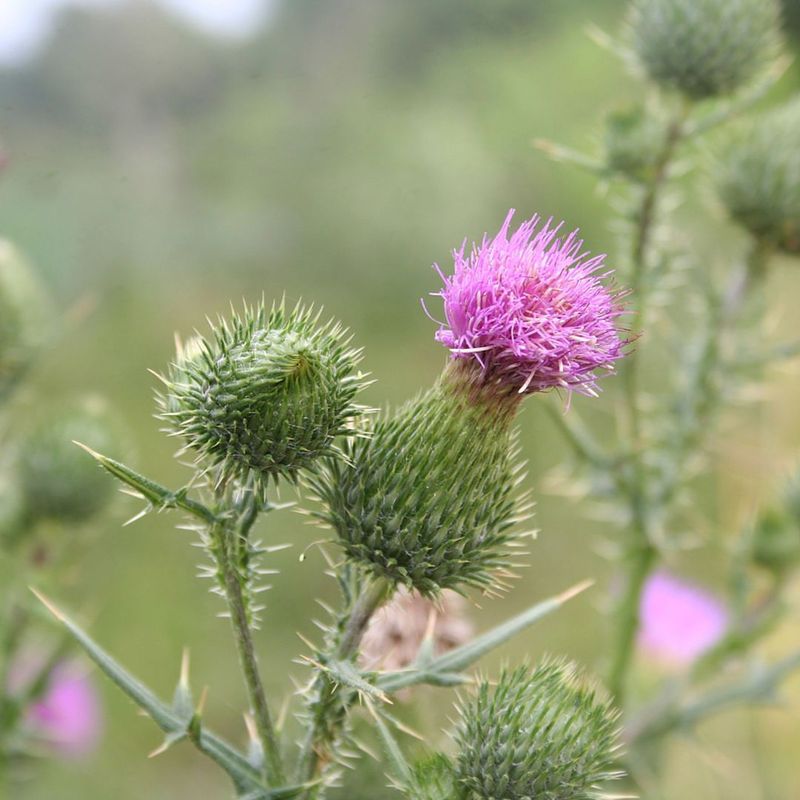
Noxious weeds are plants officially designated by the state as harmful because they crowd out native plants, reduce crop yields, or pose environmental threats.
Common examples in Wyoming include leafy spurge, Canada thistle, and Russian knapweed.
If your neighbor’s yard contains noxious weeds that are spreading to your property, you can file a complaint with your local Weed and Pest Control District.
The district will investigate and can require the property owner to remove the weeds within a specified timeframe.
Failure to comply can result in the district removing the weeds themselves and billing the property owner for the cost.
This system protects Wyoming landowners from the economic and environmental damage that invasive weeds can cause.
Contact your county’s district office to identify whether the weeds in question are classified as noxious and what steps you can take.
Municipal Ordinances Governing Weed Height And Growth
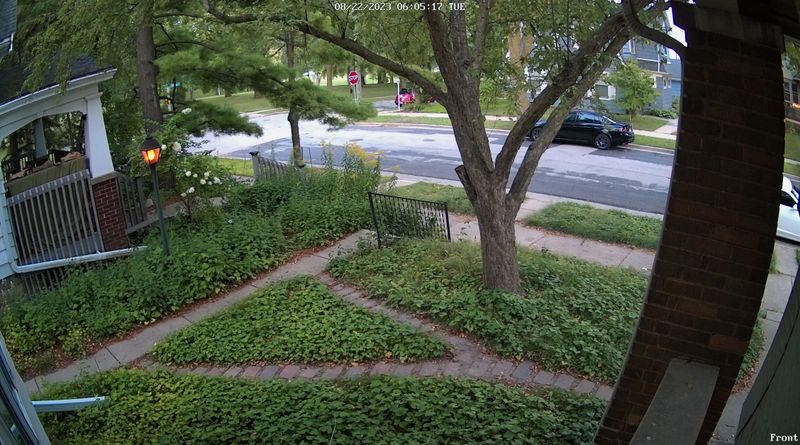
Many cities and towns across Wyoming have local ordinances that set maximum allowable heights for grass and weeds on residential properties.
For example, some municipalities require property owners to keep vegetation below eight or ten inches in height.
These rules are designed to prevent properties from becoming eyesores, reducing property values, and attracting pests like rodents or ticks.
Cheyenne, Casper, Laramie, and other Wyoming cities enforce such ordinances through their code enforcement departments.
If your neighbor’s weeds exceed the height limit and are encroaching on your property, you can report the violation to your city’s code enforcement office.
An inspector will typically visit the property, assess the situation, and issue a notice to the property owner if a violation exists.
The owner is usually given a deadline to mow or remove the overgrown vegetation.
Continued non-compliance can lead to fines or the city contracting the work and placing a lien on the property.
Check your local municipal code online or call city hall to learn the specific weed height rules in your area.
Nuisance Laws And How They Apply To Weeds
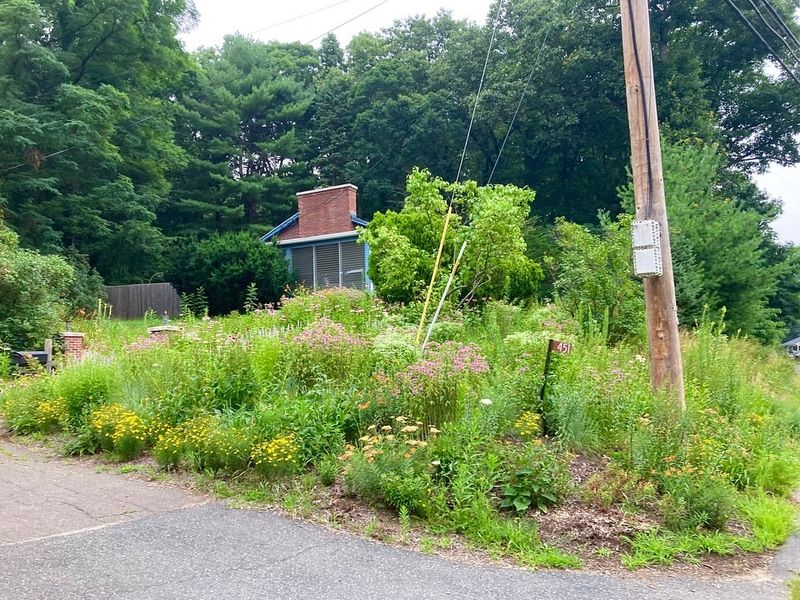
Wyoming law recognizes that certain conditions on a property can constitute a legal nuisance if they interfere with a neighbor’s use and enjoyment of their own land.
Unmanaged weed growth can sometimes qualify as a nuisance, especially if it causes tangible harm like attracting pests, creating allergens, or blocking sunlight.
Nuisance laws are typically enforced through civil court, meaning you may need to file a lawsuit if informal solutions and local code enforcement don’t resolve the problem.
To succeed in a nuisance claim, you generally need to prove that the weeds cause you actual harm and that the harm is unreasonable.
Courts in Wyoming will consider factors like the severity of the weed problem, whether it violates local ordinances, and if your neighbor has made any effort to address it.
Winning a nuisance case can result in a court order requiring your neighbor to remove the weeds or even awarding you damages for any losses you suffered.
Before going to court, document the weed problem with photos, keep records of any complaints you’ve made, and try to resolve the issue through conversation or mediation.
Your Right To Remove Encroaching Vegetation
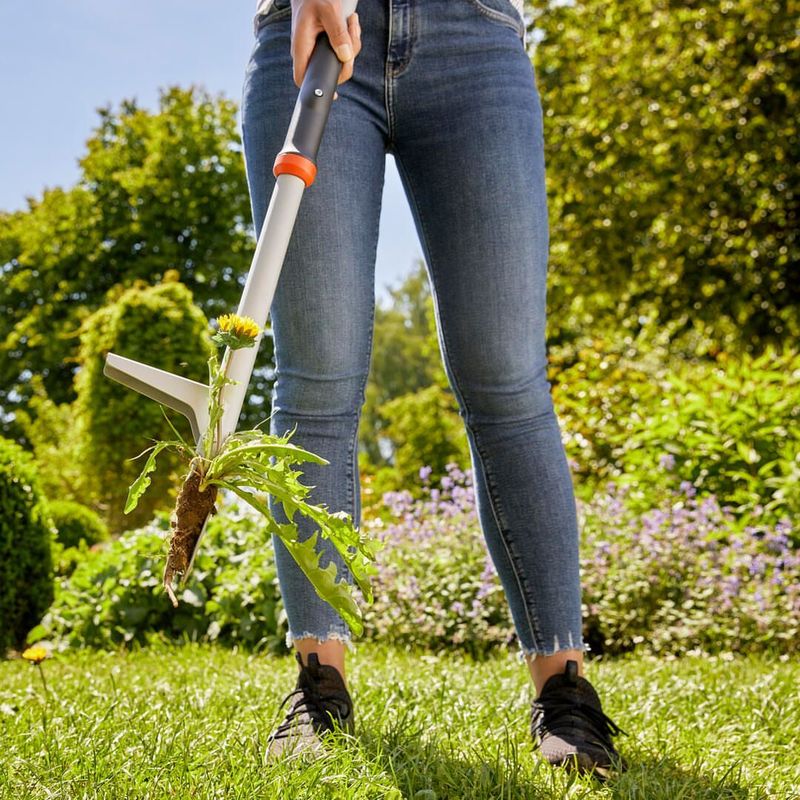
Under Wyoming law, property owners generally have the right to trim or remove vegetation that crosses over the property line onto their land.
This includes weeds, tree branches, and roots that encroach from a neighbor’s yard.
However, you must be careful to only cut back what is on your side of the boundary.
Entering your neighbor’s property without permission to remove weeds could lead to trespassing claims or damage disputes.
It’s always best to talk to your neighbor first and ask them to handle the problem themselves.
If they refuse or ignore your request, you can legally cut back the weeds that have crossed onto your property.
Be sure to know exactly where your property line is before taking action—survey records or a professional survey can help clarify boundaries.
Keep any weeds or vegetation you remove in case you need to show evidence later.
If the encroaching weeds are noxious species, notify your county Weed and Pest District rather than handling it yourself, as improper removal can sometimes spread seeds or roots.
Respecting property lines while protecting your own land is key to avoiding legal trouble in Wyoming.
Filing A Formal Complaint With Local Authorities
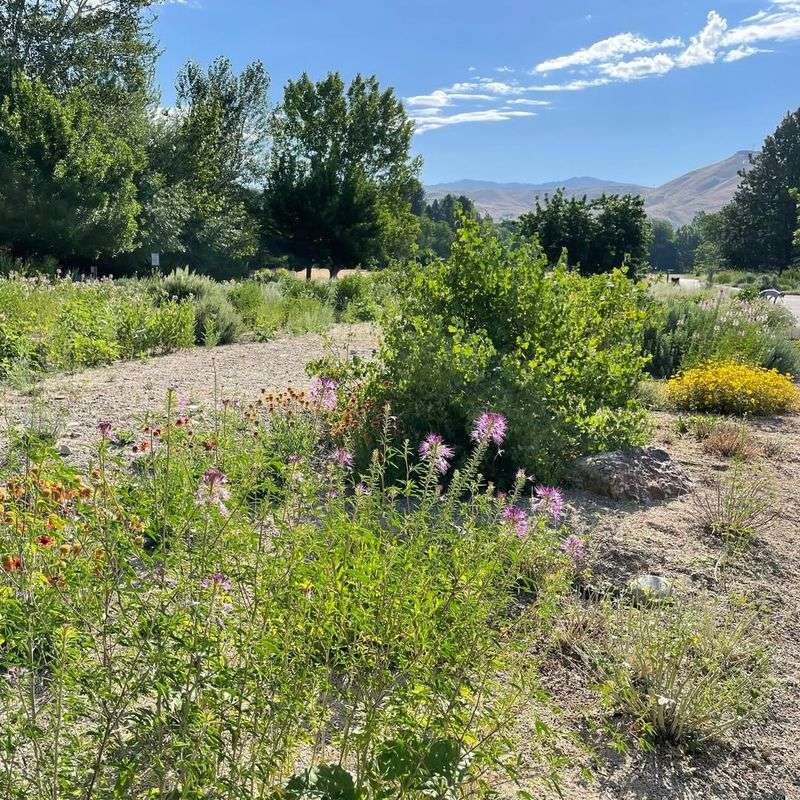
When friendly conversations don’t resolve the weed problem, filing a formal complaint with local authorities is often the next step.
Start by contacting your city or county code enforcement office to report the violation.
Provide as much detail as possible, including your address, your neighbor’s address, photos of the weeds, and any relevant ordinance numbers if you know them.
Code enforcement officers will investigate the complaint and determine if a violation exists.
If they find that your neighbor is breaking local weed control rules, they’ll issue a notice requiring corrective action within a set timeframe.
Most Wyoming municipalities allow property owners a chance to fix the problem before imposing penalties.
If your neighbor fails to comply, the city or county may hire a contractor to remove the weeds and charge the property owner for the cost.
You can also contact your county Weed and Pest Control District if noxious weeds are involved.
Keep copies of all correspondence and follow up regularly to ensure your complaint is being addressed.
Formal complaints create an official record that can support further legal action if needed.
Mediation And Neighborly Communication Strategies
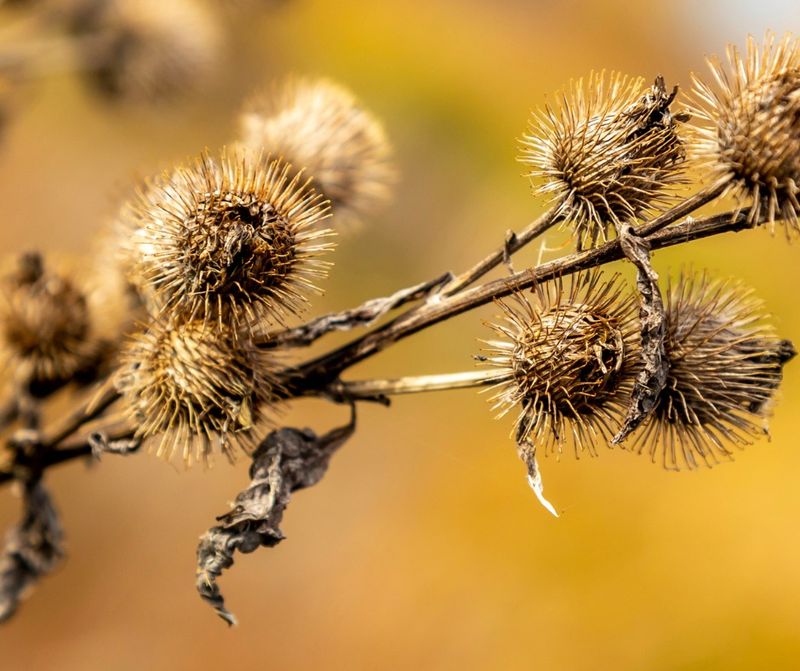
Before pursuing legal action, consider mediation or direct communication as a way to resolve weed disputes peacefully.
Many conflicts between neighbors arise from misunderstandings or simple neglect rather than intentional disregard.
Start with a polite, face-to-face conversation explaining how the weeds are affecting your property and asking if your neighbor can take care of them.
Approach the discussion calmly and avoid accusations, which can make people defensive.
If talking in person feels uncomfortable, a friendly written note can also work.
Some Wyoming communities offer free or low-cost mediation services through local dispute resolution centers, which can help both parties reach an agreement without going to court.
Mediation sessions are confidential and led by a neutral third party who helps facilitate productive conversation.
This approach often preserves neighborly relationships and leads to faster, less expensive solutions than lawsuits.
Document any agreements you reach in writing so both parties are clear on expectations.
Even if mediation doesn’t solve the problem completely, it shows good faith and can strengthen your position if you later need to involve authorities or the courts.
Potential Consequences For Property Owners Who Ignore Weed Laws
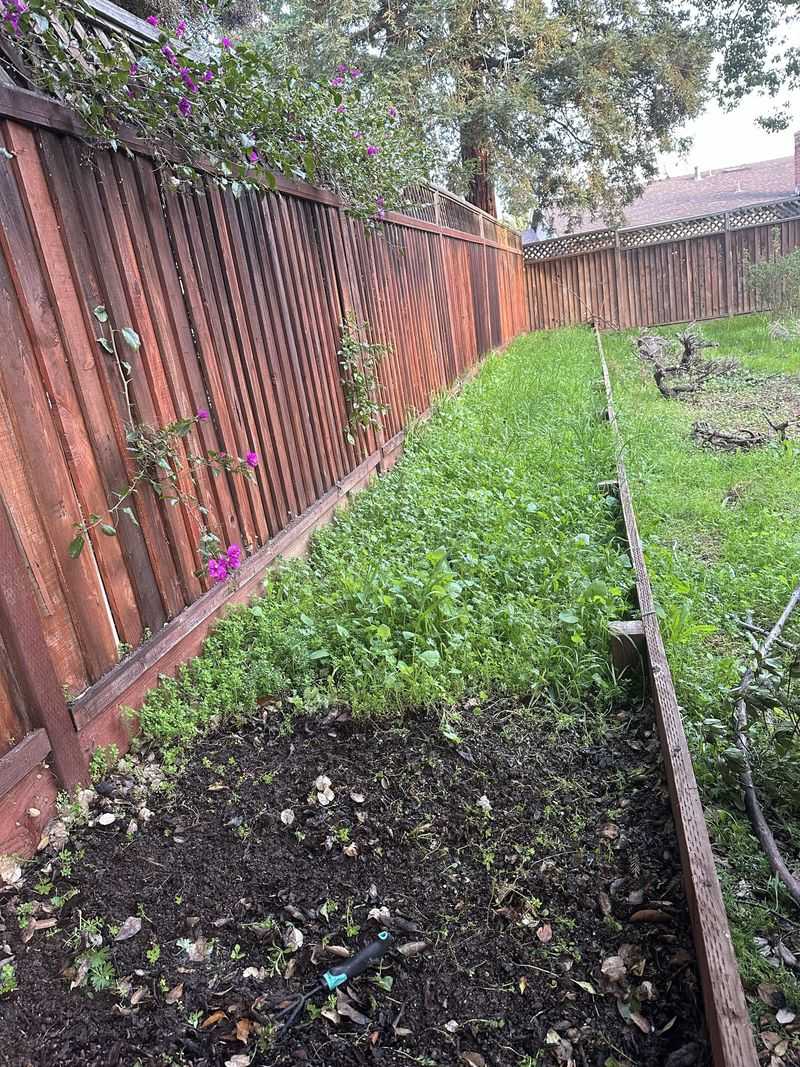
Property owners in Wyoming who fail to manage weeds in accordance with local laws can face a range of consequences.
Initial violations typically result in a warning or notice to comply, giving the owner a chance to fix the problem within a specific period, often between seven and thirty days.
If the owner ignores the notice, fines can be imposed, ranging from fifty dollars to several hundred dollars depending on the municipality or county.
Repeated violations can lead to escalating fines and additional penalties.
In some cases, the local government may enter the property and remove the weeds themselves, then bill the owner for the cost of labor and materials.
If the owner refuses to pay, a lien can be placed on the property, which must be settled before the property can be sold.
For noxious weed violations, the county Weed and Pest District has similar enforcement powers and can take aggressive action to protect surrounding properties.
In extreme situations, ongoing non-compliance can even affect property insurance or lead to legal action from affected neighbors.
Understanding these consequences can help motivate property owners to stay on top of weed control throughout Wyoming.