What You Need To Create A Butterfly Garden In Your Arizona Yard
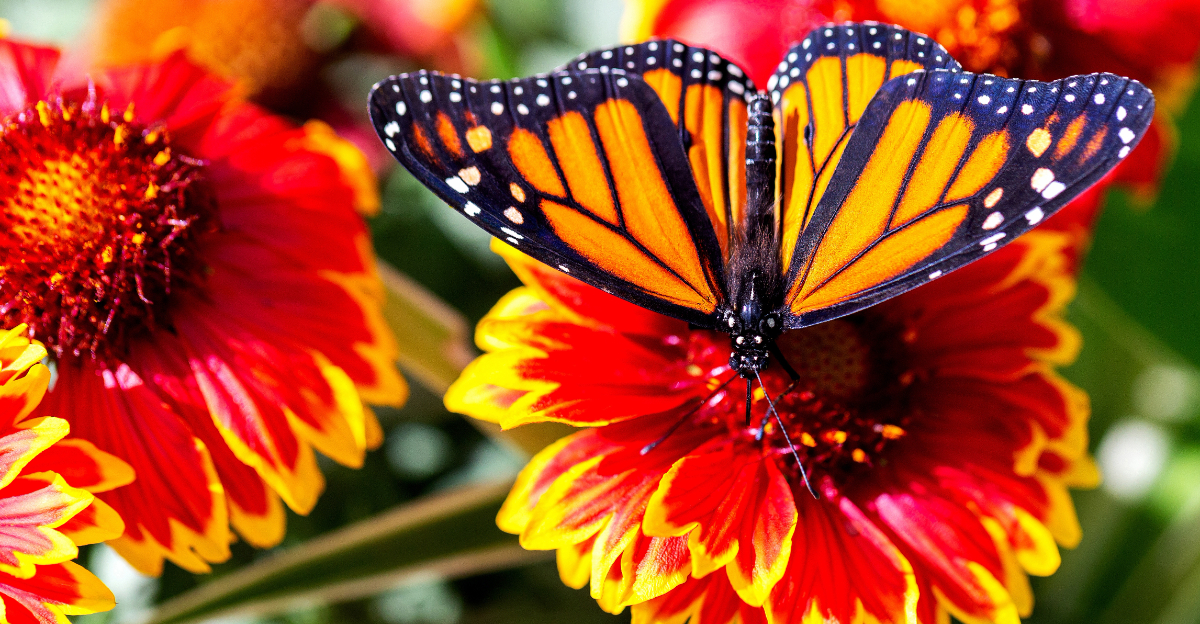
Butterflies don’t show up in an Arizona yard by accident. The spaces that attract them tend to feel calm, balanced, and intentionally planted rather than crowded or random.
Creating that kind of garden takes more than adding a few colorful plants. In Arizona’s climate, food sources, sun exposure, and shelter determine whether butterflies stay or disappear once temperatures rise.
A butterfly garden doesn’t have to be large or complicated. It’s about choosing the right plants and arranging them in a way that fits Arizona conditions.
With the right setup, butterflies appear more often, linger longer, and turn the yard into a space that feels active and alive throughout the season.
1. Choose Nectar Plants That Handle Arizona Heat
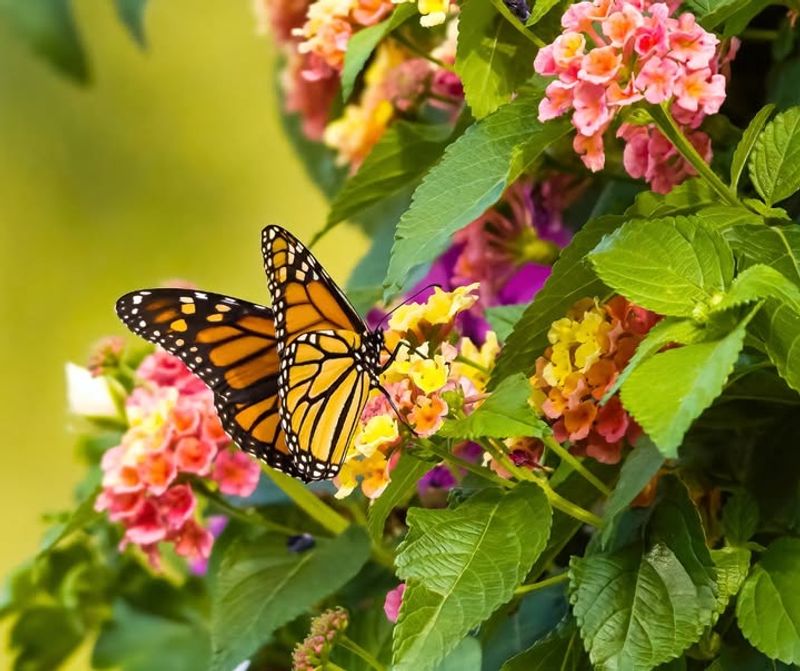
Butterflies need energy, and they get it from nectar-rich flowers that can survive Arizona’s brutal summer temperatures. Many traditional butterfly plants from other regions simply can’t handle the intensity of desert sun, so your plant selection makes all the difference.
Desert marigold, brittlebush, and desert zinnia are champions in Arizona yards because they bloom prolifically even when temperatures soar above 110 degrees.
Penstemons are another excellent choice, with their tubular flowers perfectly shaped for butterfly tongues. Red, orange, and purple varieties attract the most attention from passing butterflies.
Lantana thrives in Arizona heat and produces clusters of tiny flowers that butterflies adore, though it needs occasional trimming to prevent it from taking over your garden.
Native milkweed species like desert milkweed and Arizona milkweed serve double duty as both nectar sources and host plants. They’re perfectly adapted to Arizona’s climate and require far less water than non-native varieties.
Salvia species, particularly autumn sage and desert sage, bloom for months and handle both heat and cold beautifully.
Plant at least five different nectar species to ensure something is always blooming. Butterflies have preferences, and different species are attracted to different flower shapes, colors, and scents.
Grouping the same plants together rather than scattering single specimens makes it easier for butterflies to spot food sources from the air, turning your Arizona garden into a butterfly magnet that functions efficiently in desert conditions.
2. Include Host Plants For Caterpillars, Not Just Flowers
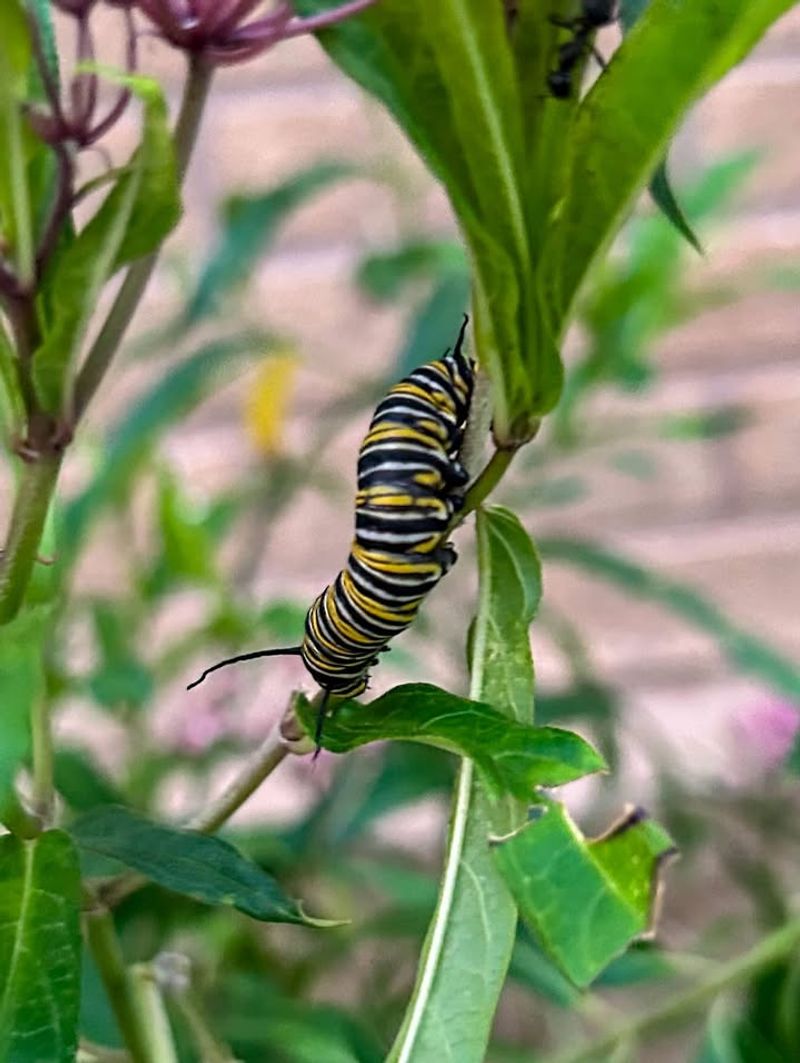
Most gardeners focus only on nectar plants and wonder why butterflies visit but never stay. The missing piece is host plants, which are specific plants where butterflies lay eggs and caterpillars feed.
Without host plants, you’re running a restaurant without a nursery, and butterflies need both to complete their life cycle in your Arizona yard.
Each butterfly species has evolved to use particular plants as hosts. Monarch butterflies exclusively use milkweed species, so without milkweed, you’ll never have monarch caterpillars munching away in your garden.
Swallowtails prefer plants in the citrus and parsley families, making desert rue and citrus trees excellent additions to Arizona butterfly gardens.
Passionvine attracts gulf fritillaries, which are common in southern Arizona during warm months. The caterpillars will consume leaves voraciously, and that’s exactly what you want.
Don’t panic when you see chewed foliage; it means your garden is working as a complete butterfly habitat.
Native grasses serve as hosts for many skipper species that flutter through Arizona gardens. Snapdragon vine, also called climbing snapdragon, hosts the common buckeye butterfly and grows well in Arizona’s climate with moderate water.
Hackberry trees host several butterfly species and provide shade for your garden while supporting the complete butterfly life cycle from egg to adult, making your Arizona yard a true sanctuary rather than just a feeding station.
3. Plant In Full Sun Where Butterflies Are Most Active
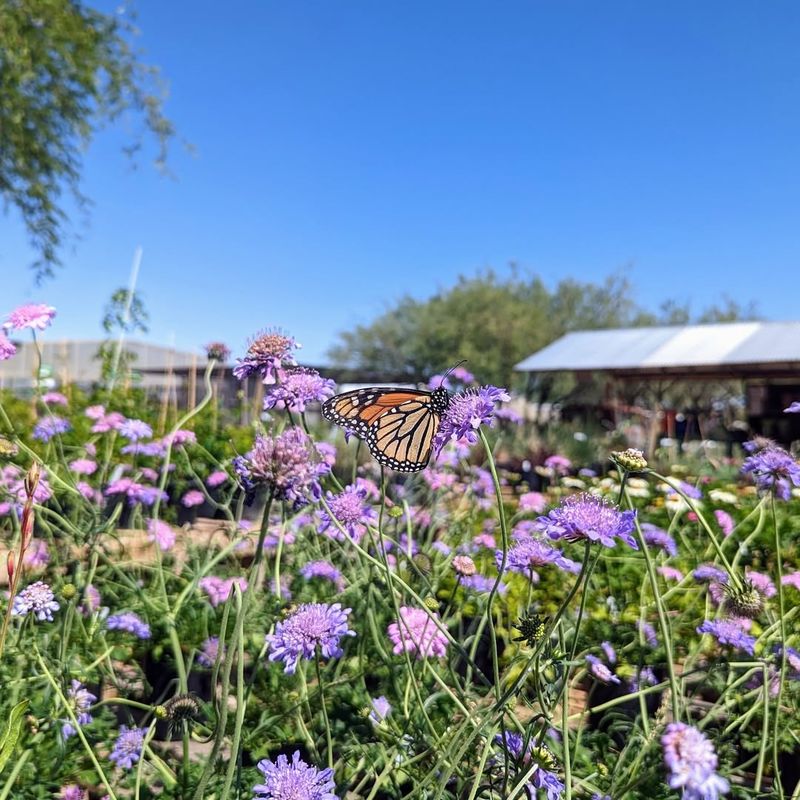
Butterflies are solar-powered creatures that need warmth to fly, and Arizona’s abundant sunshine makes it perfect butterfly territory. They’re most active in full sun areas where temperatures reach the levels they need for flight muscles to function properly.
Placing your butterfly garden in a shaded location, no matter how pretty, will result in disappointment because butterflies simply won’t spend time there.
Choose the sunniest spot in your Arizona yard, ideally one that receives at least six to eight hours of direct sunlight daily. South-facing areas work best because they capture maximum sun exposure throughout the day.
Morning sun is particularly important because butterflies need to warm up after cool desert nights before they can fly effectively.
Butterflies also use sunny spots for basking, spreading their wings on warm surfaces to absorb heat. Flat rocks placed strategically in your garden provide perfect basking platforms.
These rocks heat up quickly in Arizona’s intense sun and give butterflies the energy boost they need.
Wind protection matters too, so consider placing your sunny butterfly garden near a wall, fence, or hedge that blocks prevailing winds without creating shade. Butterflies struggle to feed when strong winds buffet them around.
The combination of full sun and wind protection creates an ideal microclimate in your Arizona yard where butterflies will congregate, feed, and reproduce throughout the warm months when they’re most active in the desert Southwest.
4. Group Plants Together To Create Visible Color Patches
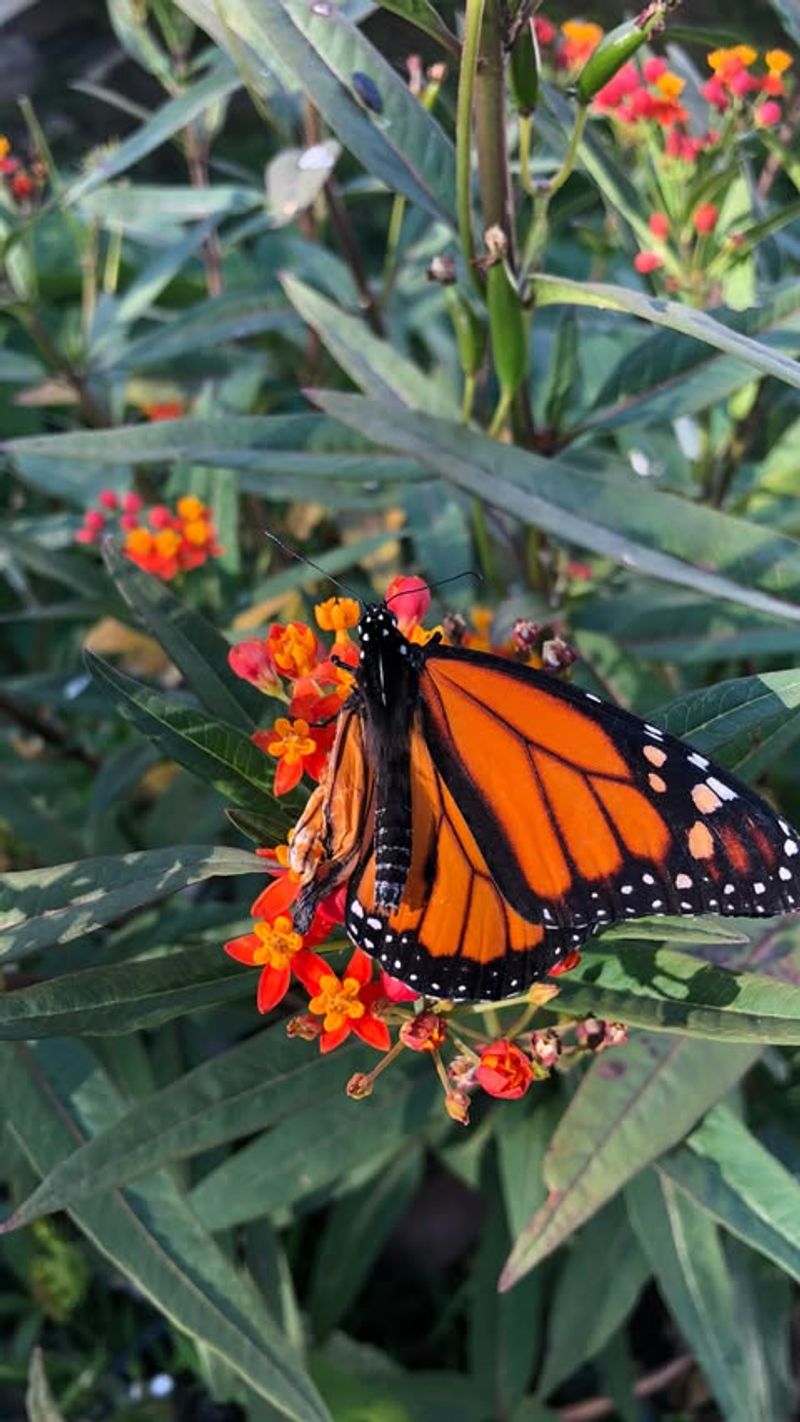
Butterflies have excellent color vision but spot flowers from a distance by looking for large patches of color rather than individual blooms. Planting single specimens scattered throughout your Arizona yard forces butterflies to work harder to find food, and they’ll often pass right by without noticing.
Mass plantings create visual targets that attract butterflies from much farther away.
Group at least three to five plants of the same species together to create substantial color blocks. A cluster of red penstemons makes a much bigger visual impact than five penstemons scattered across your garden.
Butterflies flying overhead can spot these concentrated color patches and will investigate them as potential food sources.
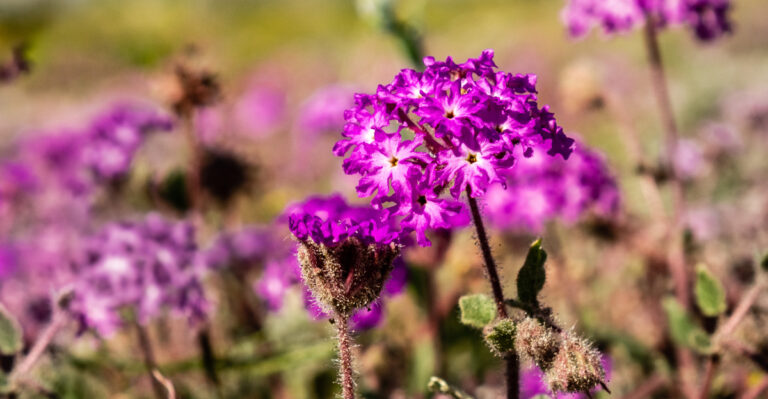
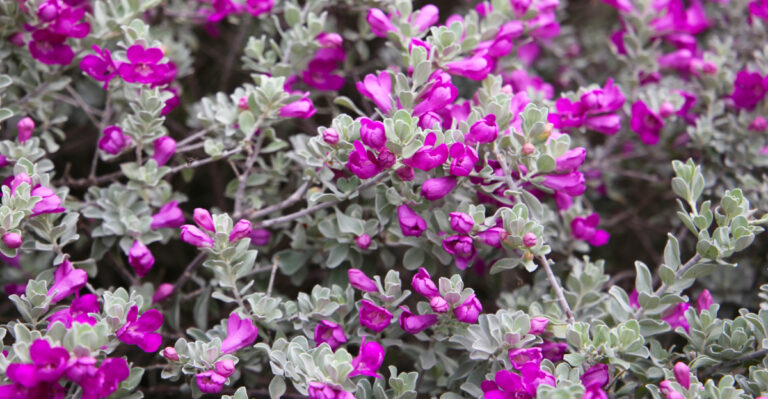
Different butterflies prefer different colors, so create multiple color zones in your Arizona garden. Many species are drawn to purple and red flowers, while others prefer yellow or white blooms.
By grouping colors together, you’re essentially creating different restaurants that cater to different butterfly preferences.
Keep plant groupings fairly compact, within a few feet of each other, so butterflies can move efficiently from flower to flower without expending unnecessary energy. This clustering approach also makes watering more efficient in Arizona’s dry climate because you can focus irrigation on specific areas.
The visual impact of massed plantings creates a more attractive garden for both butterflies and human visitors, turning your Arizona yard into a destination that butterflies can easily locate and remember for future visits.
5. Provide Shallow Water For Drinking And Cooling
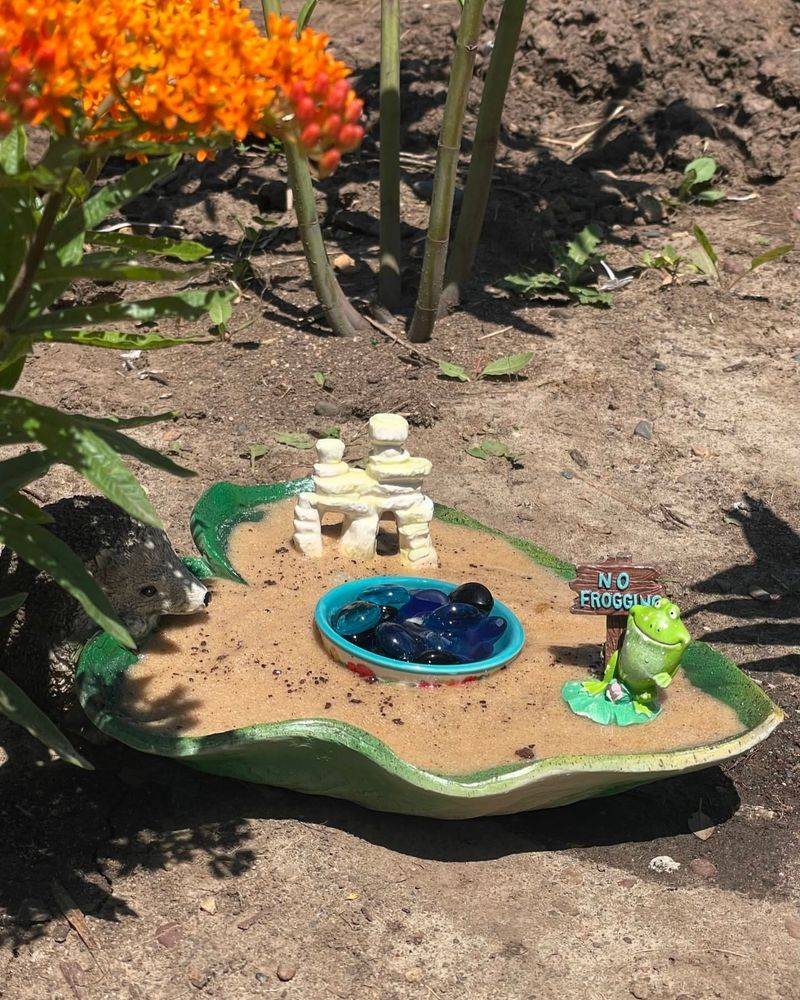
Butterflies don’t drink from deep water sources like birdbaths because they can’t land safely on open water surfaces. Instead, they need shallow water sources where they can stand on wet soil or sand while sipping moisture.
This behavior, called puddling, also allows butterflies to absorb essential minerals and salts from damp earth, which are crucial for reproduction.
Create a simple puddling station by filling a shallow dish or saucer with sand or soil and keeping it consistently moist. Place a few flat rocks in the dish so butterflies have landing platforms.
In Arizona’s heat, these puddling stations dry out quickly, so check them daily and add water as needed.
Position your water source in a sunny spot near your nectar plants so butterflies can easily find it. Male butterflies particularly seek out puddling sites because they need the minerals for producing sperm packets.
You’ll often see groups of males congregating at successful puddling stations in Arizona gardens.
Another option is creating a small depression in your garden soil that you can flood occasionally. Line it with sand or decomposed granite, both readily available in Arizona, and keep it damp.
Some gardeners add a pinch of salt or a bit of overripe fruit to make their puddling stations even more attractive. During Arizona’s intense summer heat, these water sources become critical for butterfly survival, making your garden an essential oasis in the desert landscape.
6. Avoid Pesticides That Harm Butterflies And Larvae
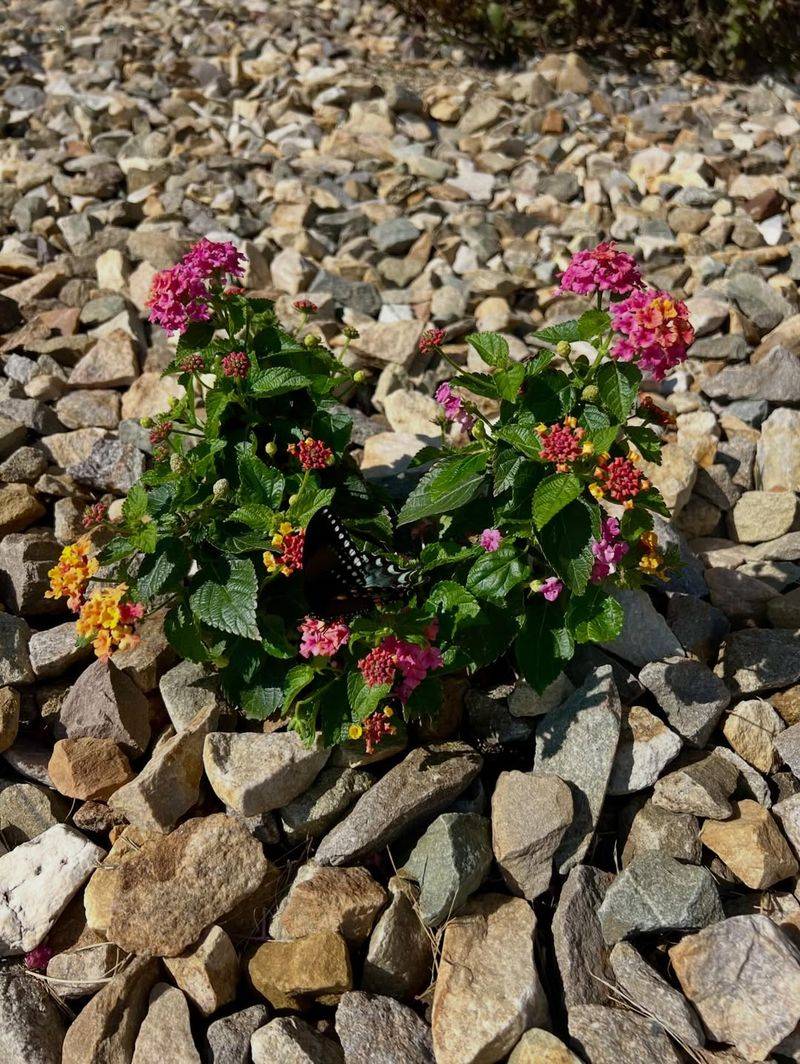
Pesticides designed to eliminate garden pests don’t discriminate between harmful insects and beneficial butterflies. Even products labeled as organic can be toxic to caterpillars and adult butterflies.
If you’re using any type of insecticide in your Arizona yard, you’re essentially working against your goal of creating a butterfly sanctuary.
Caterpillars are particularly vulnerable because they spend weeks feeding on plant leaves, giving them extended exposure to any pesticide residues. Many common garden pesticides remain active for days or weeks after application.
Adult butterflies can absorb toxins through their feet when they land on treated surfaces or through their proboscis when drinking nectar from sprayed flowers.
Systemic pesticides are especially problematic because they’re absorbed into plant tissues, making the entire plant toxic. These products can’t be washed off because they’re inside the plant itself.
Butterflies feeding on nectar or caterpillars eating leaves from treated plants will ingest these chemicals.
Accept that some leaf damage is normal and healthy in a butterfly garden. Those chewed leaves mean caterpillars are thriving in your Arizona yard.
If pest problems become severe, use targeted physical removal instead of sprays. Hand-picking problem insects or using a strong spray of water to dislodge them works effectively without harming butterflies.
Native Arizona plants typically have fewer pest problems because they’ve evolved alongside local insects. By choosing adapted plants and tolerating minor cosmetic damage, you’ll create a truly safe haven for butterflies throughout their entire life cycle in your desert garden.
7. Use Mulch And Gravel To Reduce Water Stress
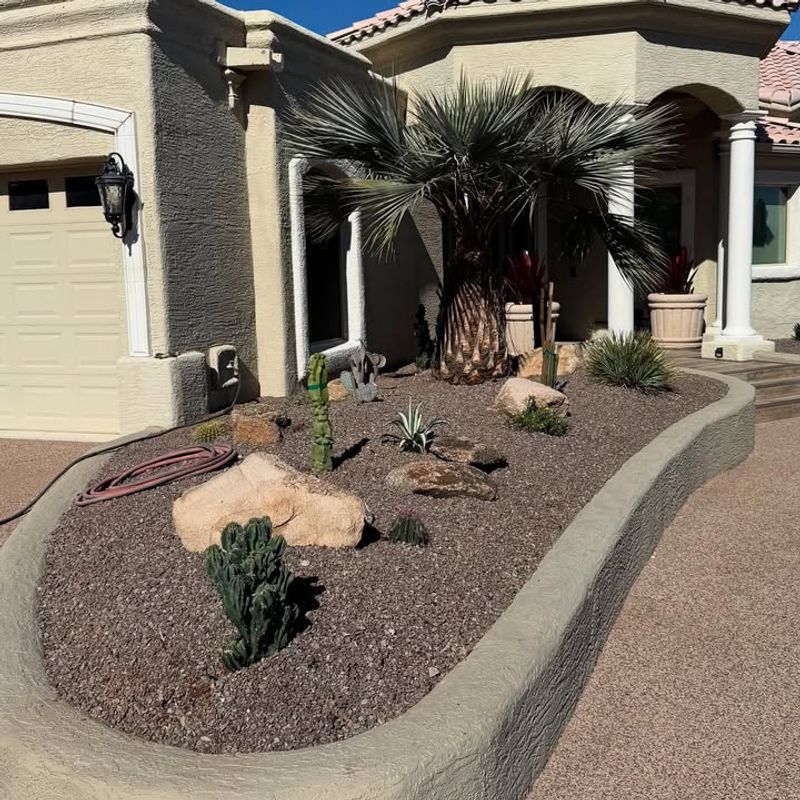
Water conservation is essential in Arizona gardening, and proper mulching helps your butterfly plants survive with less irrigation. Bare soil loses moisture rapidly through evaporation in Arizona’s intense heat and low humidity.
A layer of mulch or gravel insulates the soil, keeping roots cooler and reducing water loss significantly.
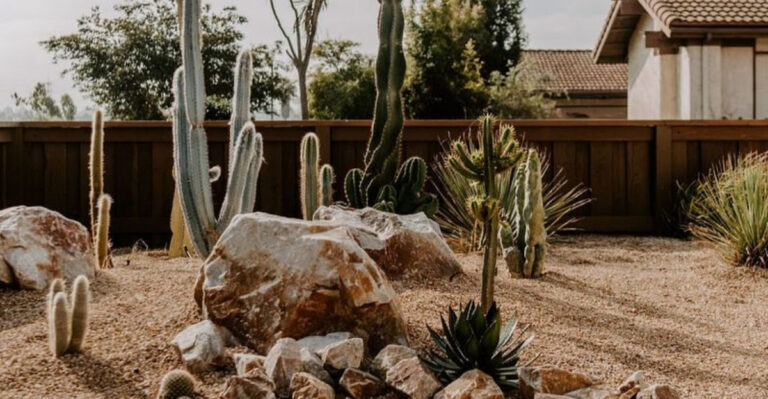
Decomposed granite is an excellent choice for Arizona butterfly gardens because it reflects less heat than bare soil while still allowing water to penetrate. It comes in various colors that complement desert landscaping and won’t blow away in strong winds.
Spread it two to three inches deep around your plants, keeping it slightly away from stems to prevent rot.
Organic mulches like shredded bark work well too, though they break down faster in Arizona’s heat and need replenishing more often. They do add organic matter to soil as they decompose, which can benefit plant health.
Wood chips are another option, particularly in shadier areas where they won’t dry out as quickly.
Rock mulch creates basking spots for butterflies while conserving water. Flat rocks absorb heat during the day and release it slowly, helping butterflies warm up during cooler mornings.
Avoid using landscape fabric under mulch because it prevents butterflies from puddling and blocks beneficial insects that need soil access.
Proper mulching reduces your watering frequency by up to fifty percent in Arizona gardens, making butterfly gardening more sustainable and less time-consuming while still providing the healthy plants that butterflies need for nectar and host purposes.
8. Plan For Blooms Across Multiple Seasons
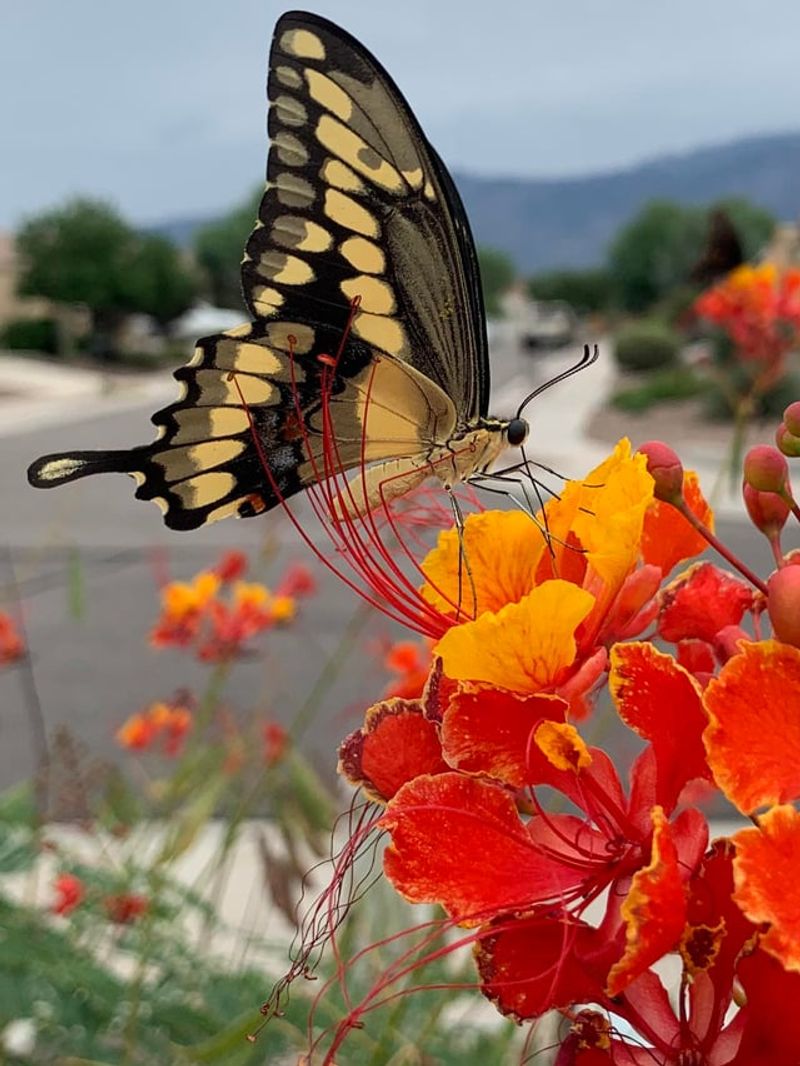
Arizona’s mild winters and long growing season mean butterflies can be active almost year-round, especially in southern parts of the state. Planning for continuous blooms ensures your garden provides resources during every season when butterflies are flying.
A garden that only blooms in spring will be empty of butterflies by summer, wasting most of the year’s potential.
Spring bloomers like desert marigold and lupines get your butterfly season started. As temperatures rise into summer, heat-lovers like desert zinnia and trailing lantana take over, providing nectar through the hottest months when many other plants shut down.
These summer performers are crucial in Arizona because butterfly activity remains high even when temperatures exceed 100 degrees.
Fall brings another wave of blooms from plants like autumn sage and desert marigold, which often rebloom after summer monsoons bring moisture. This fall period is particularly important because many butterfly species migrate through Arizona during autumn months.
Winter bloomers are fewer but valuable, with plants like fairy duster and some penstemon varieties providing nectar during warm winter days.
Create a bloom calendar for your Arizona garden, listing which plants flower during which months. Aim for at least two or three species blooming during every season.
This planning ensures butterflies find food whenever they visit your yard. Some plants like desert milkweed bloom for extended periods, providing reliable nectar for months.
By thinking about seasonal succession, you’ll create a butterfly garden that functions as a true year-round habitat in Arizona’s unique climate.