What You Need To Know About The Dangerous Shrub Showing Up In California Backyards
California gardens are full of surprises—but one shrub has been quietly spreading across yards, posing serious risks to homeowners and pets alike. Though it may look attractive with lush foliage and vibrant flowers, this plant is anything but harmless.
Its thorns, toxins, or invasive tendencies make it a real headache for gardeners who aren’t prepared. That pretty shrub in your neighbor’s yard could be silently dangerous!
Homeowners need to be aware of how this shrub behaves, why it’s spreading, and the problems it can cause. From damaging property and crowding out native plants to causing skin irritation or poisoning, understanding the risks helps you take preventive action before it becomes a bigger issue.
Early detection and proper management are key to keeping your California backyard safe and beautiful. Not every ornamental plant is safe—some come with hidden dangers.
By knowing what to look for and how to respond, California gardeners can protect their landscapes, pets, and families. Awareness, careful planting, and management prevent frustration and preserve the health and aesthetics of your yard.
Don’t let a dangerous shrub take over your garden—know it before it grows!
Meet French Broom, The Uninvited Garden Guest
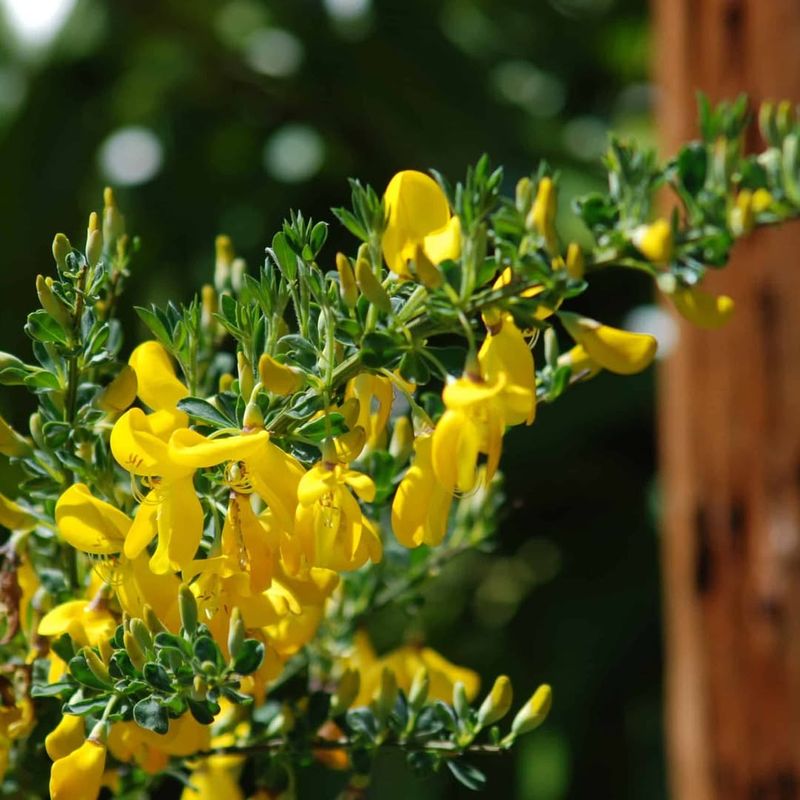
Genista monspessulana goes by the common name French broom, and this Mediterranean native has become a familiar yet unwelcome sight throughout California landscapes.
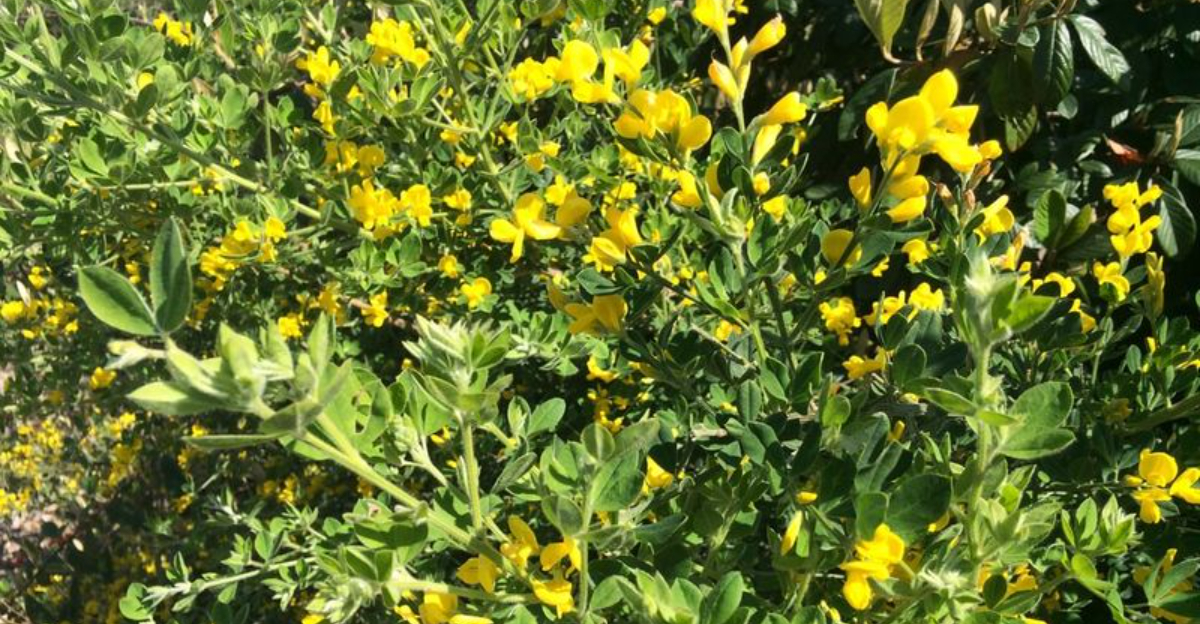
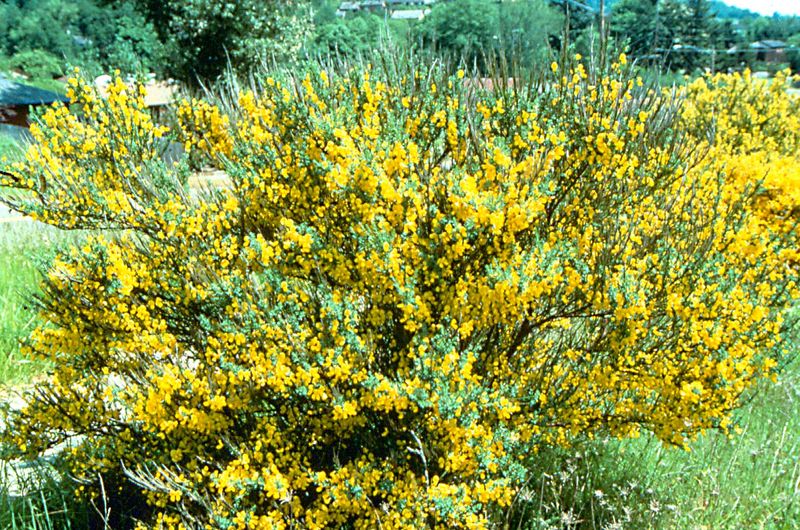
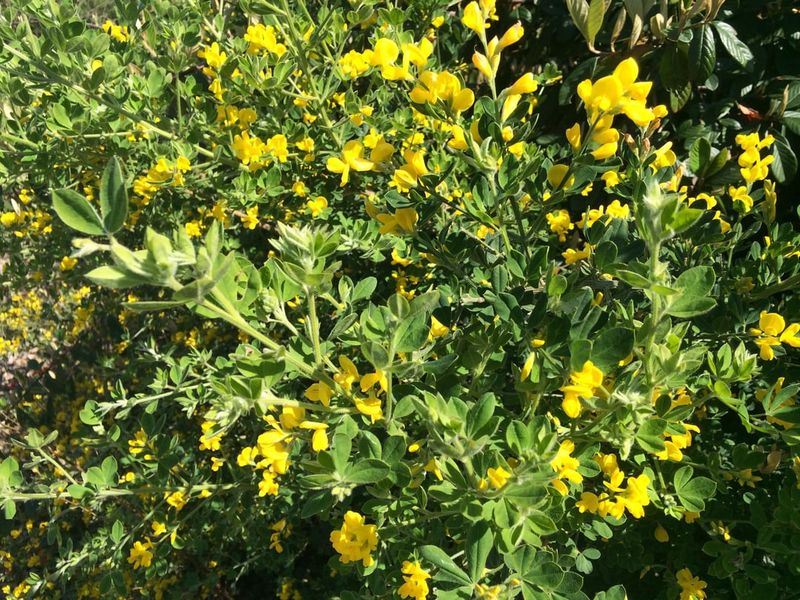
Bright yellow pea-like flowers cover its branches in spring, creating what appears to be a cheerful burst of color that might initially fool homeowners into thinking they’ve stumbled upon something special.
However, beneath that attractive exterior lies a botanical troublemaker that has escaped from ornamental gardens and now threatens both cultivated and wild spaces across the state.
Originally brought to California as a decorative plant, French broom quickly proved it had other plans beyond staying put in carefully tended gardens. Its ability to thrive in various conditions from coastal areas to inland valleys has allowed it to establish populations in counties throughout the state.
The shrub typically grows between three and ten feet tall, with slender green stems and small leaves that often drop during dry seasons.
Recognizing French broom early is your first line of defense against this invasive species taking over your backyard.
The distinctive bright yellow blooms appear from March through June, making spring the easiest time to spot new arrivals on your property before they become established and harder to manage effectively.
California’s Ecosystem Faces A Serious Threat
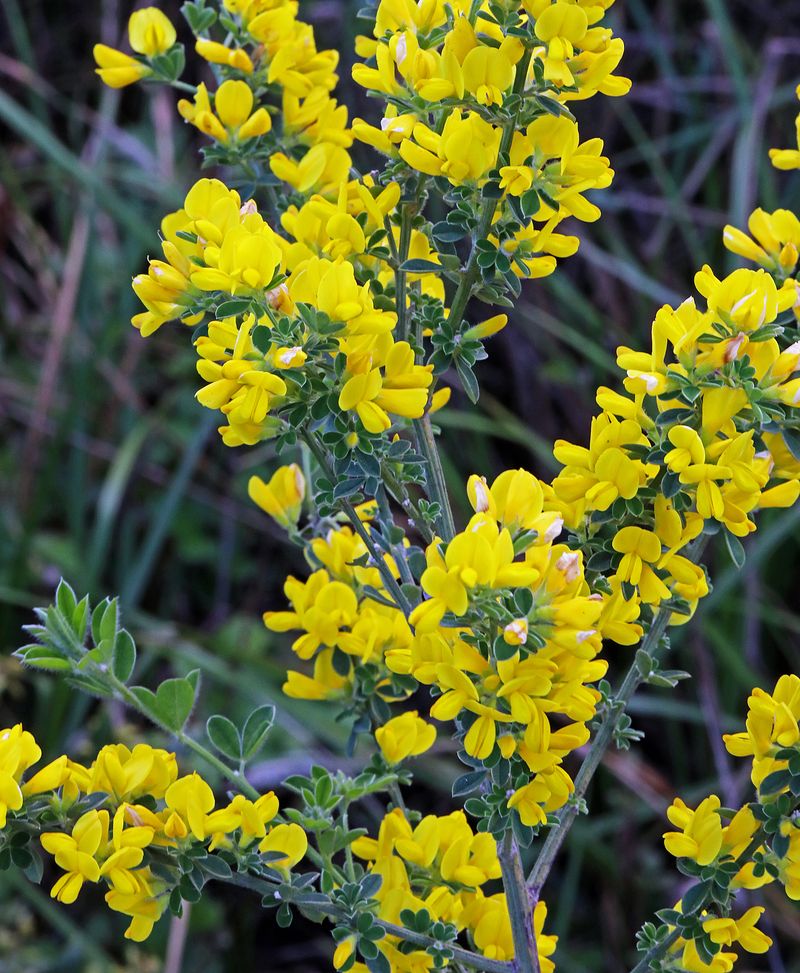
When French broom moves into an area, it doesn’t just join the neighborhood—it takes over completely, pushing out the plants that belong there.
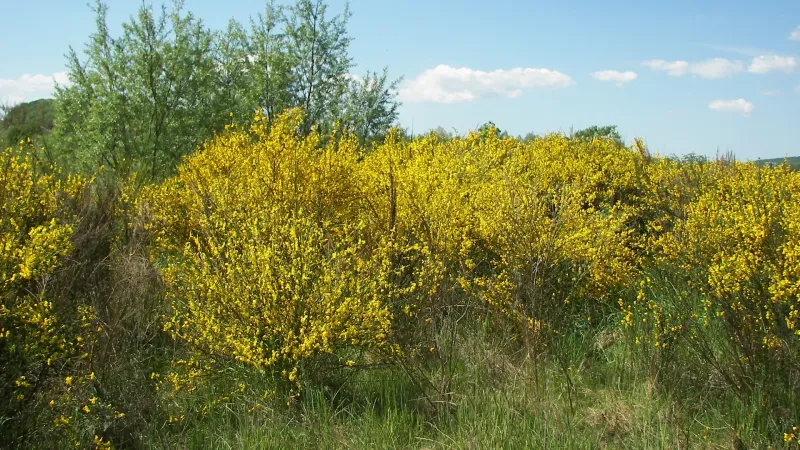
Dense thickets form as multiple shrubs grow close together, creating impenetrable walls of vegetation that native California plants simply cannot compete against.
These aggressive stands block sunlight from reaching the ground, prevent native seedlings from establishing, and fundamentally change the character of natural habitats that have existed for thousands of years.
Biodiversity takes a major hit wherever French broom gains a foothold in the landscape. Native wildflowers, grasses, and shrubs that provide essential resources for California’s wildlife gradually disappear as the invasive plant monopolizes space, water, and nutrients.
The ecological balance that sustains everything from insects to birds to larger mammals gets disrupted, creating a domino effect throughout the food web.
Conservation experts rank French broom among the most problematic invasive species in California because of its widespread distribution and severe ecological impacts.
State and local agencies spend significant resources trying to control its spread, but the plant’s aggressive nature makes eradication incredibly challenging once it establishes in an area.
Homeowners who spot French broom on their property are essentially on the front lines of protecting California’s precious native ecosystems.
Seeds By The Thousands Create An Ongoing Problem
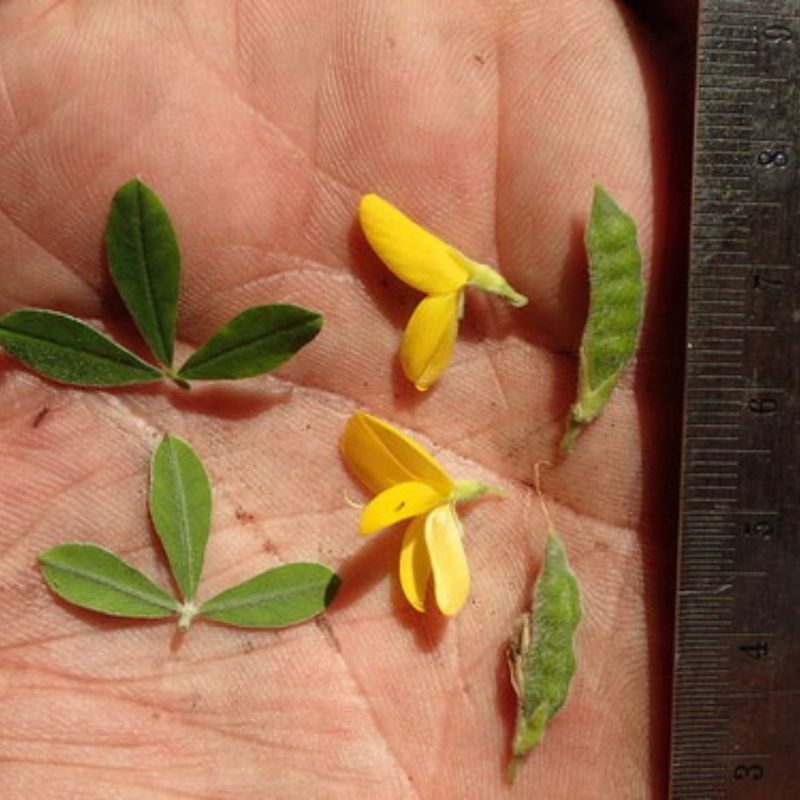
Imagine a single plant producing enough seeds to potentially create thousands of new plants, and you’ll begin to understand the reproductive power of French broom.
Each mature shrub generates an enormous quantity of seeds every growing season, with estimates ranging from several thousand to tens of thousands depending on the plant’s size and growing conditions.
Those seeds don’t just scatter nearby either—they can travel considerable distances through various dispersal methods including water flow, soil movement, and even hitching rides on equipment, vehicles, and animals.
What makes the seed situation even more challenging is their remarkable longevity in soil. French broom seeds can remain viable for five years or longer, sitting dormant in the ground just waiting for the right conditions to sprout.
This means that even after you remove visible plants from your property, you’ve got a hidden seed bank underground that can produce new plants for years to come.
Soil disturbance often triggers germination of these dormant seeds, which explains why construction projects, gardening activities, or erosion can suddenly result in new French broom outbreaks in areas that seemed clear.
Understanding this seed persistence is crucial for anyone dealing with French broom, because it means that control efforts need to continue long after the original plants disappear from view to catch new seedlings before they mature and start the cycle all over again.
Cutting It Down Won’t Solve The Problem
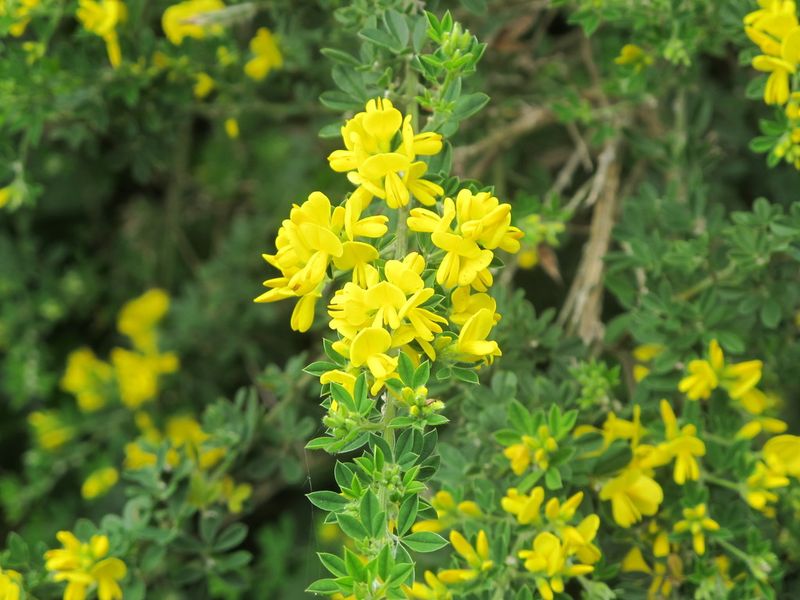
Many homeowners discover French broom in their yards and figure a simple solution involves grabbing some pruning shears or a saw to cut the shrubs down to ground level.
Unfortunately, French broom has a frustrating ability to bounce back from cutting, sending up new shoots from the root crown that remains alive underground.
This regrowth capacity means that mechanical removal alone rarely provides a permanent solution without additional follow-up measures.
The root crown serves as an energy storage system that fuels new growth even after the visible portions of the plant get removed. Within weeks or months of cutting, fresh green stems emerge from the base, and the plant resumes its growth cycle as if nothing happened.
Some regrowth can actually become even more vigorous than the original plant, with multiple stems emerging where previously only one existed.
Effective control requires addressing the root system, not just the aboveground portions of the shrub. Methods that work better include digging out the entire root crown, applying appropriate treatments to cut stumps, or using other integrated approaches that prevent regrowth.
Simply cutting French broom and walking away essentially gives the plant a pruning that might actually stimulate more aggressive growth.
Anyone serious about removing French broom needs to plan for root crown removal or treatment, plus monitoring the area for several years afterward to catch any resprouts or new seedlings before they become established.
Nitrogen Fixation Changes The Ground Itself
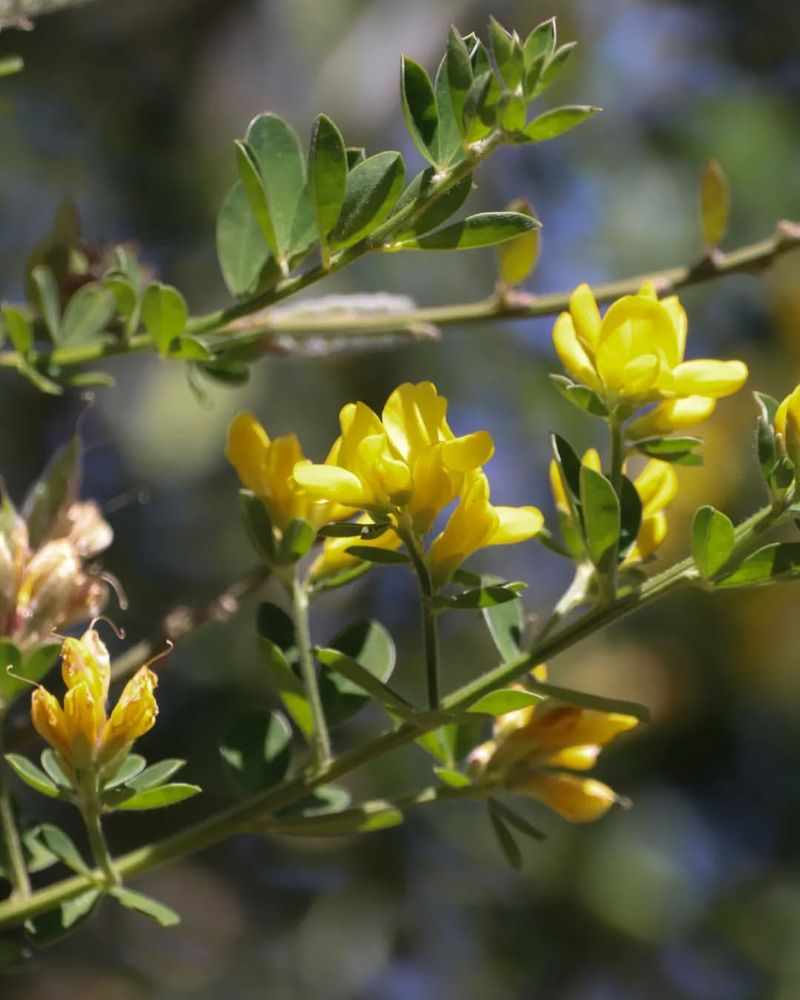
French broom belongs to the legume family, which means it possesses a special ability that most plants lack—the capacity to take nitrogen from the air and convert it into forms usable by plants through a process called nitrogen fixation.
While this might sound beneficial, it actually creates serious problems in California ecosystems where native plants have adapted to relatively low-nitrogen soils over thousands of years.
French broom essentially fertilizes the ground around it, fundamentally altering soil chemistry in ways that favor other invasive species while putting native plants at a disadvantage.
Native California plants have evolved strategies for thriving in nutrient-poor soils, giving them competitive advantages in their natural habitats. When French broom increases nitrogen levels, it creates conditions that favor fast-growing invasive weeds over the slower-growing natives that belong there.
This soil alteration can persist even after French broom gets removed, creating a legacy effect that continues impacting plant communities long into the future.
The changed soil conditions make restoration efforts more complicated because simply removing French broom doesn’t immediately restore the original soil chemistry.
Land managers sometimes need to implement additional strategies to help native plants reestablish in areas previously dominated by French broom.
Homeowners dealing with French broom should understand that removing the plants represents just the first step, and helping native vegetation recover might require patience and additional support to overcome the altered soil conditions left behind.
Fire Danger Increases With French Broom Present
California residents have become all too familiar with wildfire threats, and French broom adds another concerning element to fire risk in both backyards and wildlands.
The shrub’s dense growth and dry stems create excellent fuel for fires, burning readily once ignited and producing intense heat that can spread flames rapidly through an area.
During California’s dry season, French broom essentially becomes a fire hazard sitting in your landscape, waiting for an ignition source.
Perhaps even more concerning is French broom’s role as ladder fuel, which refers to vegetation that allows ground fires to climb upward into tree canopies. The shrub’s height and structure create a vertical connection between low ground fuels and the branches of taller trees overhead.
Once flames reach tree canopies, fires become exponentially more dangerous, intense, and difficult to control, threatening homes and lives in ways that ground fires alone typically do not.
Fire safety experts recommend removing French broom from properties as part of defensible space strategies, particularly in areas designated as high fire hazard zones.
Creating fuel breaks and reducing fire-prone vegetation around homes has become essential for California homeowners, and eliminating French broom contributes significantly to those efforts.
The plant’s invasive nature and fire danger create a double incentive for removal—you’re protecting both the natural environment and your property’s safety by addressing French broom populations promptly and thoroughly before fire season arrives each year.
Wildlife Loses Essential Habitat And Resources
California’s native wildlife evolved alongside native plants, developing intricate relationships where specific animals depend on particular plants for food, shelter, and breeding habitat.
French broom disrupts these relationships by replacing diverse native plant communities with monotonous stands that offer little value to local wildlife.
Birds that rely on native berry-producing shrubs find nothing to eat in French broom thickets, while insects that need specific native host plants cannot complete their life cycles where invasive species dominate.
The loss of habitat quality affects animals throughout the food chain, from tiny insects up to larger mammals and birds. Native bees, butterflies, and other pollinators often cannot utilize French broom flowers effectively, even though the bright yellow blooms might attract them initially.
Without proper native plant resources, pollinator populations decline, which then affects the plants that depend on them for reproduction, creating cascading effects throughout the ecosystem.
Dense French broom stands also physically exclude wildlife by creating impenetrable barriers that animals cannot easily move through or nest within. Ground-dwelling birds, small mammals, and reptiles that need diverse habitat structure with varied vegetation heights and types find French broom monocultures essentially unusable.
By removing French broom and replacing it with native plants appropriate for your region, you can restore habitat value to your property and support the incredible diversity of California wildlife that makes the state so ecologically special and worth protecting for future generations to enjoy.
Once Sold As Ornamental, Now Recognized As Problematic
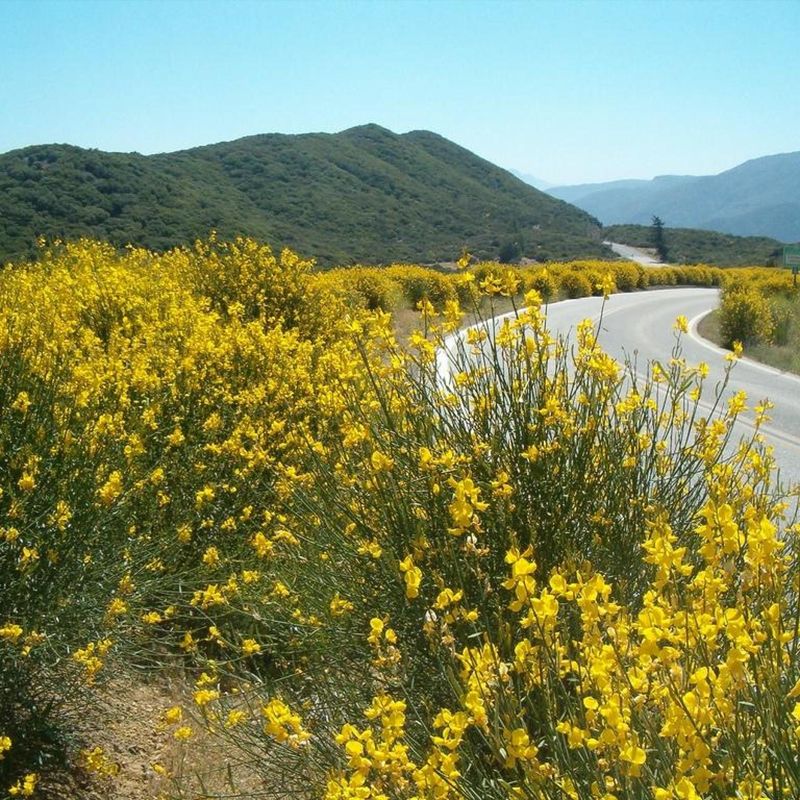
French broom’s story in California began innocently enough, with nurseries selling the attractive flowering shrub to homeowners looking for easy-care ornamental plants for their landscapes.
Those bright yellow blooms and tolerance for poor soils made French broom seem like an ideal choice for challenging garden spots where other plants struggled.
Unfortunately, nobody fully understood just how aggressively this Mediterranean native would spread beyond garden boundaries once established in California’s climate.
As French broom populations exploded across the state and its ecological impacts became impossible to ignore, attitudes shifted dramatically within the horticultural and conservation communities.
What was once marketed as a desirable landscape plant became recognized as an environmental menace that needed to be controlled rather than cultivated.
Modern nurseries and garden centers no longer sell French broom, and landscape professionals actively discourage its use while recommending native alternatives that provide similar visual appeal without the invasive behavior.
This transformation from ornamental darling to recognized threat serves as an important lesson about the unintended consequences of introducing non-native species without adequate research and monitoring.
Many plants that seem harmless in cultivation can become serious problems when they escape into wild areas with favorable conditions and no natural controls.
California now has regulations and programs aimed at preventing new ornamental introductions from repeating the French broom story, but dealing with existing populations remains an ongoing challenge requiring cooperation from homeowners, land managers, and communities throughout affected regions.
Long-Term Commitment Required For Successful Control
Anyone hoping for a quick fix to French broom problems needs to adjust their expectations, because managing this invasive species effectively requires sustained effort over multiple years.
Those persistent seeds sitting in the soil, the ability to resprout from roots, and the likelihood of new plants arriving from nearby infestations all mean that initial removal represents just the beginning of a longer journey toward actually clearing your property.
Successful control programs typically involve repeated follow-up visits to treated areas, monitoring for new growth, and addressing resprouts or seedlings before they mature.
The timeline for French broom control often extends five years or longer, depending on the size of the infestation and the thoroughness of initial removal efforts. Each year after treatment, you’ll need to inspect previously cleared areas during the growing season, watching for new green shoots emerging from the ground.
Any plants that appear need prompt removal before they can flower and produce seeds that would replenish the soil seed bank and extend the control timeline even further.
While this long-term commitment might sound daunting, the effort becomes much more manageable once you get past the initial heavy removal phase. Subsequent years typically involve progressively less work as the seed bank depletes and fewer new plants emerge.
Many homeowners find that incorporating French broom monitoring into regular garden maintenance routines makes the process feel less burdensome.
The payoff for this persistence comes in the form of a healthier landscape free from invasive species, reduced fire danger, and the satisfaction of contributing to broader conservation efforts protecting California’s natural heritage.
California Communities Unite Against French Broom
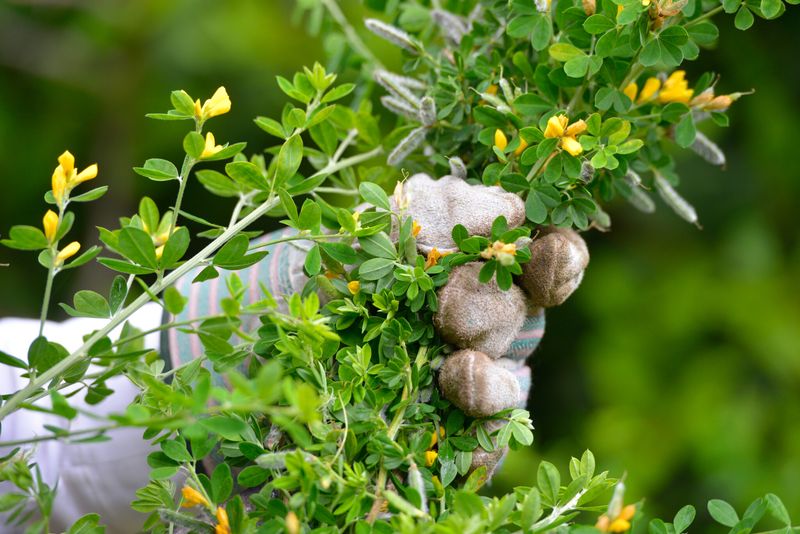
Recognizing the serious threat French broom poses to California’s ecosystems, numerous organizations and government agencies have launched coordinated efforts to control and eventually eradicate this invasive species from the state.
Local conservation groups organize volunteer workdays where community members gather to remove French broom from parks, trails, and natural areas, combining physical labor with education about invasive species impacts.
These grassroots efforts complement professional programs run by land management agencies using various control methods tailored to specific sites and situations.
Manual removal remains a primary control method, with volunteers and crews physically digging out French broom plants including their root crowns to prevent regrowth. Prescribed fire programs use carefully controlled burns in appropriate locations to eliminate French broom while promoting native plant recovery.
Mulch suppression involves covering cleared areas with thick layers of organic material that prevent light from reaching seeds in the soil, blocking germination and giving native plants a competitive advantage during restoration.
Homeowners can participate in these broader efforts by attending volunteer events, learning proper removal techniques, and applying those methods on their own properties. Many counties and municipalities offer resources including information guides, tool lending programs, and disposal options for removed plant material.
By working together across property boundaries and jurisdictions, California communities are making real progress against French broom, demonstrating that persistent collaborative action can address even widespread invasive species challenges.
Your backyard represents one small but important piece of this larger conservation puzzle, and taking action against French broom connects you to thousands of others working toward the same goal of protecting California’s incredible natural landscapes.