What You Should Do When A Moose Appears Near Your Maine Property
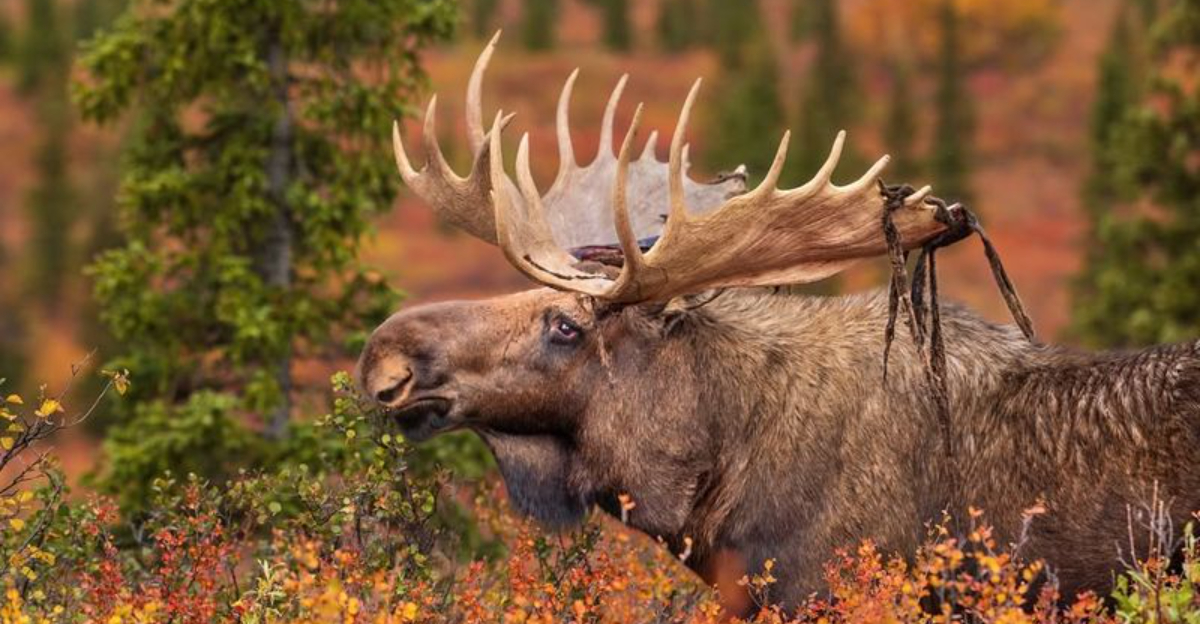
Seeing a moose near your Maine property can stop you in your tracks.
One moment everything feels quiet and familiar, and the next a massive animal is standing closer than you ever expected.
Moose are a normal part of life in Maine, but that doesn’t mean close encounters are harmless.
These animals may look calm, yet they can become unpredictable if they feel threatened or cornered.
Knowing how to react in those first moments matters more than most people realize.
Many homeowners make the mistake of treating a moose sighting like a photo opportunity or a minor inconvenience.
In reality, a wrong move can put people, pets, and even the animal at risk.
Maine’s long winters and wooded areas often bring moose closer to homes in search of food or easier travel paths.
Being prepared helps you stay calm and make smart decisions instead of acting on instinct.
When you understand what to do and what to avoid, you can protect your property while respecting local wildlife.
Staying informed turns a surprising encounter into a manageable situation.
1. Avoid Startling Or Cornering The Animal
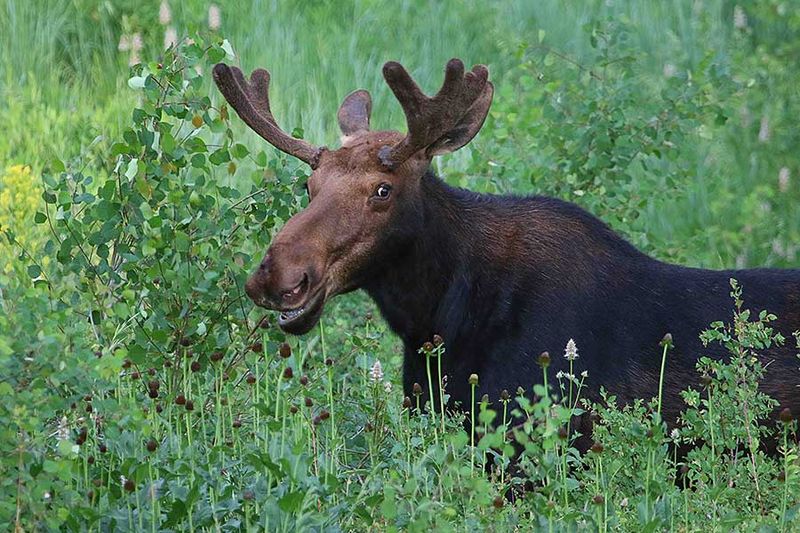
Moose are naturally cautious creatures, and when they feel trapped or surprised, their instinct is to defend themselves.
Cornering a moose, even accidentally, can lead to a dangerous situation.
If the animal is near a fence, building, or other structure that limits its escape routes, give it plenty of space to leave on its own.
Loud noises like honking a car horn, yelling, or banging pots can sometimes scare a moose away, but they can also have the opposite effect.
If the moose feels cornered or threatened, it might charge instead of retreating.
Always assess the situation carefully before trying to make noise.
If you are in your vehicle and a moose is blocking the road or driveway, wait patiently for it to move.
Do not rev your engine or drive toward the animal to push it along.
Moose are unpredictable, and they may react aggressively if they feel pressured.
In Maine, moose encounters are more common during dawn and dusk when the animals are most active.
Being aware of their behavior patterns can help you avoid accidentally startling one.
If you see a moose on your property, give it time and space to leave naturally.
Fun fact: Moose have poor eyesight but rely heavily on their sense of smell and hearing.
Sudden movements or unfamiliar sounds can easily spook them.
Staying still and quiet is often the best approach when a moose is near.
2. Stay Calm And Keep Your Distance
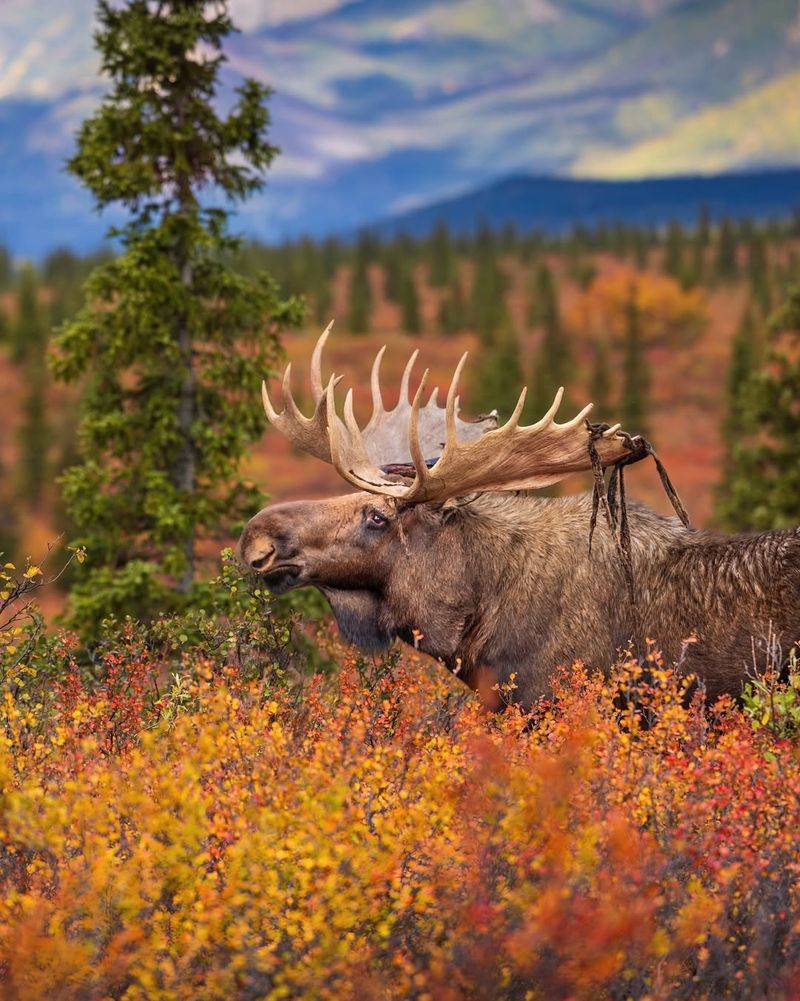
Spotting a moose on your Maine property can be exciting, but your first reaction should always be to stay calm and avoid sudden movements.
Moose have excellent hearing and can detect even the smallest sounds, so panicking or making loud noises might startle them.
When an animal that large feels threatened, it can react unpredictably, and you definitely want to avoid that scenario.
Experts recommend keeping at least 50 feet between you and the moose at all times.
If you are indoors, watch from a window rather than stepping outside.
If you happen to be outside when the moose appears, slowly back away without turning your back on the animal.
Never approach a moose to take a photo or get a closer look.
Even though they might seem peaceful while grazing, moose can charge with little warning.
Their long legs and powerful bodies allow them to move surprisingly fast, covering ground in seconds.
Children and pets should be brought inside immediately if a moose is nearby.
Dogs, in particular, can trigger aggressive behavior because moose may see them as threats similar to wolves or coyotes.
Keeping everyone at a safe distance is the best way to ensure the encounter ends peacefully for both you and the moose.
Remember, moose are wild animals, not attractions.
Respecting their space is not just smart, it is essential for safety in Maine’s beautiful wilderness.
3. Bring Pets And Children Inside Immediately
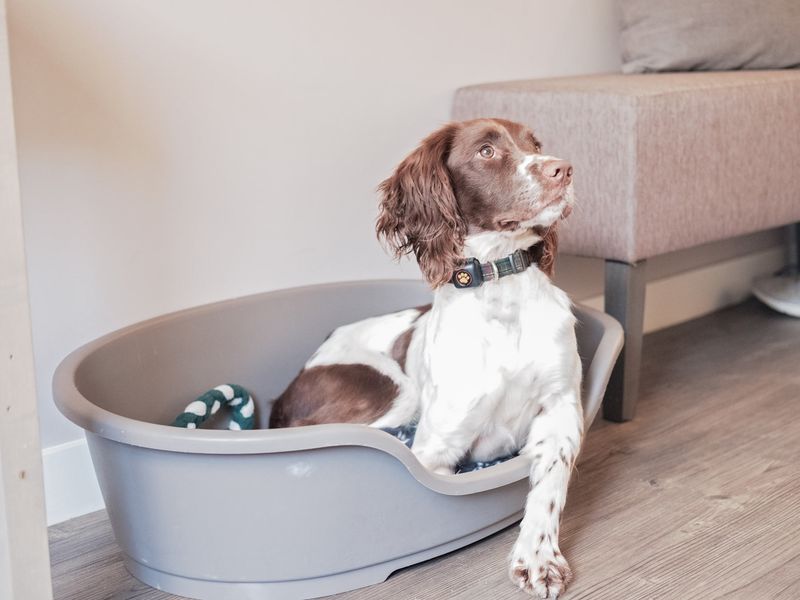
When a moose appears near your Maine home, the safety of your family and pets should be your top priority.
Children may not understand the danger and might try to approach the animal out of curiosity.
Pets, especially dogs, can provoke a moose into defensive behavior, which can escalate quickly.
Dogs are particularly at risk because moose may perceive them as predators.
A moose might charge at a barking dog, and if the dog runs back toward you, the moose could follow.
Keeping pets on a leash or better yet, bringing them inside, is crucial during a moose encounter.
Children should be taught early on about moose safety, especially if you live in rural Maine where encounters are more frequent.
Explain that moose are not like deer or other smaller animals and should never be approached.
Watching from inside the house is the safest way to observe these magnificent creatures.
If you are outside with your family when a moose appears, calmly gather everyone and move indoors without running or making sudden gestures.
Keep voices low and movements slow.
Once inside, keep pets away from windows and doors where they might bark or scratch, which could agitate the moose further.
Maine wildlife officials emphasize that most moose encounters end without incident when people follow basic safety rules.
Protecting your loved ones by bringing them inside is one of the simplest and most effective steps you can take.
4. Do Not Attempt To Feed The Moose
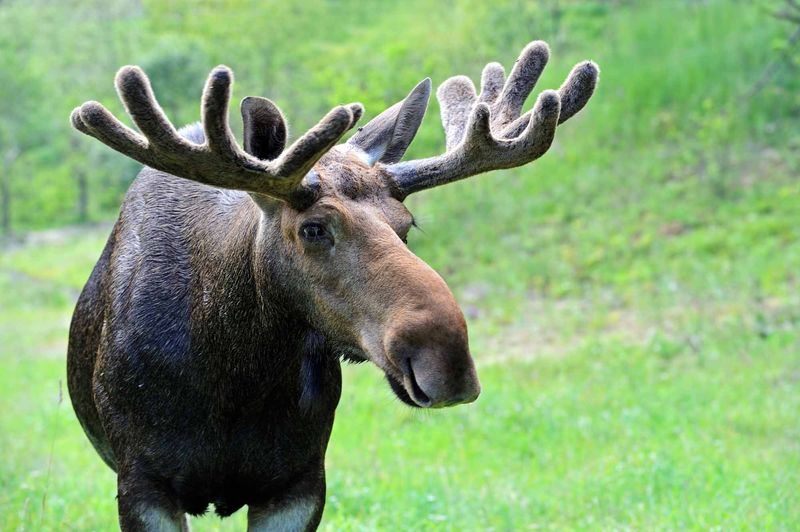
Feeding wildlife might seem like a kind gesture, but it can create serious problems for both you and the animal.
Moose that become accustomed to human food may lose their natural fear of people and start approaching homes more frequently.
This behavior increases the risk of dangerous encounters and can lead to the moose becoming a nuisance in your Maine neighborhood.
Moose have specific dietary needs that include leaves, twigs, and aquatic plants.
Human food does not provide the nutrition they require and can actually harm their digestive systems.
Feeding them can also make them dependent on humans, which disrupts their natural foraging behaviors.
In Maine, it is illegal to feed moose and other wild animals.
Violating this law can result in fines and other penalties.
These regulations exist to protect both wildlife and people by discouraging animals from associating humans with food.
If a moose is frequently visiting your property, it might be attracted to something other than intentional feeding.
Gardens, fruit trees, and even ornamental plants can draw moose to your yard.
Consider fencing off these areas or using moose-resistant landscaping to reduce the attraction.
Moose are perfectly capable of finding their own food in the wild.
By resisting the urge to feed them, you help maintain their natural behaviors and reduce the likelihood of conflicts.
Respecting wildlife means letting them live as they are meant to, without human interference.
5. Watch For Signs Of Aggression
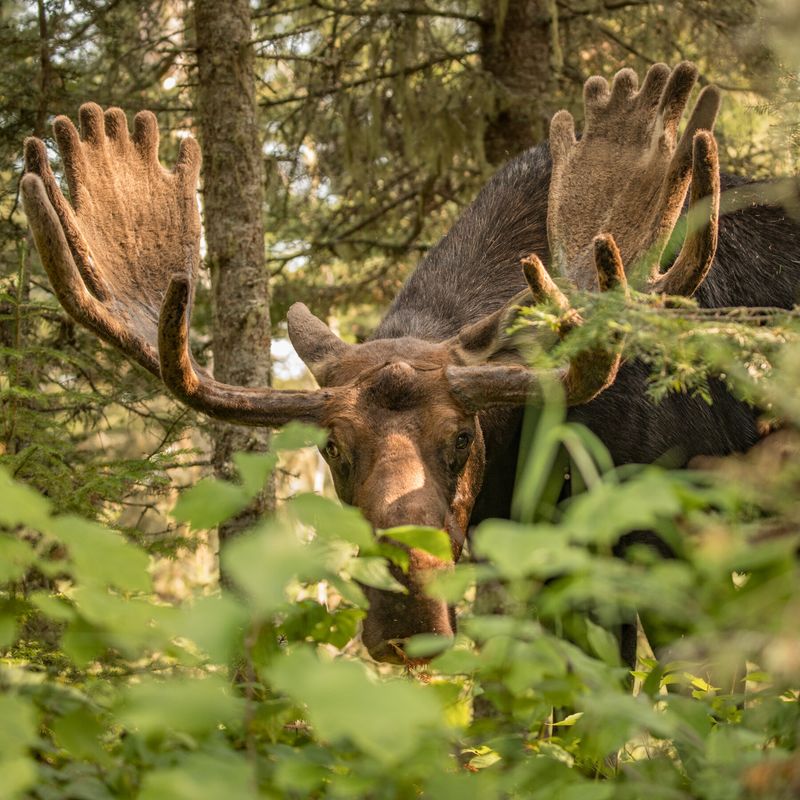
Understanding moose body language can help you recognize when an animal is feeling threatened or aggressive.
Moose typically give warning signs before they charge, and knowing what to look for can give you precious seconds to react.
Paying attention to these cues is essential for anyone living in or visiting rural Maine.
One of the most obvious signs of aggression is when a moose lays its ears back flat against its head.
This posture indicates the animal is annoyed or feels threatened.
If you see this, it is time to slowly increase the distance between you and the moose.
Another warning sign is when the moose raises the hair on its hump or back.
This behavior, similar to a dog raising its hackles, shows the animal is on high alert.
Moose may also lick their lips, stomp their front hooves, or make grunting sounds when they are agitated.
If a moose lowers its head and starts walking toward you, it is preparing to charge.
At this point, you should seek shelter immediately behind a tree, car, or building.
Do not run in an open area, as moose can easily outrun humans.
Female moose with calves are especially protective and more likely to display aggressive behavior.
During spring and early summer in Maine, mother moose are particularly defensive.
Always give moose families extra space and never position yourself between a cow and her calf.
6. Contact Local Wildlife Authorities If Necessary
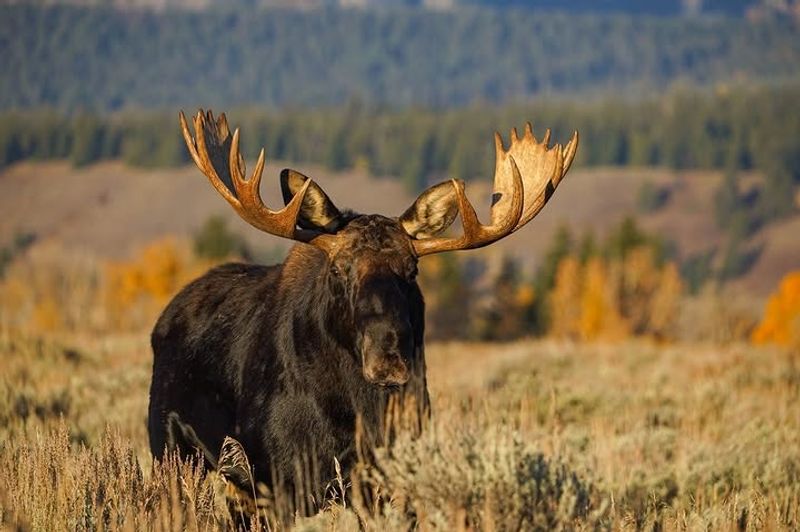
Sometimes a moose will linger on your property for an extended period, or its behavior may become concerning.
In these situations, reaching out to local wildlife authorities is the right move.
Maine has trained professionals who can assess the situation and provide guidance or intervention if needed.
The Maine Department of Inland Fisheries and Wildlife is the primary agency responsible for managing moose and other wildlife in the state.
They have regional offices throughout Maine and can dispatch a game warden to your location if the situation warrants it.
Calling them is especially important if the moose appears injured, sick, or is acting unusually aggressive.
If a moose refuses to leave your property and is blocking access to your home or driveway, wildlife officers can help safely encourage the animal to move along.
They have the tools and training to handle these situations without putting anyone at risk.
Never try to force a moose to leave on your own, as this can escalate the danger.
Keep the contact information for your local game warden or wildlife office handy, especially if you live in an area where moose are common.
Response times can vary depending on your location in Maine, so patience is important.
While you wait, continue to monitor the moose from a safe distance indoors.
Reporting frequent moose sightings can also help wildlife officials track animal movements and identify areas where human-moose conflicts are increasing.
Your observations contribute to better wildlife management across the state.
7. Wait Patiently For The Moose To Leave On Its Own
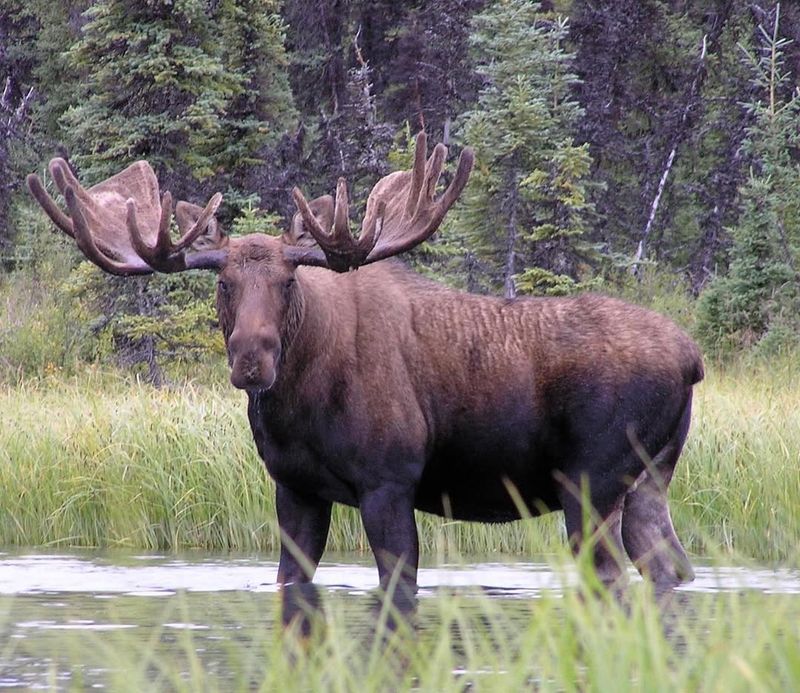
Patience is one of the most important virtues when dealing with a moose on your property.
In most cases, the animal is simply passing through or foraging and will move on without any intervention.
Rushing the process or trying to scare the moose away can backfire and create a more dangerous situation.
Moose are browsers, meaning they feed on shrubs, tree bark, and other vegetation.
If your Maine property has appealing food sources, the moose might stay for a while as it eats.
Once it has had its fill, it will naturally move on to find water or a resting spot elsewhere.
While waiting, keep all doors and windows closed to prevent the moose from being disturbed by household noises.
Avoid going outside for any reason until the animal has left.
Even routine activities like taking out the trash or checking the mail can startle a moose and prolong its stay.
If the moose has been on your property for several hours and shows no signs of leaving, it may be bedding down for a rest.
Moose often rest during the day and become more active in the evening.
As long as the animal is calm and not displaying aggressive behavior, there is no immediate cause for concern.
Remember, moose have been roaming the forests of Maine long before homes were built in these areas.
Sharing the space respectfully means allowing them to come and go as they please.
Your patience will almost always be rewarded with a peaceful resolution.