What Your Christmas Cactus Needs In April In California For More Flowers Next Season
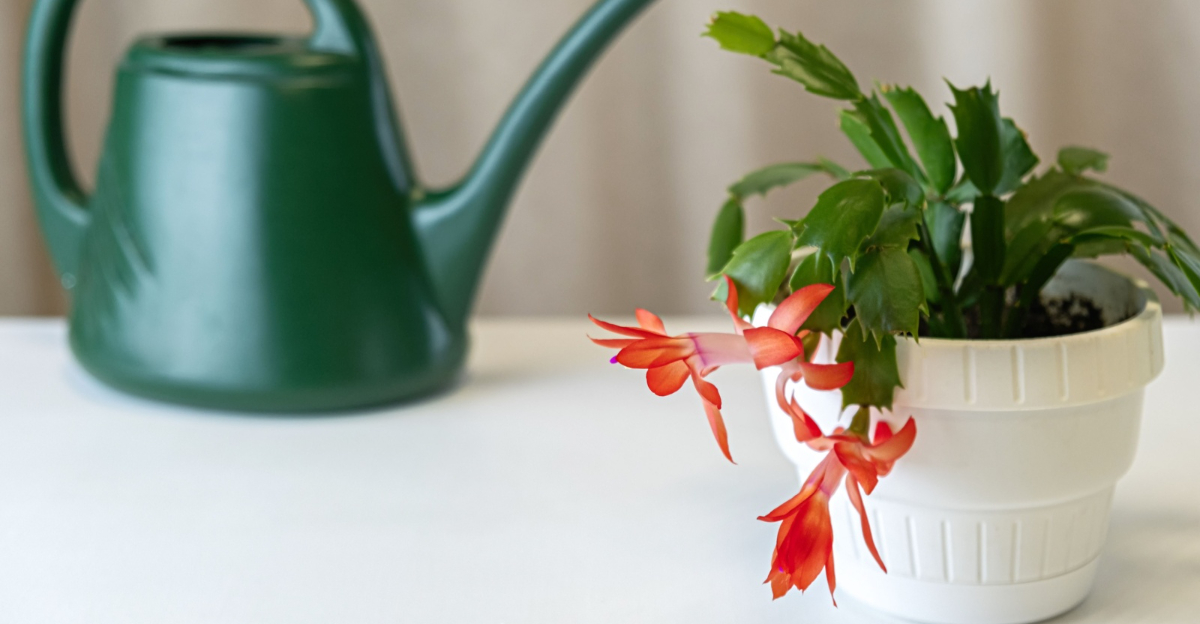
April is when your Christmas cactus starts setting the stage for its next bloom season, and a few smart moves now can make a real difference later.
Once the holiday flowers are gone, the plant shifts into active growth and begins rebuilding energy for future buds.
That is why spring care matters so much. In California, that care can look a little different depending on where you live.
Coastal homes stay cooler and gentler, while inland valleys warm up faster and dry out sooner.
Getting light, water, and placement right this month helps your Christmas cactus grow stronger now and bloom more beautifully when the season comes around again.
1. Bright Light Helps New Growth Get Going
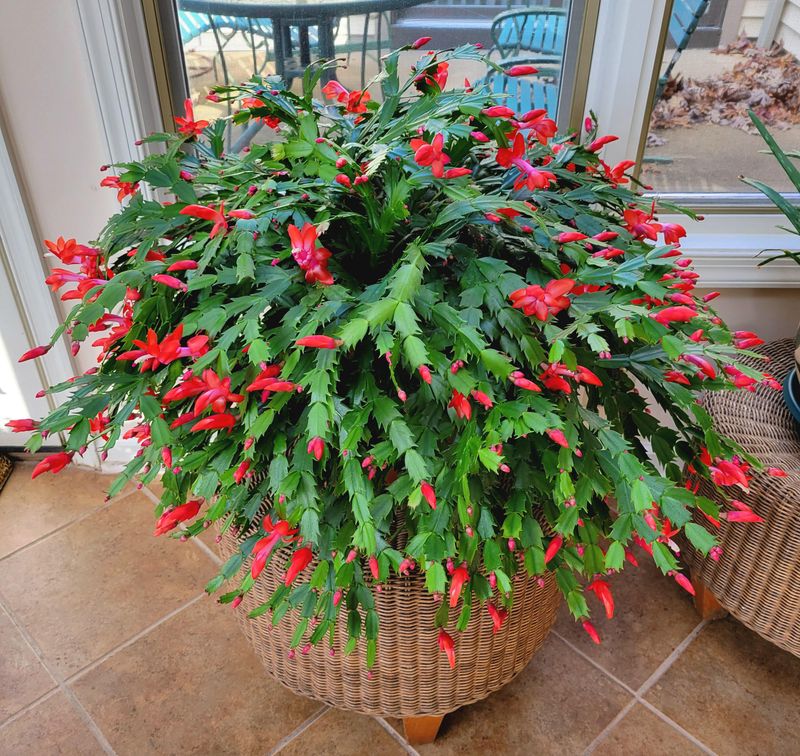
Morning light is one of the best gifts you can give your Christmas cactus in April. As the plant shifts out of its rest period and into active growth, it needs consistent bright, indirect light to fuel the new segments pushing out from the tips.
Without enough light, those new pads come in thin, pale, and weak, which means fewer flower buds when the season rolls around again.
An east-facing window works really well for this plant. It gets gentle morning sun without the harsh afternoon rays that can bleach or scorch the flat green segments.
If your home does not have a great east-facing spot, a north or west window with a sheer curtain can also work nicely in spring.
California gardeners in coastal areas like San Diego or Santa Cruz often have naturally filtered light thanks to morning fog and overcast skies, which can actually suit this plant well.
Inland gardeners in places like Fresno or Riverside get stronger, more intense sunlight, so keeping the plant a few feet back from south or west windows is a smart move.
Rotate the pot every couple of weeks so all sides of the plant get equal exposure, which encourages balanced, bushy growth heading into summer and beyond.
2. A Gentle Move Outdoors Can Wake It Up
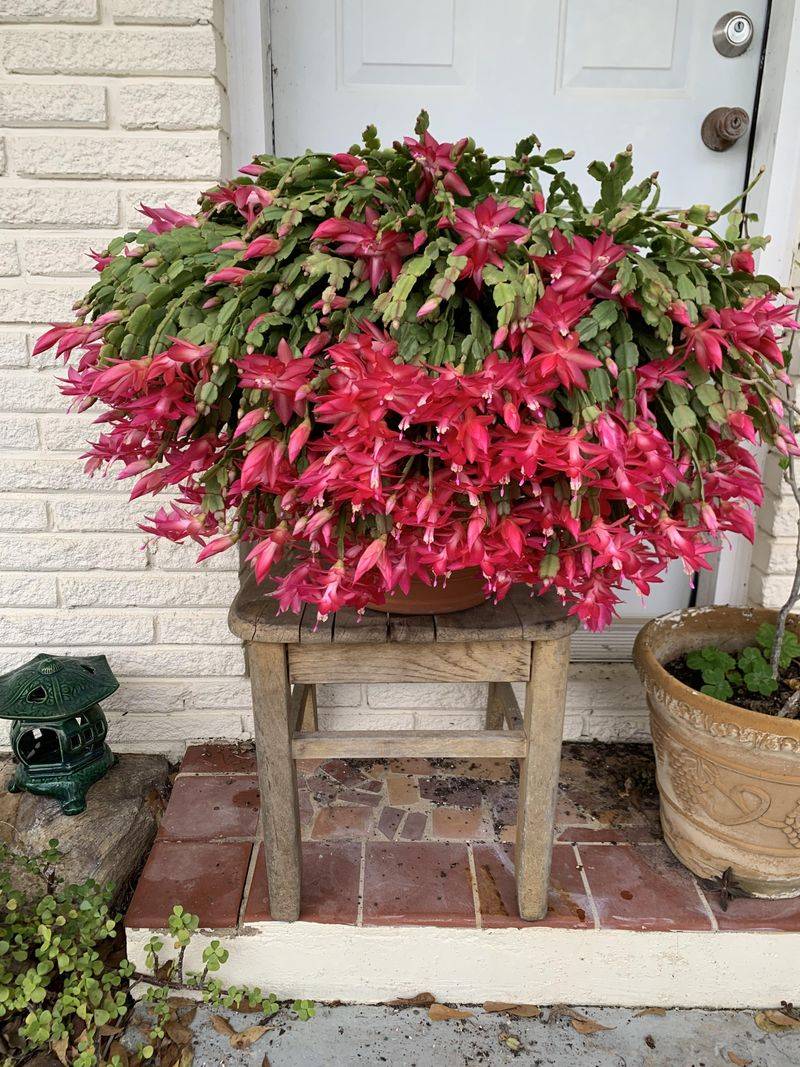
Stepping outside can do wonders for a Christmas cactus that has been sitting in the same indoor spot all winter.
Fresh air, natural humidity shifts, and gentle outdoor light create a kind of environmental reset that indoor conditions simply cannot replicate.
Many California gardeners notice a visible boost in new segment growth within a few weeks of moving their plant outside in spring.
The key is shade. Placing the plant under a patio cover, beneath a tree canopy, or near a north-facing wall keeps it out of direct sun while still letting it enjoy the outdoors.
Direct outdoor sun, even in coastal California, is far more intense than what comes through a window, and it can cause the segments to turn reddish or yellowish in a way that slows growth.
Wait until nighttime temperatures are consistently above 50 degrees Fahrenheit before making the move. In most California coastal zones, that window opens up comfortably in April.
Inland areas may see cooler April nights, so check your local forecast before committing. Bring the plant back inside if temperatures dip unexpectedly or if Santa Ana winds kick up dry, hot air.
A gradual transition over a week or two, starting with just a few hours outside each day, helps the plant adjust without stress.
3. Spring Watering Should Stay Steady And Light
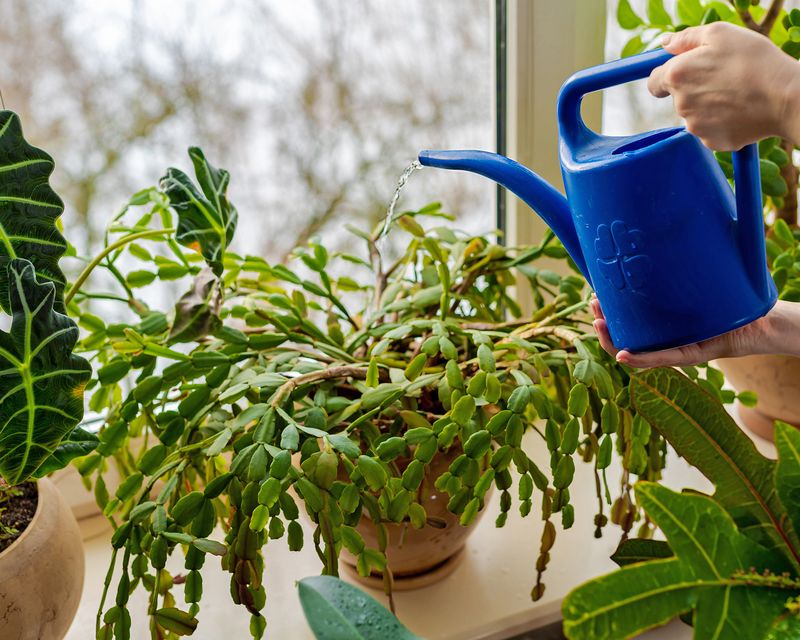
Watering a Christmas cactus in April is less about soaking it deeply and more about keeping things consistently lightly moist. After the dry rest period that follows blooming, the roots are ready to absorb more water as new growth kicks in.
But this plant still holds onto moisture in its thick, fleshy segments, so it does not need as much water as a typical leafy houseplant.
A good rule of thumb is to water when the top inch of soil feels dry to the touch. Stick your finger in and check rather than watering on a fixed schedule.
California’s indoor air can be quite dry, especially in valley and desert-adjacent areas, which means the soil may dry out faster than you expect during warm April days.
Avoid letting water sit in the saucer beneath the pot for more than an hour. Standing water encourages root problems that can weaken the plant over time and reduce its ability to set flower buds later.
If you live in a coastal area where the air stays naturally humid, you may find yourself watering slightly less often than inland gardeners do.
Use room-temperature water when possible, and water thoroughly until it drains from the bottom, then let the soil cycle through before watering again.
Consistency here really does pay off come November.
4. A Little Plant Food Goes A Long Way
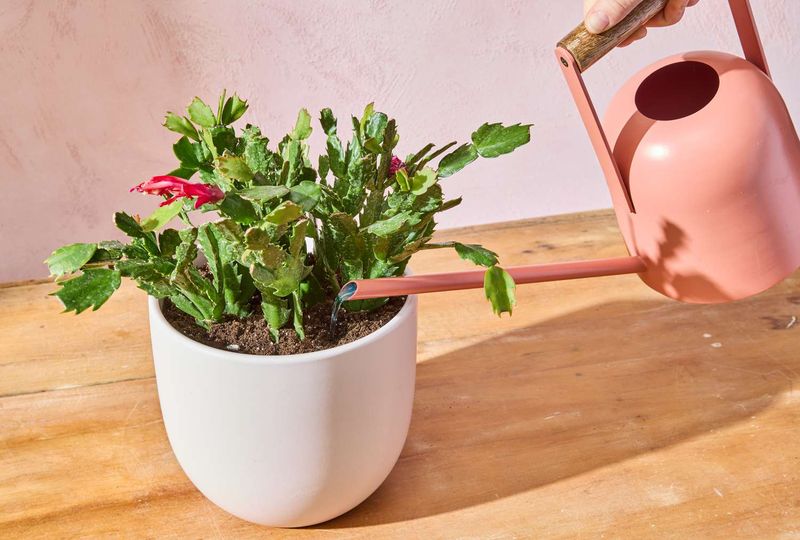
Once your Christmas cactus starts pushing out new growth in April, it is ready to receive a little nutritional support.
A balanced, water-soluble fertilizer diluted to about half the recommended strength is a reliable choice for this time of year.
Feeding monthly from April through late summer gives the plant steady nutrients without overwhelming its root system.
Look for a fertilizer with roughly equal parts nitrogen, phosphorus, and potassium, sometimes labeled as a 10-10-10 or 20-20-20 mix.
Nitrogen supports the lush green segment growth you want to see in spring and summer.
Phosphorus plays a role in root development and, later in the season, in flower bud formation. A balanced formula covers all of those bases without pushing too much leafy growth at the expense of blooms.
One thing worth knowing is that over-fertilizing can actually work against you. Too much fertilizer, especially nitrogen, can encourage lots of green growth while reducing the plant’s motivation to flower.
Half-strength feeding on a monthly schedule is genuinely enough. Skip fertilizing in late fall and winter when the plant is resting or blooming.
California gardeners who grow their plants outdoors in spring may find the plant responds especially well to feeding because outdoor conditions naturally boost the plant’s metabolism and nutrient uptake.
Start light and build from there based on how the plant responds.
5. Loose Soil Helps Roots Stay Happy
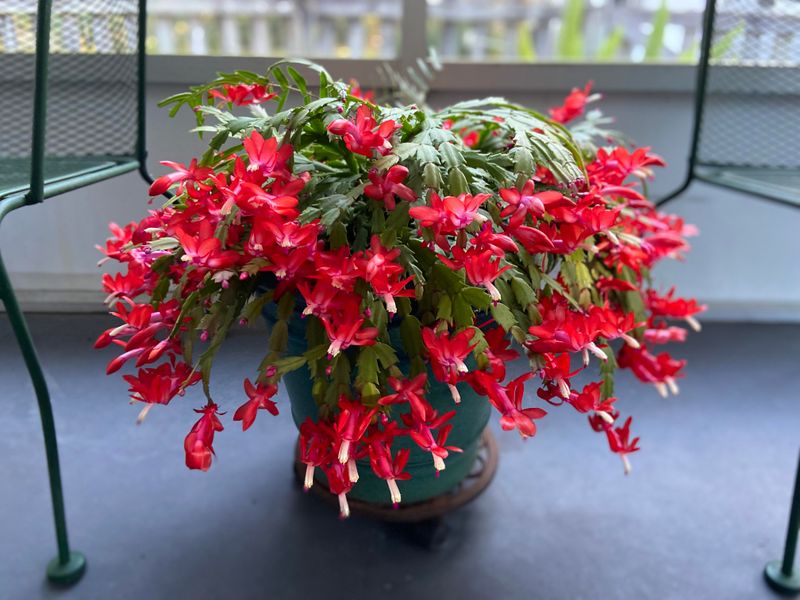
Roots that can breathe are roots that thrive, and that matters a lot when you are trying to set up your Christmas cactus for a big bloom next season.
This plant is an epiphyte by nature, meaning it originally grew in the crooks of trees in South American rainforests rather than in dense ground soil.
That origin story tells you something important about what its roots expect.
A loose, well-draining potting mix is far better than standard potting soil on its own. Many California gardeners have great results mixing regular potting soil with perlite or coarse sand at a ratio of about two parts soil to one part drainage amendment.
Some prefer a blend of potting mix and orchid bark, which adds air pockets and mimics the plant’s natural growing environment. Either approach works well as long as water moves through freely.
April is a reasonable time to repot if the plant has been in the same container for two or more years or if roots are visibly crowding the drainage holes. Move up only one pot size at a time.
Going too large too fast can cause the soil to stay wet for too long between waterings, which creates problems for the roots.
Terracotta pots are a popular choice in California because they allow the soil to breathe and dry out at a natural pace, which suits this plant well.
6. Stable Temperatures Keep Stress To A Minimum
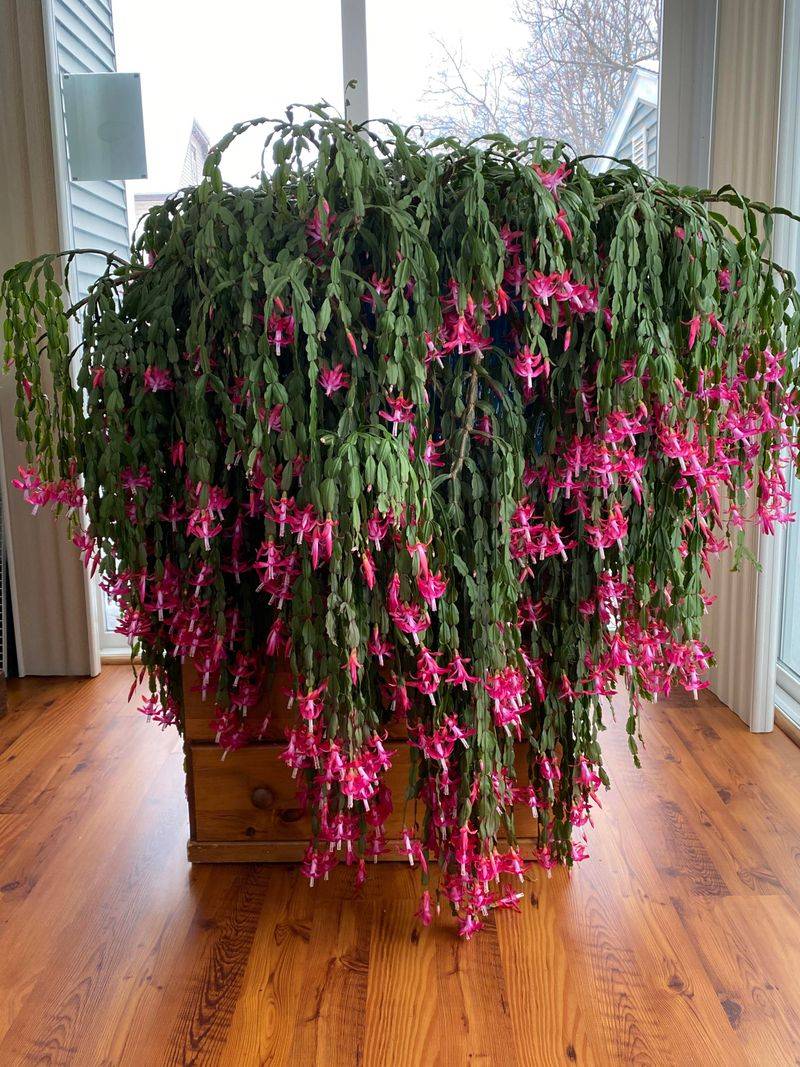
Temperature consistency might be the most underrated part of spring Christmas cactus care. This plant is more sensitive to sudden temperature swings than many people realize.
During April, when California weather can shift from cool mornings to warm afternoons within the same day, keeping your plant in a stable spot makes a real difference in how well it grows and how successfully it sets buds later in the year.
Daytime temperatures between 70 and 80 degrees Fahrenheit are comfortable for active spring growth.
Nighttime temperatures above 50 degrees keep the roots functioning well without triggering stress responses that can slow new segment development.
In Southern California inland areas, April afternoons can push into the mid-80s, so positioning the plant away from south-facing windows or heat-radiating walls helps maintain steadier conditions.
Air conditioning vents and heating registers are two of the biggest indoor threats to temperature stability. Cold air blasting directly onto the plant can cause segments to drop or stunt new growth.
Heating vents dry out the air and can raise the local temperature around the plant unevenly.
A spot on a shelf or table away from vents, drafts, and exterior doors gives the plant the calm, even environment it prefers.
Coastal California gardeners often have a natural advantage here since marine air tends to moderate temperature swings throughout spring more reliably than inland climates do.
7. A Small Trim Can Lead To More Blooms Later
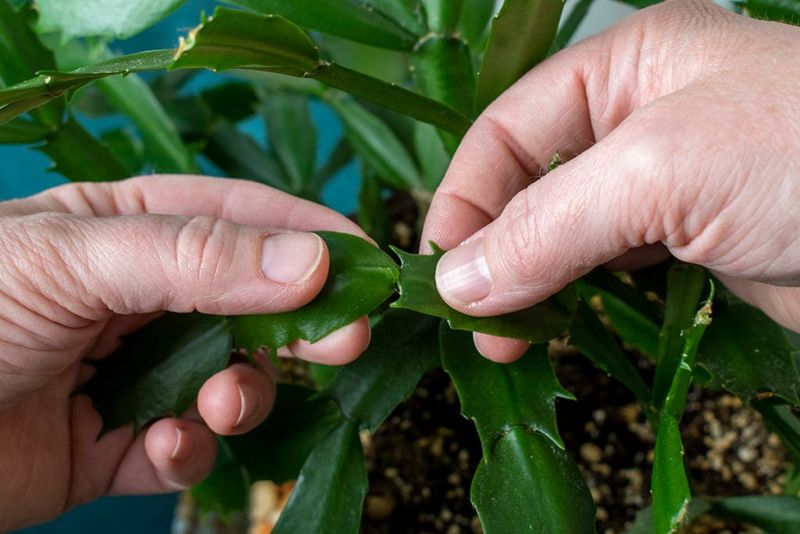
Pruning a Christmas cactus might feel counterintuitive, but a light trim in April can actually set the stage for a fuller, more floriferous plant come winter. The logic is straightforward: each stem tip is a potential bloom site.
When you pinch back a long, lanky stem, the plant responds by branching out and creating more tips, which means more places for flowers to form.
You do not need scissors for this. Simply twist off one or two segments at a natural joint between pads using your fingers.
This is called pinching, and it is one of the gentlest ways to shape a plant. Focus on stems that look stretched out, uneven, or thin.
Removing a few of those in April gives the plant the whole growing season to branch and fill out before it needs to shift its energy toward flower bud development in fall.
Keep the segments you remove. They root easily in a small pot of moist, well-draining soil and can become new plants within a few weeks.
California gardeners who propagate their trimmings often end up with a lovely collection to share with neighbors or keep on patios. Avoid heavy pruning, which can stress the plant more than it benefits it.
A light, thoughtful pinch here and there is all it takes to encourage a bushier, bloom-ready shape by the time shorter days arrive in autumn.
8. Humidity And Airflow Help It Settle Into Spring
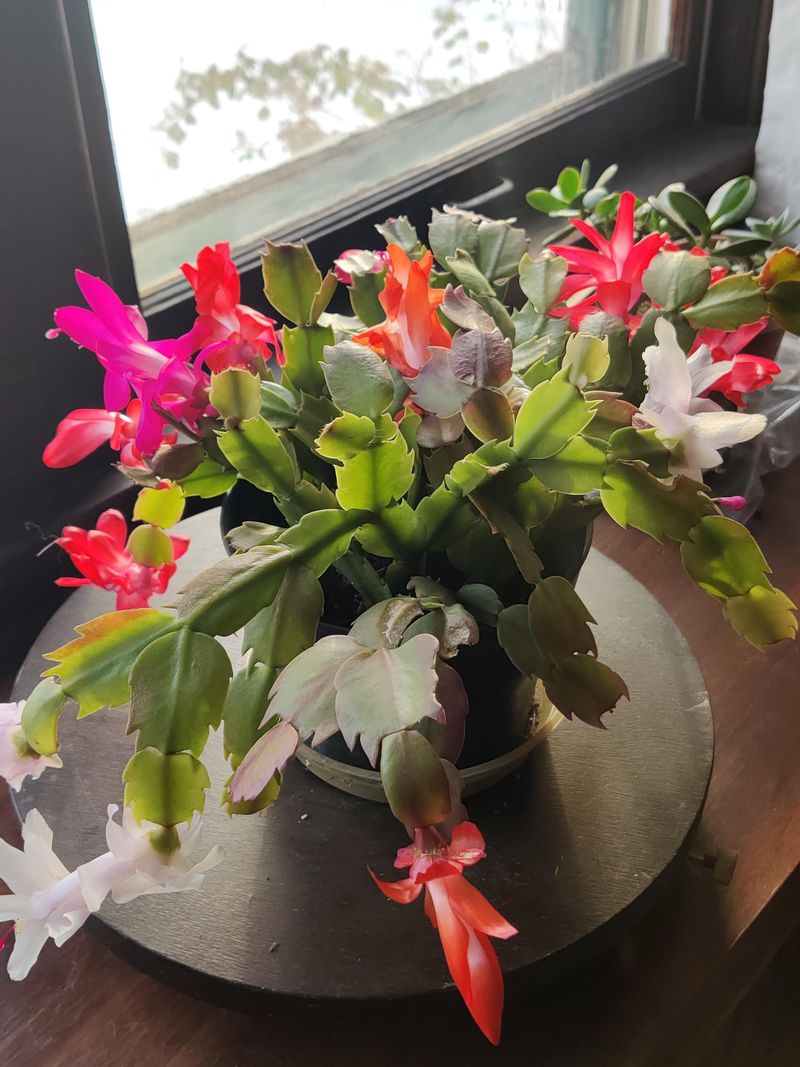
Coming from a tropical rainforest background, the Christmas cactus genuinely appreciates some moisture in the air around it. California’s climate varies quite a bit in this regard.
Coastal areas from the Bay Area down to San Diego often provide naturally moderate humidity levels, which suits the plant well through spring.
Inland valleys and desert-adjacent regions, however, can have quite dry air, especially on warmer April afternoons when the humidity drops noticeably.
A simple pebble tray is one of the easiest ways to boost local humidity without misting the plant directly. Fill a shallow tray with small stones, add water just below the top of the stones, and set the pot on top.
As the water evaporates, it creates a gentle mist of humidity right around the plant. Misting the leaves directly is sometimes suggested, but it can encourage fungal issues if the air is not moving well enough to dry the segments quickly.
That brings up airflow, which is just as important as humidity. Stagnant air around a Christmas cactus can encourage mold or slow the plant’s overall vigor.
A gentle ceiling fan running on low, a window cracked open during mild California spring days, or placing the plant near a naturally breezy spot all help keep air circulating without creating a harsh draft.
Balancing humidity and airflow gives the plant the tropical-inspired environment it responds to best as it grows through spring.