What Your Michigan Garden Looks Like 30 Days After The Last Frost
About a month after the last frost, Michigan gardens hit a turning point. What started as slow, careful growth suddenly shifts into strong, steady progress, and plants begin filling out almost overnight.
Garden beds that once looked sparse start coming alive with color, height, and energy. Across the Upper and Lower Peninsulas, this period marks the moment when warm soil, longer days, and stable temperatures finally work in your favor.
Vegetables begin producing faster, flowers open more consistently, and everything seems to grow with new confidence. It is one of the most satisfying phases of the entire season.
Gardeners who recognize this window can take full advantage of it. With the right care and timing, this stretch of the season often sets the tone for everything that follows, leading to stronger plants, better harvests, and a garden that truly thrives.
1. Warm Season Vegetables Are Finally Growing Fast
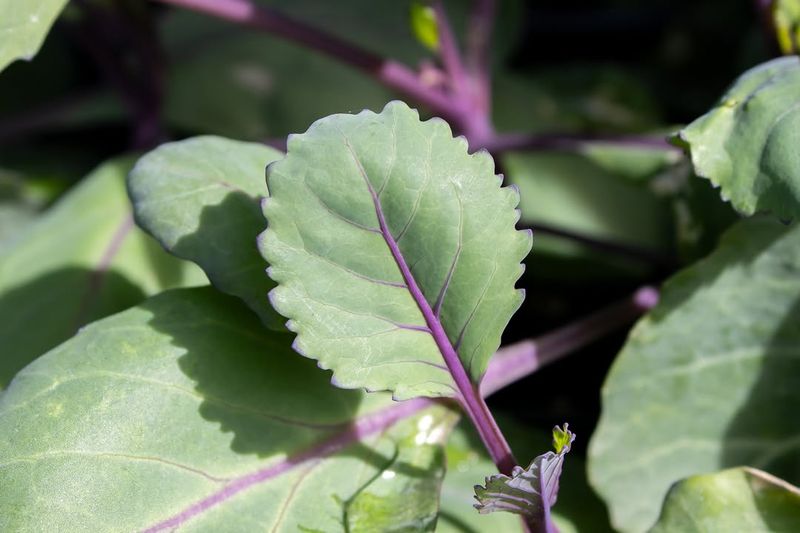
There is something genuinely satisfying about watching your tomato and pepper plants take off after weeks of slow, careful growth.
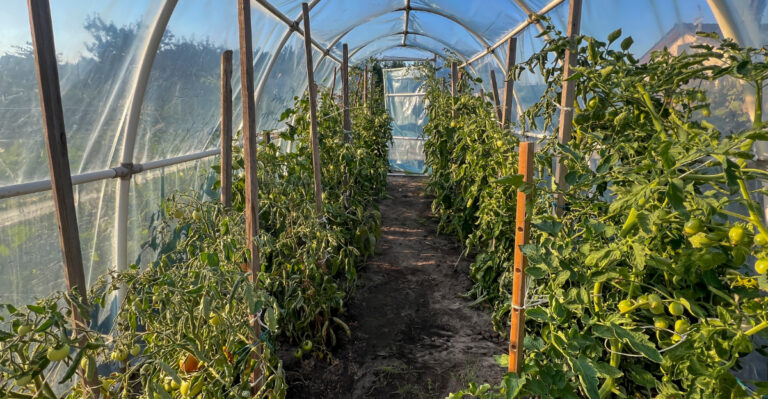
About 30 days after the last frost in Michigan, typically landing in early to mid-June in the southern part of the state, warm season vegetables like Solanum lycopersicum (Tomato) and Capsicum annuum (Pepper) really start moving.
Soil temperatures climb above 60 degrees Fahrenheit, and that warmth is exactly what their roots have been waiting for.
Once the soil hits that sweet spot, roots dig deeper and anchor more firmly into the ground.
New leaves appear almost daily, and the plants look noticeably fuller and stronger than they did just a week before. You can almost feel the energy buzzing through the garden beds.
If you planted your transplants right after the last frost, they have had enough time to recover from transplant shock and settle in comfortably. Now they are putting all their energy into growth rather than survival.
Consistent watering during this phase makes a big difference, especially as Michigan days get longer and warmer.
Adding a balanced vegetable fertilizer every two weeks gives plants the nutrients they need to keep pushing forward.
This stretch of rapid growth sets the foundation for a strong, productive harvest later in the summer season.
2. Early Spring Crops Are Ready To Harvest
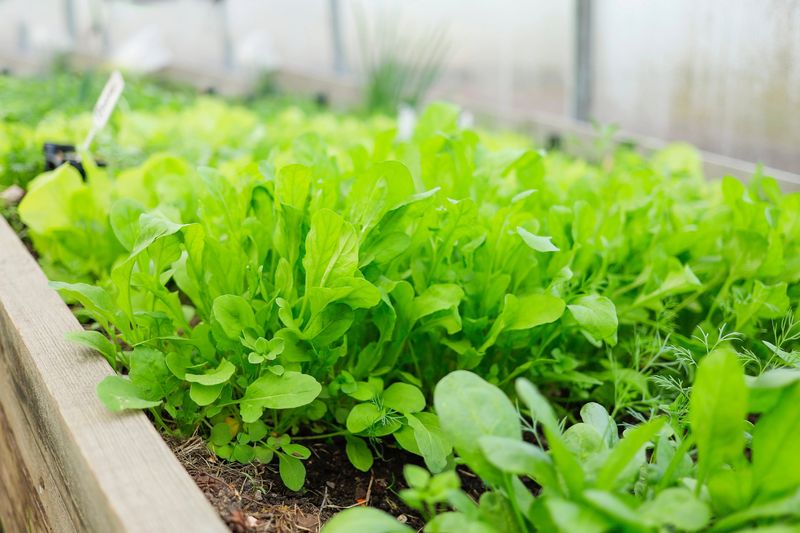
Picture pulling your first crisp radish straight out of the ground just weeks after planting it. That moment is very real for Michigan gardeners about 30 days after the last frost.
Cool season crops like Lactuca sativa (Lettuce) and Raphanus sativus (Radish), planted back in March or April, have had exactly the right conditions to mature beautifully. Radishes are especially quick, often ready in as little as 25 to 30 days from planting.
Lettuce takes a bit longer but rewards you with tender, flavorful leaves that taste nothing like what you find in a grocery store. Harvesting these early crops feels like a real celebration after a long Michigan winter.
One thing to watch for at this stage is bolting, which happens when the plant sends up a flower stalk instead of producing more edible leaves or roots. Warmer temperatures in late spring trigger this process, especially in lettuce and spinach.
Harvesting regularly and keeping plants shaded during the hottest part of the day slows bolting down.
Planting in succession, putting in a new row every two weeks, also keeps fresh greens coming all spring long.
Early harvests in Michigan gardens are a reminder that patience and timing really do pay off in a big, delicious way.
3. Soil Has Fully Warmed And Dries Faster
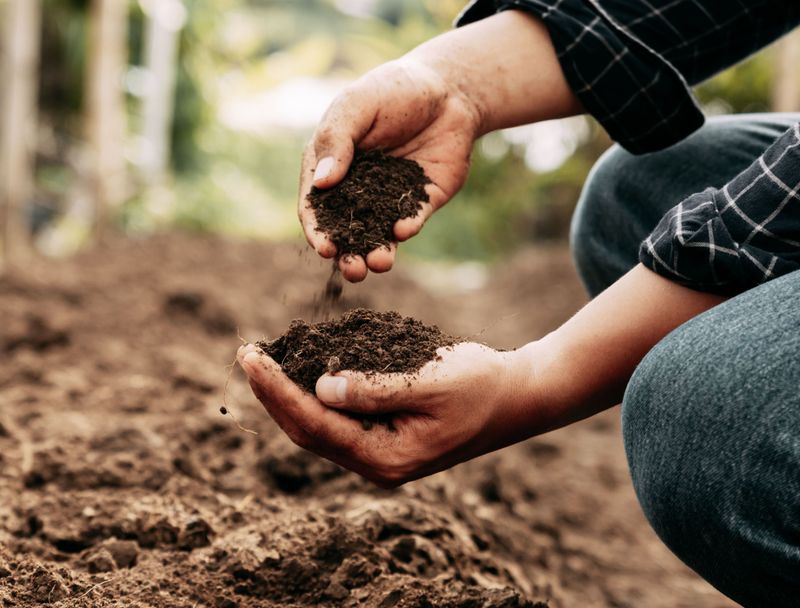
Michigan soil goes through a serious transformation between early April and early June. About 30 days after the last frost, that heavy, cold, waterlogged ground you were working with in spring has shifted into something much more manageable.
The combination of warmer air temperatures and longer sunny days pulls moisture out of the soil at a faster rate, making it easier to dig, plant, and cultivate. Spring snowmelt and April rain tend to saturate Michigan gardens early in the season.
By the time a month has passed after the last frost, that excess moisture has mostly balanced out, and the soil structure improves noticeably.
Roots can spread more freely without sitting in soggy ground, which reduces the risk of root rot and fungal problems.
Warmer soil also speeds up the activity of beneficial microorganisms that break down organic matter and release nutrients.
Adding compost to your garden beds at this stage is a great move because those microbes process it quickly and feed your plants steadily.
A simple soil thermometer is a worthwhile tool for any Michigan gardener because it takes the guesswork out of planting decisions.
Knowing your soil temperature helps you time your warm season plantings perfectly and avoid putting sensitive plants into ground that is still too cool for strong root development.
4. Perennials Are Fully Leafed Out
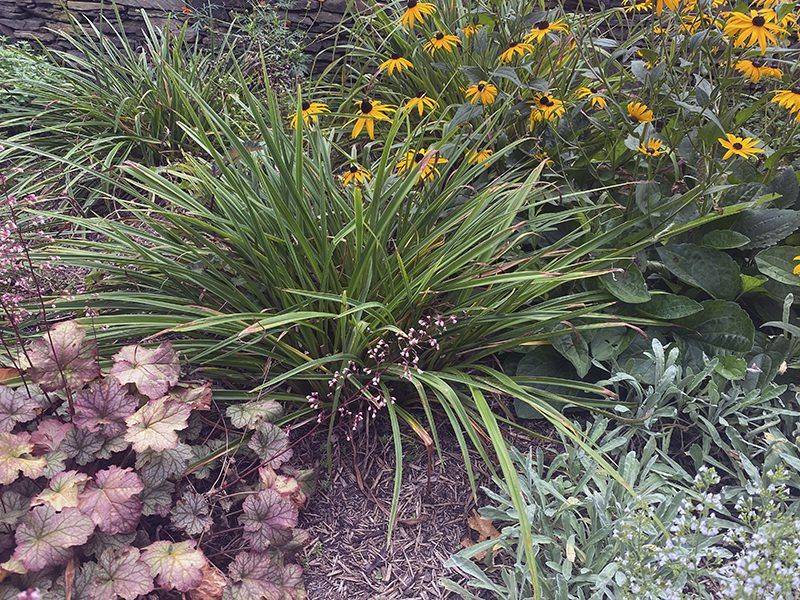
A Michigan garden full of perennials in early June is honestly one of the most rewarding sights of the whole year.
About 30 days after the last frost, plants like Hemerocallis (Daylily) and Echinacea purpurea (Purple Coneflower) have moved well past that fragile early emergence stage and are now standing tall with full, healthy foliage.
Daylilies are particularly impressive at this point. Their long, arching leaves fill in garden beds quickly and create a lush, layered look that makes the whole yard feel alive.
Purple Coneflowers are not far behind, pushing up strong stems topped with tight buds that will open into cheerful blooms within weeks.
One of the best things about perennials in a Michigan garden is that they come back stronger each year without needing to be replanted.
By this stage in the season, established clumps have developed deep root systems that allow them to handle dry spells and temperature swings better than annuals.
A light top dressing of compost around the base of each plant gives them an extra nutrient boost right when they need it most.
Dividing overcrowded clumps every three to four years also keeps them blooming at their best.
Watching perennials fill out year after year is one of the most satisfying rewards of long-term Michigan gardening.
5. Weeds Begin To Grow Rapidly
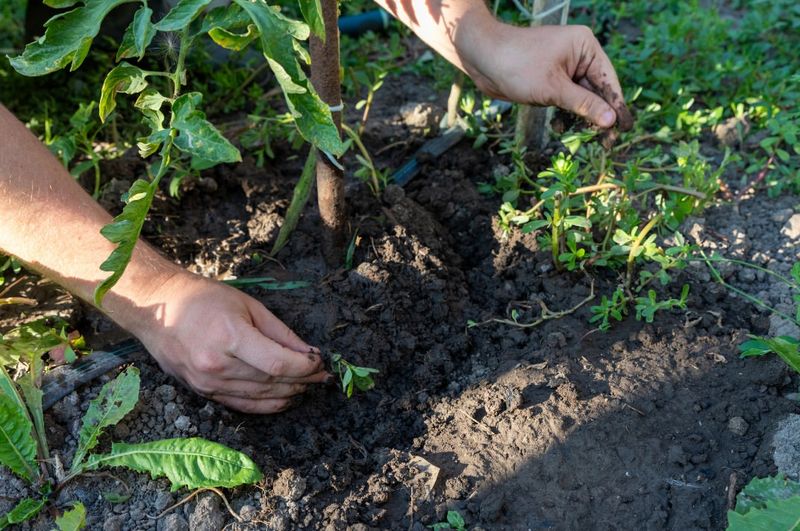
Here is the part of gardening that nobody loves to talk about but everyone deals with. About 30 days after the last frost in Michigan, weeds are not just sprouting, they are racing.
Warmer soil, longer daylight hours, and consistent spring moisture create near-perfect conditions for weed seeds to germinate and spread fast.
Common culprits in Michigan gardens include dandelions, crabgrass, chickweed, and purslane.
Some of these weeds can go from a tiny seedling to a flowering, seed-spreading plant in just a couple of weeks.
Once they start setting seeds, your weed problem multiplies dramatically, so staying ahead of them early is absolutely the smartest strategy. Mulching is one of the most effective tools Michigan gardeners have against weeds.
Applying two to three inches of organic mulch like shredded wood chips or straw around your plants blocks sunlight from reaching weed seeds and prevents most of them from ever sprouting.
Hand weeding after a rain, when the soil is soft, makes the job much easier and more satisfying.
Pulling weeds while they are still small, before they have a chance to root deeply, saves a huge amount of effort later in the season.
A consistent weeding schedule, even just 15 minutes a few times a week, keeps your Michigan garden looking clean and gives your plants the best chance to thrive.
6. Pollinators Are Active Throughout The Garden
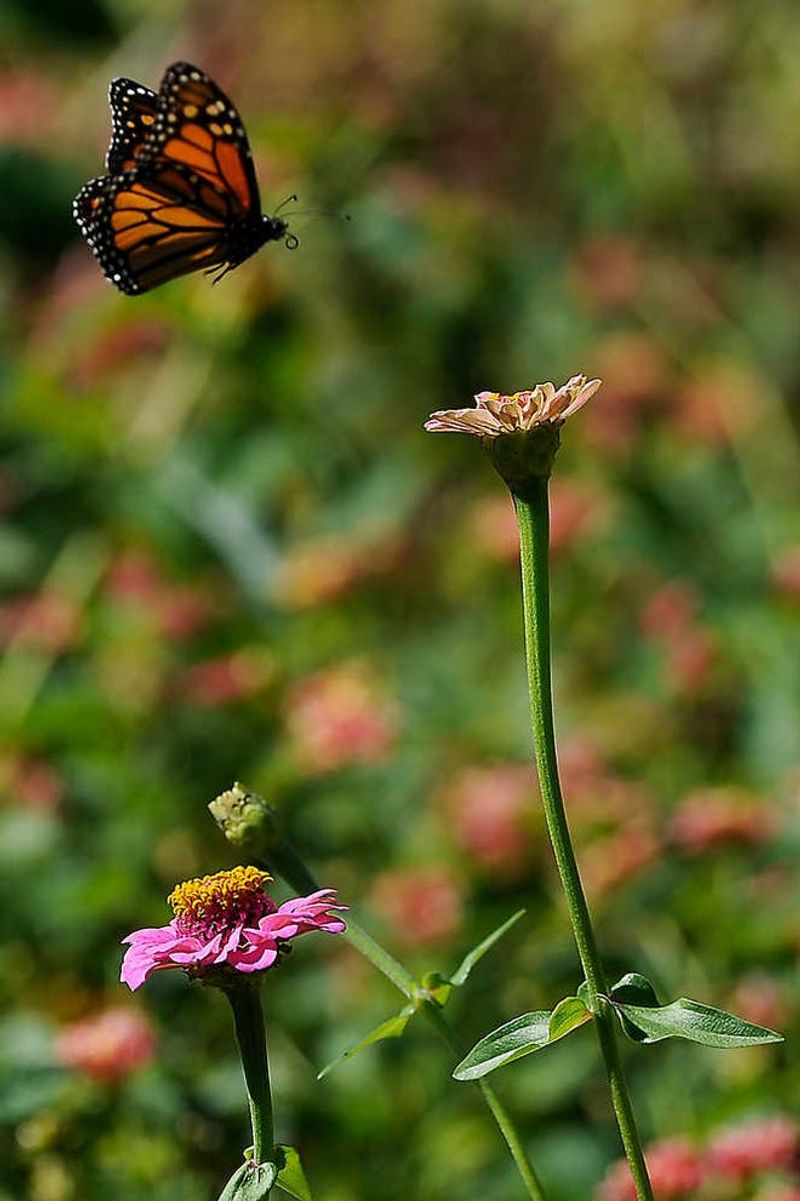
Walk through a Michigan garden about a month after the last frost, and you will notice something wonderful buzzing and fluttering around almost every flower.
Pollinators like honeybees, bumblebees, and monarch butterflies are fully active by early June, and they play a crucial role in the health and productivity of your garden.
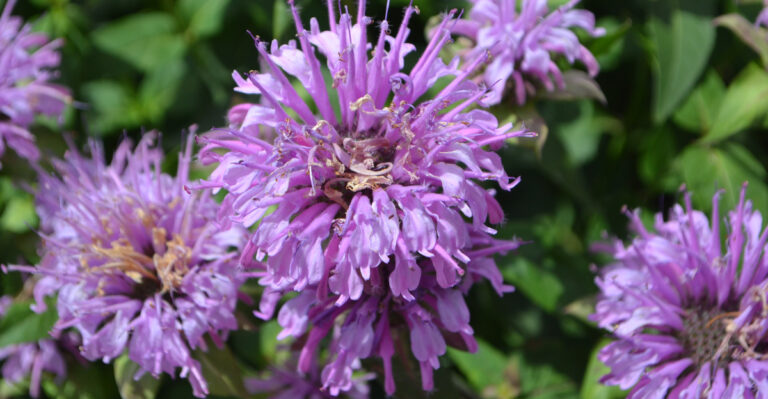
Plants like Monarda didyma (Bee Balm) and Rudbeckia hirta (Black-Eyed Susan) are particularly powerful at drawing pollinators in.
Bee Balm opens its wild, spidery red and pink blooms right around this time, and bees absolutely swarm it.
Black-Eyed Susans bring in butterflies and native bees by the dozens, adding both color and ecological value to the space.
Encouraging pollinators in your Michigan garden is one of the best investments you can make for long-term productivity. Without them, tomatoes, peppers, squash, and most fruit-bearing plants cannot produce a full crop.
Planting a variety of flowering plants that bloom at different times through the season keeps pollinators coming back consistently.
Avoiding broad-spectrum pesticides, especially during peak bloom times, protects these beneficial insects from harm.
Even small additions like a shallow dish of water or a simple bee house give pollinators a reason to stay close to your garden all summer long. A garden full of pollinators is a garden that truly thrives from top to bottom.
7. Mulch Helps Retain Moisture And Control Weeds
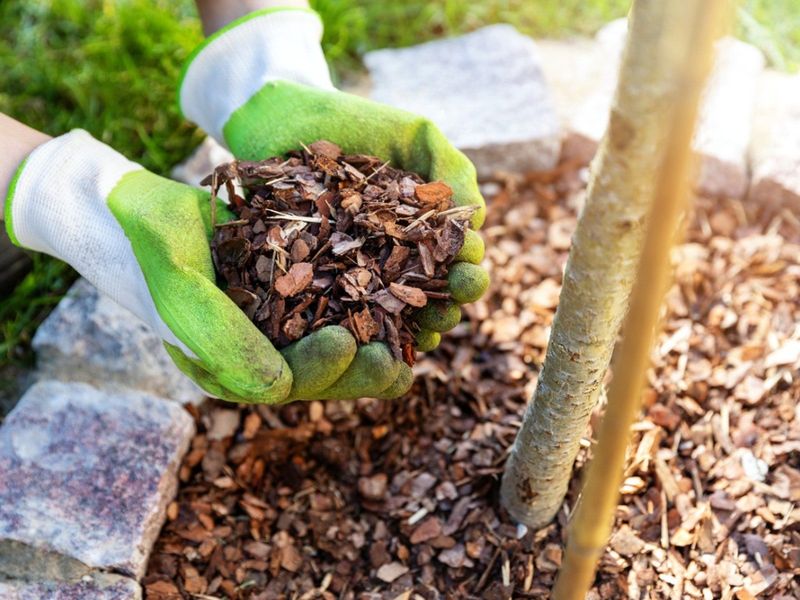
Mulch might be the single most underrated tool in a Michigan gardener’s toolbox.
About 30 days after the last frost, when soil temperatures are climbing and weed seeds are everywhere, a good layer of mulch does more work than almost anything else you can add to your garden beds.
Organic mulch options like shredded bark, wood chips, straw, and grass clippings all work well in Michigan gardens.
Applying two to three inches around the base of your plants keeps the soil from drying out too quickly during hot, sunny days.
It also creates a physical barrier that blocks most weed seeds from getting the light they need to germinate.
Beyond moisture retention and weed control, mulch does something else that gardeners often overlook.
As it breaks down over the season, organic mulch feeds the soil with nutrients and improves its structure, making it easier to work with the following year.
Pulling mulch back slightly from the base of plant stems prevents moisture from sitting directly against them, which reduces the chance of rot or fungal issues.
Refreshing your mulch layer midseason, when it has started to thin out, keeps all those benefits going strong.
Michigan summers can bring stretches of dry weather, and well-mulched garden beds handle those periods far better than bare soil ever could.
8. Pests Start Appearing More Frequently
Every Michigan gardener knows that warmth brings more than just flowers and vegetables.
About 30 days after the last frost, pest populations start building noticeably, and the tender new growth on your plants becomes a prime target.
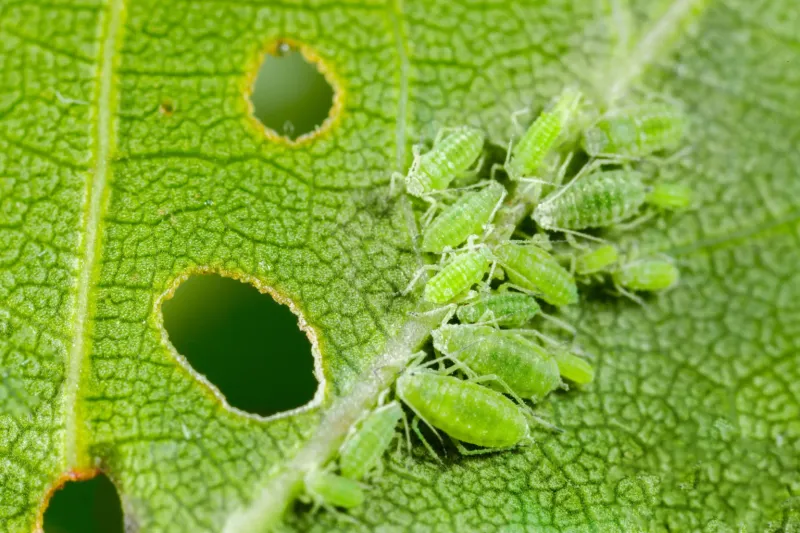
Aphids are among the first and most common offenders, clustering on soft stems and the undersides of leaves where they are easy to miss.
Aphids reproduce incredibly fast, with a single adult capable of producing dozens of offspring in just a few days.
Left unchecked, they weaken plants by sucking out sap, which causes leaves to curl, yellow, and become misshapen.
The good news is that catching them early makes them very manageable without resorting to harsh chemical treatments.
A strong blast of water from a garden hose knocks aphids off plants effectively and is a great first line of response.
Insecticidal soap spray, available at most Michigan garden centers, works well for heavier infestations and is safe for most beneficial insects when used carefully.
Checking your plants at least twice a week, paying close attention to new growth and the undersides of leaves, keeps you ahead of any pest situation before it gets out of hand.
Encouraging natural predators like ladybugs and lacewings by planting diverse flowers nearby also helps keep aphid populations in check naturally throughout the growing season.
9. Lawns And Garden Beds Turn Lush Green

Few things signal the arrival of true summer in Michigan quite like the moment your yard shifts from patchy and pale to deeply, richly green.
About a month after the last frost, both lawns and garden beds respond to the combination of warmer temperatures and longer days with a burst of growth that can seem almost overnight.
Grass that looked thin and tired in early spring fills in fast once soil temperatures stay consistently warm.
Cool season grasses like Kentucky bluegrass and fine fescue, which are common across Michigan lawns, hit their peak growth rate during this period.
Regular mowing, keeping grass at a height of about three inches, encourages thicker, denser turf that naturally crowds out weeds.
Garden beds look equally impressive at this stage, with ground covers, ornamental grasses, and flowering perennials creating full, layered textures throughout the space.
Deep, infrequent watering encourages roots to grow down rather than staying shallow near the surface, which makes plants more resilient during dry stretches later in summer.
Watering in the early morning is the best approach for Michigan gardens because it gives foliage time to dry before evening, reducing fungal disease risk.
A well-maintained lawn and garden at this stage of the season does not just look beautiful. It also builds a strong foundation for healthy, vigorous growth right through the rest of the warm months.
10. Consistent Maintenance Becomes Essential
A garden that looked easy to manage in May can turn into a full-time project by early June in Michigan.
About 30 days after the last frost, plants are growing fast, weeds are pushing hard, and pests are scouting for their next meal.
Staying consistent with your garden care routine during this window is what separates a thriving garden from one that gets away from you.
Staking tall plants like tomatoes and dahlias before they get too big saves a lot of frustration later.
Tying stems loosely to stakes or cages while they are still manageable prevents wind damage and keeps fruit off the ground where pests and moisture can cause problems.
Fertilizing every two to three weeks with a balanced fertilizer keeps up with the rapid nutrient demand that fast-growing plants have during this stretch.
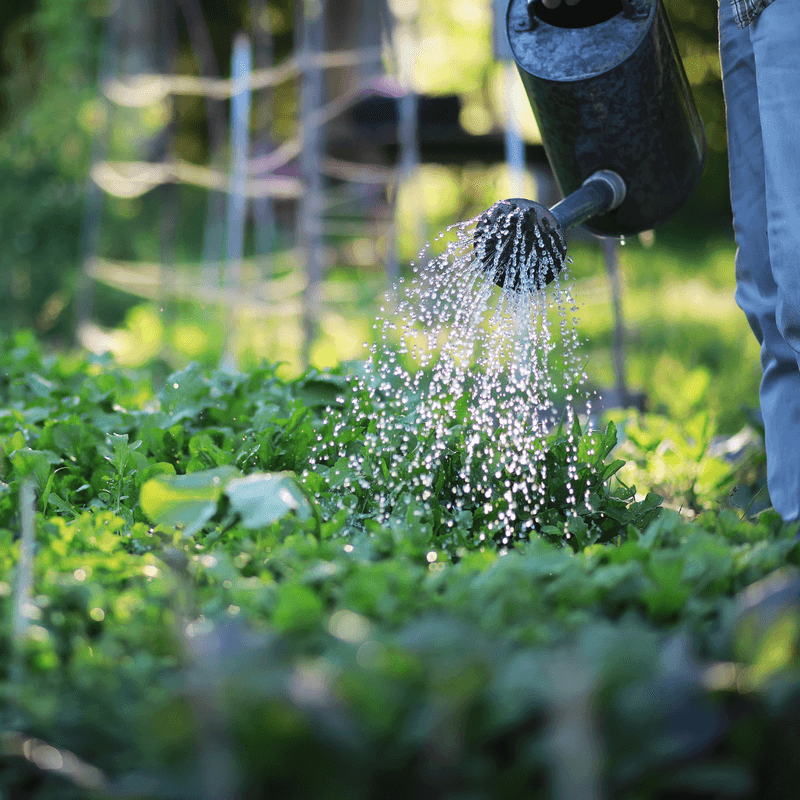
Watering consistently, rather than sporadically, makes a significant difference in plant health and yield.
Uneven watering causes issues like blossom end rot in tomatoes and cracked skin in peppers, both of which are common frustrations for Michigan gardeners.
Setting up a simple drip irrigation system or soaker hose removes a lot of the guesswork and keeps moisture levels steady.
Spending even 20 to 30 minutes in the garden each day during this period keeps everything on track and makes the rest of the Michigan growing season far more enjoyable and productive.