What Your North Carolina Garden Looks Like Two Weeks After A Cold Snap
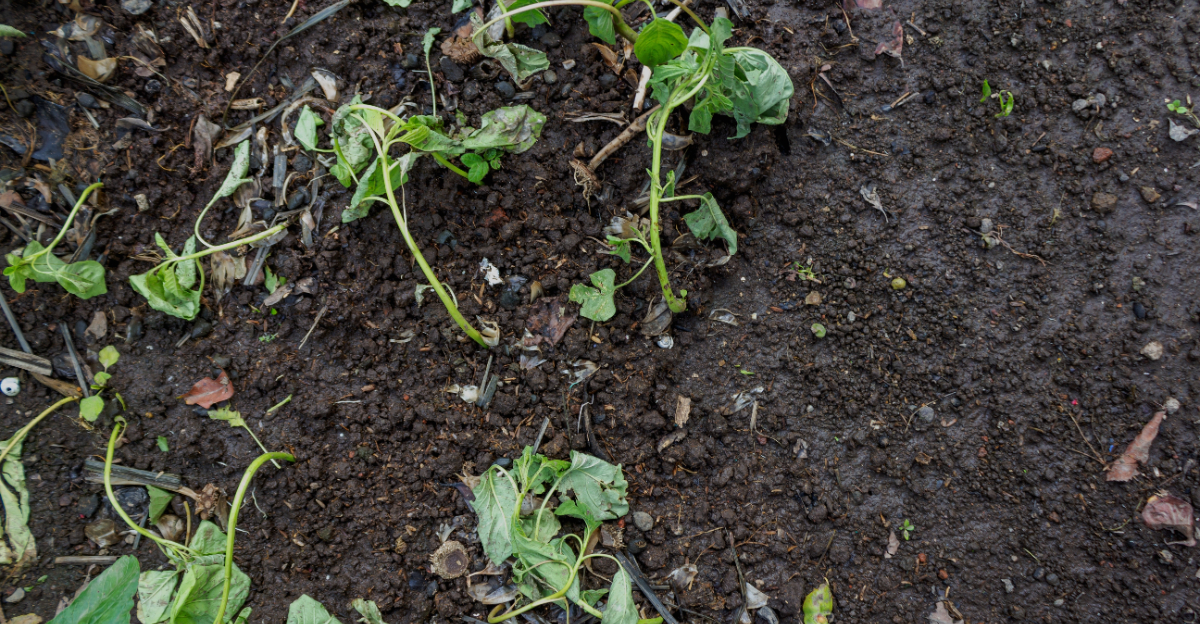
A sudden cold snap in North Carolina can change the look of a garden almost overnight. One week plants appear healthy and full of life, and the next they start showing signs of stress that many gardeners did not expect.
The real story often appears about two weeks later, when leaves, stems, and new growth begin to reveal how well they handled the drop in temperature.
Across the Piedmont, Coastal Plain, and Mountain regions, these cold swings are a normal part of the growing season.
Some plants bounce back quickly, while others show clear signs of seasonal damage that need attention. Knowing what these changes mean can help you respond the right way instead of making mistakes that slow recovery.
Once you understand what to look for after a cold snap in North Carolina, you can help your garden recover faster and stay strong as the season moves forward.
1. Frost-Damaged Leaves May Turn Brown Or Black
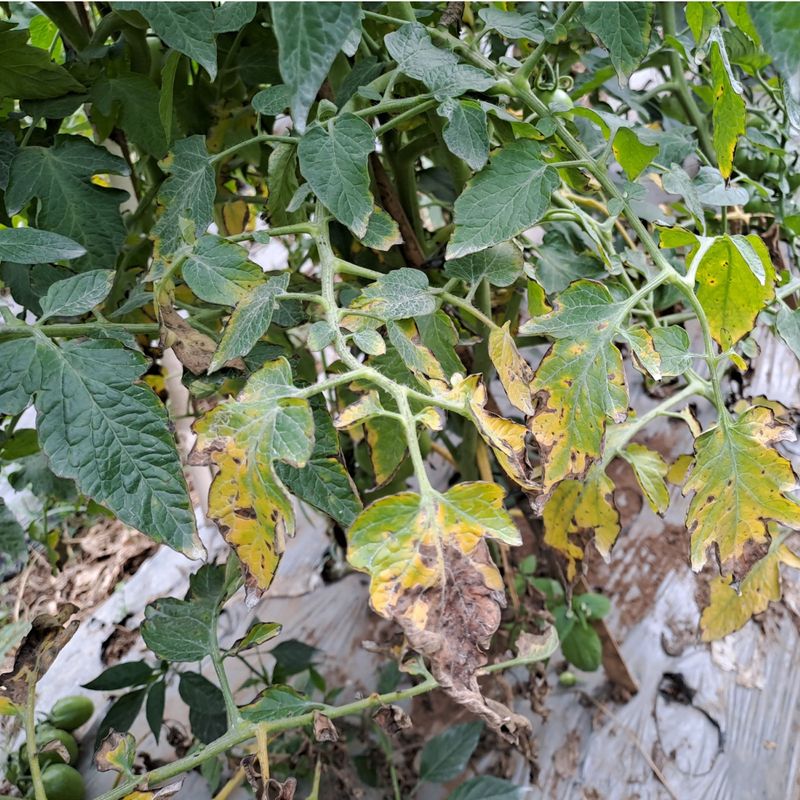
Walking out to your garden after a cold snap and spotting dark, crispy leaves can feel alarming. Tender plants like basil, impatiens, and newly sprouted tomato seedlings are especially vulnerable when temperatures take a sharp dip.
These plants simply were not built to handle freezing conditions, and their leaves show it clearly.
Two weeks after a cold snap in North Carolina, the damage on these soft-leaved plants becomes fully visible. Leaves that were once bright green may now appear brown, black, or even mushy in spots.
This happens because ice crystals form inside plant cells, rupturing the cell walls and causing the tissue to break down over time.
The discoloration is not always immediate, which is why two weeks is actually the clearest window for seeing the full picture. Some gardeners in NC make the mistake of pruning right away, but waiting is smarter.
Removing the affected foliage too soon can expose healthier tissue underneath to additional stress. Give your plants a little more time before cutting anything back, and you may be surprised by what starts pushing through beneath the damage.
2. Perennials Often Regrow From The Crown
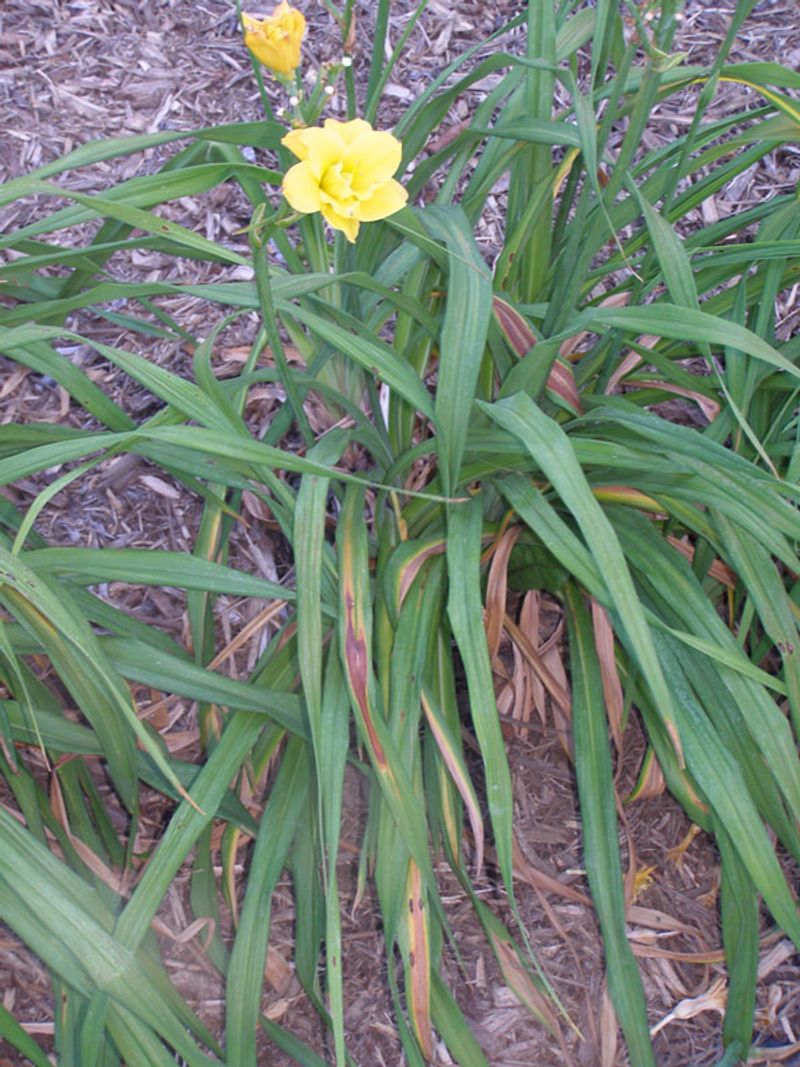
One of the most encouraging sights in a North Carolina garden two weeks after a cold snap is fresh green sprouts pushing up from the base of your perennials. Plants like purple coneflower, black-eyed Susan, and daylilies are built tough.
Even when their above-ground leaves look rough or wilted, the crown tucked just below the soil surface is often perfectly fine.
The crown is the powerhouse of a perennial plant. It stores energy and protects the growing points through cold spells.
When temperatures rise again, those growing points wake up and send out new shoots almost like nothing happened. NC gardeners who have grown these plants for a season or two usually know to trust the process and wait patiently.
Two weeks out, you might still see some tattered or browned foliage clinging to the base. That old growth is actually doing your plant a favor by acting as a natural insulator around the crown.
Resist the urge to pull everything out and start over. Instead, gently check around the base for those small, firm green shoots that signal a healthy comeback.
North Carolina’s mild stretches between cold snaps give perennials just enough warmth to bounce back with impressive speed and strength.
3. New Seedlings May Be Stunted
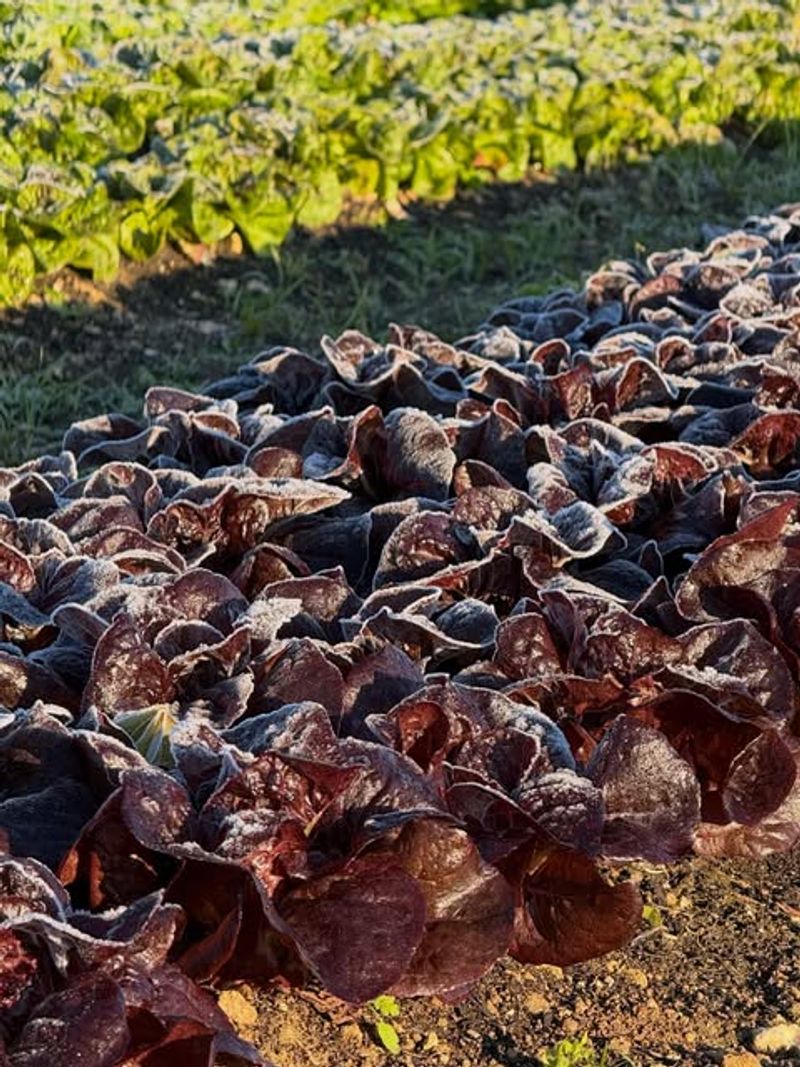
Peppers and eggplants are among the most cold-sensitive vegetables you can grow in North Carolina, and a sudden temperature drop can put them in a tough spot.
Two weeks after a cold snap, these seedlings may look noticeably smaller or just frozen in place compared to where you expected them to be by now. They are not thriving, but they are not gone either.
Cold stress slows down cell division in young plants, which means growth simply pauses. The seedling sits there, looking small and a little sad, while it waits for soil and air temperatures to climb back into a comfortable range.
For peppers, that sweet spot is consistently above 60 degrees Fahrenheit during the day, and NC springs can be unpredictable enough to delay that for weeks.
The good news is that stunted seedlings often catch up once warmth returns. A little patience goes a long way here.
Avoid the temptation to over-fertilize in hopes of pushing growth faster, because that can stress roots that are already struggling.
Instead, keep the soil lightly moist, protect the seedlings from any additional cold nights with a row cover, and let the warming temperatures do the heavy lifting.
North Carolina gardeners who play it cool during this phase usually end up with strong, productive plants by summer.
4. Some Plants Look Wilted But Recover Quickly
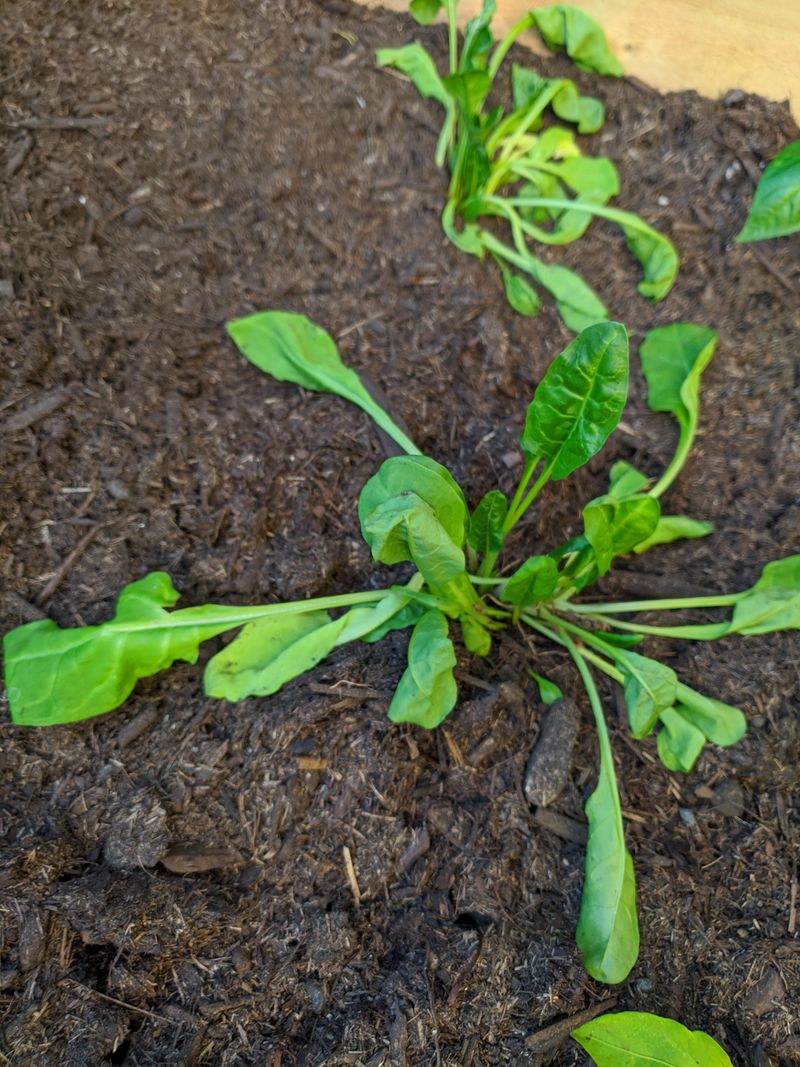
Spinach, kale, and lettuce have a sneaky trick up their sleeve after cold weather. They look completely done for, flopped over and limp like they gave up entirely, but check back a few days later and you will likely find them standing tall again.
Cool-season vegetables in North Carolina are naturally built for this kind of weather drama.
What happens is that the water inside plant cells partially freezes during a hard frost, causing the leaves to lose their firmness and droop. Once temperatures climb back up and the cells thaw, many of these plants rehydrate and resume normal activity.
Two weeks after a cold snap, you might catch them right in the middle of that recovery phase, looking a little rough but clearly on their way back.
Kale is especially resilient and is well-loved by NC gardeners for exactly this reason. A frost can actually make kale taste sweeter because the plant converts starches into sugars as a natural cold-protection response.
So not only does it survive, it improves. Spinach and lettuce follow a similar pattern, though they prefer the cold snap to be brief.
Keep the soil from drying out completely during the recovery window, and avoid disturbing the roots. Your cool-season greens will likely reward your patience with a fresh flush of tender new leaves before long.
5. Woody Shrubs May Show Leaf Browning
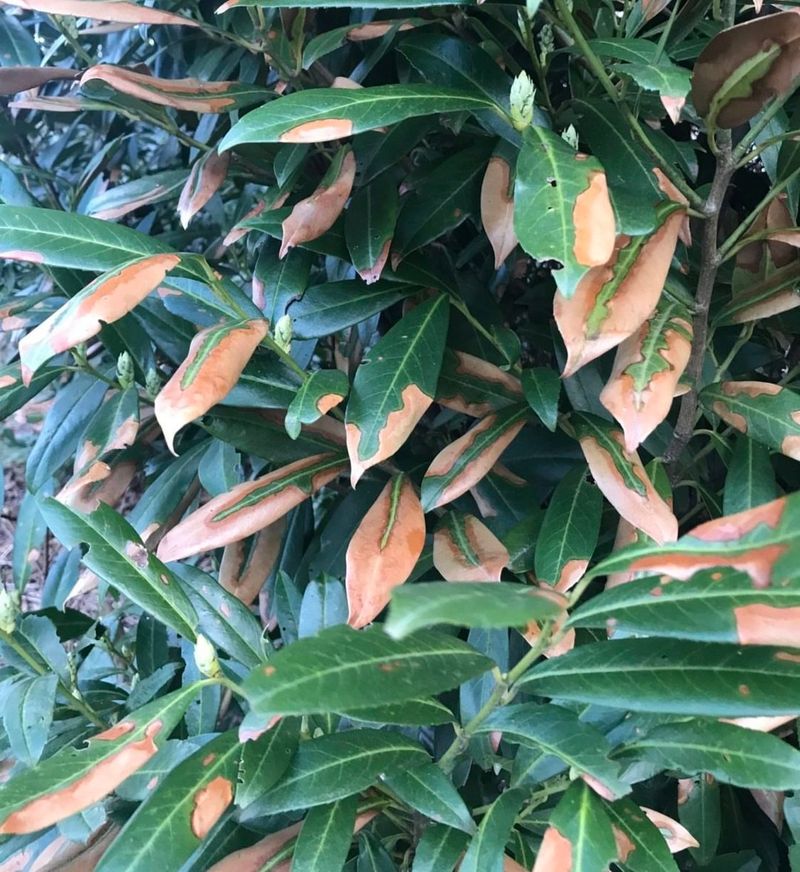
Azaleas and camellias are staples in North Carolina gardens, and most homeowners feel a little nervous when they see brown leaf tips appearing on these beloved shrubs after cold weather.
The browning can look worse than it actually is, especially two weeks out when the full extent of the damage has had time to develop and become visible across the plant.
What typically happens is that the outermost leaves and tender shoot tips take the brunt of the cold. The internal structure of the shrub, including the roots and main stems, often comes through just fine as long as the freeze was not extreme or prolonged.
Hydrangeas in North Carolina face a similar situation, with some leaf browning or tip dieback being fairly common after a sharp temperature drop in late winter or early spring.
Before grabbing your pruning shears, do a simple scratch test on a stem. If you scratch the bark lightly and see green underneath, that branch is alive and working.
Brown or dry tissue underneath means that section was affected more seriously. Focus your pruning only on what the scratch test confirms is damaged.
NC gardeners who take this careful approach rather than cutting everything back at once give their shrubs the best possible chance at a full, lush recovery by late spring and into early summer.
6. Soil May Be Slow To Warm Up
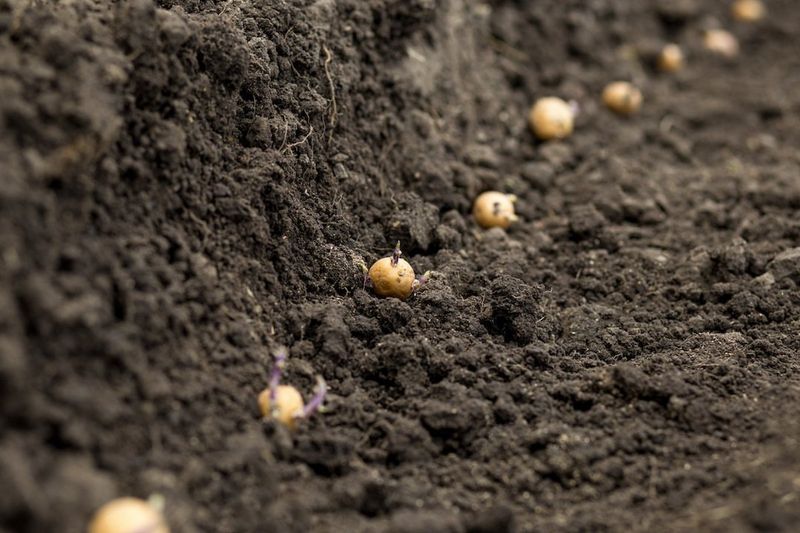
Two weeks after a cold snap, the air might feel warmer and the sun might be shining, but your soil could still be holding onto the cold from those frigid nights.
Soil temperature lags behind air temperature, especially in shaded areas or beds with heavy clay soil, which is common across many parts of North Carolina. That slow warm-up matters more than most gardeners realize.
Tomatoes and cucumbers are two of the most popular warm-season crops in NC, and both need soil temperatures above 60 degrees Fahrenheit to really get their roots moving.
When the soil stays cool, root activity slows down, nutrient uptake drops, and the plant just kind of sits there looking underwhelmed.
You might notice yellowing lower leaves or a general lack of new growth even when the weather feels pleasant outside.
A simple soil thermometer is one of the most useful tools any North Carolina gardener can own. Push it about four inches into the soil to get an accurate reading at root level.
If temperatures are still below that 60-degree threshold, hold off on transplanting warm-season crops and let the soil catch up naturally. Black plastic mulch can help absorb more heat from the sun and warm the soil faster.
Raised beds also tend to warm up more quickly than in-ground plots, giving your plants a head start when spring finally settles in for good.
7. Early Spring Bulbs Continue To Bloom
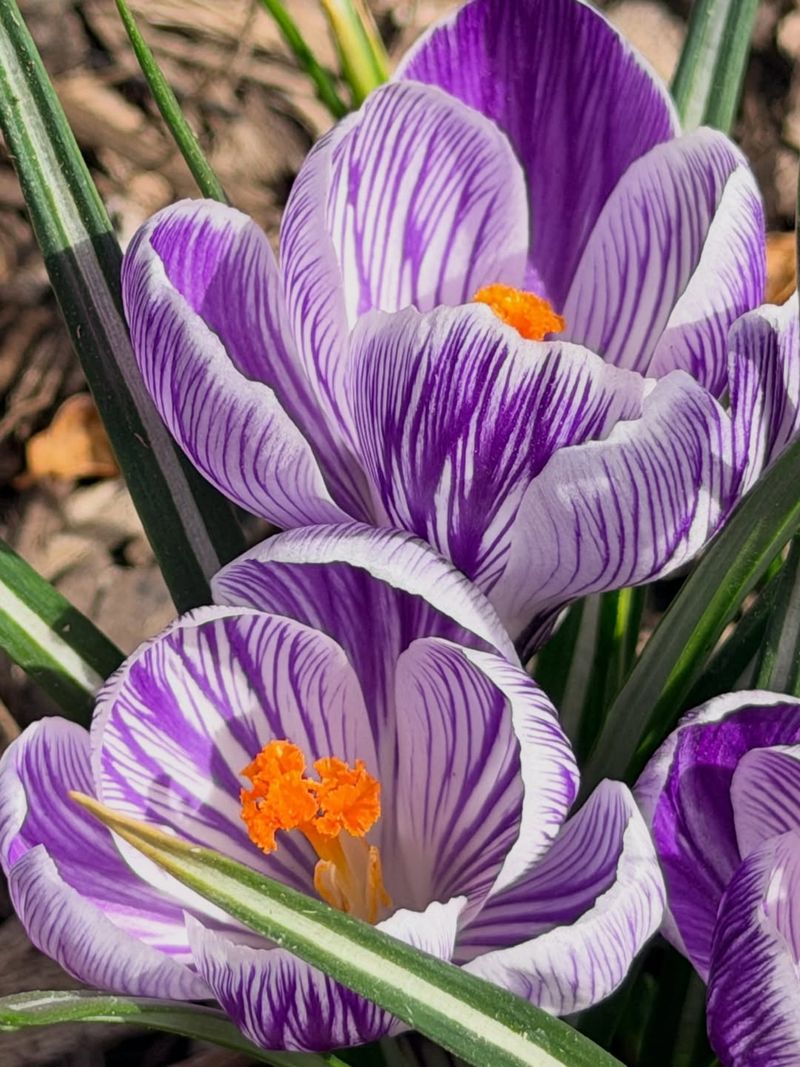
Here is something that never stops being delightful about North Carolina gardens in early spring: daffodils, tulips, and crocuses just keep going. These bulbs evolved to handle cold temperatures, and a brief cold snap barely slows them down.
Two weeks after a hard frost, you might find them blooming just as cheerfully as if nothing happened at all.
Bulbs store their energy underground in a dense, insulated package that shields the growing flower from surface-level cold. The flower stem and bloom itself can tolerate quite a bit of chill without suffering serious damage.
Daffodils are particularly tough and are known for pushing through snow and frost with minimal impact on their flowers. Crocuses are often the very first sign of color in NC yards each year, popping up even when nights are still cold.
Tulips are a little more sensitive to extreme freezes, and blooms that were already open when the cold snap hit may show some petal damage. But unopened buds lower on the stem typically continue developing normally once temperatures stabilize.
NC gardeners who plant a mix of early, mid, and late-blooming bulbs in the fall get a much longer parade of color through spring, with natural cold tolerance built right into the show. These reliable bloomers are one of the best rewards for planning ahead in the garden.
8. Mulch Helps Reduce Stress Visible In Garden
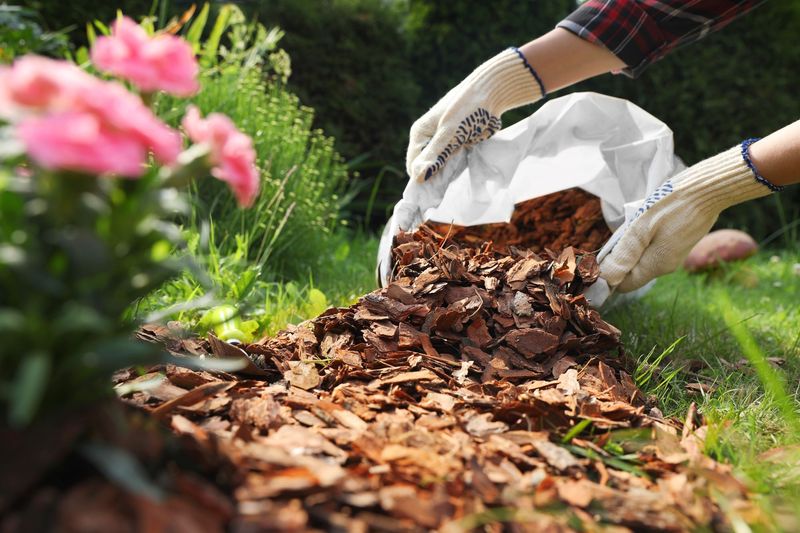
Pull back the mulch in a well-tended North Carolina garden two weeks after a cold snap, and you will likely find something reassuring: the soil underneath is warmer, moister, and in much better shape than in an unmulched bed nearby.
Mulch is one of the simplest and most effective tools a gardener has for protecting plants through cold weather, and the difference it makes becomes obvious after a hard freeze.
A layer of pine straw, wood chips, or shredded leaves acts like a blanket over the soil, slowing heat loss during cold nights and keeping root zone temperatures more stable.
Plants sitting in mulched beds tend to show less leaf browning, faster recovery, and stronger new growth compared to those left exposed.
Perennials and small shrubs especially benefit from this added insulation during a cold snap in NC.
Even after the cold snap passes, leaving the mulch in place during recovery is a smart move. It continues to regulate soil moisture, which is important because plants recovering from cold stress need consistent hydration to rebuild damaged tissue.
Two to three inches of mulch is the sweet spot for most North Carolina garden beds. Go too thick and you risk trapping excess moisture near stems, which can cause other problems.
Get it right and your mulched garden will bounce back noticeably faster than bare-soil beds after every cold event.
9. Fruit Trees May Show Tip Dieback
Peach trees are practically synonymous with North Carolina agriculture, and apple and plum orchards dot the western foothills of the state.
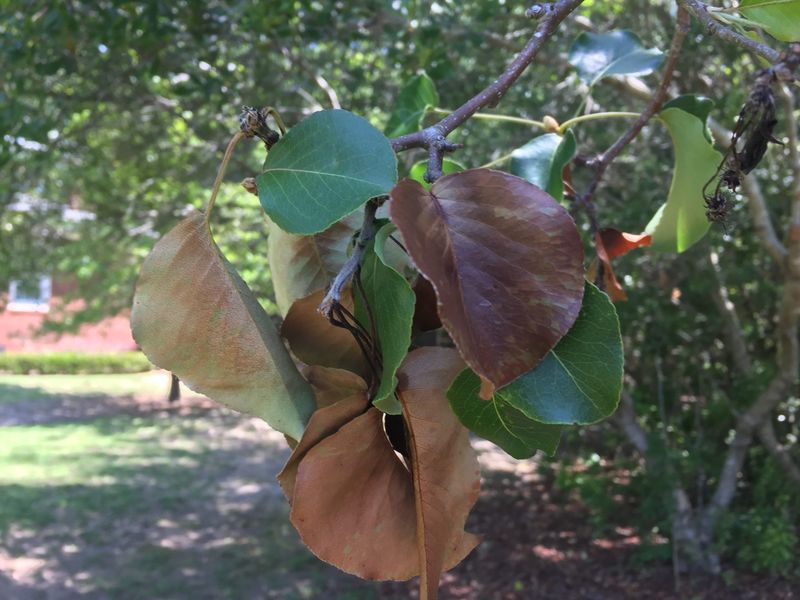
After a cold snap, these trees often show some damage at the tips of their branches, and two weeks out is when that dieback becomes most visible.
The ends of young shoots may look brown, dry, or shriveled while the rest of the tree looks perfectly healthy.
Tip dieback happens because the newest, softest growth at the ends of branches has the least cold protection. The more mature wood lower on the branch handles temperature drops much better.
Healthy buds positioned further down the stem usually come through just fine and will continue pushing out leaves and eventually fruit as the season progresses. NC fruit growers know that a little tip damage does not necessarily mean a bad harvest ahead.
Pruning the affected tips back to healthy wood is a reasonable step once you are confident the cold weather has passed for the season. Make clean cuts just above a healthy bud pointing outward from the center of the tree.
This encourages strong new growth in the right direction and helps the tree maintain a good shape. Patience is key here because cutting too early in NC can expose fresh wounds to late frosts.
Wait until you see consistent new bud activity before making any significant cuts on your fruit trees.
10. Pollinators Begin Returning Slowly
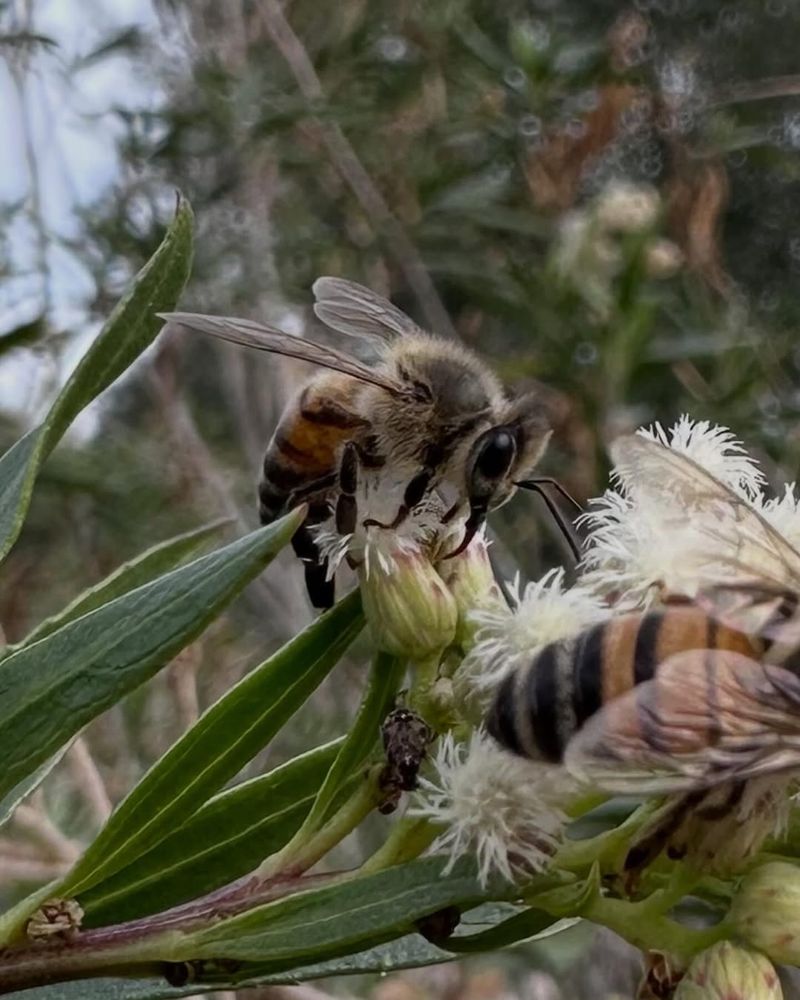
Something quietly wonderful starts happening in a North Carolina garden about two weeks after a cold snap: the pollinators begin coming back.
Bees, butterflies, and small native insects are sensitive to temperature, and they naturally pull back during cold stretches.
But as the days warm up and flowers begin opening again, these essential visitors start reappearing one by one.
Honeybees cluster inside their hives during cold snaps to stay warm, venturing out only when temperatures climb above around 50 degrees Fahrenheit. Native bees, which are incredibly important to NC ecosystems, may shelter under bark, in hollow stems, or in the ground during cold weather.
Two weeks after a cold snap, with temperatures stabilizing, you can expect to see the first bees buzzing around early bloomers like daffodils, henbit, and chickweed, which are some of the first available food sources of the season.
Butterflies are a bit slower to return because they rely heavily on warmth to fly efficiently. Monarch migration through North Carolina typically happens in fall, but species like the cabbage white and mourning cloak are early spring fliers that show up shortly after cold periods end.
Planting a mix of early-blooming native flowers gives returning pollinators a reliable food source right when they need it most. Your garden becomes not just a beautiful space but an important part of the local NC ecosystem every spring.