What Your Ohio Hydrangeas Need This April For A Stunning Summer Show
Your hydrangeas are already deciding how they will look this summer, and April is when everything shifts. Miss this window, and you might spend the rest of the season wondering where the blooms went.
Across Ohio, spring moves fast once it gets going. Buds begin to swell, new growth starts pushing out, and those bare stems suddenly come back to life.
It is easy to assume your plants can handle things on their own right now, but this is the moment they respond most to what you do next.
A few small adjustments in April can shape stronger stems, fuller growth, and more reliable blooms when summer arrives. Ignore those early signals, and even healthy plants can fall short of their potential.
Give your hydrangeas the right support at the right time, and they will reward you with a show that feels worth the wait.
1. Clean Up Winter Damage Before New Growth Takes Off
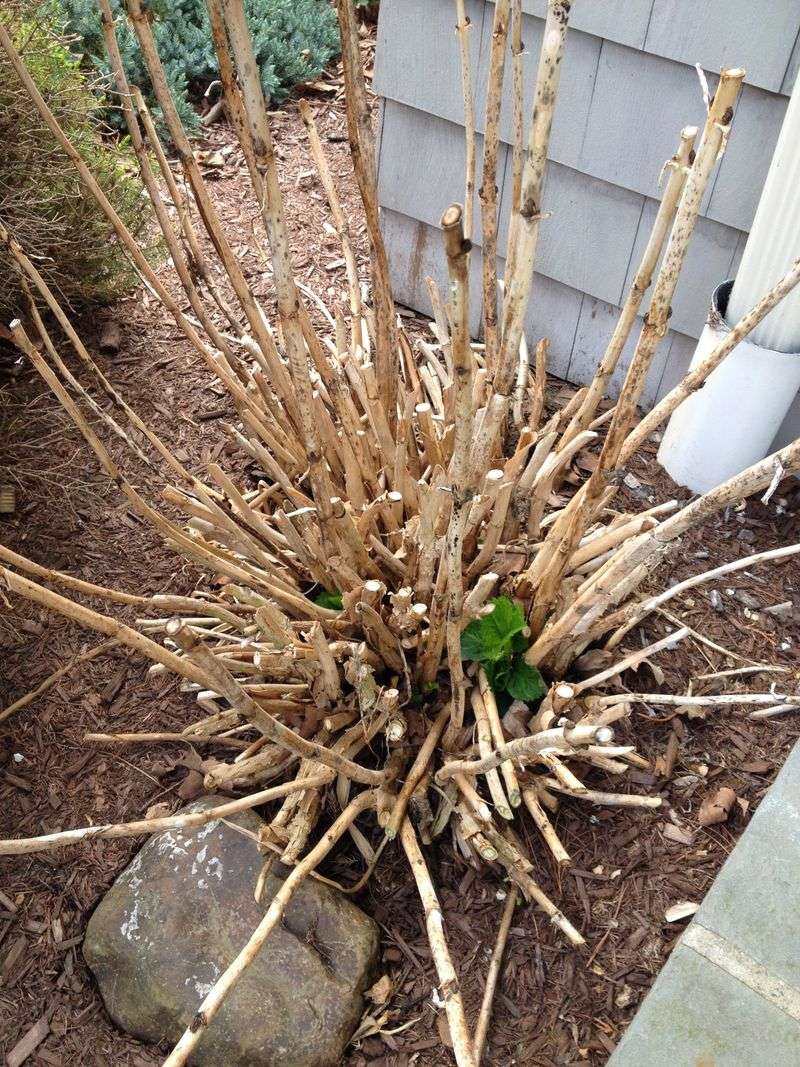
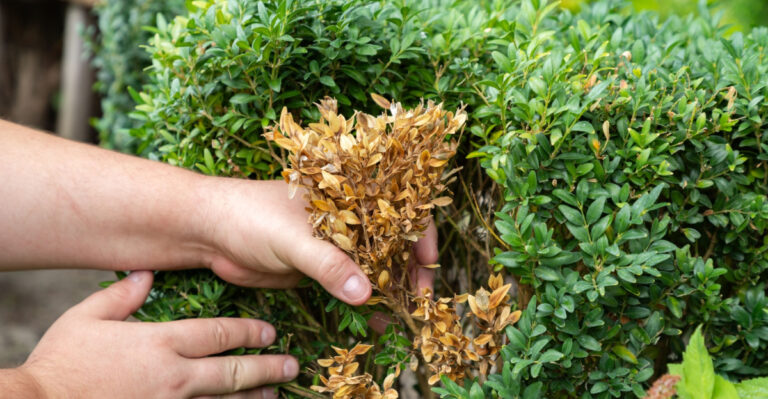
After a long Ohio winter, your hydrangeas can look like they’ve been through a battle. Brown, brittle stems and scattered leaf litter are normal sights in April, but leaving that mess in place can slow down your plant’s recovery and invite problems later in the season.
Start by walking around each shrub and looking closely at the stems. Snap a small tip off a suspect stem.
If it’s green or white inside, it’s alive. If it crumbles or shows nothing but brown, it’s safe to cut that section back.
In northern Ohio, winter dieback tends to be more severe than in southern parts of the state, so don’t be surprised if you’re removing more material near Cleveland than you would near Cincinnati.
Clear away fallen leaves, old flower heads, and any debris sitting around the base of the plant. That layer of declined material can harbor fungal spores and insect eggs that cause problems once warm weather arrives.
Ohio State University Extension recommends removing plant debris as part of general spring garden cleanup to reduce disease pressure throughout the growing season.
Work carefully and avoid disturbing the soil too aggressively near the roots. A gentle hand now protects new growth that may already be pushing up from the crown.
Think of this step as giving your plant a clean slate to work from as the season builds momentum.
2. Know Your Hydrangea Type Before You Touch Anything
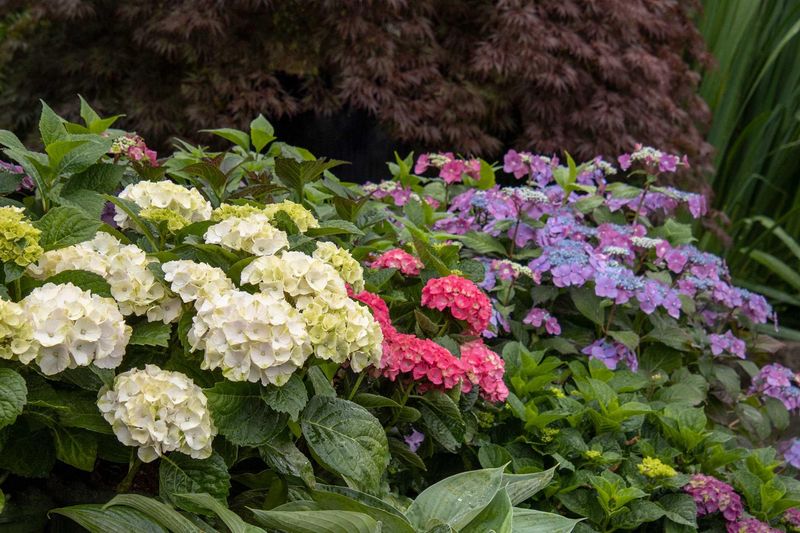
Not all hydrangeas play by the same rules, and treating them all the same way is one of the most common mistakes Ohio gardeners make.
Before you reach for the pruning shears or start any spring maintenance, take a moment to figure out exactly what type of hydrangea you’re working with.
Bigleaf hydrangeas, which are the classic mophead and lacecap types, bloom on old wood, meaning the flower buds formed last summer. Oakleaf hydrangeas also bloom on old wood.
Panicle hydrangeas, with their cone-shaped flower clusters, and smooth hydrangeas like the popular Annabelle variety both bloom on new wood grown in the current season.
In colder parts of Ohio, especially in zones 5 and 6 that cover much of the northern and central regions, heavy winters can make identification tricky because significant dieback leaves stems looking similar regardless of type.
If you’re unsure what you have, look up the original plant tag, check an old photo, or wait a few more weeks until leaf shape becomes clearer.
Getting the type right matters more than almost anything else you’ll do this spring. Ohio State University Extension factsheets on hydrangeas emphasize that misidentification often leads to accidental removal of flower buds, which means a season with little to no blooms.
A little patience here pays off in a big way come July.
3. Hold Off On Pruning Or You Could Cut Off Summer Blooms
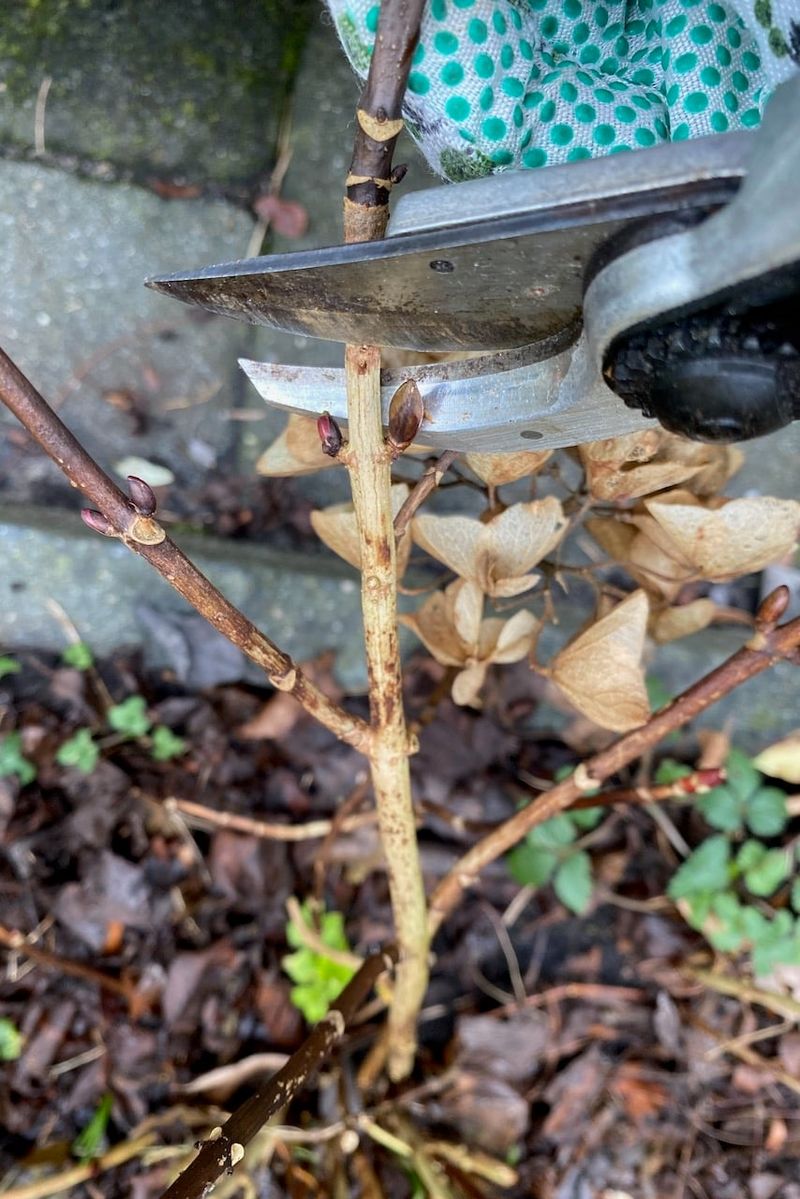
Few spring gardening mistakes sting quite like realizing in July that you accidentally pruned away every single flower bud your hydrangea spent all last summer building. It happens more often than you’d think, and the culprit is almost always pruning too early or pruning the wrong plant at the wrong time.
For old wood bloomers like bigleaf and oakleaf hydrangeas, the flower buds are already sitting on those stems right now. Cutting those stems back in April means cutting off your summer blooms before they ever get a chance to open.
The safest approach is to wait until the plant fully leafs out so you can clearly see which stems are producing new leaves and which are truly no longer viable.
Panicle and smooth hydrangeas are more forgiving because they bloom on new growth. If you have an Annabelle or a Limelight, a moderate cutback in early spring is actually encouraged to promote stronger stems and larger flower clusters.
Cutting these back to around 12 to 18 inches from the ground is a common recommendation from university extension sources.
Ohio’s unpredictable spring weather adds another layer of complexity. A late frost in April can damage tender new growth, so even new wood bloomers benefit from waiting until frost risk has clearly passed before any major pruning work begins.
Patience really is the best tool in your April gardening kit.
4. Refresh The Soil With Compost Instead Of Heavy Feeding
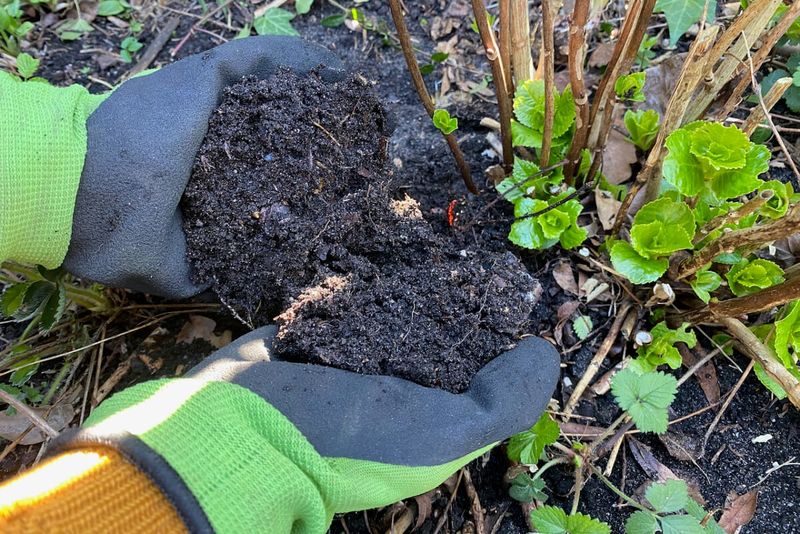
Reaching for a bag of granular fertilizer the moment the ground thaws is a very common spring gardening instinct, but your hydrangeas will likely respond better to a gentler, more nourishing approach in April.
Heavy feeding early in the season can push rapid, weak growth that struggles when summer stress arrives.
Ohio soils vary quite a bit across the state. Much of central and western Ohio has clay-heavy soil that holds moisture but drains slowly and can become compacted over winter.
Sandy soils in other areas drain quickly and lose nutrients fast. In both cases, working a layer of finished compost into the top few inches around your hydrangeas improves structure, feeds soil microbes, and slowly releases nutrients in a way plants can actually use.
Spread two to three inches of compost around the base of each shrub, keeping it a few inches away from the main stem to avoid moisture buildup against the crown. This is not the same as mulch, though both have their place.
Compost actively improves soil biology, while mulch sits on top to manage temperature and moisture.
If you want to add a light fertilizer, Ohio State University Extension suggests waiting until you see consistent new growth before applying anything. A balanced, slow-release formula applied once in late spring is generally sufficient for healthy hydrangeas.
Overfeeding leads to lots of leaves and very few flowers, which is the opposite of what most gardeners are hoping for.
5. Apply Mulch To Lock In Moisture Before Heat Builds
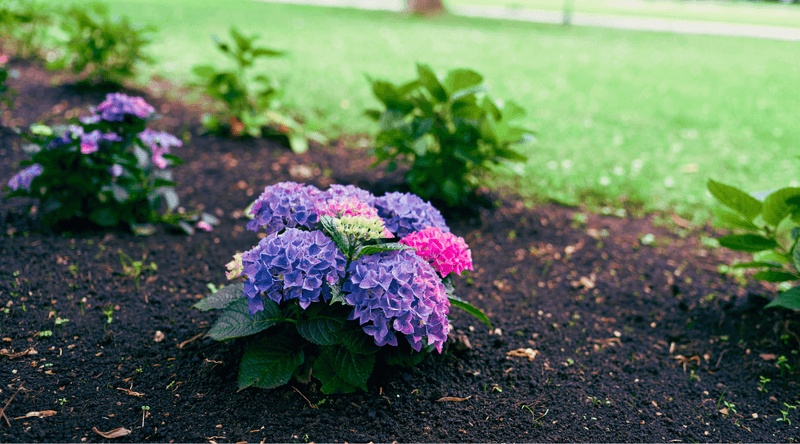
There’s a short but valuable window in April when the ground is still relatively cool and moist from winter, and laying down mulch during this period can make a real difference in how your hydrangeas handle the dry spells that often hit Ohio in July and August.
A two to three inch layer of organic mulch, such as shredded hardwood bark, pine bark, or leaf mold, acts like a protective blanket around the root zone.
It slows moisture evaporation from the soil, keeps roots from experiencing dramatic temperature swings, and gradually breaks down to add organic matter over time.
That combination is especially valuable for hydrangeas, which are known to wilt dramatically when soil moisture drops.
Northern Ohio, which tends to receive more consistent rainfall through spring, may not feel the urgency as strongly as gardeners in central or southern Ohio, where dry periods can arrive earlier in the season.
Regardless of your location, mulch is a low-effort step that pays dividends well into summer.
Keep the mulch a few inches away from the main stems of your plants. Piling it directly against the base traps moisture against the wood and can create conditions that encourage rot or pest activity.
Spread it out in a wide circle instead, covering as much of the root zone as possible. Refreshing mulch each spring rather than letting old layers compact is a simple habit that keeps your garden healthier year after year.
6. Water Deeply As Growth Starts To Pick Up
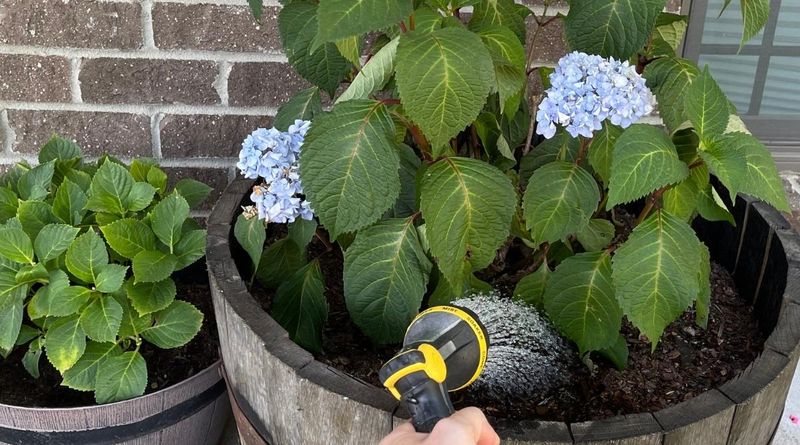
April rainfall in Ohio can be deceiving. Some weeks bring steady rain that keeps the soil nicely moist, and then the weather shifts and you go ten days without a drop.
Hydrangeas are sensitive to these swings, and young spring growth is especially vulnerable to wilting when the soil dries out unexpectedly.
Rather than watering a little every day, which encourages shallow root development, aim for deep, infrequent watering sessions.
Getting water down six to eight inches into the soil encourages roots to grow deeper, which makes the plant more resilient as summer temperatures climb.
A slow trickle from a hose left at the base of the plant for twenty to thirty minutes works well for most established shrubs.
Ohio’s rainfall patterns vary noticeably across the state. The northeast corner near Lake Erie tends to receive more precipitation than the southwestern areas closer to Cincinnati, which can experience drier spring stretches.
Checking soil moisture by pressing your finger two inches into the ground near the plant is more reliable than following a fixed watering schedule.
Always water at the base of the plant rather than overhead. Wetting the foliage encourages fungal issues, which are already a concern in Ohio’s humid climate.
Morning watering is preferred over evening because it gives any moisture on leaves time to dry before nightfall. Consistent, thoughtful watering in April builds the root strength that supports heavy blooming through summer.
7. Check Sun Exposure Before Trees Fully Leaf Out
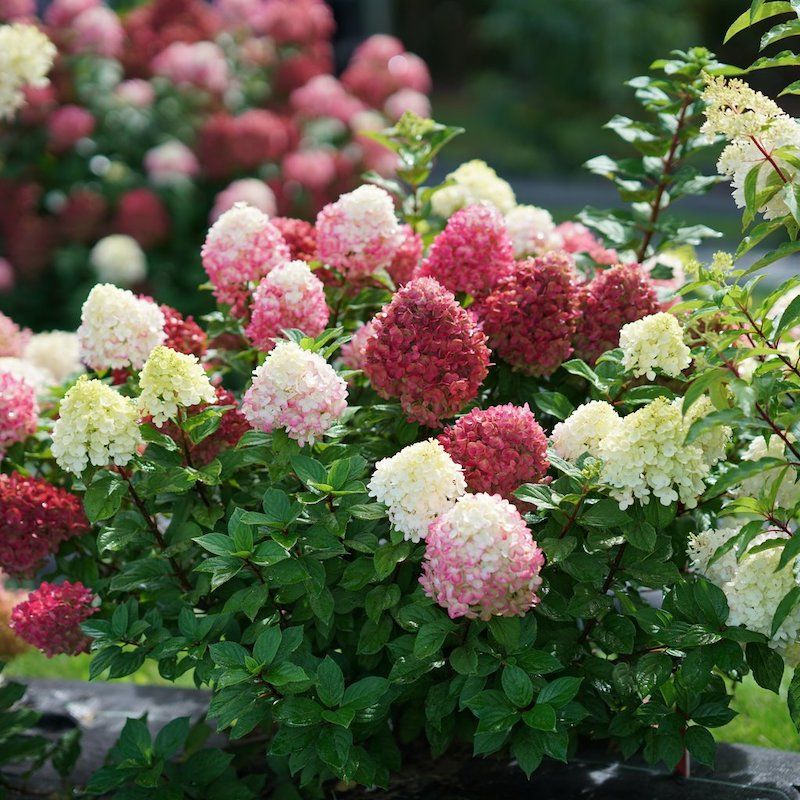
Here’s something that surprises a lot of Ohio gardeners every spring: a spot that looks sunny and bright in April can turn into deep shade by late May once the surrounding trees fully leaf out.
If your hydrangeas are planted near large deciduous trees, now is the perfect time to assess whether they’re actually getting the light they need.
Most hydrangeas perform best with morning sun and afternoon shade, which shields them from the intense heat that builds later in the day during Ohio summers. At least four to six hours of sunlight daily is generally recommended for strong bloom production.
Bigleaf hydrangeas are particularly sensitive to too much afternoon sun, which can cause wilting and stress even when the soil is adequately moist.
Walk around your garden on a clear April morning and notice where sunlight falls and for how long. Pay attention to where shadows begin to creep in as the day progresses.
This gives you a realistic picture of actual light exposure before the overhead tree canopy fills in and changes everything.
If you notice that a plant is getting much less light than it needs, April is also a reasonable time to consider moving it while the shrub is still in early growth mode and before summer heat makes transplanting more stressful.
Younger, smaller shrubs handle being moved more easily than established ones, so factor in plant size before deciding whether to relocate or simply adapt your care approach to the available light.
8. Watch For Early Pest And Disease Activity
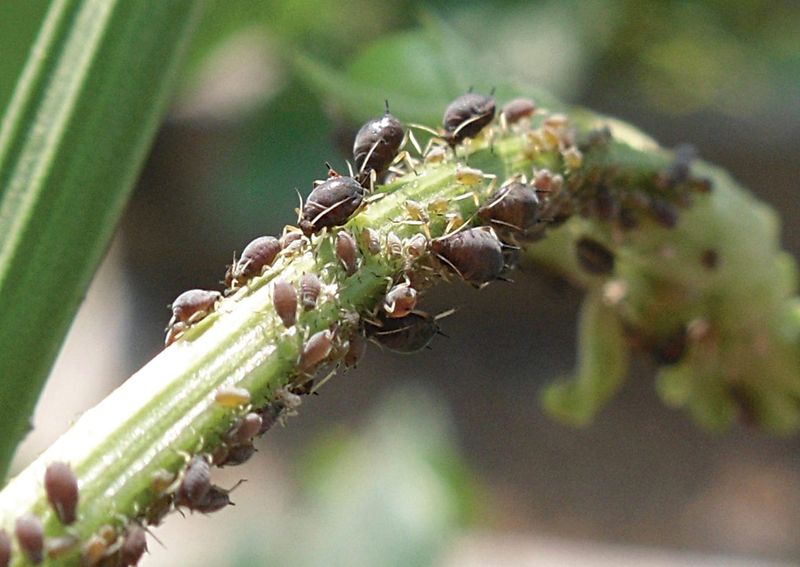
By the time you spot a full-blown aphid infestation or a heavy coating of powdery mildew on your hydrangeas, the problem has already been building for weeks.
April is when early scouting pays off, because catching issues while they’re small is far easier than trying to manage them once they’ve spread across the entire plant.
Aphids are among the first pests to show up in spring. These tiny, soft-bodied insects cluster on new growth and the undersides of young leaves, sucking plant sap and leaving behind a sticky residue that can attract other problems.
A strong spray of water from a garden hose is often enough to knock them off, and natural predators like ladybugs typically help manage populations once they arrive later in spring.
Ohio’s humid climate, especially in the northern and eastern parts of the state, creates favorable conditions for fungal issues like powdery mildew and leaf spot diseases.
Both tend to appear when air circulation around the plant is poor and moisture lingers on foliage.
Thinning out crossing branches and avoiding overhead watering are two simple habits that reduce the risk significantly.
Keep an eye out for any discoloration, unusual spotting, or distorted new growth as your hydrangeas push into spring.
Ohio State University Extension recommends integrated pest management approaches, which means starting with the least invasive response and only escalating if the problem persists.
Early attention in April keeps your plants on track for a healthy, bloom-filled summer.