What Your Pennsylvania Garden Will Look Like 30 Days After Frost?
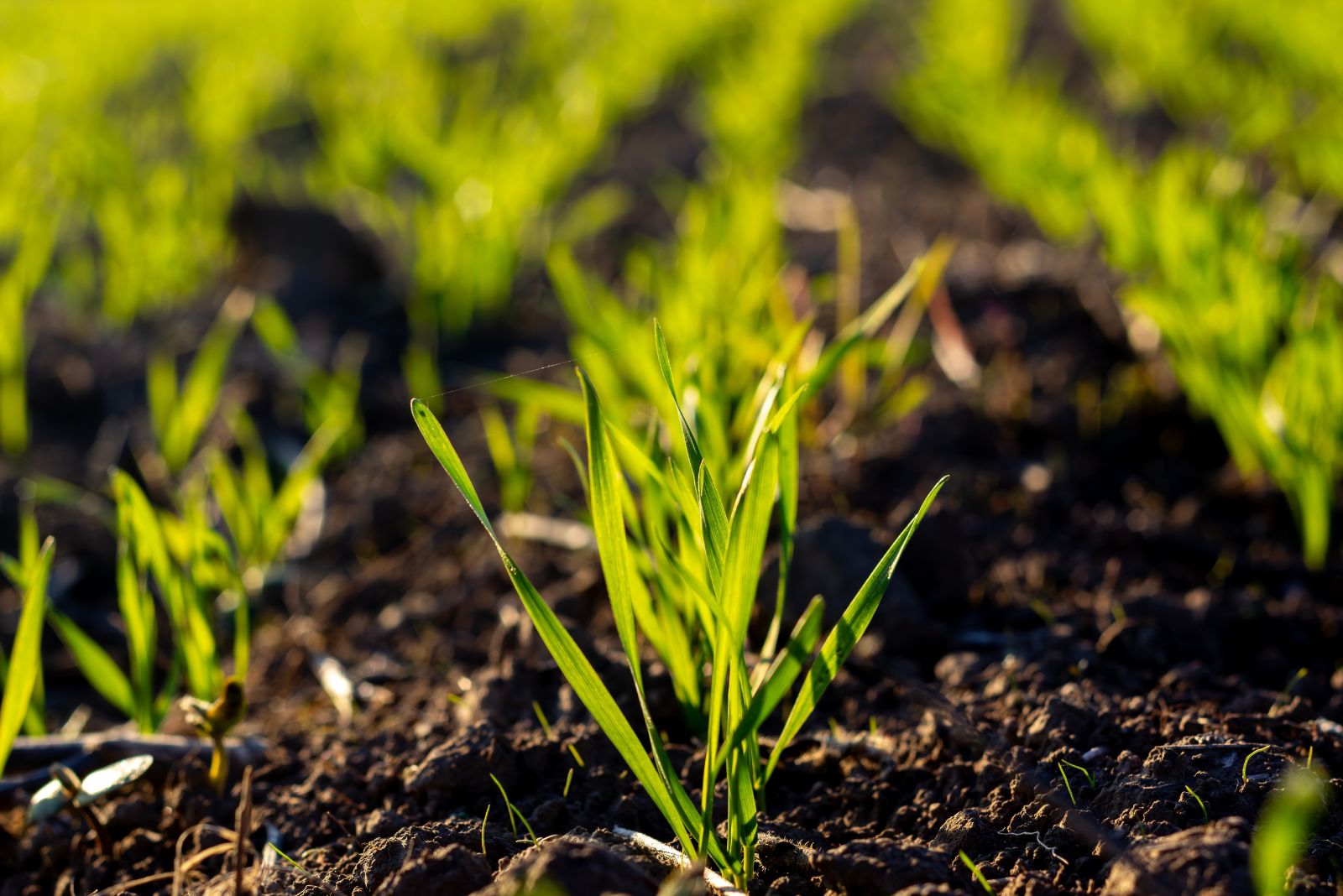
After a cold snap, many Pennsylvania gardeners wonder what will happen to their plants in the weeks that follow. Thirty days after frost, the garden begins to show clear signs of recovery and growth.
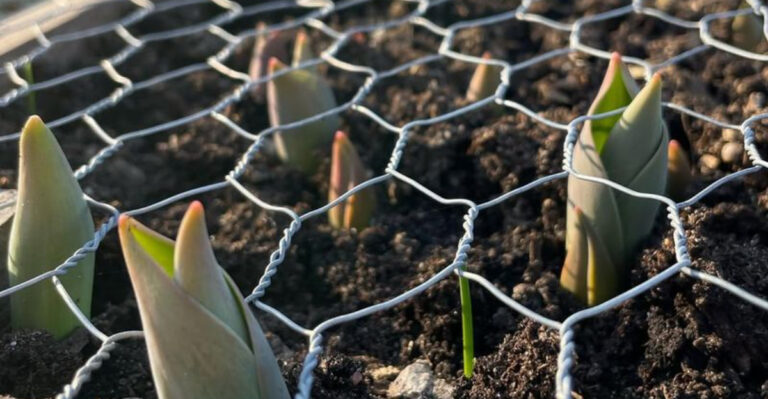
Early shoots push through the soil, buds swell, and hardy perennials start to regain their leaves, signaling that spring is slowly returning.
Some plants may look tired or damaged at first, but most resilient species bounce back quickly with proper care. Cool season vegetables, bulbs, and native perennials often thrive after frost, offering fresh green growth and even early blooms.
Observing the garden at this stage gives insight into which plants are strong performers and which may need extra attention.
Understanding what your yard looks like a month after frost helps you plan planting, pruning, and fertilizing. With patience and care, your Pennsylvania garden can transform from a dormant landscape into a lively, vibrant space ready for the growing season.
1. The First Signs Of Life Return
Something almost magical happens when the ground in Pennsylvania finally warms up after a long winter. The soil shifts from cold and stiff to soft and full of life.
Moisture levels stabilize, and you can actually smell the change when you walk outside in the morning. That earthy scent means your garden is waking up.
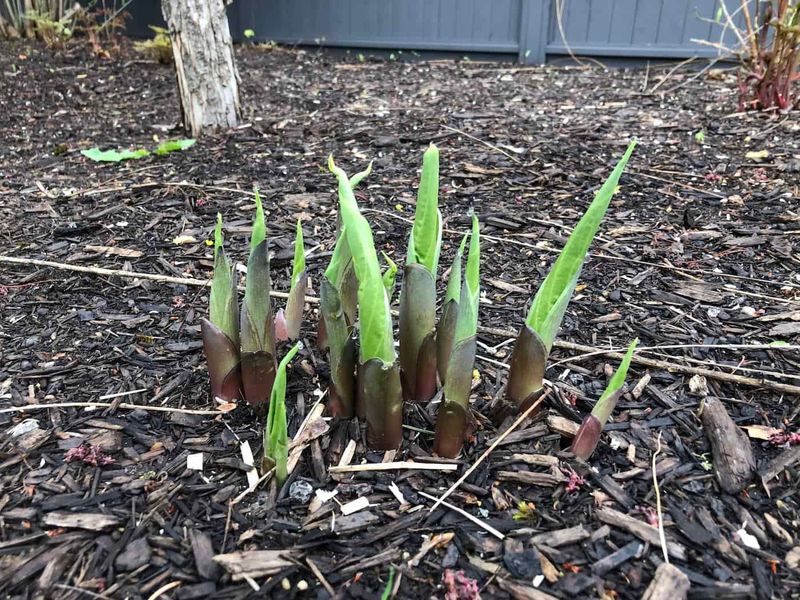
Dormant perennials are usually the first to show off. Hostas, coneflowers, and black-eyed Susans begin pushing tiny green shoots up through the soil.
You might barely notice them at first, but within a week or two, those little nubs grow fast. It is honestly one of the most exciting moments for any Pennsylvania gardener.
Your lawn will also start greening up quickly. Cool-season grasses like Kentucky bluegrass and tall fescue, which are popular across Pennsylvania, respond fast to warming temperatures.
Bare patches that looked rough all winter begin filling in with fresh green blades.
Early insects and earthworms become active again too. Earthworms tunneling through the soil help loosen it up and improve drainage.
Seeing them is actually a great sign that your soil is healthy and ready for the growing season ahead. Early ground beetles and small flies also appear, starting the food chain back up again.
Pennsylvania gardens can change almost overnight once frost is gone. Paying attention during these first 30 days helps you spot problems early and take advantage of the natural energy your garden already has built up over winter.
2. Early Bloomers Begin To Shine
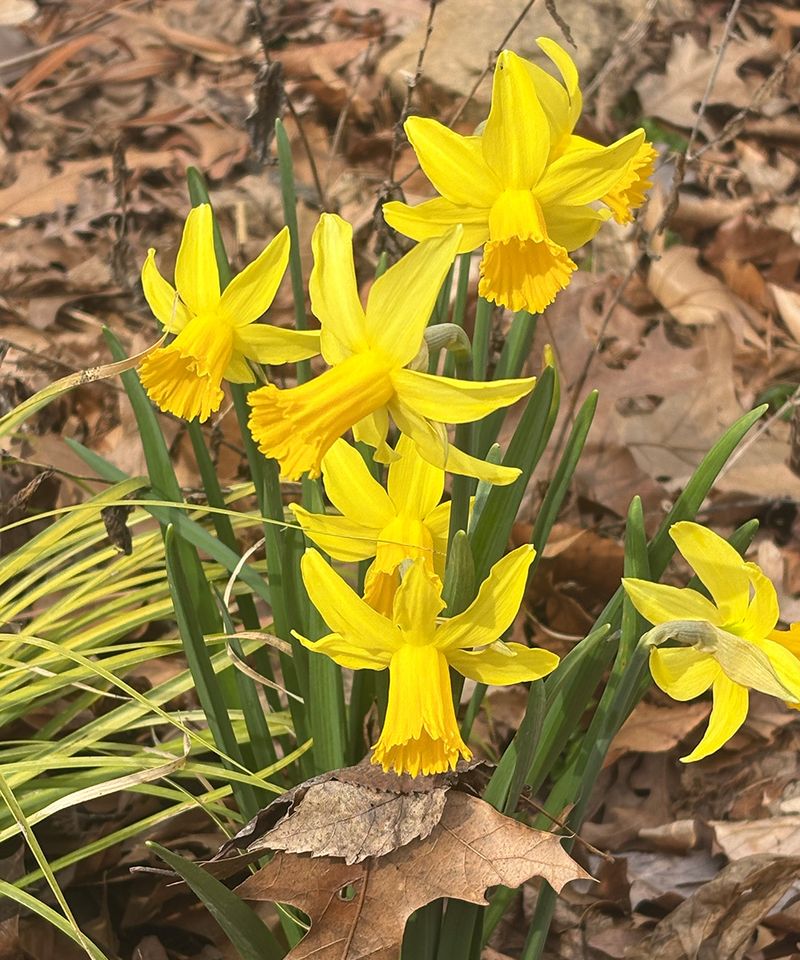
Few things make a Pennsylvania yard feel more alive than a row of daffodils bursting open in April. Spring bulbs are some of the hardest workers in any garden.
You plant them in the fall, forget about them through winter, and then 30 days after the last frost, they show up and absolutely deliver.
Tulips, crocuses, hyacinths, and daffodils all tend to peak during this window. If you planted bulbs last fall in spots that get good morning sun, you are likely looking at a pretty spectacular display right now.
The colors range from soft whites and pale yellows to deep purples and bold reds. Your flower beds go from looking empty and brown to genuinely beautiful in a short time.
Early perennials also start flowering during this period. Bleeding hearts are a classic Pennsylvania favorite and bloom reliably in shaded spots.
Lungwort and creeping phlox are other early performers that add ground-level color without much effort from you.
Pollinators notice all of this quickly. Bumblebees are often the first to show up, searching for early nectar sources.
Seeing them visit your blooms is a great sign that your garden is already supporting local wildlife. Honeybees follow soon after as temperatures climb higher.
If your flower beds feel a little sparse right now, do not worry. Early bloomers are just the opening act.
More plants are warming up behind the scenes and will keep the color coming through late spring and into summer across Pennsylvania.
3. Trees And Shrubs Wake Up
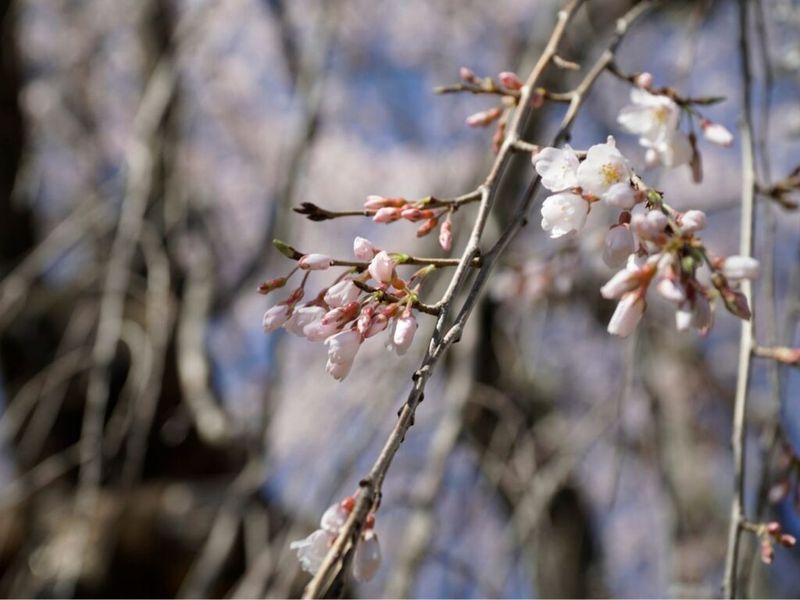
Walk through any Pennsylvania neighborhood in the weeks after the last frost, and you will notice the trees almost look like they are glowing. That soft green haze around the branches is new leaf buds swelling and beginning to open.
It happens gradually at first, then almost all at once.
Flowering trees are the real showstoppers during this time. Cherry trees, magnolias, and dogwoods are among the most beloved spring bloomers across Pennsylvania.
Dogwoods in particular are a Pennsylvania classic, with their wide white or pink blooms creating a stunning effect against still-bare wooded areas. These trees often bloom before their leaves fully open, which makes the flowers stand out even more.
Hedges and ornamental shrubs also start filling back in. Forsythia, which tends to bloom even earlier, finishes up and gives way to lilacs and viburnums.
Boxwood hedges that looked a little rough through winter regain their dense, full appearance as new growth fills in the gaps.
Roses deserve a special mention here. By 30 days after frost in Pennsylvania, rose canes are showing healthy red and green new growth.
This is the right time to finish any light pruning if you have not already done it. Removing old canes and shaping your roses now helps encourage stronger blooms later in the season.
Watching trees and shrubs come back to life is one of the most rewarding parts of gardening in Pennsylvania. The changes happen fast and the results are genuinely beautiful.
4. Lawns And Groundcover Turn Lush Green

There is something deeply satisfying about looking out at a thick, green lawn after months of brown and grey.
Pennsylvania lawns, especially those planted with cool-season grasses like tall fescue or Kentucky bluegrass, really hit their stride in the weeks after the last frost. These grasses love the cool, moist conditions that April brings.
Cool-season grasses grow rapidly during this period. Soil temperatures in the 50s and 60s are ideal for root development and blade growth.
You might notice that your lawn looks noticeably fuller and greener almost week by week. This is completely normal and a great sign that your turf is healthy.
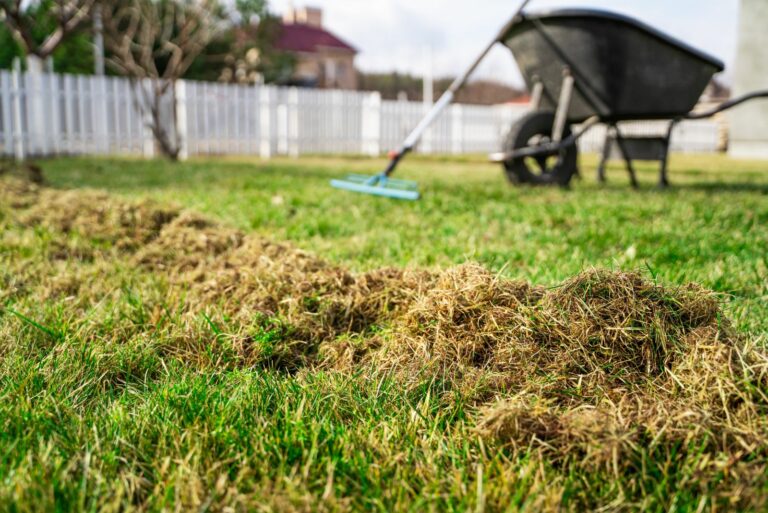
Bare patches from winter foot traffic or pet activity start filling back in. If you overseeded in the fall, those areas recover even faster.
For spots that are still thin, early spring is a great time to throw down some additional seed. Pennsylvania’s spring rains will help it germinate without much extra watering on your part.
Moss and groundcovers like pachysandra and vinca also spread quickly during this time. In shaded areas where grass struggles, these low-growing plants can create a clean, finished look that actually requires very little maintenance once established.
Your lawn will likely need its first mowing of the season around this time. Aim to cut it when the grass reaches about three to four inches tall.
Mowing too short too early can stress the grass, so keep your blade height up for the first few cuts of the Pennsylvania spring season.
5. Vegetable Beds Start Producing Growth
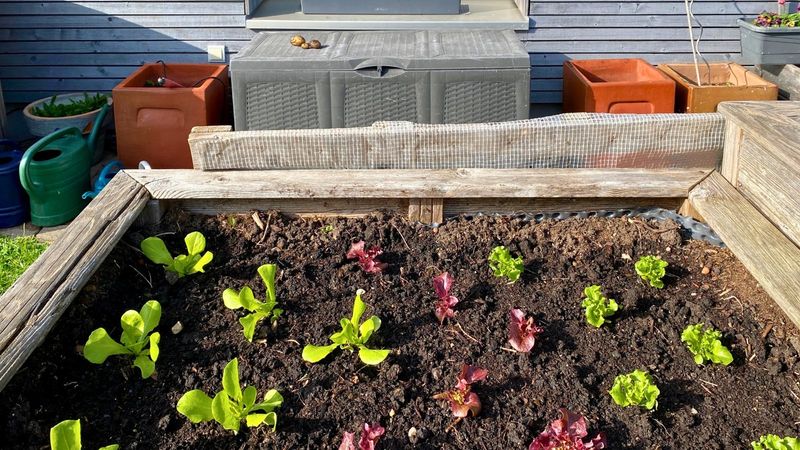
For vegetable gardeners in Pennsylvania, the 30-day post-frost window is genuinely exciting. Cool-season crops are not just surviving right now, they are actually thriving.
Lettuce, spinach, arugula, and peas love the mild temperatures and consistent spring moisture that Pennsylvania offers in April and early May.
If you started seeds indoors back in February or March, your seedlings are likely well-established by now. Transplanting them outside after the last frost date gives them a strong head start.
Seedlings that have been properly hardened off settle into garden beds quickly and begin putting on real, visible growth within just a week or two of being in the ground.
Soil temperatures are also climbing steadily, which opens up more planting options. While tomatoes and peppers still need to wait a little longer, you can start direct sowing beets, carrots, and radishes right now.
These root vegetables actually prefer cooler soil, making this the perfect window to get them in the ground across most of Pennsylvania.
Your garden structure starts becoming visible again during this time too. Raised beds look defined and purposeful.
Trellises for peas and climbing plants become useful again. Pathways between beds that were muddy or frozen all winter are now firm and easy to walk on.
Seeing your vegetable beds fill out with green, healthy growth is one of the best rewards of spring gardening. Pennsylvania’s climate gives cool-season crops a strong advantage right now, so take full advantage of every available planting day you have.
6. Pollinators And Wildlife Return
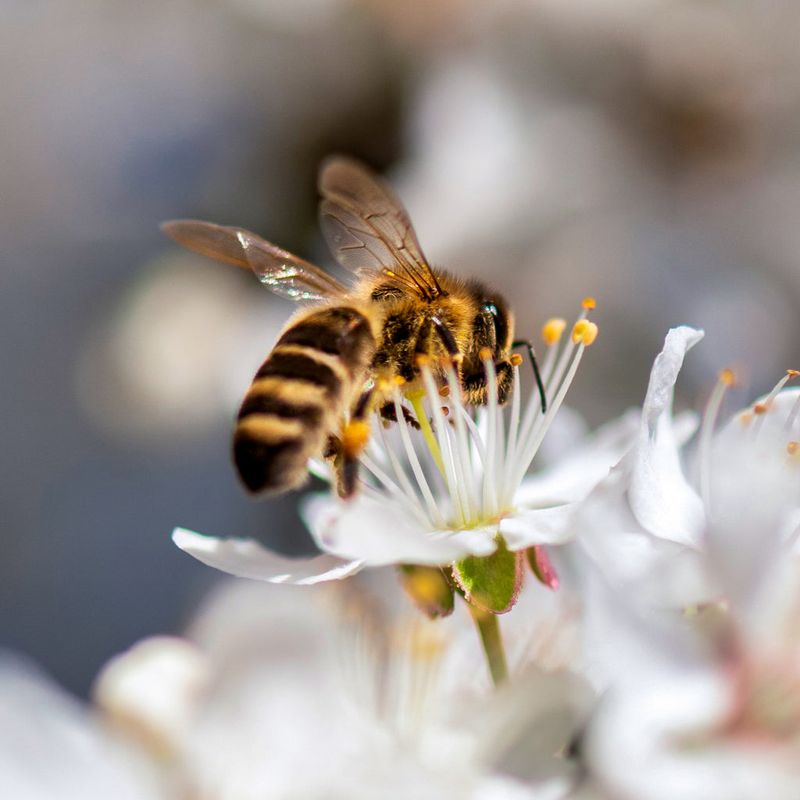
A garden without pollinators is just a collection of plants. The real magic happens when bees, butterflies, and birds start showing up.
In Pennsylvania, 30 days after the last frost, your garden starts buzzing and chirping with life again, and it is genuinely wonderful to watch.
Bumblebees are usually among the first pollinators to appear. They are active at lower temperatures than honeybees, which makes them perfectly suited for Pennsylvania’s cool early spring days.
You will often spot them visiting early blooms like dandelions, crocuses, and fruit tree flowers before many other insects are even active yet.
Butterflies follow as temperatures climb. Eastern tiger swallowtails and cabbage whites are two of the earliest butterfly species to appear in Pennsylvania gardens.
Planting native wildflowers and leaving some natural areas in your yard gives these beautiful insects exactly what they need to thrive.
Birds become noticeably more active too. American robins are a classic sign of spring across Pennsylvania.
They are busy pulling earthworms from freshly thawed soil and scouting out nesting spots. Cardinals, chickadees, and house finches are also loud and busy during this time as they establish territories and begin nesting.
Native plants play a huge role in supporting early-season insects. Pennsylvania native species like wild columbine, golden Alexanders, and native violets begin blooming right around this time.
They provide reliable food sources for pollinators that have been waiting all winter for spring to arrive. Supporting native plants is one of the best things you can do for your local Pennsylvania ecosystem.
7. Your Garden Begins Its Spring Transformation
Thirty days after the last frost, Pennsylvania gardens go through a shift that is hard to fully describe until you see it yourself.
What was a quiet, dormant space just weeks ago is now layered with color, texture, and movement. Beds that looked bare and flat are filling out with foliage at every height.
Taller perennials are putting on serious size now. Ornamental grasses that got cut back in late winter are sending up fresh, arching blades.
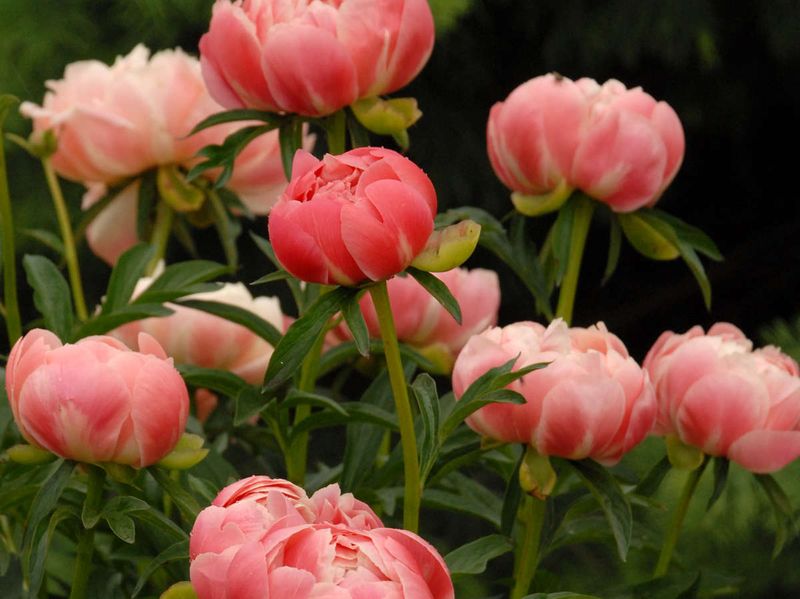
Peonies are showing fat buds that will open into enormous blooms in the weeks ahead. The garden is building energy fast, and you can feel it when you walk through it.
Colors, textures, and layers are developing all at once. Early bloomers are still going in some spots while mid-spring flowers are beginning to open in others.
Shrubs with interesting foliage add structure behind the flowers. Groundcovers create a clean carpet beneath everything.
The whole garden starts looking like a real, intentional design rather than a collection of random plants.
Pennsylvania gardens are also shifting into the early summer growth phase right around this time. Warm-season plants that you have been holding back are almost ready to go in.
Soil temperatures are approaching the threshold for tomatoes, squash, and basil. The end of spring and the beginning of summer is coming fast.
Taking time to walk your garden every few days during this transformation helps you stay ahead of weeds, catch any pest issues early, and simply enjoy the incredible progress your Pennsylvania garden is making after a long winter.