What’s Causing Salamanders To Appear In Georgia Mulch Beds
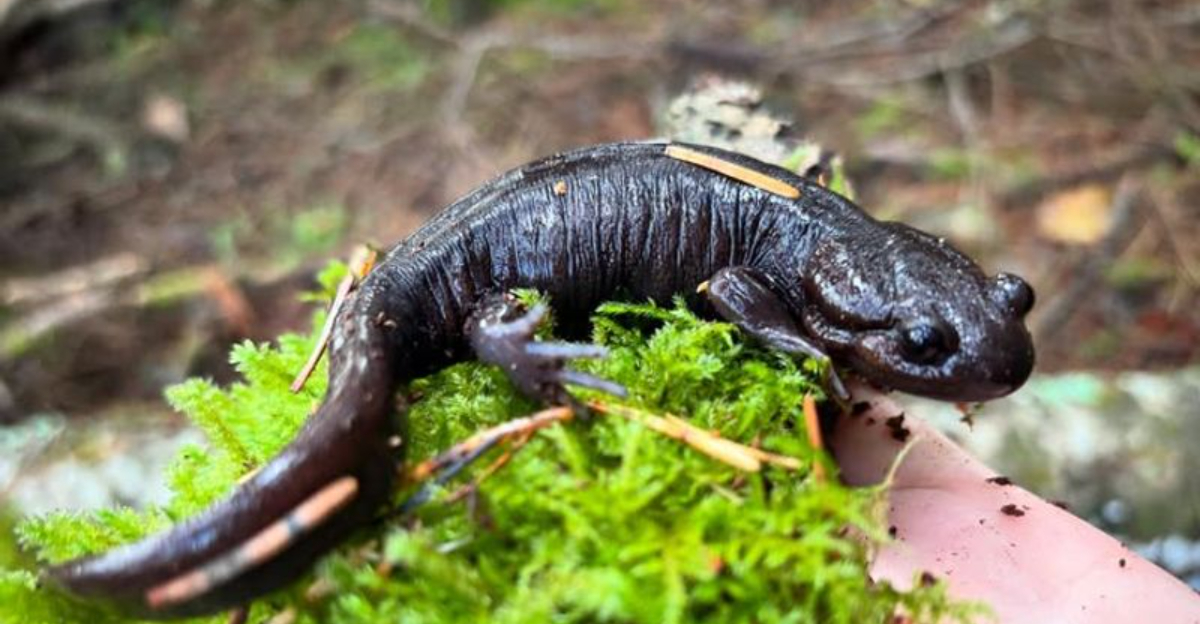
Salamanders appearing in Georgia mulch beds often surprise homeowners, especially when they seem to show up suddenly after rain or cooler nights.
Mulch creates a damp, sheltered environment that mimics the forest floors these animals naturally rely on for protection and moisture.
Their presence usually signals shifting soil conditions, recent weather patterns, and healthy insect activity rather than a problem forming in the garden.
1. Mulch Creates Perfect Moisture Conditions
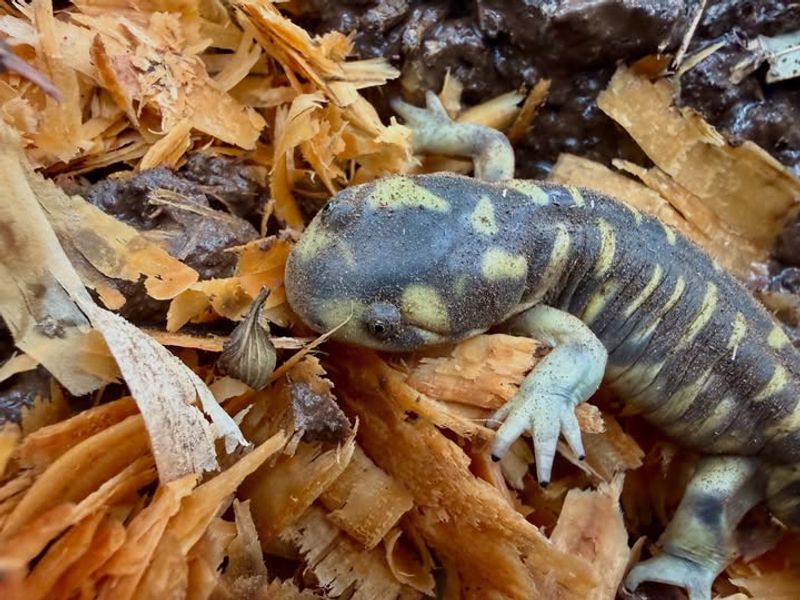
Mulch holds moisture like a sponge, creating the damp environment salamanders need to keep their skin from drying out completely during hot days.
Georgia summers can be brutal, but beneath layers of wood chips, the ground stays cool and wet even when temperatures soar above ninety degrees.
Salamanders breathe partly through their skin, so they must stay moist to survive and function properly in their natural habitat around the state.
When you water your garden beds regularly, you are essentially creating a salamander spa that attracts these amphibians from nearby wooded areas instantly.
The thick layer of organic material traps humidity and prevents rapid evaporation, which makes Georgia mulch beds incredibly appealing to moisture-loving creatures like salamanders.
Rain soaks into mulch and stays there for days, providing consistent dampness that salamanders rely on for comfort and health throughout the season.
Without this moisture, salamanders would struggle to survive in urban and suburban yards, so mulch beds become essential refuges for them statewide.
2. Abundant Insect Populations Provide Food
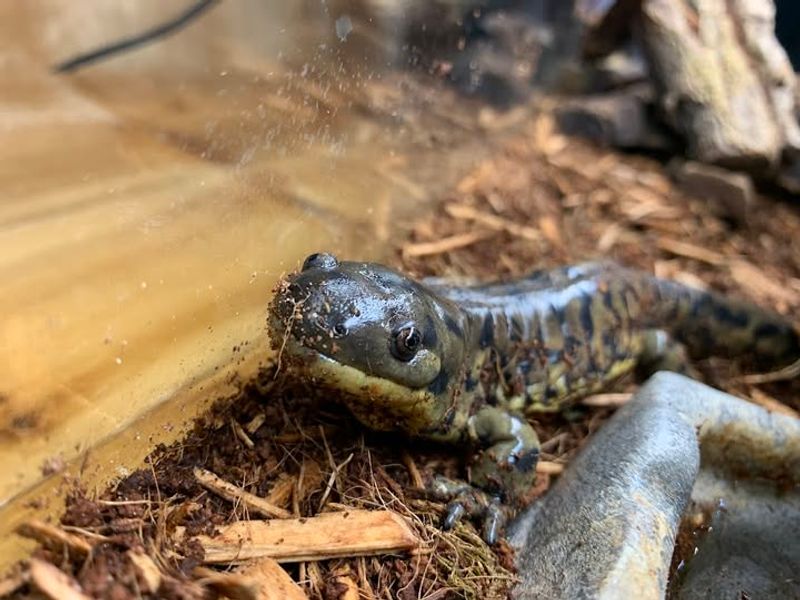
Mulch beds attract countless insects, including beetles, ants, termites, and tiny invertebrates that salamanders consider a delicious buffet throughout the warmer months.
Georgia gardens teem with bug life, and decomposing wood chips create perfect breeding grounds for the small creatures that salamanders love to eat daily.
A single salamander can consume dozens of insects each night, making them incredibly beneficial pest controllers for homeowners who want natural garden management solutions.
The decaying organic matter in mulch supports entire ecosystems of microscopic organisms, worms, and arthropods that form the foundation of salamander diets across Georgia.
Salamanders hunt primarily at night when insects are most active, using their excellent sense of smell to locate prey hidden beneath mulch layers efficiently.
Your mulch bed essentially functions as a 24-hour restaurant for hungry salamanders, offering fresh meals whenever they venture out to forage around the state.
The more insects your mulch attracts, the more likely salamanders will take up residence and help control pest populations naturally without chemical interventions needed.
3. Shelter From Predators And Weather

Predators like birds, snakes, and raccoons constantly threaten salamanders, but thick mulch layers offer excellent hiding spots where they can stay safe from danger.
Georgia wildlife includes many creatures that would happily snack on a salamander, so finding secure shelter becomes a matter of survival for these vulnerable amphibians.
Mulch beds provide multiple layers of protection, allowing salamanders to burrow deep when threatened and emerge only when conditions feel safe and secure.
Extreme weather also poses risks, and salamanders use mulch as insulation against both scorching summer heat and occasional winter cold snaps across the state.
The loose structure of wood chips allows salamanders to move easily between layers, creating a maze of tunnels and chambers for resting during daylight.
Unlike exposed ground, mulch offers overhead cover that shields salamanders from aerial predators while still allowing them to breathe and move around freely.
Georgia homeowners who maintain thick mulch beds inadvertently create safe havens where salamanders can live, feed, and reproduce without facing constant threats from natural enemies.
4. Decomposing Organic Matter Supports Ecosystems
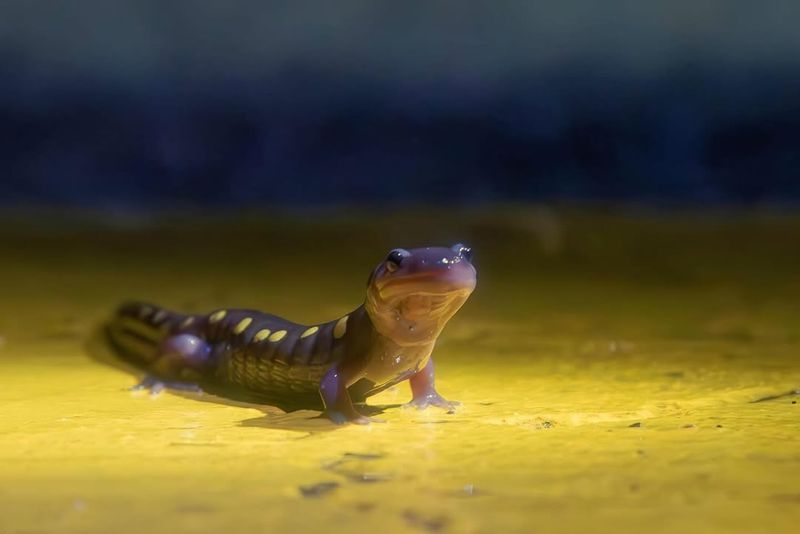
As mulch breaks down over time, it creates rich, nutrient-filled soil that supports fungi, bacteria, and microorganisms that form complex food webs salamanders depend on.
Georgia gardeners often refresh their mulch annually, and this constant supply of decomposing material ensures a steady stream of food sources for amphibian residents.
Fungi growing on rotting wood chips attract tiny invertebrates, which in turn attract larger insects, creating a feeding hierarchy that benefits salamanders at multiple levels.
The decomposition process releases nutrients that encourage earthworm populations, and salamanders happily feed on these worms as part of their varied diet across the state.
Healthy mulch beds smell earthy and rich because of active microbial communities, and these same communities support the insects and invertebrates salamanders need for survival.
Unlike sterile environments, decomposing mulch creates living ecosystems where salamanders can thrive alongside countless other organisms in a balanced natural community setup.
Georgia homeowners who use organic mulch materials like pine bark or hardwood chips are unknowingly supporting entire food chains that make their yards attractive to salamanders.
5. Proximity To Natural Habitats
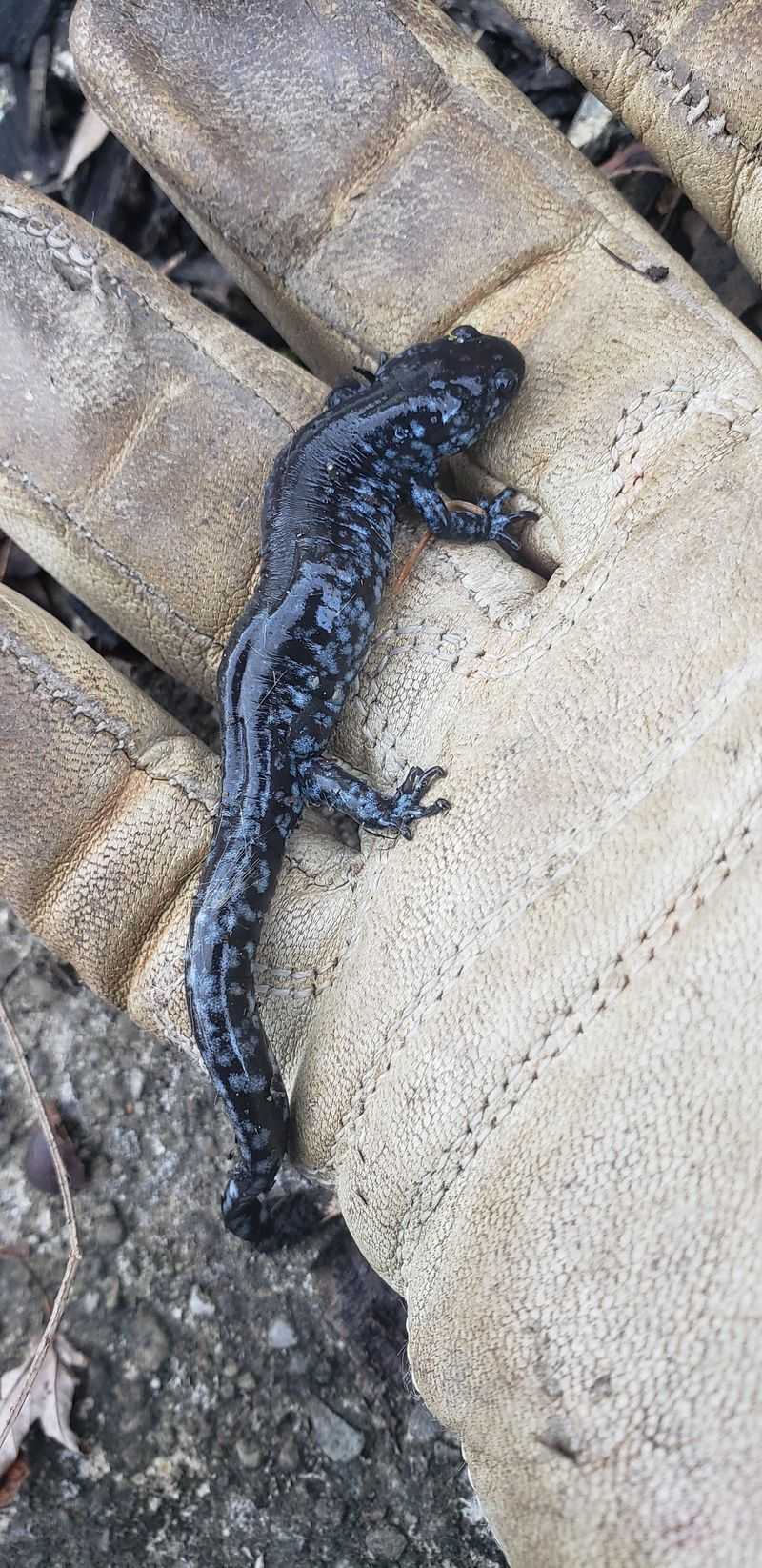
Many Georgia neighborhoods sit close to forests, wetlands, or streams where salamanders naturally live, making it easy for them to wander into nearby yards.
Salamanders travel surprising distances when searching for food or mates, and residential mulch beds located near wild areas become convenient stopping points during their journeys.
Urban sprawl has reduced natural salamander habitats across the state, pushing these amphibians to seek alternative homes in landscaped yards with suitable moisture and shelter.
Properties bordering wooded lots or conservation areas experience higher salamander activity because these creatures simply follow moisture gradients and food sources into cultivated spaces nearby.
Georgia landscapes often blend seamlessly with natural environments, creating corridors that salamanders use to move between wild areas and human-managed gardens without much difficulty.
If your home sits within a mile of a creek, pond, or forest preserve, salamanders will likely discover your mulch beds eventually during their routine explorations.
The closer your property is to natural salamander populations, the more frequently these amphibians will appear in your mulch, especially during breeding seasons statewide.
6. Breeding Season Migration Patterns
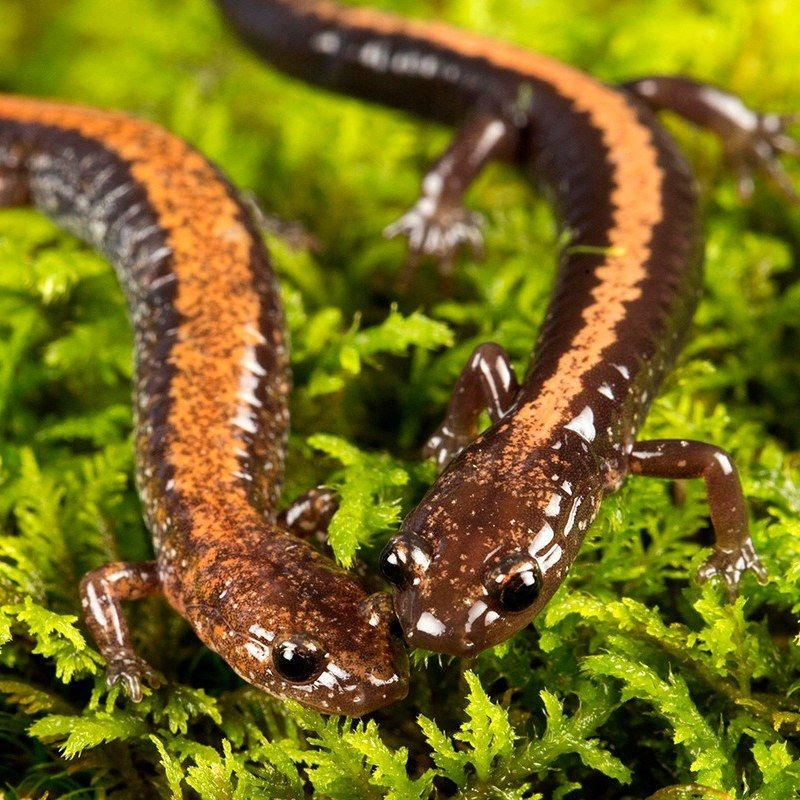
Spring rains trigger breeding instincts in Georgia salamanders, causing them to migrate from winter hiding spots toward moist areas where they can find mates successfully.
Mulch beds become temporary staging areas during these migrations, offering rest stops where salamanders can rehydrate and refuel before continuing their journey to breeding sites.
Some salamander species lay eggs in moist terrestrial locations rather than ponds, and well-maintained mulch beds can actually serve as breeding grounds for certain species.
Georgia experiences significant rainfall during spring months, and this moisture activates salamander movement patterns that bring them into contact with residential landscapes more frequently than usual.
Males often arrive at breeding areas first, and your mulch bed might host several individuals waiting for females to arrive during peak mating season statewide.
After breeding concludes, many salamanders remain in suitable habitats like mulch beds rather than returning to original locations, especially if conditions meet their survival needs.
Understanding these seasonal patterns helps Georgia homeowners recognize that increased salamander activity during spring is completely normal and represents natural reproductive behavior, not an infestation problem.
7. Temperature Regulation Benefits
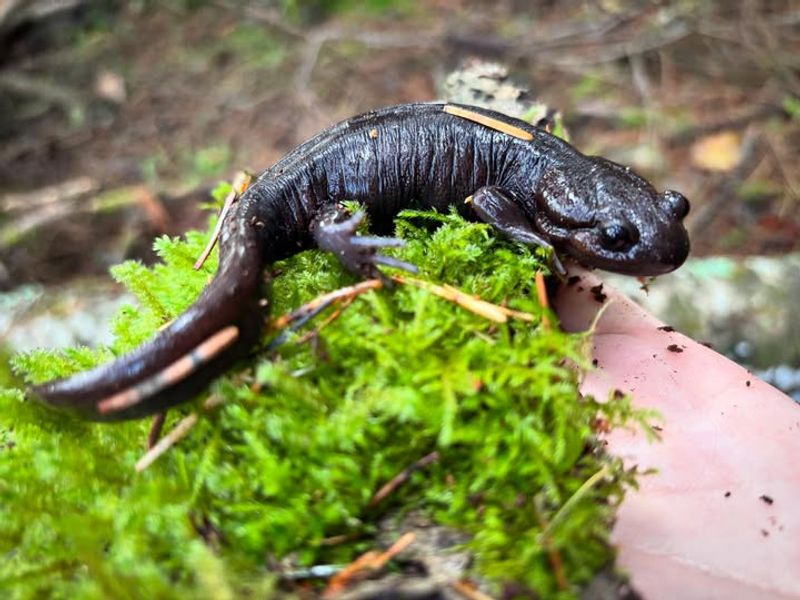
Salamanders are cold-blooded creatures that cannot generate their own body heat, so they rely on environmental conditions to maintain proper internal temperatures for functioning.
Georgia summers can reach oppressive heat levels that would quickly harm exposed salamanders, but mulch beds provide cool microclimates where temperatures stay moderated naturally.
The insulating properties of wood chips prevent rapid temperature fluctuations, creating stable environments where salamanders can remain active without risking overheating or chilling injuries.
During cooler months, mulch acts as a blanket that traps ground warmth, allowing salamanders to stay comfortable even when air temperatures drop across the state.
Salamanders move deeper into mulch layers when surface temperatures become uncomfortable, effectively controlling their body temperature by choosing appropriate depths within the bed structure.
This thermal regulation capability makes mulch beds far superior to bare soil or grass for salamander habitation throughout Georgia’s variable seasonal climate patterns and conditions.
Homeowners who maintain thick mulch layers inadvertently provide critical temperature refuges that allow salamanders to survive extreme weather events that would otherwise threaten their populations statewide.
8. Reduced Chemical Pesticide Use
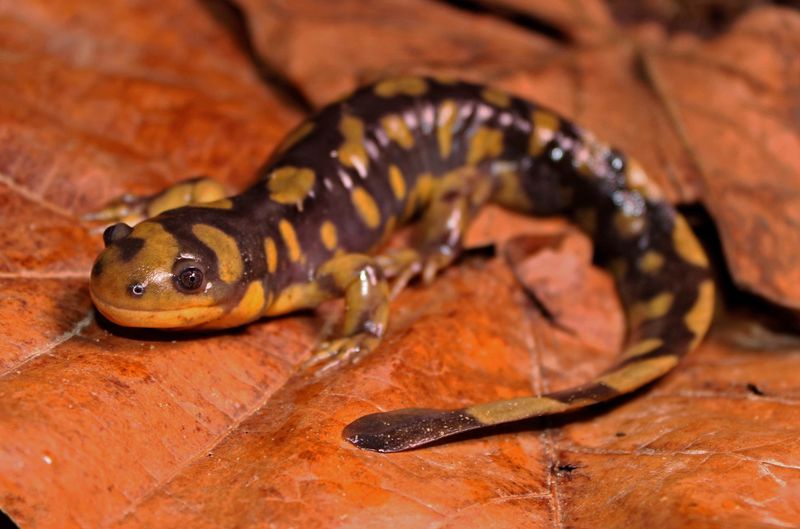
Georgia gardeners increasingly embrace organic landscaping practices, avoiding harsh chemical pesticides that would harm salamanders and other beneficial wildlife in their yards significantly.
Salamanders have permeable skin that absorbs substances from their environment, making them extremely sensitive to toxins that might not affect other animals as dramatically.
Properties using natural pest management methods create safer habitats where salamanders can thrive without exposure to dangerous chemicals that could threaten their health statewide.
The presence of salamanders actually indicates good environmental quality, suggesting that your mulch bed contains minimal contaminants and supports healthy ecological balance throughout your landscape.
As more Georgia homeowners switch to eco-friendly gardening, salamander populations benefit from reduced chemical exposure, allowing them to colonize suburban areas more successfully than before.
Pesticide-free mulch beds support robust insect populations that feed salamanders, creating a positive cycle where natural predators control pests without synthetic chemical interventions being necessary.
If you notice salamanders in your Georgia mulch, it likely means your yard practices support wildlife health, and these amphibians feel safe enough to establish residence.
9. Natural Pest Control Services
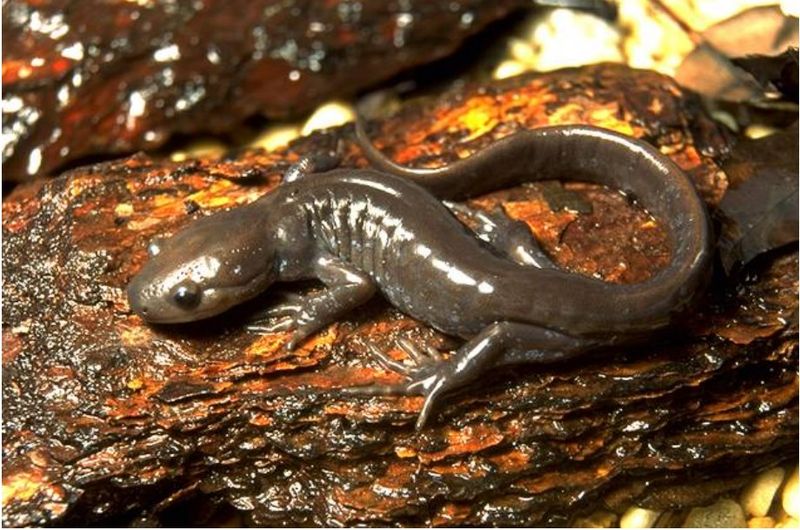
Salamanders consume enormous quantities of garden pests including slugs, snails, mosquito larvae, and various insects that damage plants or annoy homeowners throughout Georgia growing seasons.
A healthy salamander population in your mulch beds can significantly reduce pest numbers without requiring any chemical treatments or manual removal efforts on your part.
These amphibians hunt continuously during warm nights, patrolling mulch areas and eliminating problem insects before they can reproduce or cause extensive damage to your landscaping investments.
Georgia gardeners who appreciate salamanders as natural allies often notice fewer pest issues compared to neighbors who eliminate these helpful creatures from their properties unnecessarily.
Unlike pesticides that harm beneficial insects alongside pests, salamanders selectively target problem species while leaving pollinators and other helpful bugs alone to do their work.
Encouraging salamanders to inhabit your mulch beds creates a self-sustaining pest management system that works continuously without ongoing costs or environmental impacts across your property.
Rather than viewing salamanders as unwanted visitors, Georgia homeowners should recognize them as valuable garden partners that provide free pest control services worth protecting and supporting.