What’s Eating Your Garden In North Carolina And How To Tell
You step outside to admire your North Carolina garden and something feels off. Leaves look lacy, tomatoes have tiny holes, and a few plants seem to stall overnight.
It is easy to blame weather or soil, but most of the time a hungry visitor is the real culprit. The tricky part is that not all garden damage looks the same.
Some pests chew, some suck sap, and others work quietly at night when no one is watching. Knowing what patterns to look for can save you days of guessing and prevent small problems from turning into full blown garden drama.
Once you learn the signs, it becomes much easier to protect your plants without overreacting or wasting money on the wrong fixes. If you want to stop playing detective and start taking smart action, this is where the clues finally come together.
1. White-Tailed Deer
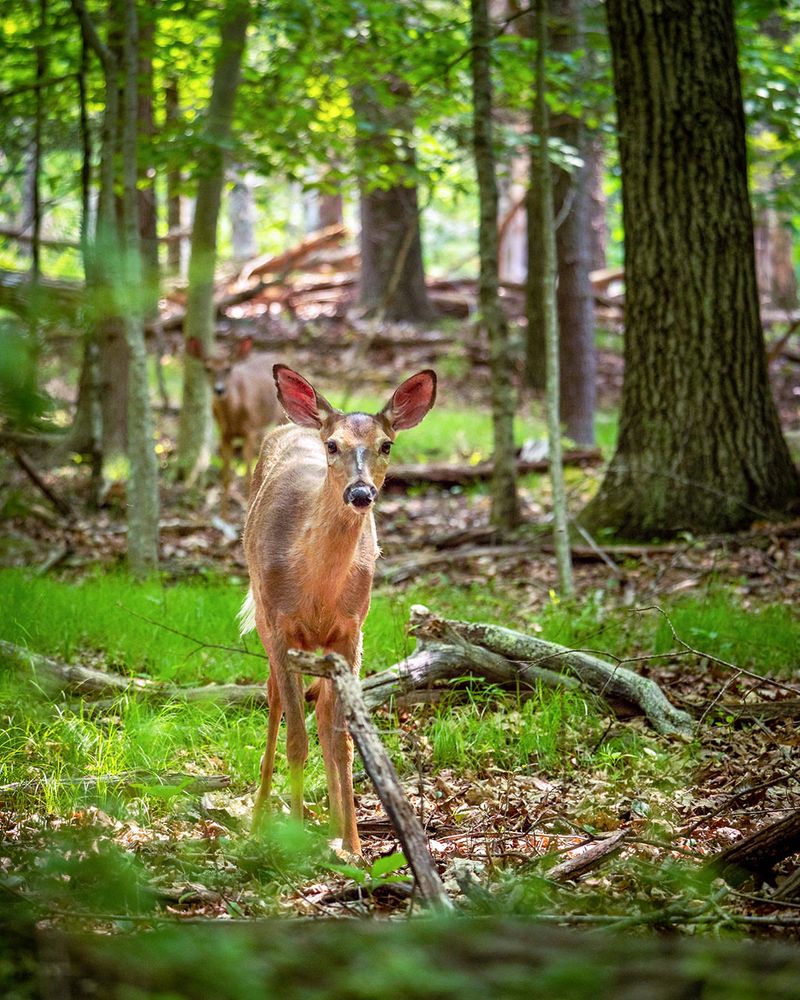
Gardens near wooded areas often become deer buffets. These graceful browsers can devastate landscaping overnight.
Their feeding habits leave distinctive marks that make identification straightforward. Browse lines appear where deer strip foliage from plants. Damage typically occurs between three and six feet high.
Lower branches get eaten while higher growth remains untouched. Ragged edges characterize deer feeding patterns. They lack upper incisors, so they tear rather than bite cleanly.
Shrubs and flowers show shredded stems and leaves. Cloven hoof prints appear in soft soil around damaged areas. Each track shows two distinct toes forming a heart shape.
Fresh droppings resemble dark pellets scattered near feeding sites. Morning inspections reveal the extent of overnight damage. Deer prefer tender new growth and flowering plants.
Hostas, daylilies, and vegetable gardens suffer most. Fencing provides the most reliable protection for your plantings. Eight-foot barriers work best since deer jump impressively high.
Motion-activated sprinklers also discourage repeat visits effectively. Scent deterrents offer temporary relief from browsing pressure.
Soap bars, human hair, or commercial repellents need regular reapplication. Rotating different deterrents prevents deer from becoming accustomed to them.
2. Eastern Cottontail Rabbit
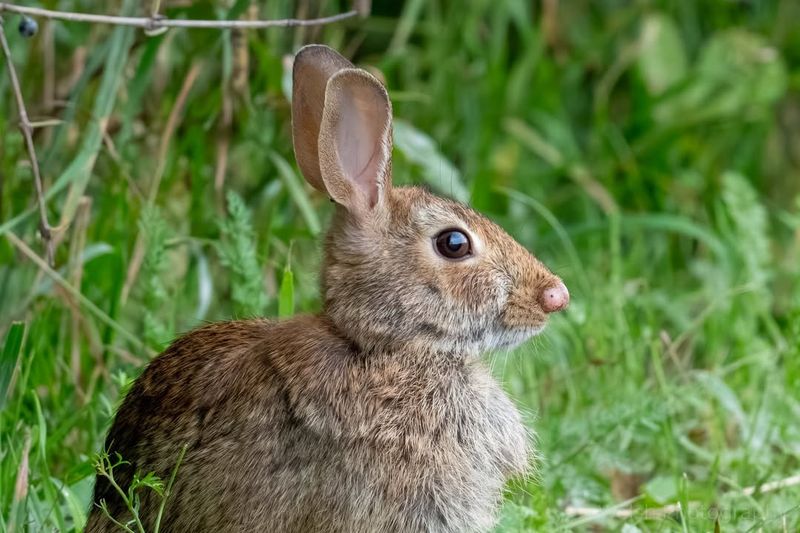
Dawn and dusk bring these fluffy visitors to gardens. Cottontails cause frustration for vegetable growers and flower enthusiasts alike. Their feeding style creates unmistakable evidence of their presence.
Seedlings disappear overnight as if trimmed by tiny scissors. Rabbits clip plants at soil level with remarkable precision. Young vegetables and tender shoots vanish completely by morning.
Small round pellets scattered around damaged areas confirm rabbit activity. These droppings resemble brown peas and accumulate near favorite feeding spots. Fresh pellets appear moist and dark colored initially.
Low-growing plants suffer most from rabbit appetites. Lettuce, beans, and flower seedlings become prime targets. Mature plants with tough stems usually escape serious damage.
Chicken wire fencing creates effective barriers around vulnerable plantings. Bury the bottom edge several inches deep underground. Rabbits dig underneath barriers that sit on surface soil.
Raised beds offer another protection strategy for vegetables. Cottontails prefer ground-level dining and avoid climbing obstacles. Adding wire mesh sides increases security further.
Blood meal sprinkled around plants discourages rabbit visits temporarily. The scent suggests predators lurk nearby. Reapply after rain washes away the deterrent effect.
3. Eastern Gray Squirrel
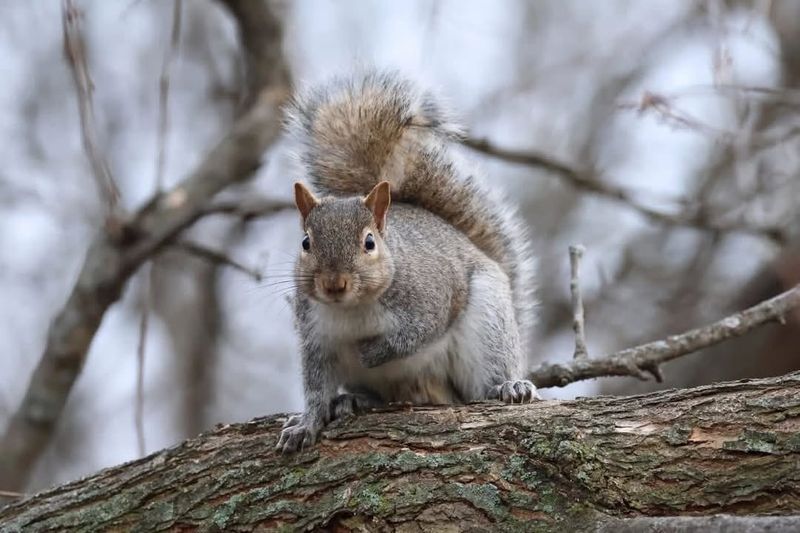
Acrobatic and persistent, gray squirrels treat gardens like personal buffets. Their daytime activity makes them easy to spot in action. Damage patterns reveal their resourceful feeding strategies clearly.
Irregular bite marks appear on ripening fruits and vegetables. Squirrels sample multiple items rather than finishing one completely. Tomatoes show small holes where they tested for ripeness.
Nuts and corn disappear from gardens with frustrating regularity. Squirrels cache food throughout your yard for winter storage. Freshly dug holes indicate recent burial activity nearby.
Bark damage on young trees signals squirrel presence too. They strip bark to reach cambium layer underneath. Branches show gnaw marks where squirrels sharpen their teeth.
Morning inspections often catch squirrels raiding bird feeders first. They move to garden crops after exhausting easier food sources. Their bushy tails bob visibly above plant foliage.
Netting over fruiting plants provides physical protection from theft. Secure edges tightly so squirrels cannot squeeze underneath. Lightweight fabric allows sunlight through while blocking access.
Spicy pepper spray on ripening produce discourages further sampling. Squirrels dislike capsaicin but it washes off produce easily. Reapply solution after rainfall for continued effectiveness.
4. Raccoon
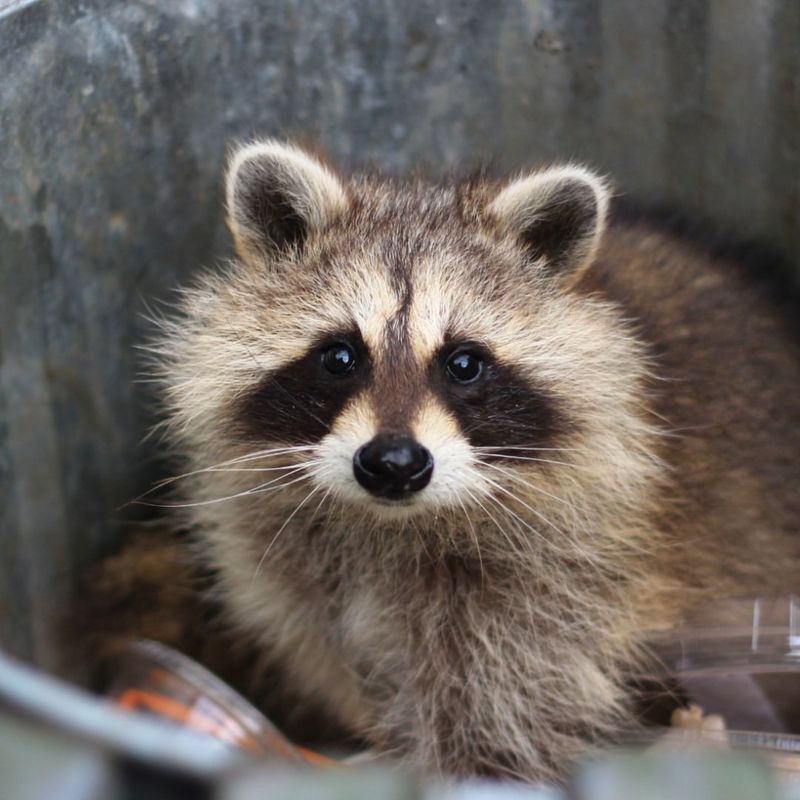
Nighttime bandits with nimble hands create memorable garden chaos. Raccoons possess remarkable dexterity and problem-solving abilities. Their nocturnal habits mean damage appears mysteriously by morning.
Torn and scattered produce indicates raccoon raids occurred overnight. They rip open melons, squash, and corn with strong paws. Partially eaten vegetables litter the ground around plants.
Five-toed footprints resemble tiny human hands in garden soil. Each print shows distinct finger-like impressions clearly. Tracks often lead to water sources nearby.
Corn crops suffer particularly heavy losses from raccoon appetites. They strip husks and devour kernels systematically. Stalks get knocked over during enthusiastic feeding sessions.
Overturned containers and disturbed mulch suggest raccoon investigations. They search for grubs and insects beneath surface materials. Garden ornaments may be moved or toppled completely.
Electric fencing provides effective deterrence for valuable crops. Low voltage shocks teach raccoons to avoid treated areas. Two-wire systems work best with proper grounding.
Securing trash cans eliminates alternative food sources nearby. Raccoons prefer easy meals over working for dinner. Remove attractants and they often move elsewhere.
Motion-activated lights startle nocturnal visitors effectively. Raccoons prefer darkness for their foraging activities. Bright illumination sends them seeking safer feeding locations.
5. Japanese Beetle
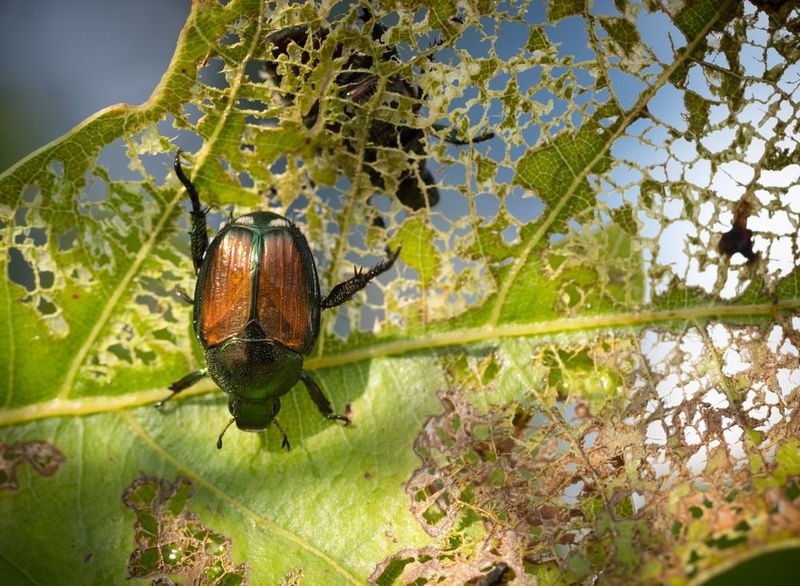
Metallic invaders arrive in summer with voracious appetites. Japanese beetles transform healthy foliage into delicate lace overnight. Their distinctive appearance makes identification simple and immediate.
Skeletonized leaves reveal beetle feeding patterns unmistakably. They consume tissue between veins, leaving skeletal frameworks behind. Roses, grapes, and fruit trees suffer most.
Adult beetles sport shiny green bodies with copper-colored wings. Tufts of white hair line their abdomen sides. They cluster on plants during warm sunny days.
Grubs living underground damage grass roots simultaneously. Lawns develop brown patches where grubs feed heavily. Turf lifts easily in affected areas like loose carpet.
Hand-picking beetles into soapy water reduces populations effectively. Early morning collections work best when beetles move sluggishly. Drop them quickly before they fly away.
Neem oil sprays disrupt beetle feeding and reproduction naturally. Apply treatments in early morning or evening hours. Avoid spraying during peak pollinator activity times.
Milky spore disease targets grubs specifically in lawn areas. This biological control spreads naturally through soil over time. Effects become more pronounced with each passing season.
Row covers protect vulnerable plants during peak beetle season. Remove covers periodically for pollination of flowering crops. Lightweight fabrics allow air circulation while blocking pests.
6. Cabbage Looper And Cutworm
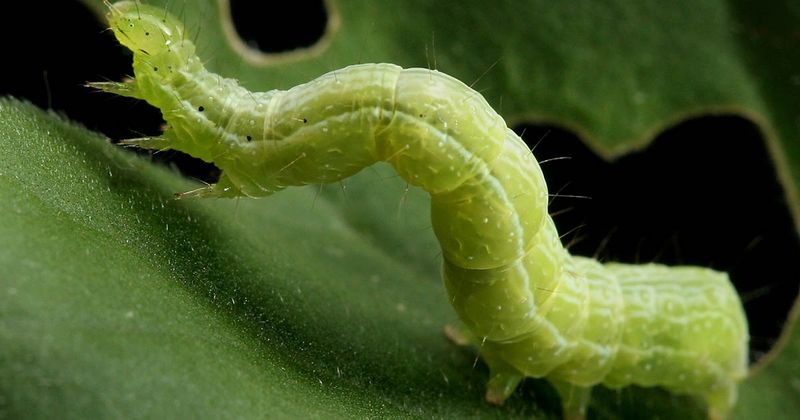
Nighttime munchers work silently while gardeners sleep peacefully. These caterpillars cause significant damage before reaching butterfly stage. Their nocturnal habits make detection challenging initially.
Chewed leaves with irregular holes indicate caterpillar feeding activity. Cabbage loopers create ragged edges on brassica family plants. They move by arching their bodies in characteristic loops.
Cut seedlings lying on soil suggest cutworm presence nearby. These caterpillars sever stems at ground level systematically. Young transplants become particularly vulnerable to their appetites.
Flashlight inspections after dark reveal culprits in action. Caterpillars feed actively on leaf undersides and stems. Their bodies curl defensively when disturbed by light.
Green droppings on leaves below feeding sites confirm caterpillar activity. Frass accumulates noticeably as populations grow larger. Fresh droppings appear moist and dark green colored.
Cardboard collars around seedling stems prevent cutworm damage effectively. Push collars two inches into soil around plants. Extend them two inches above ground for complete protection.
Bacillus thuringiensis spray targets caterpillars specifically and safely. This organic solution affects only leaf-eating larvae. Apply when caterpillars are small for best results.
Floating row covers exclude moths from laying eggs initially. Prevent infestation rather than treating existing problems. Secure fabric edges to prevent gaps.
7. Birds
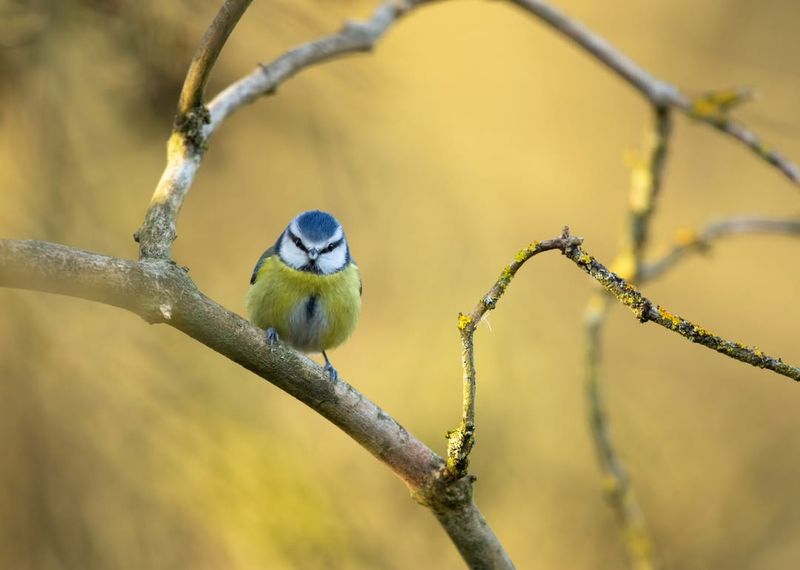
Feathered visitors bring beauty but sometimes cause garden frustration. Robins, starlings, and cardinals enjoy garden produce enthusiastically. Their feeding creates distinctive damage patterns on ripening crops.
Pecked fruits show irregular holes where birds sampled ripeness. Berries disappear rapidly as they reach peak sweetness. Tomatoes develop small punctures that invite secondary problems.
Morning and afternoon feeding times make birds visible culprits. They prefer working during daylight hours unlike nocturnal pests. Multiple birds may gather at productive plants simultaneously.
Seeds scattered from flower heads indicate bird foraging activity. Sunflowers and coneflowers get stripped before seeds mature fully. Empty seed heads remain attached to stems.
Strawberries vanish just before reaching perfect harvest ripeness. Birds possess excellent timing for selecting premium produce. One day perfect berries simply disappear completely.
Netting draped over berry bushes and fruit trees works wonderfully. Ensure mesh size prevents birds from reaching through openings. Secure bottom edges so birds cannot sneak underneath.
Reflective tape fluttering in breezes startles birds effectively. Holographic surfaces create confusing light patterns that deter feeding. Replace tape periodically as birds become accustomed.
Decoy predators like plastic owls provide temporary deterrence initially. Move decoys regularly to maintain effectiveness longer. Stationary fake predators lose impact quickly.
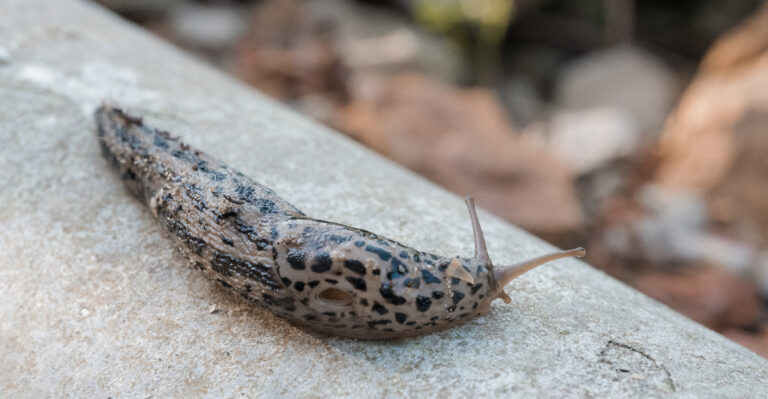
8. Slugs And Snails
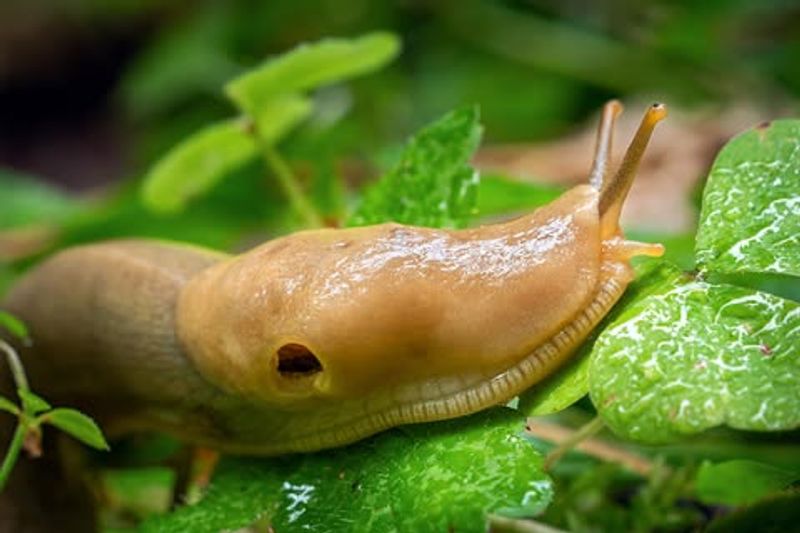
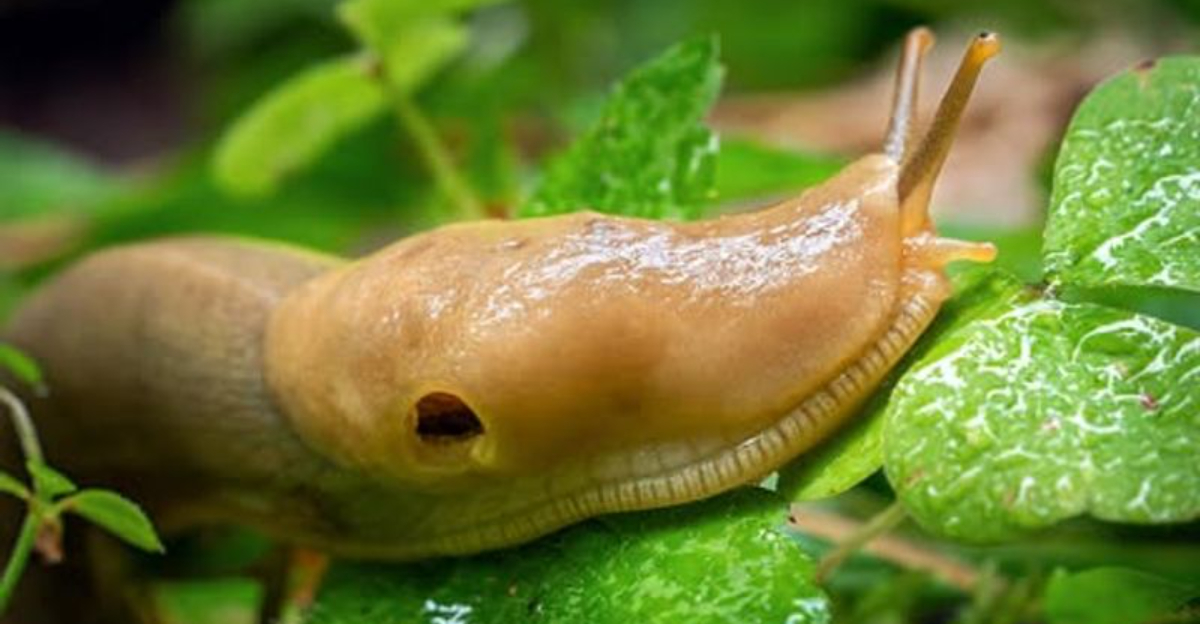
Slimy trails reveal these moisture-loving pests at work nightly. Slugs and snails thrive in North Carolina’s humid conditions. Shaded garden areas provide perfect habitat for their populations.
Irregular holes appear in leaves overnight mysteriously. Damage concentrates on tender foliage and seedlings primarily. Mature tough leaves usually escape serious injury.
Shiny mucus trails crisscross leaves and soil surfaces distinctively. These silvery paths catch morning sunlight and betray routes. Trails lead to daytime hiding spots under debris.
Nighttime inspections with flashlights catch culprits actively feeding. Slugs and snails emerge after dark when humidity rises. They retreat to moist hiding places before sunrise.
Hostas, lettuce, and basil become favorite targets consistently. Tender succulent foliage attracts slugs like magnets. Entire seedlings may disappear in single nights.
Beer traps buried at soil level attract and drown slugs effectively. Replace liquid every few days for continued success. Empty traps regularly to maintain their appeal.
Copper tape around containers repels slugs through chemical reactions. Their slime interacts with copper creating unpleasant sensations. Barriers must form complete circles without gaps.
Diatomaceous earth sprinkled around plants creates abrasive barriers naturally. Sharp particles damage soft slug bodies on contact. Reapply after rain washes material away.