What’s Selling Out Fast In Oregon Plant Nurseries
If you’ve driven past an Oregon nursery lately and seen the parking lot overflowing, you already know the secret: planting season isn’t just arriving – it’s a total sprint.
From the lush Willamette Valley to the coast, March is the ultimate “go-time” for getting roots in the ground while the spring rains are still generous and the summer heat is a distant memory.
But there is a catch. The most coveted varieties for food gardens and pollinator paradises are already vanishing from the benches before the weekend even hits.
If you want to snag the season’s best picks before your neighbors beat you to them, you need to know exactly what is flying off the shelves.
Ready to shop smarter and secure your garden’s showstoppers? Here is the inside scoop on what’s selling out fast across Oregon.
1. Bare-Root Fruit Trees And Berry Canes Are Flying Off Shelves
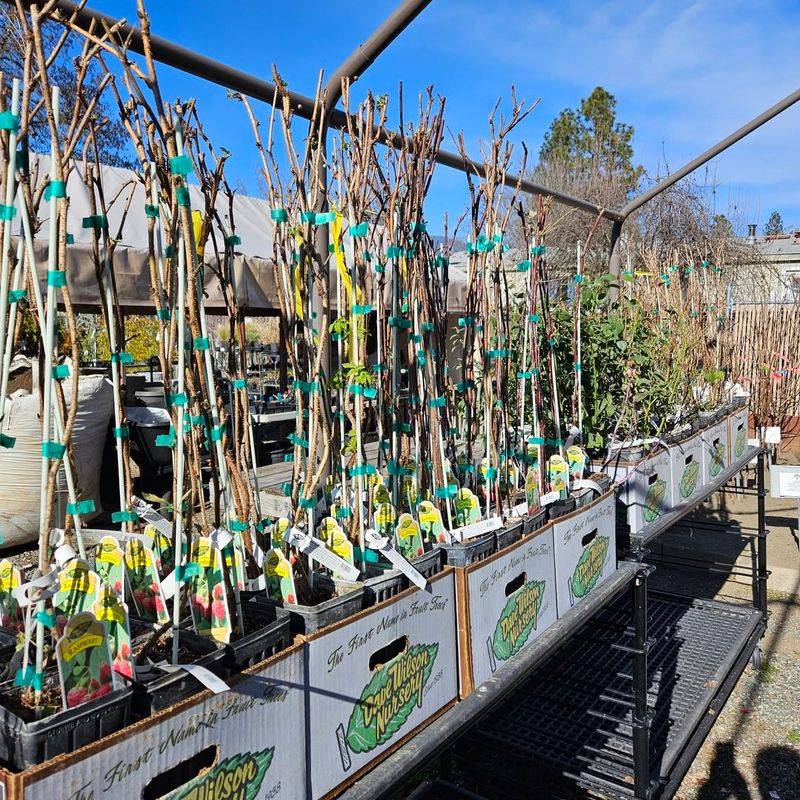
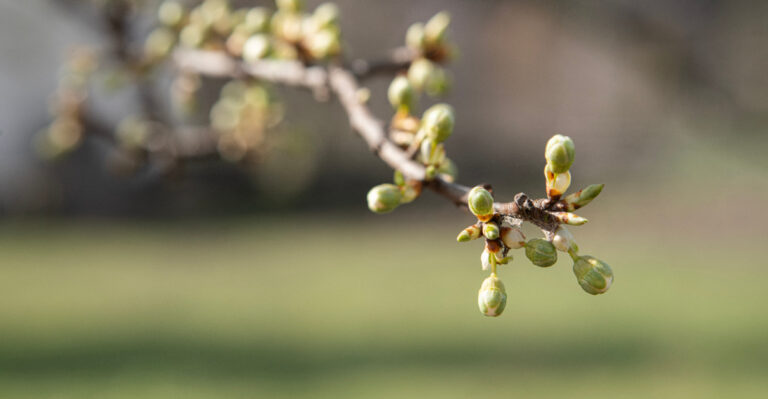
Every February and March, Oregon nurseries receive their bare-root shipments, and experienced gardeners show up early because they know these plants disappear within days.
Bare-root fruit trees and berry canes are sold without soil around their roots, making them lighter, cheaper, and surprisingly easy to plant during the dormant season.
Apples, pears, cherries, plums, and quince are among the most popular tree choices, while raspberry and marionberry canes draw huge crowds from home gardeners eager for summer harvests.
Planting bare-root stock in early spring gives roots time to establish before the heat of summer arrives.
Oregon’s mild, wet winters create ideal conditions for this type of planting, since the ground stays moist and temperatures stay cool enough to reduce transplant stress.
Most fruit trees prefer a sunny spot with well-drained soil and benefit from a generous layer of compost worked into the planting hole.
Berry canes like raspberries and blackberries are especially well-suited to Oregon’s climate and can produce fruit within their first or second year.
Spacing matters with canes – most varieties need about three feet between plants for good air circulation and disease prevention.
Bare-root stock is typically only available for a few short weeks, so gardeners who wait too long often find empty bins and have to settle for pricier potted alternatives later in the season.
2. Pansies Bring Early Spring Color And Garden Cheer
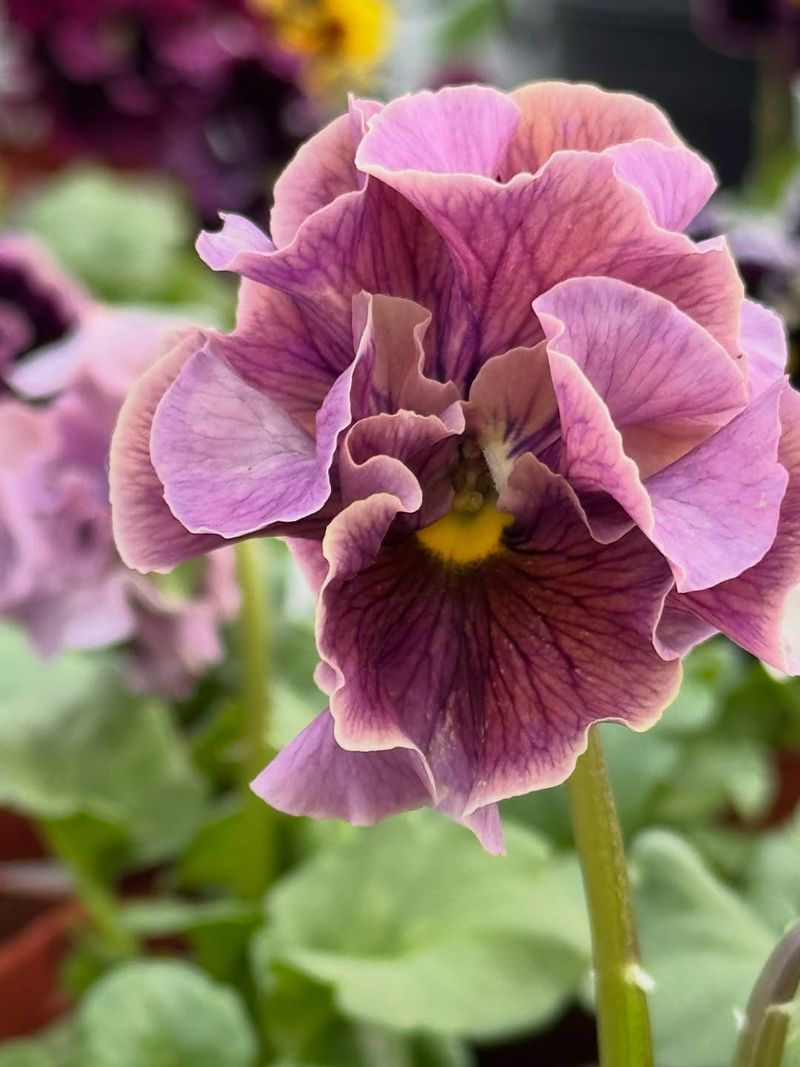
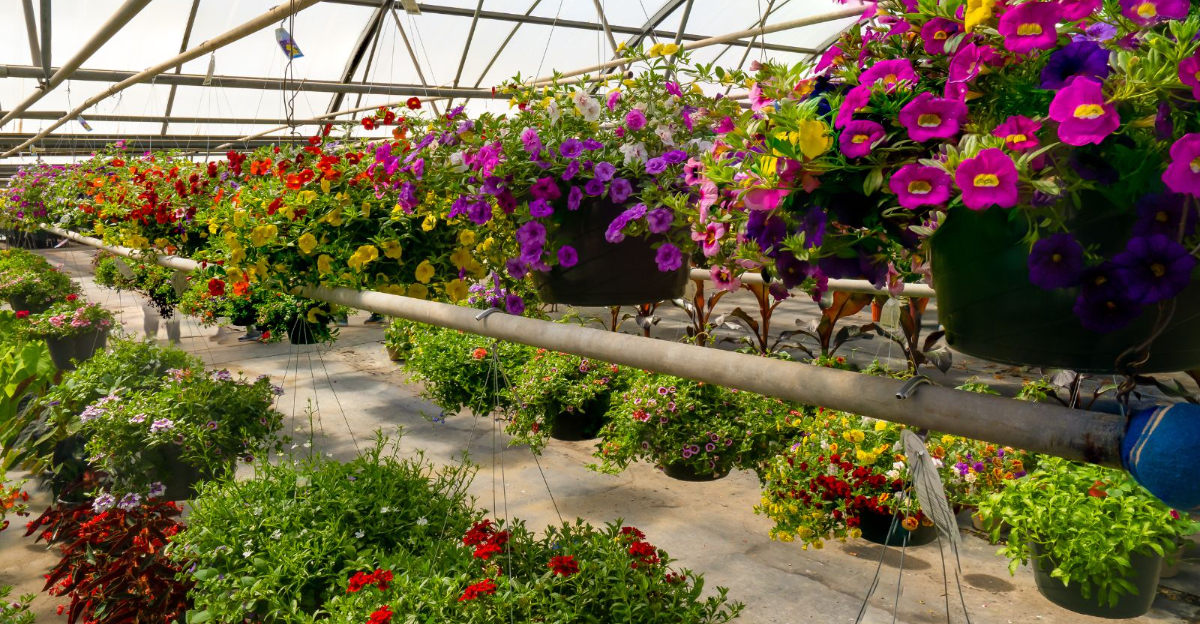
Walk into almost any Oregon nursery in March and the first thing you notice is a wall of pansies in every shade imaginable – deep purple, sunny yellow, bright orange, soft lavender, and rich burgundy.
These cheerful cool-season annuals are one of the top sellers of early spring, and for good reason.
Pansies can handle light frost, which makes them an ideal choice for Oregon’s unpredictable late-winter and early-spring weather when temperatures can swing from chilly to mild within the same week.
Gardeners love pansies for window boxes, container gardens, and border plantings where a quick burst of color makes a big impact.
They grow best in full sun to partial shade and prefer moist, well-drained soil rich in organic matter.
Regular watering keeps them blooming longer, and deadheading spent flowers encourages the plant to keep producing fresh blooms through late spring.
Pansies also have a surprisingly long season in Oregon compared to warmer states. Along the coast and in the Willamette Valley, they can bloom from late February all the way into early summer before the heat causes them to fade.
For gardeners who want color while waiting for warm-season annuals to take hold, pansies are a reliable and affordable go-to. Grab them early, though – popular color varieties tend to sell out fast once word gets around that spring has arrived.
3. Violas Offer Cool-Weather Blooms Popular With Gardeners
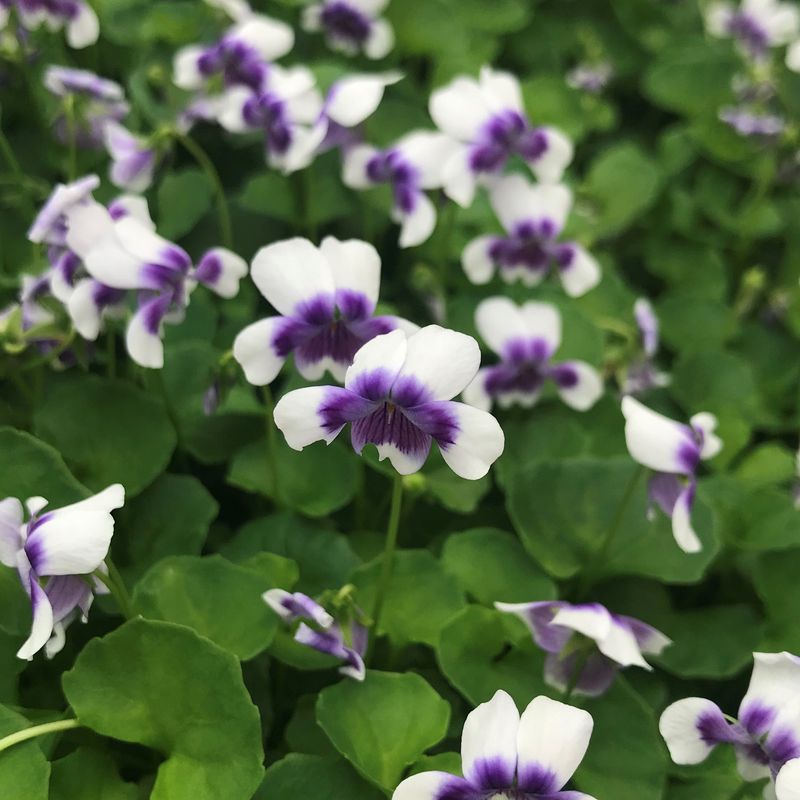
Smaller than pansies but equally charming, violas have earned a loyal following among Oregon gardeners who appreciate their dainty blooms and surprisingly tough nature.
These compact cool-season annuals thrive when temperatures are cool and moist – conditions that Oregon delivers in abundance from late winter through spring.
Unlike some annuals that sulk in cold weather, violas keep right on blooming even when frost nips the air overnight.
Violas work beautifully as ground cover beneath taller plants, as edging along garden paths, or tucked into mixed containers where their low-growing habit fills in gaps nicely.
They prefer full sun to partial shade and do well in average garden soil as long as drainage is decent.
Because they stay compact, they rarely need much pruning or maintenance, which makes them especially popular with gardeners who want color without a lot of fuss.
One trait that sets violas apart from pansies is their tendency to self-seed, meaning they can return year after year in Oregon gardens with very little effort from the gardener. Some gardeners treat them as short-lived perennials for this reason.
Edible varieties are also popular – the small flowers make a lovely garnish for salads and desserts.
Oregon nurseries typically stock violas in six-packs and four-inch pots, and they move quickly once customers spot how affordable and versatile they are for early-season planting projects.
4. Primroses Are Sought-After For Bold Early Flowers
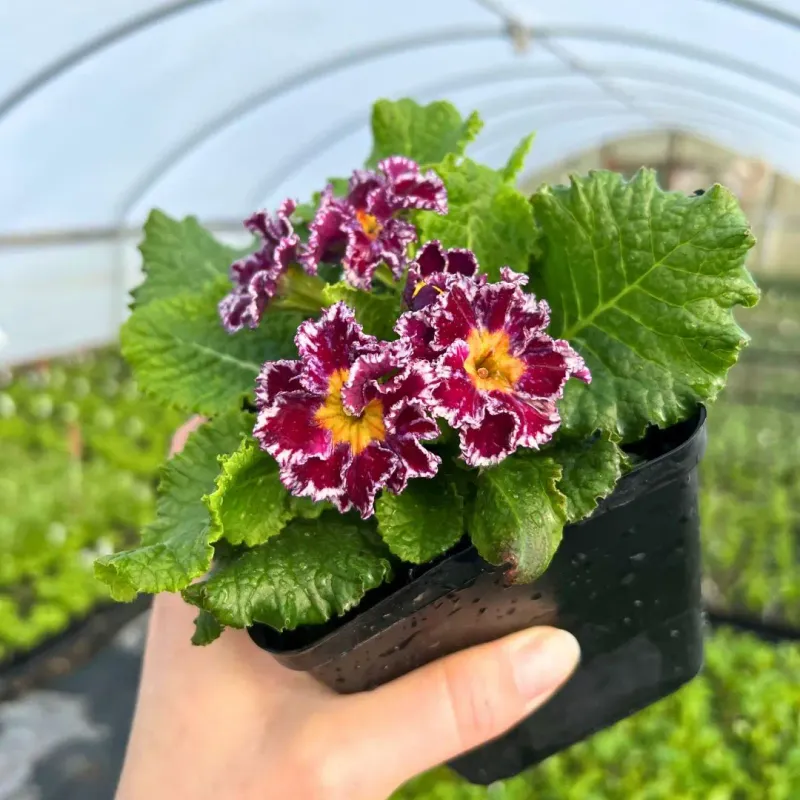
Few plants can match the intensity of color that primroses bring to an early spring garden. Their bold, jewel-toned flowers – ranging from electric magenta and cherry red to buttery yellow and soft peach – practically glow on a cloudy Oregon morning.
Primroses are one of the earliest blooming annuals available at Oregon nurseries, often appearing on shelves as early as late January or February, and they are consistently among the first plants to sell out each season.
Oregon’s cool, moist spring climate suits primroses exceptionally well.
They prefer partial shade to filtered light, which makes them excellent choices for spots under deciduous trees or along north-facing borders where other flowering plants might struggle.
Rich, consistently moist soil helps them perform at their best, and they respond well to regular watering during dry spells. Avoid planting them in spots that receive hot afternoon sun, as heat causes blooms to fade quickly.
Primroses are especially popular for front porch containers, window boxes, and entryway planters where their bright flowers make a strong first impression.
Many Oregon gardeners treat them as temporary seasonal color, swapping them out for summer annuals once temperatures climb.
However, in cooler microclimates along the Oregon coast or in shaded urban gardens, primroses can sometimes linger well into late spring.
Their affordability and show-stopping color make them a nursery staple that savvy shoppers grab early before the best varieties disappear.
5. Snapdragons Add Height And Layered Color To Beds
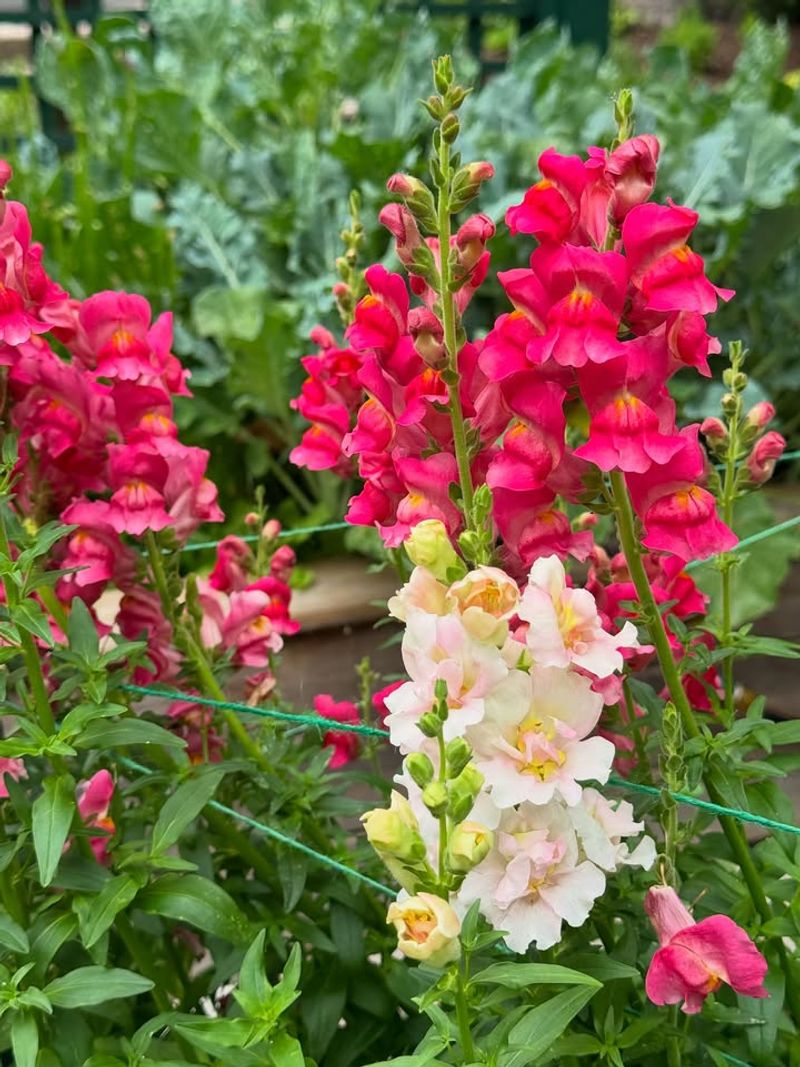
Snapdragons have a certain old-fashioned charm that keeps them firmly on the must-buy list for Oregon gardeners year after year.
Their tall spikes of densely packed blooms add vertical interest to flower beds, and their wide range of colors – from soft pastels to deep burgundy and bright coral – makes them easy to pair with almost any garden palette.
March is prime shopping time for snapdragons in Oregon because they are cool-season plants that actually prefer being planted before the weather warms up.
Established snapdragons can tolerate light frost, which gives Oregon gardeners a comfortable planting window in early spring. They prefer full sun and well-drained, fertile soil with consistent moisture.
Taller varieties may need staking once they reach full height, especially in spots exposed to wind, while dwarf varieties stay compact and work well at the front of mixed borders or in containers.
Beyond their visual appeal, snapdragons are excellent pollinator plants.
Bumblebees are particularly drawn to them because the flower’s unique hinged opening requires enough weight and strength to push inside – a task that bumbles handle with ease.
This trait makes snapdragons a rewarding addition to pollinator-friendly gardens across Oregon.
Deadheading spent flower spikes regularly encourages the plant to send up fresh blooms, extending the display well into early summer before heat slows production.
Nurseries tend to stock them heavily in early spring, but popular colors go fast, so early shoppers get the best selection.
6. Spring Bulbs Sell Quickly For Instant Floral Impact
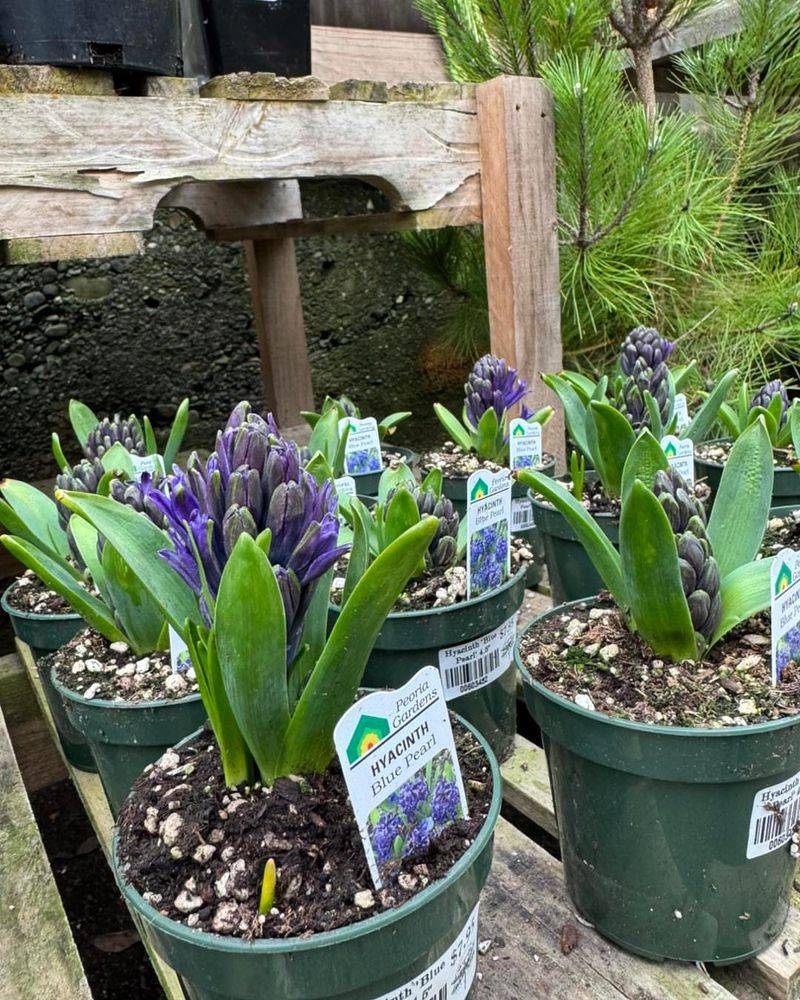
Spring bulbs carry a kind of promise that gardeners find hard to resist – tuck something that looks like a brown onion into the ground, and weeks later a burst of color appears almost like magic.
Oregon nurseries stock tulips, daffodils, hyacinths, alliums, and crocus bulbs in late winter and early spring, and certain popular varieties disappear within days of hitting the shelves.
Shoppers who have learned this lesson the hard way now show up early in the season to claim their favorites.
Fall is actually the traditional planting time for most spring bulbs, but nurseries also carry pre-chilled bulbs and potted bulb starts in early spring for gardeners who want faster results.
Pre-chilled tulips and hyacinths can go directly into containers or garden beds and will bloom within a few weeks under the right conditions.
Oregon’s reliable spring rainfall helps newly planted bulbs settle in without requiring much supplemental watering.
Daffodils deserve special mention because they naturalize beautifully in Oregon gardens, returning year after year and spreading into larger clumps over time.
They are also deer-resistant, which matters in many parts of the state where deer pressure is high.
Tulips tend to be treated more as annuals in Oregon’s rainy climate, since bulbs can rot if drainage is poor.
Hyacinths offer an intoxicating fragrance that makes them popular for entryway pots and porch containers where their scent can be fully appreciated by anyone walking by.
7. Early-Blooming Perennials Attract Pollinators And Buyers
Savvy Oregon gardeners have been shifting toward perennials over the past several years, drawn by the appeal of plants that come back reliably each spring without needing to be replanted.
Early-blooming perennials are especially popular in March because they offer the promise of color and pollinator activity long before summer annuals are ready to go in the ground.
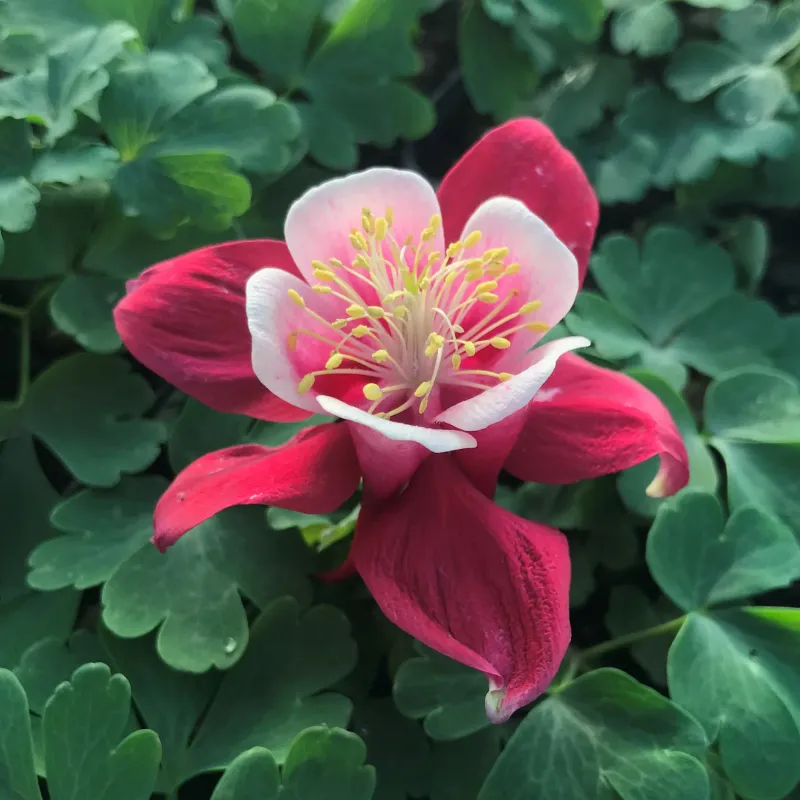
Varieties like red columbine, western yarrow, and bleeding heart move fast at Oregon nurseries as soon as they appear on display tables.
Red columbine is a native Oregon wildflower that produces striking red and yellow blooms in spring, attracting hummingbirds and native bees with impressive consistency.
It grows well in partial shade and prefers moist, well-drained soil, making it a natural fit for woodland garden settings or shaded borders beneath Oregon’s many deciduous trees.
Western yarrow is more sun-tolerant and drought-resilient once established, producing flat-topped clusters of small white flowers that serve as landing pads for butterflies and beneficial insects.
Bleeding heart is another early-season standout that Oregon gardeners snap up quickly for shaded spots where few other flowering plants thrive.
Its arching stems hung with heart-shaped pink or white blooms are a classic cottage garden element.
Many early-blooming perennials go dormant by midsummer, so pairing them with later-emerging plants helps fill gaps in the garden.
Nurseries recommend buying these plants early in March before stock runs thin and before the most vigorous specimens are already gone.
8. Native Shrubs Are In Demand For Wildlife-Friendly Gardens
Interest in native plants has grown significantly across Oregon over the past decade, and native shrubs are now one of the most talked-about categories at nurseries statewide.
Gardeners are drawn to them for their low-maintenance nature, their deep compatibility with Oregon’s soils and rainfall patterns, and their outstanding value for supporting local wildlife.
Two species consistently lead the charge in early spring sales: tall Oregon grape and red flowering currant.
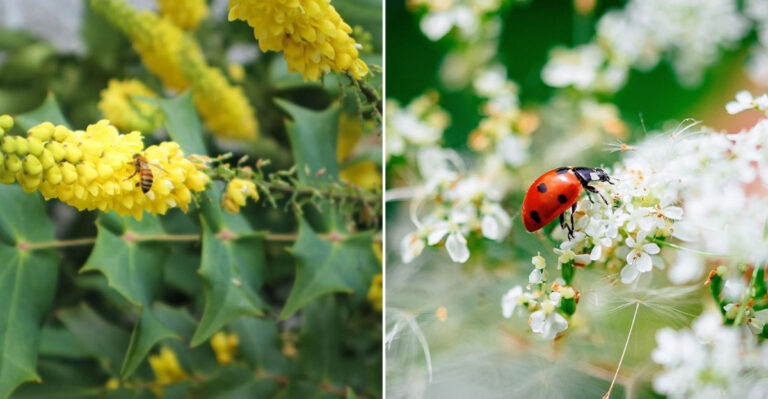
Tall Oregon grape, known botanically as Mahonia aquifolium, is Oregon’s state flower and a true workhorse of the native garden.
Its clusters of bright yellow flowers appear in late winter and early spring, providing early nectar for queen bumblebees emerging from winter dormancy.
The deep blue-purple berries that follow are eaten by birds and can even be used by humans to make jelly.
This shrub handles full shade to full sun and tolerates the dry summers that challenge many ornamental plants in the Willamette Valley and southern Oregon.
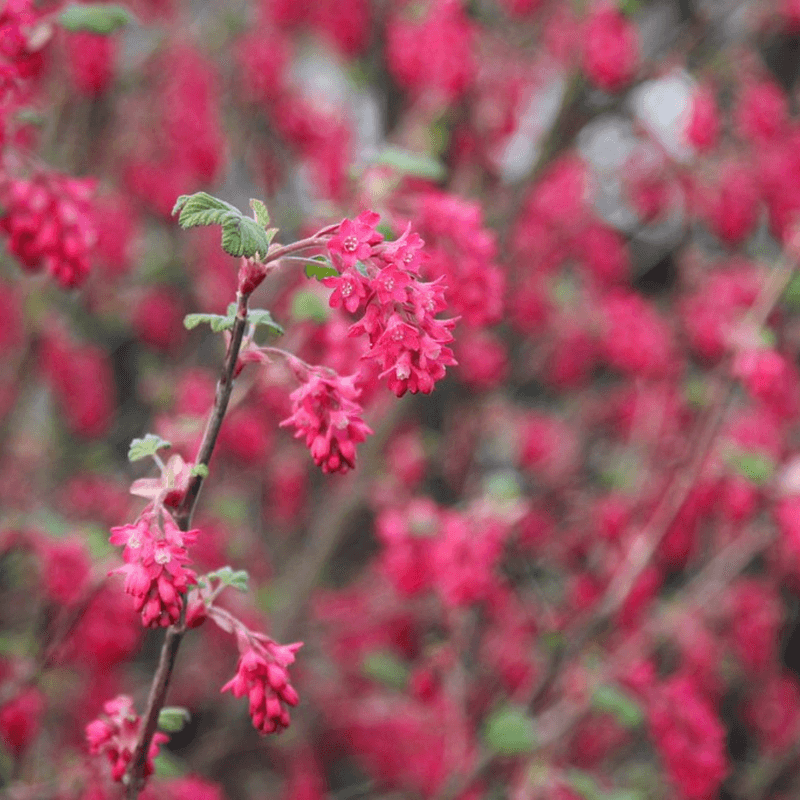
Red flowering currant is another native shrub flying off shelves in early spring.
Its cascading clusters of rosy-pink flowers are among the earliest blooms in the Oregon landscape, appearing in February and March when hummingbirds are just returning from their winter migration.
The timing is no coincidence – the plant and bird evolved together in the Pacific Northwest.
Native shrubs generally require less fertilizer, less irrigation once established, and fewer pest interventions than many non-native ornamentals, making them a smart long-term investment for Oregon gardens of all sizes.