When And How To Plant Leaf Propagation Babies In California Homes For Faster Results
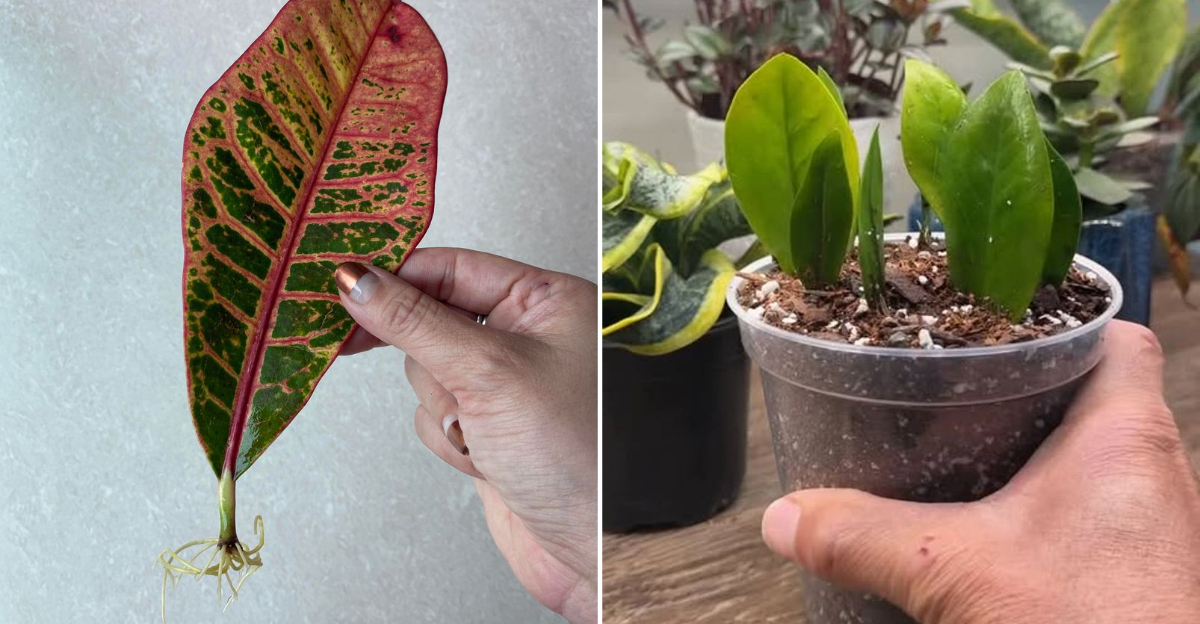
Tiny leaf propagation babies may look fragile, but they’re ready for big growth when planted at the right time. In California homes, warm light, mild indoor temperatures, and longer days create the perfect setup for fast results.
Many people rush this step and end up with stalled roots or rotting stems. Others wait too long and miss the best growth window.
Knowing when to move these baby plants into soil and how to do it properly makes all the difference. The right timing helps roots expand quickly and supports strong leaf development.
A few simple planting techniques can speed up establishment and reduce transplant shock. If you want fuller plants, faster growth, and healthier indoor greenery, this step matters more than you think.
With the right approach, your tiny propagations can turn into thriving houseplants sooner than expected.
1. Wait For Roots First
Many beginners get so excited seeing tiny bumps on their propagated leaves that they rush to plant immediately, only to watch the baby plant wilt within days.
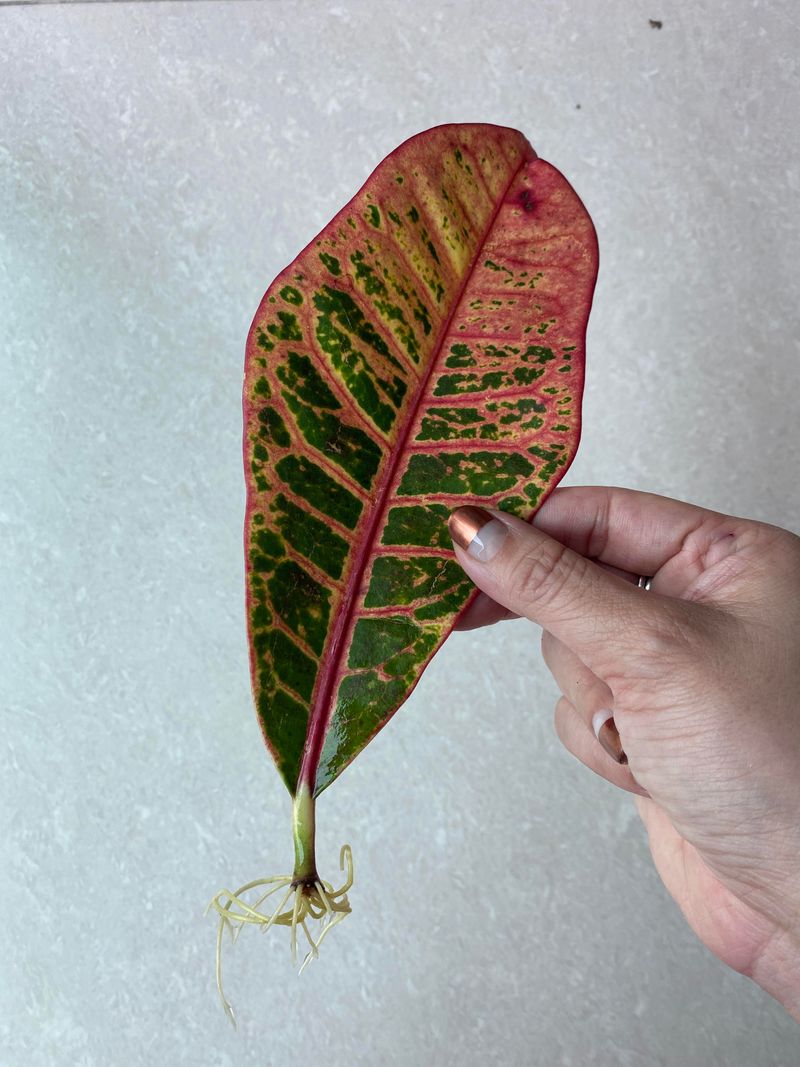
Those small bumps aren’t roots yet, they’re root primordia, which need more time to develop into functional root systems.
Planting before true roots form means the baby has no way to absorb water or nutrients from soil, leading to dehydration and failure despite your best care efforts.
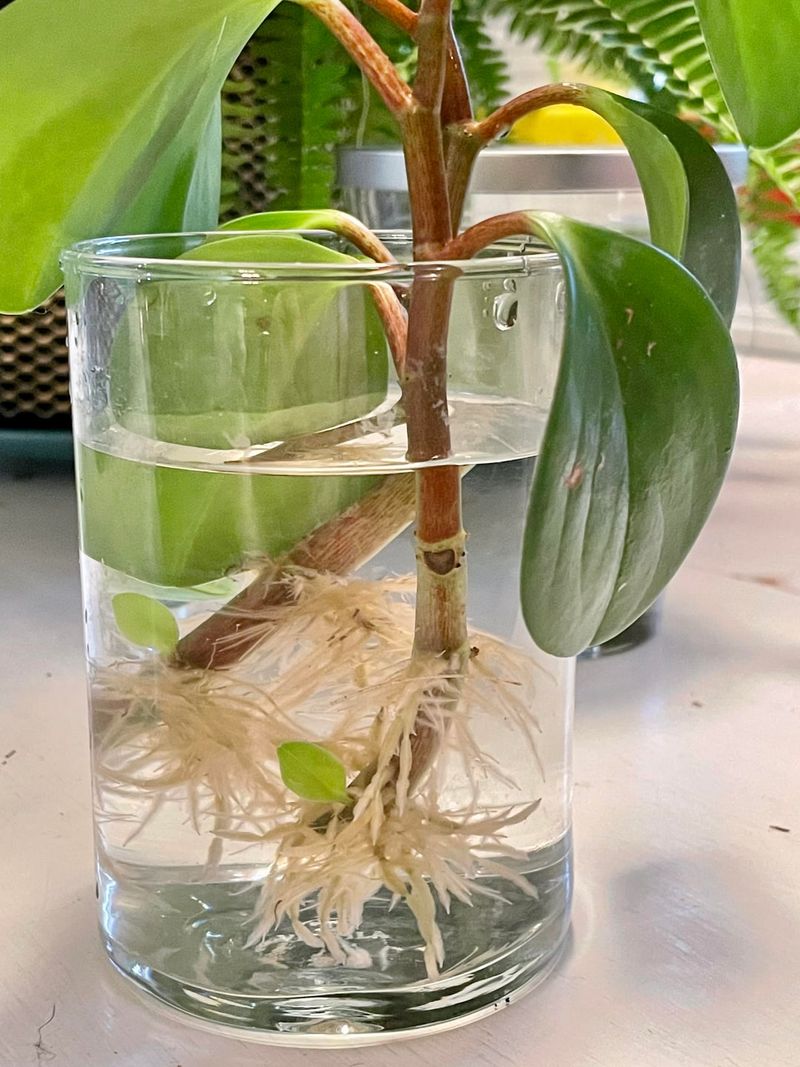
True roots should measure at least half an inch to one inch long before transplanting, appearing white or light tan with visible branching.
In California’s bright indoor light, most succulent and peperomia propagations develop adequate roots within three to six weeks, though timing varies by species and conditions.
Check progress weekly by gently lifting the leaf to inspect underneath without disturbing the developing system.
Resist the urge to plant based on calendar dates alone. Root development depends on temperature, humidity, and light exposure in your specific space.
Apartments with southern or western windows often see faster root growth than north-facing rooms.
Premature transplanting is the number one reason propagation babies fail after a strong start. The extra week or two you wait for proper root length directly translates to faster soil establishment and stronger growth once planted.
Patience during this stage prevents weeks of recovery time later.
2. Plant At The Right Size
Growers often transplant propagation babies when they’re barely visible, thinking early planting gives them a head start in soil.
The opposite happens, undersized babies lack the energy reserves and root mass needed to establish quickly, resulting in months of stalled growth while they struggle to adapt.
Size matters significantly more than most beginners realize when transitioning from propagation setup to permanent pot.
The ideal transplant size for most leaf propagations is when the new rosette or plantlet reaches roughly the diameter of a quarter to half-dollar, with roots measuring one to two inches long.
At this stage, the baby has sufficient leaf surface area to photosynthesize effectively and root mass to anchor and absorb water from surrounding soil.
Smaller babies can survive transplanting but take considerably longer to show visible growth afterward.
California’s year-round indoor growing conditions mean you’re not racing against seasonal changes like outdoor gardeners. Take advantage of this by letting babies reach optimal size before moving them.
Bright window light in California homes supports faster growth to transplant size compared to dimmer climates.
Transplanting at proper size reduces shock and accelerates establishment by two to three weeks compared to planting tiny babies.
The baby enters soil with enough stored energy and functional roots to begin active growth almost immediately rather than spending weeks just surviving the transition.
3. Use Light, Fast-Draining Soil
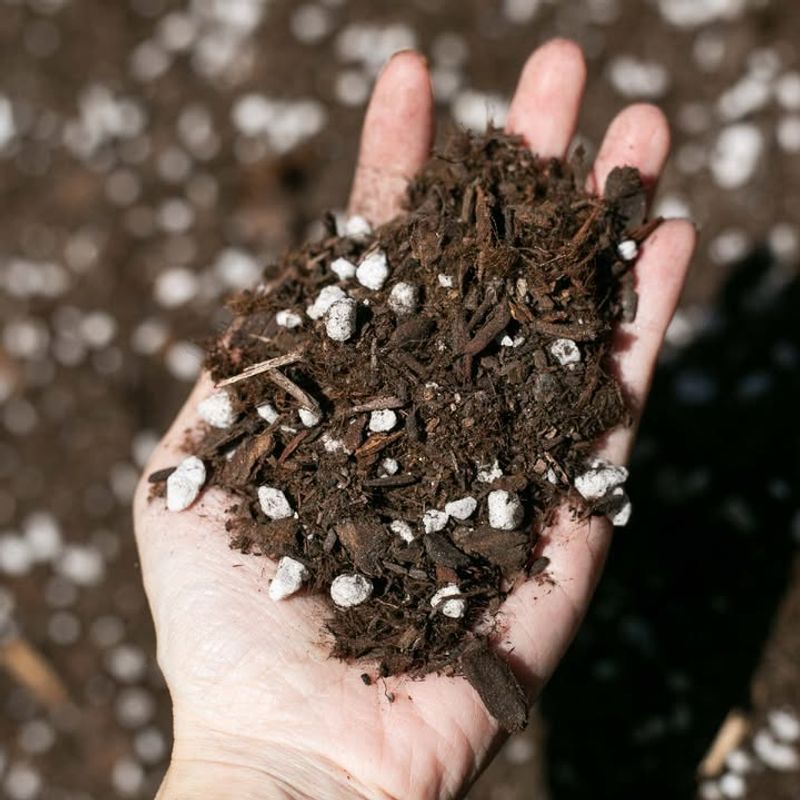
Standard potting soil seems like the logical choice for newly planted propagation babies, but its moisture-retentive properties often lead to rot before roots can establish properly.
Fresh transplants need oxygen around their developing roots just as much as they need water, and dense soil suffocates them while staying wet too long in California’s dry indoor air.
Root rot kills more newly transplanted babies than underwatering ever does.
Mix your own transplant medium using 60% quality potting soil with 40% perlite, pumice, or coarse sand to create the fast-draining environment propagation babies require.
This ratio allows water to move through quickly while retaining just enough moisture for young roots to access between waterings.
For succulents specifically, increase drainage materials to 50% or use dedicated succulent mix as your base.
California tap water quality varies significantly by region, with some areas having high mineral content that accumulates in lightweight mixes.
If your water is hard, consider using filtered or distilled water for the first month after transplanting to prevent salt buildup around sensitive new roots.
The right soil mix prevents the soggy conditions that cause stem rot at the soil line, the most common transplant failure point.
Babies establish roots 40% faster in well-draining mix compared to standard potting soil because oxygen reaches developing root tips consistently throughout the establishment period.
4. Keep Moisture Balanced
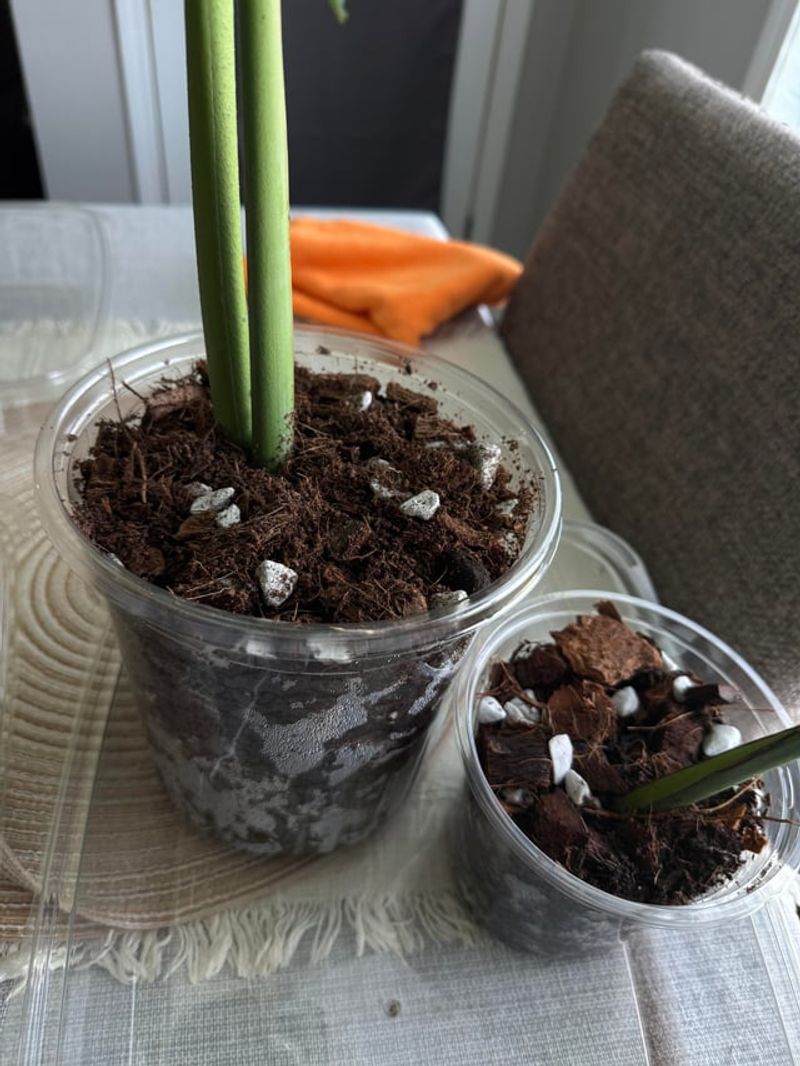
New plant parents typically water transplanted babies either too much or too little, swinging between extremes as they try to figure out the right balance.
Overwatering is more common, people assume tiny plants need constant moisture, so they keep soil wet, which prevents oxygen from reaching roots and causes rot within a week.
Conversely, some treat babies like established succulents and underwater severely, causing roots to dry out before they can grow into surrounding soil.
The goal is consistent light moisture, not wetness, during the first three to four weeks after transplanting. Water thoroughly when you plant, then allow the top half-inch of soil to dry before watering again lightly.
This usually means watering every four to seven days depending on your home’s temperature and humidity, California’s indoor air being generally drier than other regions.
Use your finger to test moisture an inch deep rather than relying on surface appearance, which dries quickly in California’s low humidity. The soil should feel barely damp, like a wrung-out sponge, never soggy or completely dry.
Small pots dry faster than large ones, so pot size affects your watering frequency significantly.
Proper moisture balance allows roots to grow actively into new soil while preventing rot. Bottom watering works well for tiny pots, set them in a shallow tray of water for five minutes, then drain completely.
This method hydrates soil evenly without disturbing delicate new roots at the surface.
5. Start With Gentle Light
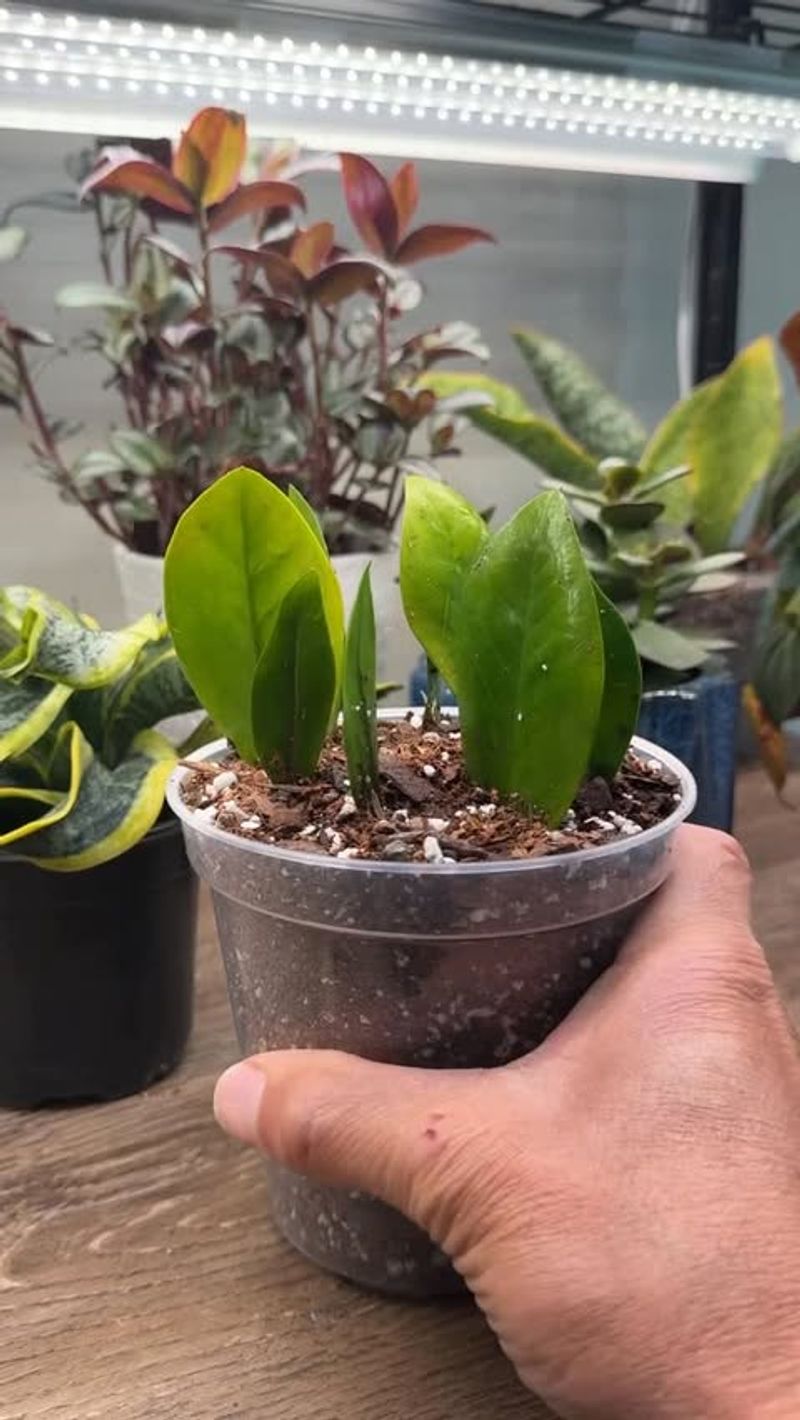
Transplanted babies often get placed immediately in the same bright window where their parent plant thrives, resulting in scorched, stressed leaves within days.
Young propagations haven’t developed the protective adaptations mature plants have, their leaves are thinner, their cuticles less developed, and their root systems can’t yet support the water demands of intense light.
What works perfectly for established plants overwhelms fresh transplants trying to establish in new soil.
Position newly planted babies in bright indirect light for the first two to three weeks, meaning a spot that receives plenty of ambient brightness but no direct sun rays hitting the leaves.
In California homes, this might be a few feet back from a south or west window, or near an east window with morning sun only.
The light should be bright enough to read comfortably but gentle enough that you don’t squint.
Watch for signs your baby needs light adjustment, stretching or pale new growth means insufficient light, while brown crispy edges or bleached spots indicate too much intensity.
California’s strong sun, even through windows, can burn tender new growth faster than in cloudier climates.
Sheer curtains provide excellent light filtering during the adjustment period.
After three weeks of successful establishment with visible new growth, gradually move babies toward brighter conditions over another week. This acclimatization period prevents shock and allows the developing root system to build capacity for higher light demands.
Proper light management reduces transplant stress by 60% compared to immediate full-sun placement.
6. Avoid Overhandling
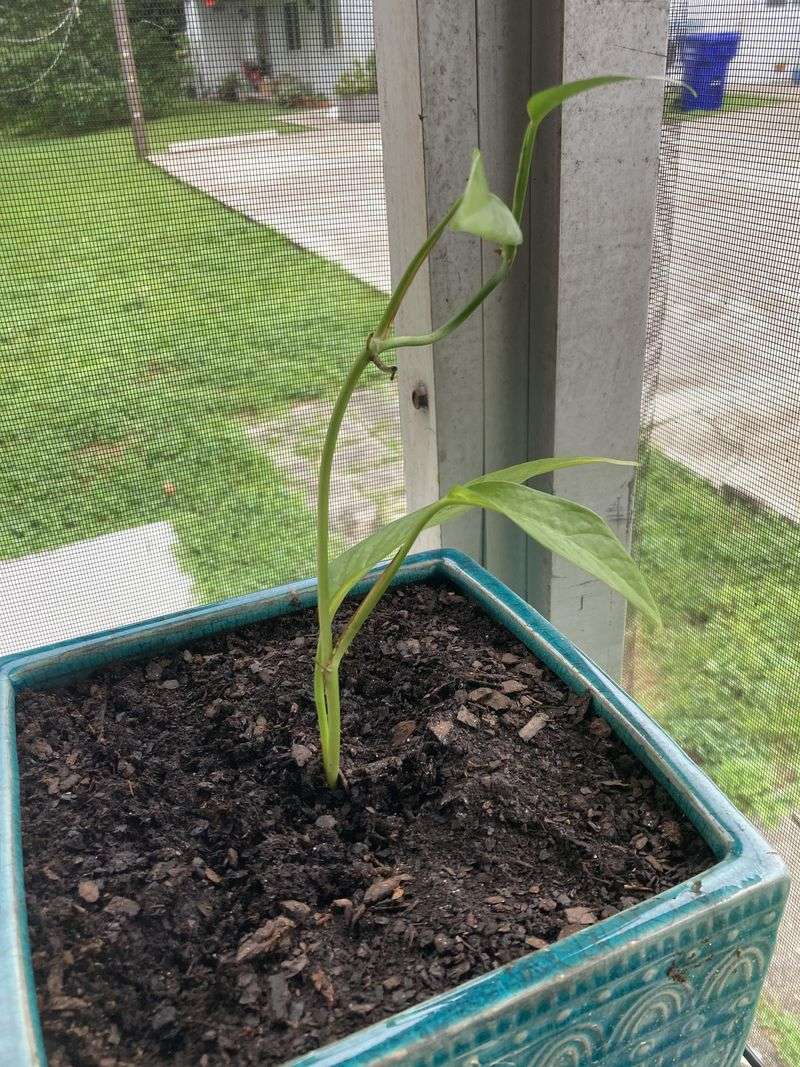
Well-meaning plant owners constantly check their newly planted babies, gently tugging to test if roots are growing, lifting them slightly to inspect underneath, or moving them daily to find the perfect spot.
Each disturbance damages fragile new roots trying to grow into soil, breaking the delicate root hairs responsible for water and nutrient absorption.
What feels like attentive care actually sets back establishment by days or weeks with each check.
Once you’ve planted your propagation baby, leave it completely undisturbed for at least three weeks except for watering. Don’t test stability by tugging, don’t lift to check roots, and don’t rotate or move the pot unless absolutely necessary for light management.
Roots need continuous contact with soil particles to grow properly, and any movement breaks these essential connections before they can strengthen.
The urge to check progress is strong, but visible top growth is your indicator that roots are establishing successfully below soil. Most propagations show new leaf development or rosette expansion within two to four weeks if conditions are right.
California’s consistent indoor temperatures support steady root growth without the seasonal variations that complicate establishment in other climates.
Resist repotting or adjusting the plant’s position in its pot during the establishment phase. The original planting depth and orientation matter, changing them stresses the baby and requires additional recovery time.
Hands-off care during this critical period allows roots to focus energy entirely on growth rather than repeatedly repairing damage from handling.
7. Support Early Growth
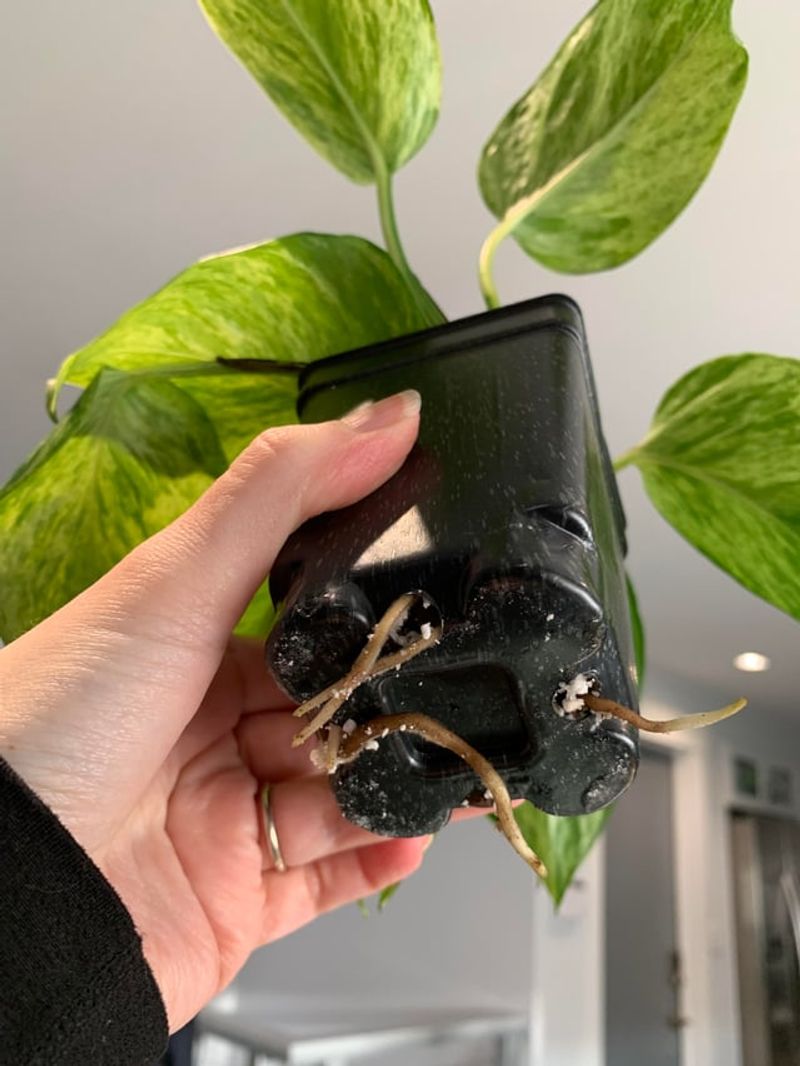
After transplanting, many growers assume their job is done and babies should grow automatically, leading to disappointment when progress stalls or plants struggle.
Newly planted propagations need specific support during their first month in soil, they’re transitioning from the protected propagation environment to independent growth, which requires temporary assistance.
California’s dry indoor air, typically 30-40% humidity, presents particular challenges for babies accustomed to the higher humidity of propagation setups.
Create a simple humidity dome using a clear plastic cup or cut bottle placed over the pot for the first week, removing it for a few hours daily to prevent fungal issues.
This maintains higher humidity around leaves while roots establish, reducing water stress during the vulnerable transition period.
After one week, gradually increase ventilation time until the dome is removed completely by week two.
Consider light fertilization starting three to four weeks after transplanting, once you see signs of new growth. Use liquid fertilizer diluted to quarter-strength every two weeks during the establishment phase, full-strength feeding burns tender new roots.
California’s year-round growing season means babies can establish and grow continuously rather than entering dormancy, making consistent light feeding beneficial.
Monitor for pests closely during establishment, as stressed plants attract spider mites and mealybugs more readily than healthy ones. California’s warm indoor temperatures support pest reproduction year-round, making vigilance important.
Early detection and treatment prevent infestations from overwhelming babies before they’re strong enough to recover. Proper establishment support reduces the time to active growth by three to four weeks compared to unsupported transplants.